Amazing Yard Landscaping Designs for a Beautiful Outdoor Space

Your yard shouldn’t feel like wasted space. Many homeowners stare at their outdoor spaces daily, frustrated by patchy grass, overgrown shrubs, or a complete lack of design. That dissatisfaction grows when you see neighbors with stunning landscape design that makes your property look neglected. The good news is that amazing yard landscaping doesn’t require a complete overhaul or a six-figure budget.
With strategic planning, smart plant choices, and a few key features, you can transform any yard into a welcoming retreat that boosts curb appeal and creates genuine enjoyment for your family.
What Makes Amazing Yard Landscaping Stand Out
Amazing yard landscaping balances aesthetics with functionality while reflecting your personal style. The best landscape design doesn’t just look pretty, it serves your lifestyle, whether that means creating play areas for kids, establishing entertainment zones, or building quiet meditation spaces.
Three elements separate mediocre yards from truly stunning ones. First, cohesive design ties everything together through repeated colors, textures, or materials. Second, proper scale ensures plants, structures, and open spaces complement rather than overwhelm each other. Third, year-round interest keeps your yard attractive across all seasons through strategic plant selection and hardscape features. These principles apply whether you’re working with a small urban lot or sprawling suburban acreage.
Read More About: Best Garden Yard Ideas for a Stunning Outdoor Retreat
How to Plan Your Yard Landscaping Project
Start by assessing what you already have. Walk your property at different times of day, noting sun patterns, drainage issues, and existing features worth keeping. Document problem areas like muddy spots, dead zones, or awkward slopes. This reconnaissance prevents costly mistakes and helps you work with your yard’s natural conditions rather than against them.
Create zones based on how you’ll use each area. Designate spaces for dining, lounging, gardening, or play. Think about traffic flow between your home and these zones. Pathways should feel natural, not forced. Consider privacy needs too. Strategic placement of trees and shrubs can screen unsightly views or create intimate pockets within larger outdoor spaces. A professional landscaper can help refine these concepts, but many homeowners successfully design their own yard transformation using free online tools or simple graph paper sketches.
Essential Elements of Amazing Yard Landscaping
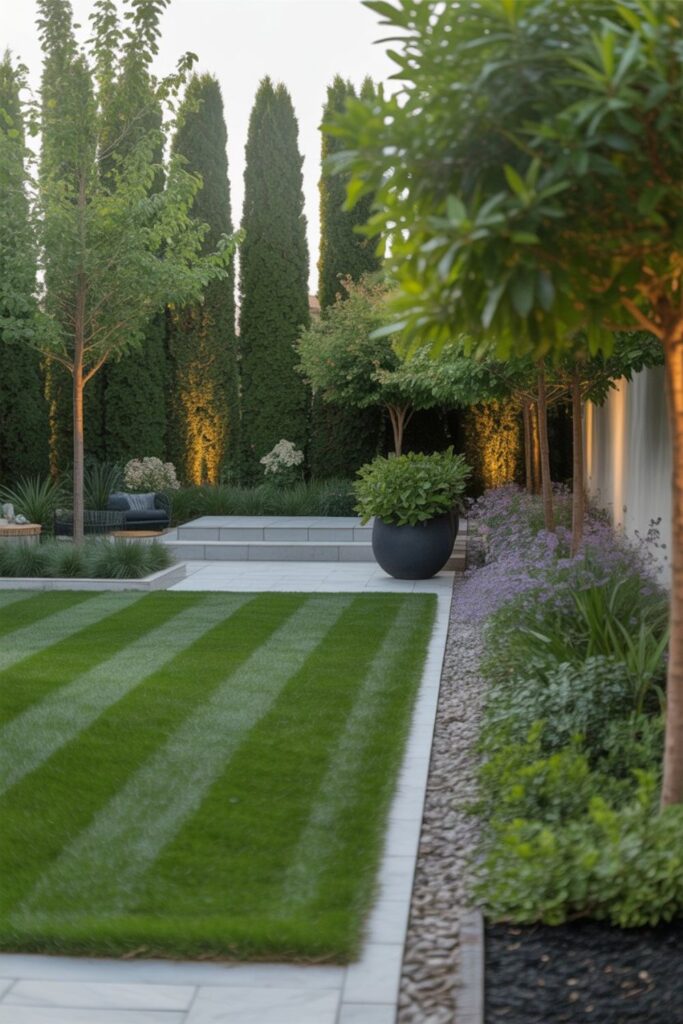
Hardscaping Creates Structure and Function
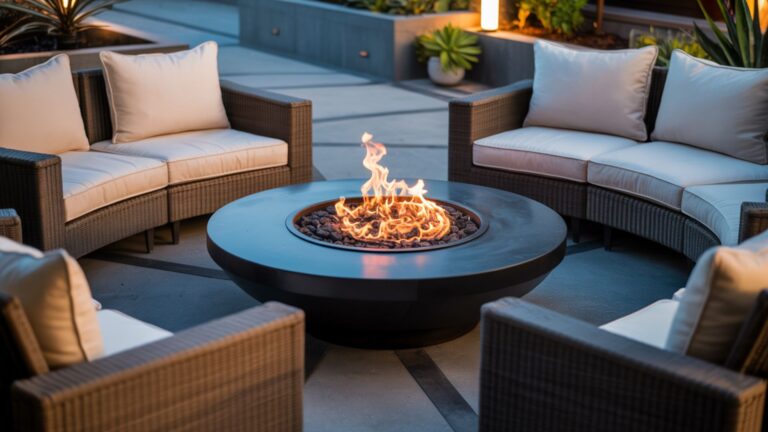
Hardscaping forms the backbone of memorable landscape design. Patios extend your living space outdoors, providing stable surfaces for furniture and gatherings. Materials matter, natural stone offers timeless elegance, while concrete pavers provide budget-friendly versatility. Your choice should complement your home’s architecture.
Pathways do more than connect point A to point B. Curved walks create mystery and make small yards feel larger. Materials like flagstone, decomposed granite, or brick add texture and character. Proper installation with landscape fabric and adequate base material prevents settling and weed growth. Retaining walls solve slope challenges while adding dimensional interest. These structures need proper drainage behind them to prevent failure, a detail many DIYers overlook.
Softscaping Brings Life and Color
Softscaping includes all living elements plants, trees, shrubs, grass, and groundcovers. Native plants typically require less maintenance once established since they’ve adapted to your region’s climate and soil conditions. They also support local pollinators and wildlife, creating a healthier ecosystem in your backyard.
Layer your plantings for depth and interest. Tall trees form the canopy, medium shrubs create the middle layer, and low perennials or annuals fill the foreground. This layering mimics natural environments and provides visual complexity. Mix textures too combine fine-leaved grasses with bold hostas, or pair delicate flowers with architectural succulents. Don’t forget about foliage color. Burgundy, chartreuse, and silver plants add punch even when nothing’s blooming.
Outdoor Lighting Extends Usability
Lighting transforms your yard after dark and enhances safety. Path lights guide movement, uplighting showcases specimen trees or architectural features, and ambient fixtures create mood for entertaining. Modern LED options consume minimal electricity while lasting years. Solar fixtures work for accent lighting but lack the power and reliability of low-voltage wired systems.
Layer your lighting just like your plantings. Combine task lighting (for cooking or reading areas), accent lighting (for focal points), and ambient lighting (for overall illumination). Warm color temperatures (2700-3000K) create inviting atmospheres, while cooler temperatures work better for security applications. Timer controls or smart systems let you automate your outdoor lighting for convenience and energy savings.
What Are the Best Plants for Amazing Yard Landscaping
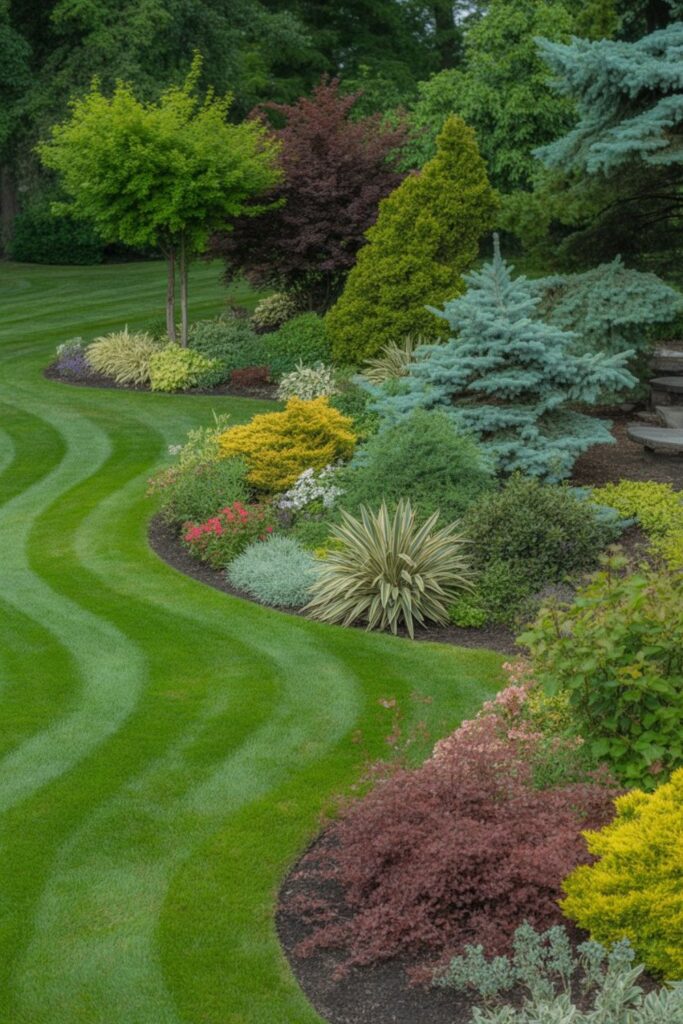
Choose plants based on your USDA hardiness zone, sun exposure, and soil type. Native plants should form your foundation since they thrive with minimal intervention. In the Northeast, consider sugar maples, eastern redbuds, and black-eyed Susans. Southwest gardeners might select palo verde trees, Texas sage, and agave. Pacific Northwest landscapes benefit from vine maples, rhododendrons, and sword ferns.
Mix perennials and annuals strategically. Perennials return year after year, providing reliable structure and reducing replanting work. Annuals offer flexibility and swap them seasonally to keep your garden design fresh. Ornamental grasses add movement and texture while requiring almost no maintenance. Varieties like fountain grass, switchgrass, and blue fescue work across multiple zones and look stunning even in winter when their seed heads catch frost and snow.
How Much Does Amazing Yard Landscaping Cost
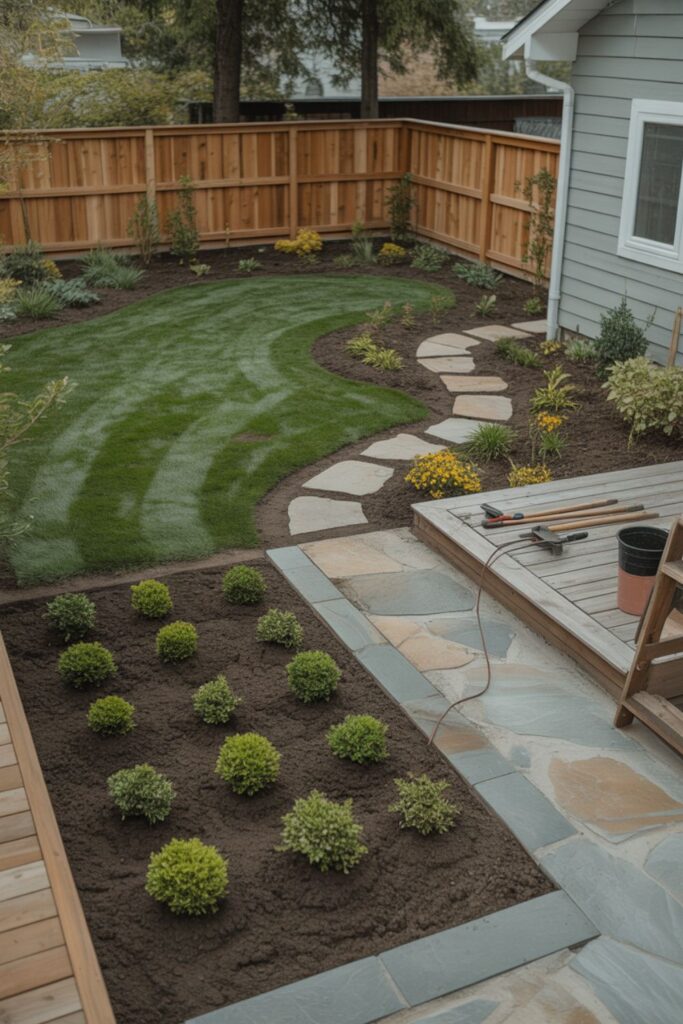
Landscaping costs vary wildly based on scope, materials, and labor. Basic softscaping projects adding plant beds and mulch might run $2,000-$5,000 for an average yard. Mid-range backyard makeovers incorporating patios, walls, and upgraded plantings typically cost $10,000-$30,000. High-end landscape design with extensive hardscaping, water features, outdoor lighting, and mature specimens can exceed $50,000.
DIY work dramatically reduces expenses but demands time and physical effort. You’ll save 40-60% on labor while learning valuable skills. However, certain tasks justify professional help. Drainage solutions require expertise to work correctly. A large tree installation needs equipment you probably don’t own. Electrical work for lighting may require permits and licensed contractors. Smart homeowners tackle what they can while hiring specialists for technical challenges.
Common Mistakes in Yard Landscaping to Avoid
Planting too close to structures causes foundation damage and maintenance headaches. That cute shrub might reach eight feet wide at maturity. Research mature sizes before placing plants, leaving adequate room for growth. Poor drainage ruins even beautiful designs. Water should flow away from buildings, not pool in low spots where it kills grass and creates mosquito breeding grounds.
Ignoring soil quality guarantees disappointing results. Most plants prefer well-draining soil rich in organic matter. Clay soil needs amendment with compost to improve structure. Sandy soil benefits from organic material that helps retain moisture. Test your soil pH too. Some plants thrive in acidic conditions while others prefer alkaline environments. Skipping this step wastes money on plants that struggle instead of thrive.
How to Maintain Your Amazing Yard Landscaping
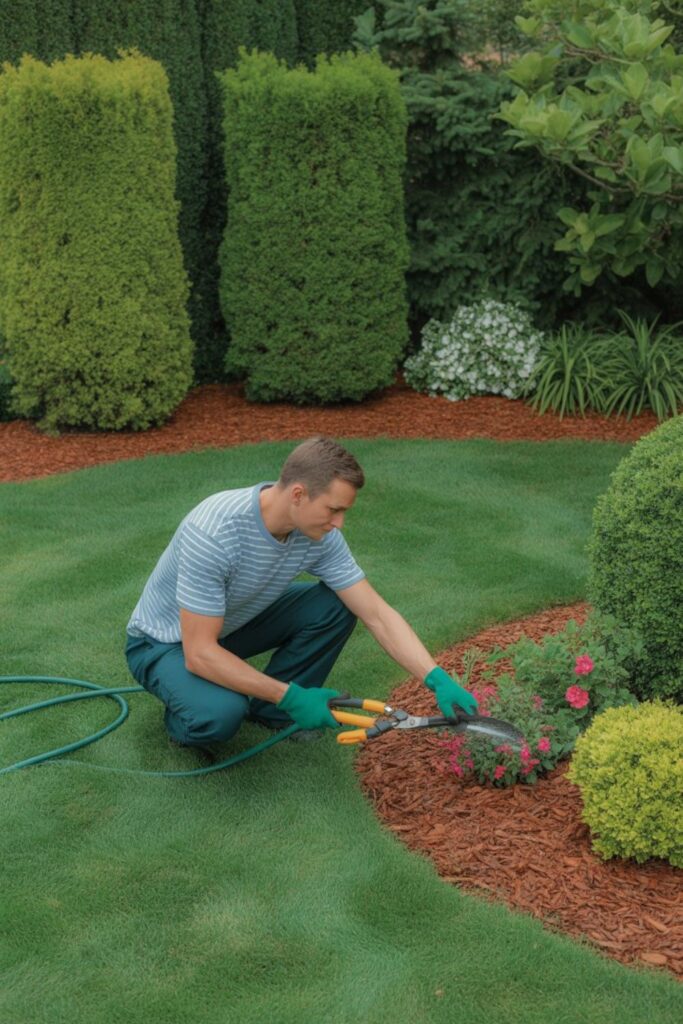
Consistent maintenance preserves your investment and keeps everything looking sharp. Apply mulch annually to suppress weeds, retain moisture, and regulate soil temperature. Two to three inches works for most applications and can suffocate plant roots. Organic mulches like shredded bark or wood chips break down over time, enriching your soil as they decompose.
Prune trees and shrubs at appropriate times for each species. Spring bloomers like lilacs set next year’s flowers immediately after blooming, prune them right after flowering finishes. Summer bloomers develop buds on new growth and prune them in late winter or early spring. Dead or damaged branches can be removed anytime. Sharp, clean tools make better cuts that heal faster. Fertilize plants based on their needs rather than a blanket approach. Native plants rarely need supplemental feeding once established, while heavy feeders like roses benefit from regular applications during the growing season.
Read More About: Inspiring Backyard Garden Design Ideas for Your Dream Outdoor Paradise
Creative Ideas for Amazing Yard Landscaping
Water features add sensory appeal that transforms ordinary outdoor spaces. Fountains provide soothing sounds that mask traffic noise. Ponds attract wildlife while creating stunning focal points. Even small yards accommodate container water gardens or wall-mounted fountains. Ensure proper circulation prevents mosquitoes moving water and doesn’t allow them to lay eggs.
Vertical gardens maximize limited space in urban settings. Living walls covered in succulents or trailing plants create art-like installations. Trellises support climbing vines like clematis, jasmine, or climbing roses, adding height without consuming much ground space. Raised beds solve soil problems while reducing back strain during maintenance. Build them from cedar, composite materials, or even galvanized stock tanks for modern industrial aesthetics.
Frequently Asked Questions
How long does it take to complete a yard landscaping project?
Simple softscaping updates take one to two weekends for DIY homeowners, while comprehensive yard transformations with hardscaping typically require four to eight weeks when using professional landscapers. Phasing projects across multiple seasons spreads out landscaping costs and lets you refine plans between stages.
Can I create amazing yard landscaping on a tight budget?
Absolutely focus on high-impact, low-cost improvements like mulch, edging, and young plants that mature over time. Start with a strong design plan, then implement it gradually as your budget allows. Dividing perennials, starting plants from seed, and shopping end-of-season sales dramatically reduce expenses while still achieving beautiful results.
What is the difference between hardscaping and softscaping?
Hardscaping refers to non-living elements like patios, walls, pathways, and structures, while softscaping includes all living components such as plants, trees, shrubs, grass, and flowers. Successful landscape design balances both elements to create functional, attractive outdoor living spaces that serve your lifestyle needs.
Should I hire a professional landscaper or do it myself?
It depends on your skills, time, and budget. DIY works great for plant selection, bed installation, and basic hardscaping. Hire professionals for technical challenges like major drainage solutions, large tree installation, retaining walls over three feet, and electrical work for outdoor lighting. Many homeowners combine both approaches for optimal results.
How do I choose plants that will thrive in my yard?
Start by identifying your USDA hardiness zone, then assess sun exposure and soil conditions in each planting area. Select native plants adapted to your region as your foundation, then add compatible non-natives for variety. Consider mature size, bloom time, water needs, and maintenance requirements when making final selections.
Conclusion
Amazing yard landscaping combines thoughtful planning with quality execution to create outdoor spaces that enhance your property and lifestyle. The right mix of hardscaping and softscaping transforms any yard into a functional retreat that serves your family’s needs while boosting curb appeal. Success comes from understanding your site conditions, choosing appropriate plants and materials, and maintaining your investment with consistent care. Whether you tackle the work yourself or partner with a professional landscaper, focus on design principles that create cohesion, proper scale, and year-round interest.
Start your yard transformation today by assessing your space and identifying your priorities. Create zones for different activities, research plants that thrive in your conditions, and develop a realistic budget that allows for phased implementation. Your amazing yard landscaping doesn’t need to happen overnight; each improvement builds toward the outdoor oasis you’ve envisioned, increasing your home’s value while creating lasting memories for years to come.