Backyard Cozy Spaces Ideas for a Comfortable Outdoor

You scroll through outdoor living inspiration and see expansive patios with sprawling furniture arrangements. Those magazine-worthy spaces look impressive but feel cold and uninviting too much openness, too little warmth. Meanwhile, your favorite memories happen in tucked-away corners at cafés or intimate restaurant patios where scale feels human and atmosphere invites lingering. You want that same embracing quality in your own yard.
Backyard cozy spaces prioritize emotional comfort over visual impressiveness. These intimate outdoor areas succeed through deliberate smallness, thoughtful enclosure, and layers of soft elements that create the “hug from your environment” feeling that massive open platforms cannot replicate. Cozy doesn’t mean cramped it means intentionally scaled to human needs rather than architectural ego.
This guide reveals how to design warm backyard nooks that become your favorite household destinations through strategic use of enclosed feeling elements, soft textures, and warm lighting that work together to create genuine emotional comfort. You’ll discover optimal dimensions for intimate scale spaces, learn which comfortable furniture and layered textiles maximize coziness, and master personal touches that transform generic patios into inviting outdoor spaces uniquely yours. Whether carving niches from existing yards or designing from scratch, these hygge outdoor design principles ensure your snug garden corners deliver the sheltered comfort modern life demands.
Why Cozy Beats Grand in Outdoor Spaces
Backyard cozy spaces align with fundamental human psychology better than vast open areas. Environmental researchers studying “prospect and refuge” theory find that people instinctively prefer environments offering both views outward and protective enclosure exactly what intimate outdoor areas provide while exposed platforms lack. According to studies published in the Journal of Environmental Psychology, spaces scaled at 100-200 square feet trigger stronger comfort responses than 400+ square foot areas that feel too exposed.
The Danish concept of “hygge” (pronounced hoo-gah) celebrates exactly what warm backyard nooks deliver contentment found in comfortable, intimate settings. This philosophy recognizes that true relaxation requires feeling protected and enveloped rather than exposed and surveilled. Your cozy seating areas tap into this universal human need for spaces that embrace rather than overwhelm in your hygge outdoor design execution.
Intimate scale spaces cost dramatically less to furnish and maintain than grand patios while delivering superior comfort. A 10×12 foot snug garden corner needs one quality seating grouping versus multiple furniture sets for large platforms. According to outdoor living specialists, homeowners report using intimate corners 3-4 times more frequently than oversized patios because the smaller spaces feel immediately welcoming rather than requiring “occasion” justification for use.
Defining Intimate Scale for Maximum Comfort
Intimate scale for backyard cozy spaces typically ranges from 80-150 square feet large enough for meaningful seating but small enough to feel enveloping. An 8×10 foot nook accommodates a loveseat and side table comfortably while maintaining the close boundaries that create coziness. Expand to 10×12 feet for seating four people in conversation-conducive proximity in your intimate outdoor areas.
Compare this to typical patio recommendations of 12×14 feet minimum; those dimensions suit dining and entertaining but sacrifice the embracing quality that defines true warm backyard nooks. According to space planning research from Cornell University, conversation comfort peaks when participants sit 4-7 feet apart. Cozy seating areas naturally maintain these ideal distances while larger spaces often exceed comfortable talking ranges, forcing raised voices or awkward proximity in your inviting outdoor spaces.
Vertical scale matters as much as floor dimensions. Hygge outdoor design works best when overhead elements exist 8-10 feet above ground low enough to feel sheltering without causing claustrophobia. Standard 8-foot pergola heights create perfect intimate canopies while 12-foot structures feel too lofty for cozy atmospheres. This human scale proportion ensures your snug garden corners embrace rather than tower over occupants, creating the protective feeling essential to genuine comfort.
Read More About: Backyard Patio Oasis Ideas to Create a Relaxing Outdoor
Creating Enclosed Feeling Without Walls
Enclosed feeling defines successful backyard cozy spaces yet solid walls create claustrophobia rather than comfort. The goal is the suggestion of boundaries through partial screening that blocks some sightlines while maintaining airflow and connection to surroundings. Lattice panels along one or two sides provide sufficient enclosure for intimate outdoor areas without the fortress feeling that four solid walls produce.
Tall plantings create living walls that enclose while remaining organic and breathable. Ornamental grasses reaching 5-6 feet, columnar evergreens, or dense shrubs positioned strategically around seating define boundaries without blocking air movement. According to landscape psychologists, warm backyard nooks require 50-70% perceived enclosure to feel confining, less exposed to trigger optimal comfort responses in cozy seating areas.
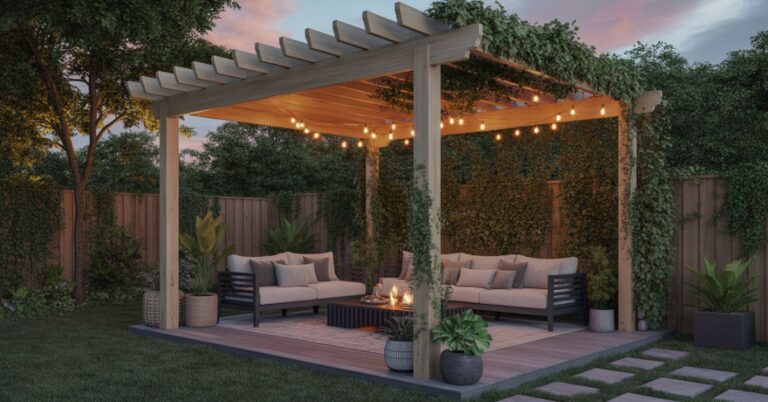
Overhead structures dramatically increase enclosed feeling even with completely open sides. A simple pergola with shade fabric or climbing vines creates a “ceiling” that psychologically defines space and provides protection. Humans instinctively seek overhead coverage evolutionary holdover from finding shelter. Your hygge outdoor design leverages this instinct by providing something above that signals safety and definition for your intimate scale environments without requiring wall enclosures.
Comfortable Furniture That Invites Lingering
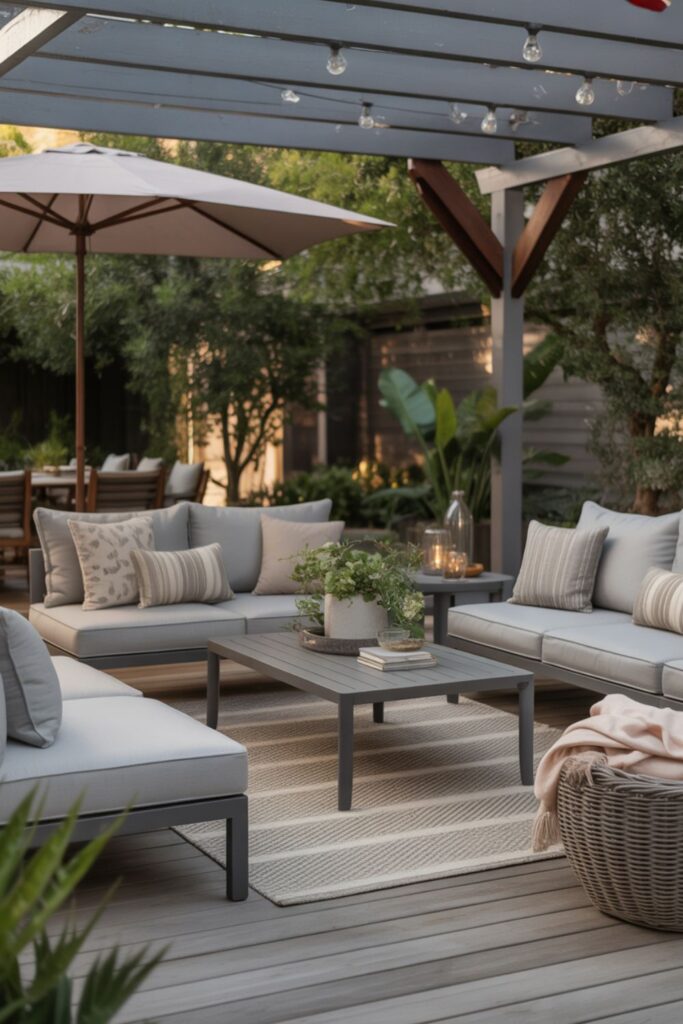
Comfortable furniture separates functional seating from truly cozy seating areas. Deep cushions measuring 5-6 inches thick provide the plush support that encourages settling in for extended stays. Furniture with higher backs (20-24 inches) offers better support than low-profile modern pieces that look stylish but sacrifice comfort in backyard cozy spaces.
Scale furniture appropriately to your intimate outdoor areas oversized sectionals overwhelm small spaces while tiny bistro chairs feel inadequate. A loveseat measuring 54-60 inches works perfectly in 8×10 foot nooks, providing comfortable seating for two without dominating the footprint. Add one substantial lounge chair rather than multiple small seats to maximize comfort without crowding your warm backyard nooks.
Consider furniture that enables various postures straight sitting, lounging, even curling up. Adirondack chairs or deep club chairs accommodate the casual positions people naturally adopt when truly relaxed. According to furniture ergonomics research, comfortable furniture allowing 3-4 different sitting positions increases average usage time by 50-60% compared to single-posture seating that becomes uncomfortable after 20-30 minutes in your inviting outdoor spaces.
Cozy Furniture Scale Guide
| Space Size | Ideal Seating | Side Table Size | Coffee Table Size |
| 8×10 (80 sq ft) | Loveseat (60″) | 16-18″ dia | 30-36″ long |
| 10×10 (100 sq ft) | 2 chairs + ottoman | 18-20″ dia | 36-40″ long |
| 10×12 (120 sq ft) | Small sectional (80″) | 20-22″ dia | 40-48″ long |
| 12×12 (144 sq ft) | 3-4 chairs arranged | Multiple 16-18″ | 48″ round/square |
Soft Textures and Layered Textiles
Soft textures transform hard outdoor spaces into backyard cozy spaces that feel residential rather than commercial. Outdoor rugs anchor seating areas while adding literal softness underfoot. Choose rugs in natural fibers like jute or synthetic options designed for weather resistance, sizing them large enough that furniture legs rest on the rug rather than just touching edges this creates visual cohesion in your intimate outdoor areas.
Layered textiles build coziness through multiple soft elements rather than relying on single pieces. Start with cushioned furniture, add throw pillows in varied sizes (18-inch, 20-inch, and 22-inch mixes create pleasing variety), then incorporate throws or blankets draped over chair arms. According to interior designers specializing in outdoor spaces, this layering approach increases perceived warmth by 40-50% compared to minimal textile use.
Mix textures for dimensional interest combine smooth outdoor canvas with nubby woven patterns, pair solid colors with subtle prints. Avoid matchy-matchy sets that feel showroom-stale. Curated collections of complementary textiles create the collected-over-time feeling that defines authentic hygge outdoor design rather than instant outdoor rooms that lack personality. These soft textures invite touching and settling in, creating tactile comfort that amplifies visual coziness in your warm backyard nooks.
Warm Lighting for Evening Ambiance
Warm lighting proves essential for backyard cozy spaces because color temperature dramatically affects emotional response. Bulbs rated 2200-2700K produce the amber glow of candlelight and firelight tones humans instinctively associate with safety and comfort. Cooler 3000K+ bulbs feel institutional rather than intimate, undermining cozy atmospheres regardless of other design elements in your cozy seating areas.
String lights remain the gold standard for warm lighting in intimate outdoor areas because they provide diffused glow without harsh directional beams. Hang them 7-8 feet overhead in zigzag patterns that create subtle ceiling effects. Edison-style bulbs with visible filaments add vintage charm while producing flattering amber light. According to lighting designers, string lights alone can increase evening space usage by 60-80% compared to unlit or harshly lit alternatives.
Layer multiple light sources at different heights for professional results. String lights overhead, lanterns on side tables, and perhaps flameless candles or small LED lights tucked into plantings create depth and warmth. Install dimmers on any hardwired fixtures so you can adjust brightness for different moods bright for reading, dim for conversation. This flexible warm lighting ensures your hygge outdoor design adapts to varied uses while maintaining the golden glow essential to inviting outdoor spaces after dark.
Personal Touches That Make Spaces Uniquely Yours
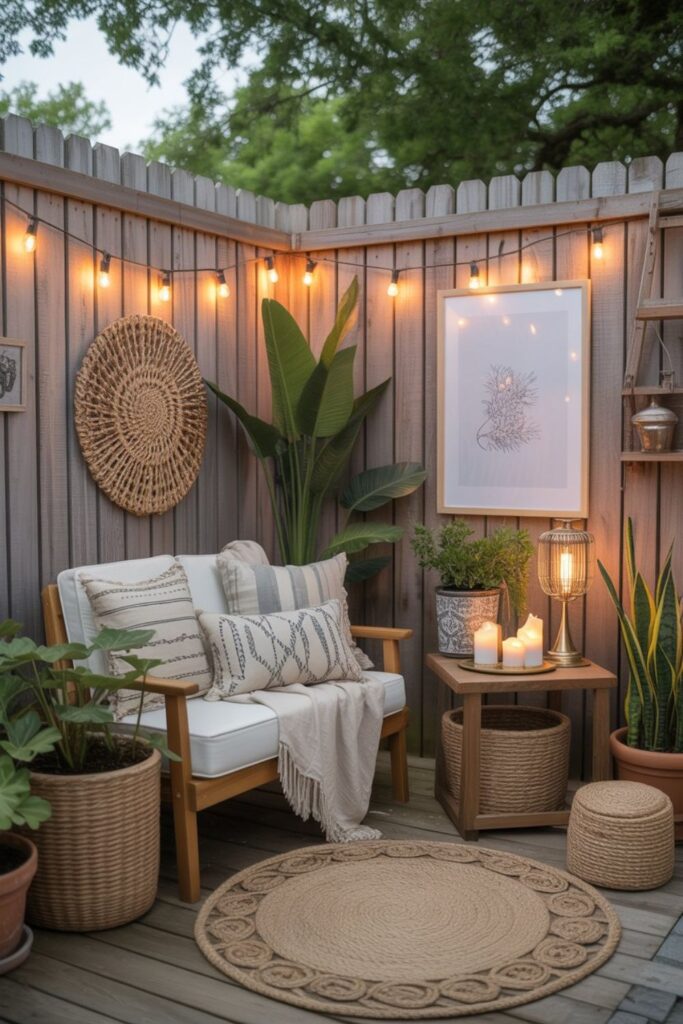
Personal touches transform generic setups into backyard cozy spaces that reflect individual personalities and stories. Display collections that matter to you vintage lanterns, pottery, or small sculptures that spark joy. These meaningful objects create conversation starters while making spaces feel curated rather than catalog-ordered in your intimate outdoor areas.
Incorporate items with history a refinished family heirloom side table, pillows made from vintage fabric, or planters inherited from relatives. According to environmental psychology research, spaces containing objects with personal narratives trigger 30-40% stronger attachment responses than rooms furnished entirely with new purchases. Your warm backyard nooks become extensions of personal identity rather than generic outdoor furniture showrooms.
Add evidence of hobbies and interests through books on outdoor side tables, art reflecting personal taste, or plants propagated from cuttings shared with friends. These layers of individuality create the “lived-in” quality that defines genuine hygge outdoor design. The most successful cozy seating areas tell stories about inhabitants’ lives, interests, and relationships transforming functional furniture arrangements into spaces that feel emotionally significant and uniquely appropriate to your snug garden corners.
Protected Areas From Wind and Weather
Protected areas extend usability of backyard cozy spaces across more days and seasons. Position intimate zones on your home’s leeward side where structures block prevailing winds. A corner formed by two exterior walls creates natural wind protection while the building mass radiates retained warmth during cool evenings ideal for intimate outdoor areas in temperate climates.
Install windbreaks like glass panels, clear acrylic sheets, or outdoor curtains that block gusts without obstructing views. Retractable options provide flexibility, extend them during windy conditions, pull them aside during calm weather. According to outdoor comfort research, wind reduction of just 50% increases perceived temperature by 10-15°F, dramatically expanding comfortable usage periods for your warm backyard nooks.
Add overhead protection through pergolas with retractable canopies or permanent roof sections. Covered cozy seating areas remain usable during light rain while providing shade during intense sun. Even partial coverage (50-60% of area) offers sufficient weather protection to make spaces more reliable than completely exposed seating. This weather resilience ensures your hygge outdoor design delivers value throughout seasons rather than sitting unused whenever conditions are less than perfect in your inviting outdoor spaces.
Fire Features for Warmth and Focus
Fire features anchor backyard cozy spaces by providing literal warmth plus mesmerizing focal points that draw people together. Small fire bowls measuring 24-30 inches diameter suit intimate scale settings better than large 48-inch fire pits that overwhelm compact areas. Position fire features 4-5 feet from primary seating close enough for warmth without excessive heat during use of your intimate outdoor areas.
Tabletop fire features offer the ambiance of flame in ultra-compact formats perfect for snug garden corners. These portable units burning gel fuel or bioethanol cost $50-300 and provide flickering flames without smoke or extensive installation. According to outdoor living specialists, even small fire elements increase evening space usage by 50-70% because flame naturally attracts and holds attention, encouraging longer stays.
Chimineas provide the charm of wood fires with better smoke control than open pits; the chimney effect directs smoke upward rather than into seating areas. These vertical fire features suit corner placements in warm backyard nooks where their sculptural forms provide visual interest even when not lit. Gas versions offer convenience without wood storage or ash cleanup demands, maintaining spontaneous usability that encourages frequent use in your hygge outdoor design sanctuary.
How Small Should a Cozy Outdoor Space Be?
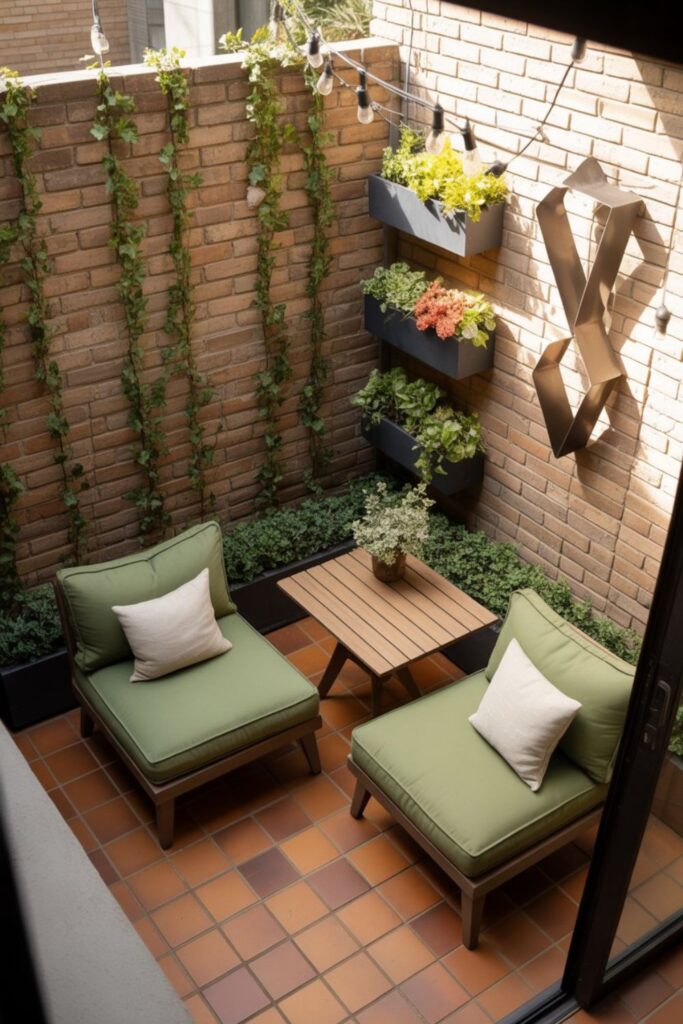
Backyard cozy spaces typically range from 80-150 square feet to maintain an intimate scale that creates embracing comfort. An 8×10 foot area (80 square feet) represents the minimum for functional cozy seating areas accommodating a loveseat and side table while maintaining the close boundaries that define coziness. Smaller dimensions feel cramped rather than cozy, limiting furniture options and creating claustrophobia in your intimate outdoor areas.
The upper limit of approximately 12×12 feet (144 square feet) maintains coziness while allowing slightly larger furniture groupings. Beyond this threshold, spaces start feeling open rather than intimate, requiring additional enclosure elements to recapture a cozy atmosphere. According to space planning research, perceived coziness drops sharply once floor dimensions exceed 14 feet in any direction because occupants lose the enclosed feeling that defines comfort.
Consider that smaller often works better for achieving true coziness. A deliberately tiny 6×8 foot reading nook with one lounge chair can feel more satisfying than a 12×14 space attempting to serve multiple functions. The key is matching size to specific purpose: intimate conversation versus solo reading versus couples’ relaxation. Purpose-built warm backyard nooks of appropriate scale outperform multi-function spaces trying to be everything to everyone in hygge outdoor design execution.
What Makes an Outdoor Space Feel Cozy vs. Cramped?
The distinction between cozy and cramped in backyard cozy spaces depends on several factors beyond just square footage. Comfortable furniture proportioned to the space feels cozy oversized pieces in small areas create cramping. An 80-inch sectional overwhelms a 10×10 space, but a 60-inch loveseat feels perfectly scaled. According to spatial design research, furniture consuming 50-60% of floor space hits the sweet spot. More feels cramped, less feels empty.
Enclosed feeling achieved through partial boundaries reads as cozy while complete enclosure creates cramping. Two or three sides with defined edges (plantings, screens, or structures) provide sufficient definition for intimate outdoor areas without the boxed-in sensation that four solid walls produce. Overhead elements must balance protection with openness 8-10 foot pergola heights feel sheltering, 6-7 feet feel oppressive in your cozy seating areas.
Visual complexity adds coziness through interesting elements while physical clutter creates cramping. Thoughtfully placed personal touches, varied soft textures, and layered textiles build visual richness. Conversely, too many disparate objects, excessive furniture, or chaotic arrangements trigger cramped responses. The difference lies in intentional curation versus accidental accumulation in your warm backyard nooks. Successful hygge outdoor design maintains clear circulation paths (24-30 inches minimum) even in small spaces this breathing room prevents physical cramping while visual interest prevents emotional bareness.
Can You Create Cozy Spaces in Large Backyards?
Large backyards absolutely can host backyard cozy spaces through strategic zone creation that carves intimate areas from expansive properties. Positioning snug garden corners in remote sections rather than immediately adjacent to homes this journey to reach them enhances the sense of discovering private refuges. Use plantings, low walls, or grade changes to define boundaries that psychologically separate intimate zones from the larger yard in intimate outdoor areas creation.
Create multiple small cozy seating areas rather than one large patio. A reading nook in one corner, a conversation area in another, and a meditation spot in a third provides varied intimate destinations throughout properties. According to landscape architects specializing in large properties, this distributed approach increases overall yard usage by 50-60% because the varied warm backyard nooks appeal to different moods and activities.
Use the “outdoor room” concept to establish walls, floors, and ceilings that define intimate scale zones within larger contexts. Dense hedges form walls, paving or decking creates floors, and pergolas or tree canopies provide ceilings. These architectural elements carve cozy volumes from open space. The surrounding lawn or garden becomes “hallways” connecting distinct rooms rather than the destinations themselves shifting focus from expansive openness to intentional intimacy throughout your hygge outdoor design in inviting outdoor spaces.
Seasonal Adaptations for Year-Round Coziness
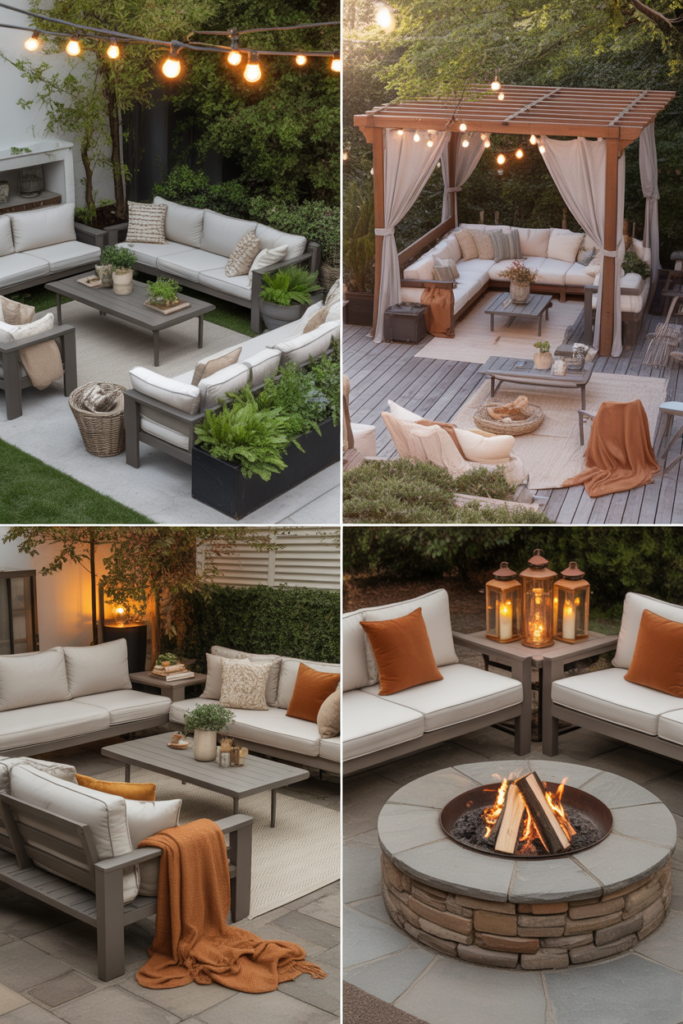
Backyard cozy spaces adapt to seasons through simple adjustments that maintain comfort across weather conditions. Summer coziness emphasizes soft textures like lightweight cotton throws and linen pillows in cool colors. Position seating in shaded locations and incorporate fans or misters that cool without requiring retreat indoors. According to outdoor comfort specialists, these cooling strategies extend summer usage by 40-50% compared to unprotected hot zones.
Fall and spring call for transitional strategies: add heavier blankets in warmer colors (rust, gold, burgundy), activate fire features for warmth, and protect intimate outdoor areas from wind with retractable screens or outdoor curtains. These shoulder seasons often provide the most pleasant outdoor living when temperature extremes moderate. Proper preparation ensures your warm backyard nooks remain destinations rather than becoming abandoned spaces during imperfect weather.
Winter coziness requires more substantial interventions in cold climates. Enclosed gazebos with removable panels, outdoor heaters providing targeted warmth, and weatherproof furniture that withstands snow and ice extend usability. Even in harsh climates, well-protected cozy seating areas serve for brief visits that provide nature connection during housebound months. The commitment to maintaining hygge outdoor design through all seasons demonstrates valuing outdoor spaces as integral to home life rather than fair-weather luxuries in your protected areas planning.
Budget-Friendly Cozy Space Creation
Backyard cozy spaces succeed on modest budgets through strategic priorities and creative sourcing. Focus spending on one quality seating piece: a comfortable loveseat or pair of substantial chairs rather than multiple cheap options. This single investment piece anchors your intimate outdoor areas while surrounding elements can develop affordably over time according to hygge outdoor design principles.
DIY projects create personal touches while controlling costs. Build simple pergola structures from dimensional lumber ($300-600 for materials), sew outdoor cushion covers from discount fabric, or create planters from reclaimed wood. According to DIY outdoor living enthusiasts, these hands-on elements often become favorite features because they carry creation stories that purchased items lack adding meaning beyond monetary value to your warm backyard nooks.
Shop secondhand for furniture, accessories, and textiles that need only minor refurbishing. Thrift stores, estate sales, and online marketplaces yield treasures at 60-80% discounts versus retail. An afternoon with paint or new cushions transforms dated pieces into charming elements perfect for cozy seating areas. String lights from discount retailers ($15-30 for 48-foot strands) provide the essential warm lighting that makes evening spaces magical without premium fixture investments in your inviting outdoor spaces on a budget.
Read More About: Backyard Patio and Landscape Ideas for stunning Outdoor
Maintaining Cozy Spaces Through Seasons
Low-maintenance approaches preserve backyard cozy spaces without creating work that undermines relaxation purposes. Select weather-resistant textiles designed for outdoor use solution-dyed acrylics resist fading and mildew while feeling soft like indoor fabrics. Store cushions and throws during extended absences or harsh weather using waterproof deck boxes integrated into your intimate outdoor areas design.
Protect furniture through proper materials selection and seasonal care. Aluminum, synthetic wicker, and teak withstand weather with minimal maintenance. Apply protective sprays to textiles monthly during active seasons to repel moisture and stains. According to outdoor furniture specialists, 15 minutes of monthly preventive care reduces major cleaning needs by 70-80%, preserving your warm backyard nooks with minimal effort.
Simplify plant care by choosing low-maintenance varieties appropriate to your climate and conditions. Native species, ornamental grasses, and evergreen shrubs provide structure and enclosure for hygge outdoor design without demanding deadheading, dividing, or extensive pruning. Automate watering through drip irrigation on timers this $200-500 investment eliminates daily chores while ensuring plants remain healthy and attractive throughout seasons in your cozy seating areas surrounding landscapes.
FAQs
What are backyard cozy spaces?
Backyard cozy spaces are thoughtfully designed outdoor areas that prioritize comfort, warmth, and relaxation. They often include soft seating, warm lighting, natural materials, and features like fire pits or pergolas to create an inviting atmosphere.
How can I make my backyard feel cozy on a budget?
You can create cozy backyard spaces affordably by using outdoor cushions, string lights, rugs, DIY fire pits, and repurposed furniture. Layering textures and using plants also adds warmth without high costs.
What furniture works best for cozy backyard spaces?
Deep-seated chairs, outdoor sofas, benches with cushions, and hanging swings work best. Choose weather-resistant materials and add throw pillows or blankets for extra comfort.
How do I create cozy backyard spaces in a small yard?
Use compact furniture, vertical planters, corner seating, and defined zones. Soft lighting and multi-functional pieces help small backyard cozy spaces feel intimate rather than crowded.
What lighting is ideal for cozy backyard spaces?
Warm-toned lighting such as string lights, lanterns, solar pathway lights, and candles works best. Layered lighting creates depth and enhances the cozy ambiance at night.
Conclusion
Your backyard cozy spaces journey reveals that true outdoor comfort comes from embracing intimacy rather than pursuing impressiveness. Those intimate outdoor areas that become your favorite household destinations succeed through deliberate smallness, thoughtful enclosed feeling elements, and layers of soft textures that create environments scaled to human needs rather than architectural statements in warm backyard nooks.
Exceptional cozy seating areas emerge through understanding that less can deliver more smaller footprints, focused purposes, and curated elements often create deeper satisfaction than sprawling multi-function patios. Your hygge outdoor design transforms from concept to reality through patient attention to intimate scale, comfortable furniture selection, warm lighting installation, and personal touches that make spaces uniquely appropriate to your life and preferences in inviting outdoor spaces.
Start by identifying where in your yard you instinctively gravitate during pleasant weather that spot likely has inherent qualities worth enhancing. Add one comfortable seat, surround it with elements creating an enclosed feeling without claustrophobia, layer in soft textures and warm lighting, then let the space evolve through use and discovery. The most beloved snug garden corners develop organically as you learn what elements truly serve your comfort needs. Your backyard cozy spaces deserve the same thoughtful curation you’d give indoor sanctuaries creating protected areas that embrace rather than expose, soothe rather than stimulate, and restore rather than deplete your limited energy in our demanding modern world.