23+ Backyard Garden Ideas to Transform Your Outdoor Space splendid
Your backyard garden ideas hold untapped potential waiting to be transformed into a stunning outdoor sanctuary. Whether you’re staring at a blank slate of grass, dealing with awkward spaces that seem impossible to design, or simply wanting to refresh a tired landscape, the possibilities for creating your dream garden can feel both exciting and overwhelming. Most homeowners want beautiful, functional outdoor spaces but struggle with knowing where to start or how to execute ideas that match their vision and budget.
The frustration intensifies when you browse endless Pinterest boards showing picture-perfect gardens that seem impossible to recreate in your own yard. Maybe your space is too small, too shaded, or oddly shaped. Perhaps you’ve started projects that fizzled out halfway through, leaving you with half-finished beds and wasted money. You watch neighbors enjoying their gorgeous outdoor spaces while your backyard remains underutilized and uninspiring, robbing you of valuable living space and connection with nature.
Here’s the truth: creating a spectacular backyard garden doesn’t require unlimited budgets, professional landscape design degrees, or years of horticultural experience. With strategic planning, smart plant choices, and creative garden design ideas tailored to your specific needs and constraints, you can transform even the most challenging spaces into beautiful, functional outdoor rooms. This comprehensive guide delivers practical, actionable backyard landscaping ideas that work for various styles, budgets, and skill levels, helping you finally create the outdoor oasis you’ve been dreaming about.
What Are the Most Popular Backyard Garden Styles?
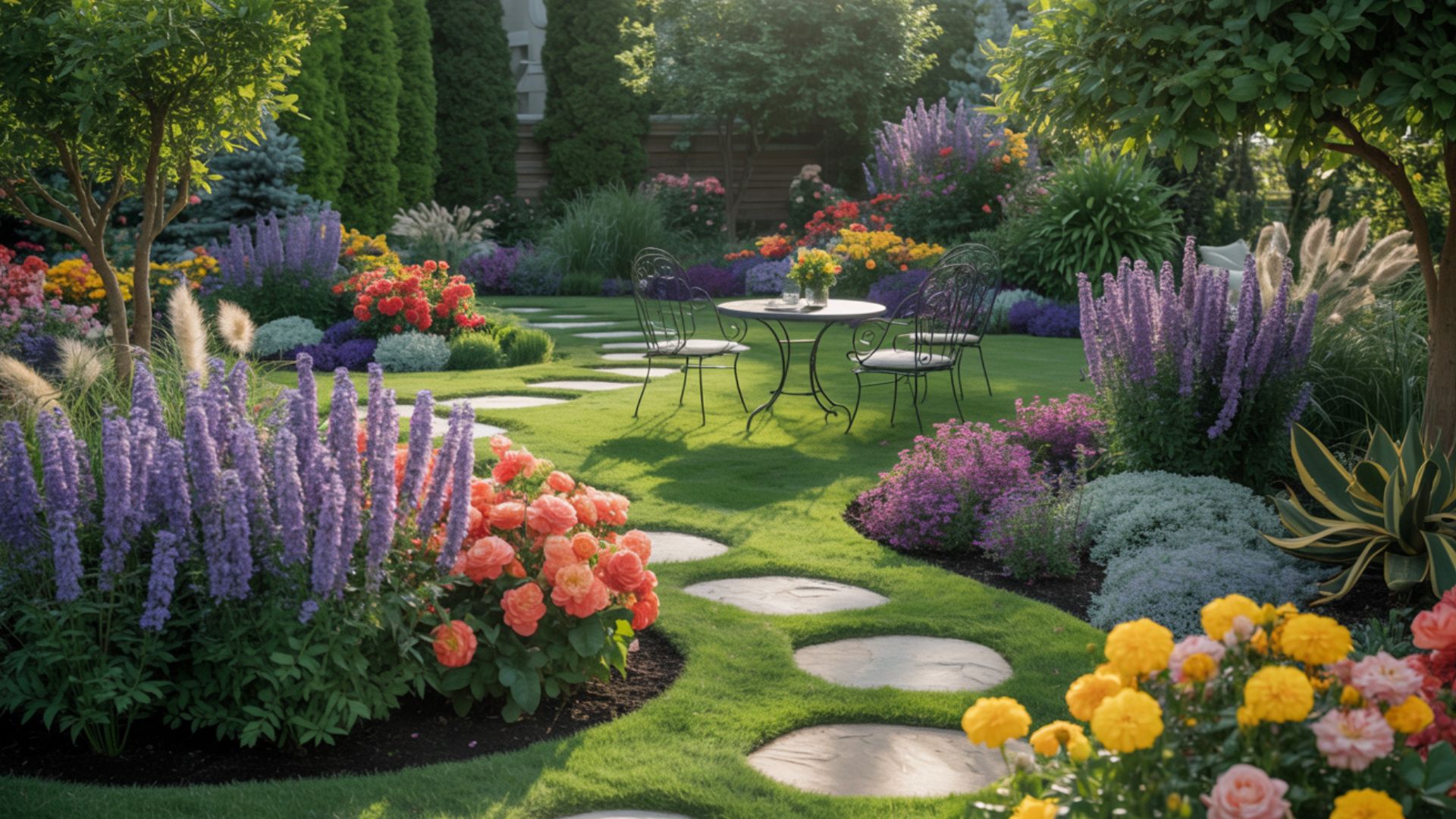
Garden styles provide organizing frameworks that guide plant selection, hardscape choices, and overall aesthetic direction for your outdoor space. Cottage gardens embrace abundant, informal plantings with colorful flowers spilling over pathways, creating romantic, nostalgic atmospheres reminiscent of English countryside estates. These gardens prioritize beauty and fragrance over formal structure, combining perennial flowers, climbing roses, herbs, and self-seeding annuals that create ever-changing tapestries of color and texture throughout the growing season.
Modern minimalist gardens take opposite approaches, emphasizing clean lines, limited plant palettes, and intentional negative space that creates calm, zen-like environments. These contemporary gardens feature architectural plants like ornamental grasses, sculptural succulents, and specimen trees placed strategically within gravel, concrete, or wooden deck settings. The restrained plant selection focuses attention on form, texture, and spatial relationships rather than overwhelming visitors with visual complexity.
Tropical Paradise and Mediterranean Escapes
Tropical garden designs transform backyards into lush jungle retreats using bold foliage plants like cannas, elephant ears, banana plants, and palms that create exotic atmospheres even in temperate climates. Layered plantings with varying leaf sizes, shapes, and colors generate depth and drama, while features like water elements, colorful containers, and ambient lighting enhance the resort-like ambiance. Many tropical plants serve as tender perennials or annuals in cooler zones, requiring seasonal replacement or winter protection but delivering unmatched visual impact during growing months.
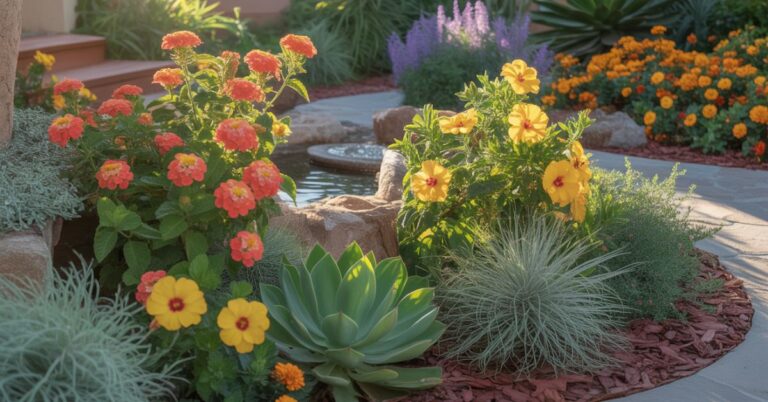
Mediterranean gardens evoke sun-drenched landscapes of Greece, Italy, and Southern France through drought-tolerant plants, warm color palettes, and hardscape elements like terracotta containers, gravel paths, and stone features. Lavender, rosemary, olive trees, and ornamental grasses thrive in these low-water gardens alongside succulents and silver-foliaged plants that handle heat and drought conditions beautifully. This style suits regions with hot, dry summers perfectly while requiring thoughtful plant selection and microclimate creation in cooler, wetter areas.
How Do You Design a Backyard Garden Layout?
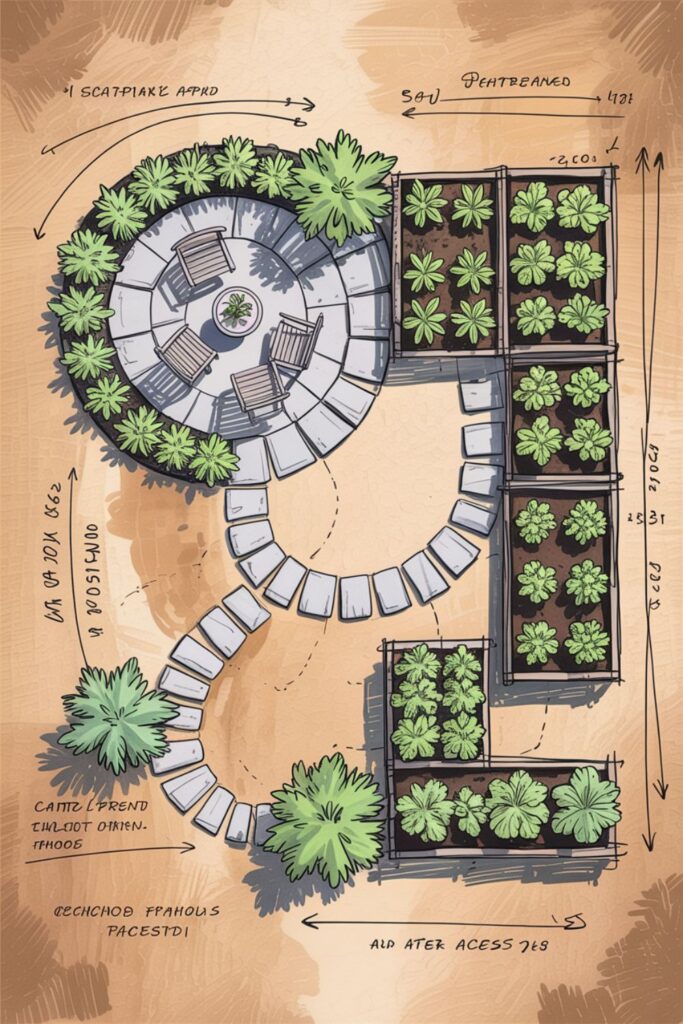
Successful garden design begins with thorough site analysis documenting existing conditions that influence what you can realistically achieve. Map your yard’s dimensions accurately, noting sun and shade patterns throughout the day, existing trees or structures, slopes or drainage issues, views you want to preserve or block, and access points from your home. This information prevents costly mistakes like planting sun-lovers in shade, creating beds in perpetually soggy areas, or blocking cherished views with poorly positioned trees.
Functional zoning divides your backyard into distinct areas serving specific purposes, similar to how interior rooms each fulfill different needs. Common zones include entertaining spaces with patios or decks, dining areas, children’s play zones, vegetable gardens, relaxation spots, and utility areas for composting or tool storage. Draw circles or bubbles on your site map representing these zones, positioning them logically based on sun requirements, proximity to the house, and traffic flow patterns that feel natural rather than forced.
Create clear circulation paths connecting functional zones while preventing trampled plants and muddy shortcuts across lawn areas. Primary paths accommodating two people walking side-by-side should measure at least 4-5 feet wide, while secondary routes can narrow to 2-3 feet. Use materials like flagstone, gravel, mulch, or pavers that complement your chosen garden style and house architecture. Curved paths create intrigue and make small yards feel larger by preventing viewers from seeing the entire space at once, while straight paths suit formal designs and efficiently connect functional areas in larger properties.
What Are the Best Small Backyard Garden Ideas?
Small garden design employs specific strategies that maximize visual impact and functionality within limited square footage. Vertical gardening techniques dramatically increase planting space by utilizing walls, fences, and trellises for climbing plants, wall-mounted containers, or living wall systems. Grow cucumbers, beans, peas, and tomatoes upward on sturdy supports, train climbing roses or clematis on arbors, or install modular vertical planters filled with herbs, succulents, or annual flowers that transform bare walls into living tapestries.
Container gardens offer unmatched flexibility for small spaces, allowing you to move plants as needed, change displays seasonally, and garden successfully even without in-ground beds. Group containers of varying heights, sizes, and materials to create layered compositions with more visual interest than uniform pots arranged in rows. Large containers (16+ inches diameter) support substantial plantings including small trees, shrubs, or multiple perennials that create focal points without consuming precious ground space.
Multi-functional design elements serve double duty in compact gardens where every square foot matters. Install benches with built-in storage for garden tools and cushions, use raised beds as casual seating walls, or incorporate edible plants into ornamental displays that provide beauty and harvest potential simultaneously. Mirrors strategically placed on fences or walls reflect light and create illusions of depth that make small spaces feel significantly larger while doubling the visual impact of your plantings.
How Can You Create Privacy in Your Backyard Garden?
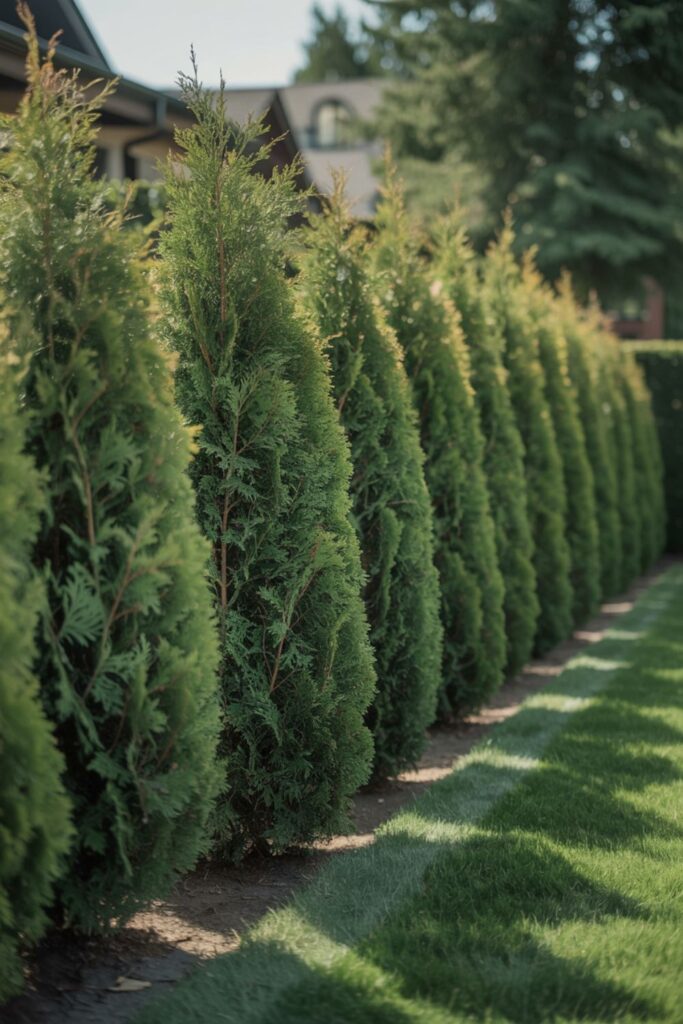
Privacy screening transforms exposed backyards into secluded sanctuaries where you can relax without feeling observed by neighbors or passersby. Fast-growing evergreen trees like Leyland cypress, arborvitae, or skip laurel create living walls reaching 20-40 feet tall that block views year-round. These biological screens require 5-10 years to reach full screening height but cost less than fencing, add significant property value, and provide wildlife habitat alongside privacy benefits.
Living fences using mixed shrubs create more naturalistic boundaries with seasonal interest that formal hedge rows can’t match. Combine flowering shrubs like lilacs, weigela, and viburnum with evergreen hollies, boxwood, or yews that maintain foliage through winter. This layered approach generates privacy while attracting pollinators, providing berries for birds, and delivering fragrance and color that purely functional screens lack. Space shrubs according to mature widths, planting closer for faster coverage or wider for healthier long-term growth.
Physical structures offer immediate privacy that plants take years to establish. Install wood or vinyl fencing in heights up to 8 feet where local codes permit, or build attractive lattice panels supporting climbing plants that soften hard edges while increasing coverage. Pergolas with cross beams create partial overhead screening ideal for patios, especially when topped with climbing vines like wisteria, trumpet vine, or grape vines. For modern aesthetics, consider metal privacy screens with geometric cutout patterns that provide screening while maintaining airflow and preventing the boxed-in feeling solid barriers created.
What Budget-Friendly Backyard Garden Ideas Actually Work?
Starting gardens from seed rather than purchasing mature transplants slashes costs dramatically while teaching valuable propagation skills. Annual flowers like zinnias, sunflowers, cosmos, and marigolds germinate easily when sown directly in garden beds after frost danger passes. Vegetable seeds cost pennies per packet compared to transplant trays, allowing you to experiment with diverse varieties without financial risk. Many perennials also grow readily from seed, though they typically require a full season before blooming, making patience part of the cost-saving equation.
Repurposed materials reduce expenses while adding unique character that new items lack. Transform wooden pallets into vertical planters, use old tires painted bright colors as container borders, convert broken terracotta pots into fairy garden vignettes, or arrange broken concrete pieces as rustic stepping stones. Salvage yards, construction sites, and online marketplaces yield inexpensive or free materials like bricks, stones, lumber, and metal elements perfect for creative garden projects that express personality without draining bank accounts.
Phased implementation spreads costs across multiple seasons while allowing you to test ideas before committing fully. Start with one priority area like a patio container garden or small vegetable bed, then expand gradually as budget permits and experience grows. This approach prevents overwhelming financial commitments while building skills through manageable projects that gain complexity over time. Many plants multiply through division or self-seeding, meaning initial investments generate free plants for future expansion phases without additional purchases.
Read More About: 20+ Flower Garden Ideas For Outdoor Blooming Paradise
How Do You Incorporate Edibles Into Backyard Gardens?
Edible landscaping seamlessly integrates food production with ornamental plantings, challenging the outdated notion that vegetable gardens must occupy separate, purely functional spaces. Blueberry bushes deliver spring flowers, summer harvests, and brilliant fall color rivaling any ornamental shrub. Fruit trees like apples, cherries, or peaches provide spring blooms, shade, and harvests while serving as focal points in mixed borders. Strawberries make excellent groundcovers, herbs edge pathways beautifully, and colorful chard or kale varieties punch up ornamental beds while waiting to be harvested.
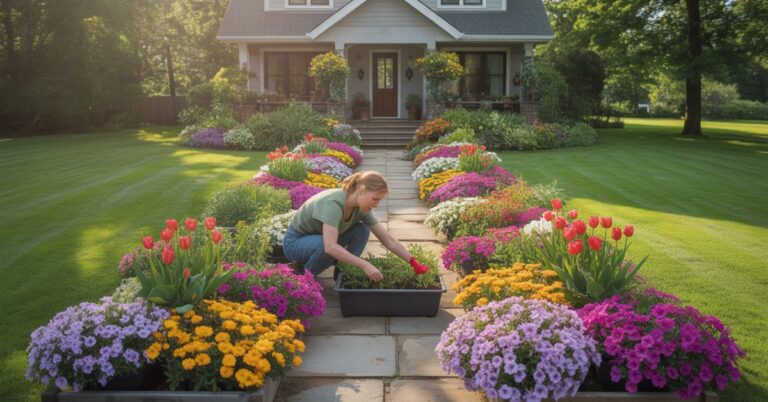
Raised bed vegetable gardens solve multiple challenges simultaneously by improving drainage, warming soil earlier in spring, reducing bending and kneeling strain, and creating defined spaces that look intentional rather than haphazard. Build beds 10-12 inches deep minimum using untreated wood, composite materials, or stone, filling them with quality garden soil and compost mixtures that produce healthier plants than most native soils support. Position beds in full sun locations receiving 6+ hours daily, grouping them in attractive patterns rather than random placement that looks cluttered.
Vertical vegetable gardening maximizes harvests in limited spaces while keeping plants healthier through improved air circulation and easier pest monitoring. Train indeterminate tomatoes, pole beans, cucumbers, and squash on sturdy trellises, arbors, or teepee structures that transform productive plants into attractive vertical elements. Wall-mounted gutter planters grow salad greens and herbs at convenient harvesting heights, while tower gardens or tomato cages stacked with containers create productive focal points occupying minimal ground space. These vertical techniques work brilliantly in small urban yards where traditional row gardens won’t fit.
What Are the Best Low-Maintenance Backyard Garden Ideas?
Native plant gardens require minimal maintenance once established since they’ve evolved specifically to thrive in your region’s climate, soil, and moisture conditions. Research plants indigenous to your area through native plant societies, extension services, or specialized nurseries, then design gardens mimicking natural plant communities that support themselves without constant intervention. Native gardens eliminate fertilizer needs, reduce watering requirements after establishment, resist local pests and diseases naturally, and provide crucial habitat for regional pollinators, birds, and beneficial insects.
Mulched gardens dramatically reduce maintenance time by suppressing weeds, conserving moisture, moderating soil temperatures, and creating finished appearances that look professionally maintained. Apply 2-3 inch layers of shredded bark, wood chips, or pine needles around plants, replenishing annually as organic materials decompose. This simple practice cuts weeding time by 75% or more while improving soil health through gradual organic matter incorporation. Choose long-lasting mulches like cedar or hardwood bark over materials requiring frequent replacement.
Automated irrigation systems eliminate daily watering chores while delivering moisture more efficiently than manual methods. Install drip irrigation tubing throughout beds, connecting to timers that water during optimal early morning hours when evaporation losses minimize. These systems apply water directly to root zones rather than wasting it on foliage or non-planted areas, reducing consumption by 30-50% compared to sprinklers while promoting healthier plants through consistent moisture availability. Initial installation requires modest investment but pays back quickly through time savings and reduced water bills.
How Can You Add Water Features to Your Backyard Garden?
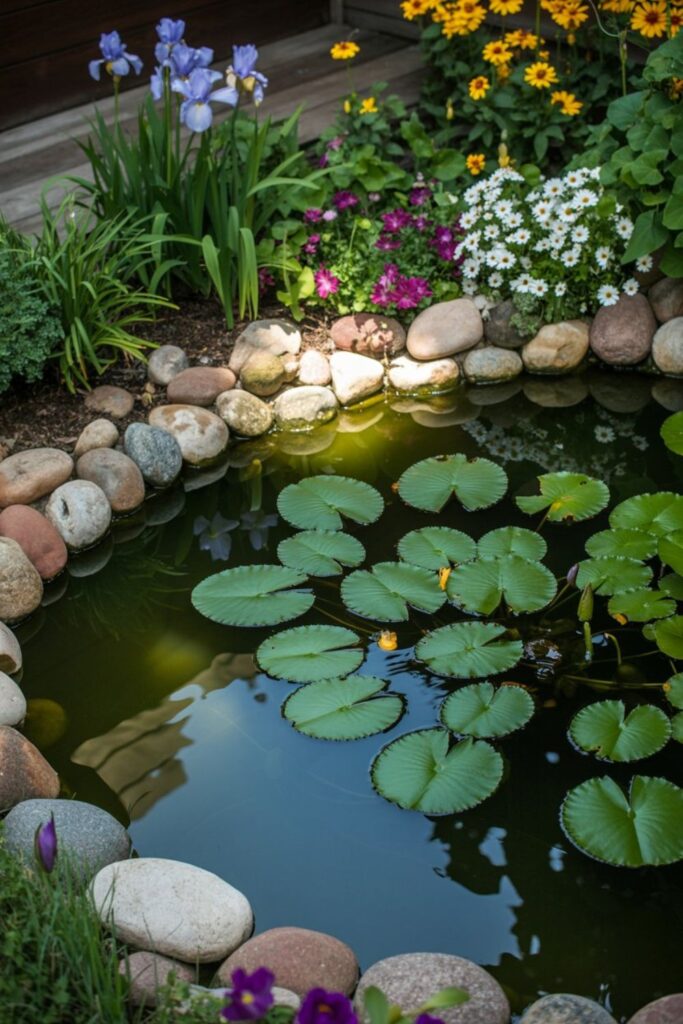
Water features introduce soothing sounds, movement, and reflective qualities that elevate garden ambiance while attracting birds, butterflies, and other wildlife. Preformed pond liners or flexible rubber pond liners allow DIY installation of water gardens ranging from small container ponds on patios to larger in-ground features supporting aquatic plants and fish. Position ponds where they receive 4-6 hours of sunlight daily for optimal plant growth, locating them near seating areas where you’ll enjoy them most frequently while keeping them visible from windows for year-round viewing pleasure.
Fountains and bubblers provide water feature benefits without the maintenance commitments ponds require. Self-contained fountain systems recirculate water through decorative vessels, eliminating concerns about mosquito breeding while delivering pleasant sounds that mask traffic noise or neighborhood disruptions. Solar-powered fountain kits require no electrical connections, installing anywhere sunlight reaches to power the pumps. Bubbling rock features blend naturally into gardens, appearing as if water emerges spontaneously from stone formations rather than artificial containers.
Pondless waterfalls combine the drama of cascading water with lower maintenance than traditional ponds since water disappears into underground reservoirs rather than collecting in open pools requiring filtration. Water pumps from hidden reservoirs up to the waterfall’s top, spilling over rocks into gravel-filled catch basins where it recirculates continuously. These features work beautifully on slopes, transforming challenging terrain into stunning focal points while eliminating standing water concerns that worry families with young children or pets.
What Lighting Ideas Transform Backyard Gardens at Night?
Landscape lighting extends garden enjoyment into evening hours while enhancing safety, security, and property value through strategic illumination. Path lights guide visitors safely along walkways while creating rhythm through repeated fixtures spaced evenly. Uplighting showcases specimen trees, sculptures, or architectural features by positioning fixtures at ground level pointing upward to wash objects with dramatic light. Downlighting from elevated positions mimics natural moonlight, creating soft ambient illumination perfect for entertaining spaces without harsh brightness that ruins nighttime ambiance.
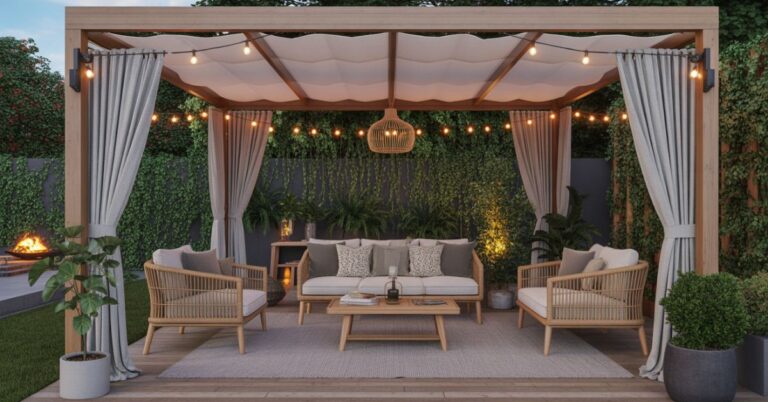
String lights inject festive, approachable charm into outdoor spaces while providing functional illumination for dining and conversation areas. Hang Edison bulb strings between posts, along fence lines, or overhead on pergolas to define spaces and create room-like enclosures that feel intimate after dark. Solar string lights eliminate wiring hassles, installing anywhere sunlight charges integrated batteries during day hours. These affordable lighting solutions transform ordinary backyards into magical evening retreats resembling outdoor restaurants or resort patios.
Low-voltage LED systems offer professional results with DIY-friendly installation that doesn’t require electrical expertise. These safe 12-volt systems connect to transformers plugging into standard outlets, powering numerous fixtures through simple wire connections. LED technology provides decades of maintenance-free operation while consuming minimal electricity compared to older halogen systems. Design lighting layouts highlighting the garden’s best features during planning phases, installing infrastructure early so it’s ready when landscaping matures enough to showcase effectively.
How Do You Create Outdoor Living Spaces in Gardens?
Patio design establishes foundation spaces for outdoor furniture, dining, and entertaining that function as extensions of your home’s interior rooms. Size patios appropriately for intended uses, allow 8×10 feet minimum for small dining sets, 12×16 feet for comfortable conversation groupings, or 16×20+ feet for combined dining and lounge areas accommodating larger gatherings. Choose paving materials complementing your home’s architecture, from natural flagstone and brick for traditional aesthetics to poured concrete, pavers, or composite decking for contemporary looks.
Outdoor kitchens range from simple portable grills to elaborate built-in systems with refrigerators, sinks, storage, and covered cooking areas rivaling interior kitchens. Even basic outdoor cooking stations with grills and prep counters significantly increase yard functionality and entertainment value. Position cooking areas downwind from primary seating considering prevailing wind directions, and locate them conveniently near kitchen access doors while maintaining safe clearances from combustible materials and overhanging structures.
Fire features create natural gathering spots that extend outdoor season use into cooler months while providing mesmerizing focal points. Fire pits accommodate groups circled around central flames, while linear fire tables suit modern aesthetics and fit narrow spaces better than traditional round pits. Fuel options include wood-burning for traditional experiences complete with crackling sounds and toasting possibilities, propane for convenient instant-on operation, or natural gas for permanent installations with unlimited fuel supplies. Add comfortable seating, cozy textiles, and ambient lighting to create outdoor rooms so inviting you’ll use them nearly year-round.
What Garden Structures Add Function and Beauty?
Garden sheds provide essential storage for tools, pots, soil amendments, and equipment while serving as attractive focal points when designed thoughtfully. Select or build sheds complementing your home’s architectural style rather than generic metal boxes that cheapen landscape appearances. Paint sheds in coordinating colors, add window boxes overflowing with flowers, surround them with attractive plantings, or train climbing roses up walls to transform purely functional structures into charming garden features. Position sheds discreetly behind plantings if they don’t meet aesthetic standards, or showcase decorative versions as intentional design elements.
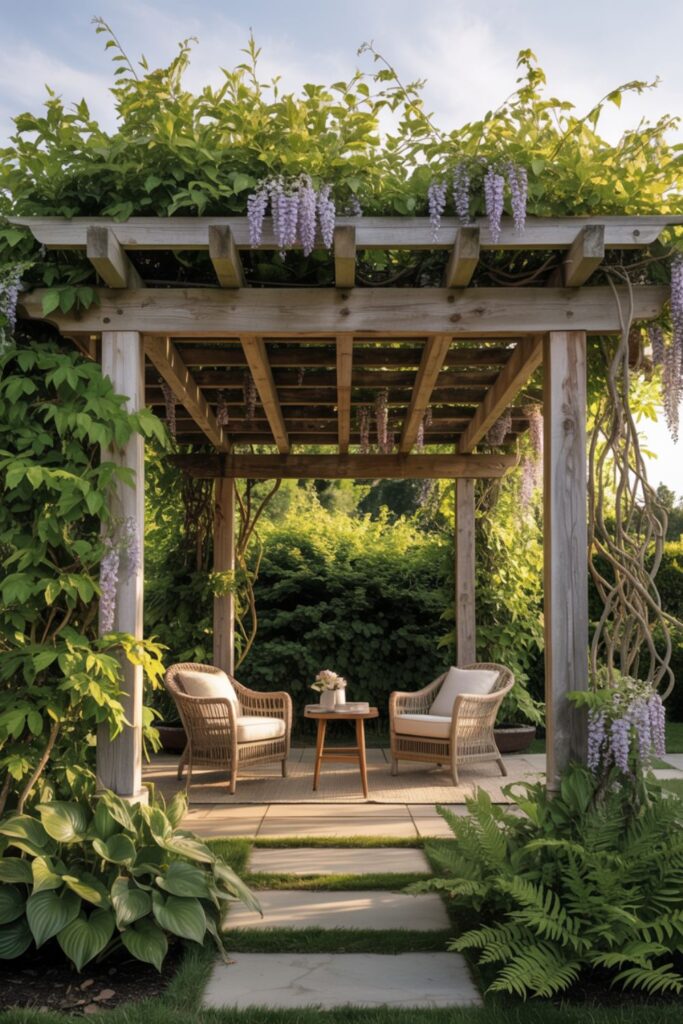
Arbors and trellises serve as vertical accents punctuating garden designs while supporting climbing plants that soften hardscape with living color and texture. Place arbors at path entrances to mark transitions between garden rooms, or position them as freestanding focal points drawing eyes through landscapes. Trellises mounted on walls, fences, or standalone support systems expand planting opportunities vertically, crucial in small gardens where ground space is limited. Choose structures sized appropriately for mature plant weights—lightweight trellises suit annual vines while substantial arbors must support heavy perennial climbers like mature wisteria.
How Can You Attract Wildlife to Your Backyard Garden?
Creating wildlife gardens enriches your outdoor experience through bird songs, butterfly dances, and fascinating behaviors you’ll observe when providing habitat elements creatures need. Plant diverse native species supplying pollen, nectar, seeds, berries, and shelter throughout all seasons rather than just summer months. Native plants support 10-50 times more wildlife than non-native ornamentals because local insects, birds, and other animals evolved alongside them, depending on specific plant chemistry for survival that exotic species rarely provide.
Water sources attract wildlife as effectively as food plants since all creatures need clean water for drinking and bathing. Install birdbaths with shallow edges (1-2 inches deep) allowing safe access for small birds, refreshing water every 2-3 days to prevent mosquito breeding. Add stones or branches creating landing platforms within deeper sections, or incorporate fountain features keeping water moving to attract more visitors while preventing stagnation. Position water features near protective shrubs offering quick escape routes when predators appear but maintaining sufficient open space so cats can’t ambush unsuspecting visitors.
Nesting and shelter sites encourage wildlife to remain year-round as residents rather than transient visitors. Preserve dead trees (snags) when safely possible, as they provide irreplaceable cavity nesting sites and insect habitat supporting woodpeckers, chickadees, and countless other species. Install nest boxes designed for target species, positioning them at appropriate heights and locations with correct entrance hole sizes. Leave areas of your garden slightly wild with brush piles, tall grasses, and undisturbed leaf litter providing overwintering sites for beneficial insects and small mammals that form complete ecosystem food webs.
What Are the Best Garden Ideas for Shady Backyards?
Shade gardens showcase plants with stunning foliage, delicate flowers, and unique textures that sun-lovers can’t match. Hostas anchor shade plantings with bold leaves ranging from miniature varieties perfect for edging to giant specimens reaching 4 feet wide. Variegated forms add brightness to dim areas through cream, yellow, or white leaf markings that seem to glow in low light. Combine hostas with ferns creating textural contrasts between hostas’ broad leaves and ferns’ finely divided fronds for sophisticated compositions requiring minimal maintenance once established.
Shade-tolerant flowering plants prove that shady gardens needn’t sacrifice color for coverage. Astilbes produce feathery plume flowers in pink, red, white, or purple throughout early summer, thriving in part to full shade with consistent moisture. Bleeding hearts deliver distinctive heart-shaped flowers dangling from arching stems in spring, while hellebores bloom remarkably early, sometimes pushing through snow with flowers lasting months. Coral bells (Heuchera) offer season-long foliage color in shades from lime green and amber to deep burgundy and near-black, occasionally producing delicate flower spikes attracting hummingbirds.
Woodland garden style embraces the layered structure of natural forest understories, creating sophisticated landscapes celebrating shade rather than fighting it. Plant canopy trees providing high shade, understory trees and large shrubs creating mid-level interest, and groundcover layers carpeting soil with low plants. Incorporate natural elements like logs, boulders, and leaf mulch maintaining moisture while supporting decomposer organisms enriching soil naturally. This approach creates lush, peaceful retreats where dappled sunlight filters through leaves, birds nest in protected layers, and maintenance requirements remain remarkably low after initial establishment.
Read More About: Flower Borders Guide To Design, Plants And Maintenance
How Do You Design Gardens for Year-Round Interest?
Four-season gardens deliver visual appeal during every season through strategic plant selection emphasizing diverse interest periods rather than just summer flowers. Spring bulbs like crocuses, daffodils, and tulips initiate growing seasons with color bursts, followed by early perennials and flowering shrubs through mid-spring. Summer showcases peak flowering abundance from perennials, annuals, and roses, while fall delivers second bloom periods from asters, sedums, and ornamental grasses alongside spectacular foliage color from trees and shrubs.
Winter interest elements prevent gardens from appearing dead during dormant months when most plants lose leaves and cease flowering. Ornamental grasses maintain upright tan seed heads dancing in breezes and catching snow beautifully. Evergreen shrubs and trees provide consistent green backdrops making winter flowers and berries pop visually against neutral backgrounds. Trees with interesting bark like birches, crape myrtles, or paperbark maples showcase textural beauty winter conceals during leafy months. Persistent berries on hollies, viburnums, or crabapples feed birds while decorating landscapes with colorful dots.
Hardscape features maintain visual interest when plants rest, serving as garden bones supporting seasonal changes. Pathways, patios, walls, and structures remain visible year-round, defining spaces and creating order when plant borders retreat. Garden art, sculptures, containers, and architectural elements positioned strategically become focal points during winter months when they’re fully visible without competition from dense foliage. This permanent framework ensures your garden maintains structure and purpose even when living elements temporarily disappear, preventing the abandoned appearance many gardens suffer once frost arrives.
Frequently Asked Questions
What is the cheapest way to landscape a backyard?
The most affordable backyard landscaping approaches involve starting from seed, using mulch instead of expensive hardscaping, repurposing materials creatively, and implementing gardens in phases rather than all at once. Focus initial efforts on high-impact areas visible from your home and entertaining spaces, expanding gradually as budget permits. Native plants cost less long-term through reduced water and maintenance needs, while perennials prove more economical than annuals requiring yearly replacement despite higher initial costs.
How do I design my backyard garden layout?
Begin garden planning by documenting your yard’s existing conditions including sun patterns, soil quality, slopes, and views. List desired functions like entertaining, vegetable growing, or children’s play, then divide your space into zones serving each purpose. Draw multiple rough sketches experimenting with different arrangements before committing to final plans. Consider professional consultations for complex projects, as landscape designers provide valuable expertise that prevents costly mistakes while saving time and frustration.
What are good plants for a backyard garden?
Best garden plants vary by region, but reliable performers include coneflowers, black-eyed Susans, daylilies, and hostas for flowers, with boxwood, hydrangeas, and viburnums excelling as shrubs. For edibles, tomatoes, peppers, herbs, and lettuce produce generously in most climates. Select plants suited to your specific growing conditions rather than fighting site limitations, researching hardiness zones, water needs, and sun requirements before purchasing to ensure compatibility with your yard’s unique characteristics.
How can I make my small backyard look bigger?
Small yards appear larger through design tricks including curved pathways that prevent seeing the entire space at once, vertical gardening maximizing planting area, mirrors reflecting light and views, and limited color palettes creating cohesive appearances. Remove lawn entirely in favor of patio or deck space surrounded by plantings, as hardscape entertains more usefully than postage-stamp lawns too small for activities. Use smaller-scale plants proportionate to space rather than overpowering specimens that quickly dominate limited square footage.
What should I put in my backyard garden?
Successful backyard gardens include combinations of trees providing structure and shade, shrubs creating mid-level interest and screening, perennial flowers delivering seasonal color, and groundcovers suppressing weeds while filling gaps. Add hardscape elements like patios, paths, and seating areas establishing functional outdoor rooms. Incorporate personal touches reflecting your interests whether that’s vegetable beds, water features, collections of specific plants, or garden art expressing personality and making your outdoor space uniquely yours.
Conclusion
Transforming your backyard garden ideas from underutilized space into a beautiful, functional outdoor retreat doesn’t require unlimited resources or professional expertise. By understanding fundamental design principles, selecting plants appropriate for your specific conditions, and implementing projects in manageable phases, you create landscapes that enhance your daily life while increasing property value. Whether you’re drawn to cottage garden abundance, modern minimalist restraint, edible landscaping practicality, or wildlife habitat creation, the ideas presented here provide frameworks for developing outdoor spaces matching your vision and lifestyle.
The most successful garden transformations begin with clear planning that honors your site’s existing conditions rather than fighting them, followed by patient implementation building complexity gradually over multiple seasons. Start with foundational elements like quality soil preparation and appropriate plant selection, then layer additional features like lighting, water elements, and outdoor living spaces as budget and time permit. Your backyard garden becomes an ever-evolving canvas reflecting your changing tastes, growing skills, and deepening connection with the natural world right outside your door, providing sanctuary and joy for years to come.