Backyard Remodel Ideas for a Stunning Outdoor Makeover

Your backyard embarrasses you. The outdated concrete slab cracks more every winter, the dying grass reveals bare patches, and the rusted chain-link fence announces to everyone that your outdoor space hasn’t seen attention in decades. You dream about hosting summer barbecues and relaxing evenings outside, but reality keeps you hiding indoors while neighbors show off magazine-worthy yards.
The problem runs deeper than aesthetics. You’ve wasted thousands on random fixes: a new grill here, some potted plants there without cohesive vision. These piecemeal attempts look disjointed and fail to address fundamental issues like poor drainage, lack of privacy, or inefficient layouts. Your backyard remains dysfunctional despite throwing money at symptoms rather than causes.
Smart backyard remodel ideas solve this frustration through strategic transformation that addresses structure, function, and beauty simultaneously. This comprehensive guide reveals proven strategies for planning complete outdoor remodels that boost property values 15-25% while creating spaces you’ll actually use daily. You’ll discover budget allocation frameworks, essential design principles, material selection guidance, and execution roadmaps that deliver professional results regardless of starting conditions or experience levels.
What Makes a Successful Backyard Remodel?
Successful backyard remodel ideas integrate three critical elements: purposeful design, quality execution, and lifestyle alignment. Random improvements look disconnected while comprehensive backyard transformations create cohesive outdoor environments that function as extensions of your home.
Start by defining specific problems and goals honestly. What currently frustrates you about the space? How do you actually want to use your yard makeover once complete? Families with children need different solutions than retirees or entertainers. Document current issues through photos highlighting drainage problems, eyesores, or wasted areas. Create detailed wish lists separating must-haves from nice-to-haves. This clarity prevents expensive mid-project changes and ensures final results match actual needs.
Quality backyard remodel ideas projects establish proper foundations before adding decorative elements. Address drainage issues, grading problems, and structural concerns first. These invisible improvements prevent future disasters while enabling everything else. Skipping foundational work to save money guarantees expensive repairs later when water damages patios or poor grading floods basements. Professional site analysis costs $500-$1,500 but identifies problems invisible to untrained eyes.
Material selection dramatically impacts both appearance and longevity. Cheap materials look terrible within years while quality options age gracefully across decades. Consider maintenance requirements realistically: some homeowners enjoy weekend gardening while others want zero-effort landscapes. Climate suitability matters tremendously since materials performing well in Arizona fail miserably in Minnesota. Select finishes, plants, and structures rated for your specific conditions avoiding premature replacements.
Integration with existing architecture creates visual harmony that elevates entire properties. Your backyard transformation should complement your home’s style rather than clashing with established aesthetics. Contemporary homes pair beautifully with sleek modern outdoor remodel elements while traditional architecture demands classic materials and proportions. Coordinate colors, textures, and design languages ensuring seamless transitions between indoor and outdoor spaces.
How Do You Plan a Complete Backyard Transformation?
Comprehensive backyard remodel planning prevents costly mistakes while ensuring cohesive results. Jumping into construction without strategic blueprints leads to budget overruns, design regrets, and abandoned projects that hurt property values.
Conduct thorough site analysis documenting every relevant detail. Measure your entire yard accurately including setbacks from property lines. Map sun exposure patterns throughout days and seasons since shading changes dramatically affect plant selection and comfort zones. Note existing features worth preserving or removing. Identify all utilities underground gas, water, electrical, sewer, and communication lines. Mark drainage patterns and problem areas accumulating water. This groundwork prevents disasters like cutting utility lines or building water pools.
Create detailed scale drawings showing proposed layouts and features. Graph paper works for simple projects while computer-aided design (CAD) software or professional landscape architects suit complex outdoor renovations. Experiment with different arrangements on paper before breaking ground. Considering traffic flow between spaces, how will people move from house to patio to garden? Define distinct functional zones for dining, cooking, playing, and relaxing. Proper planning reveals space constraints and opportunities invisible in mental visualizations.
Establish realistic budgets with detailed line-item breakdowns. Research typical costs for desired features in your market getting multiple contractor quotes. Allocate 15-20% contingency funds for unexpected issues that inevitably emerge. Break total budgets into categories: hardscaping (40-50%), structures (20-30%), landscaping (15-25%), and decorative elements (10-15%). This framework ensures balanced investment across essential foundations and finishing touches. Consider phased timelines spreading costs across multiple years if necessary.
Investigate zoning permits and regulations before finalizing plans. Building departments regulate structures, utilities, and sometimes significant landscape changes. Homeowner associations impose additional restrictions on colors, materials, heights, and designs. Setback requirements dictate how close you can build to property lines. Verify requirements early since unpermitted work creates legal liabilities, complicates sales, and requires expensive corrections. Most jurisdictions provide free consultations clarifying requirements.
Define success metrics beyond aesthetics. How will you measure whether your backyard remodel ideas achieves goals? Increased usability, reduced maintenance time, specific activity accommodations, or property value increases? Clear success criteria guide decisions when choosing between competing options. They also prevent scope creep where projects expand beyond original intentions consuming budgets without proportional value increases.
What Are the Most Impactful Backyard Remodel Ideas?
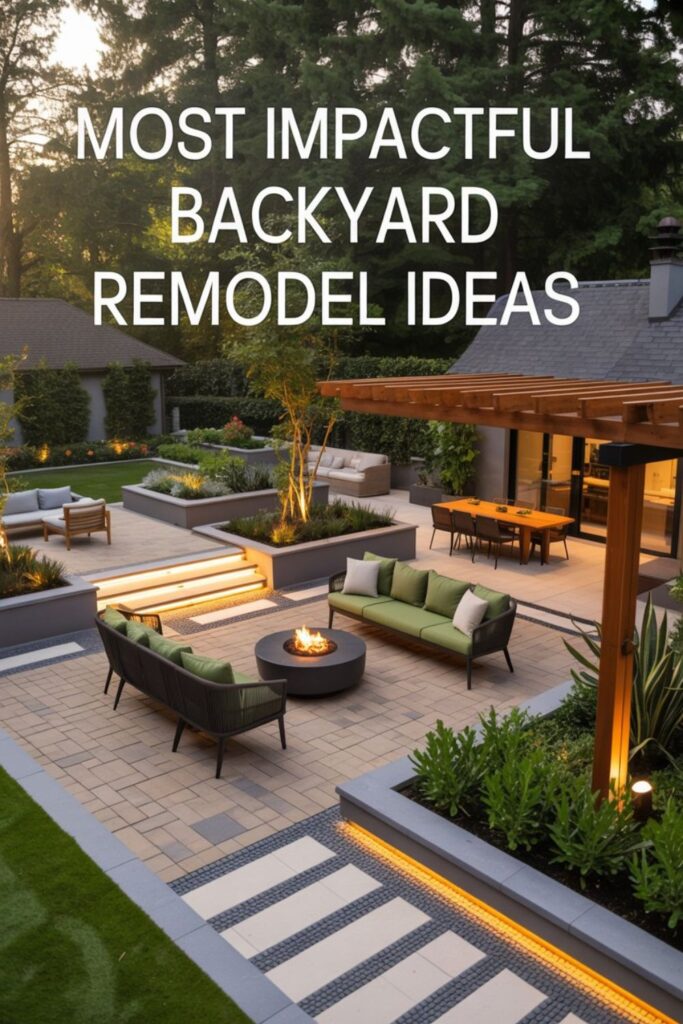
Strategic backyard remodel ideas deliver disproportionate impact relative to investment. Focusing on high-value transformations maximizes returns while creating spaces that dramatically enhance daily living.
Multi-level outdoor living areas create visual interest and defined zones without walls. Raised decks, sunken patios, or terraced landscapes add architectural dimension to flat yards. Elevation changes naturally separate dining areas from lounging spaces or play zones. Steps and retaining walls manage slopes while creating usable flat areas from previously unusable terrain. These vertical elements make compact yards feel larger through layered spatial organization. Professional grading and structural engineering ensure safety and longevity.
Outdoor rooms with weather protection extend usability across seasons dramatically. Covered patios using roof extensions, pergolas with retractable canopies, or dedicated pavilions provide shade and rain protection. Install outdoor-rated ceiling fans, heaters, and lighting creating comfort year-round. Weatherproof furniture, mounted televisions, and sound systems blur lines between indoor and outdoor living. These investments increase square footage perceptions while enabling entertainment regardless of weather conditions. Budget $10,000-$40,000 depending on size and amenities.
Complete outdoor kitchens transform entertaining capabilities while reducing indoor-outdoor transitions. Built-in grills, refrigerators, sinks, and storage create self-sufficient cooking zones. Include adequate prep space, heat-resistant countertops, and convenient access to indoor kitchens. Position cooking areas downwind from main seating preventing smoke intrusion. Run utilities during initial construction rather than expensive retrofits. Even basic outdoor kitchens starting around $5,000 significantly enhance backyard transformation functionality while appealing to buyers.
Fire features create magnetic focal points anchoring gathering spaces. Built-in fire pits using stone or concrete cost $2,000-$6,000 while outdoor fireplaces make dramatic statements for $4,000-$12,000. Gas models provide convenience without smoke or ash cleanup. Wood-burning options deliver authentic ambiance with crackling sounds and nostalgic appeal. Position fire features at safe distances from structures and combustibles per local codes. These elements extend seasonal usability into cooler months while providing entertainment and warmth.
Pool and spa installations represent ultimate backyard remodel ideas for appropriate climates and budgets. Inground pools cost $35,000-$100,000+ depending on size, materials, and features. Above-ground pools offer budget alternatives starting around $2,000 though they lack visual sophistication. Hot tubs and spas provide year-round relaxation for $3,000-$15,000. Consider ongoing maintenance, utility costs, and insurance implications. Pools appeal strongly to families but may limit buyer pools (pun intended) in some markets.
How Can Hardscaping Transform Your Backyard?
Hardscaping forms the structural backbone of exceptional backyard remodel ideas projects. These permanent features using stone, concrete, pavers, and wood create organization, functionality, and year-round visual interest that softens with plantings.
Comprehensive patio systems anchor outdoor living spaces while defining primary activity zones. Natural stone patios deliver timeless elegance for $20-$40 per square foot installed. Concrete pavers provide versatile designs ranging from traditional to contemporary for $15-$30 per square foot. Stamped concrete mimics expensive materials at $12-$20 per square foot. Consider drainage, proper base preparation, and material suitability for your climate. Expansive patios measuring 400+ square feet accommodate multiple furniture groupings and activity zones simultaneously.
Retaining walls solve multiple challenges in sloped yard makeover projects. They create level usable areas from hillsides, prevent erosion, and add architectural drama through tiered landscapes. Segmental block systems enable DIY installation for walls under 4 feet at $15-$25 per square foot. Natural stone walls deliver premium aesthetics for $40-$75 per square foot professionally installed. Proper engineering ensures structural integrity and drainage, preventing catastrophic failures. Terraced designs with multiple lower walls often work better than single tall walls.
Custom walkways and pathways organize traffic flow while protecting lawns from wear patterns. Flagstone paths create natural elegance for $18-$35 per square foot. Paver walkways offer design flexibility from $12-$25 per square foot. Decomposed granite or crushed stone provides budget-friendly informal pathways at $3-$8 per square foot. Strategic pathway placement connects outdoor features logically. Curves feel more natural than rigid straight lines while adequate widths (36-48 inches) accommodate comfortable two-person walking.
Water features introduce movement, sound, and focal points that elevate backyard redesign sophistication. Pondless waterfalls eliminate standing water concerns while delivering cascading aesthetics for $3,000-$8,000. Complete pond ecosystems with fish and plants cost $5,000-$20,000 depending on size and complexity. Simple bubbling rock fountains start around $500 for modest impact. Professional installation ensures proper plumbing, electrical integration, and drainage. Water features require ongoing maintenance though modern systems minimize effort.
Outdoor structures including arbors, trellises, and decorative screens add vertical interest while providing privacy and shade. Custom-built pergolas define spaces without enclosing them for $4,000-$12,000. Prefabricated pergola kits offer budget alternatives starting around $1,500. Living walls using climbing plants create green privacy screens over time. Decorative metal or wood screens provide instant privacy while adding artistic elements. These vertical features make small yards feel larger through upward spatial development.
Read More About: Backyard Patio Designs Ideas for Better Outdoor Living
What Landscaping Strategies Enhance Backyard Remodels?
Strategic landscaping softens hardscaping elements while adding color, texture, and seasonal interest throughout backyard transformation projects. Thoughtful plant selection considers maintenance requirements, mature sizes, and climate suitability.
Foundation plantings frame outdoor remodel features while transitioning between structures and lawns. Evergreen shrubs provide year-round structure and screening. Layered plantings with varying heights create depth and visual interest. Consider mature sizes carefully: plants crowding walkways or blocking views require constant pruning or eventual removal. Leave adequate space between plantings and structures preventing moisture damage and pest problems. Foundation beds should complement rather than overwhelm architectural features.
Specimen trees serve as living sculptures providing shade, privacy, and seasonal drama. Japanese maples deliver year-round beauty through interesting branch structures, spring flowers, and fall color for $100-$500 depending on size. Ornamental flowering trees like dogwoods or redbuds provide spring spectacle. Evergreen trees offer privacy screening and winter interest. Consider mature heights and widths of trees planted too close to damage foundations, sidewalks, and utilities. Strategic placement shades patios and windows reducing cooling costs.
Perennial gardens deliver continuous color changes throughout growing seasons with minimal annual replanting. Design gardens with staggered bloom times ensuring flowers from spring through fall. Incorporate varied foliage textures and colors maintaining interest between flowering periods. Native perennials require less water and maintenance while supporting local ecosystems. Group plants with similar water and sun requirements simplifying irrigation and care. Perennial investments pay off through years of reliable performance.
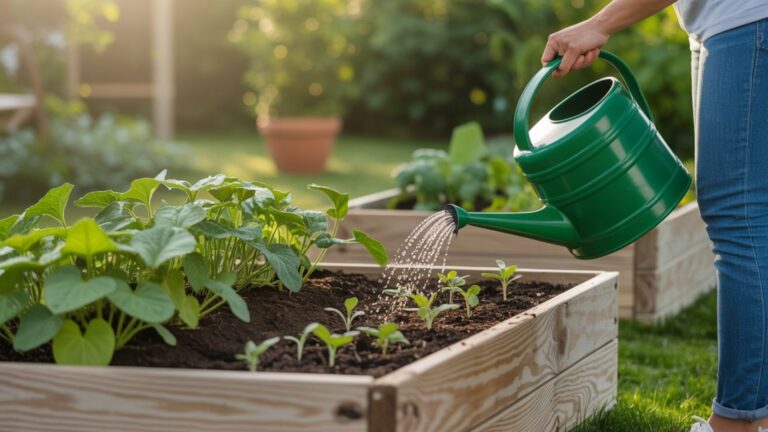
Edible landscaping combines aesthetics with functionality in modern garden remodel projects. Raised bed vegetable gardens become attractive focal points using attractive materials like cedar or stone. Fruit trees provide spring blossoms, summer shade, and fall harvests. Berry bushes deliver ornamental appeal plus edible yields. Herb gardens near outdoor kitchens offer fresh ingredients steps from cooking areas. This dual-purpose approach maximizes property utility while reducing grocery expenses and connecting families with food sources.
Low-maintenance alternatives reduce ongoing yard work dramatically. Native plant gardens require minimal water and care once established. Artificial turf eliminates mowing, fertilizing, and watering while maintaining green appearance year-round for $8-$15 per square foot installed. Xeriscaping principles using drought-tolerant plants and efficient irrigation minimize resource consumption. Ground covers replace high-maintenance grass in shaded or difficult areas. These approaches appeal to busy homeowners and environmentally conscious buyers.
How Do You Create Functional Outdoor Zones?
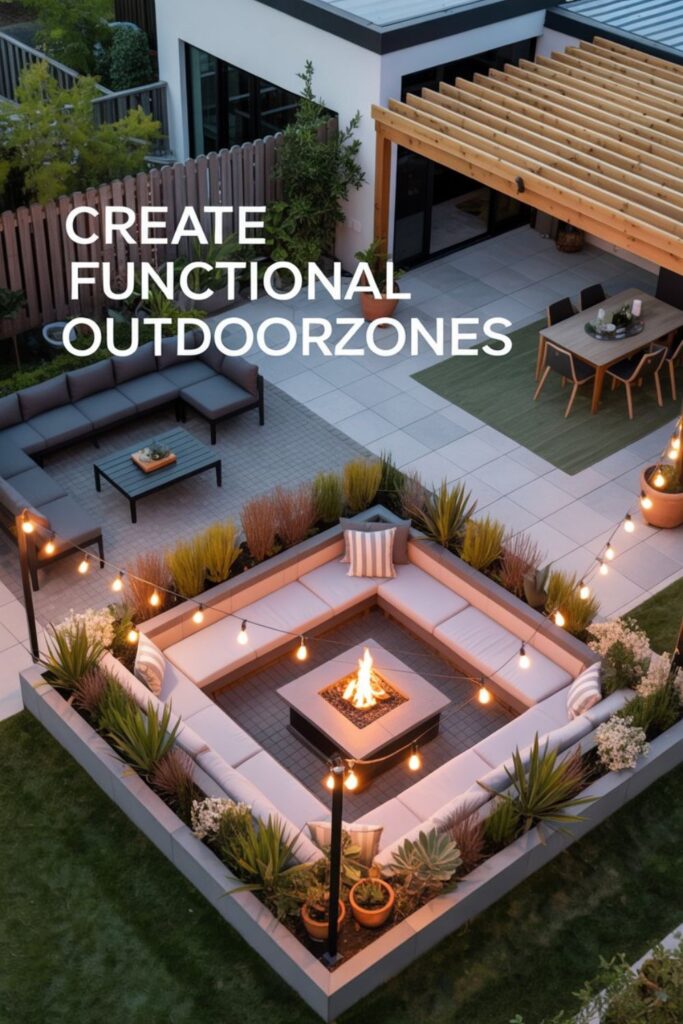
Strategic zoning transforms single-purpose yards into versatile outdoor living environments accommodating multiple activities simultaneously. Well-defined areas serve distinct functions without physical barriers that fragment spaces.
Outdoor dining zones form hearts of most backyard remodel ideas. Allocate space for your table size plus 36-42 inches on all sides for comfortable chair movement and serving access. Position dining areas near kitchen doors minimizing food transport distances. Overhead shade from pergolas, umbrellas, or tree canopies protects diners from sun and light rain. Evening lighting focused on tables enables comfortable dining after dark. Consider proximity to cooking areas while managing smoke direction away from seating.
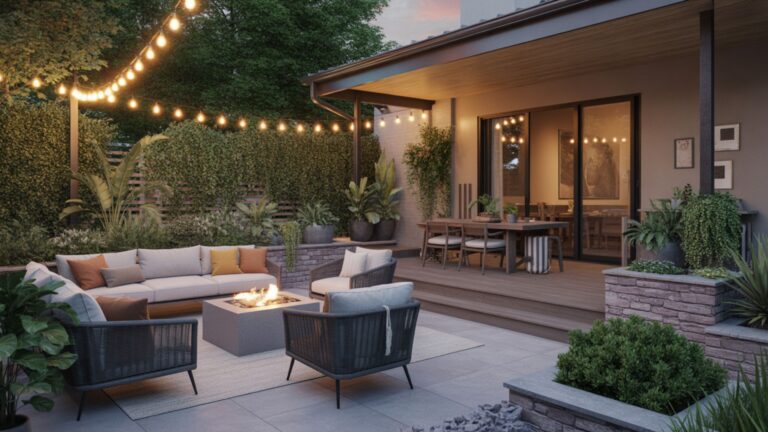
Lounge and conversation areas need comfortable seating arrangements encouraging face-to-face interaction. Arrange sofas and chairs in U-shapes or circular configurations rather than straight lines. Keep conversation groups to 8-10 feet across maintaining comfortable hearing distances. Fire pits or fireplaces create natural gathering points drawing people together. Layer soft elements like outdoor rugs, cushions, and throws enhancing comfort and visual warmth. These intimate zones provide relaxation spaces separate from active dining or play areas.
Play zones accommodate children’s activities safely and attractively. Designate flat areas for swings, climbing structures, or sports activities. Soft surfaces like rubber mulch, artificial turf, or sand cushion falls under play equipment. Position play areas within sight lines from main entertaining spaces enabling supervision. Consider mature plantings buffering play noise from quiet zones. Design play areas adapting to changing needs today’s playset location becomes tomorrow’s garden or fire pit area.
Work zones organize gardening supplies, tools, and projects away from main entertaining areas. Potting benches, tool storage, and compost areas keep utilitarian functions accessible yet hidden. Screen work zones using fencing, plantings, or decorative panels. Include water access, electrical outlets, and adequate lighting for evening projects. Well-organized work zones make yard maintenance more efficient and enjoyable.
Transition zones connect different areas while providing circulation space. Pathways should measure at least 36 inches wide with 48 inches preferred for comfortable passage. Use contrasting materials or plantings defining circulation routes visually. Strategic placement creates natural traffic flow preventing guests from cutting through planted beds or private areas. These in-between spaces often accommodate accent plantings, lighting, or water features enhancing journeys between zones.
What Privacy Solutions Work Best in Backyard Remodels?
Privacy transforms outdoor remodel projects from exposed yards into intimate sanctuaries. Strategic solutions provide screening without creating fortress-like enclosures that feel claustrophobic.
Living privacy screens using fast-growing plants deliver natural beauty while blocking sightlines. Evergreen hedges like arborvitae, Leyland cypress, or privet create year-round screening reaching 8-15 feet tall within 5-7 years. Bamboo grows rapidly providing dense screening but requires rhizome barriers preventing invasive spreading. Deciduous hedges offer seasonal screening with lower maintenance. Space plants according to mature widths ensure full coverage. Living screens improve air quality, reduce noise, and support wildlife compared to solid barriers.
Solid fencing provides immediate privacy though appears harsher than plantings. Wood privacy fences cost $15-$35 per linear foot installed depending on quality and height. Vinyl fencing requires less maintenance at $25-$40 per linear foot. Composite materials combine durability with aesthetics for $30-$50 per linear foot. Decorative designs with varying heights or lattice toppers soften solid appearances. Coordinate fence colors with home exteriors ensuring cohesive aesthetics. Check local regulations limiting fence heights near property lines.
Combination approaches layer fences with plantings creating depth and visual interest. Plant vines on fences adding green texture and seasonal flowers. Position shrubs or small trees in front of fences creating layered screening. This hybrid strategy provides immediate privacy from fences while softening industrial appearances through vegetation. The combination delivers screening more effectively than either element alone.
Vertical gardens and green walls maximize privacy in compact backyard transformation projects. Wall-mounted planters or modular systems create living walls on fences or structures. Trellises supporting climbing plants provide semi-transparent screening that maintains airflow. These vertical solutions deliver substantial screening without consuming valuable ground space. Modern systems include integrated irrigation simplifying maintenance.
Strategic structure placement provides privacy without continuous barriers. Position pergolas, gazebos, or cabanas blocking direct sightlines from neighboring windows. Outdoor rooms with three walls create private zones while maintaining open-air ambiance. Decorative screens using metal, wood, or composite materials add artistic elements while blocking views. These architectural solutions integrate privacy naturally within overall designs.
Read More About: 50+ Backyard Renovations Ideas to Boost Value And Lifestyle
How Can Lighting Transform Your Backyard Remodel?
Strategic lighting extends usability into evening hours while dramatically altering outdoor remodel aesthetics after dark. Layered approaches combining ambient, task, and accent lighting create versatile environments adapting to different occasions.
Architectural lighting highlights home exteriors, structures, and hardscaping creating sophisticated nighttime aesthetics. Uplight columns, corners, and interesting architectural details. Wash exterior walls with soft illumination revealing textures and colors. Illuminate pergolas, arbors, and outdoor structures from within or below. Use directional fixtures preventing light pollution while focusing attention on desired features. LED technology provides energy efficiency and longevity with minimal maintenance requirements.
Pathway and safety lighting prevents accidents while guiding circulation naturally. Install low-profile fixtures every 8-10 feet along all walkways, steps, and elevation changes. Illuminate potential hazards like pool edges, retaining walls, and grade transitions. Choose fixtures providing downward-focused light avoiding glare. Solar-powered options eliminate wiring costs though quality varies significantly invest in reputable brands for adequate brightness. Low-voltage LED systems offer reliable performance with safer installation than line-voltage fixtures.
Entertainment lighting creates ambiance for gatherings and relaxation. String lights (café lights) deliver soft overhead glow perfect for dining and conversation. Modern LED string lights last 50,000+ hours while consuming minimal energy. Install multiple circuits or zones enabling different scenes for various occasions. Decorative lanterns and fixtures provide task lighting with aesthetic appeal. Fireplace and fire pit flames contribute romantic illumination while providing warmth.
Landscape lighting showcases plantings and creates dramatic nighttime focal points. Uplight specimen trees creating striking silhouettes and shadows against structures or night sky. Spotlight architectural plants, sculptures, or water features. Use well lights washing walls or illuminating ground-level features. Moonlighting techniques installing fixtures high in trees create natural dappled patterns mimicking moonlight. Strategic landscape lighting extends visual interest beyond daylight hours making investments visible around the clock.
Smart controls simplify lighting management while adding convenience. Timer systems activate lights automatically at dusk without manual intervention. Motion sensors provide security lighting while conserving energy. Smartphone apps enable remote control and scene programming. Color-changing LED systems customize ambiance for holidays, parties, or moods. Integration with whole-home automation systems creates seamless indoor-outdoor experiences. These technologies maximize functionality while minimizing energy consumption.
What Are Modern Backyard Design Trends?
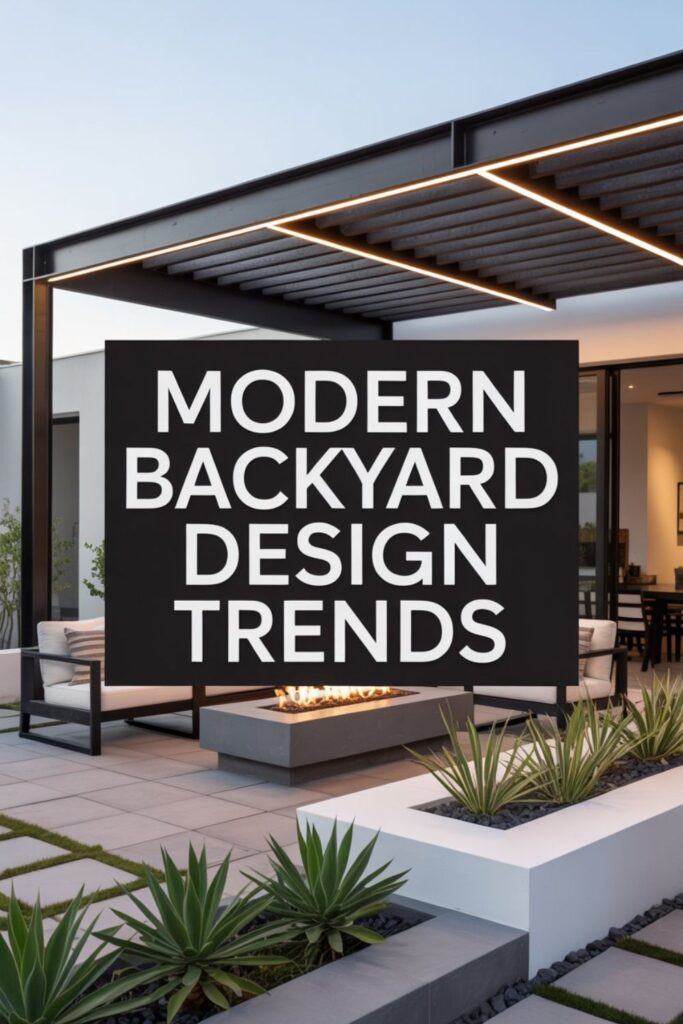
Contemporary backyard remodel ideas reflect evolving lifestyle priorities including sustainability, low maintenance, and seamless indoor-outdoor integration. Understanding current trends creates spaces that feel current while maintaining timeless appeal.
Indoor-outdoor living integration blurs boundaries between interior and exterior spaces. Large sliding glass doors, bi-fold wall systems, or movable glass panels create open connections. Match interior and exterior flooring materials visually extending rooms outdoors. Coordinate color palettes, furniture styles, and design aesthetics creating cohesive environments. Outdoor rooms equipped with weatherproof furniture, televisions, and climate control function as true living extensions. This seamless integration particularly appeals to buyers in temperate climates.
Minimalist landscaping emphasizes clean lines, limited plant palettes, and architectural elements over busy ornamental gardens. Sculptural plants like agaves, ornamental grasses, and Japanese maples provide focal points without constant maintenance. Extensive hardscaping with gravel, concrete, or pavers dominates designs. Geometric planters and raised beds create organized structure. This aesthetic particularly appeals to busy professionals valuing sophistication over cottage charm.
Dark color palettes replace traditional light woods and stones in contemporary outdoor renovation projects. Black, charcoal, and deep gray stains on fences, pergolas, and structures create dramatic modern aesthetics. Dark pavers and concrete contrast boldly with green landscaping. These sophisticated choices hide dirt and imperfections better than light colors. Dark finishes require UV-resistant products preventing rapid fading in sunny climates.
Sustainable and native landscaping reduces environmental impact while lowering maintenance. Native plant gardens require minimal water and care once established. Permeable paving allows water infiltration reducing runoff. Rain gardens and bioswales manage stormwater naturally. Pollinator gardens supporting bees and butterflies demonstrate environmental stewardship. Solar lighting and rainwater collection reflect eco-consciousness appealing to environmentally aware buyers.
Multi-functional spaces maximize utility in smaller yard makeover projects. Furniture with hidden storage, fold-down tables, and convertible seating adapt to different needs. Vertical gardens maximize plantings without consuming ground space. Retractable awnings and movable screens reconfigure spaces for various occasions. This flexible approach particularly suits urban properties with limited square footage requiring creative solutions.
How Do You Budget for a Complete Backyard Remodel?
Strategic budget allocation ensures backyard transformation projects deliver maximum value without financial regret. Understanding typical cost distributions and planning appropriately prevents abandoned projects and disappointing results.
Establish total budgets through honest financial assessment. Most homeowners invest 5-15% of home values in major outdoor remodel projects. A $400,000 home might justify $20,000-$60,000 in comprehensive backyard redesign spending. Consider financing options including home equity loans, personal loans, or phased cash payments. Avoid overspending relative to neighborhood comparables investing $100,000 in a $300,000 home rarely returns value at sale.
Allocate budgets proportionally across project categories. Quality hardscaping including patios, walkways, and retaining walls typically consumes 40-50% of total budgets providing lasting foundations. Structures like pergolas, decks, and outdoor kitchens account for 20-30% creating functional improvements. Landscaping including plants, irrigation, and lighting represents 15-25% adding beauty and finishing touches. Reserve 10-15% for decorative elements like furniture, fire features, and accessories completing visions.
Include 15-20% contingency reserves for inevitable unexpected issues. Underground surprises like boulders, utility conflicts, or poor soil conditions emerge frequently. Weather delays, material price fluctuations, and design changes consume buffers. Projects without adequate reserves force corner-cutting or incomplete execution. Leftover contingency funds can upgrade finishes or add features rather than covering deficits.
Prioritize foundational improvements over decorative elements when budgets tighten. Proper grading, drainage, and structural work prevent expensive future problems. Quality materials in hardscaping outlast cheap alternatives by decades. These invisible investments protect above-ground beauty. Conversely, furniture, plantings, and accessories can be added gradually as budgets allow without compromising structural integrity.
Compare DIY versus professional costs realistically. Simple projects like planting, mulching, or painting suit DIY approaches saving 40-60% versus professional labor. Mid-complexity work including basic patios or fencing challenges handy homeowners successfully. Complex projects involving utilities, large structures, or specialized equipment justify professional expertise. Calculate opportunity costs of your time and skill limitations honestly. Botched DIY work costs more correcting than proper professional execution initially.
What Timeline Should You Expect for Backyard Remodels?
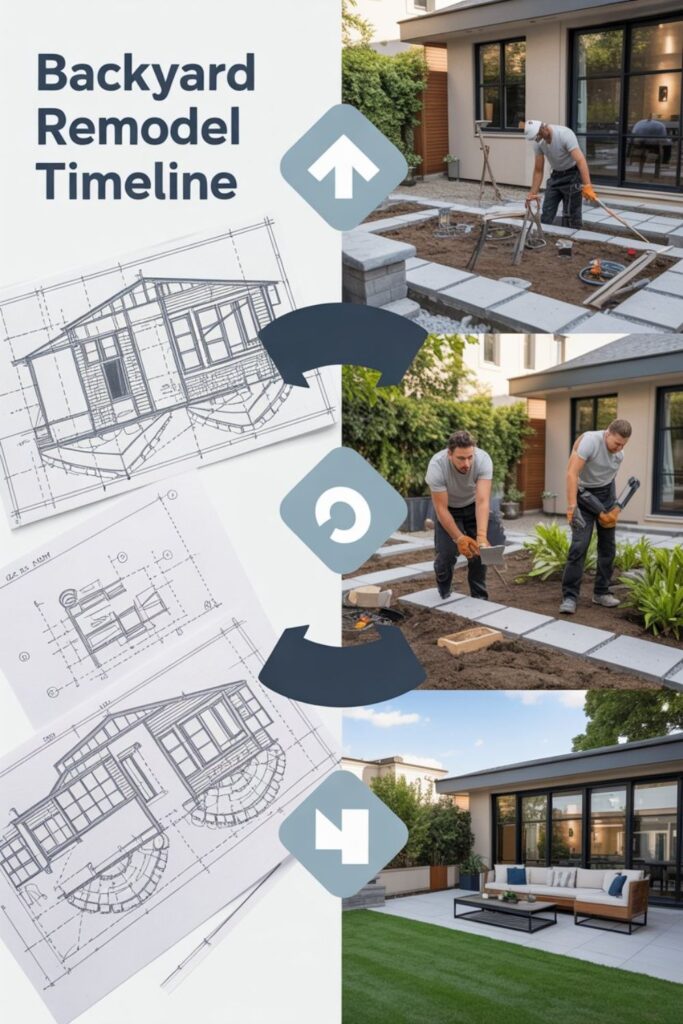
Realistic timeline expectations prevent frustration while enabling proper planning around construction disruptions. Backyard remodel durations vary dramatically based on project scope, weather conditions, and contractor availability.
Planning and design phases require 2-8 weeks before construction begins. Site analysis, concept development, and detailed planning take time done properly. Permit applications add 2-8 weeks in most jurisdictions. Complex projects requiring engineering or architectural plans need additional time. Rushing planning phases causes expensive mid-construction changes and design regrets. Invest adequate time upfront ensuring clear vision and proper approvals.
Basic outdoor renovation projects span 2-4 weeks typically. Simple patio installations require 5-10 days for excavation, base preparation, and material placement. Deck construction takes 1-2 weeks depending on size and complexity. Fence installations run 3-10 days based on linear footage. Basic landscaping projects need 1-2 weeks. Good weather and available contractors enable smooth execution within these timeframes.
Moderate complexity backyard transformation projects require 4-8 weeks from start to finish. Installations combining hardscaping, structures, and landscaping demand sequential work. Foundation elements must be completed before structures begin. Utility work precedes finishing touches. Multiple contractor coordination introduces scheduling complexities. Weather delays extend timelines unpredictably rain, extreme heat, or cold halt specific activities.
Comprehensive yard makeover projects spanning entire properties need 2-4 months completing fully. Large-scale projects coordinating multiple trades, extensive earthwork, and complex structures require substantial time. Phased construction enables living in homes throughout renovations. Professional project management keeps contractors coordinated and materials arriving appropriately. Complex installations shouldn’t be rushed; quality execution requires adequate time.
Seasonal timing significantly impacts project success and duration. Spring and fall provide ideal conditions in most climates, moderate temperatures and manageable precipitation. Summer heat complicates concrete work and stresses new plantings. Winter freezes halt many projects entirely in cold regions. Schedule major work during optimal local seasons even if waiting months. Contractors book heavily during peak periods and reserve quality professionals 3-6 months in advance.
Frequently Asked Questions
How much does a complete backyard remodel cost?
Complete backyard remodel projects typically cost $15,000-$75,000 depending on yard size and feature selection. Basic transformations including new patio, updated landscaping, and fencing start around $15,000-$25,000. Mid-range outdoor remodel projects with structures, quality hardscaping, and irrigation run $30,000-$50,000. Luxury renovations featuring pools, outdoor kitchens, and extensive landscaping exceed $75,000-$150,000. Most homeowners invest 5-15% of total home values in major backyard transformation projects.
What adds the most value in a backyard remodel?
Professional landscaping, functional patios or decks, and outdoor living spaces deliver highest returns, typically recouping 60-100% of investments. Quality hardscaping appeals universally to buyers while improving daily functionality. Outdoor kitchens and entertainment areas command premiums in appropriate markets. Privacy features and low-maintenance designs attract busy modern buyers. Avoid overly personal features like elaborate water features or specialized hobby spaces that limit buyer appeal.
Can I remodel my backyard myself?
DIY projects suit simple tasks like planting, mulching, painting, and basic pathways saving 40-60% on labor. Handy homeowners tackle moderate projects including simple patios, raised beds, and basic structures successfully. However, complex work involving utilities, large hardscaping, or specialized equipment requires professional expertise. Grading, drainage, and structural projects need proper execution preventing expensive future problems. Honest skill assessment prevents botched work costing more correcting than professional execution initially.
How long does a backyard remodel take?
Backyard remodel timelines vary dramatically by scope. Simple projects complete in 2-4 weeks while moderate transformations require 4-8 weeks. Comprehensive yard makeover projects spanning entire properties need 2-4 months from planning through completion. Add 2-8 weeks for permit approvals before construction begins. Weather delays, contractor scheduling, and material availability affect actual timelines. Plan major projects during optimal seasons in your climate for best results and minimal delays.
Do I need permits for backyard remodeling?
Permit requirements depend on project type and local regulations. Ground-level patios under 200 square feet often don’t require permits while structures, decks, and utility work typically need approval. Outdoor kitchens with gas lines, swimming pools, and significant grading definitely require permits and inspections. Homeowner associations impose additional restrictions beyond municipal requirements. Checking with local building departments before starting unpermitted work creates legal issues, complicates sales, and requires expensive corrections.
Conclusion
Backyard remodel ideas represent significant investments delivering lifestyle enhancements and substantial property value increases when executed strategically. Comprehensive planning addressing your specific needs, climate conditions, and budget realities ensures transformations deliver satisfaction for decades. Quality hardscaping, thoughtful landscaping, and functional structures create foundations that endure while requiring reasonable maintenance.
The most rewarding outdoor remodel projects emerge from careful consideration of how you’ll actually use spaces rather than chasing temporary design trends. Whether pursuing modest refreshes or complete yard makeover projects, focus on improvements genuinely enhancing daily living and property appeal. Start with essential infrastructure including proper drainage and durable hardscaping, then layer in structures, landscaping, and decorative elements reflecting your vision. Your dream backyard awaits to transform that underutilized outdoor space into the personal paradise you deserve.