50+ Backyard Renovations Ideas to Boost Value And Lifestyle

Your backyard looks tired and outdated. The cracked patio collects water after every rain, the overgrown shrubs block natural light, and that rusty swing set from 2008 screams neglect. You avoid hosting gatherings because frankly, your outdoor space embarrasses you. Meanwhile, your neighbors enjoy beautifully renovated yards that feel like private resorts.
Here’s what makes this worse: you’ve invested thousands into interior upgrades while ignoring the 30% of your property that significantly impacts home value and daily enjoyment. Most homeowners postpone backyard renovations believing they’re too expensive, too complicated, or too time-consuming. They watch their yards deteriorate while potential buyers scroll past their listings or family memories happen indoors.
The reality? Strategic backyard renovations ideas deliver 50-100% return on investment while transforming how you actually use your property. This comprehensive guide reveals proven backyard remodel strategies across every budget level, from weekend DIY backyard improvement projects to complete yard transformations. You’ll discover which renovations boost property value most, how to prioritize projects effectively, and practical execution plans that deliver professional results without professional headaches.
What Are the Most Valuable Backyard Renovations Ideas?
Backyard renovations ideas that maximize return on investment focus on improvements buyers actually notice and homeowners use regularly. Not all backyard upgrade projects deliver equal value, some return pennies on the dollar while others recoup entire investments and more.
Functional outdoor living spaces top the value pyramid. Adding or upgrading patios, decks, and entertainment areas consistently returns 60-80% of costs at resale while providing immediate lifestyle benefits. A well-executed 300-square-foot patio using quality pavers costs $4,500-$9,000 but adds $7,000-$15,000 in perceived home value. These hardscaping projects extend usable living space, creating natural gathering spots that buyers envision enjoying immediately.
Professional landscaping renovations deliver strong returns through strategic plant selection and design. Mature trees alone increase property values by 7-19% according to studies by the Arbor Day Foundation. A complete landscape renovation addressing overgrown plantings, adding seasonal color, and improving curb appeal typically costs $5,000-$15,000 while returning 100-200% of investment. The transformation effect disproportionately influences buyer perceptions compared to actual costs.
Outdoor structures like pergolas, gazebos, and covered entertaining areas combine aesthetic appeal with functionality. These features create defined zones within backyard makeover projects while providing weather protection. A quality pergola installation runs $3,000-$8,000 but immediately elevates the outdoor space’s sophistication. Buyers pay premiums for turnkey outdoor rooms ready for immediate enjoyment rather than blank canvases requiring imagination and investment.
Low-maintenance backyard redesign elements attract time-strapped modern buyers. Artificial turf, native plantings requiring minimal water, and automated irrigation systems reduce ongoing maintenance while cutting utility costs. These sustainable backyard improvement projects appeal to environmentally conscious buyers and those lacking time or interest in intensive yard care. Initial investments pay back through reduced maintenance expenses and broader buyer appeal.
Read More About: 25+ Best Backyard Layout Ideas for Splendid Outdoor Space
How Do You Plan a Successful Backyard Remodel?
Backyard remodel success starts with comprehensive planning that addresses current problems, future needs, and budget realities. Jumping into renovations without strategic planning leads to cost overruns, design regrets, and incomplete projects that diminish rather than enhance property value.
Conduct thorough site analysis documenting sun exposure, drainage patterns, soil conditions, and existing features. Photograph your yard from multiple angles and times of day. Note problem areas pooling water, dead zones under trees, or awkward slopes. Identify utility locations including underground lines, septic systems, and easements. This groundwork prevents costly mistakes like planting trees over sewer lines or building structures that violate setback requirements.
Define your priorities through honest lifestyle assessment. How do you actually want to use the space? Families with young children need different backyard renovations ideas than empty nesters or entertainers. Create wish lists separated by must-haves, nice-to-haves, and dream features. Consider resale even if you’re not moving soon; some personal preferences hurt property values while others universally appeal. Balance individual desires with market realities.
Establish realistic budgets including 15-20% contingency funds for unexpected issues. Research typical costs for desired backyard upgrade projects in your market. Get multiple contractor quotes for major work while honestly assessing DIY capabilities for smaller tasks. Phased renovation timelines spread costs across multiple years while delivering incremental improvements. Prioritize foundational elements like drainage solutions and hardscaping before decorative features.
Permits and regulations require investigation before starting outdoor space renovation projects. Building departments regulate structures, electrical work, plumbing, and sometimes even significant landscaping features. Homeowner associations impose additional restrictions on materials, colors, and designs. Verifying requirements early unpermitted work creates legal liabilities, insurance complications, and expensive corrections. Most jurisdictions publish permit requirements online or provide free consultations.
What Budget-Friendly Backyard Renovations Ideas Deliver Impact?
Budget-friendly backyard improvement projects prove that financial constraints don’t prevent meaningful yard transformation. Strategic selection and smart execution deliver professional-looking results without professional price tags.
Paint and stain renovations provide dramatic transformations for minimal investment. Refreshing faded fences, decks, and outdoor structures with quality stains or paints costs $200-$800 in materials but completely rejuvenates appearances. Power wash surfaces first for clean application and maximum durability. Dark stains hide imperfections better than light colors while modern grays and blacks create contemporary aesthetics. This weekend DIY project dramatically improves curb appeal and perceived maintenance levels.
Mulch refreshment instantly upgrades garden renovation appearance while suppressing weeds and retaining moisture. Quality hardwood mulch costs $30-$50 per cubic yard enough to cover 100 square feet at 3-inch depth. Remove old, decomposed mulch before applying fresh layers. Consistent mulch depths and crisp edges along beds create a professional landscaping appearance. This simple annual task maintains landscape renovation investments while costing less than dinner for four.
Lighting installation transforms nighttime ambiance and functionality for modest investments. Solar path lights line walkways for $5-$15 each without electrical work. Low-voltage LED systems illuminate trees, architectural features, and entertaining areas for $300-$800 including transformers. String lights create festive ambiance for $50-$200 depending on length and quality. Strategic lighting extends usable hours, improves security, and showcases other backyard renovations after dark.
Container gardens and raised beds add color and dimension without permanent commitments. Large decorative planters cost $30-$150 each but allow seasonal rotation and experimentation. Group odd numbers in varying heights for visual interest. Raised vegetable beds built from cedar or composite lumber run $100-$300 for 4×8 foot units, delivering fresh produce and attractive focal points. These flexible backyard renovations ideas suit renters and homeowners equally.
Gravel pathways define circulation routes professionally for $1-$3 per square foot. Edge pathways with landscape timbers, pavers, or metal edging. Lay landscape fabric underneath to prevent weeds. Crushed stone compacts firmly for stable walking while pea gravel offers softer aesthetics. These simple paths organize outdoor space renovation projects while solving muddy traffic patterns affordably.
How Can Hardscaping Transform Your Backyard?
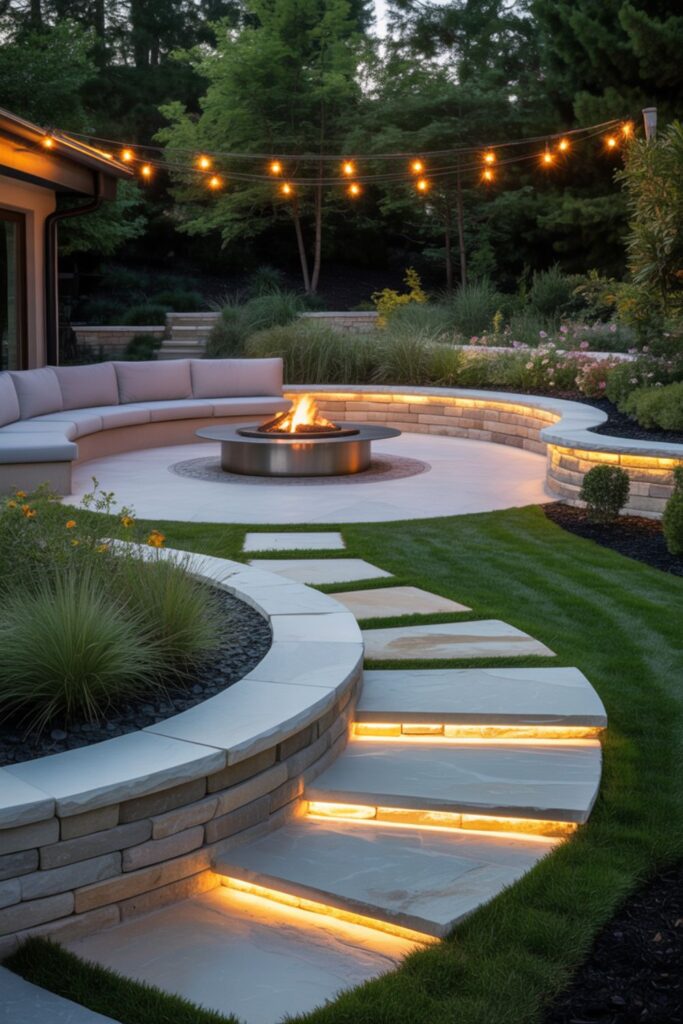
Hardscaping elements form the structural backbone of successful backyard makeover projects. These permanent features using stone, concrete, wood, and other durable materials create organization, functionality, and year-round visual interest.
Retaining walls solve multiple problems simultaneously in yard transformation projects. They tame sloped properties, creating level usable areas from previously unusable terrain. Retaining walls prevent erosion, define planting beds, and add architectural dimension. Modular block systems enable DIY installation for walls under 4 feet while larger projects require professional engineering. Material choices range from budget-friendly concrete blocks ($3-$10 per square foot) to natural stone ($25-$50 per square foot) depending on desired aesthetics.
Walkways and pathways guide traffic flow while protecting lawns from wear patterns. Flagstone paths deliver natural elegance for $15-$30 per square foot installed. Paver walkways offer versatile design options from $10-$25 per square foot. Poured concrete provides durable affordability at $6-$12 per square foot. Strategic pathway placement connects outdoor features logically while organizing previously chaotic yard layouts. Curved paths feel more natural than rigid straight lines, adding visual interest through gentle bends.
Fire pits and fireplaces create magnetic gathering points that anchor outdoor living renovation designs. Built-in stone fire pits cost $2,000-$5,000 while portable metal options start around $200. Outdoor fireplaces make dramatic statements for $3,000-$10,000 depending on size and materials. These features extend seasonal usability into cooler months while providing entertainment and ambiance. Position fire features at safe distances from structures and overhead combustibles per local fire codes.
Water features introduce soothing sounds and dynamic focal points. Simple bubbling rock fountains start around $500 while elaborate pond systems with waterfalls run $5,000-$20,000. Pondless waterfall systems eliminate standing water concerns while delivering cascading water aesthetics. Professional installation ensures proper plumbing, electrical, and drainage solutions. Water features significantly increase backyard redesign sophistication though maintenance requirements vary by complexity.
Outdoor kitchens elevate entertaining capabilities dramatically. Basic built-in grills with prep counters start around $3,000 while complete kitchens with refrigerators, sinks, and pizza ovens exceed $20,000. Even modest cooking stations reduce indoor-outdoor transitions during gatherings. Use weather-resistant materials like stainless steel, tile, and stone. Plan utility access early since running gas, water, and electrical lines costs significantly less during initial construction than as afterthoughts.
What Landscaping Features Enhance Backyard Renovations?
Strategic landscaping features soften hardscaping elements while adding color, texture, and seasonal interest to backyard improvement projects. Thoughtful plant selection considers maintenance requirements, climate suitability, and mature sizes.
Native plant gardens reduce maintenance dramatically while supporting local ecosystems. Native species evolved for local climate conditions, requiring less water, fewer pesticides, and minimal fertilization compared to exotic ornamentals. Butterfly and pollinator gardens attract beneficial insects using native perennials like coneflowers, black-eyed susans, and milkweed. These sustainable backyard renovations ideas lower utility costs while creating educational opportunities for children. Local extension offices provide free native plant recommendations for specific regions.
Privacy screening addresses common backyard remodel priorities in tight neighborhoods. Fast-growing evergreen hedges like arborvitae or Leyland cypress create living walls in 3-5 years. Bamboo screens grow rapidly but require containment to prevent invasive spreading. Vertical gardens on fences or trellises maximize screening in compact spaces. Strategic tree placement blocks sightlines from neighboring windows while maintaining your views. Layered plantings with varying heights create depth and effectiveness.
Edible landscaping combines aesthetics with functionality in modern garden renovation projects. Fruit trees provide spring blossoms, summer shade, and fall harvests. Blueberry and raspberry bushes deliver ornamental appeal plus edible yields. Herb gardens near outdoor kitchens offer fresh ingredients steps from cooking areas. Raised bed vegetable gardens become attractive focal points rather than hidden backyard corners. This dual-purpose approach maximizes property utility while reducing grocery expenses.
Shade structures using living plants provide cooling alternatives to built structures. Deciduous trees strategically placed shade patios and windows during summer while allowing winter sun penetration. Pergolas covered with grapevines, wisteria, or climbing roses create living shade canopies. These natural solutions reduce cooling costs while improving air quality. Consider mature sizes carefully: trees planted too close damage foundations, sidewalks, and underground utilities.
Seasonal color rotations maintain visual interest year-round through deliberate planning. Spring bulbs transition to summer perennials, fall mums, and winter evergreen structure. Incorporate plants with interesting bark, berries, or seed heads extending appeal beyond flowering seasons. Stagger bloom times for continuous color rather than brief explosions followed by months of green. This layered approach ensures your landscape renovation consistently impresses rather than looking spectacular briefly.
How Do Outdoor Structures Add Value to Backyards?
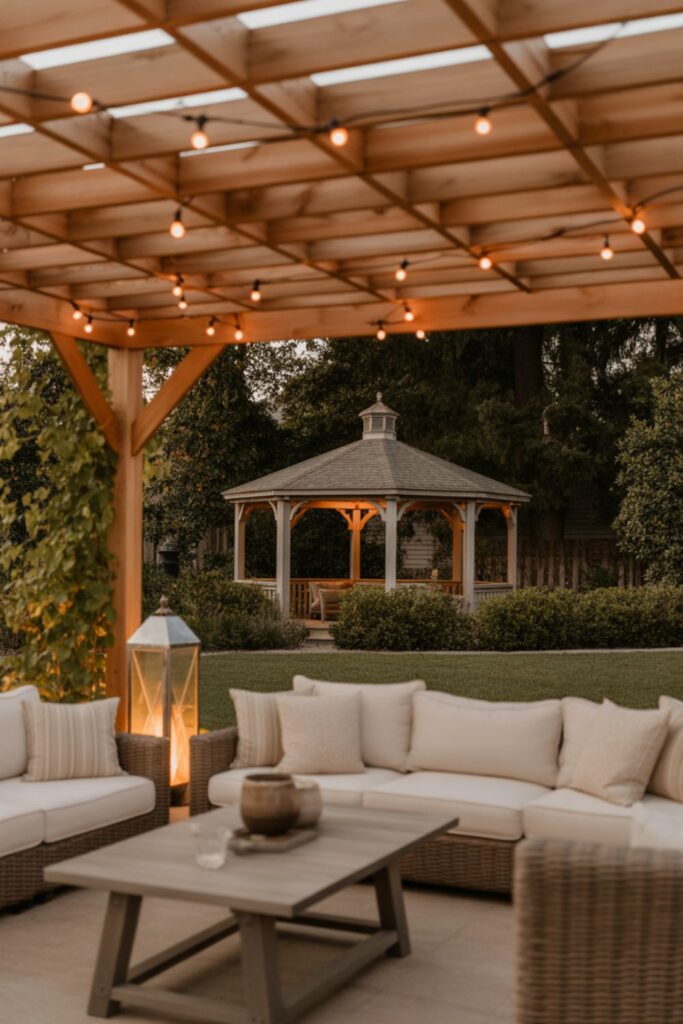
Outdoor structures define spaces, provide weather protection, and create architectural interest that distinguishes exceptional backyard makeover projects from basic yards. These permanent additions signal quality and thoughtfulness that resonate with buyers.
Pergolas deliver open-air elegance while supporting climbing plants for natural shade. Traditional wood pergolas cost $2,500-$6,000 for DIY kits or $4,000-$10,000 professionally installed. Modern aluminum pergolas with adjustable louvers provide weather protection and sun control for $6,000-$15,000. Pergolas define outdoor rooms without walls, creating psychological boundaries while maintaining open airflow. Attach string lights or chandeliers to pergola beams for evening ambiance.
Gazebos create fully defined outdoor rooms suitable for all-weather use. Freestanding gazebos range from $1,500 kit versions to $15,000 custom structures. Screen panels keep insects out while allowing breezes through. Ceiling fans and electrical outlets expand functionality. Position gazebos to capture views or create privacy from neighbors. These structures work particularly well as meditation spaces, reading nooks, or intimate conversation areas separated from main entertaining zones.
Covered decks and patios extend usability during rain and intense sun. Roof extensions from existing structures maintain architectural continuity for $8,000-$20,000. Freestanding pavilions create independent covered areas for $10,000-$30,000. Solid roofs enable ceiling fans, permanent lighting, and even outdoor heaters for year-round comfort. Calculate return on investment through extended seasonal use rather than pure resale value these features primarily benefit current occupants.
Sheds and storage buildings organize equipment and toys that otherwise clutter backyard redesign aesthetics. Modern sheds blend architecturally with homes rather than standing out as eyesores. Sizes from 8×10 foot basic storage ($1,500-$3,000) to 12×16 workshop spaces ($5,000-$10,000) accommodate different needs. Quality sheds include proper foundations, weather-resistant siding, and secure doors. Coordinate colors and materials with existing structures for cohesive appearances.
Greenhouses enable year-round gardening for dedicated enthusiasts. Freestanding hobby greenhouses start around $500 for small models while quality structures run $2,000-$10,000. Attached lean-to greenhouses utilize existing wall structures economically. Include electrical for heating, ventilation fans, and lighting. These specialized structures appeal to specific buyer segments but may limit market appeal for others. Consider portability for flexibility.
What Lighting Designs Elevate Backyard Renovations?
Strategic lighting installation extends usable hours, improves safety, and showcases other backyard improvement projects after dark. Layered lighting approaches combine ambient, task, and accent lighting for versatile outdoor space renovation functionality.
Path and step lighting prevents tripping hazards while guiding circulation routes safely. LED path lights cost $20-$50 each, lasting years without bulb replacements. Space fixtures 6-8 feet apart for adequate illumination without excessive brightness. Illuminate all elevation changes, steps, and pathway edges. Choose fixtures matching your home’s architectural style, modern minimalist, traditional lantern, or contemporary geometric designs. Low-voltage systems offer safer DIY installation than line-voltage fixtures.
Accent lighting highlights architectural features, specimen plants, and water elements dramatically. Uplighting trees creates striking silhouettes and shadows. Well lights installed at ground level wash walls with soft illumination. Spotlights emphasize focal points like sculptures, fountains, or dramatic plant specimens. Use narrow beam angles for precise highlighting and wider beams for general illumination. LED technology enables color-changing options for special occasions and holidays.
Ambient lighting creates overall illumination for activity areas without harsh spotlights. String lights (café lights) deliver soft overhead glow perfect for dining and entertaining. Modern LED string lights last 50,000+ hours while consuming minimal energy. Mount strings on pergolas, between posts, or overhead cables using proper outdoor-rated hardware. Lanterns and decorative fixtures on walls or posts provide functional light with decorative appeal. Dimmers enable intensity adjustment for different moods.
Smart lighting controls simplify backyard remodel lighting management. Timer systems activate lights automatically at dusk without manual intervention. Motion sensors provide security lighting while conserving energy. Smartphone-controlled systems adjust scenes remotely and integrate with home automation platforms. Color-changing LED options customize ambiance for parties, holidays, or personal preference. These technologies add convenience while reducing energy consumption through intelligent operation.
Security lighting deters intruders while improving navigation safety. Motion-activated floodlights illuminate dark areas when activity is detected. Position security lights covering entry points, gates, and vulnerable areas. Use warm white LEDs rather than harsh blue-white bulbs for friendlier appearance. Adjustable sensitivity settings prevent false activations from animals or blowing vegetation. Combine security lighting with smart home systems for remote monitoring and control.
How Can You Incorporate Sustainable Backyard Renovations Ideas?
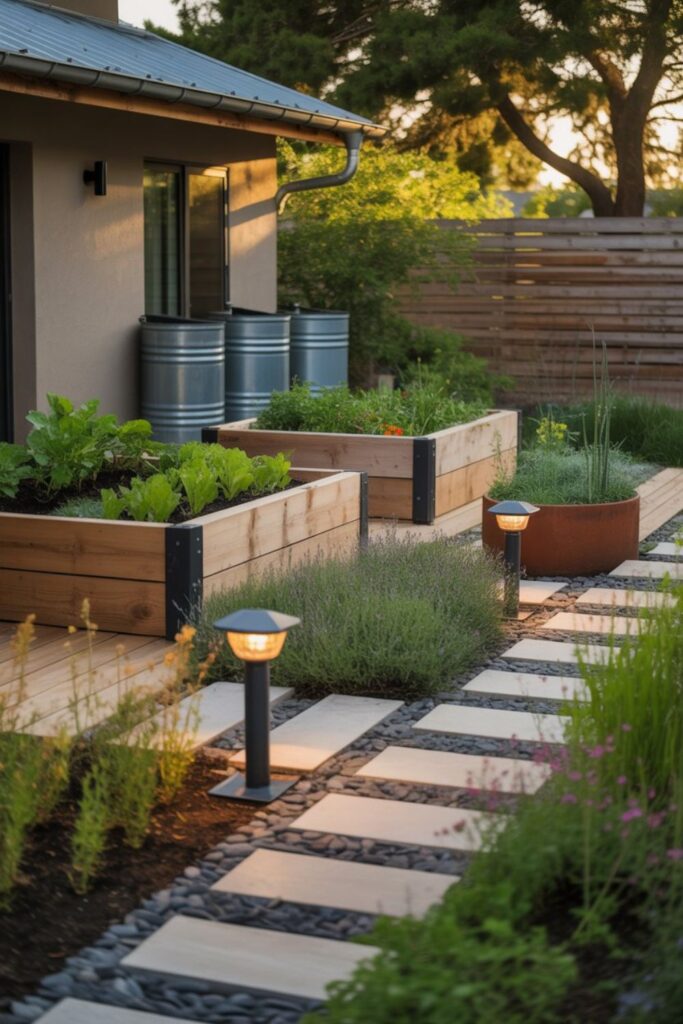
Sustainable backyard renovations ideas reduce environmental impact while lowering long-term operating costs. Eco-friendly approaches increasingly appeal to environmentally conscious buyers while delivering immediate utility savings.
Rainwater harvesting systems capture roof runoff for landscape irrigation. Rain barrels offer simple entry points starting around $100 while complete cistern systems cost $2,000-$5,000. Properly sized systems reduce municipal water consumption by 40% or more during growing seasons. Connect multiple barrels for increased capacity. Include overflow protection directing excess water away from foundations. Many municipalities offer rebates offsetting installation costs.
Permeable paving solutions reduce stormwater runoff while recharging groundwater. Permeable pavers with wide gravel-filled joints allow water infiltration for $12-$20 per square foot. Pervious concrete incorporates void spaces permitting drainage for $8-$15 per square foot. These hardscaping options meet stormwater management requirements while looking attractive. Maintenance involves periodic vacuuming or pressure washing to prevent clogging.
Native and drought-tolerant landscaping dramatically reduces irrigation requirements. Xeriscaping principles minimize or eliminate supplemental watering through strategic plant selection and mulching. Native grasses replace traditional lawns in appropriate climates, requiring only rainfall after establishment. Drip irrigation delivers water directly to plant roots with 90% efficiency compared to 50-70% for spray systems. Smart irrigation controllers adjust watering based on weather data and soil moisture sensors.
Solar lighting eliminates electrical infrastructure costs while providing renewable illumination. Modern solar path lights, spotlights, and string lights include efficient LED bulbs and improved battery storage. Position fixtures where panels receive adequate sunlight typically 6+ hours daily. Quality matters significantly with solar products; cheap versions provide inadequate brightness and short lifespans. Invest in reputable brands with good warranties for reliable performance.
Composting systems convert yard waste and kitchen scraps into nutrient-rich soil amendments. Tumbler composters accelerate decomposition in compact spaces for $100-$300. Traditional bin systems work well for larger properties with room for multiple stages. Compost improves soil health while reducing landfill waste and eliminating need for chemical fertilizers. This sustainable backyard renovation closes nutrient loops while improving garden renovation soil quality.
What Drainage Solutions Prevent Backyard Problems?
Proper drainage solutions prevent the most expensive backyard remodel problems including foundation damage, soil erosion, and unusable wet areas. Addressing drainage during renovations costs far less than correcting water damage later.
Grading corrections solve many drainage issues through strategic slope modifications. Minimum 2% grade (1/4 inch per foot) away from structures sheds water effectively. Reslope problem areas accumulating standing water using fill dirt and compaction equipment. Test grading before finalizing landscaping features or hardscaping installations. Professional grading for typical yards costs $500-$2,000 but prevents thousands in future foundation repairs.
French drains collect and redirect subsurface water from persistently wet areas. These gravel-filled trenches contain perforated pipes carrying water to appropriate discharge points. DIY installations cost $10-$15 per linear foot while professional systems run $25-$50 per foot. Proper depth (12-18 inches), slope (1% minimum), and outlet locations determine effectiveness. Fabric lining prevents soil clogging pipes over time.
Dry creek beds provide attractive drainage solutions mimicking natural waterways. These decorative features use river rock, boulders, and strategic plantings channeling water during storms while looking intentional when dry. Dry creek beds cost $15-$40 per linear foot depending on materials and complexity. They solve drainage problems while adding visual interest to landscape renovation projects. Position curves naturally and vary stone sizes for authentic appearances.
Rain gardens capture and filter stormwater runoff using specially selected plants tolerating both wet and dry conditions. These shallow depressions allow water to infiltrate slowly rather than running off property. Native perennials and grasses thrive in rain garden conditions while providing habitat and beauty. Professional designs cost $500-$2,000 while DIY versions need only plants and labor. Rain gardens reduce municipal stormwater loads while addressing localized drainage issues.
Catch basins and channel drains collect surface water from paved areas effectively. These grated drains connect to underground piping directing water away from structures and gathering areas. Channel drains work well along patios, driveways, and pool decks preventing standing water. Installation costs $30-$75 per linear foot including drainage pipe connections. Properly maintained systems operate indefinitely with occasional cleaning of debris.
How Do You Choose Between DIY and Professional Contractors?
Deciding between DIY projects and contractor selection significantly impacts backyard renovations quality, timeline, and budget. Honest assessment of skills, available time, and project complexity guides smart decisions.
DIY projects suit homeowners with relevant skills, appropriate tools, and adequate time. Simple installations like planting, mulching, painting, and basic lighting work well for motivated individuals. Mid-level projects including raised beds, simple patios, and fence building challenge experienced DIYers successfully. Realistic time estimates prevent abandoned projects professionals complete in days what takes weekends for homeowners. Calculate opportunity costs of your time against contractor savings.
Professional contractor selection becomes essential for complex outdoor space renovation projects. Structural work including retaining walls over 4 feet, deck framing, and roof structures require engineering expertise. Electrical, plumbing, and gas installations demand licensed professionals for safety and code compliance. Grading and drainage work benefits from professional equipment and experience. Major hardscaping projects using expensive materials justify professional installation preventing costly mistakes.
Vetting contractors thoroughly protects against poor workmanship and project disasters. Verify licenses, insurance, and bonding covering your project scope. Check references from recent similar projects, not just testimonials on websites. Review online ratings on multiple platforms identifying pattern concerns. Get detailed written estimates from at least three contractors specifying materials, timelines, and payment schedules. Avoid large upfront deposits exceeding 10-30% of project costs.
Hybrid approaches balance DIY enthusiasm with professional expertise. Hire contractors for complex foundational work like grading, utilities, and structures while handling finishing work yourself. Contractors often offer labor-only pricing when homeowners supply materials. This approach requires coordinated scheduling and clear communication about responsibilities. Document agreements thoroughly prevent disputes about incomplete work or unmet expectations.
Project management demands significant time even when hiring contractors. Secure necessary permits before starting work many contractors won’t begin without proper approvals. Monitor progress regularly ensuring work matches agreements. Address concerns immediately rather than waiting until completion. Maintain open communication channels throughout projects. Successful backyard remodel outcomes depend on active owner involvement regardless of DIY versus contractor decisions.
What Are the Latest Backyard Design Trends?
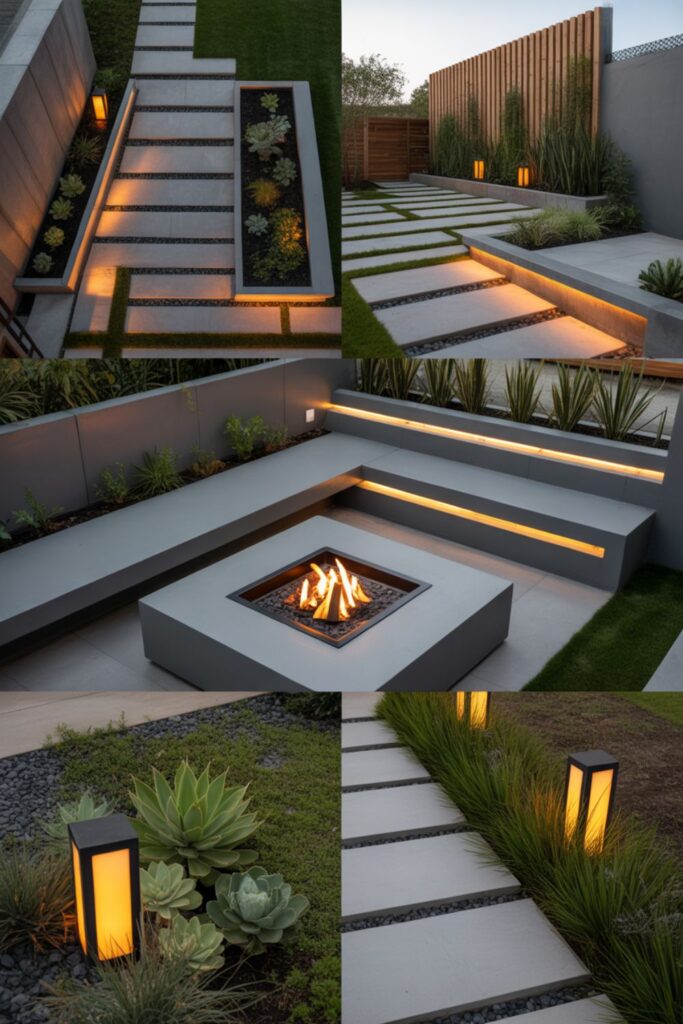
Contemporary backyard renovations ideas reflect evolving lifestyle priorities including sustainability, low maintenance, and indoor-outdoor living integration. Understanding current trends helps create timeless designs appealing to future buyers.
Outdoor rooms equipped like interior spaces dominate modern backyard makeover projects. Complete weatherproof furniture, mounted televisions, sound systems, and climate control create seamless extensions of indoor living. These spaces function comfortably across seasons rather than just summer months. Investment in quality weather-resistant materials pays off through extended usability and durability. Buyers increasingly expect and seek these integrated outdoor living capabilities.
Minimalist landscaping emphasizes clean lines, limited plant palettes, and architectural elements over fussy ornamental gardens. Sculptural plants like agaves, ornamental grasses, and Japanese maples create focal points without constant maintenance. Hardscaping dominates designs with extensive patio areas, gravel beds, and geometric planters. This aesthetic particularly appeals to busy professionals lacking time or interest in intensive gardening. Minimalist designs age well without looking dated quickly.
Dark color palettes replace traditional light woods and stones in contemporary backyard redesign projects. Black, charcoal, and deep gray stains on fences, pergolas, and decks create sophisticated modern aesthetics. Dark pavers and concrete contrast dramatically with green landscaping. These bold choices hide dirt and imperfections better than light colors while making spaces feel more intimate and dramatic. Dark finishes require UV-resistant products preventing rapid fading.
Sustainable features including native plants, rainwater collection, and solar power increasingly influence backyard improvement projects. Buyers appreciate reduced environmental impact alongside lower operating costs. Pollinator gardens supporting bees and butterflies demonstrate environmental stewardship. Edible landscaping combines aesthetics with functionality. These eco-conscious elements appeal strongly to millennial and Gen-Z buyers prioritizing sustainability.
Smart technology integration automates outdoor living renovation management. Automated irrigation responds to weather conditions. Smart lighting adjusts automatically or via smartphone control. Weather sensors protect furniture and retract awnings before storms. Voice-activated outdoor sound systems provide hands-free entertainment. Technology adoption in outdoor spaces mirrors indoor smart home trends, increasingly expected by tech-savvy buyers.
How Long Do Backyard Renovations Take to Complete?
Backyard remodel timelines vary dramatically based on project scope, weather conditions, and contractor availability. Realistic scheduling prevents frustration while enabling proper planning around disruptions.
Simple DIY projects complete in days or weekends. Painting fences and structures takes 2-3 days including prep and drying time. Planting gardens and refreshing mulch requires 1-2 days depending on area size. Installing path lighting or simple water features completes in a day with basic electrical knowledge. These quick wins provide immediate gratification while building confidence for larger undertakings.
Medium-complexity backyard improvement projects span 1-4 weeks typically. Basic patio installation requires 3-7 days for excavation, base preparation, and paver placement. Deck construction takes 1-2 weeks depending on size and complexity. Fence installation runs 3-10 days based on linear footage and terrain. Landscape renovation projects involving multiple beds, new lawns, and plant installations need 2-4 weeks. Weather delays extend timelines unpredictably.
Comprehensive yard transformation projects require 2-6 months from start to completion. Complete outdoor space renovation coordinating hardscaping, structures, utilities, and landscaping demands sequential work by multiple trades. Permits add 2-8 weeks before work begins. Foundation work precedes structures, which must be completed before final landscaping. Complex projects benefit from professional project management coordinating contractors and inspections efficiently.
Seasonal timing significantly impacts backyard renovations success and duration. Spring and fall provide ideal conditions for most projects: mild temperatures and manageable precipitation. Summer heat complicates concrete work and stresses new plantings. Winter freezes halt many projects entirely in cold climates. Schedule major work during optimal seasons even if waiting months. Contractors book heavily during peak seasons and reserve quality contractors months in advance.
Phased renovations spread work across multiple years while delivering incremental improvements. Complete foundational elements like grading, drainage, and hardscaping first. Add structures and permanent features in the second year. Finish with landscaping features and decorative elements. This approach manages budgets while allowing design refinement based on actual usage. Phasing prevents project abandonment from overwhelming scope or budget exhaustion.
Read More About: Backyard Patio Designs Ideas for Better Outdoor Living
What Maintenance Requirements Follow Backyard Renovations?
Understanding ongoing maintenance requirements prevents buyer’s remorse after completing backyard improvement projects. Different materials and features demand varying care levels affecting long-term satisfaction and costs.
Hardscaping maintenance focuses on cleaning and joint material replenishment. Pressure wash patios and walkways annually removing dirt, algae, and stains. Reseal concrete and natural stone every 2-3 years protecting against moisture and staining. Replenish sand or polymeric sand between pavers as it washes away. Replace individual damaged pavers or stones rather than entire sections. These relatively simple tasks preserve appearance and structural integrity indefinitely.
Landscaping demands variable effort based on plant selections and design complexity. Native and drought-tolerant gardens require minimal intervention once established, occasional weeding and annual pruning. Traditional ornamental gardens need regular deadheading, fertilizing, and seasonal replanting. Lawns demand weekly mowing, periodic aeration, and chemical treatments unless replaced with alternatives. Realistic assessment of available maintenance time should guide plant selection during garden renovation planning.
Irrigation systems require seasonal maintenance preventing failures and water waste. Spring startups check for winter damage and adjust spray patterns. Monthly inspections verify proper operation and coverage during the growing season. Fall winterization prevents freeze damage in cold climates. Smart controllers need occasional software updates and battery replacements. Well-maintained systems operate reliably for 10-15 years before requiring major overhauls.
Structures including decks, pergolas, and fences need regular inspection and treatment. Wooden structures require annual cleaning and re-staining or sealing every 2-3 years. Check for loose fasteners, rotted wood, and insect damage. Composite and vinyl materials need only periodic cleaning but inspect fasteners and structural integrity. Replace damaged sections promptly preventing minor issues from becoming major failures. Proper maintenance extends structure lifespans dramatically.
Lighting installation maintenance includes bulb replacement and fixture cleaning. LED technology dramatically reduces bulb changes most last 25,000+ hours or 10+ years. Clean lenses and fixtures annually maintaining light output. Trim vegetation blocking fixtures or solar panels. Test timers, sensors, and smart controls verifying proper operation. Low-voltage systems occasionally need transformer replacements after 10-15 years. Solar fixtures require battery replacement every 2-5 years.
Frequently Asked Questions
How much do backyard renovations cost on average?
Backyard renovations costs vary dramatically by scope, with simple refreshes running $2,000-$5,000, mid-range backyard makeover projects costing $10,000-$30,000, and complete yard transformations exceeding $50,000-$100,000. Basic landscaping and DIY projects offer budget entry points while comprehensive outdoor living renovation with structures, hardscaping, and professional installation demands significant investment. Most homeowners spend 5-10% of home value on major backyard remodel projects.
What backyard renovations add the most value?
Professional landscaping, functional patios or decks, and upgraded outdoor living spaces deliver highest returns, typically 60-100% of investment at resale. Well-executed projects improving curb appeal and creating usable entertaining areas appeal universally to buyers. Quality hardscaping, mature trees, and low-maintenance designs generate strong buyer interest. Avoid overly personal features like elaborate water features or specialty gardens that limit market appeal.
Do I need permits for backyard renovations?
Permits depend on project type and local regulations. Ground-level patios under 200 square feet often don’t require permits, while structures, decks, electrical work, plumbing, and significant grading typically need approval. Outdoor kitchens with gas lines definitely require permits and inspections. Check with your local building department before starting projects unpermitted work creates legal issues and expensive corrections. Homeowner associations may impose additional restrictions beyond municipal requirements.
How can I renovate my backyard on a tight budget?
Focus on high-impact, low-cost backyard improvement projects like fresh mulch, paint or stain refreshes, strategic plant additions, and DIY pathways using gravel or pavers. Tackle projects gradually rather than attempting complete backyard remodel at once. Shop end-of-season sales for plants and materials. Handle labor yourself for appropriate skill-level tasks. Repurpose materials and prioritize functional improvements over decorative elements. Even $1,000-$2,000 budgets deliver noticeable improvements through strategic choices.
What’s the best time of year for backyard renovations?
Spring and fall offer ideal conditions for most backyard renovations ideas with moderate temperatures and manageable precipitation. Spring enables new plantings to establish before summer heat. Fall allows hardscaping work without extreme temperatures affecting materials or workers. Avoid summer for heat-sensitive projects and winter for freeze-prone work. Schedule major projects 3-6 months ahead since quality contractors book heavily during peak seasons. Off-season work sometimes yields better contractor pricing.
Conclusion
Backyard renovations ideas transform neglected outdoor spaces into valuable assets delivering lifestyle benefits and significant property value increases. Strategic planning around your specific needs, realistic budgeting, and thoughtful contractor selection ensure projects deliver satisfaction for years. Quality hardscaping, purposeful landscaping features, and functional outdoor structures create foundations for outdoor living that rivals interior spaces.
The most successful backyard makeover projects balance immediate enjoyment with long-term value creation. Whether pursuing simple weekend DIY projects or comprehensive yard transformation with professional help, focus on improvements genuinely enhancing daily life rather than following fleeting trends. Start with essential infrastructure including proper drainage solutions and durable hardscaping, then layer in features reflecting your lifestyle and aesthetic preferences. Your dream backyard awaits to transform that underutilized outdoor space into the sanctuary you deserve.