Beautiful Black and White Christmas Tree to Modern Holiday Elegance
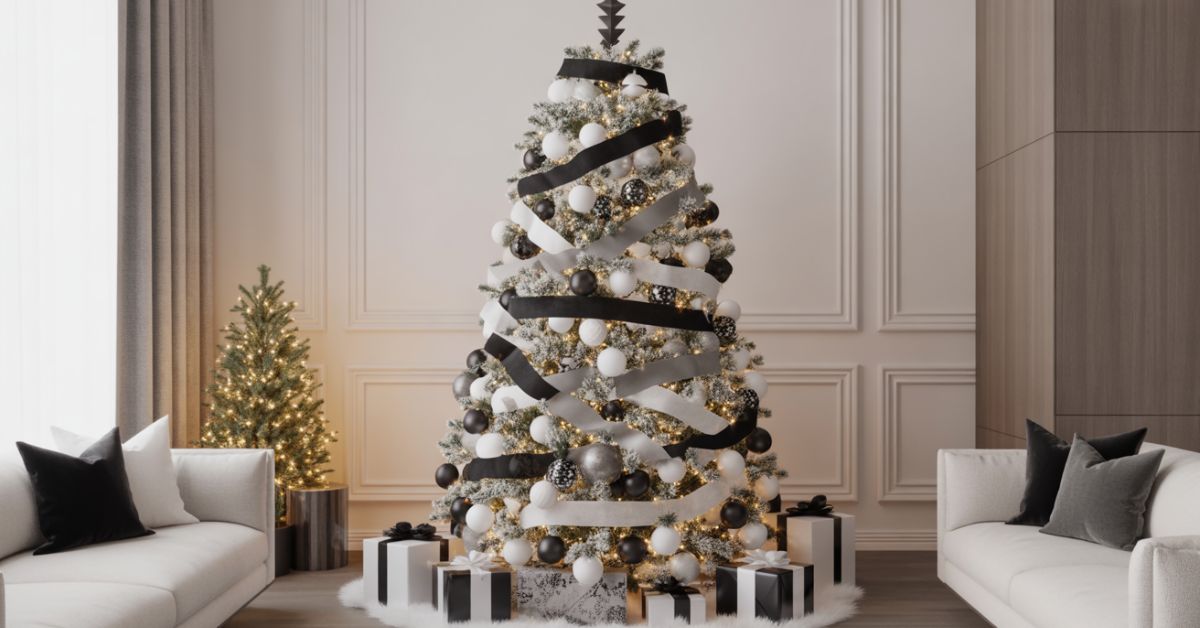
Your Christmas tree needs to match your home’s sophisticated style. You’ve invested in clean-lined furniture, curated artwork, and a carefully neutral palette throughout your space. Then December arrives and suddenly you’re expected to introduce a traditional red-and-green explosion that clashes with everything you’ve carefully designed. The disconnect feels jarring, and you know there must be a better way to celebrate the season without compromising your aesthetic.
Here’s what most decorating advice misses about modern Christmas decor. Traditional palettes dominate because that’s what people have always done, not because they’re the only option. A beautiful black and white Christmas tree breaks from convention while remaining unquestionably festive. The challenge lies in execution too sparse and it looks unfinished, too busy and you lose the sophisticated restraint that makes monochrome designs work. Without understanding contrast principles and texture layering, you risk creating something stark rather than stunning.
This guide reveals professional techniques for designing black and white Christmas trees that command attention and respect. You’ll discover which textures create essential contrast, learn strategic ornament selection that builds drama, and master lighting approaches that enhance rather than wash out your monochrome palette. Let’s create holiday elegance that finally matches your year-round style.
Why Black and White Christmas Trees Make Bold Statements
Black and white creates the strongest visual contrast possible in design. This high-impact combination commands attention instantly, making your tree the undeniable focal point of any room. The graphic quality reads clearly from across spaces, unlike muted or multi-color schemes that blend together. Your Christmas tree becomes an intentional design statement rather than generic seasonal decoration, reflecting sophisticated taste and confident design choices.
The monochrome Christmas tree approach suits contemporary and transitional interiors perfectly. If your home features neutral walls, modern furniture, and edited accessories, a traditional tree introduces jarring color chaos. Black and white maintains your established palette while adding seasonal festivity. This coordination creates cohesive spaces where holiday decorations enhance rather than disrupt your carefully curated aesthetic.
Timeless Versatility of Monochrome
Black and white transcends trendy color schemes that date quickly. This classic combination remains perpetually sophisticated across decades and design movements. Unlike colored decorations that look tired after several seasons, black and white Christmas tree decorations maintain fresh, contemporary appeal indefinitely. This longevity justifies investment in quality pieces you’ll use for twenty years, not just three.
Monochrome palettes photograph exceptionally well, creating Instagram-worthy displays that capture attention. The high contrast translates beautifully in photographs, maintaining drama whether viewed in person or on screens. Black and white also simplifies coordination every element either is or isn’t part of your palette. This clarity eliminates the agonizing “does this shade match” decisions that plague multi-color schemes.
Choosing Between Black or White Base Trees
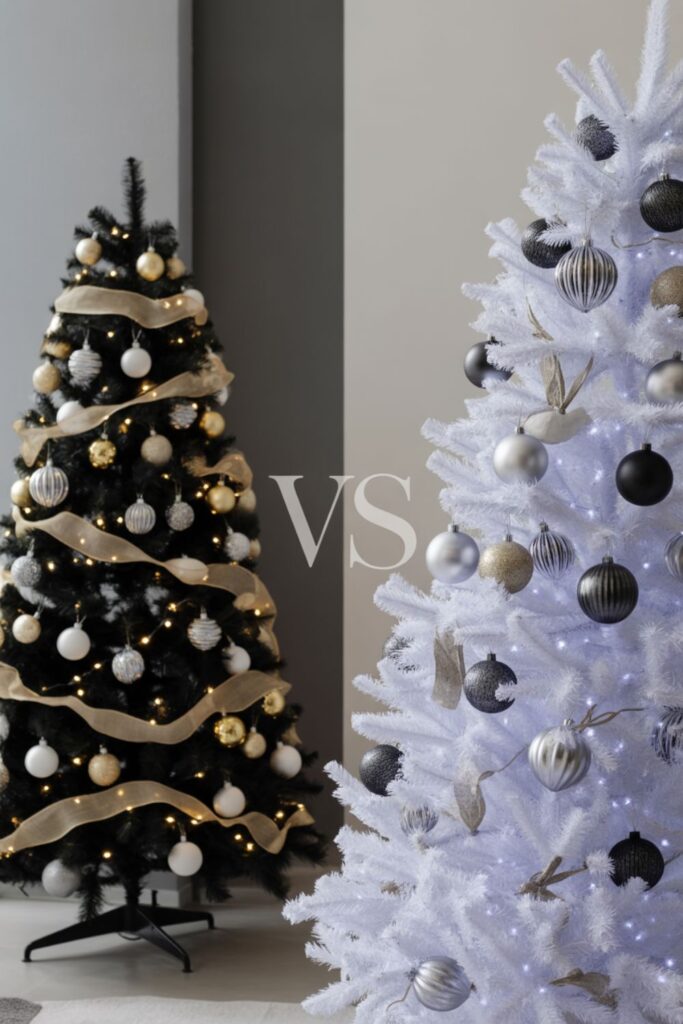
White trees provide the most dramatic canvas for black and white Christmas tree designs. Flocked artificial trees covered in white “snow” create winter wonderland effects enhanced by black accents. Pure white unflocked trees offer modern, gallery-like backdrops where decorations become exhibited art. White bases make black decorations pop intensely, creating maximum contrast. This approach works beautifully in rooms with dark walls or furniture where traditional green trees disappear visually.
Traditional green trees work surprisingly well for black and white schemes too. The neutral green becomes the background rather than the competing color, especially when you cover branches heavily with decorations. Deep green varieties read almost black in low light, enhancing the monochrome effect. This option suits households wanting flexibility swap to colored decorations next year without replacing the tree itself. Green also feels more traditionally “Christmas” if that matters to your household.
Read More About: Blue And Silver Christmas Tree Make Elegant Holiday
Black Christmas Trees for Ultimate Drama
Black artificial trees create the most avant-garde, fashion-forward option for modern Christmas decor. These unconventional trees make powerful statements in contemporary spaces. Black trees reverse traditional expectations entirely instead of decorations standing out against green, they blend into the dark base while white elements provide contrast. This creates subtle, sophisticated displays rather than high-contrast drama.
Black trees require careful decoration planning. Too little decoration and they look bare. Too much and you lose the striking black structure. White, silver, or iridescent ornaments work best, creating light against dark. Avoid black ornaments which disappear entirely. Black trees suit bold, confident decorators comfortable with non-traditional choices. They work exceptionally well in urban chic spaces with industrial elements, exposed brick, or dramatic dark accent walls.
Essential Black and White Ornaments
White ornaments in varied textures create crucial dimensions in monochrome schemes. Matte white balls provide soft, sophisticated base elements. Glossy white ornaments add reflective sparkle. White glitter ornaments catch light differently than smooth surfaces. Frosted or snow-covered white ornaments suggest winter landscapes. Purchase ornaments across these finish categories in multiple sizes 2-inch, 3-inch, and 4-inch diameters enable proper layering and visual hierarchy.
Black ornaments require equal finish variation to prevent flat appearance. Shiny black balls reflect light dramatically, preventing the dead-space effect matte black can create. Matte black ornaments provide sophisticated contrast against shiny elements. Black glitter adds texture without changing color. Consider charcoal grey as a transitional shade between pure black and white, adding tonal depth that prevents harsh binary contrast.
Specialty Ornament Selections
Clear glass or crystal ornaments bridge black and white beautifully while adding transparency and light refraction. These allow tree lighting to shine through, creating a glowing dimension. Iridescent ornaments that shift between colors work surprisingly well, reading as white or silver depending on light angle. Their opalescent quality adds subtle magic without introducing competing colors.
Geometric and architectural ornaments suit black and white Christmas trees perfectly. Look for angular shapes cubes, pyramids, hexagons, or diamonds rather than only round balls. These modern shapes reinforce contemporary aesthetic and create visual interest through form rather than color. Scandinavian-inspired designs featuring simple patterns in black-on-white or white-on-black provide graphic detail without color distraction.
Metallic Accents: Silver, Chrome, or Gold?
Silver and chrome metallics complement black and white naturally, maintaining cool-toned sophistication. Bright chrome creates mirror-like reflections that amplify contrast. Brushed silver offers subtle sheen without glare. These cool metallics feel cohesive with monochrome palettes, adding sparkle without introducing warm color temperature. Use silver as your primary metallic (20-30% of decorations) for contemporary elegance.
Gold provides unexpected warmth that softens stark black and white combinations. This warmer metallic bridges the temperature gap, preventing overly cold or severe appearance. Antique gold or champagne tones work better than bright yellow gold, which introduces too much color. Reserve gold as accent (10-15% maximum) rather than dominant metallic. This restrained approach adds richness without compromising monochrome integrity.
Mixing Metallics Strategically
Combining silver and gold in black and white Christmas tree decorations requires intentional balance. Use one metallic as primary (70% of metallic elements) and the other as accent (30%). This proportion creates harmony rather than competition. Alternatively, separate metallics by tree section silver on upper half, gold on lower, for example. Or use silver shiny ornaments but gold ribbon garland, keeping metallics distinct by element type.
Consider rose gold as a contemporary metallic that splits the difference between warm and cool. This trendy finish adds just enough warmth to soften black and white without reading as distinctly gold. Rose gold suits modern and transitional interiors beautifully. Pair with matte black and glossy white ornaments for sophisticated contrast that feels current and fashion-forward.
Lighting Strategies for Black and White Trees
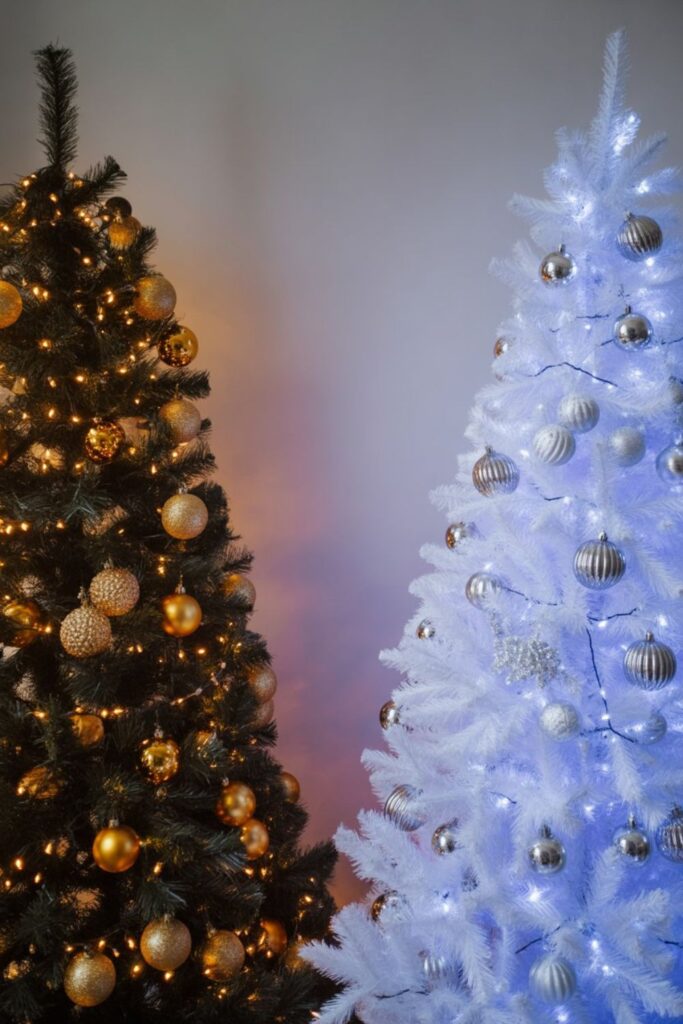
Warm white lights soften black and white Christmas tree combinations, preventing stark or institutional appearance. The gentle yellow-white glow adds warmth that makes monochrome schemes inviting rather than cold. Warm lights also enhance any gold or warm metallic accents you’ve incorporated. This lighting choice works well in traditional or transitional homes where some warmth feels necessary.
Cool white or pure white LED lights emphasize the graphic, modern aesthetic of monochrome Christmas trees. These crisp lights maintain color purity, preventing yellowing that muddles your carefully curated palette. Cool white lighting creates almost icy elegance perfect for contemporary spaces. The clean illumination lets black-and-white contrast speak without thermal interference.
Creative Lighting Approaches
Consider forgoing colored lights entirely in favor of clear or white bulbs. Vintage-style Edison bulbs with visible filaments add industrial edge perfect for urban chic trees. Their amber glow provides warmth without introducing color. String these bulbs more sparsely than traditional mini lights, their larger size and focused points of light create different effects than distributed twinkle lights.
Backlighting creates dramatic silhouette effects with black and white decorations. Position your tree slightly away from walls, then add uplights or LED strips behind it. This technique makes ornaments glow around edges while maintaining dark interiors, creating dimensional mystery. Backlighting works especially well with clear and iridescent ornaments that become translucent when lit from behind.
Ribbon and Garland in Black and White
Ribbon garland in black and white patterns provides essential graphic detail. Look for ribbons featuring stripes, polka dots, plaids, or geometric patterns. Buffalo check in black and white creates bold, modern impact. Thin black-and-white striped ribbon adds classic sophistication. Wired edges maintain shape and allow creative draping. Choose 2.5-4 inch widths for standard trees wider ribbons overwhelm monochrome schemes where visual simplicity matters.
Layer solid-colored ribbons together for dimensional interest without pattern. Combine white velvet with sheer black organza, or pair matte black grosgrain with white satin. These texture contrasts add richness while maintaining monochrome discipline. Drape both ribbons together as one element, creating subtle variation visible only upon close inspection. This sophisticated approach elevates designs beyond single-ribbon simplicity.
Alternative Garland Options
Black and white beaded garlands add sparkle without metallic shine. String these garlands loosely around trees in gentle spirals, allowing them to droop naturally. Pearl beaded strands in white or cream add elegant vintage touches. Black bead garlands create graphic lines that define tree structure. Mix bead sizes and finishes matte, glossy, and faceted for textural variation.
Feather garlands in black or white introduce unexpected organic texture to architectural monochrome schemes. White feather boa-style garlands add glamorous softness. Individual feather picks in black create dramatic accents. Use feathers sparingly as special details rather than primary garland too much reads costume-like. Strategic feather placement adds movement and tactile interest that hard ornaments cannot provide.
Creating Texture Contrast in Monochrome
Successful black and white Christmas trees require extreme texture variation since color cannot provide contrast. Combine smooth glass balls with fuzzy elements like feathers, fur, or fabric ornaments. Add rough textures through burlap ribbons or natural wood elements painted white or black. Visual texture matters too glitter provides optical roughness against matte smoothness even though both feel similar to touch. Layer at least 5-6 distinct textures for professional results.
Matte versus glossy finishes create crucial contrast in monochrome palettes. Glossy black and white ornaments reflect light dramatically, creating sparkle and movement. Matte finishes provide soft, sophisticated resting points between shiny elements. Balancing these finishes throughout the tree roughly 60% glossy and 40% matte prevents overwhelming shine while avoiding dull flatness. This proportion maintains visual energy without exhausting viewers’ eyes.
Dimensional Elements
Three-dimensional ornaments add sculptural interest beyond flat balls. Snowflake ornaments in white or clear contribute delicate intricacy. Geometric shapes like stars, diamonds, or angular forms reinforce modern aesthetics. Butterfly or bird ornaments in black or white add organic whimsy to structured schemes. These shaped elements catch light from multiple angles and prevent monotony, creating visual journeys around the tree as eyes discover varied forms.
Natural elements painted monochrome bridge organic warmth with graphic modernity. Pinecones spray-painted white or matte black bring woodland texture to contemporary palettes. Bare branches painted black create dramatic linear elements. Dried flowers or seed pods in white add botanical detail. These natural-origin pieces soften artificial perfection, making modern Christmas decor feel approachable rather than untouchably stark.
Minimalist Black and White Tree Designs
Minimalist design demands restraint and intentionality with black and white Christmas tree decorations. Limit total ornament count significantly shows 40-50% of branches rather than covering every inch. This negative space becomes as important as decorated areas, providing visual rest and emphasizing tree architecture. Each ornament receives more attention, so invest in fewer, higher-quality pieces rather than abundant cheap decorations.
Choose 3-5 ornament types maximum for monochrome minimalist trees. Perhaps combine only white balls in three sizes, black geometric shapes, and clear glass icicles. This severe editing creates cohesive impact through repetition rather than variety. Distribute chosen elements strategically, creating intentional focal points rather than even coverage. Minimalism requires confidence to resist the urge to fill every gap.
Scandinavian-Inspired Simplicity
Scandinavian style embraces natural materials, simple forms, and functional beauty perfect for minimalist black and white trees. Incorporate wooden ornaments painted white or natural light wood tones that read as neutral. Add simple paper snowflakes or origami ornaments in white. Use white felt ornaments featuring simple cutout designs. These handmade touches add warmth without abandoning minimalist restraint.
Focus on quality lighting over abundant decoration in Scandinavian approaches. String lights thoughtfully rather than densely, creating a gentle glow that highlights tree structure. Add real candles in clip-on holders (use LED flameless for safety) for authentic Nordic tradition. The candlelight becomes decoration itself, reducing need for excessive ornaments. This approach creates a cozy hygge atmosphere while maintaining graphic simplicity.
Glamorous Black and White Trees
Glamorous black and white Christmas trees embrace sparkle, shine, and luxurious materials. Focus heavily on glossy finishes, crystal elements, and abundant sparkle. Incorporate rhinestone or crystal-covered ornaments that catch light like jewelry. Add white feather picks for Hollywood Regency flair. Use silver or chrome metallics exclusively for maximum reflective brilliance. These trees make dramatic statements in formal living rooms or entryways.
Oversized ornaments create bold, dramatic impact perfect for glamorous aesthetics. Use 4-6 inch ornaments as primary decorations rather than standard 3-inch sizes. Mix in several truly giant ornaments (8-12 inches) as statement pieces at focal points. This scale shift immediately elevates perceived luxury and design confidence. Larger ornaments also mean fewer total pieces needed, allowing focus on quality over quantity.
Read More About: Champagne Christmas Tree Ideas Complete Guide to Luxurious Holiday Elegance
Crystal and Glass Elements
Crystal ornaments bring a prismatic sparkle that elevates black and white to high-end elegance. Faceted crystal balls refract light into rainbow spectrums while maintaining clear/white appearance overall. Lead crystal ornaments have genuine weight and brilliance that plastic cannot replicate. Swarovski or crystal-studded ornaments function as tree jewelry, adding genuine luxury. Position these precious pieces at eye level where guests appreciate their quality and craftsmanship.
Mercury glass ornaments in silver or platinum finishes contribute vintage glamour perfect for elegant black and white Christmas tree decorations. The silvered interiors visible through clear glass create depth and luminosity. Antique-finish mercury glass appears collected and valuable. These ornaments bridge vintage and contemporary, adding history and gravitas to otherwise modern schemes. Mix mercury glass throughout trees rather than clustering, distributing their special quality comprehensively.
Urban Modern Black and White Trees
Urban chic style incorporates industrial elements and architectural details into black and white Christmas trees. Add ornaments with exposed metal, wire frameworks, or geometric cages. Incorporate Edison bulb lights for industrial edge. Use matte black ornaments predominantly with selective white accents for moody sophistication. These trees suit loft apartments, industrial-style homes, or modern urban dwellings with exposed brick and metal fixtures.
Raw materials like unfinished wood, concrete-textured ornaments, or metal washers strung as garland add industrial authenticity. Paint wooden elements matte black or leave natural if pale enough to read neutral. Concrete or cement-finished ornaments provide unexpected texture. These unconventional materials signal confident design sensibility and prevent precious, overly styled appearance that can plague monochrome schemes.
Graphic Patterns and Typography
Incorporate ornaments or garlands featuring patterns stripes, dots, chevrons, or geometric designs in black and white. These graphic elements add visual complexity without color. Typography ornaments featuring words, letters, or numbers in black-on-white or white-on-black create personalized modern touches. Choose meaningful words (“joy,” “peace,” family names) or simply appreciate letters as graphic design elements.
Abstract art-inspired ornaments bring gallery sensibility to urban trees. Look for ornaments featuring abstract painting-style designs, brushstrokes, or paint splatters in black and white. These pieces reference contemporary art movements, positioning your tree as a curated artistic installation rather than mere holiday decoration. This intellectual approach suits design-conscious households treating holiday decorating as extension of year-round aesthetic curation.
Adding Natural Elements to Black and White Trees
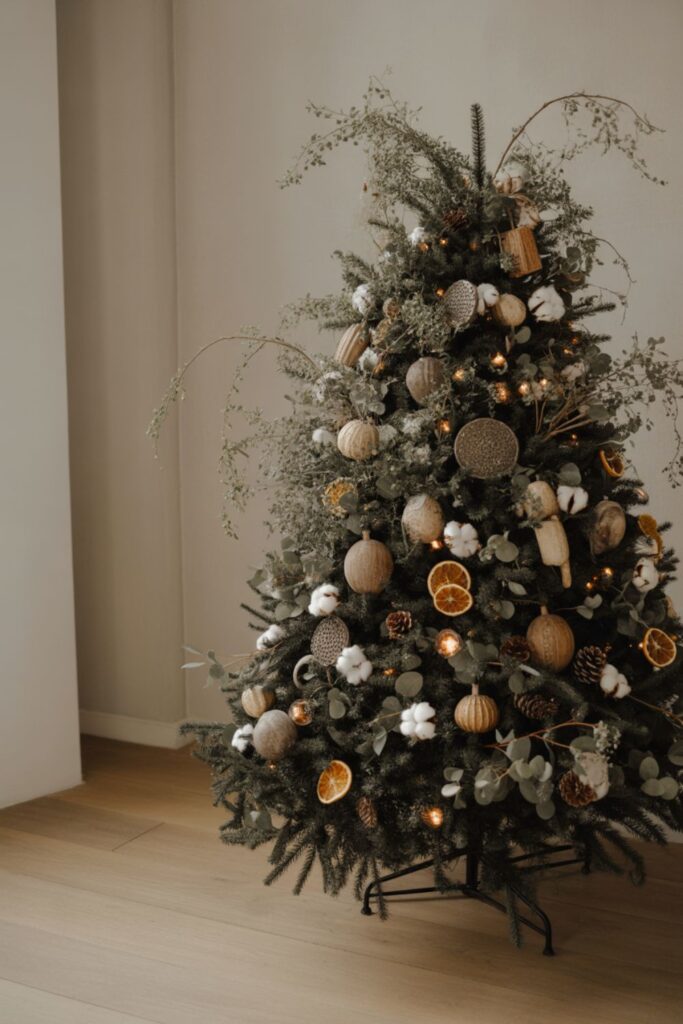
Natural materials prevent black and white Christmas trees from feeling sterile or overly artificial. Incorporate unpainted natural elements whose neutral tones coordinate with monochrome palettes. Birch bark pieces, driftwood, or pale bleached wood read as white-adjacent neutrals. Dark walnut or ebony wood complements black elements. These organic touches add warmth and authenticity to graphic schemes.
Dried flowers and botanicals in white or natural beige tones soften monochrome edges. White dried hydrangeas, bleached cotton stems, or preserved baby’s breath add soft volume. Dried lunaria (silver dollar plant) contributes translucent platinum shimmer. Eucalyptus in natural grey-green or bleached white provides foliage without traditional green. These botanical elements reference nature and tradition while maintaining contemporary palette discipline.
Painted Natural Materials
Transform traditional natural elements through monochrome painting. Spray pinecones white, matte black, or silver to match your scheme while retaining organic forms. Paint acorns, seed pods, or small branches. This transformation lets you incorporate meaningful natural materials (perhaps collected on family walks) without introducing color chaos. The painted surface signals intentional design choice rather than accidental inclusion.
Bare branches become dramatic sculptural elements when incorporated into black and white trees. Insert tall, branchy twigs painted matte black throughout the tree, extending beyond the tree’s natural silhouette. These create spiky, architectural interest and dynamic lines. Or use twisted willow or curly willow branches in natural warm brown tones that read neutral against monochrome. These organic lines soften geometric ornament regularity.
Tree Topper Options for Monochrome Trees
Star toppers in black, white, or silver remain classic choices for black and white Christmas trees. Choose dimensional stars with multiple points and interesting structure rather than flat cutouts. White stars feel traditional and uplifting. Black stars create dramatic sophistication. Silver or chrome stars add metallic sparkle while maintaining palette. Oversized stars (12-15 inches) make bold statements proportional to dramatic monochrome themes.
Bow toppers created from your tree’s ribbon provide custom, cohesive finishing. Use 5-7 yards of wired black and white patterned ribbon or layer solid black with white ribbons. Create massive bows with 10-12 loops in graduated sizes. Secure centers tightly with wire and attach to tree tops. Let long ribbon tails cascade down tree sides. These dramatic toppers work especially well when you’ve used ribbon garland throughout the tree.
Alternative Modern Toppers
Sculptural objects become artistic toppers for contemporary black and white trees. Consider geometric shapes: large diamonds, pyramids, or spheres in white, black, or silver. Abstract art pieces or found objects painted monochrome make unique statements. Oversized feather plumes in white or black create Hollywood glamour. These unconventional choices suit confident modern aesthetics unbound by traditional expectations.
Simple sparklers or firework-style toppers create elegant drama without traditional symbolism. Wire structures radiating outward with white or clear tips resemble exploding light. These modern interpretations feel celebratory without religious or specific symbolic weight. They catch light beautifully and extend tree height visually. This approach suits minimalist and modern sensibilities prioritizing form over familiar iconography.
Coordinating Black and White Holiday Decor
Extend black and white Christmas tree palette throughout your home for sophisticated cohesion. Add black and white throw pillows to sofas, graphic patterns like stripes, dots, or geometric designs work beautifully. Drape neutral throws in cream, white, or charcoal over chairs. These textiles connect your tree to surrounding furniture without overwhelming spaces with excessive holiday themes.
Coordinate mantel decorations using monochrome elements. String black and white ribbon or beaded garland across the mantel. Add white candles in black holders or vice versa. Display monochrome holiday cards in matching frames. This repetition creates professional unity showing intentional design vision rather than random decoration. Your spaces feel curated and sophisticated rather than generically festive.
Table Settings and Dining Spaces
Set holiday tables echoing your black and white theme. Use black chargers under white plates, or reverse for different effects. Add black and white striped or patterned napkins. Create centerpieces featuring black and white ornaments in clear vases or white ceramic containers. Black flatware against white dishes makes a dramatic statement. These coordinated tables photograph beautifully and demonstrate sophisticated design restraint.
Replace everyday decor with seasonal monochrome versions. Swap colorful throw blankets for black and white buffalo check or chunky white knits. Display black and white photography in frames. Arrange white ceramics or black pottery on shelves. These subtle touches unify spaces without overwhelming them. Your Christmas tree becomes part of larger cohesive environment rather than an isolated jarring element.
Budget-Friendly Black and White Tree Ideas
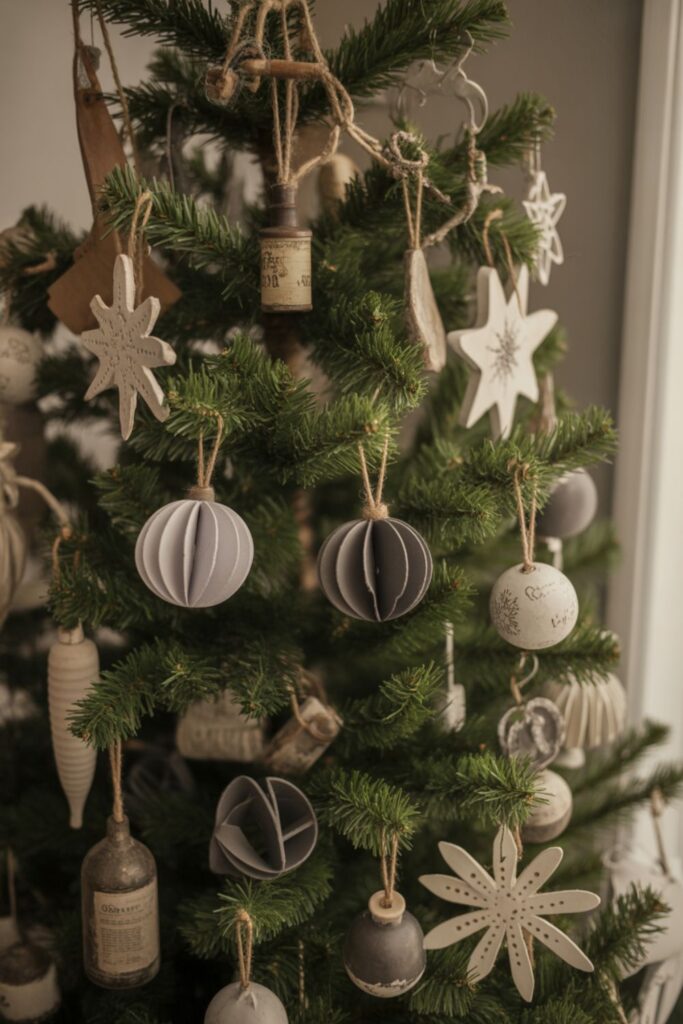
Create impressive black and white Christmas trees economically through strategic shopping. Purchase ornaments gradually over several seasons, adding 15-20 pieces annually. Start with essential basic ball ornaments in varied sizes and finishes, then expand with specialty pieces. This patient approach builds superior collections versus compromising quality through one-time budget shopping.
Shop post-holiday clearance sales for deep discounts, saving 50-75% in late December and January. Black and white remains perpetually stylish, so clearance purchases stay relevant indefinitely. Focus on classic shapes and quality materials rather than trendy details. Stock up generously when finding good prices, ornaments store compactly and provide decorating flexibility for future years.
DIY Monochrome Decorations
Paint existing ornaments black or white using spray paint or acrylic craft paint. Clear glass or plastic ornaments accept paint beautifully. Apply thin, even coats, letting each dry completely before adding additional layers. Add glitter over wet paint for sparkle, or leave matte for sophisticated simplicity. Transform mismatched collections into cohesive monochrome sets for minimal investment paint costs $5-10 while new ornaments run $3-5 each.
Create paper decorations for free or nearly free additions. Cut snowflakes from white paper or cardstock. Create paper chains in alternating black and white links. Fold origami ornaments from black and white patterned paper. Print black and white patterns or typography onto cardstock, then cut into ornament shapes. These handmade touches add personality and meaningful crafted elements to purchased decorations.
Maintaining and Storing Black and White Decorations
Dust black and white ornaments carefully before decorating each season. Dark ornaments show dust prominently, while white pieces look dingy when grimy. Use microfiber cloths or feather dusters on ornaments. Wash glass ornaments in warm soapy water if needed, drying completely before storage. This cleaning prevents gradual greying that undermines crisp monochrome impact over multiple seasons.
Store ornaments properly to prevent damage and maintain appearance. Individual ornament storage boxes with divided compartments protect delicate pieces. Wrap fragile ornaments in tissue paper before placing them in compartments. Label boxes clearly consider separating black and white ornaments into different boxes for easy identification. Store in climate-controlled spaces where temperature extremes won’t damage finishes or cause warping.
Long-Term Care Strategies
Keep black and white decorations separate from colored holiday items in storage. This prevents accidental mixing and makes future decorating sessions efficient. Consider dedicating specific storage containers exclusively to monochrome decorations. Label clearly with contents and color scheme. This organization pays dividends annually when you’re not sorting through mixed decorations hunting for matching pieces.
Refresh white elements that yellow or discolor over time. Some white ornaments develop cream or beige tones after years in storage. Replace these periodically to maintain crisp contrast. Alternatively, embrace subtle aging if you prefer vintage patina. The key is consistency: all whites should match in tone, whether crisp bright or gently aged. Mixed white temperatures undermine monochrome sophistication.
Frequently Asked Questions
Do black and white Christmas trees look too stark?
Properly designed black and white Christmas trees feel sophisticated rather than stark when you incorporate abundant texture variation, multiple finishes (matte and glossy), and appropriate lighting. Adding silver or gold metallics (20-30%) warms the palette. Natural elements and dimensional ornaments prevent harshness.
What color lights work best on black and white trees?
Warm white lights soften black and white combinations for inviting warmth. Cool white lights emphasize modern, graphic qualities. Both work beautifully choose based on your desired atmosphere and existing interior temperatures. Avoid colored lights which introduce competing hues that muddy monochrome impact.
Can you mix silver and gold on black and white trees?
Yes, but use one metallic as primary (70%) and the other as accent (30%) to prevent competition. Alternatively, choose rose gold which splits the difference between warm and cool metallics. Separating metallics by tree section or element type (silver ornaments with gold ribbon, for example) also works effectively.
How do you keep black and white trees from looking boring?
Vary textures extensively combine smooth, fuzzy, rough, matte, glossy, and dimensional elements. Use multiple ornament shapes beyond simple balls. Incorporate patterns through ribbons or patterned ornaments. Add unexpected elements like feathers, natural materials, or artistic pieces. Texture variety prevents monotony when color cannot provide interest.
What tree skirt works with black and white decorations?
White faux fur creates luxurious elegance. Black velvet adds drama. Black and white buffalo check or striped fabric coordinates graphically. Natural woven baskets in dark stain provide casual sophistication. Choose based on your overall style: glamorous, minimalist, or urban modern.
Conclusion
Creating a beautiful black and white Christmas tree requires understanding contrast principles and texture layering strategies. Select ornaments across varied finishes matte, glossy, textured, and dimensional in both black and white plus strategic metallic accents. Use abundant appropriate lighting (warm or cool white depending on desired mood) to prevent flatness. Layer ribbon garlands, incorporate natural elements, and choose statement toppers that anchor your design vision.
Your black and white Christmas tree becomes sophisticated modern Christmas decor that finally coordinates with your year-round interior design. This monochrome approach offers timeless elegance that remains stylish across decades while making bold contemporary statements. Start building your collection gradually, investing in quality pieces that serve for years. The result will be holiday decorating that reflects your authentic style rather than compromising your aesthetic for tradition’s sake. Your tree becomes a conversation piece and design statement that guests remember and admire.