Best Dream Garden Ideas to Create Your Perfect Outdoor Space

You close your eyes and picture a lush space bursting with color, fragrance drifting on the breeze, vegetables ripening on the vine. But when you open them, reality disappoints. Patchy grass, forgotten pots, maybe a few struggling plants you bought on impulse. That gap between vision and reality widens each season as other priorities take over. Here’s the truth: creating your best dream garden doesn’t require endless free time or a horticulture degree.
It needs a clear plan, the right plants for your conditions, and a commitment to working with nature instead of fighting it. With these foundations, any space can become the garden oasis you’ve imagined.
What Defines the Best Dream Garden
The best dream garden reflects your personality while meeting your practical needs. Some people crave cutting flowers for weekly arrangements. Others want homegrown vegetables and herbs for their kitchen. Many seek a peaceful retreat filled with comfortable seating and soothing sounds. Your vision might combine all three.
Successful garden design balances beauty with function while considering maintenance requirements. A high-maintenance cottage garden packed with perennials and annuals delights dedicated gardeners but overwhelms busy professionals. Similarly, a strictly utilitarian vegetable garden might feed your family but lack the visual appeal that makes you want to spend time there. The sweet spot integrates edibles, ornamentals, and hardscape features into a cohesive space that suits your lifestyle and keeps you engaged rather than exhausted.
How to Plan Your Dream Garden Layout
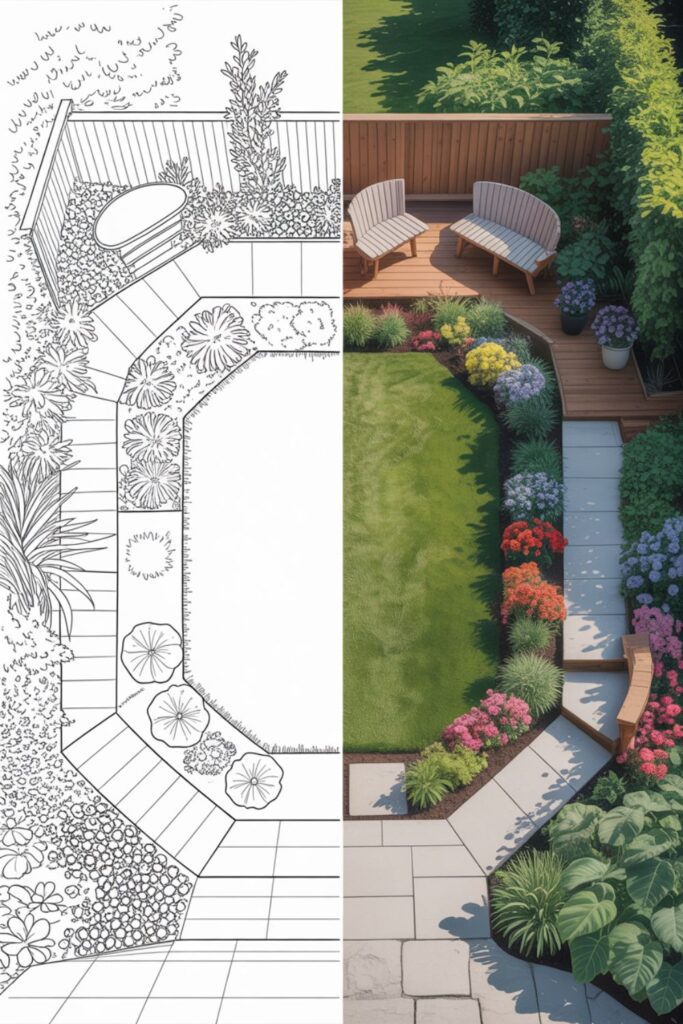
Start by mapping your existing conditions. Sketch your space to scale, noting sun exposure throughout the day. Most edibles need six to eight hours of direct sunlight. Shade gardens featuring hostas, ferns, and astilbes thrive where sun-lovers fail. Check your USDA hardiness zone and observe soil conditions sandy, clay, or loamy. Understanding these factors prevents heartbreak later.
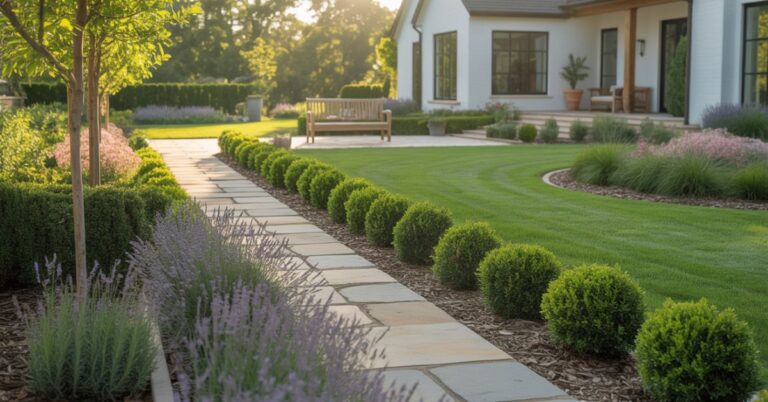
Divide your space into functional zones. Raised beds work beautifully for vegetables and herbs, keeping pathways clear while improving soil drainage. Designate a seating area where you’ll actually relax, place it where you can enjoy views of your favorite plantings. Include practical elements like compost bins tucked behind shrubs or storage for tools and supplies. Garden paths should feel natural, wide enough for wheelbarrows, and surfaced with materials that stay clean and drain well. Decomposed granite, gravel, or stepping stones through groundcover all work depending on your aesthetic preferences.
Essential Elements for Creating Your Best Dream Garden
Soil Preparation Sets Everything Up for Success
Healthy soil grows healthy plants. This fundamental truth can’t be overstated. Most garden beds benefit enormously from organic matter incorporation. Compost improves structure, adds nutrients, and supports beneficial microorganisms that help plants thrive. Spread two to four inches over existing soil, then work it in eight to twelve inches deep.
Test your soil pH before planting. Most vegetables and flowers prefer slightly acidic to neutral conditions (6.0-7.0 pH). Blueberries and azaleas want more acidic soil around 4.5-5.5. Lime raises pH in acidic soil, while sulfur lowers it in alkaline conditions. These amendments take time to work, so apply them months before planting when possible. Poor soil preparation dooms even the best plants, while excellent soil forgives many beginner mistakes.
Read More About: Inspiring Backyard Garden Design Ideas for Your Dream Outdoor Paradise
Plant Selection Makes or Breaks Your Garden
Choose plants adapted to your conditions rather than forcing what you want into unsuitable environments. Native plants typically establish faster and need less intervention since they’ve evolved for your climate. Mix them with well-adapted non-natives for extended bloom times and diverse aesthetics. Perennials return each year, building the backbone of your garden design. Annuals fill gaps and provide continuous color through the growing season.
Layer your plantings by height and bloom time. Tall specimens like delphiniums, hollyhocks, or sunflowers anchor the back of borders. Mid-height plants such as salvia, coneflowers, or tomatoes fill the middle ground. Low growers like alyssum, herbs, or creeping thyme edge the front. This layering creates depth while ensuring nothing gets hidden. Stagger bloom times so something always looks good early bulbs give way to spring perennials, then summer annuals, followed by fall asters and ornamental grasses that shine through winter.
Water Features and Irrigation Systems
Water availability shapes what you can grow and how much time you’ll spend maintaining your best dream garden. Drip irrigation delivers water directly to root zones, reducing waste while preventing foliar diseases that overhead watering encourages. Soaker hoses offer a budget-friendly alternative for raised beds and borders. Timers automate the process, ensuring consistent moisture even during busy weeks.
Small water features transform ambiance without demanding much space. A simple bubbling fountain attracts birds and beneficial insects while masking neighborhood noise. Container water gardens support aquatic plants and fish in areas too small for in-ground ponds. Whatever you choose, moving water prevents mosquito breeding and stagnant water creates problems you don’t need.
Best Plants for Your Dream Garden
Flowers That Deliver Season-Long Color
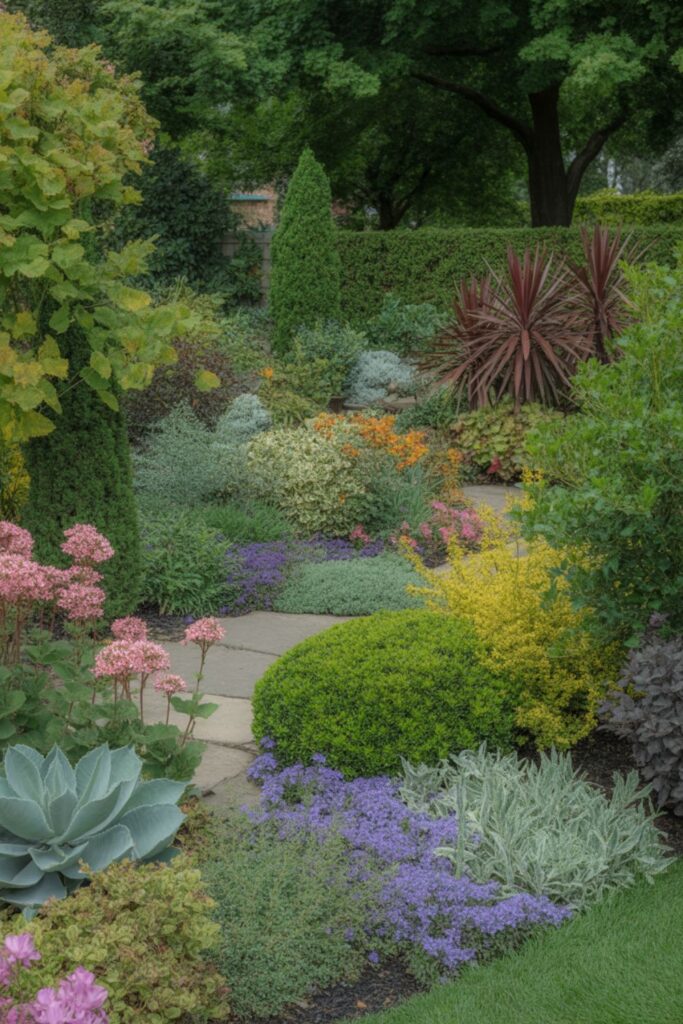
For spring impact, plant tulips, daffodils, and crocuses in fall. These bulbs naturalize over time, spreading and multiplying with minimal intervention. Summer stars include zinnias, marigolds, and cosmos all easy from seed and beloved by pollinators. Echinacea (coneflowers) and rudbeckia (black-eyed Susans) bloom for months while attracting butterflies and goldfinches that eat their seeds.
Don’t overlook foliage plants that provide color without flowers. Coleus offers stunning leaf patterns in shade. Ornamental grasses like maiden grass or fountain grass add movement and texture. Hostas range from miniature to massive, with leaves in chartreuse, blue-green, or variegated patterns. These workhorses look good from spring through fall, providing structure when ephemeral bloomers take breaks.
Vegetables and Herbs for Edible Abundance
Tomatoes top most gardeners’ wish lists and grow them in full sun with sturdy support. Indeterminate varieties produce continuously until frost, while determinate types ripen a big crop all at once for canning. Lettuces and greens thrive in cooler weather, making them perfect for spring and fall plantings. Succession sow every two weeks for continuous harvests rather than feast-or-famine results.
Herbs deserve spots in every dream garden. Basil partners beautifully with tomatoes both in the garden and on your plate. Rosemary, thyme, and oregano tolerate dry conditions once established. Mint grows aggressively contain it in pots to prevent garden takeover. Parsley, cilantro, and dill attract beneficial insects while providing fresh flavors for cooking. Many herbs also offer ornamental value with attractive foliage or flowers that enhance your garden design beyond their culinary contributions.
What Are the Most Important Garden Design Principles
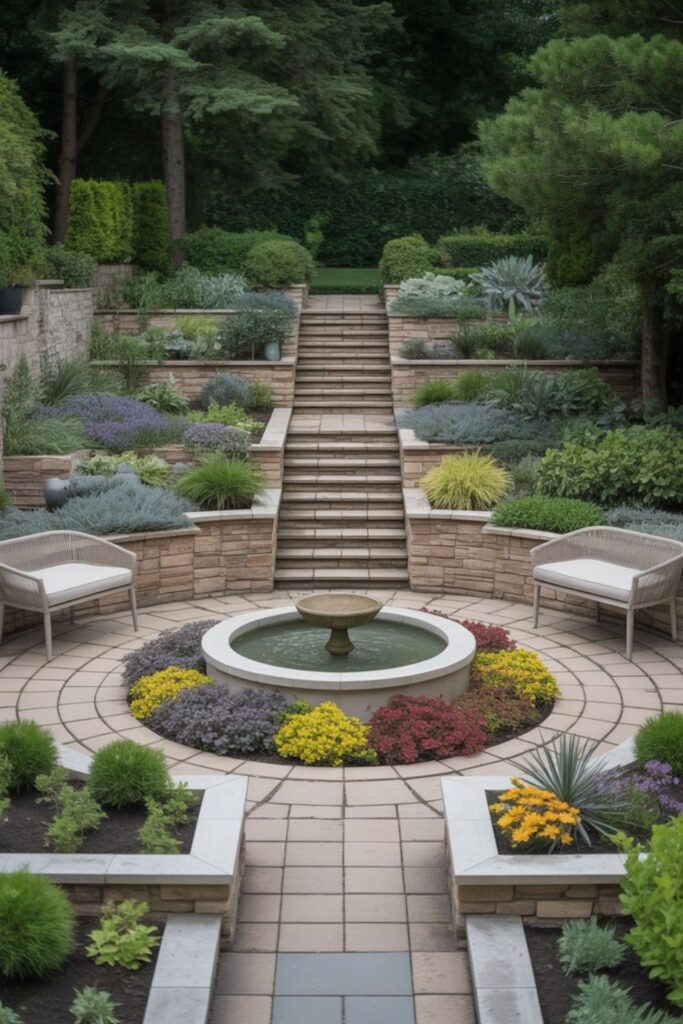
Unity creates cohesion by repeating elements throughout your space. Use the same mulch in all beds, repeat key plants in multiple locations, or echo colors and textures. This repetition ties disparate areas together, making your garden feel intentional rather than random. Balance doesn’t mean symmetry informal balance through varied but equal visual weight often feels more natural and relaxing.
Proportion and scale prevent awkward relationships between elements. That cute one-gallon shrub might reach eight feet wide at maturity, overwhelming nearby perennials. Research mature sizes before placing plants, leaving adequate room for growth. Create focal points that draw the eye of a specimen tree, sculpture, or striking container planting. Lead visitors on a journey through your space with garden paths that curve around corners, revealing new views and maintaining interest.
How to Maintain Your Dream Garden Successfully
Consistent watering matters more than frequency. Deep, infrequent irrigation encourages roots to grow down, creating drought-tolerant plants. Shallow daily sprinkling keeps roots near the surface where they’re vulnerable. Water early morning when possible this gives foliage time to dry before nightfall, reducing disease pressure. Mulch conserves moisture while suppressing weeds and regulating soil temperature.
Pruning and deadheading keep plants looking their best while encouraging more blooms. Remove spent flowers from annuals and repeat-blooming perennials to redirect energy into new buds rather than seed production. Fertilizer needs vary by plant type. Heavy feeders like tomatoes and roses benefit from regular applications, while native plants and perennials typically need minimal supplemental nutrition. Organic options like compost tea or fish emulsion feed plants while improving soil biology.
Common Mistakes to Avoid in Garden Creation
Overcrowding ranks among the most common errors. Those tiny transplants need space to reach their full potential. Follow spacing recommendations on plant tags, even though beds look sparse initially. Plants fill in faster than you expect, and proper spacing improves air circulation that prevents fungal diseases. Underestimating sun requirements disappoints many gardeners that a “part sun” vegetable garden won’t produce abundantly if it only gets four hours of light.
Ignoring pollinators means lower yields and fewer blooms. Bees, butterflies, and beneficial insects need diverse flowers, water sources, and pesticide-free environments. Avoid neonicotinoid pesticides that harm helpful insects along with pests. Plant natives that support local pollinator populations, and include single-petal flowers that provide easy access to nectar and pollen. Doubles and ruffled varieties often look spectacular but offer little to hungry pollinators searching for food.
Creating Different Dream Garden Styles
Cottage Garden Charm
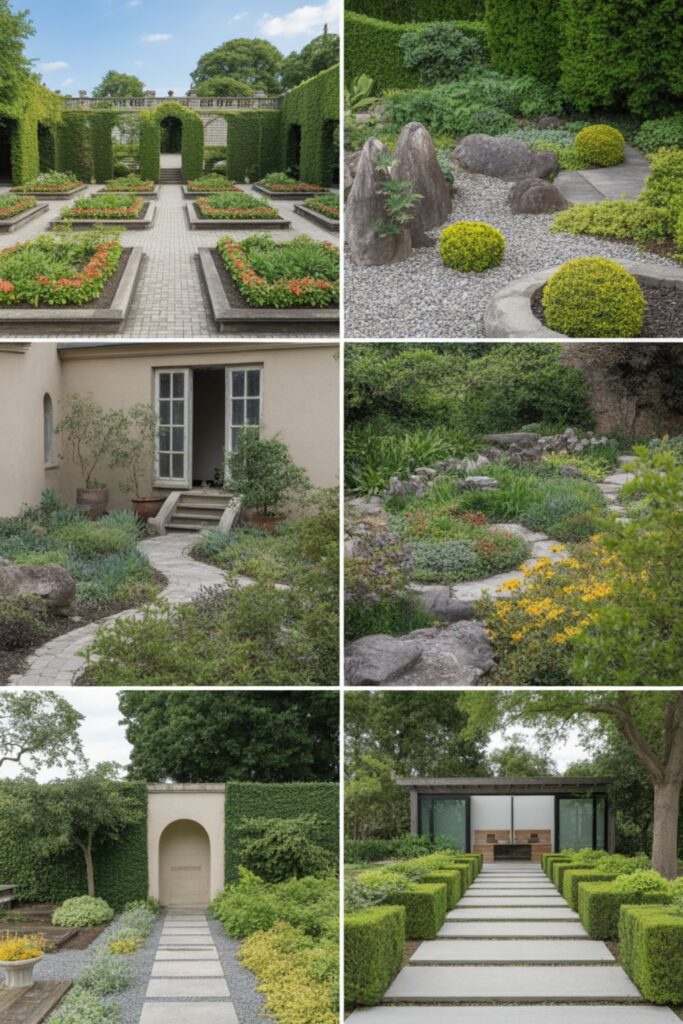
Cottage gardens embrace romantic abundance with flowers spilling over paths and plants mingling freely. Delphiniums, foxgloves, and hollyhocks provide vertical accents. Roses climb arbors or sprawl through borders. Self-sowing annuals like larkspur, sweet alyssum, and love-in-a-mist pop up in unexpected places, adding to the carefree aesthetic. This style requires regular deadheading and editing but rewards you with continuous blooms and delightful surprises.
Read More About: Amazing Yard Landscaping Designs for a Beautiful Outdoor Space
Modern Minimalist Gardens
Clean lines and limited plant palettes define modern garden design. Ornamental grasses, sculptural agaves, and architectural perennials create drama without clutter. Hardscaping plays a larger role concrete planters, steel edging, and gravel mulches establish contemporary aesthetics. This approach often requires less maintenance than traditional borders since plant selections are deliberate and spacing generous. The simplicity showcases each specimen’s unique form and texture.
Productive Vegetable Gardens
Function-focused vegetable gardens still benefit from thoughtful design. Arrange beds in geometric patterns for easy access and efficient space use. Incorporate trellises for vertical growing, maximizing production in limited areas. Companion planting pairs beneficial plants tomatoes with basil, carrots with onions, beans with corn. Raised beds warm up faster in spring, extend the growing season, and prevent soil compaction. Edge beds with herbs or flowers that attract beneficial insects and add beauty to utilitarian spaces.
Frequently Asked Questions
How much space do I need for a dream garden?
You can create a beautiful garden in any space: balcony containers, small urban yards, or sprawling acreage all offer possibilities. Start with what you have, focusing on quality over quantity. A well-designed 10×10 space packed with carefully chosen plants delivers more satisfaction than a poorly planned half-acre. Container gardens work brilliantly for those with limited ground space.
What is the best time to start planning a dream garden?
Late winter through early spring is ideal for planning, letting you implement designs as planting season arrives. However, you can start anytime fall plantings establish strong root systems before winter, while summer allows you to see how sun exposure affects different areas. The best time to start is now, refining your plan as you observe your space through complete seasonal cycles.
How do I create a low-maintenance dream garden?
Choose native plants and well-adapted species that thrive with minimal intervention. Use mulch generously to suppress weeds and retain moisture. Install drip irrigation on timers for consistent watering without daily attention. Select perennials over annuals to reduce replanting work. Group plants by water needs so you’re not over- or under-watering. Accept natural aesthetics rather than fighting for magazine-perfect results that demand constant tweaking.
Should I start a dream garden from seeds or transplants?
Both work depending on your timeline and budget. Transplants provide instant gratification and work better for short growing seasons or slow-growing species. Seeds cost less and offer more variety but require patience and proper timing. Many gardeners combine approaches starting tomatoes and peppers indoors while direct-sowing quick-germinating crops like beans, radishes, and zinnias outdoors.
How can I attract more pollinators to my garden?
Plant diverse flowers with overlapping bloom times ensuring nectar sources from spring through fall. Include native plants that support local pollinator populations. Provide shallow water sources with landing stones. Avoid pesticides, especially neonicotinoids that harm beneficial insects. Leave some areas unmulched for ground-nesting bees, and let dead stems stand through winter to shelter overwintering insects that emerge to pollinate your spring garden.
Conclusion
Your best dream garden awaits, built on realistic planning and plant choices suited to your specific conditions. Success comes from understanding your space, preparing soil properly, and selecting plants that thrive rather than merely survive. Whether you envision a cottage garden overflowing with flowers, a productive vegetable garden supplying your kitchen, or a peaceful retreat for relaxation, the principles remain the same. Work with your site’s natural advantages, maintain consistently without perfectionism, and remain flexible as your garden evolves beyond your initial vision.
Begin your transformation today by assessing your space and defining what matters most to you. Test your soil, observe sun exposure patterns, and sketch a basic layout that includes functional zones for growing, relaxing, and maintaining. Your garden oasis develops over seasons and years, improving as plants mature and you refine your techniques. Every gardener makes mistakes view them as learning opportunities rather than failures, and celebrate each success no matter how small it seems.