Best Garden Stones for Plant Displays

Your garden beds look unfinished despite healthy plants thriving throughout. Bare soil shows between plantings, creating muddy messes after rain and providing perfect germination sites for endless weeds. You spend weekends pulling unwanted growth instead of enjoying your outdoor sanctuary, while neighbors with stone-mulched gardens relax admiring their low-maintenance landscapes.
Walking through home improvement stores overwhelms you with dozens of stone options: river rocks, pea gravel, lava rocks, marble chips each claiming superiority for garden applications. Salespeople offer conflicting advice while price tags vary wildly from affordable bulk options to premium designer stones costing triple. You’ve purchased bags of random stones before, only discovering they were wrong sizes, colors, or textures after spreading them throughout beds. Those expensive mistakes now sit buried or bagged in garages, representing wasted money and frustration with no clear path forward.
The solution lies in understanding which Best Garden Stones for Plant Displays match your specific garden conditions, aesthetic preferences, and functional requirements. Different stone types excel in particular applications; some suppress weeds effectively, others improve drainage dramatically, while certain varieties complement specific plant palettes beautifully. You don’t need trial-and-error experimentation or costly mistakes to identify ideal decorative garden stones for your landscape. Strategic selection based on proven performance characteristics, proper sizing, and intended applications transforms your garden beds into polished, professional displays requiring minimal maintenance while showcasing plants against attractive, permanent backdrops that elevate entire landscapes.
River Rocks: Versatile Natural Stones for Garden Beauty
River rocks rank among the best garden stones for plant displays thanks to their smooth, water-tumbled appearance and exceptional versatility across a wide range of landscaping applications. Understanding river rock characteristics and ideal use cases helps ensure the right selection for specific landscape needs while enhancing both function and visual appeal.
These naturally rounded stones come in sizes ranging from small 1–2 inch pieces to substantial 6–8 inch cobbles, with colors including white, gray, tan, brown, and mixed hues. Their smooth surfaces are the result of centuries of natural water movement, giving them refined texture and timeless elegance. As some of the best garden stones for plant displays, river rocks work beautifully as mulch alternatives around perennials, shrubs, and trees. They create clean, polished finishes, suppress weeds effectively when installed 2–3 inches deep over landscape fabric, and eliminate the need for annual replacement common with organic mulches.
Excellent drainage properties further position river rocks among the best garden stones for plant displays, particularly in areas prone to excess moisture. Their rounded shapes resist compaction, allowing proper water flow and air circulation around plant roots. Succulent gardens, alpine plantings, and Mediterranean-style landscapes benefit greatly from river rock installations that reduce the risk of root rot while complementing drought-tolerant plants. River rocks also perform well around downspouts, drainage channels, and naturally wet zones, blending practical water management with decorative appeal.
Color choice plays a key role in the overall garden aesthetic when selecting the best garden stones for plant displays. White and light gray stones brighten shaded areas and contrast beautifully with dark foliage, though they can show dirt and glare in strong sunlight. Tan and brown options blend seamlessly with soil and plant palettes, offering subtle sophistication. Multi-colored river rocks add organic visual interest but may feel too busy in formal designs. According to Colorado State University Extension, choosing river rock colors that complement rather than compete with flowering plants results in the most visually cohesive displays.
Read More About: 25+ Outside Plant Decor Ideas for a Stylish Space
Pea Gravel: Affordable Ground Cover for Pathways and Beds
Pea gravel consists of small, smooth stones typically measuring 1/4 to 3/8 inch in diameter, making it one of the best garden stones for plant displays when budget and versatility are priorities. Pea gravel projects deliver polished, professional results at a fraction of the cost of larger decorative stones while still offering excellent functionality across many garden settings.
This fine-textured material performs exceptionally well for pathways, play areas, and spaces between flagstones, where its small size creates comfortable walking surfaces. The tiny rounded stones compact slightly under foot traffic, providing stability without excessive shifting. As one of the best garden stones for plant displays, pea gravel is significantly more affordable than river rocks often costing nearly half as much per ton making it ideal for covering large areas without straining budgets. Most landscape suppliers sell pea gravel in bulk by the ton or cubic yard, with average coverage of 80–100 square feet per ton at a 2-inch depth.
Garden beds also benefit from pea gravel’s weed suppression and moisture-retention qualities, reinforcing its status among the best garden stones for plant displays. The small stone size forms a tighter ground cover than larger rocks, limiting sunlight exposure that encourages weed growth. However, debris removal can be more challenging, as leaves and organic matter tend to settle between the stones rather than resting on top. Routine maintenance with leaf blowers or gentle raking helps preserve a clean appearance, though it requires slightly more effort than larger stone options.
Color options for pea gravel typically include tan, white, gray, and occasionally red or black, depending on regional availability. Natural tan pea gravel offers timeless appeal and works well with nearly any design style, from cottage gardens to modern landscapes. White pea gravel brightens shaded areas and is especially effective in moon gardens. Because of its small size, color remains subtle, allowing pea gravel to function as one of the best garden stones for plant displays without overpowering surrounding plants. Custom color blends can also be created by mixing varieties thoroughly to maintain consistent appearance over time.
Lava Rock: Lightweight Volcanic Stone with Superior Drainage
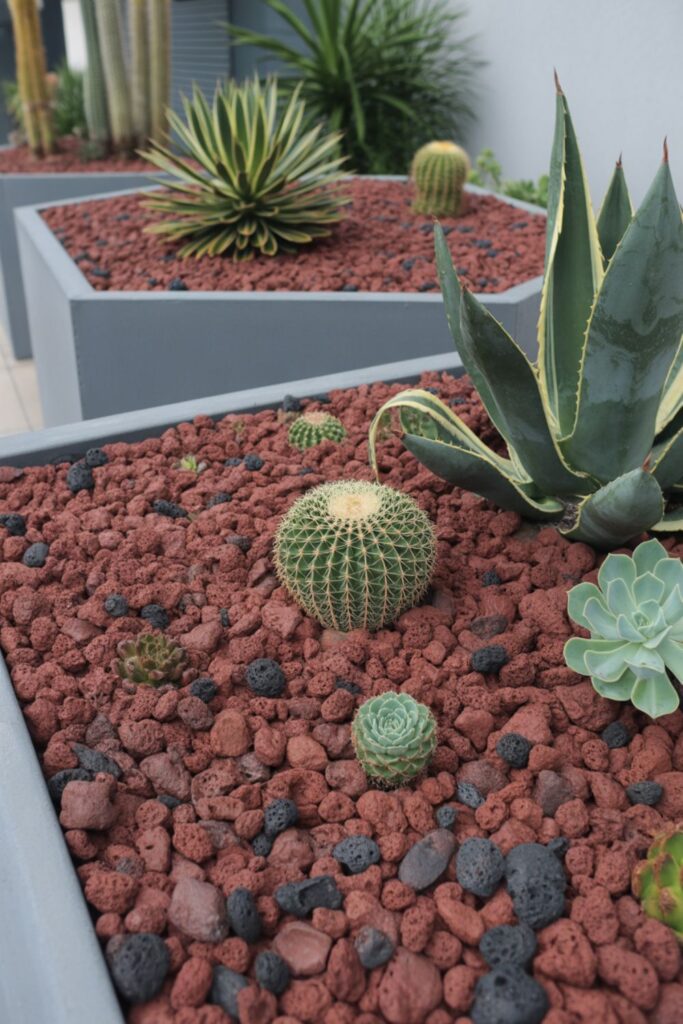
Lava rock offers lightweight structure and exceptional drainage, positioning it among the best garden stones for plant displays in areas where weight limits or water management are critical concerns. Thoughtful lava rock selection solves challenges that traditional stone options cannot, while adding bold texture and visual interest to garden designs.
This volcanic material weighs significantly less than river rocks or other dense stones, often up to 50% lighter, making it one of the best garden stones for plant displays for roof gardens, balcony planters, and raised beds with structural weight restrictions. Its porous composition forms when molten lava cools rapidly, trapping air bubbles that create a sponge-like structure. These air pockets deliver outstanding drainage and root aeration, making lava rock ideal for succulents, cacti, and plants that demand fast-draining soil. Unlike compactable materials, lava rock maintains consistent porosity over time regardless of moisture or pressure.
Color variations in lava rock include classic red-brown tones, deep black, and occasional gray hues depending on volcanic origin. Red lava rock provides bold, warm aesthetics well suited to desert landscapes, Southwest-inspired gardens, and contemporary designs that emphasize contrast. Black lava rock produces dramatic, modern effects that enhance plant color intensity, reinforcing its role as one of the best garden stones for plant displays. Both colors absorb heat in direct sunlight, which may stress sensitive plants, so lava rock works best with heat-tolerant species or in partially shaded settings.
Distinct textural roughness sets lava rock apart from smooth river stones, adding dynamic visual and tactile contrast. The irregular, porous surfaces reflect light differently throughout the day, creating depth and movement in planted areas. This rough texture also improves traction on slopes or erosion-prone zones. However, lava rock’s abrasive surface makes it uncomfortable for barefoot areas and high-traffic walkways. Sharp edges can irritate or injure skin, making lava rock more suitable for decorative plant displays and low-contact applications rather than areas intended for frequent foot traffic.
Mexican Beach Pebbles: Premium Smooth Stones for Elegant Gardens
Mexican beach pebbles represent premium decorative materials and rank among the best garden stones for plant displays, offering unmatched smoothness, consistent sizing, and refined aesthetics that justify their higher cost compared to standard river rocks. Investing in these high-quality stones delivers long-lasting elegance ideal for formal gardens and high-visibility areas that benefit from showcase-worthy materials.
Naturally tumbled along the shores of Baja California, these stones feature exceptionally smooth surfaces and uniform oval shapes that create clean, polished finishes. Available in black, gray, and white varieties, Mexican beach pebbles offer predictable consistency unlike mixed river rocks with variable tones and forms. Black pebbles create striking modern landscapes, especially when wet, as moisture deepens their color to rich ebony with glass-like reflections. Gray options provide sophisticated neutral backdrops, while white pebbles deliver crisp, bright aesthetics though, like all light stones, they reveal dirt more easily. Their refined appearance reinforces their status as some of the best garden stones for plant displays in contemporary and formal designs.
The premium pricing of Mexican beach pebbles reflects both their superior visual quality and transportation costs. Expect to pay two to three times more than standard river rocks, with higher prices for larger sizes and specialty colors. This investment is best reserved for smaller, high-impact applications such as entryways, courtyards, container topdressing, and focal garden beds where the best garden stones for plant displays create dramatic visual payoff. For large-scale coverage, combining these pebbles with more affordable materials helps manage costs while maintaining a luxury aesthetic.
Another advantage of Mexican beach pebbles is their exceptional size consistency. Commercial grading produces narrow size ranges, such as 1–2 inch, 2–3 inch, or 3–5 inch—ensuring predictable, uniform results without disruptive outliers. This precision supports clean, intentional layouts essential in formal gardens and design-driven landscapes. The smooth surfaces and consistent sizing also simplify maintenance, as leaves and debris remain on top of the stones rather than becoming lodged between uneven pieces, further enhancing their value as best garden stones for plant displays.
Marble Chips: Bright White Stones for High-Contrast Gardens
Marble chips offer brilliant white coloration and rank among the best garden stones for plant displays when maximum contrast and light reflection are desired. Their bright appearance dramatically enhances shaded areas while creating bold backdrops that highlight dark foliage and vividly colored flowers through sharp visual contrast.
These crushed marble fragments feature angular shapes and sparkling surfaces that catch and reflect light throughout the day. The intense white color reflects a high percentage of sunlight, increasing ambient brightness in low-light gardens where plants struggle with limited sun exposure. This reflective quality makes marble chips some of the best garden stones for plant displays in north-facing gardens, heavily shaded yards, or planting areas beneath tree canopies. Their ability to moderate soil temperature fluctuations can also benefit shallow-rooted plants in challenging environments.
High-contrast design effects are a major reason marble chips are considered among the best garden stones for plant displays. Dark foliage plants such as heucheras or deep-purple coleus stand out dramatically against the white surface, while vibrant flower colors like red, orange, and hot pink appear more saturated and intense. This bold visual impact suits modern, maximalist, or design-forward landscapes. However, the stark brightness may overpower soft pastel palettes or cottage-style gardens where subtle, blended tones feel more appropriate.
Maintenance is an important consideration when using marble chips as best garden stones for plant displays. Their white surface readily shows dirt, algae, leaf debris, and soil splashes, requiring more frequent upkeep to maintain a clean appearance. In humid climates, algae growth can discolor marble chips with green or dark staining, often necessitating power washing or periodic treatment. Because of these higher maintenance demands, marble chips work best in prominent areas that receive regular care rather than remote garden beds that are checked infrequently.
Slate Chips: Flat Stones Creating Contemporary Garden Aesthetics
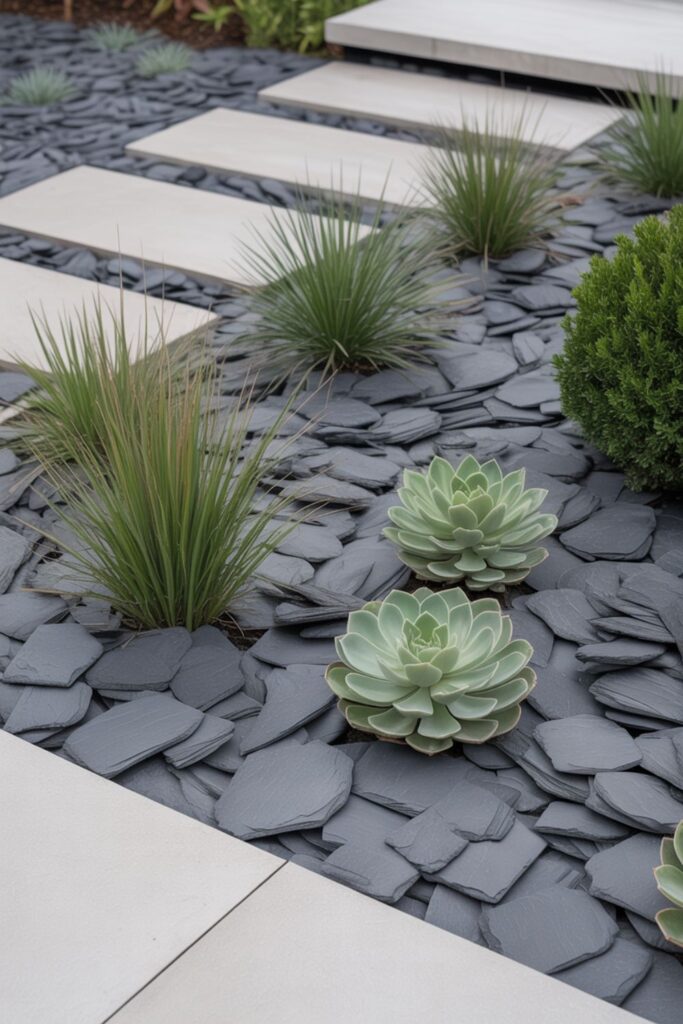
Slate chips feature distinctive flat, angular shapes and rich color variations creating contemporary, sophisticated garden appearances. Your slate selections deliver unique textures and premium aesthetics distinguishing landscapes from ordinary stone applications while providing practical benefits beyond beauty.
Natural color ranges include blue-gray, purple-gray, green-gray, and occasionally rust-toned varieties depending on slate composition and regional sources. These subtle color variations within individual stones create depth and interest impossible with single-color materials. The flat, layered structure of slate produces predominantly horizontal orientations when spread, creating textured surfaces catching light at different angles throughout days. This dimensional quality adds visual interest even in monochromatic plantings where stone becomes the primary design element.
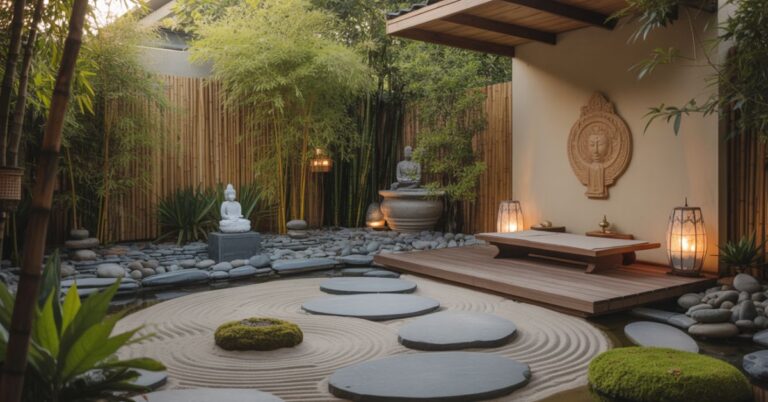
Contemporary design applications embrace slate chips’ modern aesthetics in minimalist gardens, zen-inspired spaces, and architectural landscapes. The angular, geometric shapes complement clean-lined hardscapes, contemporary furniture, and modern architecture better than organic rounded river rocks. Pair slate chips with ornamental grasses, architectural agaves, or sculptural specimens emphasizing form over flowers. The material works beautifully surrounding water features where its natural stone association with mountain streams creates authentic, elemental aesthetics. Japanese-inspired gardens frequently incorporate slate creating contemplative atmospheres through material restraint and natural beauty.
Functional benefits include excellent weed suppression due to flat shapes layering tightly and creating dense ground covers blocking light penetration. The angular edges interlock, preventing shifting better than rounded river rocks, providing stable walking surfaces on gentle slopes or informal pathways. Slate chips retain less heat than dense river rocks or lava stones, making them suitable around heat-sensitive plants in hot climates. However, thin flat pieces may break underfoot in high-traffic areas, gradually fragmenting into smaller pieces over years requiring periodic replenishment.
Crushed Granite and Decomposed Granite: Natural Pathway Solutions
Crushed granite and decomposed granite provide natural-looking, permeable surfaces ideal for pathways, driveways, and xeriscape gardens. Your understanding of differences between these materials ensures proper selection matching intended applications and aesthetic preferences.
Crushed granite consists of mechanically broken granite stone creating angular 1/4 to 3/4 inch particles with sharp edges that compact firmly. This material creates stable, long-lasting pathways rivaling concrete durability when properly installed over compacted bases. The angular edges interlock under compaction, resisting erosion and staying in place despite foot traffic or weather. Colors vary by granite source typically gray, tan, brown, or reddish tones with attractive sparkle from crystalline mineral content. Crushed granite works beautifully in naturalistic landscapes, cottage gardens, and rural settings where informal pathway aesthetics suit overall designs.
Decomposed granite (DG) represents granite weathered naturally over millennia into sand-like particles mixed with fine clay binders. This material compacts into firm, smooth surfaces resembling packed earth when moistened and rolled during installation. Stabilized DG products include polymeric binders creating even harder surfaces resisting erosion more effectively than natural DG. The fine texture and earth-tone colors create seamless transitions between hardscaped and planted areas, making DG excellent for naturalistic designs where material transitions should appear gradual rather than abrupt. California landscapes extensively use DG for water-wise gardens complementing native plantings and drought-tolerant specimens.
Installation requirements differ significantly between materials. Crushed granite requires less preparation, spreading over landscape fabric and compacting lightly for pathway applications. DG demands more intensive preparation including excavation, proper base layers, moisture application, and mechanical compaction achieving desired firmness. This labor-intensive installation makes DG more expensive despite lower material costs. Both materials require edging preventing migration into adjacent planted areas, with metal or plastic landscape edging providing durable containment lasting years.
Polished River Stones: Smooth Decorative Accents for Specialty Areas
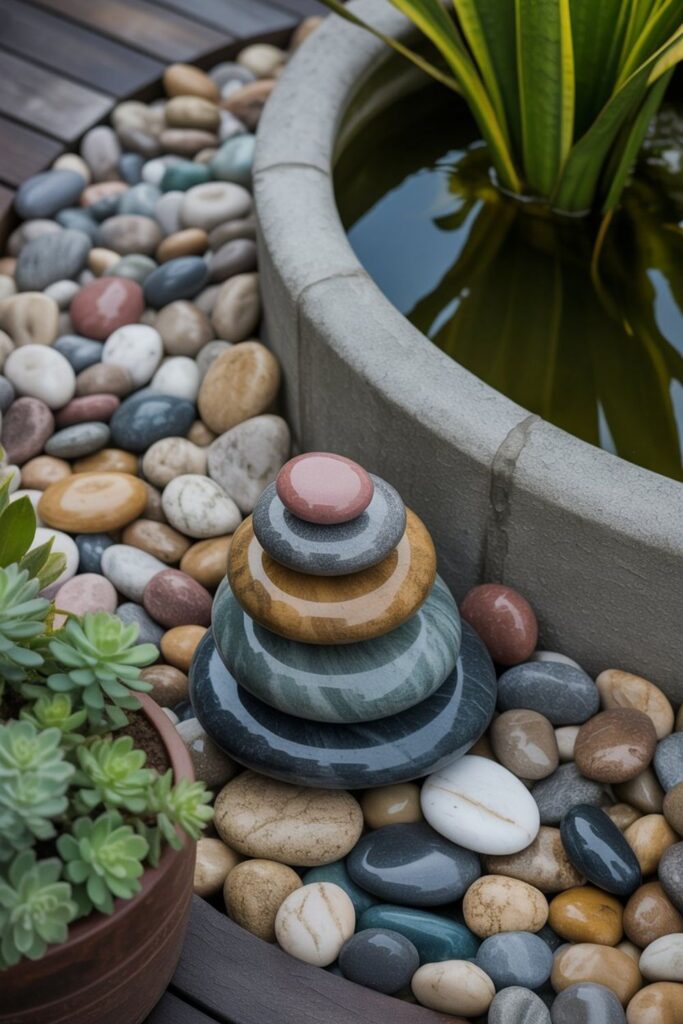
Polished river stones undergo additional tumbling and finishing to create exceptionally smooth, lustrous surfaces, earning their place among the best garden stones for plant displays in high-end decorative applications. Carefully selected polished stones add refined, luxurious accents in focal areas where standard landscape materials fall short of the desired visual impact.
Machine tumbling enhances the natural smoothness of river stones while producing consistent shapes and sizes rarely found in untreated materials. This polishing process intensifies inherent stone colors and patterns, making blues richer, whites brighter, and mixed hues more vibrant. These visual upgrades explain the premium pricing, often double or triple that of standard river rock, which makes polished stones most practical for smaller accent zones. As some of the best garden stones for plant displays, they work beautifully for container topdressing, fountain surrounds, meditation gardens, and intimate seating areas where close viewing highlights their superior finish.
Water features showcase polished stones at their best, as constant moisture deepens color saturation and enhances reflective qualities. Polished black stones become mirror-like when wet, creating sophisticated visual effects in pondless waterfalls, fountain basins, and decorative stream beds. The silky-smooth texture invites touch, making polished stones especially suitable for sensory gardens or contemplative spaces. Their pleasant feel also makes them ideal best garden stones for plant displays in interactive landscapes where children and visitors engage closely with materials.
Specialty color options further expand design flexibility beyond natural river rock limitations. Pure white, jet black, and vibrant mixed-color polished stones support bold design statements while maintaining uniform shapes and sizes. Although some varieties use artificial coloring to achieve consistency, many gardeners prefer natural finishes despite narrower color ranges. Black polished stones deliver striking modern appeal, while white polished stones provide brightness without the intense glare associated with marble chips. Mixed polished stones offer visual variety while preserving the refined cohesion expected from the best garden stones for plant displays.
How to Calculate Stone Quantities for Garden Projects
Accurate quantity calculations prevent costly shortages requiring emergency orders or excessive over purchase wasting money on unused materials. Your measurement and calculation skills ensure ordering appropriate Best Garden Stones amounts for projects completing successful first attempts.
Area measurement begins with determining square footage of spaces receiving stone coverage. Measure length and width in feet, multiplying for total square footage. Irregular shapes require breaking into rectangles or triangles, calculating each section separately, then adding totals. Online satellite tools like Google Earth Pro help measuring complex areas more accurately than ground-level attempts. For curved beds, slightly overestimate rather than underestimate since extra stone stores easily while shortages halt projects frustratingly.
Depth requirements vary by stone type and application. Fine materials like pea gravel or decomposed granite need 2-3 inch depths providing adequate coverage and weed suppression. Larger river rocks require 3-4 inch depths ensuring no ground shows through. Pathway applications often need deeper 4-6 inch installations when including base layers beneath decorative stones. Multiply square footage by depth in inches, dividing by 324 to convert into cubic yards the standard measurement for bulk stone sales. For example, 100 square feet at 3 inches depth equals 100 × 3 ÷ 324 = 0.93 cubic yards.
Coverage rates simplify calculations using standardized formulas. Most suppliers provide coverage charts showing square footage per ton or cubic yard at various depths. Generally, one ton of river rocks covers approximately 80-100 square feet at 2-inch depth, with exact rates varying by stone density. Lighter lava rocks cover more area per ton than dense granite. Always verify coverage rates with specific suppliers since regional materials vary considerably. The Soil and Plant Laboratory recommends ordering 10-15% extra accounting for compaction, uneven surfaces, and future repairs requiring matching materials.
Read More About: 20+ Landscaping Ideas With Pots for Outdoor Spaces
Best Practices for Installing Plant Stones in Garden Beds
Proper installation ensures best plant stones perform optimally while maximizing longevity and minimizing maintenance. Your preparation and technique significantly impact results regardless of stone quality or appropriateness for intended applications.
Site preparation begins with removing existing vegetation, roots, and debris from areas receiving stone. Spray persistent weeds with herbicide 1-2 weeks before installation, allowing complete die-back before proceeding. Remove sod layers if converting lawn areas, excavating 3-4 inches below final grade to accommodate base materials and stones. Rough grading creates proper drainage slopes directing water away from structures and toward designated runoff areas. The North Carolina State Extension recommends minimum 2% slopes (1/4 inch per foot) preventing water pooling in stone-covered areas.
Landscape fabric installation prevents weed growth while allowing water penetration and air exchange. Commercial-grade woven fabric lasts significantly longer than cheap alternatives fragmenting within seasons. Overlap fabric seams 6-12 inches preventing weed emergence through gaps, securing overlaps with landscape staples every few feet. Cut X-shaped slits for existing plants, fitting fabric around stems or trunks carefully. Avoid solid plastic barriers preventing water penetration and suffocating plant roots. Proper landscape fabric breathes while blocking light necessary for weed seed germination.
Stone spreading requires even distribution at consistent depths avoiding thin spots showing fabric or thick piles wasting material. Pour or shovel stones in multiple small piles across areas, then rake smooth achieving uniform depths. Check depth frequently using rulers or marked sticks, adding or redistributing as needed. Create slightly thicker layers along bed edges where foot traffic may displace stones over time. Avoid burying plant crowns or mulching against tree trunks to maintain 2-3 inch clearance preventing rot and pest issues. Water settled stones lightly if using decomposed granite or materials requiring moisture for proper compaction.
Comparing Costs: Finding Best Value Plant Stones for Your Budget
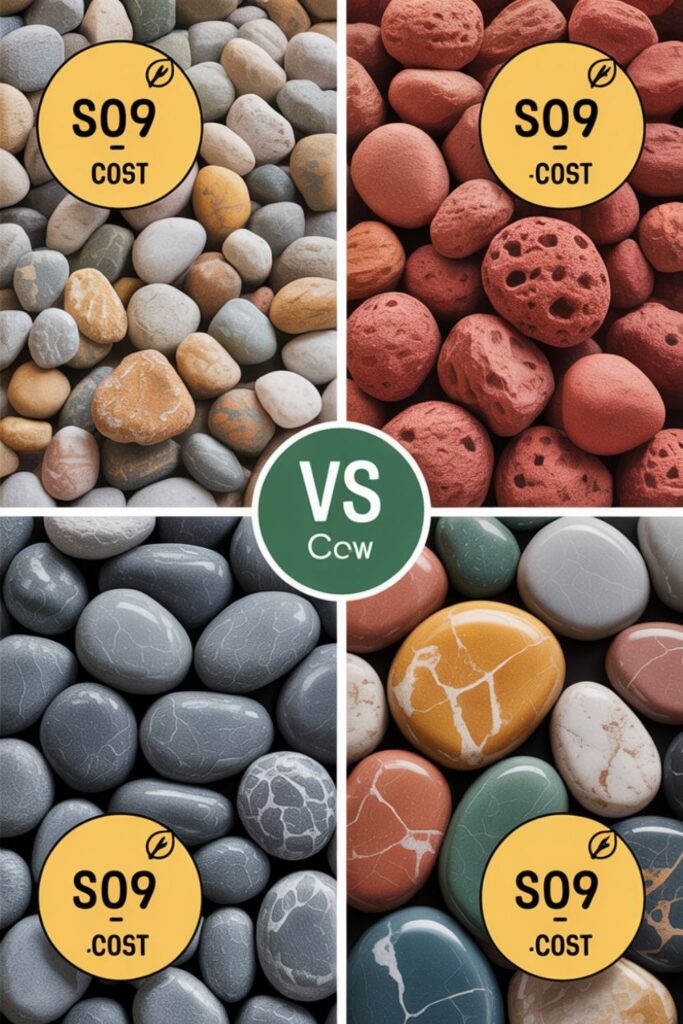
Stone costs vary dramatically by type, source, and purchasing method, with strategic shopping significantly impacting total project expenses. Your informed purchasing decisions balance quality, aesthetics, and budget constraints maximizing value without unnecessary compromises.
Bulk purchasing from landscape supply yards delivers best per-unit costs for stones, typically 40-60% less expensive than bagged products at home improvement stores. Bulk materials arrive by dump truck in specified cubic yard or ton quantities, requiring suitable delivery access and unloading areas. This approach makes sense for projects exceeding 1-2 cubic yards where savings offset delivery fees ranging $50-150 depending on distance. Compare delivered prices from multiple local suppliers since rates vary considerably even within regions. The Landscape Ontario Horticultural Trades Association suggests obtaining quotes from at least three suppliers before committing to purchases.
Bagged stone products offer convenience for small projects, precise quantity control, and simpler transportation in personal vehicles. Individual bags typically contain 0.5 cubic feet, requiring calculations converting project cubic yard requirements into bag quantities. Expect paying premium prices often double or triple bulk rates for bagging and retail markups. This option suits small accent projects, repairs, or situations where bulk delivery proves impractical. Watch for seasonal sales when home improvement stores discount landscape materials significantly, especially late summer through fall when gardening season ends.
Material cost ranges help budget planning: pea gravel and crushed stone rank most economical at $30-50 per ton delivered. Standard river rocks cost $60-120 per ton depending on size and color. Lava rock prices fall mid-range at $80-150 per ton reflecting lower density requiring more volume. Premium materials like Mexican beach pebbles or polished stones command $200-400+ per ton due to aesthetic qualities and limited sources. Marble chips and specialty colored stones range $100-250 per ton. These estimates vary regionally based on material availability, transportation distances, and local market conditions.
FAQs
How deep should plant stones be in garden beds?
Install decorative stones 2-3 inches deep for adequate weed suppression and aesthetic coverage, with larger river rocks requiring 3-4 inch depths ensuring no landscape fabric or soil shows through. Pathway applications need 4-6 inches total including base layers beneath decorative stones for proper stability and longevity. Insufficient depth allows weed growth and creates spotty appearances, while excessive depth wastes money on unnecessary materials without additional benefits.
Do I need landscape fabric under decorative garden stones?
Commercial-grade landscape fabric is essential under garden stones, preventing weed growth while allowing water and air penetration to plant roots unlike solid plastic barriers. The fabric blocks light necessary for weed seed germination, dramatically reducing maintenance demands and keeping stone areas looking clean and intentional. Skipping fabric leads to constant weed battles as seeds blow in and germinate between stones where manual removal proves extremely difficult.
What color stone looks best in gardens?
Neutral tan and gray stones complement virtually any plant palette and architectural style, providing timeless versatility that won’t clash with changing seasonal colors or future design modifications. Light-colored white and cream stones brighten shaded areas and create striking contrasts but show dirt readily, while dark stones hide imperfections naturally and make adjacent plant colors appear more vibrant through contrast effects.
Can plant stones damage trees or shrubs?
Stones themselves don’t harm plants when properly installed with 2-3 inch clearance around trunks and crowns preventing moisture retention that causes rot, but excessive stone depth or improper installation without landscape fabric can create drainage issues or prevent natural leaf litter decomposition that feeds soil organisms. Avoid volcano mulching piling stones against tree trunks which encourages disease, pest problems, and structural issues according to International Society of Arboriculture guidelines.
How long do decorative garden stones last?
Natural stone materials last indefinitely when properly installed, requiring only occasional replenishment as stones settle or periodic cleaning to maintain appearances, unlike organic mulches decomposing within 1-2 years. The primary maintenance involves removing accumulated organic debris, controlling weed emergence, and adding stones periodically to maintain desired depths as settling occurs, making stone mulch significantly more economical long-term despite higher initial costs.
Conclusion
Selecting the best plant stones transforms garden beds from high-maintenance challenges into polished landscapes requiring minimal upkeep while showcasing plants against attractive permanent backdrops. Your stone choices should balance aesthetic preferences with functional requirements including drainage needs, weed suppression priorities, heat retention characteristics, and budget constraints guiding material selection. Whether choosing affordable pea gravel for extensive coverage, premium Mexican beach pebbles for featured areas, or specialized lava rock for drainage-critical applications, understanding each stone type’s unique properties ensures optimal results matching specific garden conditions and design intentions.
Your garden beds deserve the permanence and polish that quality decorative garden stones deliver through proper material selection and installation. Begin by assessing current landscape needs identifying areas with weed problems, drainage issues, or aesthetic shortcomings then select appropriate stone types addressing specific challenges while aligning with overall design vision. Calculate required quantities accurately preventing costly shortages, and invest time in proper site preparation with quality landscape fabric ensuring long-term performance. Take action today by visiting local landscape suppliers examining materials firsthand, requesting samples testing colors against your plants, and planning installations using techniques outlined here.