25+ Best Patio in Backyard Ideas

You step into your backyard and see wasted potential. Maybe there’s patchy grass where you envision outdoor dinners, or a cracked concrete slab that’s seen better days. Every summer, you watch neighbors enjoy their beautiful outdoor spaces while your backyard sits unused, representing nothing more than mowing duty and missed opportunities.
Here’s what’s really frustrating: a neglected or poorly designed the best patio in backyard spaces actively costs you money. Homes with quality outdoor living areas sell for 12-20% more than comparable properties without them, according to the National Association of Realtors. You’re essentially leaving tens of thousands of dollars on the table. Meanwhile, you’re missing out on the lifestyle benefits of those weekend barbecues, morning coffee spots, and evening relaxation areas that make houses feel like homes.
The solution isn’t as complicated or expensive as you might think. Creating the best patio in backyard areas transforms your outdoor space into a functional extension of your home. With smart planning, the right materials, and strategic design choices, you can build a backyard retreat that serves your family for decades while dramatically boosting your property’s appeal and value.
What Makes a Great Patio in Backyard Design?
A successful patio in backyard spaces goes far beyond simply pouring concrete or laying pavers. Great patios balance functionality, aesthetics, and durability while reflecting your lifestyle and complementing your home’s architecture.
Size matters tremendously when planning your best backyard patio. Too small, and the space feels cramped and unusable. Too large, and it overwhelms the yard while wasting money on unnecessary square footage. For basic seating areas, plan for at least 12×12 feet minimum. If you’re including dining furniture, 16×18 feet accommodates a table with six chairs comfortably. Entertaining spaces that combine dining and lounging areas work best at 20×20 feet or larger, providing room for multiple furniture groupings and traffic flow.
Location determines how much you’ll actually use your best patio in backyard settings. Morning sun lovers should position patios facing east, while those preferring shade should orient toward north or northeast exposures. Consider sun patterns throughout the day and seasons that a perfect sunny spot in April might become unbearably hot in July. Observe your yard at different times before committing to placement.
Proximity to your home impacts convenience significantly. Patios located just outside kitchen or living room doors see more use than those requiring long walks across the yard. Direct access makes carrying food, drinks, and supplies manageable rather than tedious. However, positioning your backyard patio slightly away from the house can create a destination feel, offering more privacy and separation from household activities.
Understanding Your Patio’s Purpose
Define how you’ll actually use your best patio in backyard spaces before designing. Are you primarily dining outdoors, creating lounging areas, entertaining large groups, or seeking quiet reading spots? Each purpose demands different layouts, sizes, and features. Many homeowners try cramming multiple functions into inadequate spaces, resulting in patios that don’t excel at anything.
Dining-focused patios require level surfaces, adequate lighting, and easy access to kitchens. Lounging areas benefit from varied elevations, integrated planters, and focal points like fire features. Entertainment spaces need open layouts accommodating mingling guests, while meditation areas thrive in secluded corners with sound-dampening elements like water features or dense plantings.
Which Materials Work Best for Backyard Patios?
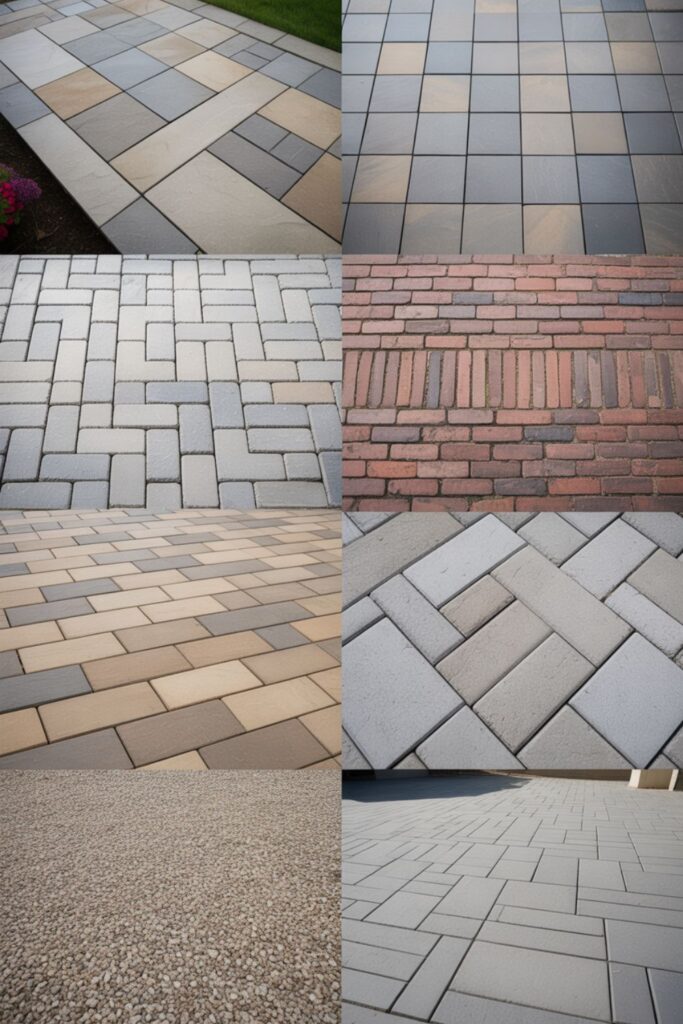
Material selection dramatically impacts your best patio in backyard functionality, appearance, maintenance requirements, and budget. Understanding each option’s characteristics helps you make informed decisions aligned with your priorities.
Concrete pavers dominate modern patio construction for good reason. These manufactured units offer consistent dimensions, interlocking designs that resist shifting, and incredible variety in colors, textures, and patterns. Quality pavers mimic natural stone convincingly at a fraction of the cost. Expect to pay $8-20 per square foot installed, depending on paver quality and pattern complexity. Pavers handle freeze-thaw cycles excellently, with individual units easily replaced if damaged, a huge advantage over poured concrete that cracks and requires complete sections to be removed.
Natural stone delivers unmatched beauty and character for best backyard patio designs. Flagstone, bluestone, slate, and limestone each offer distinct appearances and properties. Flagstone provides rustic, irregular shapes perfect for casual, cottage-style settings. Bluestone offers refined gray tones and consistent thickness ideal for formal spaces. These materials cost $15-30 per square foot installed but last generations with minimal maintenance. Natural stone stays cooler underfoot than concrete during summer, making it comfortable for barefoot use.
Poured concrete remains the most budget-friendly option at $6-12 per square foot for basic installations. While plain gray concrete looks institutional, decorative techniques transform it dramatically. Stamped concrete mimics stone, brick, or tile patterns. Stained concrete adds rich colors. Exposed aggregate reveals beautiful stones within the concrete mix. These treatments cost $12-18 per square foot but deliver custom appearances rivaling expensive materials.
Brick patios bring timeless appeal and warmth to backyard spaces. Traditional clay brick weathers beautifully, developing patina over decades. Lay bricks in classic patterns like herringbone, basket weave, or running bond for visual interest. Brick costs $10-20 per square foot installed and requires periodic re-sanding of joints as sand washes out over time.
Comparing Durability and Maintenance
Paver patios excel in durability, with quality products lasting 50+ years. Individual pavers withstand heavy loads, resist staining, and maintain color permanently. Maintenance involves occasional power washing and re-sanding joints every 2-3 years, simple tasks most homeowners handle themselves.
Natural stone proves virtually indestructible but requires sealing every 1-3 years depending on stone type and climate. Sedimentary stones like limestone and sandstone need more frequent sealing than harder granite or slate. Sealed stone resists staining and weathering while maintaining its beauty indefinitely.
Poured concrete lasts 20-30 years but tends to crack over time, especially in climates with freeze-thaw cycles. Once cracks appear, repairs rarely blend seamlessly with existing concrete. Sealing concrete every 2-3 years protects against moisture penetration and staining. Decorative finishes sometimes wear in high-traffic areas, requiring refinishing every 5-10 years.
How Do You Plan the Perfect Backyard Patio Layout?
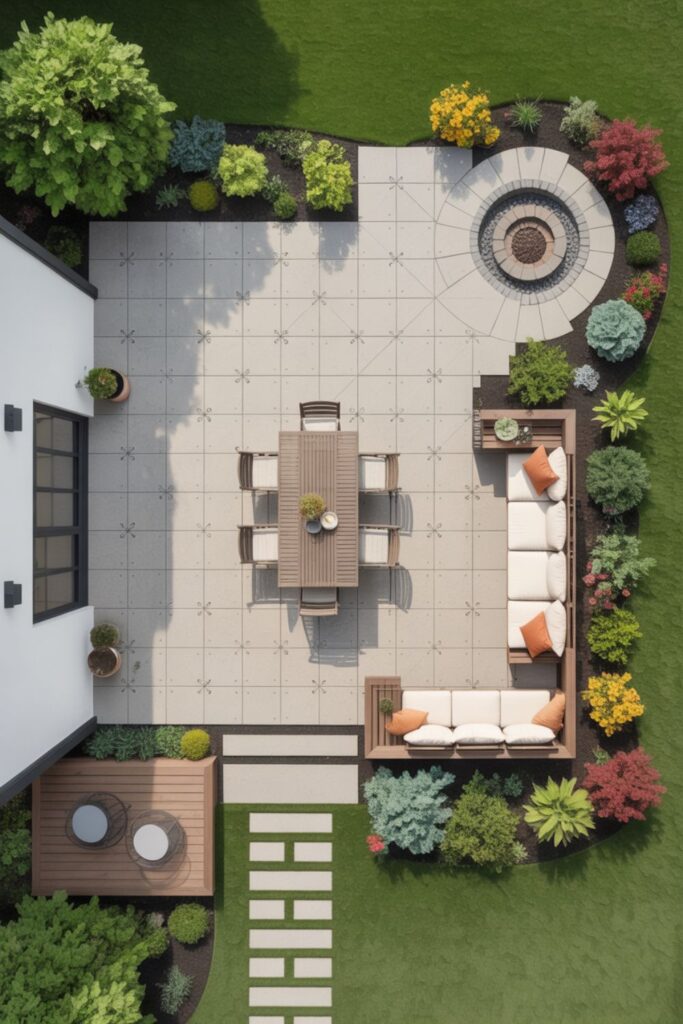
Strategic layout planning separates mediocre best patios in backyard spaces from designs you’ll love for decades. Proper planning considers traffic flow, furniture placement, utility access, and integration with surrounding landscapes.
Start by creating a scale drawing of your yard, marking the house, existing trees, utilities, and property lines. Use graph paper or free online tools like SketchUp to visualize options before committing. Mark sun and shade patterns at different times of day this information proves invaluable for positioning seating areas and determining if overhead coverage is needed.
Traffic patterns dictate placement and shape. Create clear pathways from house to best patio in backyard areas, avoiding routes that cut through seating or dining zones. Allow 3-4 feet width for main paths and 2-3 feet for secondary routes. Circular flow patterns work well for entertainment spaces, allowing guests to mingle naturally without getting bottlenecked.
Consider sight lines from both inside your home and from the patio itself. Position seating to capture attractive views, gardens, water features, or natural landscapes while minimizing views of less appealing elements like utility areas or neighboring properties. Your backyard patio should feel like a destination that offers different perspectives than indoor spaces.
Utility access matters more than most homeowners realize. Running electricity, gas, or water lines after patio installation costs significantly more than including them during construction. Plan for outlets (GFCI-protected and weatherproof), gas lines if you’re adding grills or fire features, and water access for sinks or irrigation. Even if you’re not installing these features immediately, running lines during construction provides flexibility for future additions.
Read More About: Best Garden Design Ideas to Create Your Dream Outdoor Space
Multi-Level Patio Designs
Multi-level patios add visual interest while solving practical challenges in sloped yards. Creating distinct elevation zones defines separate functional areas dining on one level, lounging on another, fire pit on a third. This approach makes yards feel larger by creating multiple destination points rather than one flat expanse.
Steps between levels should follow building codes (typically 6-8 inch rise, 10-12 inch tread depth minimum) for safety and comfort. Integrate lighting into steps for visibility after dark. Retaining walls between levels provide seating edges when capped with flat stone or wood, maximizing functionality.
Sunken patios create cozy, protected spaces in open yards. Dropping the best patio in backyard areas 12-24 inches below grade blocks wind, increases privacy from neighbors, and creates an intimate feel. Ensure proper drainage with these designs sunken spaces can become pools during heavy rain without adequate drainage systems.
What Features Should You Add to Your Backyard Patio?
Strategic features transform basic best best patio in backyard spaces into outdoor rooms you’ll use constantly. These additions extend functionality, comfort, and aesthetic appeal while increasing your home’s value.
Overhead structures provide crucial shade and define space vertically. Pergolas offer partial coverage with their open-beam design, providing shade while maintaining airflow and openness. Cover pergolas with climbing plants like wisteria or grapevines for living shade that evolves with seasons. Solid roof structures whether attached to houses or freestanding allow patio use during rain and intense sun. Modern metal roofs with integrated fans and lighting create year-round outdoor rooms.
Outdoor kitchens represent the highest-impact addition for best best patio in backyard areas. Even basic setups with built-in grills and counter space change how you use outdoor areas, keeping cooks engaged with guests rather than isolated indoors. Include refrigeration, sinks, and storage for maximum convenience. Position kitchens on patio perimeters rather than centers, preventing smoke and cooking heat from overwhelming seating areas.
Fire features extend patio in backyard usability well into cooler months. Built-in fire pits create natural gathering spots, encouraging conversation and relaxation. Choose between wood-burning options (authentic ambiance, requires more maintenance) and gas versions (convenient, clean, instant ignition). Position fire features at safe distances from structures and overhangs, following local fire codes that typically mandate 10-25 feet clearance.
Outdoor lighting proves essential for after-dark enjoyment. Layer multiple lighting types ambient overhead fixtures, task lighting for dining and cooking areas, and accent lights highlighting plants or architectural features. LED string lights create a festive atmosphere at low cost and energy consumption. Install dimmer switches for adjustable ambiance. Solar-powered path lights along patio edges define boundaries while providing safety lighting without electrical work.
Built-In Seating and Planters
Built-in elements maximize space efficiency in smaller best patio in backyard while providing permanent solutions that withstand weather better than furniture. L-shaped or U-shaped bench seating around patio perimeters accommodates more people than individual chairs while defining the space’s edges. Cap walls with comfortable materials, smooth stone, tile, or sealed wood and add cushions for comfort.
Integrated planters soften hardscape edges while bringing nature directly into your best patio in backyard design. Raised planters eliminate bending for gardening tasks, making them accessible for all ages and abilities. Use planters to create privacy screens by positioning tall plantings along open sides. Include irrigation during construction for low-maintenance watering.
Outdoor storage hides cushions, grills covers, and supplies while keeping your patio neat. Built-in storage benches serve dual purposes, providing seating and concealing items in weatherproof compartments. Dedicated storage cabinets protect expensive outdoor kitchenware from elements.
How Much Does a Patio in the Backyard Cost?
Patio budgets vary enormously based on size, materials, features, and whether you’re DIY-ing or hiring professionals. Understanding cost factors helps you plan realistically and prioritize spending on elements delivering maximum value.
Basic poured concrete patios start around $1,500-3,000 for 12×12 foot spaces using DIY installation. Professional installation doubles costs but ensures proper site preparation, reinforcement, and finishing. Decorative concrete treatments add $3-8 per square foot depending on complexity; simple staining costs less than intricate stamped patterns.
Paver patios typically run $3,000-7,000 for 200 square foot spaces with professional installation. Material quality dramatically affects pricing; basic concrete pavers cost $3-6 per square foot while premium options with complex patterns reach $15-25 per square foot. DIY installation saves 40-50% of costs but requires proper base preparation, edge restraints, and technical skills ensuring level surfaces.
Natural stone patios represent premium options at $5,000-12,000 for similar-sized spaces. Irregular flagstone costs less than cut bluestone requiring precise installation. Professional installation proves crucial with natural stone improper technique leads to shifting, cracking, and drainage problems that compromise your investment.
Additional features increase budgets substantially. Outdoor kitchens add $3,000-15,000 depending on appliances and built-in elements. Pergolas cost $2,000-8,000 installed. Fire pits range from $300 for simple DIY projects to $5,000 for elaborate custom installations. Budget 10-15% contingency for unexpected issues like utility relocations or soil problems discovered during excavation.
DIY vs. Professional Installation
DIY patio construction saves money but demands significant time, physical labor, and technical knowledge. Proper site preparation excavating to proper depth, creating compact base layers, establishing drainage determines long-term success regardless of surface material. Mistakes here lead to settling, cracking, and water problems requiring expensive corrections.
Realistic homeowners with basic tools can handle paver patio installation over several weekends. Numerous online tutorials demonstrate proper techniques. Rent specialized equipment like plate compactors and wet saws rather than purchasing tools you’ll use once. Work with a helper moving tons of base material and pavers solo proves exhausting and risks injury.
Professional installation makes sense for large projects, complex designs, or when your time is limited. Pros complete in days what DIYers weeks. They guarantee work, handle permits, and fix problems efficiently. Get multiple quotes, verify licensing and insurance, check references, and review portfolios before hiring. Quality contractors book months in advance during peak season, so plan accordingly.
What Are Common Backyard Patio Design Mistakes?
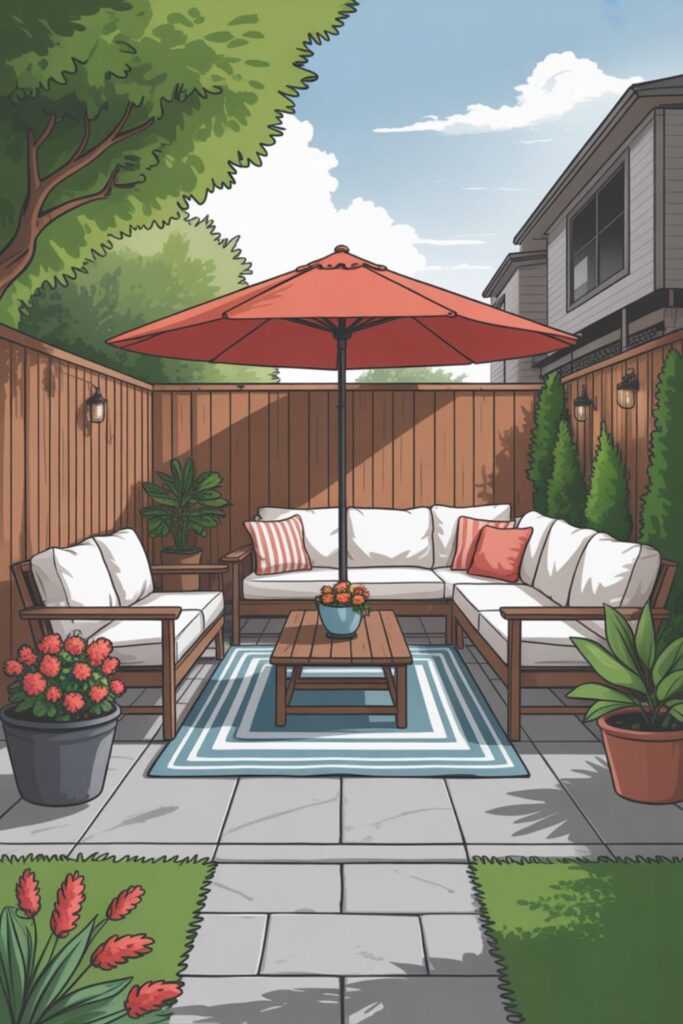
Avoiding common errors saves money, frustration, and ensures your best patio in backyard spaces function beautifully for decades. Learn from others’ mistakes rather than discovering problems after installation.
Inadequate base preparation causes 90% of patio failures. Skimping on excavation depth or base materials leads to settling, uneven surfaces, and drainage issues. Proper installation requires removing 6-8 inches of soil, installing landscape fabric, adding 4 inches of compacted crushed stone base, then 1-2 inches of leveling sand. Each layer needs thorough compaction with plate compactors and tamping proves insufficient for lasting results.
Poor drainage planning creates water pooling that damages surfaces and makes patios unusable after rain. Grade backyard patio surfaces with minimum 1/4 inch per foot slope away from houses and buildings. Install drainage channels at low points directing water toward landscape areas. In heavy clay soils, consider subsurface drainage systems preventing water accumulation under patios.
Wrong material choices for your climate lead to premature failure. Smooth slate and polished stone become dangerously slippery when wet terrible choices for rainy climates or near pools. Porous materials like limestone stain easily in areas with hard water or mineral-rich soil. Research material performance in your specific climate before committing.
Undersized patios represent the most common complaint after installation. That 10×10 foot patio seems adequate during planning but feels cramped once furniture arrives. Always build bigger than you think necessary; you’ll never regret extra space but will constantly wish for more in undersized areas.
Ignoring Future Maintenance
Low-maintenance materials cost more initially but save countless hours and dollars over decades. Cheap concrete pavers fade and crack within years, requiring replacement. Quality pavers maintain color and integrity for 50+ years. Pressure-treated wood pergolas need annual sealing and replacement after 10-15 years. Aluminum or vinyl pergolas require zero maintenance and last 30+ years.
Consider access for maintenance when planning layouts. best patio in backyard built tight against fences or structures make it impossible to maintain those surfaces later. Leave 18-24 inches clearance for painting, repairs, and cleaning. Design with removable sections in pavers for accessing utilities buried beneath patio surfaces.
Future flexibility matters too. Today’s fire pit location might become tomorrow’s water feature or outdoor kitchen. Use modular designs easily modified rather than permanent installations requiring demolition for changes. Leave conduit running to multiple patio locations even if you’re not using them immediately future additions become simple plug-and-play rather than expensive retrofits.
How Do You Integrate Landscaping With Your Patio?
Seamless integration between best patio in backyard hardscaping and surrounding landscapes creates cohesive designs far more attractive than isolated patios surrounded by lawn. Strategic planting softens hard edges while providing privacy, shade, and seasonal interest.
Border plantings transition from landscape to landscape gradually. Install planting beds 2-4 feet wide around patio perimeters, using varied heights for visual interest. Place tall shrubs or ornamental grasses at back edges, medium perennials in middle zones, and low groundcovers at front edges along patio interfaces. This layering creates depth while preventing the abrupt concrete-meets-grass line that looks unfinished.
Container gardens bring flexibility impossible with in-ground plantings. Group containers in odd numbers (3, 5, 7) at varying heights near patio entrances or corners. Use large containers with a minimum 16-inch diameter for substantial presence and reduced watering frequency. Plant bold foliage plants like elephant ears or ornamental grasses mixed with seasonal flowers for ever-changing displays.
Vertical elements add height and interest to flat patio spaces. Train climbing vines on trellises, arbors, or pergola posts. Clematis, climbing roses, and jasmine provide beautiful flowers and fragrance. For privacy, fast-growing annual vines like morning glories or hyacinth beans fill gaps quickly while permanent plantings mature.
Create garden rooms by using plantings to define distinct zones within larger best patio in backyard areas. Hedge “walls” or ornamental grass masses separate dining areas from lounging spaces without solid barriers that restrict airflow and sightlines. These living dividers add flexibility prune them lower for openness or let them grow tall for privacy as needs change.
Seasonal Color and Interest
Year-round appeal requires selecting plants blooming during different seasons. Spring bulbs like tulips and daffodils planted near patio edges provide early color. Summer perennials coneflowers, black-eyed Susans, and daylilies deliver months of blooms. Fall asters and ornamental grasses offer texture and color when other plants fade. Evergreens and ornamental bark provide winter interest when deciduous plants are bare.
Night-blooming plants enhance evening patio enjoyment. Moonflower, night-blooming jasmine, and flowering tobacco release intoxicating fragrances after sunset, creating multisensory experiences perfect for entertaining. Position fragrant plants near seating areas where scents are most appreciated without overwhelming.
Native plants adapted to your region thrive with minimal water and care once established. They support local ecosystems, attracting beneficial pollinators and wildlife that add life to your best patio in backyard environment. The National Wildlife Federation’s Native Plant Finder identifies species native to your specific ZIP code.
What Furniture Works Best for Backyard Patios?
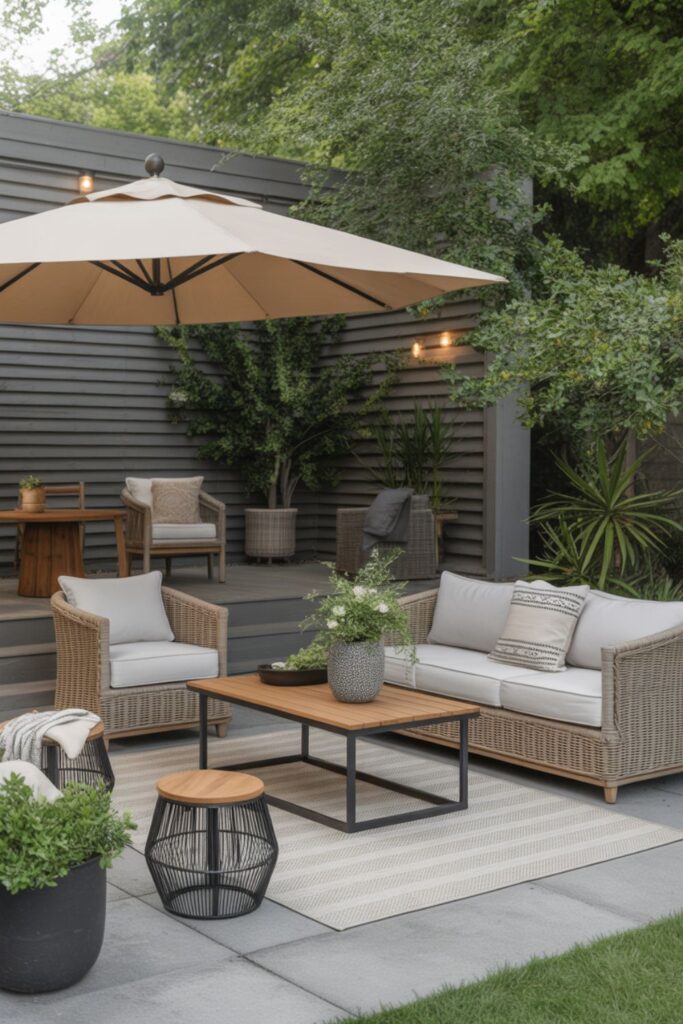
Outdoor furniture transforms an empty best patio in backyard hardscaping into functional living spaces. Strategic selection based on materials, style, and configuration ensures comfort and durability while maximizing space.
Material selection dramatically impacts maintenance and longevity. Teak furniture withstands weather beautifully, developing attractive silver patina if left untreated or maintaining honey tones with annual oil treatments. Quality teak lasts decades but costs premium prices $500-2,000 per chair. Aluminum furniture combines durability with lightweight convenience, never rusts, and requires zero maintenance. Powder-coated finishes offer color options beyond metal’s natural appearance. Wicker and rattan provide classic looks, but only synthetic versions (resin wicker) withstand outdoor conditions long-term. Natural wicker deteriorates quickly in wet climates.
Cushion fabrics deserve careful consideration since they determine comfort and maintenance requirements. Solution-dyed acrylic fabrics like Sunbrella resist fading, mildew, and moisture while remaining soft and comfortable. Quality cushions cost $50-150 each but last 5-7 years outdoors. Cheap cushions fade within months and require replacement annually of a false economy that costs more long-term.
Scale furniture appropriately for patio dimensions. Oversized sectionals overwhelm small patios, while furniture too small makes large spaces feel sparse and uninviting. Measure patio areas and furniture dimensions before purchasing. Allow 30-36 inches clearance around furniture for comfortable traffic flow. Test furniture comfort in person styles that look beautiful may prove uncomfortable for extended sitting.
Flexible Furniture Arrangements
Modular furniture adapts to different occasions and group sizes. Individual pieces reconfigure easily, creating intimate seating for two or accommodating a dozen guests. Sectional sofas break into separate chairs and loveseats offering arrangement flexibility. Lightweight aluminum or resin furniture moves easily for cleaning or rearranging.
Multi-functional pieces maximize space in smaller backyard patios. Storage ottomans hide cushions and supplies while providing extra seating or footrests. Coffee tables with built-in coolers keep beverages accessible during parties. Extendable dining tables accommodate daily family meals then expand for entertaining.
Weatherproof storage protects cushions and extends their life dramatically. Deck boxes, storage benches, or dedicated sheds keep cushions dry and clean when not in use. Even “all-weather” cushions benefit from storage during extended wet periods or winter months when patios go unused.
How Can You Create Privacy on Your Backyard Patio?
Privacy transforms public-feeling patios in backyard spaces into intimate retreats. Strategic screening blocks unwanted sightlines while maintaining airflow, natural light, and attractive aesthetics solid walls eliminate.
Living screens using plants provide natural, attractive privacy. Fast-growing evergreen trees like Leyland cypress, arborvitae, or Green Giant thuja reach screening height (6-8 feet) within 3-5 years. Plant them 4-5 feet apart for continuous screening or 6-8 feet for individual specimens. Bamboo grows even faster, achieving height within 1-2 years, though running varieties require rhizome barriers preventing invasive spread. Clumping bamboos like Bambusa multiplex avoid this issue while still providing rapid privacy.
Hedges create formal living walls when maintained through regular pruning. Boxwood, privet, and holly tolerate frequent shearing while maintaining dense growth. Plant 18-24 inches apart and trim regularly to encourage bushiness. Hedges require 2-3 years to reach useful height and ongoing maintenance, but they provide attractive year-round screening integrated seamlessly into landscapes.
Fencing delivers immediate privacy with various aesthetic options. Horizontal slat fences create modern appearances popular in contemporary landscapes. Traditional vertical picket fences suit cottage styles. Composite fencing resists rot and insect damage while mimicking wood’s appearance without maintenance. Metal options include aluminum (lightweight, rust-resistant) and steel (strong, requires rust treatment). Paint or stain fences to coordinate with patio materials and home exteriors.
Privacy screens offer flexibility impossible with permanent structures. Freestanding screens reposition easily as needs change. Lattice panels support climbing plants, combining structure with greenery. Modern laser-cut metal screens create artistic focal points while blocking views. Outdoor curtains installed on pergola or rods provide adjustable privacy draw them when needed, open them for full exposure.
Read More About: Best Exterior Design Ideas to Boost Curb Appeal and Value
Balancing Privacy and Openness
Partial screening often works better than complete enclosure, maintaining connection with surrounding landscapes while blocking specific sightlines. Identify problem views neighboring windows, streets, or unattractive elements and screen those specifically rather than enclosing entire patio perimeters. This targeted approach preserves good views and airflow while solving privacy concerns.
Height variation creates dynamic screening more visually interesting than uniform walls. Combine tall trees providing overhead privacy with mid-height shrubs blocking sight lines and low plantings filling ground level. This layered approach mimics natural forest edges while providing comprehensive privacy at all viewing angles.
Transparent materials like frosted acrylic panels or translucent fabric screens block views while admitting light. These materials prevent the boxed-in feeling solid barriers create, especially valuable in small best patio in backyard areas where complete enclosure feels claustrophobic.
FAQs
How big should a patio in the backyard be?
Minimum 12×12 feet for basic seating areas with a couple chairs. Dining areas need 16×18 feet for tables seating six people comfortably. Multi-purpose patios combining dining and lounging work best at 20×20 feet or larger, providing space for furniture groupings, traffic flow, and defining separate zones without crowding.
What is the cheapest material for a backyard patio?
Poured concrete costs at least $6-12 per square foot installed. Gravel patios cost even less at $3-6 per square foot but lack concrete’s solidity and permanence. For better appearance than basic concrete without premium costs, consider stamped or stained concrete at $12-18 per square foot, or basic concrete pavers at $8-15 per square foot.
Do I need permits to build a patio in my backyard?
Requirements vary by location, but many jurisdictions don’t require permits for ground-level patios without roofs. Elevated structures, attached roofs, or those exceeding certain sizes often need permits. Electrical, gas, or plumbing work typically requires permits regardless of patio size. Checking with local building departments before starting unpermitted work complicates future home sales.
How do I prepare the ground for a backyard patio?
Excavate 6-8 inches deep across the entire patio area. Install landscape fabric over exposed soil. Add 4 inches of crushed stone base, compacting thoroughly with a plate compactor. Add 1-2 inches of leveling sand, also compacted. Proper base preparation prevents settling and drainage problems that cause 90% of patio failures.
What’s the best location for a patio in the backyard?
Position patios within easy access of house exits, ideally off kitchen or living areas for convenience. Consider sun exposure throughout the day : east-facing patios capture morning sun, west-facing get afternoon and evening light. North-facing stays cooler and shadier. Avoid low spots where water collects or areas directly under large trees dropping debris.
How long does it take to build a backyard patio?
DIY paver patio installation takes 3-5 days for 200 square foot spaces, including excavation, base prep, and paver installation. Professional crews complete similar projects in 2-3 days. Poured concrete patios install in 1-2 days but require 7 days curing before use. Complex designs with multiple levels, curves, or integrated features extend timelines to 1-2 weeks.
Conclusion
A well-designed best patio in backyard spaces represents one of the smartest home improvements you can make. These outdoor rooms extend living areas, provide entertainment venues, and create connections with nature impossible in interior spaces. The process rewards thoughtful planning with decades of enjoyment and measurable increases in property value.
Begin by clearly defining how you’ll use your patio, then size and design accordingly. Choose materials balancing your budget with durability requirements and aesthetic preferences. Invest in proper installation whether DIY or professional, recognizing that solid foundations determine long-term success. Your backyard patio should evolve as your needs change, starting with essential elements then expanding with additional features over time. This phased approach prevents overwhelming budgets while ensuring each addition integrates purposefully into your growing outdoor sanctuary.