Are Coffee Grounds for Houseplants? A Complete Guide

Houseplants are a fantastic way to bring life and freshness into your home, but maintaining healthy, thriving plants can sometimes feel complicated. Many plant owners struggle with yellowing leaves, poor growth, or soil that seems depleted of nutrients, despite regular care.
It’s frustrating when your green friends don’t flourish the way you envisioned, leaving you questioning whether there’s a natural, effective solution. Buying commercial fertilizers can be expensive, chemical-laden, and inconvenient, especially if you want something simple and eco-friendly.
Fortunately, coffee grounds for houseplants offer an easy, sustainable alternative. They can enrich soil, improve structure, and even help deter pests when used correctly. In this guide, you’ll learn the best practices for using coffee grounds to keep your indoor plants healthy, vibrant, and flourishing.
Why Coffee Grounds Can Benefit Houseplants
Coffee grounds are nutrient-rich organic matter that provides essential elements like nitrogen, phosphorus, and potassium key nutrients for plant growth. When added to soil, they can improve texture, drainage, and overall fertility.
- Nitrogen: Supports healthy leaf and stem growth.
- Phosphorus: Encourages strong root systems and flower development.
- Potassium: Enhances plant resilience and overall vigor.
According to research from the University of Illinois Extension, organic additives like coffee grounds can improve soil structure and increase microbial activity, which is crucial for healthy houseplants.
How to Use Coffee Grounds for Houseplants Safely
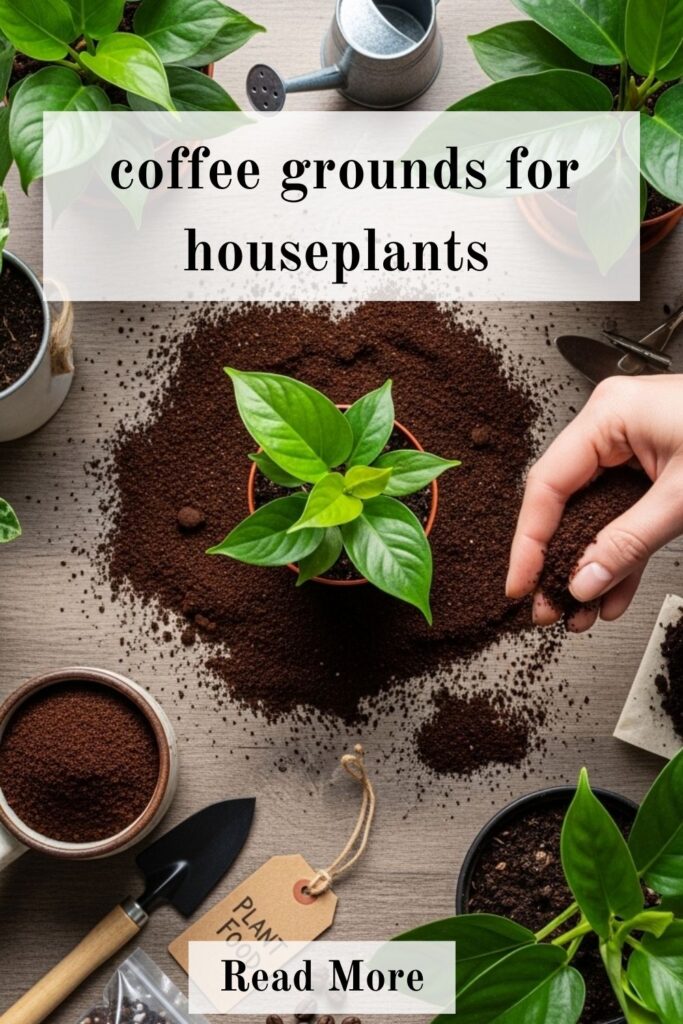
Light Top-Dressing
Sprinkle a thin layer of used coffee grounds over the soil’s surface. This enriches the soil gradually and avoids overwhelming your plants with acidity.
- Works best for plants that tolerate slightly acidic soil, like ferns, African violets, and spider plants.
- Prevents compacting when mixed lightly with potting soil.
Composting First
Adding coffee grounds to your compost before using them is ideal. Composting balances acidity, decomposes grounds into humus, and produces a nutrient-rich amendment suitable for all houseplants.
- Reduces the risk of over-acidifying soil.
- Encourages beneficial microbes that improve soil health.
Read More About: 20+ Affordable Backyard Privacy Ideas to Block Neighbors View
Mixing Into Soil
You can gently mix coffee grounds into potting soil for seedlings or established plants. Always use moderation: roughly 1–2 tablespoons per small pot is sufficient.
- Avoid overuse, as thick layers may retain too much moisture and encourage mold.
- Works well with container gardens and potted herbs.
How Coffee Grounds Benefit Your Houseplants Naturally
Using coffee grounds for houseplants is an easy and natural way to boost the health and growth of your indoor greenery. These nutrient-rich grounds are packed with nitrogen, potassium, and other minerals that houseplants need to thrive. When sprinkled lightly onto the soil or mixed in as compost, coffee grounds for houseplants help improve soil structure, enhance water retention, and encourage strong root development. They can even stimulate beneficial microbial activity in the soil, creating a healthier environment for your plants to flourish.
Another great benefit of coffee grounds for houseplants is their ability to naturally deter pests. Certain insects and fungi are less likely to invade pots treated with coffee grounds, reducing the need for chemical pesticides. Additionally, coffee grounds for houseplants can subtly acidify the soil, which is particularly helpful for acid-loving plants like ferns, azaleas, and gardenias. By recycling your leftover coffee in this way, you not only promote lush, thriving houseplants but also contribute to eco-friendly gardening practices.
The Ultimate Guide to Using Coffee Grounds for Healthy Indoor Plants
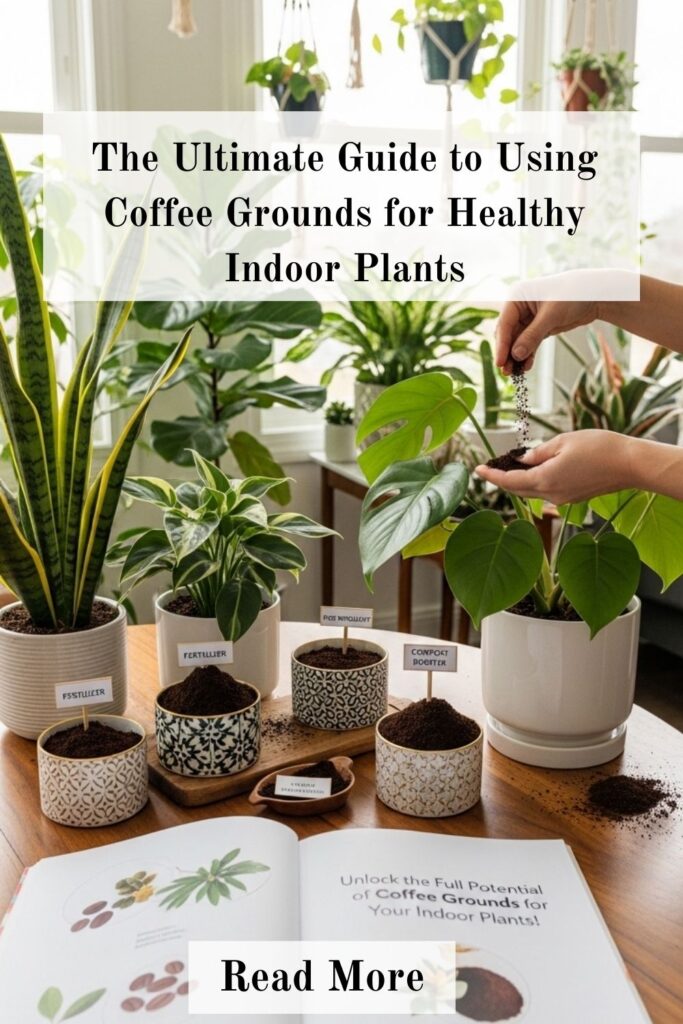
Using coffee grounds for houseplants is one of the simplest and most effective ways to naturally nourish your indoor garden. Packed with essential nutrients like nitrogen, phosphorus, and potassium, coffee grounds for houseplants enrich the soil and promote stronger, healthier growth. They help improve soil structure, retain moisture, and support beneficial microbial activity, all of which are crucial for thriving houseplants. Whether you sprinkle them directly onto the soil, mix them into compost, or create a liquid fertilizer, coffee grounds for houseplants provide an eco-friendly boost that encourages vibrant leaves, sturdy stems, and robust root systems.
Beyond nutrition, coffee grounds for houseplants can also help protect your indoor garden from pests and certain fungal problems. The slightly acidic nature of coffee grounds makes them especially beneficial for acid-loving houseplants like ferns, gardenias, and African violets. By incorporating coffee grounds for houseplants into your regular plant care routine, you not only recycle your morning brew but also create a sustainable, chemical-free way to keep your indoor greenery flourishing. With consistent use, these grounds can turn ordinary pots into lush, thriving mini ecosystems.
Coffee Grounds for Houseplants: Tips, Tricks, and Best Practices
Using coffee grounds for houseplants effectively requires a few simple tips and best practices to ensure your indoor plants thrive. Start by sprinkling a thin layer of used coffee grounds on top of the soil or mixing them lightly into the potting mix. This not only adds nutrients like nitrogen, potassium, and magnesium but also improves soil structure and water retention. When using coffee grounds for houseplants, avoid overloading the soil, as too much can compact it and create drainage problems. Regular, moderate use ensures your plants benefit from a natural, eco-friendly fertilizer without harming their growth.
Another important aspect of using coffee grounds for houseplants is knowing which plants benefit most. Acid-loving plants such as ferns, gardenias, and African violets thrive with the slight acidity of coffee grounds. Additionally, coffee grounds for houseplants can help deter pests and support beneficial microbial activity in the soil. For an extra boost, mix the grounds into compost or create a liquid fertilizer by steeping them in water. Following these tips and best practices with coffee grounds for houseplants helps maintain lush, healthy indoor plants while recycling coffee waste in an environmentally friendly way.
Can Coffee Grounds Improve Your Indoor Plant Growth?
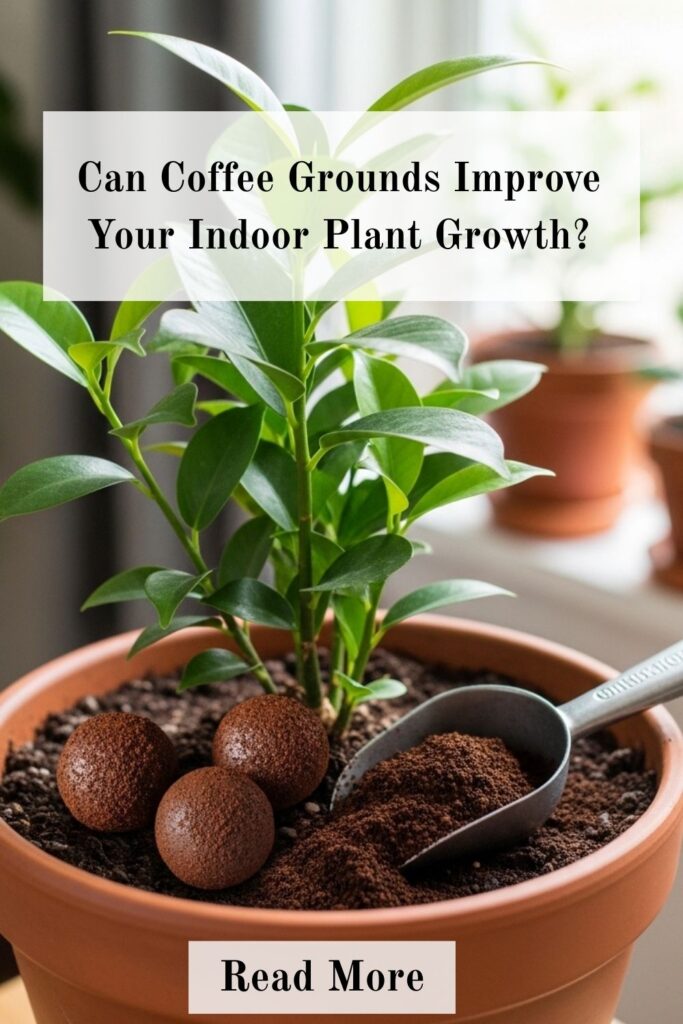
Yes, coffee grounds for houseplants can significantly improve indoor plant growth when used correctly. Rich in essential nutrients like nitrogen, phosphorus, and potassium, coffee grounds for houseplants provide a natural fertilizer that strengthens roots, promotes vibrant foliage, and enhances overall plant health. Sprinkling a thin layer of coffee grounds on the soil or mixing them lightly into potting soil allows plants to absorb these nutrients gradually. Regular use of coffee grounds for houseplants not only boosts growth but also improves soil structure and moisture retention, creating a more favorable environment for indoor plants to flourish.
In addition to nutrient benefits, coffee grounds for houseplants can encourage beneficial microbial activity in the soil, which supports healthy plant development. Certain acid-loving indoor plants, such as ferns, African violets, and gardenias, particularly thrive when coffee grounds for houseplants are incorporated into their care routine. They can also help naturally deter pests and prevent fungal problems, reducing the need for chemical treatments. By consistently using coffee grounds for houseplants in moderation, you can enjoy stronger, healthier, and more vibrant indoor greenery while recycling coffee waste in an eco-friendly way.
Eco-Friendly Gardening: Recycling Coffee Grounds for Thriving Houseplants
Recycling coffee grounds for houseplants is a simple and eco-friendly way to support sustainable gardening while keeping your indoor plants healthy. Instead of tossing leftover coffee into the trash, you can repurpose it as a nutrient-rich soil amendment. Coffee grounds for houseplants are packed with nitrogen, potassium, and other minerals that naturally enhance soil fertility, improve moisture retention, and encourage strong root development. By integrating coffee grounds for houseplants into your potting mix or sprinkling them on top of the soil, you provide your plants with a natural boost that supports lush foliage and vibrant growth.
Beyond their fertilizing benefits, using coffee grounds for houseplants promotes a more sustainable and environmentally conscious approach to indoor gardening. The grounds can help deter pests, encourage beneficial microbes, and slightly acidify the soil, which is ideal for acid-loving plants like ferns, gardenias, and African violets. With coffee grounds for houseplants, you reduce waste, minimize the need for chemical fertilizers, and create thriving, healthy indoor gardens. This eco-friendly practice turns ordinary coffee leftovers into a valuable resource that enhances plant growth while supporting sustainable living.
Plants That Thrive with Coffee Grounds
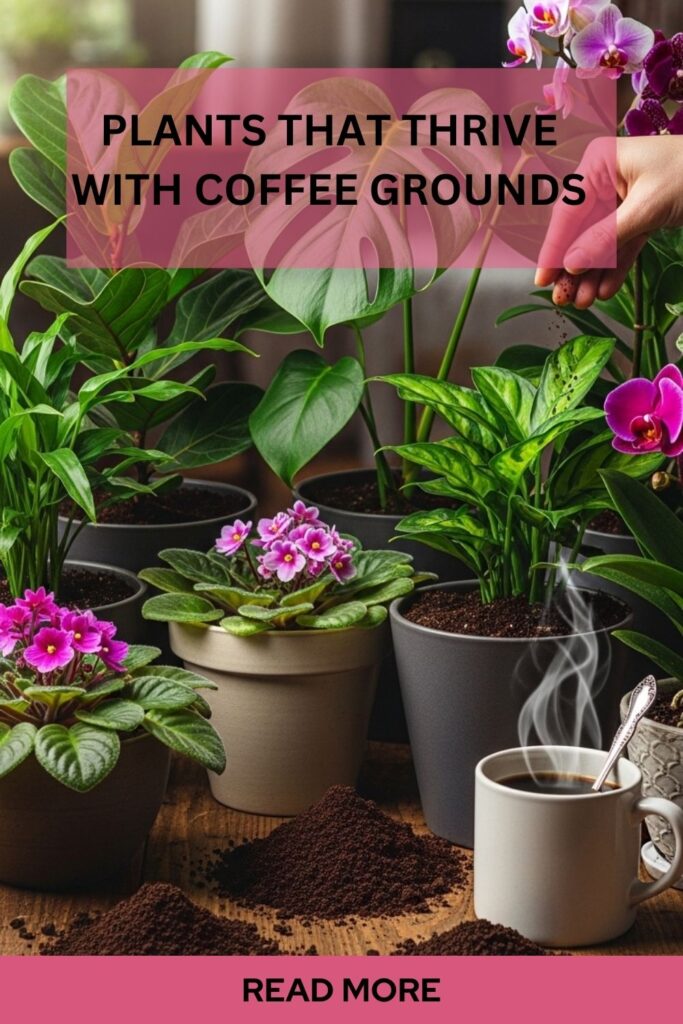
Certain houseplants particularly benefit from coffee grounds due to their slight acidity and nitrogen content:
- Acid-Loving Plants: Ferns, African violets, camellias, gardenias
- Vegetative Plants: Spider plants, pothos, philodendrons
- Flowering Indoor Plants: Orchids, peace lilies
For less tolerant plants like succulents or cacti, coffee grounds should be used sparingly or avoided entirely to prevent acidity stress.
Additional Benefits of Coffee Grounds for Houseplants
- Improved Soil Aeration – Mixing grounds prevents compacted soil in pots.
- Moisture Retention – Grounds help soil retain water, reducing frequent watering.
- Natural Pest Deterrent – Lightly sprinkled grounds can discourage ants, slugs, and some small pests.
- Eco-Friendly Recycling – Repurposing coffee grounds reduces household waste.
These benefits make coffee grounds a versatile, sustainable option for houseplant care when applied correctly.
Read More About: 20+ Stunning Spring Planter Ideas for a Fresh Garden Look
Common Mistakes to Avoid
- Over-Application: Too much can make soil overly acidic, harming plants.
- Direct Contact with Roots: Thick layers can suffocate roots or encourage mold growth.
- Using Fresh Coffee: Fresh grounds are highly acidic; always use used, cooled grounds.
- Ignoring Plant Needs: Not all plants benefit from researching each plant’s soil preference.
Proper usage ensures you enjoy benefits without damaging your houseplants.
FAQs
Are coffee grounds good for all houseplants?
Not all houseplants tolerate coffee grounds. Acid-loving and nitrogen-loving plants benefit the most, while succulents, cacti, and some orchids may not. Always use moderation.
How often should I add coffee grounds to my houseplants?
A thin layer once a month or mixing a small amount into potting soil during repotting is sufficient. Overuse can lead to soil acidity issues.
Can coffee grounds prevent pests on indoor plants?
Yes, lightly sprinkled grounds can help deter ants and small pests. However, they are not a complete pest solution and should be used alongside other care practices.
Conclusion
Coffee grounds for houseplants provide an easy, natural way to enrich soil, boost plant growth, and even deter minor pests. Used correctly, they supply essential nutrients, improve soil structure, and help indoor gardens thrive without expensive commercial fertilizers.
By integrating coffee grounds into your routine, you create a sustainable, eco-friendly solution that benefits both your plants and the environment. From acid-loving ferns to flowering African violets, most houseplants can enjoy a controlled boost of nitrogen and minerals. With careful moderation, coffee grounds can become a staple in your houseplant care toolkit, promoting healthier, greener, and more vibrant indoor greenery year-round.