Colored Lights Christmas Trees: Easy Decorating Guide
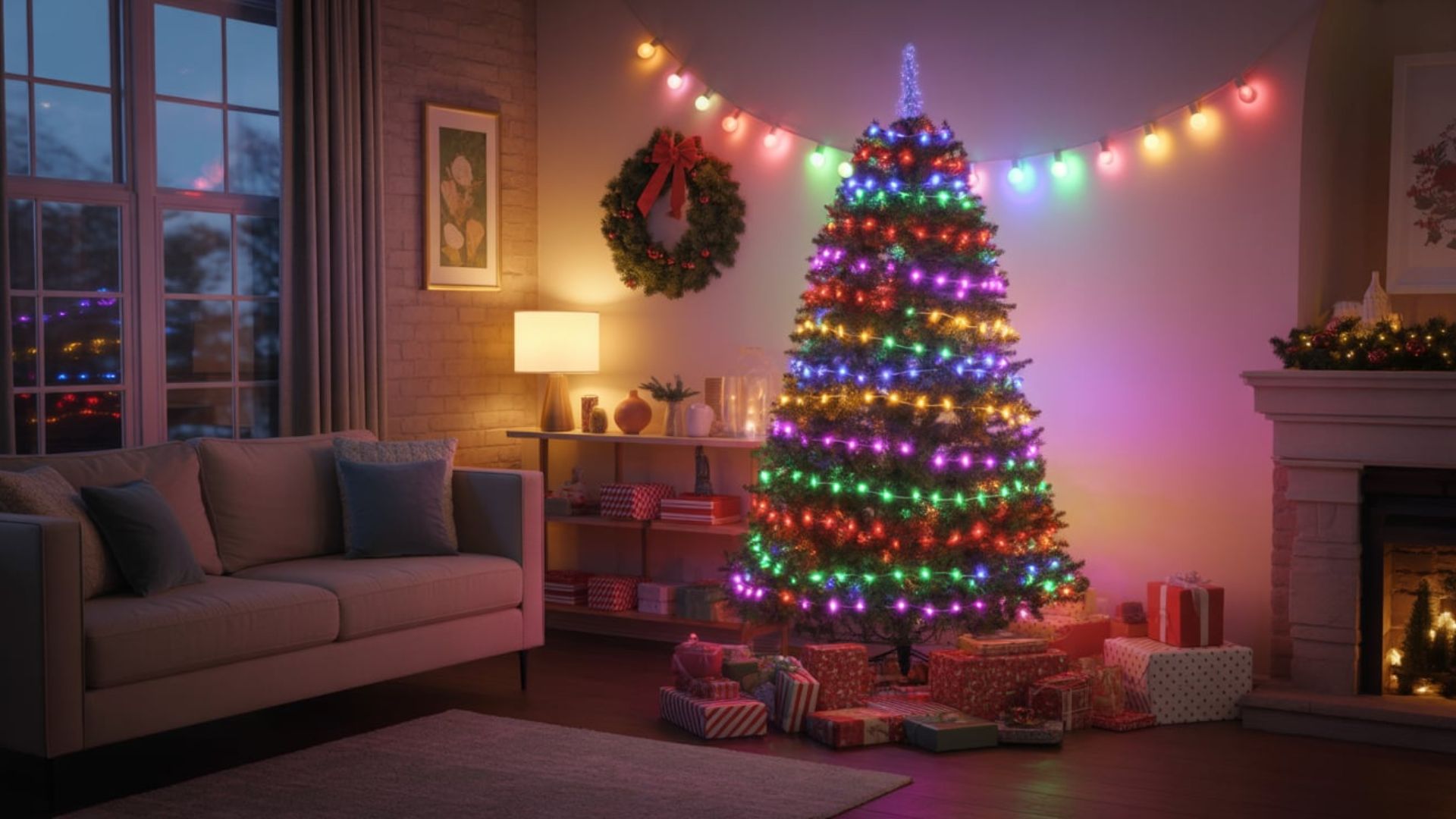
Staring at your bare Christmas tree while holding strands of tangled lights is frustrating. You want that picture-perfect, colored lights Christmas tree that makes your living room feel like a winter wonderland, but you’re unsure where to start. Should you use multicolored bulbs or stick with one color? How many lights do you actually need? And why does your tree look sparse while your neighbor’s looks professionally decorated?
Here’s the reality: Most people drastically underestimate the number of Colored Lights Christmas Trees needed and randomly wrap them without a strategy. The result? A lackluster tree that doesn’t capture the magic you envisioned. But transforming your tree into a stunning focal point isn’t difficult when you understand the fundamentals of light placement, color theory, and bulb selection. This guide walks you through everything from choosing the right multicolor Christmas tree lights to professional wrapping techniques that create depth and brilliance.
What Makes Colored Lights Perfect for Christmas Trees?
Colored lights Christmas trees displays evoke nostalgia and joy in ways that single-color schemes simply cannot match. The vibrant reds, greens, blues, and golds create a playful, festive atmosphere that appeals to families with children and anyone who cherishes traditional holiday aesthetics.
Beyond nostalgia, multicolor Christmas tree lights offer practical advantages. They complement virtually any ornament collection since the varied hues don’t clash with decorations. If you have mismatched ornaments accumulated over years, colored lights provide a unifying element that ties everything together. They also hide imperfections better than white lights if one bulb burns out, the remaining colors still create a balanced look.
Psychology plays a role too. Studies on color perception show that multiple colors stimulate visual interest and create emotional warmth. Red bulbs convey energy and excitement, green represents nature and renewal, blue brings calmness, while yellow and gold add cheerfulness. When combined on your Christmas tree with colored lights, these hues create a dynamic display that engages viewers and enhances holiday spirit throughout your home.
Read More About: Best Front Yard Christmas Decorations Ideas
How Many Colored Lights Does Your Christmas Tree Actually Need?
The golden rule for a well-lit colored Christmas tree is 100 lights per vertical foot of tree height. This formula ensures adequate coverage without creating bare spots or overwhelming brightness. A 6-foot tree requires approximately 600 lights, while an 8-foot tree needs 800 lights minimum.
Tree width matters equally. Fuller trees with dense branches require more lights to penetrate inner layers and create depth. Slim or pencil trees need fewer lights but benefit from strategic placement along branch tips. For sparse trees, increase your light count by 25% to compensate for visible gaps between branches.
Consider your desired effect when calculating Christmas tree colored lights quantities. A subtle glow requires the minimum 100 lights per foot, while a dramatic, luminous display needs 150-200 lights per foot. Professional decorators often use 200+ lights per foot to achieve magazine-worthy results. Pre-lit trees typically come with 400-700 lights total, which works for smaller trees but falls short for larger specimens. Adding extra strands of multicolor Christmas tree lights transforms a decent pre-lit tree into a spectacular centerpiece that commands attention from every angle in the room.
Which Types of Colored Christmas Lights Work Best?
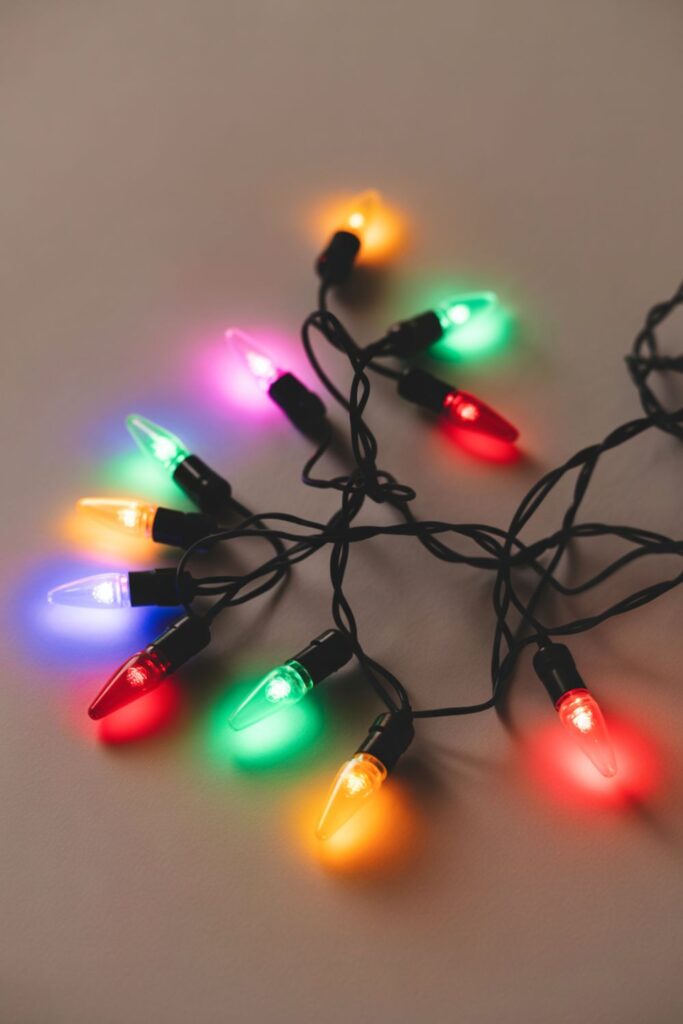
LED colored lights Christmas tree options dominate the market for good reason. LEDs consume 80% less energy than incandescent bulbs, remain cool to the touch, and last 25,000+ hours compared to incandescents’ 3,000-hour lifespan. The initial cost is higher, but you’ll save money over 5-10 seasons while reducing fire risk.
Incandescent multicolor Christmas tree lights still have devoted fans who prefer their warm, traditional glow. These bulbs emit a softer light quality that some find more authentic and nostalgic. They’re also less expensive upfront, making them suitable for one-time displays or budget-conscious decorators. However, they generate heat, increase electricity bills, and require frequent replacement.
Bulb size significantly impacts your Christmas tree with colored lights aesthetic. Mini lights (also called Italian lights) with 2.5mm bulbs create a delicate, refined look perfect for elegant displays. C6 bulbs offer a medium size that works universally well. C7 and C9 bulbs deliver bold, retro charm reminiscent of 1950s-1970s decorating styles. Mixing bulb sizes on one tree generally looks chaotic, so commit to a single size for cohesive results.
What Are the Best Colored Light Patterns for Christmas Trees?
The vertical wrapping method creates the most professional colored lights Christmas tree appearance. Start at the tree base and weave lights vertically up one branch, then back down to the trunk before moving to the next branch. This technique showcases lights from every viewing angle and creates dimensional depth.
Horizontal wrapping works faster but produces flatter results. Circle the tree from top to bottom, keeping lights close to the trunk for subtle illumination or extending them to branch tips for bolder display. This method suits multicolor Christmas tree lights well because the circular pattern distributes colors evenly around the tree’s circumference.
The zigzag or “in and out” technique combines both approaches. Wrap lights horizontally while periodically pushing strands deeper into the tree, then pulling them back out. This creates varied depth that makes your Christmas tree colored lights appear more abundant than they actually are. It’s particularly effective for filling visual gaps in sparse trees or adding complexity to artificial trees with uniform branch patterns.
How Do You Choose the Right Colored Light Combination?
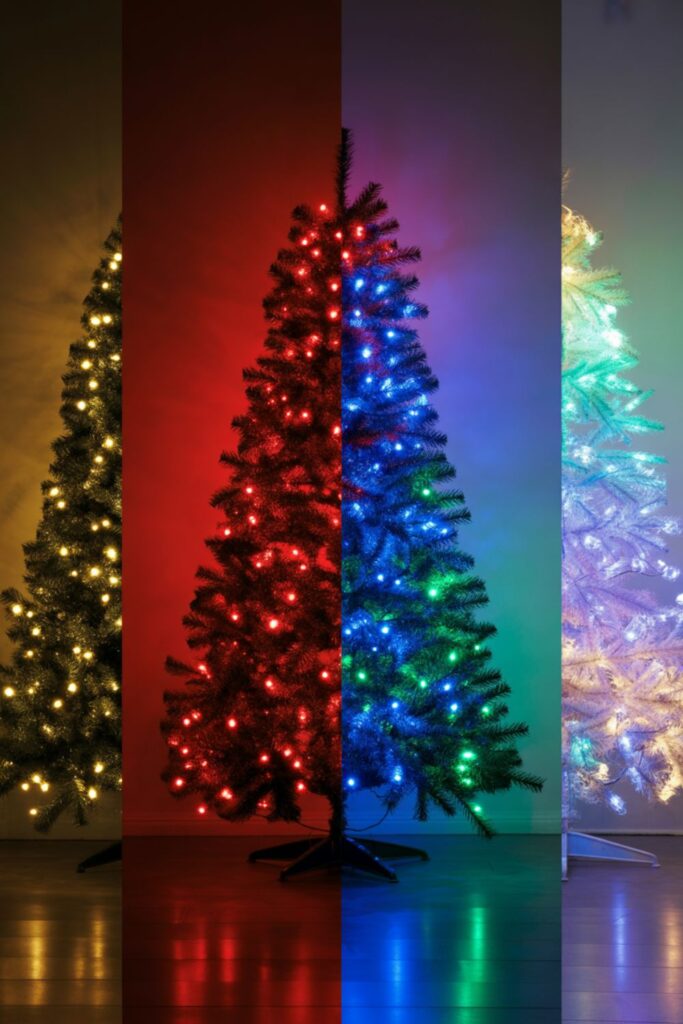
Traditional multicolor Christmas tree lights feature red, green, blue, yellow/gold, and sometimes orange or pink. This classic combination appeals to families and those who love nostalgic holiday aesthetics. The mix works because warm tones (red, yellow, orange) balance cool tones (blue, green), creating visual harmony.
Jewel-tone colored lights offer a sophisticated alternative with deeper, richer hues like ruby, emerald, sapphire, and amethyst. These colored lights Christmas tree displays appear more elegant and work beautifully in formal living rooms or alongside silver and gold ornaments. The saturated colors create drama without the playful vibe of traditional primaries.
Pastel colored lights in soft pink, mint, lavender, and baby blue create whimsical, modern displays. This Christmas tree with colored lights suits contemporary décor and appeals to decorators seeking non-traditional holiday aesthetics. Pastels work especially well on white or flocked trees where they provide gentle contrast. Consider your home’s existing color palette if you have neutral walls and furnishings, any colored light scheme works. If you have bold wall colors or patterned décor, choose lights that complement rather than compete with your interior design.
What’s the Proper Technique for Stringing Colored Lights on Christmas Trees?
Start with a lit tree in a darkened room to identify bare spots as you work. Plug in your colored lights Christmas tree strands before hanging them wrestling with an unlit tree only to discover dead bulbs wastes time and energy. Begin at the tree’s interior near the trunk, securing the first strand to inner branches with floral wire or light clips.
Work methodically from bottom to top or top to bottom consistency matters more than direction. Weave multicolor Christmas tree lights through branches rather than simply draping them over branch tops. Push some lights deeper into the tree’s interior to create glowing depth, then bring others to branch tips for surface sparkle. Maintain consistent spacing between light wraps, typically 3-4 inches apart for full coverage.
Step back frequently to assess your progress from multiple angles. What looks perfect from the front might show gaps from the side. Adjust lights as needed before moving to the next section. When connecting multiple strands of Christmas tree colored lights, hide connection points inside the tree rather than letting them hang visibly on outer branches. Secure loose wires with twist ties or light clips to prevent sagging. The final result should show evenly distributed color with no obvious bare zones or tangled clusters of bulbs in any area.
Read More About: Best Christmas Tree Lights for Perfect Holiday Glow
How Do Colored Lights Affect Different Christmas Tree Types?
Fresh-cut Christmas trees with colored lights create authentic fragrance and natural beauty. The organic irregularity of real branches gives colored lights a spontaneous, lively appearance. Pine, fir, and spruce varieties offer different needle densities that affect light distribution. Dense Douglas fir hides more lights in its interior, while sparse Scotch pine shows every strand clearly.
Artificial trees provide consistent branch spacing that simplifies colored lights Christmas tree design. Pre-lit artificial trees come with lights already integrated, but many decorators add supplemental strands of multicolor Christmas tree lights to increase brilliance. Full or ultra-full artificial trees require more lights to penetrate dense branches, while slim profiles need fewer lights but benefit from strategic placement.
Flocked trees coated with artificial snow create magical backdrops for colored lights. The white flocking reflects and diffuses Christmas tree colored lights, softening harsh bulb edges and creating a gentle glow. This works especially well with traditional multicolor combinations where the white background makes individual colors pop. White or frosted trees produce similar effects, transforming standard colored lights into statement pieces that anchor your entire holiday decorating scheme with minimal effort.
What Safety Considerations Apply to Colored Christmas Tree Lights?
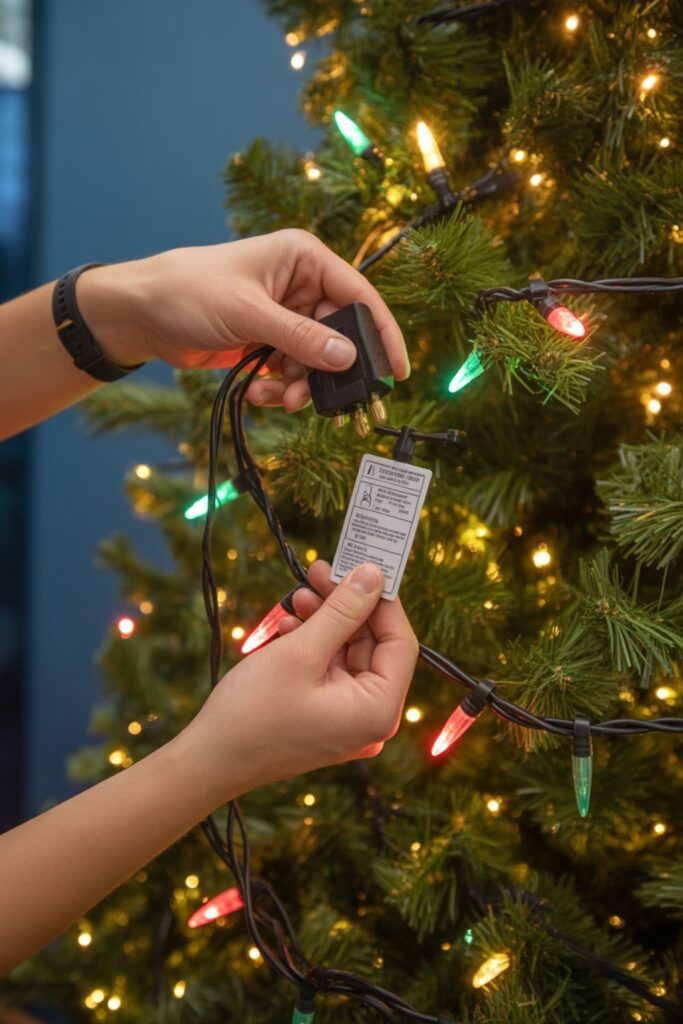
Check every strand of colored lights Christmas tree decorations for frayed wires, cracked sockets, or loose bulbs before installation. Damaged lights create fire hazards and electrical shock risks. Replacing compromised strands immediately rather than attempting repairs the $15-30 replacement cost is insignificant compared to fire damage or injury.
Never overload electrical circuits with too many multicolor Christmas tree lights. Standard household outlets support 1,800 watts maximum. LED strands use approximately 5 watts per 50-bulb strand, allowing 360 strands per outlet (realistically, you’ll never need this many). Incandescent strands consume 40 watts per 50-bulb set, limiting you to 45 strands per outlet. Use power strips with surge protection and avoid daisy-chaining more than three extension cords.
Keep Christmas tree with colored lights displays away from heat sources like fireplaces, radiators, and heating vents. Water your real tree daily to prevent drying that increases fire risk dry trees ignite quickly and burn intensely. Turn off lights when leaving home or going to bed. Consider using timers that automatically control your display, reducing energy costs while eliminating the fire risk of unattended lights. Inspect lights weekly throughout the season, removing and replacing any strands that develop problems during use.
Can You Mix Colored Lights with White Lights on Christmas Trees?
Mixing colored lights Christmas tree strands with white lights creates unique, layered displays. The combination works best when you establish a dominant light type either 70% colored with 30% white, or vice versa. Equal proportions often look indecisive and confusing rather than intentional.
Use warm white lights as a base layer deep in the tree, then add multicolor Christmas tree lights to outer branches. This technique creates dimensional depth where the white glow illuminates the tree’s interior while colored lights provide surface sparkle. The approach works beautifully on real trees where you want to highlight natural branch structure.
Alternatively, create color zones by concentrating Christmas tree colored lights in specific sections while keeping other areas white. Cluster colored lights around the tree’s midsection, leaving the top and bottom primarily white. Or place colored lights predominantly on one side of the tree, fading to white on the opposite side. These gradient effects create artistic, contemporary displays that break from traditional lighting patterns. Whatever mixing approach you choose, maintaining consistent bulb sizes throughout combining mini lights with C7 bulbs looks chaotic regardless of color scheme.
How Do You Store Colored Christmas Lights to Prevent Tangling?
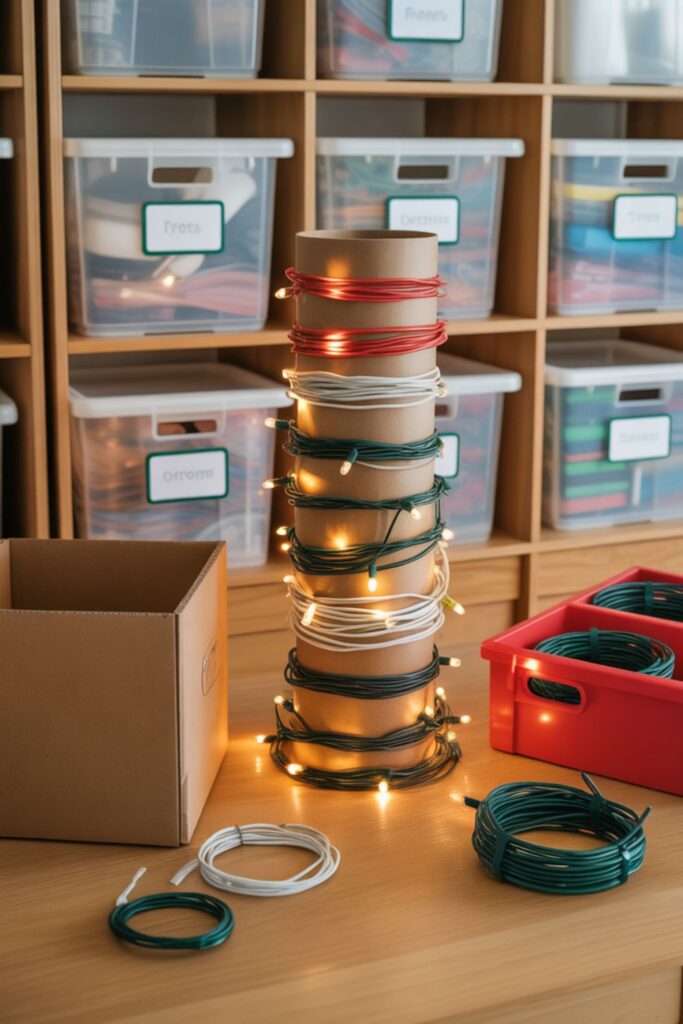
Proper storage extends your colored lights Christmas tree investment for many seasons. Wind each strand around a cardboard piece, plastic light reel, or even a coat hanger before storage. This prevents the frustrating tangles that occur when lights are simply stuffed into boxes.
Label each wrapped strand with masking tape noting bulb type, color pattern, and strand length. When next December arrives, you’ll know exactly which multicolor Christmas tree lights go where without testing every strand. Store lights in plastic bins rather than cardboard boxes plastic protects against moisture and prevents crushing.
Keep Christmas tree colored lights in climate-controlled spaces rather than extreme-temperature areas like attics or unheated garages. Temperature fluctuations stress wires and bulbs, reducing lifespan. Store LED and incandescent strands separately since they have different handling requirements. Include a few spare bulbs in each storage container for quick replacements. Test all stored lights before decorating the following year, giving yourself time to purchase replacements for failed strands rather than discovering problems mid-decoration when stores may be sold out of your preferred style.
What Are the Latest Trends in Colored Christmas Tree Lighting?
Smart colored lights Christmas tree technology allows app-based control of your display. Control brightness, change color patterns, set timers, and even sync lights to music all from your smartphone. These programmable multicolor Christmas tree lights cost more initially but offer customization impossible with traditional strands.
Ombre colored light arrangements create graduated color transitions from one hue to another. Start with blue at the tree bottom, transitioning through purple, pink, and ending with red at the top. This Christmas tree with colored lights technique creates modern, artistic displays that photograph beautifully for social media.
Vintage-style colored lights featuring large C9 bulbs in ceramic or glass housings are experiencing renewed popularity. These retro multicolor Christmas tree lights deliver nostalgic 1950s-1970s aesthetics while using modern LED technology for energy efficiency. The oversized bulbs make bold statements perfect for maximalist decorating styles or mid-century modern homes. Mixing LED technology with vintage styling gives you authentic appearance without the energy costs and fire risks of actual vintage lights from decades past.
FAQs
How many colored lights do I need for a 7-foot Christmas tree?
A 7-foot tree requires 700-1,400 colored lights depending on desired brightness. Use 100 lights per foot for subtle glow or 200 lights per foot for dramatic, luminous displays that create professional-looking results.
Are LED or incandescent colored Christmas lights better?
LED colored lights last 8x longer, use 80% less energy, and stay cool to touch, making them safer. Incandescent lights cost less upfront and provide warmer glow but increase electricity bills and fire risk significantly.
Can I leave colored Christmas tree lights on overnight?
Safety experts recommend turning off Christmas tree lights when sleeping or leaving home. Use automatic timers to control your display, reducing fire risk while maintaining the convenience of illuminated trees during waking hours.
Do colored lights make artificial trees look cheaper?
Quality colored lights enhance artificial trees when properly installed. Use sufficient light quantity (100+ per foot) and professional wrapping techniques to create depth that elevates even budget artificial trees into stunning displays.
What’s the best way to test colored Christmas lights before hanging?
Plug in each strand on a flat surface before installation. Identify dead bulbs or non-working sections, replacing them immediately. Testing before hanging saves frustration of removing and rehinging problematic strands later.
Conclusion
Creating stunning colored lights Christmas trees transforms your home into a festive sanctuary that brings joy throughout the holiday season. The key lies in proper planning, calculating the right light quantity for your tree size, selecting quality bulbs that match your aesthetic vision, and applying professional wrapping techniques that create depth and dimensional beauty. Whether you prefer traditional multicolor combinations, sophisticated jewel tones, or trendy ombre effects, colored lights offer endless possibilities for personal expression.
Success depends on attention to detail and patience during installation. Take time to weave lights through branches rather than simply draping them over surfaces, hide connection points inside the tree, and step back frequently to assess your work from multiple angles. Prioritize safety by inspecting strands for damage, avoiding circuit overloads, and never leaving lights unattended for extended periods. With proper technique and care, your colored lights Christmas trees becomes the centerpiece of your holiday decorating a glowing symbol of warmth, tradition, and celebration that creates lasting memories for everyone who experiences its magic.