Top Cool Garden Ideas to Upgrade Your Yard

Your garden looks like every other yard on the block: a predictable lawn, some standard shrubs, and absolutely nothing that makes people stop and stare. You scroll through social media seeing jaw-dropping outdoor spaces with creative features you’ve never considered, yet your own yard remains stubbornly boring despite your best efforts.
The truth hits hard: most gardens fail not from lack of effort but from lack of imagination. You’re stuck recycling the same tired ideas everyone else uses because you haven’t discovered the innovative approaches that transform ordinary yards into extraordinary outdoor living spaces. Creative gardens don’t require massive budgets or professional landscapers; they need fresh perspectives and willingness to try something different.
This guide delivers the cool garden ideas that will revolutionize how you think about outdoor spaces. From unexpected materials to innovative layouts, from artistic installations to functional features that double as conversation pieces, you’ll discover approaches that work for any budget, skill level, and yard size. These aren’t your grandmother’s garden ideas; these are modern, creative solutions that reflect how people actually want to use outdoor spaces today.
What Makes a Garden Design Truly Cool and Unique?
Cool garden design breaks conventions while maintaining functionality and beauty. The most memorable gardens share specific qualities that elevate them beyond standard landscaping into the realm of outdoor art.
Unexpected elements create instant intrigue. This might be repurposed materials used in surprising ways, shipping pallets transformed into vertical planters, vintage doors becoming garden gates, or copper pipes fashioned into modern trellises. According to garden designers, spaces that incorporate at least one unexpected element generate significantly more engagement and satisfaction from owners and visitors alike.
Bold color choices distinguish memorable gardens from forgettable ones. Instead of safe, neutral tones, cool garden ideas embrace vibrant paint colors on fences, furniture, and structures. A bright turquoise garden shed, coral-painted planters, or a yellow accent wall creates energy that neutral tones never achieve. Color psychology research shows that saturated hues in outdoor spaces boost mood and create stronger emotional connections to the environment.
Multi-functionality separates truly innovative designs from merely pretty ones. The coolest gardens incorporate features that serve multiple purposes seating that includes built-in planters, fire pits that double as sculptural focal points, or pergolas that provide both shade and vertical growing space for edibles. This approach maximizes value from every element while reducing clutter.
Interactive components engage users beyond passive observation. Water features you can touch, kinetic sculptures that move with wind, chalkboard walls for creativity, or musical elements like wind chimes create memorable experiences. Gardens that invite interaction become destinations rather than simple viewing spaces.
How Can You Create an Outdoor Living Room in Your Garden?
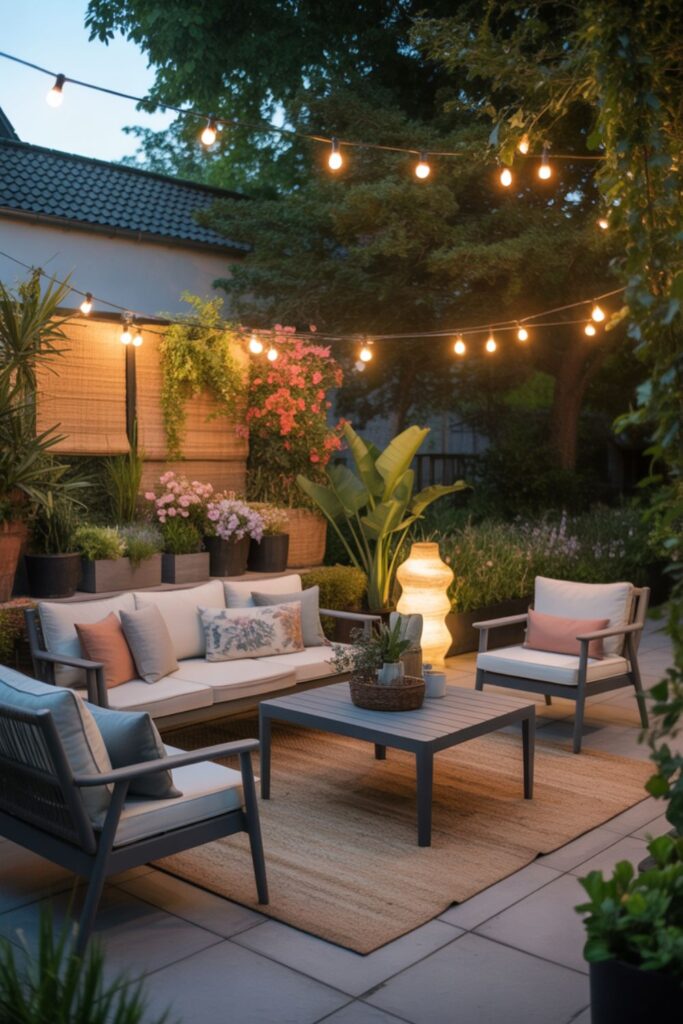
Outdoor living rooms extend your home’s functional space while blurring boundaries between indoor and outdoor environments. This concept transforms gardens from occasional-use areas into daily destinations.
Start by defining the “room” with clear boundaries. Use outdoor rugs to anchor the space and establish the floor area. Install pergolas, shade sails, or retractable awnings for ceiling elements that provide shelter without feeling enclosed. Create walls with privacy screens, tall planters filled with ornamental grasses, or strategically placed trellises covered in climbing vines.
Furnish the space with genuine comfort in mind. Weather-resistant sofas and sectionals with deep cushions invite lounging rather than perching. Include coffee tables, side tables, and ottomans just as you would indoors. Companies like Article, West Elm, and Pottery Barn now offer outdoor collections that rival indoor furniture in comfort and style. Invest in quality pieces that withstand weather rather than cheap alternatives that deteriorate quickly.
Outdoor lighting transforms usability from daylight-only to evening entertainment space. Layer multiple light sources, string lights overhead for ambient glow, lanterns or sconces on walls for task lighting, and LED candles or fire features for focal points. Smart outdoor lighting systems let you adjust brightness and color temperature from your phone, creating different moods for various occasions.
Add creature comforts that make the space irresistible. Outdoor heaters extend the season into cooler months. Weather-resistant throw pillows and blankets add coziness. Install outdoor speakers for music. Include charging stations for devices. A small outdoor refrigerator or beverage cooler eliminates constant trips indoors. These thoughtful additions transform the space from occasionally used to genuinely preferred over indoor rooms.
Read More About: Complete Raised Garden Beds Guide for Gardening Success
What Are the Most Innovative Vertical Garden Ideas?
Vertical gardens solve multiple challenges simultaneously they maximize growing space in small yards, create living privacy screens, and add dramatic architectural interest to blank walls and fences.
Living Walls and Green Walls
Living wall systems transform vertical surfaces into lush tapestries of plants. Modular pocket planters mount directly to walls or fences, creating customizable patterns. Companies like Woolly Pocket and Florafelt manufacture felt systems with built-in irrigation that keeps plants consistently watered. These installations work brilliantly for herbs, succulents, ferns, and trailing plants.
For DIY enthusiasts, gutter gardens offer budget-friendly alternatives. Mount vinyl rain gutters horizontally at staggered heights on sunny walls. Drill drainage holes every 12 inches, fill with potting soil, and plant shallow-rooted crops like lettuce, strawberries, and herbs. This approach costs $50-100 for impressive coverage and produces substantial harvests from minimal square footage.
Pallet Gardens
Repurposed wooden pallet gardens combine sustainability with industrial-chic aesthetics. Stand pallets vertically against walls or fences, attach landscape fabric to the back and bottom to hold soil, then fill the gaps between slats with soil and plants. Succulents, herbs, and flowering annuals thrive in these vertical arrangements. Paint or stain pallets in bold colors for personalized style.
Trellis and Climbing Structures
Creative trellis designs add architectural drama while supporting productive climbers. Geometric metal frameworks in triangular, hexagonal, or abstract patterns create modern focal points. Bamboo teepees arranged in groups provide rustic charm. Arched tunnels covered in climbing roses or passionflower transform pathways into enchanting experiences. Training edible vines like cucumbers, beans, and small melons on vertical structures maximizes harvests in compact spaces.
How Do You Incorporate Water Features That Stand Out?
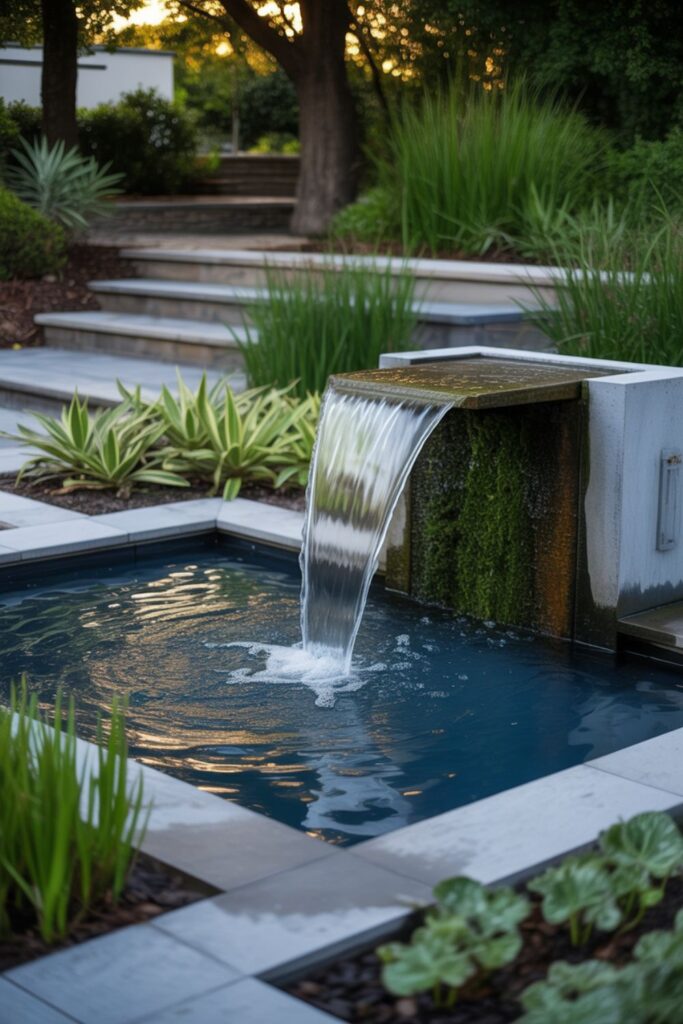
Water features add sensory richness to sound, movement, and reflection that static elements can’t match. Modern interpretations move beyond traditional fountains into territory that genuinely surprises.
Rill Water Features
Rill gardens use narrow, shallow channels of flowing water to create minimalist elegance. These linear water features originated in Persian and Moorish gardens but adapt beautifully to contemporary landscapes. Construct rills from poured concrete, metal troughs, or natural stone. Position them to bisect patios, run along pathways, or define borders between garden areas. The gentle sound of water flowing through narrow channels creates tranquility without overwhelming smaller spaces.
Disappearing Fountains
Pondless or disappearing water features deliver the sight and sound of waterfalls without standing water concerns. Water bubbles up through stacked stones, hollowed boulders, or decorative urns, then disappears into underground reservoirs where pumps recirculate it continuously. These features work safely around children and pets while requiring minimal maintenance compared to traditional ponds.
Rain Chains
Rain chains replace downspouts with artistic alternatives that transform rainfall into visual spectacle. These chains ranging from simple linked copper chains to elaborate cup designs guide water from gutters to ground level through visible, decorative pathways. The sound of water cascading down chains during storms provides a surprisingly pleasant ambiance. Install rain chains above decorative gravel beds or rain gardens for proper drainage and visual interest.
Contemporary Reflecting Pools
Shallow reflecting pools create stunning mirror effects that double visual impact of surrounding plantings and sky. Unlike deep ponds requiring filtration and maintenance, reflecting pools maintain just 6-12 inches of water depth. Construct them with dark-colored liners that enhance reflection. Position them to capture reflections of architectural features, dramatic plants, or overhead trees for constantly changing artistic displays.
What Are Creative Uses for Lighting in Garden Design?
Garden lighting design extends beyond basic pathway illumination into artistic territory that transforms nighttime ambiance completely. Strategic lighting creates after-dark experiences that rival daytime beauty.
Moonlighting Techniques
Moonlighting positions fixtures high in trees, aiming downward to create dappled light patterns that mimic natural moonlight filtering through branches. This subtle technique provides ambient illumination without harsh spotlighting effects. The interplay of light and shadow creates depth and mystery that standard lighting misses entirely.
Color-Changing LED Systems
Modern smart LED lights adjust color temperature and hue to match occasions and moods. RGB systems shift from warm amber for intimate dinners to vibrant colors for parties. Program lights gradually transition through color spectrums automatically, creating dynamic environments that evolve throughout evenings. Brands like Philips Hue and LIFX offer outdoor-rated systems controllable via smartphone apps.
Fire Features as Lighting
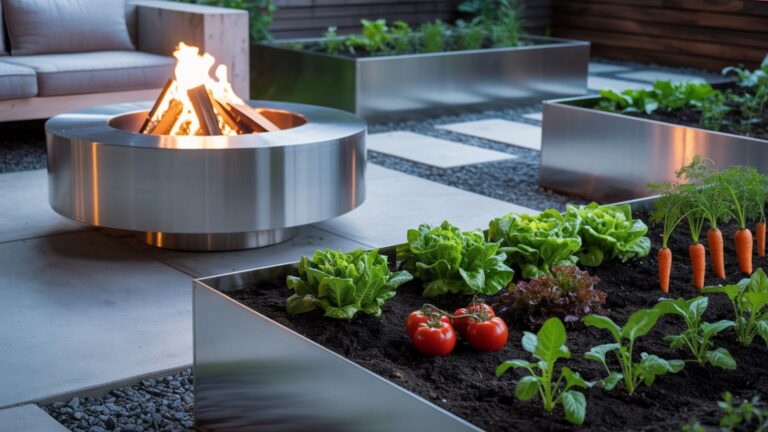
Fire elements provide primal appeal alongside functional lighting. Modern fire pits come in sleek designs: rectangular steel frames, spherical sculptures, or minimalist concrete bowls that work as daytime focal points and evening light sources. Fire tables combine dining surfaces with central flames, maximizing functionality. Bioethanol burners offer portable fire without smoke, gas lines, or wood storage requirements.
Artistic Lighting Installations
Light becomes art through creative installations. String lights arranged in geometric patterns across overhead structures create room-defining sculptures. Solar-powered garden stakes designed as artistic shapes, abstract forms, oversized flowers, or whimsical creatures dot beds with personality. Illuminated planters with LED bases create glowing focal points that highlight specimen plants while providing ambient light.
How Can You Create Secret Garden Spaces Within Larger Yards?
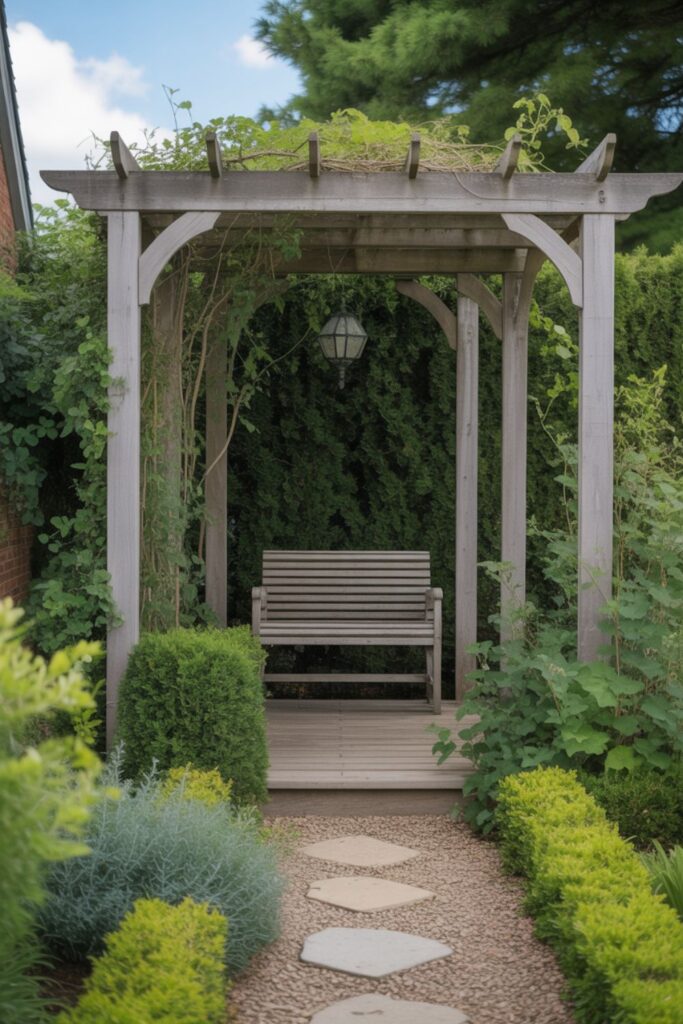
Secret garden rooms add mystery and discovery to landscapes while providing intimate spaces that feel removed from everyday surroundings. These hidden sanctuaries create a sense of adventure within your own property.
Concealed entrances build anticipation and privacy. Arched openings through tall hedges, narrow pathways that wind behind screening plants, or gates set within living walls all create the threshold experience that defines secret spaces. The journey into the hidden area matters as much as the destination itself.
Enclosure creates the essential sense of separation from surrounding areas. Use tall evergreen hedges like arborvitae or boxwood to construct living walls that block views and sound. Install lattice panels covered in climbing roses, jasmine, or clematis for faster results than hedges alone. Bamboo screens provide contemporary alternatives with natural sound-dampening properties.
Hidden garden elements within these rooms amplify the special feeling. Tuck benches into alcoves where they’re visible only upon entering. Include water features whose sounds lure visitors forward. Plant scented varieties like lavender, honeysuckle, or gardenia that engage the senses. Install statuary or garden art as surprise discoveries. The goal is creating spaces that reward exploration and offer something new with each visit.
Scale these concepts to available space even small yards can include tiny hidden corners created with strategic screening. A 6×8 foot area behind tall ornamental grasses or a bamboo screen becomes an intimate retreat when furnished with a single chair and surrounding plants.
What Are Bold Hardscaping Ideas That Make Statements?
Hardscaping provides permanent structure and year-round visual interest that plants alone can’t achieve. Innovative approaches transform functional elements into artistic features.
Geometric Concrete Patterns
Modern concrete patios move beyond standard gray slabs into geometric territory. Pour concrete in hexagonal, triangular, or irregular organic shapes separated by strips of contrasting gravel or groundcover. Acid-staining creates rich color variations earth tones, blues, or even black that traditional concrete lacks. Stamped patterns mimicking wood planks, stone, or tile provide textured surfaces at costs below genuine materials.
Mixed Material Combinations
Combining hard-scape materials creates visual interest through contrast. Pair smooth concrete pavers with rough natural stone. Alternate wood decking sections with gravel or decomposed granite. Border brick pathways with metal edging strips. These combinations prevent monotony while defining different garden zones clearly.
Gabion Walls and Features
Gabion structures wire cages filled with rocks offer industrial aesthetics with practical benefits. Use gabions for retaining walls, raised bed borders, or freestanding privacy screens. Fill cages with local stone for rustic effects or glass chunks for contemporary sparkle. The permeable nature of gabion walls provides excellent drainage while creating substantial architectural presence.
Sculptural Steps and Pathways
Functional pathways become artistic when designed creatively. Floating concrete pads surrounded by groundcovers create modern minimalism. Mosaic tile inserts in concrete steppers add bursts of color and pattern. Reclaimed materials like vintage bricks, cobblestones, or slate pieces arranged in irregular patterns tell stories while providing durable walking surfaces.
How Do You Design Gardens That Appeal to Multiple Senses?
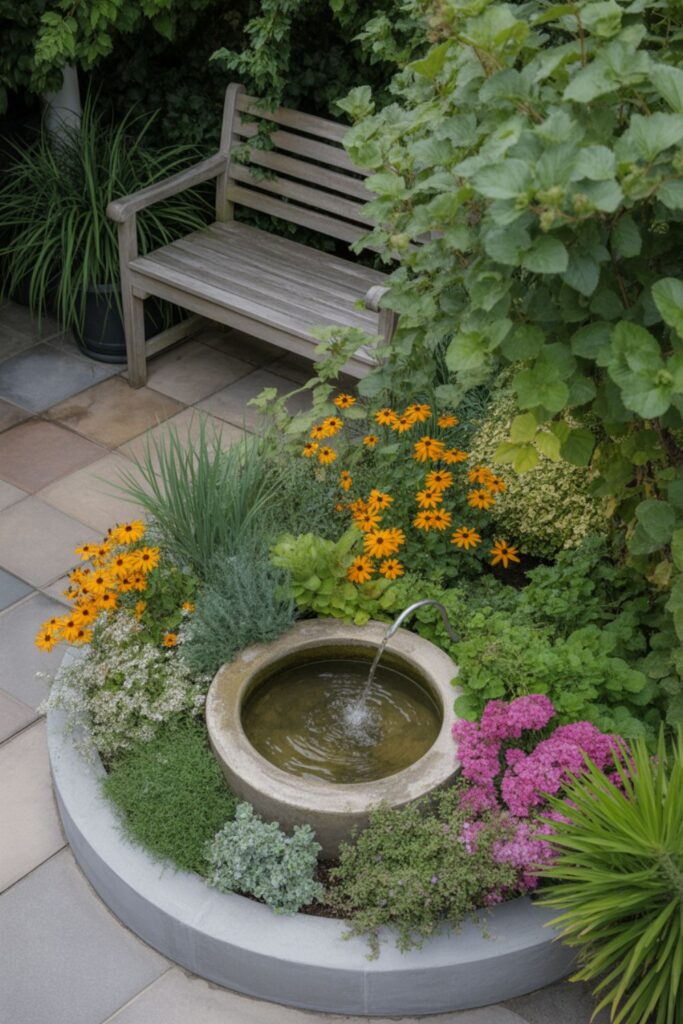
Sensory gardens engage beyond visual beauty to create immersive experiences. These multi-dimensional spaces provide richer connections to nature and enhanced therapeutic benefits.
Fragrance Gardens
Scented plantings transform gardens into aromatic experiences. Layer fragrances by bloom time include hyacinths and lilacs in spring, roses and lavender in summer, osmanthus and sweet autumn clematis in fall. Position fragrant plants near seating areas, along frequently used pathways, and beneath windows where scents drift indoors. Include night-blooming varieties like moonflower and evening primrose for after-dark fragrance.
Textural Diversity
Plant selection for texture contrast adds tactile dimension. Lamb’s ear provides soft, fuzzy leaves that children (and adults) can’t resist touching. Ornamental grasses offer feathery plumes that wave with breezes. Succulents present geometric, architectural forms. Artemisia delivers silvery, finely cut foliage. Vary not just flower colors but leaf shapes, sizes, and surfaces for richer visual and tactile experiences.
Sound Elements
Garden sounds create an atmosphere beyond silence. Water features provide constant gentle background noise. Wind chimes from delicate glass tinkling to deep bamboo tones respond to breezes. Plant rustling grasses like giant miscanthus or bamboo species that create natural white noise. Include bird-friendly plantings and feeders to attract avian songs.
Edible Landscaping
Edible gardens engage taste alongside other senses. Integrate fruiting plants, herbs, and vegetables throughout ornamental beds rather than segregating them. Blueberry bushes offer spring flowers, summer fruit, and fall color. Strawberries work as groundcovers. Alpine strawberries edge pathways perfectly. Currants and gooseberries function as foundation plantings. This approach delivers beauty and productivity simultaneously.
What Are Unique Container Garden Ideas?
Container gardening offers flexibility and creativity impossible with in-ground plantings. Innovative container choices transform functional pots into artistic statements.
Unconventional Container Materials
Look beyond terra cotta and plastic to repurposed containers with character. Vintage galvanized washtubs, enamelware colanders, wooden crates, and metal toolboxes all convert into distinctive planters after drilling drainage holes. Old wheelbarrows, children’s wagons, and even bathtubs become mobile gardens with personality. These repurposed items cost pennies at thrift stores and yard sales while adding unique charm.
Hypertufa Containers
Hypertufa planters handcrafted from concrete, peat moss, and perlite mimic weathered stone at a fraction of the cost. Mix these ingredients into moldable material, shape by hand or in forms, then cure for several weeks. The porous material ages beautifully and weighs less than solid concrete. Create custom sizes and shapes impossible to purchase ready-made.
Vertical Container Towers
Stacking container towers multiply growing space vertically. Purpose-built systems like GreenStalk or Mr. Stacky feature rotating tiers with multiple planting pockets. DIY versions use stacked cinder blocks with plants growing from the openings. Strawberry towers with multiple pockets work for more than just strawberries, herbs, lettuce, and flowers thrive in these space-saving structures.
Themed Container Collections
Create container groupings around themes for cohesive impact. Mediterranean collections combine terra cotta pots planted with lavender, rosemary, and olive trees. Tropical themes feature bright ceramic containers holding cannas, elephant ears, and coleus. Monochromatic schemes use containers in single colors all white, all black, or matching jewel tones for sophisticated unity.
Read More About: Best Garden Inspo Ideas for a Personal Outdoor Paradise
How Can You Make Small Gardens Feel Larger and More Interesting?
Small garden design employs specific techniques that expand perceived space while packing in personality. These strategies prove that square footage matters less than smart design.
Diagonal Layouts
Angling pathways and beds diagonally across spaces rather than parallel to boundaries creates the illusion of greater distance. Diagonal lines force the eye to travel longer paths from corner to corner compared to straight side-to-side views. This simple reorientation can make small yards feel 20-30% larger without adding any actual space.
Layered Screening
Strategic screening creates the impression of multiple garden rooms within small footprints. Position tall ornamental grasses, bamboo, or lightweight lattice panels to partially obscure views of the entire space at once. This layering adds mystery and makes gardens feel more complex and explorable than when everything’s visible from a single vantage point.
Mirror Illusions
Outdoor mirrors positioned strategically create dramatic illusions of expanded space. Weather-resistant acrylic mirrors mounted on fences or walls reflect existing plantings, effectively doubling visual depth. Frame mirrors to look like windows or garden gates for maximum effect. This theatrical trick genuinely fools the eye when executed well.
Vertical Emphasis
Drawing eyes upward makes spaces feel larger by shifting focus from limited ground area to available vertical dimension. Tall narrow trees like columnar hornbeams or sky pencil hollies add height without width. Climbing vines on walls and fences create living vertical interest. Obelisks, tuteurs, and other vertical structures emphasize upward movement.
Frequently Asked Questions
What’s the easiest way to make a garden look modern?
Simplify your plant palette to 5-7 species maximum, repeated throughout for rhythm. Use geometric hardscaping with clean lines, rectangular pavers, metal edging, concrete borders. Choose sculptural plants like ornamental grasses, agaves, and architectural evergreens over fussy perennials. Add one contemporary element like a steel planter, modern lighting fixture, or minimalist water feature.
How can I make my garden more interesting without spending much money?
Paint existing structures in bold colors, sheds, fences, planters, and furniture transform instantly with quality outdoor paint costing $30-50. Repurpose materials creatively as planters, trellises, or garden art. Divide existing perennials to create mass plantings rather than buying new plants. Create DIY lighting with string lights and solar-powered stake lights. Focus budget on one statement piece rather than spreading money across multiple mediocre items.
What garden features add the most value to a property?
Mature trees provide the highest return on investment, adding 7-19% to property values according to real estate studies. Outdoor living spaces with quality hardscaping typically recoup 70-80% of costs. Professional landscape lighting increases security while boosting curb appeal. Low-maintenance designs appeal to buyers who want beauty without ongoing effort. Water features and fire pits create emotional connections that justify higher asking prices.
How do I create a garden that looks good year-round?
Include evergreen plants for 30-40% of total plantings to maintain structure through winter. Choose plants with multiple seasons of interest spring flowers, summer foliage, fall color, and interesting bark or seed heads. Add hardscaping elements like pathways, walls, and structures that provide visual interest regardless of season. Install quality lighting that makes gardens beautiful even after plants go dormant.
What’s trending in garden design right now?
Sustainable practices including native plants, rainwater harvesting, and pollinator-friendly plantings dominate current trends. Outdoor rooms with full amenities kitchens, heating, lighting extend living space. Edible landscaping integrates food production with ornamental beauty. Dark, moody color palettes using burgundy, purple, and black foliage create sophisticated ambiance. Low-maintenance designs that require minimal intervention appeal to busy homeowners.
Conclusion
The cool garden ideas in this guide prove that extraordinary outdoor spaces result from creative thinking rather than massive budgets or professional help. Whether you incorporate unexpected materials, bold colors, innovative features, or multi-sensory elements, the key lies in moving beyond conventional approaches into territory that reflects your unique style and needs.
Start by implementing one bold idea that genuinely excites you rather than attempting complete transformation immediately. That vertical garden, colorful accent wall, or creative water feature becomes the catalyst that inspires additional improvements. As you experience the joy of a truly personalized outdoor space, you’ll discover that cool gardens aren’t about following trends they’re about creating environments that make you never want to go back indoors. Your yard holds incredible potential waiting for imagination and willingness to try something different. Choose one idea, commit to making it happen, and watch your ordinary garden transform into the extraordinary space you’ve been craving.