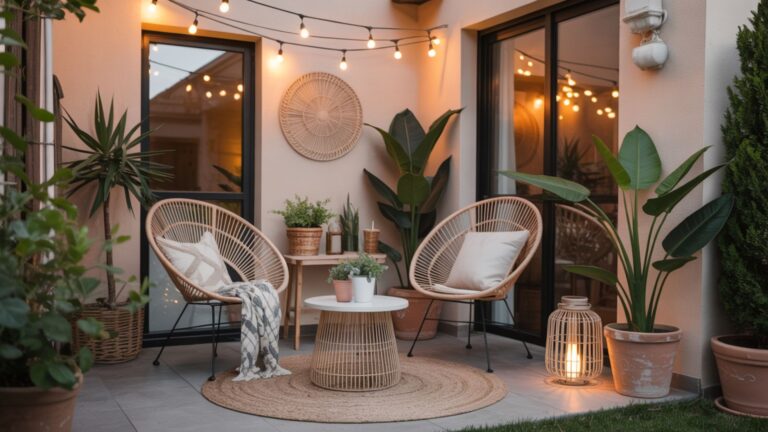
45+ Courtyard Garden Design Ideas

You step outside and face a bland, boxed-in space that feels more like a forgotten corner than the outdoor retreat you envisioned. Your courtyard garden sits there, begging for transformation but you’re stuck wondering where to start. The walls feel confining, the layout seems awkward, and you can’t shake the feeling that this small patch of earth will never become the sanctuary you crave. Here’s the truth: courtyard garden design ideas aren’t about fighting your space’s limitations, they’re about embracing them. With strategic plant selection, clever hardscaping, and thoughtful zoning, your enclosed outdoor area can become the most valuable square footage in your home.
This guide walks you through proven design principles, inspiring styles, and practical solutions that transform cramped courtyards into stunning outdoor living spaces that punch well above their weight.
What Makes Courtyard Gardens Unique?
Courtyard gardens operate under different rules than traditional landscapes. These enclosed garden design spaces offer inherent privacy that open yards can’t match, creating intimate environments perfect for relaxation and entertainment. The surrounding walls or structures provide natural wind protection, allowing you to grow tender plants that would struggle in exposed locations. This microclimate advantage extends your growing season and expands your plant palette beyond what neighbors with open gardens can achieve.
The confined nature of small courtyard gardens forces intentional design choices that often result in more cohesive, impactful spaces. Every element earns its place through function or beauty, preferably both. Unlike sprawling landscapes where mistakes disappear into the background, courtyard design rewards precision and punishes clutter. This constraint becomes your creative advantage, pushing you toward thoughtful courtyard landscaping that maximizes every inch without feeling cramped.
How Do You Plan a Courtyard Garden Layout?
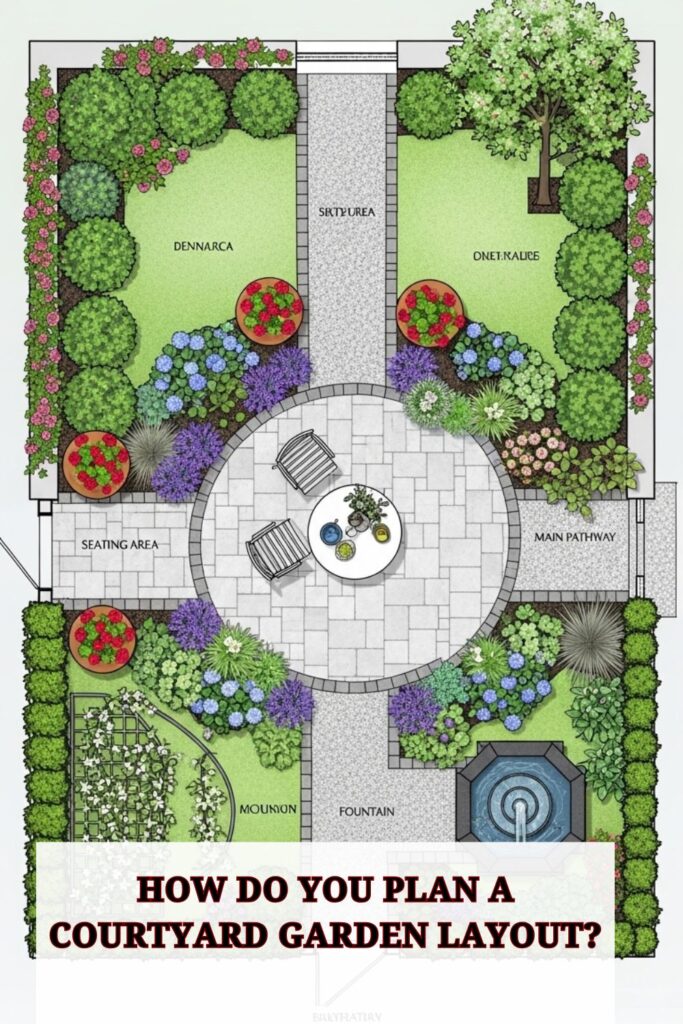
Start by mapping your space’s sun exposure throughout the day. Urban courtyard spaces typically receive limited direct sunlight due to surrounding structures, making light patterns your primary design driver. Mark areas that get morning sun, afternoon shade, and full-day shadows. This information determines where you’ll place seating areas, position sun-loving plants, and install features requiring specific light conditions.
Divide your courtyard into functional zones that serve distinct purposes. A successful modern courtyard design might include a dining zone near the kitchen door, a lounging area in the sunniest corner, and a green wall in the shadiest section. These garden zones don’t require physical barriers; changes in hardscaping materials, plant height, or elevation create natural divisions. Consider traffic flow between zones, ensuring paths feel intuitive rather than forced. Your layout should guide visitors through the space while maintaining sight lines that make the courtyard feel larger than its actual footprint.
What Are the Best Hardscaping Materials for Courtyards?
Hardscaping forms your courtyard’s backbone, providing structure that remains attractive year-round. Permeable paving options like gravel, decomposed granite, or porous pavers solve drainage issues common in enclosed garden design while adding texture underfoot. These materials cost less than solid paving and allow rainwater to reach plant roots instead of pooling on impervious surfaces. Large-format pavers create fewer grout lines, which visually expand small spaces by reducing visual clutter.
Natural stone brings timeless elegance to Mediterranean courtyard designs, weathering beautifully as it ages. Bluestone, limestone, and travertine handle temperature fluctuations without cracking, though they require sealing in freeze-thaw climates. For modern courtyard design, consider concrete pavers in oversized rectangles or squares; their clean lines complement contemporary architecture while costing significantly less than natural stone. Mix materials thoughtfully: combining gravel paths with stone sitting areas or wood decking with concrete pavers adds visual interest without overwhelming compact spaces.
Which Plants Thrive in Enclosed Courtyard Environments?
Plant selection for courtyard gardens prioritizes specimens that tolerate shade, handle reflected heat from walls, and provide year-round interest in close-up viewing conditions. Evergreen shrubs like boxwood, holly, and yew create permanent structure while requiring minimal maintenance. These workhorses anchor your design, allowing you to layer seasonal color around their consistent framework. Japanese maples excel in small courtyard gardens, offering sculptural branching, spectacular fall color, and shade tolerance that suits partially sunny courtyards.
Vertical gardens maximize planting space without sacrificing floor area. Climbing roses, clematis, jasmine, and hydrangea anomala scale walls beautifully, transforming blank surfaces into living tapestries. For shaded courtyards, climbing hydrangeas and Boston ivy thrive where sun-lovers fail. Ferns, hostas, and astilbes fill ground-level spaces with lush foliage that reads as sophisticated rather than apologetically shade-tolerant. In sunny urban courtyard spaces, Mediterranean plants like lavender, rosemary, and santolina deliver fragrance, texture, and drought tolerance while thriving in the intense heat that enclosed spaces generate.
How Can You Create Privacy in a Courtyard Garden?
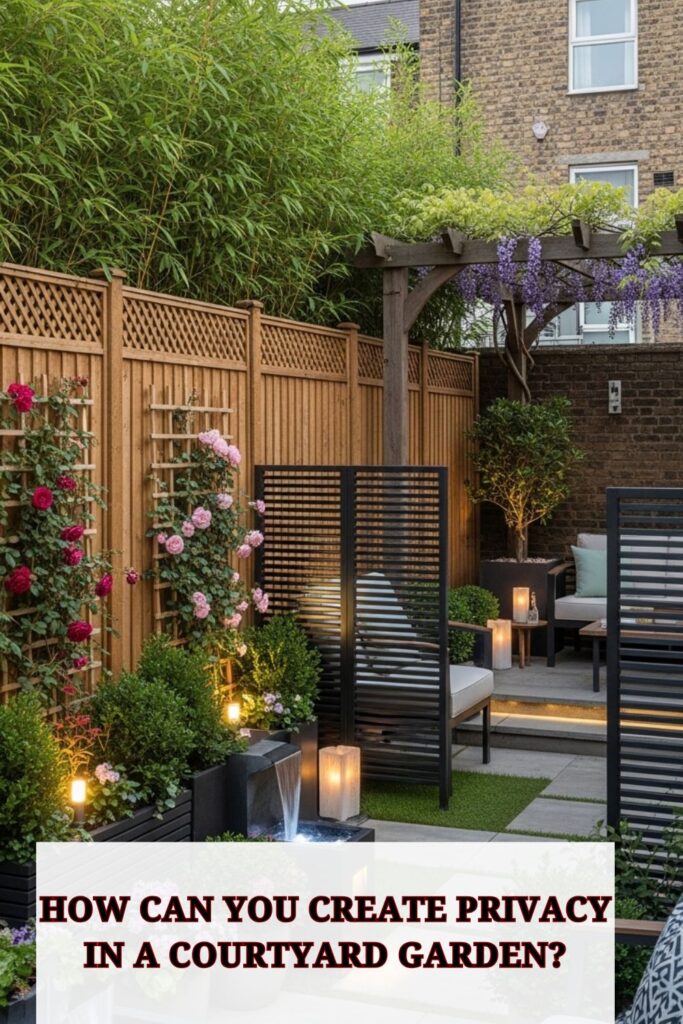
Privacy in courtyard garden design ideas comes from layering rather than single solutions. Tall grasses like miscanthus and bamboo create living screens that move with wind, adding dynamism while blocking sight lines. These plants establish quickly and cost less than installing solid fencing or walls. For immediate results, tall planters with mature evergreen shrubs or small trees provide instant screening that you can rearrange as your needs change.
Overhead structures transform courtyards into outdoor rooms with defined ceilings that enhance privacy from upper-story windows. Pergolas draped with wisteria, grapevines, or climbing roses create dappled shade while blocking views from above. Retractable awnings offer adjustable coverage, letting you control sun exposure and privacy throughout the day. Strategically placed trees become living architecture; a multi-stem river birch or serviceberry positioned near a property line blocks views without the hostile appearance of solid screening.
What Role Does Water Play in Courtyard Design?
Water features bring movement, sound, and cooling effects to courtyard landscaping that static elements can’t match. Wall-mounted fountains conserve precious floor space while masking traffic noise with gentle water sounds. These fixtures range from classical stone scuppers to minimalist steel sheets, letting you match your courtyard’s architectural style. The sound of moving water creates acoustic privacy, making conversations feel more intimate even in dense urban settings.
Reflecting pools add visual depth to small courtyard gardens by mirroring sky and foliage, effectively doubling your perceived space. These shallow water features work particularly well in modern courtyard design, where their geometric shapes echo contemporary architecture. Even a simple stone basin filled with water lilies or papyrus becomes a focal point that draws eyes and creates a meditative quality. The rill features narrow water channels inspired by Mediterranean courtyard traditions that guide visitors through your space while adding the luxury of flowing water.
Read More About: Genius Railroad Tie Landscaping Ideas That Will Transform Your Yard
How Do You Design Effective Courtyard Lighting?
Lighting design extends your courtyard’s usability beyond daylight hours while creating an atmosphere that daytime views can’t achieve. Layer ambient, task, and accent lighting for maximum flexibility. String lights or lanterns provide soft ambient illumination perfect for entertaining, while recessed path lights ensure safe navigation without glare. Position uplights at the base of trees or architectural features to create dramatic shadows on walls, adding depth and theater to your enclosed garden design.
LED strips hidden beneath bench seating or planter edges deliver modern sophistication through indirect illumination. These fixtures highlight your courtyard’s horizontal planes without visible bulbs that interrupt sight lines. For Mediterranean courtyard aesthetics, wall-mounted lanterns with warm-toned bulbs create authentic Old World ambiance. Install lighting on dimmers or smart controls to adjust intensity for different occasions bright for dinner parties, subdued for quiet evenings. Solar-powered options work well for urban courtyard spaces where running electrical lines proves difficult or expensive.
What Are the Best Seating Options for Small Courtyards?
Seating areas in courtyard garden design ideas must balance comfort with spatial efficiency. Built-in benches with storage underneath serve double duty, providing places to sit while hiding cushions, tools, or toys. L-shaped banquettes maximize corner spaces, creating cozy conversation areas that feel intimate rather than cramped. Add weatherproof cushions in colors that complement your plant selection for comfort that doesn’t compromise your design vision.
Bistro sets work beautifully in compact patio garden ideas, offering flexible seating that moves easily for different occasions. Choose folding chairs that store flat when not needed, or stackable stools that tuck beneath tables. Swing chairs or hammocks introduce playful elements while using vertical space instead of precious floor area. For modern courtyard design, consider sculptural seating that functions as art when not in use as a statement piece that elevates your space even when guests aren’t present.
How Can You Add Focal Points to Courtyard Gardens?
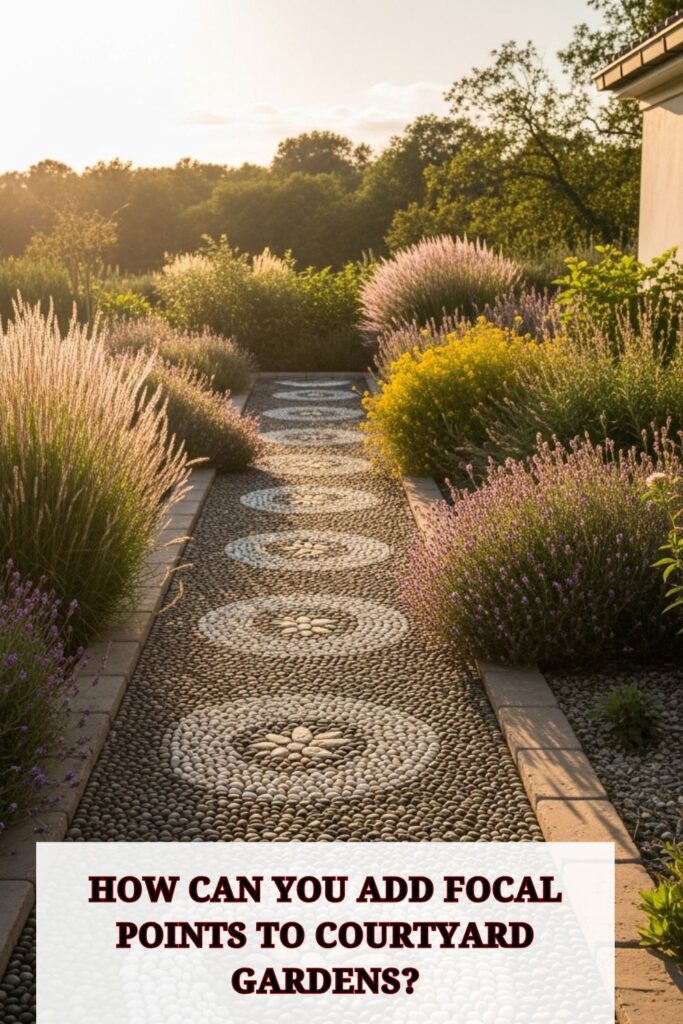
Focal points anchor courtyard landscaping by giving eyes a place to rest and establishing visual hierarchy. Sculptures, fountains, or distinctive specimen plants create destinations that organize surrounding elements. Position your strongest focal point where it’s visible from your main indoor viewing area, extending the courtyard’s impact into your home. In small courtyard gardens, one powerful focal point beats multiple competing features that create visual chaos.
Architectural elements like arbors, obelisks, or decorative screens become structural focal points that work year-round regardless of seasonal plant selection. These features gain impact from simplicity: a single elegant obelisk wrapped in clematis commands more attention than three scattered trellises. Consider living focal points like specimen Japanese maples, shaped evergreens, or dramatic ornamental grasses that change with seasons while maintaining strong form. In Mediterranean courtyard designs, terracotta vessels or colorful ceramic tiles serve as cultural markers that establish style while creating visual interest.
What Styles Work Best for Courtyard Gardens?
Mediterranean courtyard aesthetics emphasize terracotta, stucco walls, drought-tolerant plants, and tile accents that evoke Spanish, Italian, or Moroccan influences. These designs prioritize sun-loving herbs like rosemary and lavender, often incorporating citrus trees in containers and simple water features like wall fountains. The color palette centers on earth tones, blues, and whites with occasional bright accents from glazed pottery or painted doors.
Modern courtyard design strips away ornamentation in favor of clean lines, geometric shapes, and limited material palettes. These spaces often feature concrete or large-format pavers, architectural plants like bamboo or ornamental grasses, and minimalist furniture in neutral colors. Lighting becomes sculpture, water features turn into reflecting pools with sharp edges, and vertical gardens display succulents in grid patterns. The aesthetic rewards restraint, letting quality materials and precise execution create impact through simplicity rather than decoration.
How Do You Maintain Year-Round Interest?
Year-round appeal in courtyard garden design ideas requires thinking beyond summer blooms to structure, bark, berries, and evergreen foliage. Plant deciduous trees and shrubs with interesting branching patterns that create living sculpture during dormant months. River birch offers peeling cinnamon-colored bark, while Harry Lauder’s walking stick provides contorted branches that fascinate without leaves. These specimens earn their space through multi-season contributions rather than brief flowering periods.
Evergreen plant selection forms your year-round foundation holly, boxwood, and conifers maintain structure when perennials retreat underground. Layer seasonal interest around this permanent framework with spring bulbs, summer perennials, fall asters, and ornamental grasses that persist through winter. In small courtyard gardens, container plantings let you swap out seasonal displays without replanting beds, keeping your space dynamic without major renovation. Consider adding berry-producing shrubs like beautyberry or winterberry that feed birds while providing color during sparse months.
What Are Common Courtyard Design Mistakes to Avoid?
Overcrowding ranks as the most frequent error in courtyard landscaping. The temptation to pack every available inch with plants or features creates visual chaos that makes spaces feel smaller rather than maximized. Negative space areas of simple paving or lawn provides visual rest that lets featured elements shine. A courtyard needs breathing room just like interior design requires empty wall space to balance artwork and furniture.
Ignoring scale dooms enclosed garden design projects faster than poor plant selection. Oversized furniture overwhelms small spaces, while tiny features get lost against tall walls. Choose elements proportional to your courtyard’s dimensions if you can’t fit a full dining table, a bistro set might serve better. Similarly, planting a fast-growing tree that reaches 40 feet in a 15-foot-wide courtyard creates maintenance headaches and diminishes rather than enhances your space. Research mature sizes before committing to any plant or structure.
How Can You Incorporate Outdoor Cooking Areas?
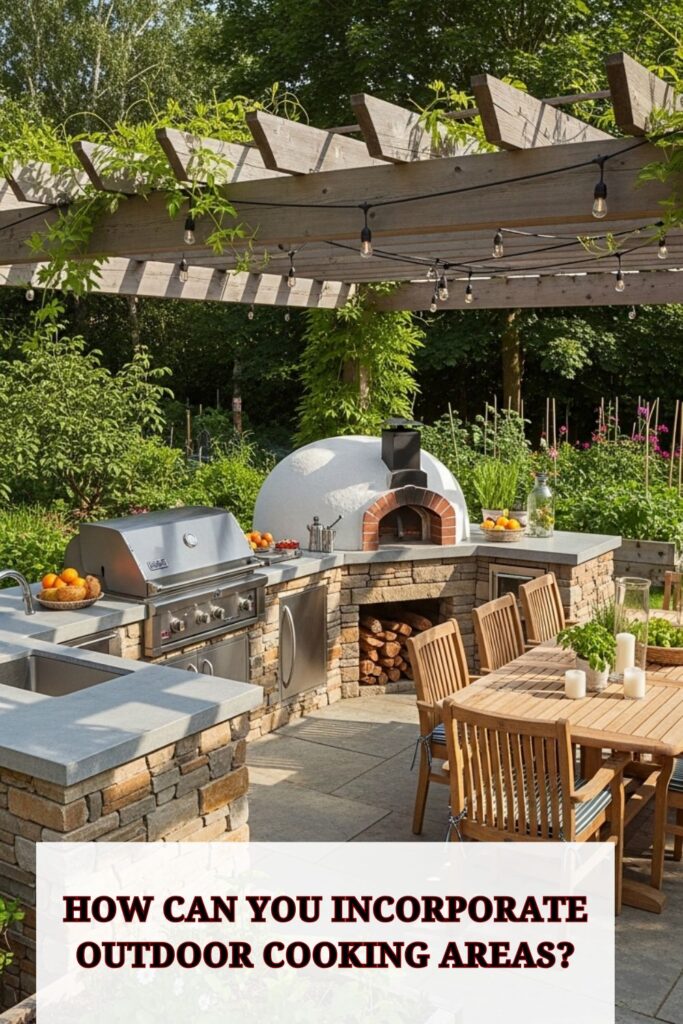
Outdoor living reaches its peak when courtyards include cooking capabilities that expand your home’s functional space. Built-in grills with adjacent prep counters create efficient cooking zones in modern courtyard design, while maintaining the clean lines contemporary aesthetics demand. Choose stainless steel or powder-coated finishes that withstand weather without constant maintenance. Position cooking areas away from prevailing winds and seating zones to prevent smoke from bothering guests.
Pizza ovens bring Old World charm to Mediterranean courtyard designs while providing authentic cooking capabilities that standard grills can’t match. These focal-point features require significant space and proper ventilation, but they transform courtyards into entertainment destinations. For smaller urban courtyard spaces, portable kamado-style grills deliver exceptional cooking performance without permanent installation. Add weatherproof storage for grilling tools, serving pieces, and outdoor dinnerware to keep cooking zones organized and functional.
What Container Gardening Strategies Work for Courtyards?
Container gardening gives courtyard garden design ideas flexibility that in-ground planting can’t match. Large planters create instant impact with specimen trees or shrubs, allowing you to establish mature plant selection immediately rather than waiting years for growth. Group containers in odd numbers three, five, or seven at varying heights to create arrangements that feel curated rather than arbitrary. Choose pots that complement your hardscaping materials and architectural style for cohesive design.
Self-watering containers solve the biggest challenge of container gardening: maintaining consistent moisture in enclosed garden design spaces where heat intensifies water demands. These planters feature reservoirs that release water as plants need it, reducing watering frequency from daily to weekly. For vertical gardens in containers, use wall-mounted planters or tiered stands that maximize vertical space without expanding your courtyard’s footprint. Rotate seasonal containers to refresh your space throughout the year spring bulbs give way to summer annuals, then fall mums, and winter evergreens.
How Do You Handle Drainage in Courtyard Gardens?
Proper drainage prevents the water damage and plant death that plague poorly planned courtyard landscaping. Sloped paving directs water away from building foundations toward drainage points like French drains or dry wells. Even a subtle 2% grade (2 inches of drop per 10 feet) prevents standing water without creating noticeable unevenness. Install channel drains along walls or in low points where water naturally collects, directing runoff to appropriate outlets.
Raised beds solve drainage issues in small courtyard gardens where regrading entire spaces isn’t feasible. These structures lift plants above poor-draining soils while creating architectural interest through varied heights. Fill raised beds with quality soil mixes that drain freely while retaining adequate moisture standard garden soil often compacts in containers, leading to waterlogged roots. For patio garden ideas, consider permeable pavers that allow water infiltration while providing stable walking surfaces that traditional gravel can’t match.
Can You Create a Courtyard Garden in Rental Properties?
Renters can implement temporary courtyard garden design ideas that transform spaces without permanent modifications. Container gardens deliver maximum impact with minimal commitment every plant lives in portable pots that move with you. Choose lightweight fiberglass or resin planters instead of heavy ceramics for easier relocation. Create living walls with freestanding trellis panels that lean against walls rather than mounting permanently, supporting climbers that add vertical interest without drilling holes.
Outdoor rugs define seating areas and add color without altering existing hardscaping. These weatherproof textiles withstand rain and sun while hiding unattractive existing paving. String lights hung from shepherd’s hooks or freestanding posts provide ambient lighting design without electrical work or permanent mounting. Furniture on casters lets you rearrange your outdoor living space frequently, keeping the courtyard feeling fresh while maintaining flexibility to restore the original condition when your lease ends.
Read More About: Mosquito Repelling Plants: The Complete Guide to a Bite-Free Yard
What Are the Costs Associated with Courtyard Garden Design?
Budget-conscious courtyard landscaping starts around $2,000-5,000 for DIY projects featuring basic paving, container plants, and simple seating areas. This range covers quality hardscaping materials like gravel or pavers, a few specimen plants, outdoor furniture, and basic lighting design. Mid-range projects costing $10,000-25,000 add features like water features, built-in seating, upgraded paving materials, and professional installation. These budgets accommodate modern courtyard design elements like concrete planters, mature trees, and integrated irrigation systems.
High-end courtyard garden design ideas exceeding $50,000 include custom water features, natural stone paving, built-in cooking areas, sophisticated lighting systems, and extensive plant selection including mature specimens. Professional design fees typically run 10-15% of construction costs, though this investment often saves money by preventing expensive mistakes. Start with essential hardscaping and infrastructure like irrigation and lighting, then add plants and accessories as the budget allows. Well-planned infrastructure supports gradual improvements better than scattered features that never coalesce into cohesive design.
How Do Courtyard Gardens Affect Property Value?
Well-executed courtyard garden design ideas typically return 70-100% of investment when selling, with exceptional projects occasionally exceeding costs. Real estate professionals consistently rank outdoor living spaces among the top features buyers seek, particularly in urban courtyard spaces where yards are scarce. The key lies in creating polished, usable outdoor rooms that extend living space rather than maintenance-heavy gardens that intimidate non-gardeners.
Modern courtyard design with clean lines, minimal maintenance requirements, and quality materials appeals to broad buyer demographics. Features like irrigation systems, lighting design, and hardscaped seating areas add value by reducing future owner workload. Conversely, overly personalized styles, high-maintenance plant selection, or jury-rigged installations diminish returns. Invest in permanent improvements like quality paving and built-in features rather than movable furniture and accessories that don’t transfer value. The most valuable courtyard landscaping projects create attractive, functional spaces that photograph well for listings while requiring minimal upkeep from future owners.
Frequently Asked Questions
What is the ideal size for a courtyard garden?
Courtyard gardens work in spaces as small as 8×10 feet, though 12×15 feet or larger allows for diverse garden zones including seating areas and planting beds. The key to successful small courtyard gardens lies in thoughtful design rather than specific dimensions; even tiny courtyards become compelling outdoor rooms with proper plant selection, hardscaping, and focal points.
How much sunlight do courtyard gardens need?
Most courtyard garden design ideas accommodate partial shade conditions (3-6 hours of direct sun), which many enclosed garden design spaces naturally provide. Choose shade-tolerant plants like hostas, ferns, and hydrangeas for darker courtyards, or select sun-loving Mediterranean species like lavender and rosemary for brighter exposures. Assess your specific light conditions before selecting plants to ensure compatibility.
Can I have a courtyard garden without direct ground access?
Yes, rooftop and balcony courtyards rely entirely on containers and raised planters. Use lightweight growing media, self-watering containers, and drought-tolerant plant selection to minimize maintenance. Ensure your structure can support the weight of soil, water, and planters consult an engineer for spaces supporting more than a few large containers.
What’s the best way to start a courtyard garden on a budget?
Begin with hardscaping fundamentals like gravel paths or inexpensive pavers, then add container plants that you can relocate as your design evolves. Start with smaller specimens that cost less and grow to maturity, rather than purchasing mature plants at premium prices. DIY projects like building raised beds or installing lighting design cut costs significantly compared to professional installation.
How do I choose between modern and traditional courtyard styles?
Consider your home’s architecture: modern courtyard design complements contemporary buildings, while Mediterranean courtyard aesthetics suit Spanish, Italian, or rustic architecture. Your maintenance preferences matter too: modern designs often require less pruning and deadheading, while traditional styles may incorporate more labor-intensive flowering plants. Choose the aesthetic that genuinely appeals to you rather than following trends.
Conclusion
Your courtyard garden represents more than landscaping its valuable square footage that extends your living space into the outdoors. The courtyard garden design ideas you implement today create sanctuary from urban chaos, privacy from neighbors, and beauty visible from indoor rooms. Smart plant selection paired with quality hardscaping transforms confined spaces into destinations rather than afterthoughts, delivering returns in property value and daily enjoyment that justify every dollar and hour invested.
Start with a clear vision of how you’ll actually use your courtyard, then design spaces that support those activities. Whether you embrace Mediterranean courtyard warmth or modern courtyard design simplicity, success comes from thoughtful planning rather than unlimited budgets. Your courtyard can become the most treasured space in your home, a private oasis where walls create intimacy instead of confinement, and limited square footage forces the creative excellence that sprawling landscapes rarely achieve.