25+ Eye Catching Christmas Wreath Ideas Complete Guide
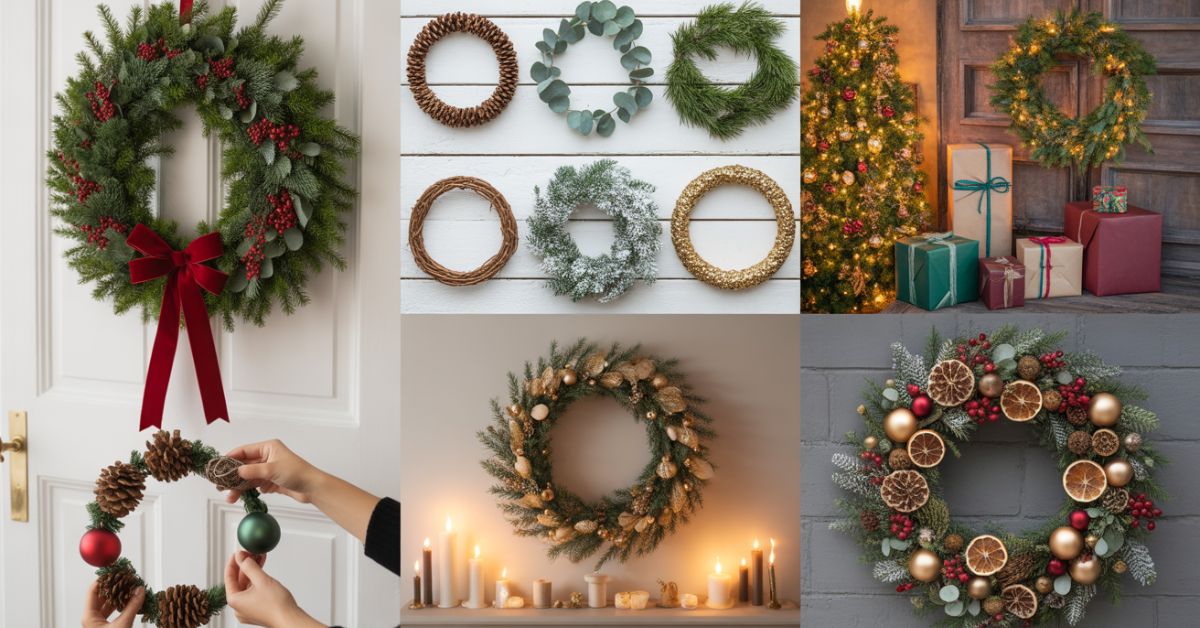
Your front door looks plain and uninspired during the holiday season. Neighbors display stunning Christmas wreaths that stop traffic, while yours just hangs there forgettable and generic. You’ve bought the same basic store-bought wreath for years, and honestly, it shows. You want something that makes visitors pause and admire before they even knock, but wreath decorating feels intimidating and you’re not sure where to begin.
Here’s the real problem with most Christmas wreath designs. They follow tired formulas: a plain evergreen base with a red bow. Period. No personality, no creativity, no connection to your home’s style. You end up with something that blends into every other wreath on the block. Meanwhile, eye catching Christmas wreath ideas require understanding composition, color theory, and texture balance concepts that sound complicated but actually follow simple principles.
This guide breaks down everything you need to create stunning holiday displays that genuinely impress. You’ll discover proven DIY Christmas wreaths techniques, learn which materials create maximum impact, and master design strategies that transform basic supplies into showstoppers. Whether you love traditional wreaths, modern wreaths, or something uniquely yours, let’s create something spectacular together.
Why Traditional Christmas Wreaths Still Work
Traditional wreaths built on evergreen bases remain popular because they tap into centuries of symbolism and nostalgia. The circular shape represents eternity and the continuous cycle of seasons. Evergreen branches symbolize eternal life and resilience through winter. These deep cultural connections make traditional designs feel “right” during Christmas, creating instant warmth and familiarity. Your brain associates these elements with positive holiday memories, triggering emotional responses that modern alternatives sometimes miss.
Classic Christmas wreath designs also offer practical advantages for front door displays. Evergreen bases like pine, fir, and cedar withstand winter weather beautifully. They shed minimally compared to deciduous materials and maintain color through cold snaps. Natural evergreen fragrance greets guests with authentic holiday scent. These functional benefits explain why traditional designs endure despite countless trendy alternatives.
Timeless Elements That Create Impact
Red and green remain the quintessential Christmas color combination for solid psychological reasons. Red creates energy and excitement while green provides calming balance. This complementary color pairing generates visual tension that naturally catches eyes. Add metallic gold or silver accents to elevate sophistication without abandoning tradition. These metallics reflect light, creating a sparkle that draws attention from distances.
Pine cones, berries, and natural elements ground traditional wreaths in organic beauty. Pine cones add dimensional texture and rustic charm. Red berries provide color pops without feeling artificial. Dried orange slices bring warm tones and subtle fragrance. These natural materials create depth and interest that flat plastic ornaments cannot match. Layer them throughout your wreath rather than clustering in one spot for balanced composition.
Modern Minimalist Christmas Wreath Designs
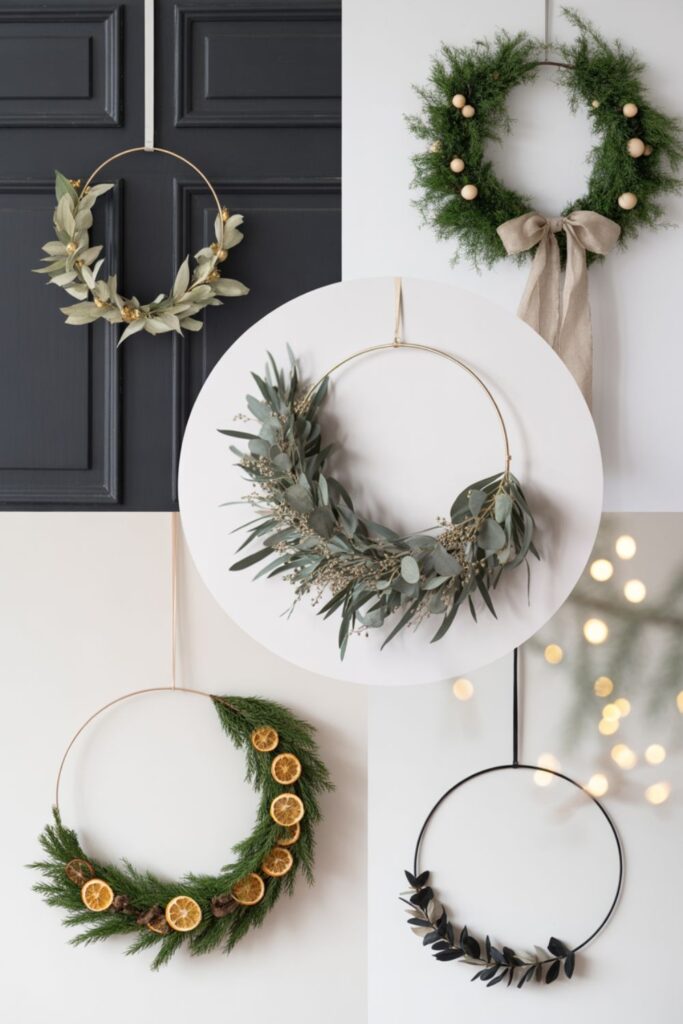
Modern wreaths embrace simplicity and negative space, rejecting the “more is more” approach of traditional designs. These contemporary styles feature clean lines, limited color palettes, and intentional restraint. A single color scheme repeated throughout creates sophisticated unity. White and silver combinations evoke winter elegance. Monochromatic green designs with varied textures offer subtle complexity. These minimal approaches let individual elements shine rather than competing for attention.
Geometric shapes and unconventional bases define modern Christmas wreath ideas. Square or hexagonal frames replace circular forms. Metal hoops, wire rings, or wooden frames substitute for evergreen bases. Some designs abandon complete circles entirely, featuring asymmetrical compositions or three-quarter wreaths. These structural departures immediately signal contemporary style while maintaining the basic concept of front door decoration.
Creating Clean, Contemporary Looks
Select 3-5 elements maximum for modern wreaths to maintain minimalist integrity. Perhaps combine a simple evergreen base with white berries and one statement ribbon. Or create an all-greenery wreath using three types of foliage with contrasting textures: eucalyptus, cedar, and olive branches. Each element needs breathing room to make its individual statement. Overcrowding destroys the minimalist aesthetic instantly.
Unexpected materials elevate modern Christmas wreath designs beyond traditional expectations. Incorporate preserved moss for organic texture without holiday clichés. Add air plants or succulents for living elements that last beyond Christmas. Use architectural salvage like metal hoops or wooden embroidery hoops as bases. Leather strips or suede ribbon replace traditional velvet or satin. These material choices signal contemporary taste while remaining seasonally appropriate.
Farmhouse Style Christmas Wreath Ideas
Farmhouse style Christmas wreaths blend rustic charm with lived-in warmth. These designs favor natural materials, neutral colors, and vintage-inspired elements. Think burlap ribbon, weathered wood accents, cotton stems, and muted color palettes. Cream, beige, soft green, and faded red create gentle color schemes that feel cozy rather than bold. This approachable style suits traditional homes, cottages, and country properties beautifully.
Texture plays a starring role in farmhouse wreaths. Combine smooth eucalyptus with fuzzy lamb’s ear, rough burlap with soft cotton bolls, and glossy berries with matte pine cones. These contrasts create visual interest without relying on bright colors. Layer elements at varied depths flush against the base, others extending outward significantly. This dimensional approach prevents flat, lifeless appearances that plague poorly executed DIY Christmas wreaths.
Signature Farmhouse Elements
Buffalo check ribbon has become synonymous with farmhouse holiday decor. This bold black-and-white or red-and-white plaid pattern adds graphic punch to neutral backgrounds. Use it as a large bow focal point or weave it throughout the wreath. Balance its strong pattern with solid-colored elements to prevent overwhelming the design. Buffalo check works especially well when you want a modern edge within a farmhouse framework.
Cotton stems and bolls bring authentic agricultural character to farmhouse Christmas wreaths. These dried natural elements reference harvest season while remaining seasonally neutral. Their soft white puffs contrast beautifully against dark evergreen or neutral bases. Cluster 3-5 stems together for impact rather than scattering individual bolls. Combine with wheat stalks, dried lavender, or preserved eucalyptus for varied textures within the natural material family.
Colorful Non-Traditional Christmas Wreaths
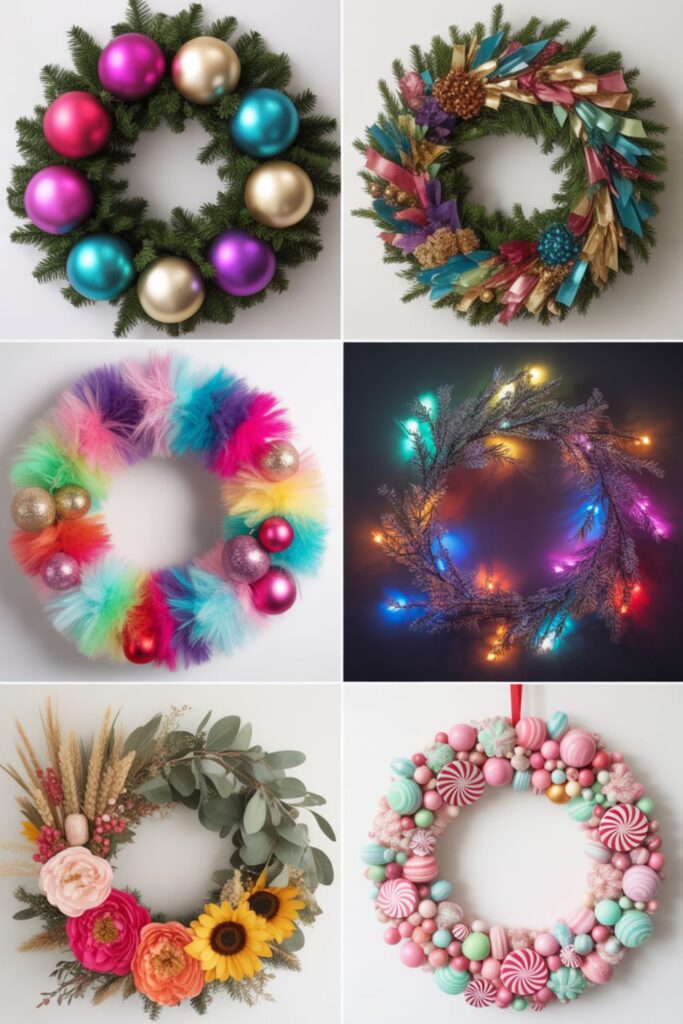
Breaking from the red-and-green tradition opens exciting creative possibilities for eye catching Christmas wreath ideas. Coastal homes suit wreaths in aqua, turquoise, and sandy beige tones. Modern spaces embrace unexpected combinations like fuchsia and lime green. Jewel tones sapphire blue, emerald green, amethyst purple, and ruby red create luxurious richness. These alternative color schemes make bold statements while remaining festive and appropriate.
Monochromatic Christmas wreaths in a single color family deliver sophisticated impact. All-white wreaths using white berries, bleached pine cones, white-flocked greenery, and pearl ornaments create winter wonderland elegance. All-silver designs combining metallic ornaments, silver-sprayed leaves, and mercury glass balls sparkle brilliantly. All-blue wreaths layering navy, cobalt, and pale blue elements feel fresh and unexpected. These monochrome approaches require careful texture variation to prevent visual flatness.
Making Bold Colors Work
Balance bright colors with neutral elements to prevent garish results. If using hot pink ornaments, ground them with natural evergreen or neutral burlap. Neon elements need generous negative space and toned-down companions. The 60-30-10 color rule applies perfectly to wreath decorating 60% dominant color, 30% secondary color, and 10% accent color. This proportion creates harmony even with unconventional palettes.
Metallics bridge traditional and non-traditional Christmas wreath designs beautifully. Rose gold brings warmth to modern schemes. Copper pairs gorgeously with deep green and burgundy. Brushed bronze adds sophistication to rustic designs. Mix different metallic finishes within one wreath for depth, combine shiny and matte, different metals, and various metallic sheens. This variety prevents the monotonous look of all-identical metallic ornaments.
DIY Christmas Wreath Construction Basics

Every successful DIY Christmas wreath starts with selecting the appropriate base. Wire wreath frames work for fresh or faux evergreen bases floral wire attaches greenery bundles to the frame. Foam wreath forms suit lightweight materials like ribbon, fabric, or paper decorations. Grapevine bases offer rustic texture perfect for farmhouse or natural styles. Straw bases hold hot glue well for permanently attached elements. Choose bases sized appropriately for your door 14-16 inches for standard doors, 18-24 inches for large or double doors.
Gather essential tools before starting your Christmas wreath project. Hot glue guns attach most lightweight decorations quickly and securely. Floral wire or paddle wire wraps stems and secures heavier elements. Wire cutters trim both wire and artificial stems. Needle-nose pliers tighten and twist wire ends. Ribbon scissors or fabric shears cut clean ribbon edges. Having proper tools prevents frustration and ensures professional-looking results.
Step-by-Step Assembly Process
Start wreath decorating by establishing your foundation layer. For evergreen wreaths, wire small bundles of greenery onto the frame, overlapping each bundle to hide wire and create fullness. Work in one direction around the wreath for consistent flow. Fluff and arrange greenery after securing all bundles. This base layer should look complete and attractive before adding decorative elements. It’s your canvas.
Add focal point elements next before filling remaining spaces. Choose one area typically bottom center or off-center right for your largest, most eye-catching element. This might be a spectacular bow, oversized ornament cluster, or dramatic berry spray. Secure it firmly using wire or hot glue. Build secondary elements around this focal point, gradually decreasing size and visual weight as you move away. This hierarchy creates organized composition rather than chaotic scattering.
Creating Stunning Ribbon Bows for Wreaths
Ribbon selection dramatically impacts Christmas wreath success. Wired ribbon holds shape beautifully and creates structured bows that last through winter weather. Widths from 2.5 to 4 inches work best for standard wreaths; narrower ribbons disappear, wider ones overwhelm. Choose weather-resistant materials for front door wreaths and outdoor-rated ribbon withstands moisture and temperature fluctuations. Indoor wreaths accept delicate options like velvet, silk, or organza.
Classic bow styles suit different Christmas wreath designs. Boutique bows with multiple loops create full, impressive focal points. Simpler two-loop bows offer understated elegance. Streamer-style bows with long tails create graceful movement. Experiment with your chosen ribbon before committing some materials and cooperate easily while others fight every twist. Practice makes perfect, and most bow-making improves dramatically by the third attempt.
Professional Bow-Making Techniques
Create perfect boutique bows using the loop method. Hold the ribbon end between thumb and forefinger, leaving a 10-inch tail. Form a loop returning to center, pinch, then create another loop on the opposite side. Continue alternating sides for 6-8 loops total. Secure the center tightly with floral wire. Fluff and adjust loops, pulling some forward and others back for dimension. Trim tails at angles for polished finishing.
Layer multiple ribbons for complex, designer looks. Combine wide and narrow ribbons in coordinating colors and patterns. Make separate bows from each ribbon type, then stack and wire them together. Or hold multiple ribbons together and create one large bow incorporating all. These layered approaches add depth and richness that single-ribbon bows cannot achieve. Limit yourself to 2-3 coordinating ribbons maximum to prevent muddy, busy results.
Read More About: Bulbs to Plant in Fall A Complete Guide to Spring-Blooming Gardens
Incorporating LED Lights into Christmas Wreaths
Battery-operated LED lights transform Christmas wreaths into magical nighttime displays. These lights eliminate extension cord problems for front door wreaths. Micro LED strings with tiny bulbs integrate seamlessly into greenery without dominating the design. Choose warm white for traditional elegance, cool white for modern aesthetics, or multicolor for playful displays. Look for timer functions that automatically illuminate wreaths during evening hours, saving battery life.
Strategic light placement creates maximum impact with minimal strand length. Weave lights deep into the wreath, then bring them forward, creating layered depth. Wrap lights around thicker branches rather than laying them on surfaces. This technique hides wiring while creating glowing dimension. Concentrate lights around the focal point area for emphasis or distribute evenly for overall glow. Test light placement before permanently securing rearranging after installation becomes frustrating.
Weatherproofing Light Elements
Protect battery packs from moisture when installing lights on outdoor Christmas wreaths. Wrap battery packs in plastic bags secured with rubber bands or waterproof tape. Position packs at the wreath top where door overhangs provide rain protection. Some crafters mount battery packs on the back of wreaths or tuck them behind door decorations. Check and replace batteries mid-season since cold temperatures drain them faster than indoor use.
Solar-powered LED lights eliminate battery replacement hassles for sunny-location wreaths. The small solar panel mounts on the wreath back or attaches via thin wire for positioning in direct sunlight. These systems automatically illuminate at dusk using stored solar energy. They work best on south-facing doors receiving 4-6 hours of direct sun. Performance suffers in shaded locations or during cloudy winter weeks common in northern climates.
Natural and Foraged Materials for Wreaths
Foraging materials from your property or local woods creates unique, free Christmas wreath components. Evergreen branches from pruning projects provide instant bases. Collect varied textures: fluffy cedar, stiff pine, delicate hemlock, and fragrant balsam fir. Pine cones in different sizes and shapes add natural dimension. Look for cones from white pine, Norway spruce, and Douglas fir for variety. Gather more than you think you’ll need. Natural materials look best used abundantly.
Berries, seed pods, and dried materials bring organic beauty to handmade wreaths. Holly berries (real or artificial) provide classic red pops. Winterberry stems loaded with bright red berries create dramatic impact. Rose hips from wild or garden roses add subtle burgundy tones. Dried hydrangea blooms contribute gentle volume and neutral color. Teasel pods, milkweed pods, and ornamental grass plumes bring architectural interest. Preserve foraged materials by air-drying for 1-2 weeks before incorporating into designs.
Preparing Natural Materials
Condition fresh evergreen branches before assembling Christmas wreaths. Cut branches from trees or purchased bundles, then soak the stem ends in water for 24 hours. This deep drink helps greenery stay fresh longer once removed from water sources. Shake branches vigorously to dislodge loose needles before working with them. Excessive needle drop during construction indicates old material starts with fresher cuts.
Preserve pine cones and pods by baking at 200°F for 30 minutes. This process kills insects, removes sap, and slightly opens cone scales for better appearance. Let materials cool completely before handling. Some crafters lightly spray pine cones with clear acrylic sealer or polyurethane to add sheen and further seal in moisture. Others prefer natural matte finishes personal preference determines whether this step enhances or detracts from your aesthetic vision.
Themed Christmas Wreath Collections
Coastal Christmas wreaths bring beach vacation vibes to holiday decor. These designs incorporate seashells, starfish, sand dollars, and driftwood alongside or instead of traditional evergreen. Color palettes favor aqua, turquoise, sandy beige, and white with touches of coral pink. Rope or nautical jute ribbon replaces traditional velvet. Add glass floats, fishnet, or lighthouse ornaments to strengthen the theme. These wreaths suit beach houses, coastal homes, or anyone wanting non-traditional holiday style.
Woodland-themed wreaths celebrate forest elements and wildlife. Feature realistic or stylized animals like deer, owls, foxes, or cardinals. Use abundant natural materials: pine cones, acorns, moss, twigs, and mushrooms. Neutral browns, greens, and cream colors dominate with occasional rust or burgundy accents. Incorporate miniature birds’ nests, feather picks, or antler elements. This naturalistic approach works beautifully for rustic decor enthusiasts and cabin-style homes.
Creating Cohesive Holiday Displays
Coordinate your Christmas wreath with other holiday decorations for polished, intentional style. If your indoor tree features silver and blue ornaments, echo those colors in your wreath. Match garland style to wreath materials if using natural evergreen outside, choose real greenery for mantels too. Repeat key elements across displays of the same ribbon type, identical ornament styles, or matching berry clusters. This repetition creates professional cohesion.
Consider creating multiple wreaths in coordinating styles rather than identical duplicates. Design a large statement wreath for your front door, then create smaller versions for interior doors, walls, or windows. Vary sizes while maintaining consistent color palettes and materials. This approach extends your design throughout the home without feeling repetitive. Some households create wreath “families” featuring the same elements in different proportions or arrangements.
Budget-Friendly Christmas Wreath Ideas

Dollar store supplies create surprisingly impressive DIY Christmas wreaths when combined thoughtfully. Purchase inexpensive ornament packs in coordinating colors, then cluster them densely on foam wreath forms using hot glue. Wrap bases with burlap or ribbon before gluing if you prefer covered foundations. Add a homemade bow from ribbon also purchased at dollar stores. These ornament wreaths cost $10-15 but look far more expensive when color-coordinated and assembled with care.
Upcycle materials from previous holiday seasons into new Christmas wreath designs. Disassemble old wreaths, saving reusable elements like pine cones, ornaments, and picks. Combine components from multiple tired wreaths into one fresh design. Repurpose worn Christmas garland by cutting it into segments and wiring bundles onto wreath frames. Spray paint dated elements in trendy colors last decade’s gold pine cones become this year’s matte black statement pieces.
Free and Natural Material Sources
Gather natural materials from your yard or neighborhood walks. Prune evergreen branches from your own trees or ask neighbors if you can collect from theirs. Most people gladly share prunings, especially from overgrown yews or hollies. Collect fallen pine cones from parks or wooded areas. Cut berry branches from wild multiflora rose or privet both considered invasive in many regions, so you’re actually helping by harvesting. These free materials create authentic, fresh wreaths costing nearly nothing.
Host wreath-making parties where friends bring supplies to share. Everyone contributes materials they have in abundance, one person brings extra ribbon, another shares ornaments, someone provides wire and frames. Work together to create individual wreaths while sharing techniques and supplies. This social approach cuts costs through sharing while making wreath creation fun rather than solitary. You’ll discover creative approaches you never would have considered working alone.
Preserving and Storing Christmas Wreaths
Fresh evergreen wreaths last 3-4 weeks indoors and up to 6 weeks outdoors in cool temperatures. Extend longevity by misting wreaths daily with water. Position outdoor wreaths in shaded, protected locations rather than direct sun or wind exposure. Avoid hanging fresh wreaths on doors opening to heated interiors; temperature fluctuations accelerate drying. Some crafters spray fresh greenery with anti-desiccant products designed to slow moisture loss, though results vary.
Artificial Christmas wreaths potentially last decades with proper storage. Remove all dust and debris using a soft brush or vacuum with brush attachment. Check for loose elements that need regluing or rewiring before storage. Wrap wreaths in tissue paper or plastic wreath storage bags to prevent crushing. Store flat in large boxes or hang on dedicated storage hooks in climate-controlled spaces. Avoid damp basements or hot attics where temperature extremes damage materials.
Proper Storage Techniques
Store handmade wreaths with delicate elements in rigid containers that protect against crushing. Large plastic storage bins or specialized wreath storage boxes with cardboard dividers work perfectly. Layer tissue paper between wreath layers if stacking multiple wreaths. Label containers clearly noting contents and color schemes you’ll forget details by next year. Include photos of completed wreaths taped to box lids for instant identification.
Disassemble wreaths you’re unlikely to use again, saving reusable components. Remove ornaments, ribbons, picks, and other elements that remain in good condition. Sort saved items into labeled bags or containers by type and color. This selective salvaging reduces storage space while building your supply collection. Frame bases can host entirely new designs next season using fresh materials combined with saved elements.
Read More About: Front Yard Flower Beds Complete Guide to Stunning Curb Appeal
Safety Considerations for Christmas Wreaths
Front door wreaths must allow doors to open and close freely without catching or dragging. Measure clearance before purchasing or making oversized wreaths. Standard doors accommodate wreaths up to 24 inches diameter, though 18-20 inches works better for typical residential doors. Ensure wreaths hang securely, falling wreaths damage both the wreath and door finishes. Use heavy-duty wreath hangers rated for your wreath’s weight rather than flimsy hooks.
Fire safety matters for wreaths near heat sources or containing lights. Keep fresh evergreen wreaths well-watered to prevent extreme dryness. Never place real candles on or near wreaths. Battery-operated LED lights stay cool and pose minimal fire risk, but always check connections and wiring for damage. Replace damaged light strings immediately. Position wreaths away from fireplaces, heating vents, and radiators where heat accelerates drying of natural materials.
Weather Protection and Durability
Outdoor Christmas wreaths face wind, rain, snow, and temperature fluctuations. Secure lightweight ornaments and decorations with wire or hot glue rather than just tucking them into greenery. Wind will dislodge loosely placed elements overnight. Choose weather-resistant ribbon outdoor satin or polyester varieties that withstand moisture better than indoor-only materials. Apply waterproof spray to natural elements like pine cones to prevent weather damage.
Protect doors and siding from wreath damage. Place felt pads on wreath backs where they contact doors, preventing scratches and marks. Avoid wreath hangers that hook over door tops on newly painted doors; the weight creates pressure marks. Use Command hooks or wreath hangers designed for specific door types. Check periodically for moisture damage from fresh greenery against wood doors. Insert plastic or cardboard barriers between wet materials and doors if problems develop.
Frequently Asked Questions
What makes a Christmas wreath eye catching?
Eye catching Christmas wreaths feature strong focal points, interesting textures, and cohesive color schemes. They use varied materials at different depths rather than flat, single-layer designs. Proper scale for the display location and professional finishing details like quality ribbon bows elevate impact dramatically. Strategic lighting additions create nighttime drama that doubles visual interest.
How do you make a Christmas wreath from scratch?
Start with an appropriate base wire frame for evergreen, foam form for ornaments, or grapevine for rustic styles. Attach foundation materials using floral wire or hot glue. Add a focal point element, then fill the remaining space with secondary decorations. Finish with ribbon bows and any final details. Work in layers from foundation to focal point to finishing touches.
What are the best materials for outdoor Christmas wreaths?
Weather-resistant evergreen varieties, artificial greenery rated for outdoor use, waterproofed pine cones, plastic or shatterproof ornaments, and outdoor-grade ribbon withstand winter conditions best. Battery-operated LED lights designed for outdoor use add nighttime appeal. Avoid paper, fabric, natural berries that mold, or indoor-only materials that deteriorate quickly outdoors.
How long do homemade Christmas wreaths last?
Fresh evergreen Christmas wreaths last 3-6 weeks depending on care and weather exposure. Artificial wreaths potentially last decades with proper storage. Handmade wreaths using quality materials and secure attachment methods survive multiple seasons. Wreaths with trendy colors or styles may look dated before wearing out structurally, prompting replacement for aesthetic rather than durability reasons.
Can you wash an artificial Christmas wreath?
Yes, gently clean artificial wreaths using mild soap and water applied with a soft cloth. Avoid soaking wreaths spot clean instead. Rinse with clean water and air dry completely before storing. For dusty wreaths, use vacuum brush attachments or compressed air to remove debris without water. Never machine wash wreaths as agitation damages delicate elements.
Conclusion
Creating eye catching Christmas wreath ideas doesn’t require professional training or expensive supplies. Success comes from understanding basic design principles focal points, texture variation, cohesive color schemes, and proper scale. Whether you prefer traditional wreaths with evergreen and ribbon or modern designs using unexpected materials, the same fundamentals apply. Start with quality bases, secure elements properly, and build layers from foundation through finishing details.
Your Christmas wreath represents your home’s first impression throughout the holiday season. Invest time in thoughtful design and careful construction for results you’ll proudly display. Start simple if you’re new to wreath decorating master basic techniques before attempting complex designs. Each year builds skills and confidence, transforming you from hesitant beginner into accomplished wreath maker. The pride you’ll feel when neighbors compliment your handmade creation makes every minute of effort worthwhile.