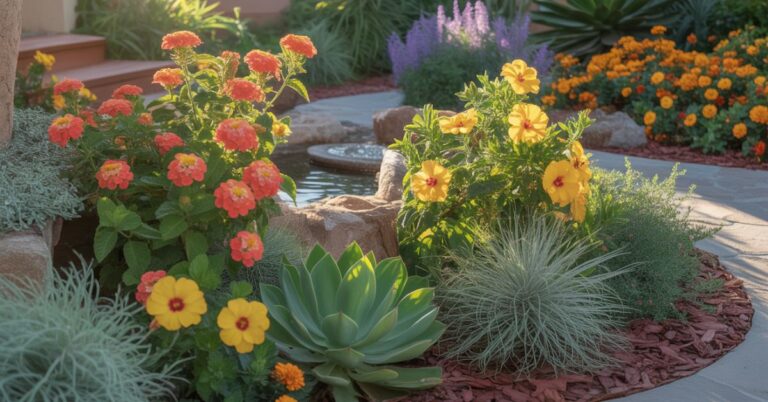
Flower Borders Guide To Design, Plants And Maintenance
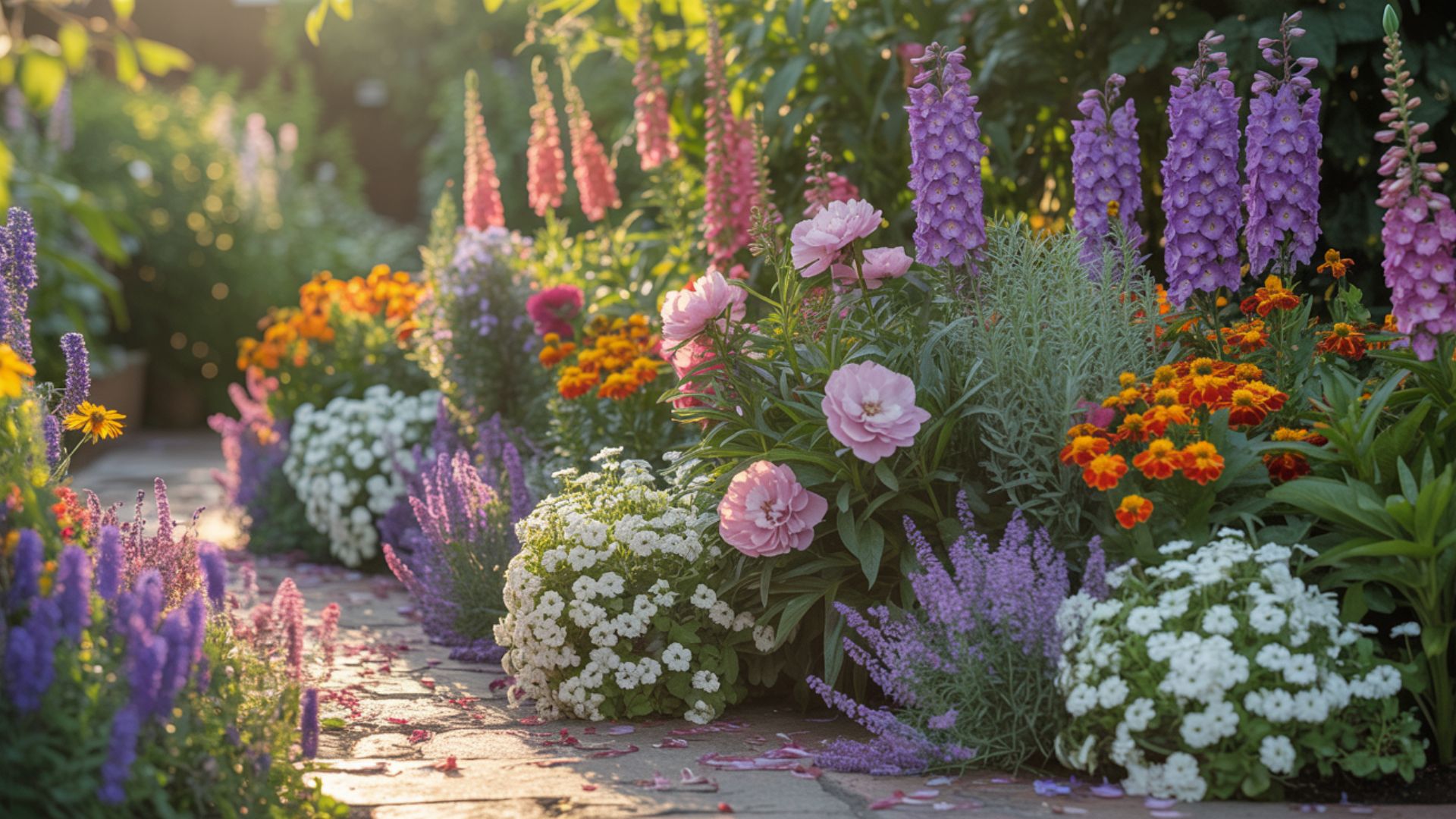
Creating a stunning flower border can transform any garden from ordinary to extraordinary. Whether you’re a seasoned gardener or just starting out, the right combination of plants, colors, and design techniques can turn bare edges into vibrant focal points that bloom season after season. But here’s the problem: many gardeners struggle with selecting compatible plants, achieving year-round color, and maintaining borders that look professional rather than chaotic.
The frustration grows when your carefully planned flower border fails to thrive, leaving gaps, clashing colors, or disappointing blooms. You’ve invested time, money, and effort, only to watch your vision wilt. Perhaps you’ve noticed that your neighbor’s borders burst with color while yours look sparse, or maybe you’re unsure which plants work best for your specific conditions.
The good news? With the right knowledge about plant selection, design principles, and maintenance techniques, you can create breathtaking flower borders that enhance your property value, attract pollinators, and provide endless enjoyment. This comprehensive guide reveals everything you need to know about planning, planting, and perfecting flower borders that will be the envy of your neighborhood.
What Is a Flower Border and Why Does It Matter?
A flower border is a cultivated garden bed, typically positioned along boundaries, pathways, fences, or property edges, designed to showcase ornamental flowering plants in an aesthetically pleasing arrangement. Unlike formal gardens with geometric patterns, borders embrace a more natural, flowing design that creates visual interest through layered heights, complementary colors, and varied textures.
Garden borders serve multiple purposes beyond pure aesthetics. They define spaces within your landscape, guide foot traffic naturally, provide privacy screening, and create habitat corridors for beneficial insects and pollinators. Well-designed perennial borders can reduce maintenance time while delivering consistent beauty year after year, making them a smart investment for homeowners who want maximum impact with reasonable effort.
The distinction between borders and beds matters for planning purposes. Traditional herbaceous borders run along edges with backing structures like walls or hedges, while island beds stand independently. This positioning affects plant selection, since borders typically feature taller plants at the back graduating to shorter specimens in front, creating depth and preventing smaller flowers from being hidden.
Read More About: 25+ Flower Bouquet Ideas To Every happy Occasion
How Do You Choose the Right Location for Your Flower Border?
Selecting the optimal location determines 80% of your flower border’s success before you ever plant a single seed. Start by observing sunlight patterns throughout the day, noting which areas receive full sun (6+ hours), partial shade (3-6 hours), or full shade (under 3 hours). This sun exposure analysis directly dictates which plant varieties will thrive versus struggle in each potential location.
Soil quality assessment comes next in your site evaluation process. Test your soil’s pH level, drainage capacity, and nutrient composition using an inexpensive home testing kit or professional lab analysis. Clay soil retains moisture but drains poorly, while sandy soil drains quickly but requires frequent watering. Most flowering plants prefer slightly acidic to neutral pH levels between 6.0 and 7.0, though some species tolerate wider ranges.
Consider proximity to water sources, existing structures, and maintenance access when finalizing your border location. Placing garden borders near outdoor faucets simplifies watering during establishment periods and drought conditions. Leave adequate space between your border and buildings, fences, or trees to prevent root competition and ensure proper air circulation, which reduces fungal disease risks and promotes healthier plant growth throughout the growing season.
What Are the Best Flowers for a Border Garden?
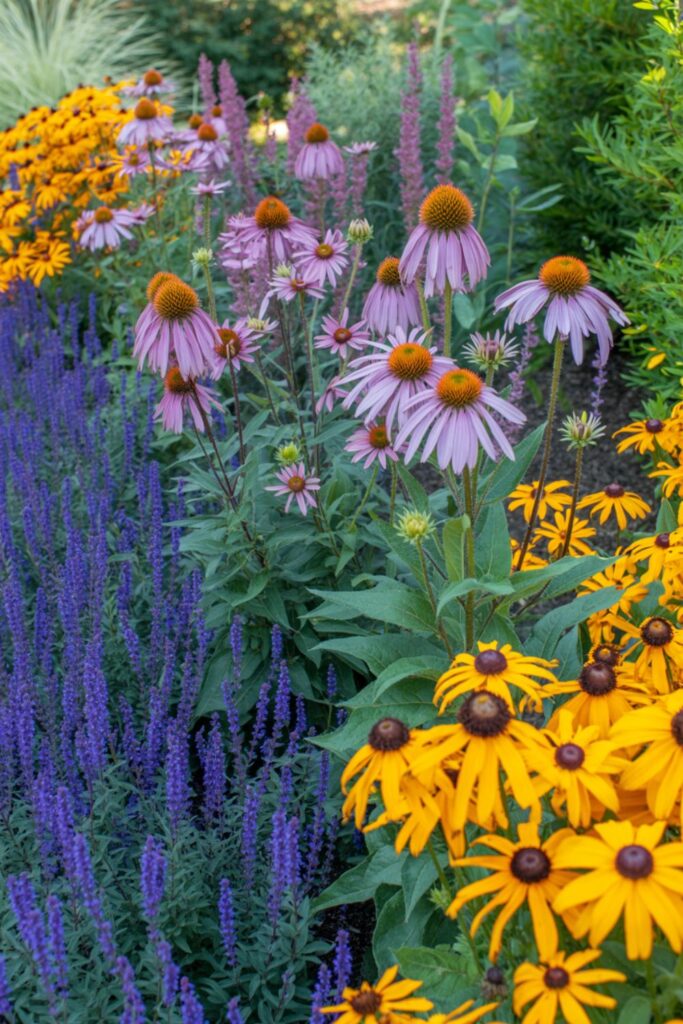
The foundation of spectacular flower borders relies on selecting plants that match your climate zone, soil conditions, and maintenance commitment level. Perennial flowers like coneflowers (Echinacea), black-eyed Susans (Rudbeckia), and daylilies (Hemerocallis) provide reliable returns year after year with minimal replanting. These workhorses establish strong root systems that improve drought tolerance and reduce long-term care requirements while delivering consistent blooms.
Top Performers for Sunny Borders
Full-sun borders benefit from heat-loving species that produce abundant flowers throughout summer and fall. Salvia, Russian sage (Perovskia), and catmint (Nepeta) offer extended bloom periods with aromatic foliage that deters pests naturally. Ornamental grasses like fountain grass (Pennisetum) and feather reed grass (Calamagrostis) add movement, texture, and winter interest when flowering plants enter dormancy.
Roses remain classic border choices, with modern shrub roses and landscape varieties requiring far less maintenance than traditional hybrid teas. David Austin English roses combine old-fashioned blooms with improved disease resistance, while Knock Out roses deliver continuous color with minimal pruning or spraying. Pair roses with complementary perennials like lavender, geraniums, or lady’s mantle for a cottage garden aesthetic that feels timeless yet manageable.
Shade-Tolerant Options for Challenging Spots
Shade garden borders present unique opportunities to showcase plants with interesting foliage and delicate blooms. Hostas provide architectural interest with their bold leaves in shades ranging from blue-green to chartreuse and variegated patterns. Combine them with astilbes for feathery plumes in pink, white, or red that brighten dim areas from late spring through midsummer.
Bleeding hearts (Dicentra), coral bells (Heuchera), and brunnera create layered compositions that thrive in partial to full shade. Shade-loving perennials like hellebores bloom remarkably early, sometimes pushing through snow to deliver flowers when little else awakens. Ferns add texture and fill gaps between flowering plants, creating lush backdrops that make blooms pop visually against their verdant fronds.
How Do You Design a Flower Border for Year-Round Interest?
Strategic planning ensures your flower border delivers visual impact across all four seasons rather than peaking briefly then fading into obscurity. The concept of succession planting involves selecting species with staggered bloom times, creating continuous color from early spring through late fall. Start with spring bulbs like crocuses, daffodils, and tulips that emerge first, followed by early perennials, summer bloomers, and finally fall performers like asters and sedums.
Incorporate plants with multi-season appeal beyond just flowers. Many ornamental shrubs offer spring blooms, attractive summer foliage, brilliant fall color, and interesting bark or berries for winter interest. Oakleaf hydrangea exemplifies this concept with white flower panicles in summer, burgundy fall foliage, cinnamon-colored exfoliating bark, and dried flower heads that persist through winter, providing four distinct seasons of beauty from a single specimen.
Height layering creates depth and prevents your border from appearing flat or one-dimensional. Place tall flowers like delphiniums, hollyhocks, or Joe Pye weed at the back, mid-height plants like coreopsis and yarrow in the middle tier, and low-growing flowers such as creeping phlox, candytuft, or sweet alyssum along the front edge. This graduated arrangement ensures every plant remains visible while creating a sense of abundance and fullness that draws the eye naturally through the composition.
What Color Schemes Work Best for Flower Borders?
Color theory applications dramatically impact how viewers perceive and respond emotionally to your flower border design. Monochromatic schemes using various shades, tints, and tones of a single color create sophisticated, cohesive looks that feel intentional and refined. A white garden border featuring white roses, white peonies, Shasta daisies, and silver-foliaged artemisia projects elegance and serenity, particularly striking when viewed during evening hours as flowers seem to glow in fading light.
Complementary and Analogous Color Combinations
Complementary colors positioned opposite each other on the color wheel like purple and yellow or blue and orange create vibrant, energetic borders that command attention. Plant purple salvias alongside yellow coreopsis, or combine orange daylilies with blue delphiniums for dramatic contrast that feels lively without appearing chaotic. These high-contrast pairings work especially well in cottage garden borders where abundance and exuberance define the style.
Analogous color schemes using adjacent color wheel hues produce harmonious, restful compositions. A border progressing from pink to purple to blue using flowers like pink roses, purple salvia, and blue catmint feels natural and soothing. Warm-palette borders featuring reds, oranges, and yellows create energizing spaces that draw people in, while cool-toned compositions with blues, purples, and whites promote calm, contemplative moods ideal for meditation gardens or serene retreat spaces.
Foliage color contributes as significantly as flowers to overall border appearance. Silver-leaved plants like lamb’s ear (Stachys), dusty miller, and artemisia provide neutral buffers between bold flower colors while adding textural interest. Purple foliage plants including certain heucheras, smoke bush (Cotinus), and purple fountain grass offer season-long color that doesn’t depend on bloom times, serving as reliable anchors throughout your design that maintain visual interest even between flowering periods.
How Do You Prepare Soil for a Flower Border?
Proper soil preparation distinguishes thriving borders from disappointing ones, yet many gardeners skip this crucial foundation step. Begin by removing existing grass, weeds, and debris from your planned border area. Use a sharp spade to cut clean edges, then either strip sod manually, smother it with cardboard and mulch for several months, or treat persistent weeds with targeted applications before proceeding with bed preparation.
Amend your native soil generously to create the loose, fertile, well-draining medium that most flowering plants prefer. Incorporate 3-4 inches of compost or aged manure across the entire border area, working it into the top 12 inches of soil. This organic matter improves soil structure regardless of whether you’re starting with heavy clay or light sand, enhancing moisture retention, drainage, and nutrient availability simultaneously while supporting beneficial soil microorganism populations.
Test and adjust soil pH if necessary to match your selected plants’ preferences. Apply lime to raise pH in overly acidic soils or sulfur to lower pH in alkaline conditions, following package directions based on your test results. Work amendments thoroughly into the soil several weeks before planting to allow chemical reactions to stabilize. Consider creating raised beds if your native soil presents severe challenges like heavy clay or poor drainage that can’t be reasonably corrected through amendments alone.
What Spacing and Layout Patterns Create Professional-Looking Borders?
Professional border design employs specific spacing formulas that prevent overcrowding while avoiding sparse, disappointing results during establishment years. Calculate mature plant widths, then space specimens at 75% of their mature diameter for relatively quick fill-in with minimal overlap. For example, plants reaching 24 inches wide at maturity should be planted approximately 18 inches apart, allowing them to touch gently when fully grown without competing destructively for resources.
Repetition and rhythm elevate borders from random plant collections to cohesive designs. Select 3-5 key plant varieties, then repeat them in odd-numbered groupings (3, 5, or 7 specimens) throughout the border length. This repetition creates visual continuity while preventing monotony through varied positioning and companion pairings. The human eye finds this rhythmic repetition pleasing without registering it as obviously patterned or artificial.
Avoid rigid, soldier-like planting rows that appear stiff and unnatural. Instead, arrange plants in triangular or diamond patterns when viewed from above, creating interlocking drifts that mimic how plants distribute themselves in nature. Stagger front-row plants between back-row specimens rather than aligning them directly in front, which creates visual depth and prevents the border from appearing as distinct horizontal layers. This naturalistic approach produces professional results that feel intentional yet organic.
How Often Should You Water and Maintain Flower Borders?
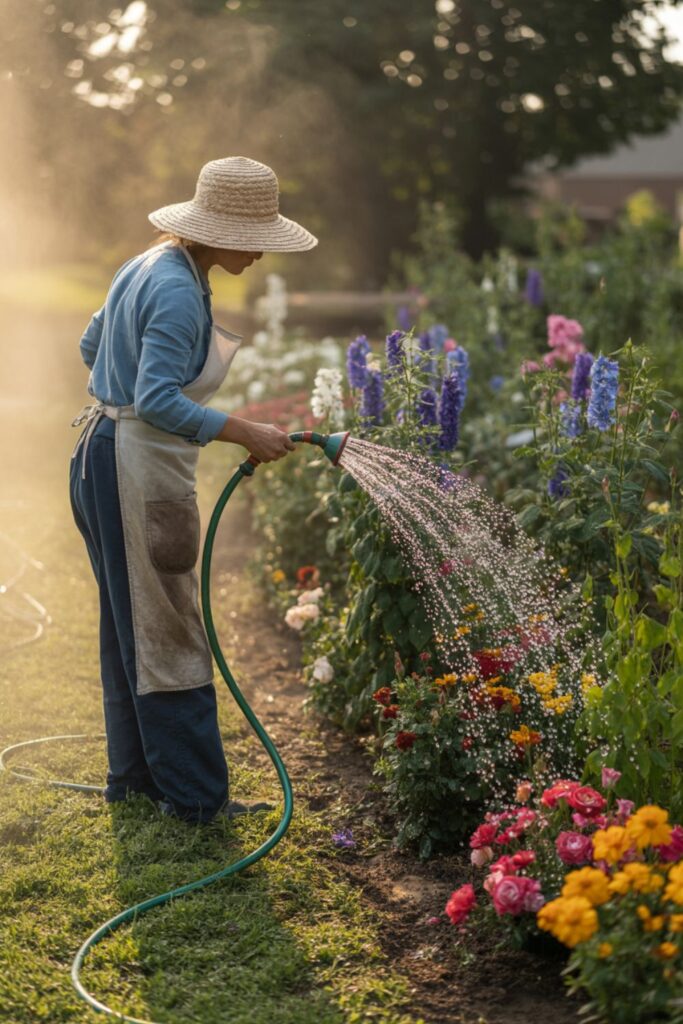
Newly planted flower borders require consistent moisture for 6-8 weeks while roots establish in their new environment. Water deeply 2-3 times weekly rather than applying frequent shallow sprinklings, encouraging roots to grow downward rather than remaining near the surface where they’re vulnerable to drought and temperature extremes. Apply 1-1.5 inches of water per session, measured using a rain gauge or empty tuna can placed within the irrigation zone.
Established perennial borders tolerate drier conditions but perform best with approximately 1 inch of water weekly during active growth and flowering periods. Adjust irrigation based on weather conditions, soil type, and specific plant requirements. Drought-tolerant species like sedum, yarrow, and Russian sage require less frequent watering once established, while moisture-lovers like astilbe and ligularia need consistent water for optimal performance and appearance throughout the growing season.
Deadheading spent flowers extends bloom periods for many species while keeping borders looking tidy and intentional. Remove faded blooms by cutting stems back to the next leaf node or branching point, encouraging plants to redirect energy into producing additional flowers rather than seed production. Perennial maintenance includes spring cleanup of dead foliage, early summer pinching of plants like mums and asters to promote bushiness, and fall cutting back of most herbaceous perennials after frost kills tops.
What Mulching Techniques Benefit Flower Borders Most?
Applying organic mulch provides multiple benefits that dramatically reduce maintenance requirements while improving plant health and border appearance. A 2-3 inch layer of shredded hardwood bark, pine needles, or compost conserves soil moisture by reducing evaporation, suppresses weed germination by blocking light, moderates soil temperature extremes, and gradually decomposes to feed soil organisms that improve fertility naturally.
Proper mulch application technique matters as much as material selection. Pull mulch away from direct contact with plant stems and crowns, leaving 2-3 inches of bare soil around each plant’s base. Mulch piled against stems creates perpetually moist conditions that invite rot, fungal diseases, and pest problems that quickly damage or kill otherwise healthy specimens. Think of mulch as a blanket covering soil between plants rather than a material that should touch plant tissue directly.
Replenish mulch layers annually in spring after soil warms but before summer heat intensifies. Organic mulches decompose over time, requiring periodic replacement to maintain effective depth. Avoid excessive total depth that exceeds 3-4 inches, as overly thick mulch layers restrict oxygen availability to roots and create conditions favoring certain plant diseases. Monitor mulch levels throughout the season, adding modest amounts if weather or decomposition significantly thins coverage before the next annual application.
Read More About: 20+ Flower Garden Ideas For Outdoor Blooming Paradise
How Do You Control Pests and Diseases in Flower Borders?
Integrated pest management (IPM) strategies emphasize prevention, monitoring, and targeted intervention rather than automatically reaching for chemical solutions. Start by selecting disease-resistant plant varieties bred for improved immunity to common problems like powdery mildew, rust, or root rot. Proper plant spacing ensures adequate air circulation that reduces humidity levels where fungal diseases thrive, while avoiding overhead watering keeps foliage dry and less susceptible to pathogen infection.
Regular border inspections catch problems early when they’re easier to manage with minimal intervention. Check plant leaves, stems, and soil weekly during active growing season, looking for discoloration, unusual spots, chewed leaves, or insect presence. Many common garden pests like aphids, Japanese beetles, and spider mites can be removed manually or dislodged with strong water sprays before populations explode, eliminating the need for pesticide applications entirely.
Encourage beneficial insects that naturally control pest populations by including native plants that provide pollen, nectar, and habitat. Ladybugs, lacewings, parasitic wasps, and predatory beetles consume enormous quantities of aphids, caterpillars, and other plant-damaging insects. Avoid broad-spectrum insecticides that kill beneficial species along with pests, disrupting the natural balance that keeps problems manageable. When intervention becomes necessary, choose targeted organic options like neem oil, insecticidal soap, or BT (Bacillus thuringiensis) that minimize impacts on beneficial organisms and the broader environment.
What Are the Most Common Mistakes When Creating Flower Borders?
Planting incompatible species with drastically different water, light, or soil requirements together represents the most frequent border planning error. Combining drought-tolerant lavender with moisture-dependent astilbes sets both plants up for failure, forcing you to compromise on care that leaves neither specimen thriving optimally. Research each plant’s specific needs before purchase, grouping species with similar cultural requirements together for efficient maintenance and maximum health.
Inadequate soil preparation dooms borders before they begin, yet many gardeners skimp on this labor-intensive but crucial step. Planting directly into compacted, poorly draining, or nutrient-depleted native soil severely limits root development and overall plant vigor. The time invested in proper bed preparation pays dividends throughout your border’s lifespan through reduced watering needs, fewer pest and disease problems, and dramatically improved flowering performance that justifies the initial effort exponentially.
Overcrowding plants by ignoring mature sizes creates maintenance nightmares within 2-3 seasons as specimens compete destructively for light, water, and nutrients. Borders that look sparse during the first year inevitably fill in, making the initial patience worthwhile compared to the backbreaking labor of dividing and relocating crowded plants later. Reference mature plant dimensions religiously, trusting spacing recommendations even when newly planted borders appear disappointingly empty.
How Do You Transition Flower Borders Between Seasons?
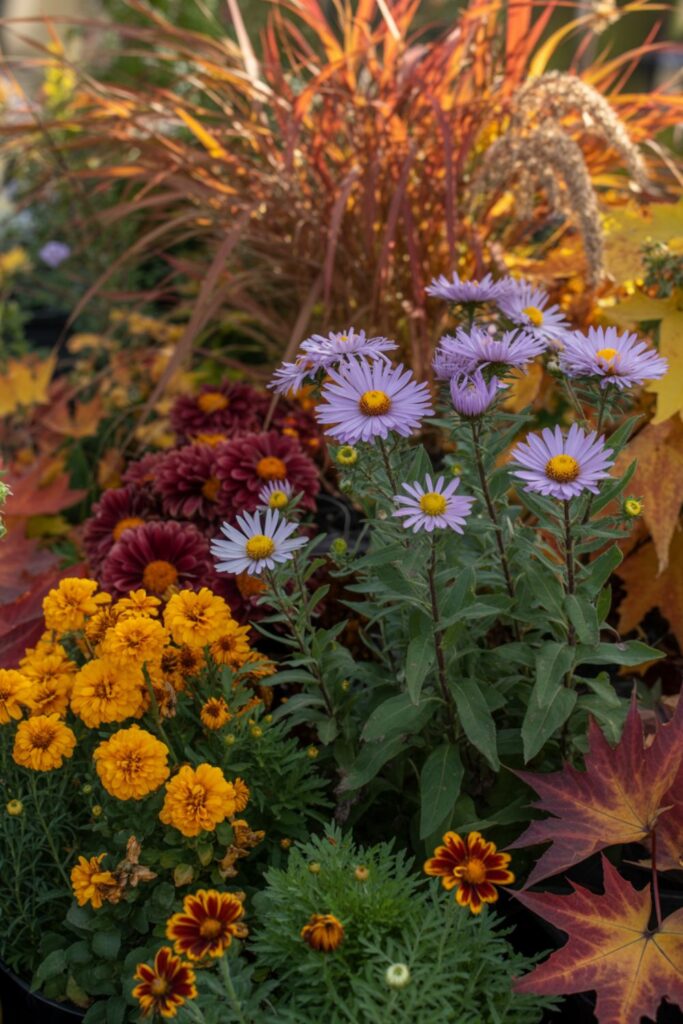
Spring preparation sets the stage for successful borders throughout the growing season ahead. Remove winter mulch or dead foliage in early spring once soil temperatures reach 40-50°F and new growth begins emerging from perennial crowns. Cut back ornamental grasses to 4-6 inches above ground before fresh growth appears, and divide overgrown perennials before they expend energy on spring growth that must be removed anyway.
Summer maintenance focuses on deadheading, watering during dry spells, and monitoring for pest or disease issues that escalate during warm, humid conditions. Cut back spring bloomers like catmint and salvia by one-third after their first flush fades, promoting bushier growth and often encouraging a second bloom cycle in late summer or fall. Stake tall perennials before they require it, as plants supported early grow through supports naturally rather than appearing obviously tied up when you intervene after they’ve already flopped.
Fall transition involves strategic cleanup decisions that balance tidiness with wildlife habitat preservation. Leave seed heads on coneflowers, black-eyed Susans, and ornamental grasses to feed overwintering birds while providing structural interest during dormant months. Cut back perennials prone to disease like phlox and bee balm, but delay removing healthy foliage until after several hard frosts when plants have transitioned nutrients into roots for winter storage. Apply fresh mulch after the ground freezes to prevent frost heaving damage during freeze-thaw cycles common in late winter and early spring.
What Budget-Friendly Options Exist for Starting Flower Borders?
Starting borders from seed offers dramatic cost savings compared to purchasing mature container plants, though it requires patience as plants establish and reach blooming size. Many popular border perennials like coneflowers, black-eyed Susans, and coreopsis grow readily from seed sown directly in prepared beds or started indoors 6-8 weeks before your last frost date. Annual flowers like zinnias, cosmos, and sunflowers provide first-season color while perennials develop, creating instant impact during establishment years.
Plant division and swapping with fellow gardeners builds borders essentially free while fostering community connections. Many perennials benefit from division every 3-5 years to maintain vigor, creating surplus plants gardeners gladly share. Join local garden clubs, online neighborhood groups, or plant swap events to access diverse varieties without spending money, often acquiring mature specimens that bloom their first season in your border.
Phased implementation spreads costs across multiple seasons while allowing you to observe how initial plantings perform before committing to complete border installation. Start with a foundational structure of a few key shrubs and reliable perennials, then fill gaps with inexpensive annuals while your perennial collection expands through division, seedlings, and strategic purchases of sale plants at nurseries. This approach creates immediate visual impact while building long-term value gradually through plant multiplication and strategic additions over several growing seasons.
Frequently Asked Questions About Flower Borders
How wide should a flower border be?
Most effective flower borders measure between 3-5 feet deep, providing adequate space for layering plant heights without creating maintenance challenges when reaching back-row specimens. Borders narrower than 3 feet limit design options and appear skinny, while depths exceeding 6 feet become difficult to maintain without creating access paths. Scale your border width proportionally to adjacent lawn or hardscape areas for balanced, professional-looking results.
Can you create a flower border in clay soil?
Yes, clay soil borders succeed when properly amended with generous organic matter additions that improve drainage and soil structure. Incorporate 3-4 inches of compost throughout the bed, and consider creating slightly raised borders that promote better drainage while making planting and maintenance more comfortable. Select plants that tolerate heavier soils like daylilies, coneflowers, black-eyed Susans, and Russian sage that thrive once established despite less-than-ideal soil conditions.
What’s the difference between a flower border and a flower bed?
Flower borders traditionally run alongside boundaries like fences, walls, or property edges with plants arranged from tall to short when viewed from one primary direction. Flower beds stand as independent islands viewable from multiple angles, requiring different design approaches with taller plants centered and heights graduating outward in all directions. This distinction affects plant placement strategies and overall composition for optimal viewing from intended perspectives.
How long does it take for a flower border to look established?
Perennial borders typically require 2-3 full growing seasons to achieve a mature, filled-in appearance as plants reach full size and spread naturally. The first year focuses on root establishment with modest above-ground growth, the second season shows significant size increases, and the third year delivers the abundant flowering and full coverage you envisioned during planning. Incorporating mature specimens, divisions from established gardens, and annual flowers alongside perennials creates more immediate impact during establishment years.
Should I use landscape fabric under my flower border?
Landscape fabric generally hinders perennial border health by preventing beneficial organic matter incorporation, restricting root growth, and creating maintenance headaches when weeds inevitably sprout in mulch above the fabric. Dense organic mulch layers suppress weeds effectively without the disadvantages fabric introduces. Reserve landscape fabric use for permanent hardscape situations like stone paths rather than planting beds where soil improvement and plant health take priority over long-term weed suppression.
Conclusion
Creating stunning flower borders that enhance your landscape’s beauty and value requires thoughtful planning, proper plant selection, and consistent maintenance practices that support long-term success. By understanding fundamental design principles like height layering, color theory, and succession planting, you’ll develop borders that deliver visual interest throughout all four seasons rather than brief peak moments. The investment you make in soil preparation, appropriate plant spacing, and selecting species suited to your specific conditions pays dividends for years through reduced maintenance, improved plant health, and increasingly spectacular displays as your border matures.
Whether you’re designing a vibrant cottage garden border bursting with color and texture or creating a sophisticated monochromatic composition that projects elegance and restraint, the principles outlined in this guide provide the foundation for achieving professional results. Start with a clear vision that considers your property’s unique conditions, implement proper bed preparation that sets plants up for success, and maintain your border consistently using organic practices that support environmental health alongside aesthetic goals. Your flower border will become a source of pride and enjoyment that welcomes you home, provides sanctuary for beneficial wildlife, and showcases your personal style for years to come.