20+ Flower Garden Ideas For Outdoor Blooming Paradise
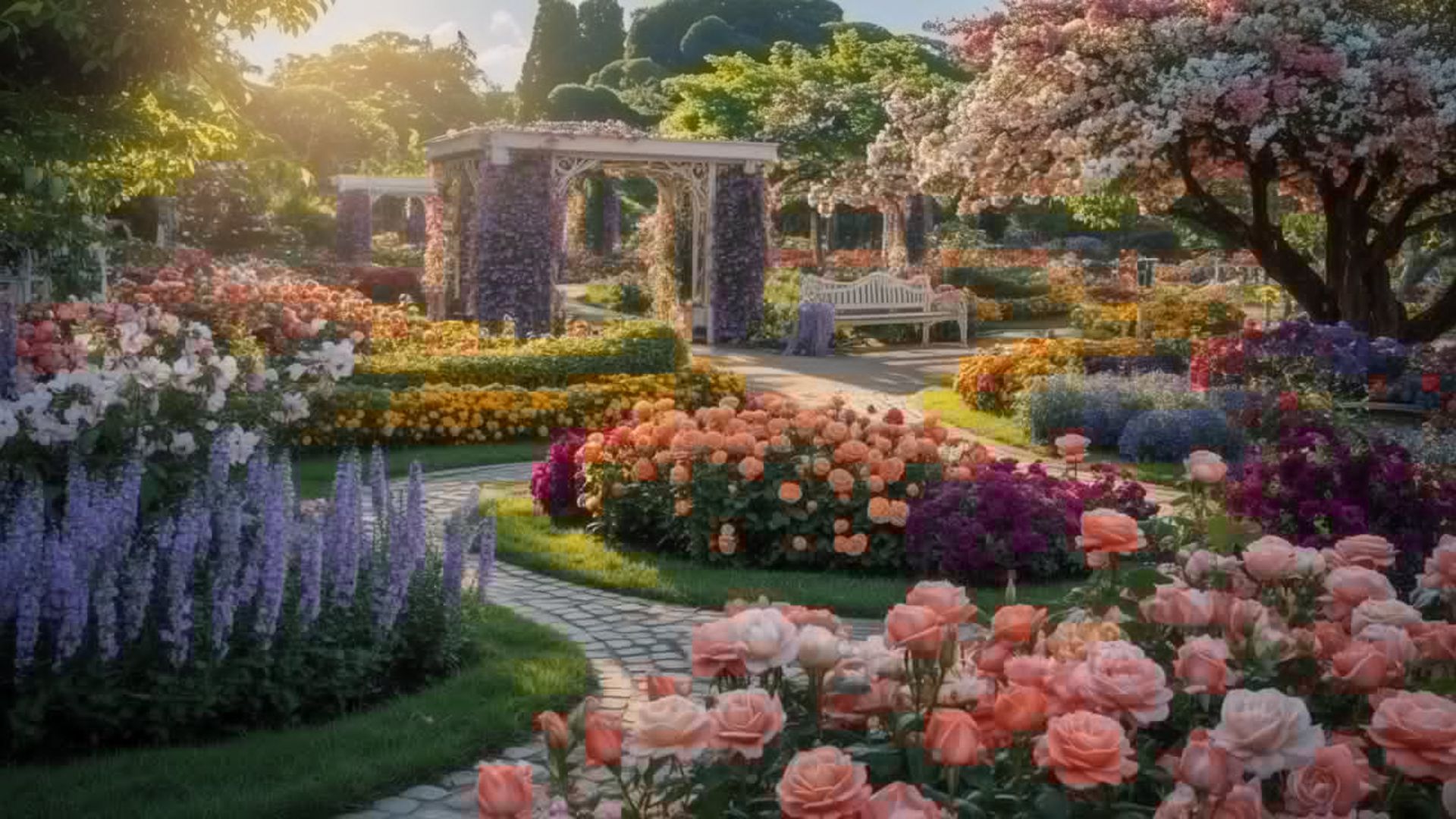
Your yard holds potential that feels frustratingly out of reach. You envision vibrant blooms cascading through beds, butterflies dancing between petals, and neighbors slowing down to admire your handiwork. Instead, you face patchy grass, bare spots, and confusion about where to begin. The gap between imagination and reality widens every spring when you see stunning gardens in magazines but can’t translate those visions to your own space.
Relief comes easier than you think: flower garden ideas work for any size yard, skill level, and budget. This comprehensive guide reveals proven garden design strategies, introduces low-maintenance flower varieties, and provides actionable planting schemes that create year-round beauty. You’ll discover how to plan layouts, choose plants that thrive together, and avoid costly mistakes that frustrate beginners.
What Makes a Successful Flower Garden?
A successful flower garden balances aesthetics with practical considerations that ensure long-term sustainability. The foundation starts with understanding your growing zone, soil type, and sunlight patterns throughout the day. These factors determine which flower varieties will flourish versus struggle in your specific location.
Successful flower garden ideas incorporates layers of interest through varied heights, textures, and bloom times. Plant tall specimens like delphiniums or hollyhocks in back borders, medium plants like coneflowers in the middle, and low-growing options like sweet alyssum along edges. This tiered approach creates depth while ensuring every plant receives adequate light. Healthy soil rich in organic matter, proper drainage, and consistent watering schedules matter more than expensive plants when building gardens that thrive year after year.
Read More About: https://growyouryards.com/beginner-gardening-guide/
Cottage Garden Style Ideas
Cottage gardens embrace organized chaos where flowers spill freely along pathways and intermingle without rigid structure. This romantic garden style originated in England, combining edibles with ornamentals in charming, productive landscapes. Traditional cottage favorites include roses, foxgloves, delphiniums, hollyhocks, and lavender planted densely for abundant color.
The key to authentic cottage flower garden ideas lies in repetition and self-seeding annuals that pop up in unexpected places. Plant perennials like catmint, salvia, and geraniums as backbone plants, then fill gaps with annuals such as cosmos, zinnias, and sweet peas. Climbing roses on arbors or trellises add vertical interest while herbs like rosemary and thyme contribute fragrance and culinary value. Meandering pathways made from brick, stone, or gravel wind through beds, creating intimate garden rooms that invite exploration. This approach works beautifully for small spaces since dense planting eliminates most weeding while maximizing bloom power per square foot.
How Do You Design a Low-Maintenance Flower Garden?
Low-maintenance flower garden ideas focus on perennial gardens filled with reliable bloomers that return annually without replanting. Select native plants adapted to your region’s climate, as these require less water, fertilizer, and pest management than exotic species. Black-eyed Susans, coneflowers, asters, and sedums thrive across most regions while attracting beneficial pollinators.
Ground covers like creeping thyme, creeping phlox, or ajuga suppress weeds while adding color to spaces between larger plants. Mulch beds heavily with 2-3 inches of organic material to retain moisture, regulate soil temperature, and minimize weed germination. Install drip irrigation or soaker hoses on timers to automate watering, eliminating the daily chore of hand-watering. Group plants by water need drought-tolerant varieties together, moisture-lovers in another area to avoid over or under-watering. Choose disease-resistant cultivars that don’t require constant deadheading, such as reblooming daylilies, Russian sage, or ornamental grasses that provide four-season interest with minimal intervention.
Small Space Flower Garden Designs
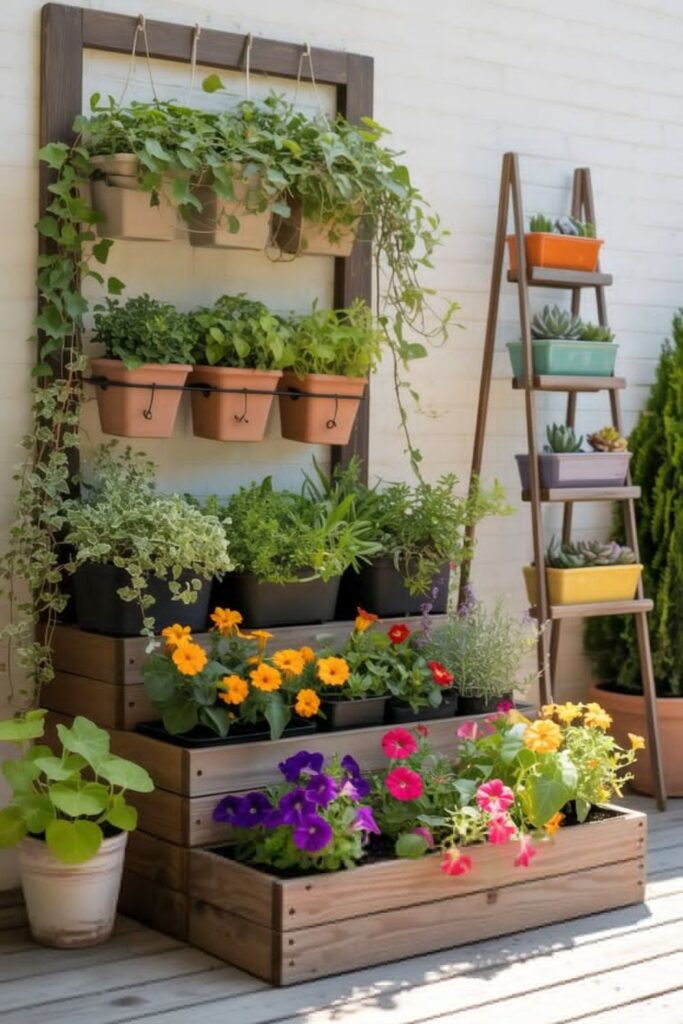
Small flower garden ideas prove you don’t need acreage to create stunning displays. Vertical gardening maximizes limited square footage by training climbing plants like clematis, morning glories, or climbing roses on trellises, fences, or walls. This approach adds dimension while keeping ground space available for other plants.
Container gardens offer flexibility for renters or those with only patios and balconies. Mix thriller-filler-spiller combinations in large pots tall flower varieties like cannas provide height, medium plants like geraniums fill middle space, and trailing petunias spill over edges. Window boxes bring blooms to eye level, perfect for showcasing compact plants like pansies, lobelia, or million bells. Raised beds concentrate planting areas, improve drainage, and make gardening more accessible for those with mobility issues. A 4×8-foot raised bed holds dozens of plants while remaining manageable for weekend gardeners. Strategic use of mirrors, light-colored hardscaping, and fewer but larger planting schemes create the illusion of expanded space in compact yards.
Colorful Garden Color Schemes
Strategic color schemes transform random plantings into cohesive flower garden ideas that feels intentionally curated. Monochromatic gardens using shades of one color create sophisticated elegance white gardens glow at twilight while all-purple schemes feel richly luxurious. These single-color planting schemes work beautifully in formal settings or small spaces where simplicity prevents visual chaos.
Analogous color combinations use neighbors on the color wheel like yellow-orange-red or blue-purple-pink for harmonious blends that feel naturally balanced. The “hot border” technique masses warm colors reds, oranges, yellows for energizing impact, while cool borders featuring blues, purples, and whites create calming retreats. Complementary schemes pair opposites like purple and yellow or blue and orange for vibrant contrast that makes both colors appear more intense. The 60-30-10 rule applies to gardens just like interior design: choose a dominant color for 60% of blooms, secondary for 30%, and accent color for 10%. Silver foliage plants like artemisia, dusty miller, or lamb’s ear serve as neutral buffers between bold color schemes, preventing clashing while adding textural interest.
What Are the Best Flowers for Beginner Gardens?
Beginner-friendly flower garden ideas tolerate neglect, adapt to various conditions, and reward minimal effort with abundant blooms. Zinnias rank top for new gardeners since they germinate quickly from seed, tolerate heat and drought, and bloom continuously from early summer until frost without deadheading.
Marigolds repel pests while providing cheerful orange and yellow flowers that thrive in poor soil and full sun. Sunflowers create instant drama with minimal care plant seeds directly in ground after frost, water occasionally, and watch them soar 6-10 feet tall. Perennials like daylilies forgive almost any mistake, spreading reliably while requiring division only every 5-7 years. Black-eyed Susans naturalize readily, covering ground with golden blooms that attract butterflies throughout summer and fall. Hostas excel in shade where few flowers grow, offering hundreds of varieties with varied leaf colors and textures. Pansies tolerate cold better than most annuals, providing color in spring and fall when other flower varieties fade. These bulletproof plants build confidence while teaching fundamental gardening skills without crushing disappointment from plant losses.
Perennial Garden Layout Ideas
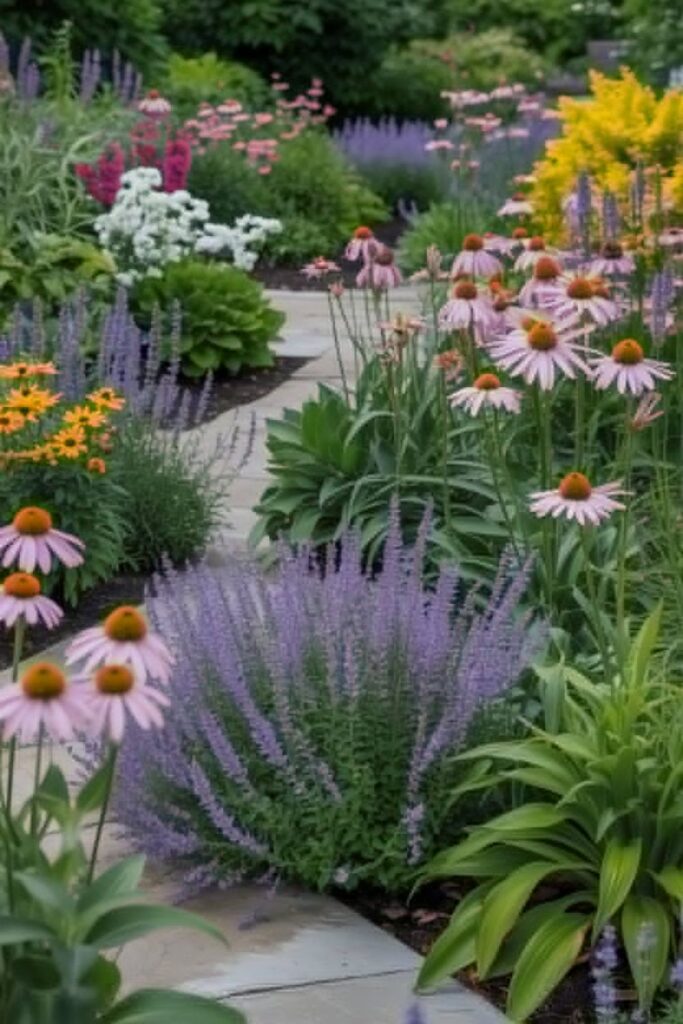
Perennial gardens provide enduring structure that evolves over years rather than requiring annual replanting. Design garden layouts using odd-numbered groupings 3, 5, or 7 plants of the same variety create natural-looking drifts more appealing than single specimens scattered randomly. This repetition unifies the design while ensuring visual impact even from a distance.
Layer bloom times so something flowers continuously from early spring through late fall. Start with spring bulbs like daffodils and tulips, transition to early summer bloomers like salvia and catmint, peak with summer performers like coneflowers and phlox, and finish with fall favorites like asters and sedum. Consider foliage texture and color during non-blooming periods hostas, heucheras, and ornamental grasses contribute year-round interest beyond their flowering moments. Island beds viewed from all sides require tallest plants in the center, while border gardens place height along the back. Leave adequate spacing between plants based on mature sizes to prevent overcrowding; perennials need room to reach full potential without constant dividing. Amend soil heavily before planting since you won’t easily access it later, incorporating compost, well-rotted manure, or other organic matter to support plants for years.
Cutting Garden Design Ideas
Cutting gardens prioritize flower production for arrangements over ornamental flower garden ideas viewed from the house. Plant in rows like a vegetable garden for easy access and maintenance, spacing plants closer than traditional borders since you’ll harvest regularly. This utilitarian approach maximizes blooms per square foot while simplifying care.
Essential cutting flower varieties include zinnias, cosmos, sunflowers, dahlias, and celosia for summer abundance. Add spring bulbs like tulips, daffodils, and alliums, then extend into fall with asters, chrysanthemums, and ornamental grasses. Include filler flowers like baby’s breath, statice, and yarrow that bulk up arrangements while lasting over a week in vases. Foliage plants like bells of Ireland, eucalyptus, and dusty miller provide greenery for every bouquet. Plant in succession every 2-3 weeks for continuous supply rather than one massive flush. Harvest flowers in early morning when stems hold maximum water content, cutting at an angle and immediately placing them in water. Regular harvesting encourages more blooms rather than depleting plants most cutting varieties produce more profusely when you pick frequently.
How Do You Create a Pollinator-Friendly Flower Garden?
Pollinator gardens support declining bee, butterfly, and hummingbird populations while creating dynamic, wildlife-filled spaces. Native flower varieties provide the most value since local pollinators evolved alongside them, but many non-natives like zinnias and sunflowers also attract beneficial insects abundantly.
When planning pollinator-friendly spaces, one of the best flower garden ideas is to plant large swaths of single varieties rather than one of everything. Pollinators forage more efficiently when they can feast on substantial plantings without constant searching, a key principle in any collection of flower garden ideas. Another essential tip from flower garden ideas strategies is choosing flower varieties with different bloom shapes: tubular flowers like salvias attract hummingbirds, flat landing pads like coneflowers welcome butterflies, and small clustered blooms like asters provide resources for native bees.
Many flower garden ideas emphasize eliminating pesticides entirely, even organic ones, because they harm beneficial insects along with pests. Leaving some areas slightly “messy” with spent flower heads through winter is another smart flower garden ideas tactic, as many native bees nest in hollow stems and birds feed on seed heads. Providing water sources like shallow dishes with pebbles for landing spots is also recommended in most pollinator-focused flower garden ideas.
Incorporating host plants where butterflies lay eggs and caterpillars feed is a critical component of flower garden ideas: milkweed supports monarchs, parsley feeds swallowtails, and native grasses shelter skippers. Finally, ensuring continuous bloom from early spring until hard frost is a core flower garden ideas strategy, guaranteeing food availability throughout pollinator life cycles.
Shade Garden Flower Ideas
Shade gardens challenge traditional notions that flowers require full sun to thrive. Hostas dominate shade planting schemes with hundreds of varieties offering colors from blue-green to chartreuse, plus sizes from miniature to giant specimens with leaves 12 inches across. Their flowers attract hummingbirds while deer usually avoid them.
Astilbes provide feathery plumes in pink, red, white, or purple that light up dim corners from late spring through midsummer. Bleeding hearts bloom reliably each spring with heart-shaped flowers dangling from arching stems, self-seeding gently in favorable conditions. Coral bells offer colorful foliage in purple, orange, lime, or silver with delicate flower spikes attractive to pollinators. Lungwort tolerates deep shade while providing early spring blooms and spotted foliage interest afterward. Japanese forest grass adds movement with cascading blades in gold or variegated forms. Shade-loving annuals like impatiens, begonias, and coleus fill gaps with season-long color. Amend shade garden beds heavily with compost since tree roots compete for nutrients, and mulch thickly to retain moisture that evaporates quickly despite reduced sun exposure.
Modern Minimalist Garden Designs
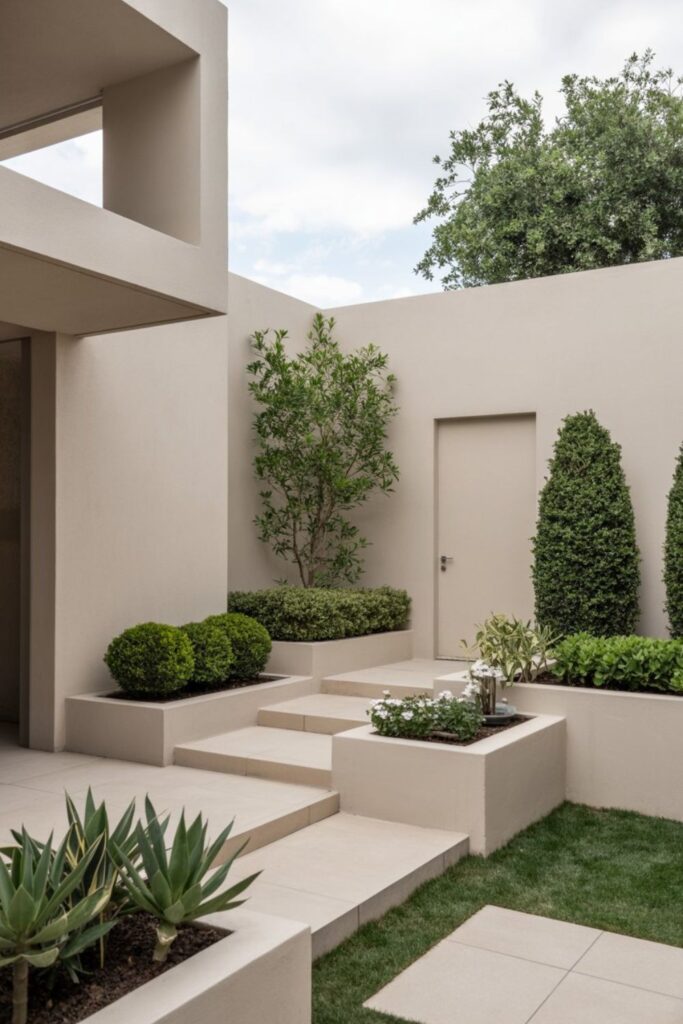
Minimalist flower garden ideas embrace restraint, focusing on a few carefully selected plants repeated for maximum impact. This contemporary garden style uses bold architectural plants like ornamental grasses, agaves, or cordylines as sculptural focal points surrounded by low ground covers or mulch.
Limit your flower varieties to 3-5 types repeated throughout the space for cohesive simplicity. Mass plantings of single species create graphic impact. 100 purple salvias or a meadow of black-eyed Susans makes stronger statements than mixed borders. Hardscaping plays an enlarged role in minimalist designs, with clean-lined paths, geometric garden beds, and modern materials like steel edging or concrete pavers defining planting areas. Negative space becomes as important as planted areas, with expanses of gravel, decomposed granite, or fine-textured ground covers providing visual rest. Color palettes stay restrained perhaps white and purple, or chartreuse and burgundy avoiding the rainbow approach of cottage gardens. This style requires less maintenance than traditional perennial borders since fewer plant types mean simpler care regimens.
What Flowers Bloom All Summer Long?
Continuous bloom flower varieties eliminate the gaps that plague many gardens mid-summer when spring bloomers finish and fall flowers haven’t started. Petunias lead the pack for non-stop color, especially newer varieties like Supertunia that bloom reliably from spring until frost without deadheading.
Geraniums provide consistent flowers in containers or garden beds, tolerating heat while requiring minimal water once established. Marigolds bloom continuously in sunny locations, self-cleaning spent flowers to maintain tidy appearance. Calibrachoa offers petunia-like blooms on compact plants perfect for containers and borders. Coreopsis tickseed varieties like ‘Moonbeam’ produce masses of small flowers from June through September, attracting butterflies abundantly. Salvia encompasses hundreds of varieties, many blooming all summer ‘May Night’ and ‘Caradonna’ offer deep purple spikes while tropical salvias provide red or orange flowers. Verbena bonariensis creates airy purple clouds from June until frost, self-seeding to return annually in many regions. The secret to all-summer blooming involves regular deadheading for most varieties, plus monthly feeding with balanced fertilizer to fuel continuous flower production.
English Garden Style Ideas
English flower garden ideas represents the pinnacle of refined romanticism, blending formal structure with seemingly effortless abundance. Traditional elements include neatly edged borders backed by hedges or walls, creating garden rooms that transition through different color themes or seasonal displays. Roses serve as foundation plants, underplanted with perennials like catmint, lady’s mantle, and hardy geraniums.
Classic English combinations pair soft pastels pink roses with purple salvias and silver artemisia creating gentle harmonies that feel simultaneously sophisticated and welcoming. Herbaceous borders mix flower varieties by height and bloom time, ensuring continuous interest from spring bulbs through fall asters. Incorporate climbers on arbors, pergolas, or house walls: clematis, honeysuckle, and climbing roses add vertical drama. Paths made from brick, stone, or gravel meander through garden beds, inviting strolling and intimate viewing. Topiary, whether formal boxwood shapes or relaxed lavender hedges, provides evergreen structure during winter months. Benches, birdbaths, and classical statuary create focal points while encouraging garden enjoyment beyond maintenance tasks. This labor-intensive garden style rewards dedicated gardeners with unparalleled beauty.
How Do You Start a Flower Garden from Scratch?
Starting flower gardens from bare ground requires systematic planning before purchasing a single plant. Begin by observing your site throughout the day, noting sun patterns full sun means 6+ hours, part sun 4-6 hours, and shade under 4 hours. Test soil pH and composition using an inexpensive kit from garden centers, as this determines which plants will thrive.
Remove existing grass using a sod cutter, smothering with cardboard and mulch, or applying non-selective herbicide if organic methods aren’t required. Amend soil generously with 3-4 inches of compost tilled to 8-12 inches deep, creating the rich foundation plants need. Design your garden layout on graph paper first, accounting for mature plant sizes to avoid overcrowding. Begin with “backbone” plants, large perennials, shrubs, or ornamental grasses that provide structure year-round. Add secondary plants that complement these anchors, then fill remaining spaces with annuals your first year while perennials establish. Edge beds clearly with metal, stone, or plastic barriers to prevent grass encroachment. Mulch heavily between plants to suppress weeds and retain moisture. Water new plantings daily for the first two weeks, then taper to 2-3 times weekly as roots establish, adjusting based on rainfall.
Raised Bed Flower Garden Ideas

Raised garden beds are one of the most effective flower garden ideas, solving multiple challenges at once: poor soil, drainage problems, accessibility, and aesthetic appeal. Beds elevated 8–12 inches warm earlier in spring, extending the growing season while improving drainage and preventing root rot in heavy clay soils, an important tip in many flower garden ideas guides. The contained spaces also simplify crop rotation and make maintenance tasks like weeding and deadheading less back-straining, a practical point highlighted in popular flower garden ideas collections.
Building frames from cedar, composite lumber, or galvanized steel, while avoiding pressure-treated wood near edibles—is a recommended strategy in most flower garden ideas. Fill beds with quality garden soil mixed with compost rather than native soil to ensure optimal growing conditions from day one. Keep bed widths no wider than 4 feet so you can reach the center from either side without stepping inside and compacting the soil, a tip frequently suggested in flower garden ideas guides.
Incorporate planting schemes that mix heights and textures, a common theme in creative flower garden ideas: tall dahlias or sunflowers in back corners, medium-height plants like zinnias in the middle, and trailing lobelia or sweet alyssum cascading over edges. Succession planting throughout the season, tucking in annuals for summer color after tulips finish—is another strategy emphasized in flower garden ideas. The defined borders of raised beds create formal garden design even with cottage-style plantings, adding architectural interest during winter months when plants die back, a finishing touch often highlighted in inspiring flower garden ideas.
Wildflower Meadow Garden Ideas
Wildflower meadows recreate natural garden styles that support ecosystems while requiring minimal maintenance once established. These low-input landscapes replace manicured lawns with swaths of native flower varieties that bloom sequentially from spring through fall. Meadows work best on larger properties where neighbors won’t complain about “unkempt” appearances.
Prepare sites by removing existing vegetation and weed seeds through repeated tilling, solarization, or herbicide application. Poor soil suits meadows better than rich earth since aggressive weeds dominate fertile ground while wildflowers thrive in lean conditions. Select regional wildflower mixes containing species native to your area for best results and wildlife value. Add ornamental grasses like little bluestem or side oats grama for structure and movement. Spring sowings generally succeed better than fall plantings in most regions. First-year maintenance involves mowing several times to suppress weeds while wildflowers establish deep roots. By year two, mow only once in late winter before growth begins. Some gardeners create mown paths through meadows for access and visual definition. This approach dramatically reduces water usage, eliminates fertilizer needs, and provides far more pollinator value than traditional flower garden ideas requiring constant intervention.
Container Flower Garden Combinations
Container gardens bring flower garden ideas to spaces where in-ground planting isn’t possible: patios, balconies, rooftops, or rental properties. The thriller-filler-spiller formula creates professional-looking arrangements: one tall focal plant provides height, several medium plants fill the middle, and trailing varieties spill over edges softening the container.
Choose pots at least 12-16 inches in diameter with drainage holes larger containers need less frequent watering while providing adequate root space. Use quality potting mix rather than garden soil, which compacts in containers and drains poorly. Mix slow-release fertilizer into soil at planting, then supplement with liquid fertilizer every 2-3 weeks since frequent watering leaches nutrients. Combine flower varieties with similar water and light needs: drought-tolerant succulents, geraniums, and lantana together, or moisture-loving impatiens, begonias, and ferns in shadier spots. Group multiple containers of varied heights for more impact than scattered singles. Refresh containers mid-summer by trimming leggy growth and replacing spent plants with fresh options. Move containers to feature areas when they peak, rotating showstoppers to always display the best combinations.
Seasonal Flower Garden Planning
Year-round beauty requires strategic planting schemes that sequence blooms across all four seasons. Spring starts with early bulbs like snowdrops, crocuses, and early daffodils, progressing to tulips, hyacinths, and mid-spring perennials like bleeding hearts and Virginia bluebells. Underplant these with later-emerging host as or ferns that disguise yellowing bulb foliage.
Summer offers the longest bloom period with flower garden ideas like daylilies, coneflowers, coreopsis, and phlox forming the perennial garden backbone. Supplement with heat-loving annuals such as zinnias, marigolds, and celosias for continuous color. Fall transitions begin in late August with asters, sedums, ornamental grasses, and chrysanthemums providing rich tones as summer bloomers fade. Don’t forget fall-blooming bulbs like colchicum and fall crocuses for unexpected pops. Winter gardens rely on structural elements, ornamental grasses left standing, evergreen shrubs, and seed heads that catch frost beautifully. Hellebores bloom through snow in late winter, bridging to spring. Strategic evergreen plants, colorful bark on shrubs like red-twig dogwood, and hardscape features maintain interest during dormant months when herbaceous perennials disappear completely.
Read More About: 25+ Flower Bouquet Ideas To Every happy Occasion
How Do You Combine Flowers and Vegetables in One Garden?
Mixing edibles with ornamentals creates productive beauty called “edible landscaping” or “potager gardens” adapted from French traditions. This practical approach maximizes space while creating gardens that feed both body and soul. Many vegetables offer ornamental value: rainbow chard displays colorful stems, purple cabbage forms sculptural rosettes, and pole beans on decorative tuteurs add vertical drama.
Integrate herbs like purple basil, flowering chives, or variegated sage as border plants providing both culinary and visual value. Flowering vegetables like borage, nasturtiums, and squash blossoms attract pollinators while remaining edible themselves. Design garden beds geometrically with low hedges of herbs or flowers defining sections containing vegetables. Alternate rows of vegetables with cut flowers, or interplant tomatoes with marigolds that repel pests. Some flower varieties actually improve vegetable health: nasturtiums deter aphids, cosmos attracts beneficial insects, and sweet alyssum serves as living mulch suppressing weeds. This integrated approach increases garden productivity and biodiversity while looking far more attractive than purely utilitarian vegetable rows. Just ensure edibles receive 6-8 hours of sun daily and avoid ornamentals treated with pesticides unsuitable for food crops.
Drought-Tolerant Flower Garden Ideas
Water-wise flower garden ideas conserve resources while remaining colorful and pollinator-friendly. Native plants adapted to your regional rainfall patterns form the foundation of successful xeriscapes. The American Southwest favors penstemons, salvias, and California poppies, while the Great Plains support prairie natives like purple coneflowers, black-eyed Susans, and butterfly weed.
Mediterranean plants like lavender, rosemary, yarrow, and santolina thrive across many regions with minimal irrigation once established. Ornamental grasses including blue fescue, feather reed grass, and fountain grass add movement and texture while tolerating drought conditions. Succulents like sedums, hens-and-chicks, and ice plants provide unique textures for mild winter regions. Group plants by water needs to place drought-tolerant varieties together so you don’t waste water on thirsty plants nearby. Mulch heavily to reduce evaporation, and use drip irrigation rather than sprinklers to deliver water directly to roots. Choose heat-tolerant flower varieties over water-loving options: lantana, portulaca, and blanket flower instead of impatiens, astilbes, and ligularias. Drought-tolerant flower garden ideas design often incorporates hardscaping gravel paths, decorative rock, and dry creek beds reducing overall planted areas while creating visual interest.
Frequently Asked Questions
When is the best time to start a flower garden?
Spring after the last frost date allows planting most annuals and perennials, giving them a full growing season to establish. Fall planting works well for spring-blooming bulbs and perennials in regions with mild winters, as roots develop through cool months before spring growth surges.
How much sun do flower gardens need?
Most flowering plants require at least 6 hours of direct sunlight daily for abundant blooms. Part-sun gardens with 4-6 hours manage certain flower varieties like impatiens, begonias, and astilbes, while fewer than 4 hours limits choices to true shade-lovers like hostas and ferns.
What is the easiest flower garden for beginners?
Container gardens offer the simplest starting point since you control soil quality, drainage, and placement. Alternatively, small raised beds filled with beginner-friendly annuals like zinnias, marigolds, and sunflowers provide success without overwhelming new gardeners with large spaces or challenging perennials.
How do you keep a flower garden blooming all season?
Deadheads spend flowers regularly to encourage continuous blooming, fertilize monthly during growing season, and plant varieties with staggered bloom times. Supplement early-finishing spring bloomers with long-flowering annuals, and refresh tired midsummer containers with fresh plants for fall color.
Should flower gardens be in rows or clusters?
Clusters of 3-7 plants of the same variety create natural-looking drifts more visually appealing than single specimens scattered randomly. Avoid rigid rows except in cutting gardens where production matters more than aesthetics. Repeat plant groupings throughout garden beds for cohesive garden design that feels intentional.
Conclusion
Flower garden ideas transform ordinary yards into living canvases that evolve through the seasons, bringing joy every time you step outside. The most successful flower garden ideas reflect your personal style while considering your site’s conditions and the time you can dedicate to maintenance. Start small with manageable garden beds or containers, master the basics with reliable flower varieties, and then expand gradually as your confidence and skills grow, one of the foundational tips in many flower garden ideas guides. Principles like height layering, bloom sequencing, and color coordination apply across styles, whether you favor cottage abundance or minimalist restraint, making them key elements in all effective flower garden ideas.
Your garden journey often begins with a single plant, a small bed, or even one container on a sunny porch, a strategy frequently recommended in beginner-friendly flower garden ideas. Observe which planting schemes thrive in your neighborhood, visit public gardens for inspiration, and embrace mistakes; every gardener experiences failures while learning what grows best under their unique conditions. Perennials offer long-term structure and investment, while annuals provide season-long color—both strategies emphasized in expert flower garden ideas collections. Remember, gardens improve year after year as plants mature and your expertise deepens. The perfect flower garden isn’t found in magazines but in your own yard, shaped by your vision, effort, and the countless small decisions that accumulate, a principle at the heart of all creative flower garden ideas, ensuring a beautiful, personalized space to enjoy for years ahead.