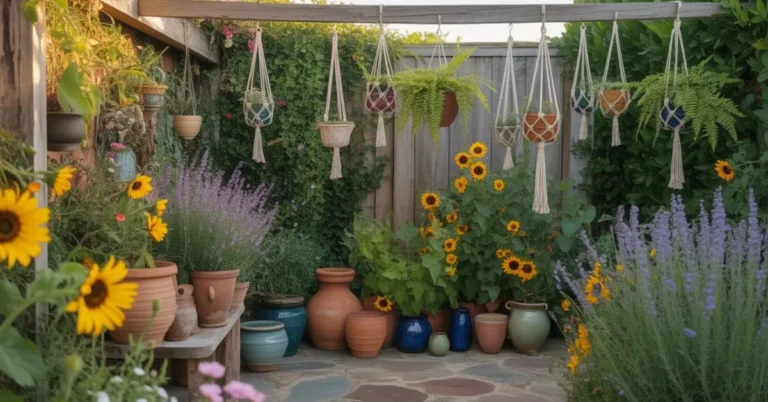
Garden Ideas With Cinder Blocks for Creative Outdoor Spaces

Your garage likely holds stacks of cinder blocks from previous projects, or maybe you’ve walked past them countless times at hardware stores without seeing their potential. These unassuming gray rectangles seem destined for foundations and construction sites, not creative landscapes. That narrow view costs you money and limits possibilities while expensive planters and landscape features drain your budget.
The truth is simple: garden ideas with cinder blocks transform outdoor spaces with versatility no other material matches at comparable cost. From raised bed gardens to outdoor seating, from vertical planters to decorative garden art, these industrial blocks become whatever your landscape needs.
Why Cinder Blocks Excel for Garden Projects
Cinder blocks offer unmatched flexibility through their modular construction. The uniform size means limitless arrangement possibilities stack them, lay them flat, create curves, build walls, or construct furniture. Their hollow cores provide built-in planting holes perfect for herbs, succulents, or cascading flowers. Unlike wood that rots or plastic that degrades, concrete blocks last indefinitely with zero maintenance beyond occasional cleaning.
Cost-effectiveness separates garden ideas with cinder blocks from alternatives. Individual blocks run $1.50-$3.00 each a fraction of manufactured planters, landscape timbers, or stone pavers. A weekend project using 50 blocks costs under $150 in materials yet creates features worth thousands in landscape value. This accessibility makes professional-looking results achievable for any homeowner regardless of budget. The instant gratification appeals to most DIY garden projects complete in hours or a single weekend without specialized tools or skills.
Creative Raised Bed Ideas Using Cinder Blocks
Traditional Rectangular Raised Beds
Classic raised bed designs using garden ideas with cinder blocks create productive growing spaces in any yard. Build simple rectangles by laying blocks end-to-end in your desired dimensions. A 4×8-foot bed one block high requires just 18 blocks and takes under an hour to construct. Stack two or three high for greater soil depth supporting larger plants like tomatoes or root vegetables.
Position blocks with hollow cores facing upward to maximize planting opportunities. Fill the central bed area with quality soil mix while planting herbs, lettuce, or strawberries in the block openings. This dual-level approach dramatically increases usable space: a 4×4-foot bed provides 16 square feet in the center plus 12 additional planting holes in the blocks themselves. Paint blocks in coordinating colors to match your landscape aesthetic, transforming utilitarian construction into intentional design.
Curved and Geometric Patterns
Break away from straight lines by creating curved raised bed ideas that add organic flow to landscapes. Cinder blocks adapt to gentle curves when positioned at slight angles to each other. Build kidney-shaped island beds, flowing S-curves along property edges, or circular planters around specimen trees. These softer shapes feel more natural while adding visual interest to rectangular yards.
Experiment with geometric patterns beyond basic rectangles. L-shaped beds fit perfectly into corners, maximizing awkward spaces. U-shaped configurations create protected microclimates perfect for tender plants. Hexagonal or octagonal raised beds become striking focal points in lawn areas. The beauty of cinder block construction lies in its forgiveness rearrange blocks until the layout feels right before committing by filling with soil.
Vertical Garden Wall Projects
Living Wall Planters
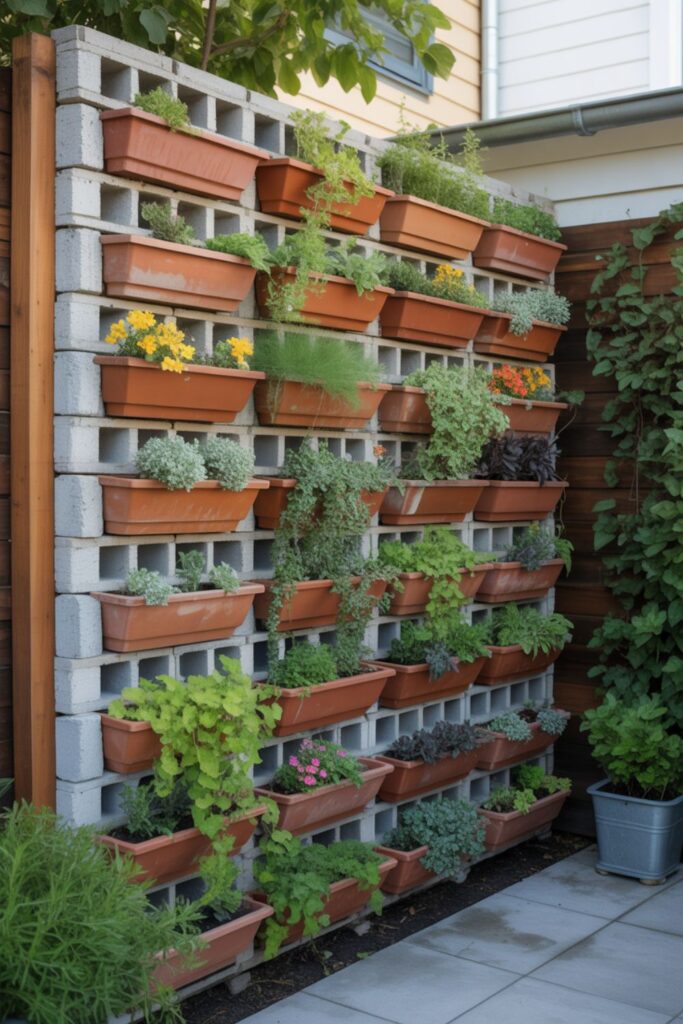
Vertical planter walls maximize growing space in compact areas while creating stunning visual displays. Stack cinder blocks horizontally so hollow cores face outward, forming a grid of planting holes. A wall measuring 6 feet wide and 3 blocks high provides 18 planting pockets in just 18 inches of ground depth. These living walls work beautifully for succulents, trailing flowers, or compact herbs.
Secure vertical structures by driving rebar through select block holes into the ground for stability. Paint alternating blocks in complementary colors for graphic impact, or leave natural gray for industrial-chic aesthetics. Plant densely to create lush coverage succulents like sedum or sempervivum quickly fill in, creating tapestry effects. Position walls to screen unsightly views, create privacy barriers, or divide larger yards into distinct outdoor rooms.
Herb Garden Walls for Kitchen Access
Create dedicated herb garden wall structures near kitchen doors for convenient cooking access. Build freestanding walls 3-4 blocks high and 4-6 blocks wide, planting different herbs in each opening. Label blocks with painted names or decorative markers so you identify herbs quickly while cooking. This organization system keeps culinary herbs separate from medicinal or ornamental varieties.
Arrange herbs by water needs drought-tolerant rosemary, thyme, and oregano in upper holes that dry fastest, moisture-loving basil and parsley in lower positions that stay damper. The vertical orientation brings herbs to comfortable harvesting height, eliminating bending. South-facing walls provide maximum sun exposure herbs crave. Add small trellises behind walls for climbing varieties like peas or pole beans, further increasing productive capacity.
Outdoor Furniture and Seating Ideas
Cinder Block Benches
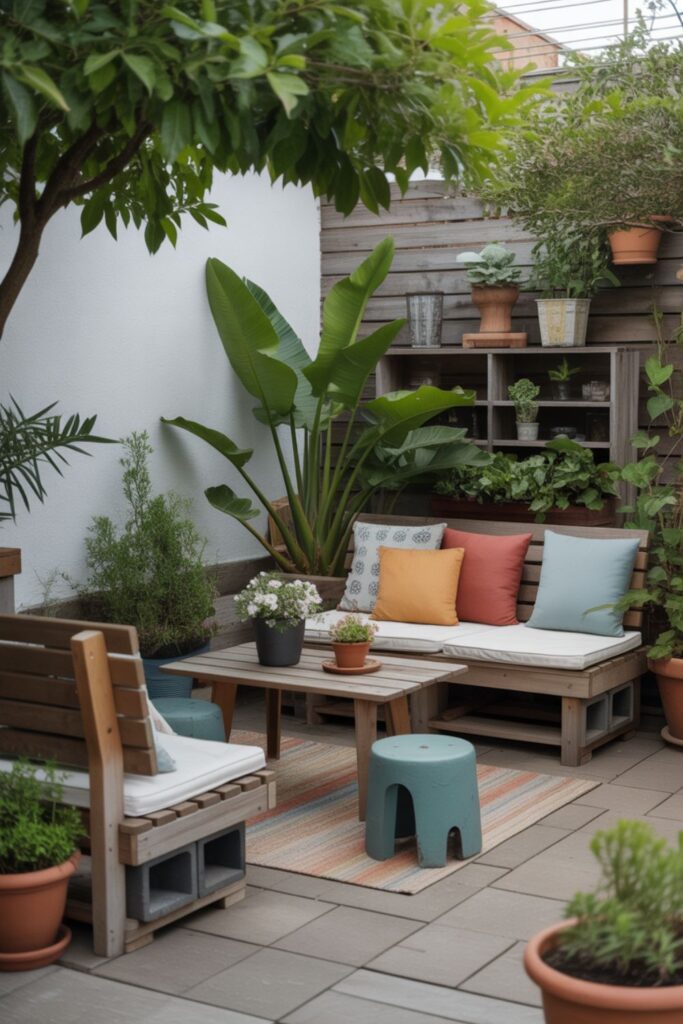
Outdoor seating from cinder blocks combines functionality with surprising comfort when properly constructed. Create simple benches using blocks as supports with wooden planks, concrete pavers, or cushions across the top. Space two stacks of 2-3 blocks approximately 4 feet apart, then bridge them with your seating surface. Add colorful outdoor cushions for comfort and style.
Build L-shaped bench seating in corners by arranging blocks in perpendicular configurations. Fill some hollow cores with soil and trailing plants that soften hard edges while the structure provides seating for gatherings. These multipurpose pieces function as both furniture and planters, perfect for small patios where every element must work hard. Paint blocks in bold colors or leave natural both approaches work depending on your overall garden ideas with cinder blocks aesthetic.
Tables and Work Surfaces
Construct sturdy garden work tables using cinder block bases topped with reclaimed doors, thick plywood, or butcher block. The block supports substantial weight perfect for potting stations, outdoor dining, or serving surfaces. Adjust table heights by varying block quantities in each stack. Standard dining height requires stacks of 3-4 blocks depending on tabletop thickness.
Create permanent outdoor kitchens by building counter-height work surfaces with blocks. Include built-in storage by leaving some hollow cores empty for tools, pots, or supplies. Top blocks with tile, concrete, or stone slabs for durable, weather-resistant surfaces. Add a lower shelf between ground level and tabletop by positioning blocks strategically; this provides storage for bags of soil, pots, or other garden necessities.
Read More About: Backyard Landscaping Designs for a Beautiful and Functional Yard
Fire Pit and Outdoor Living Features
Simple Fire Pit Designs
Build attractive fire pit areas using cinder blocks arranged in circles or squares. A basic round fire pit requires roughly 30 blocks laid in concentric rings, leaving gaps between blocks in the inner ring for airflow. Keep the first ring low just one block high then build outer seating walls two or three blocks tall. Fill the gaps with decorative gravel and add a steel fire ring insert for contained, safe fires.
Position your fire pit at least 10 feet from structures, overhanging trees, or flammable materials. Create the base using compacted gravel for drainage and stability. Consider building with fire-rated concrete blocks specifically designed for high temperatures if planning frequent use. Standard garden ideas with cinder blocks work for occasional fires but may crack under extreme, repeated heat. Paint exterior rings in warm tones like terracotta, rust, or bronze to complement the fire’s glow.
Garden Borders and Edging
Cinder blocks create clean edging that defines beds and pathways while preventing soil erosion. Lay blocks end-to-end along bed perimeters, either flat or on their sides depending on desired height. The uniform dimensions produce precise lines impossible to achieve with flexible edging materials. Fill hollow cores with cascading plants like creeping thyme or sweet alyssum that soften hard edges.
Build raised borders separating lawn from planting beds using single rows of blocks. This elevation change prevents grass encroachment while clearly delineating spaces. Paint blocks coordinating with nearby flowers for cohesive looks. Checkerboard patterns using painted and natural blocks add visual interest to long borders. These budget landscaping solutions cost pennies compared to manufactured edging yet deliver superior durability and flexibility.
Decorative Garden Art and Accents
Painted Block Sculptures
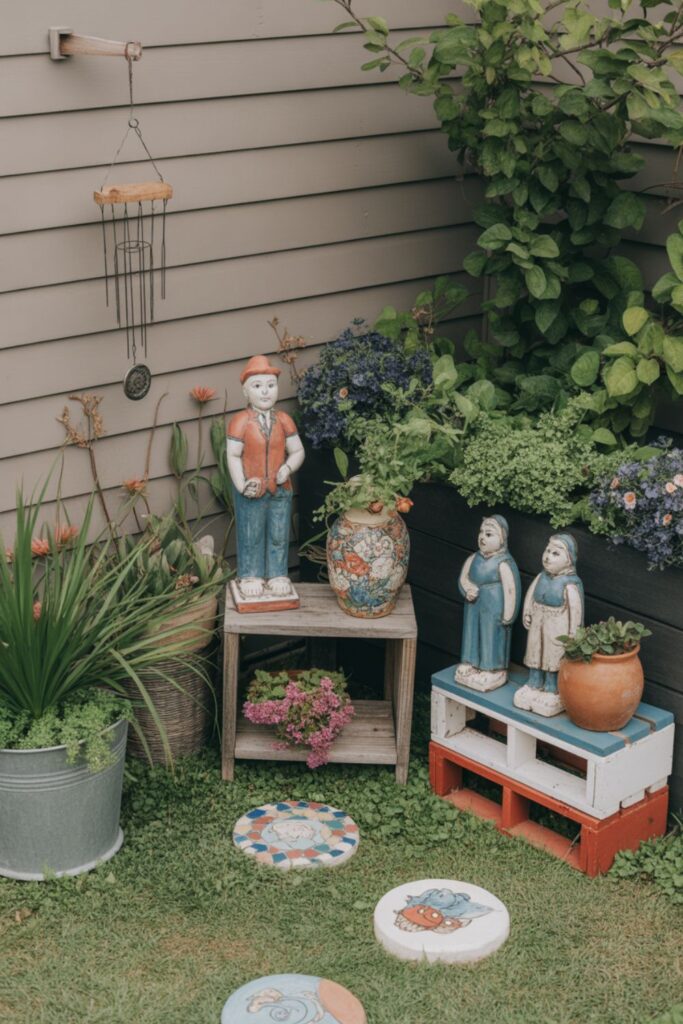
Transform ordinary garden ideas with cinder blocks into eye-catching garden art through creative painting and stacking. Build abstract sculptures by arranging painted blocks in interesting configurations: pyramid shapes, spiraling columns, or asymmetrical towers. Use exterior masonry paint in bold colors, geometric patterns, or ombre effects. These installations become conversation pieces that inject personality into neutral landscapes.
Stack blocks to create planter columns of varying heights throughout gardens. Paint each stack differently, some in solid colors, others with stripes or polka dots. Plant trailing succulents or flowers in top openings that cascade down painted surfaces. Group odd numbers of columns (3, 5, or 7) at different heights for dynamic visual rhythm. These vertical elements add dimension to flat gardens while requiring minimal ground space.
Garden Entry Pillars
Build impressive garden entrance pillars flanking pathways or gates using stacked cinder blocks. Four blocks high creates substantial presence without overwhelming smaller yards. Cap pillars with flat stones, concrete pavers, or wooden caps for finished appearances. Mount house numbers, lanterns, or decorative elements to personalize these structures.
Fill hollow cores in entrance pillars with solar lights that illuminate pathways at night while showcasing your creative work. Paint pillars in colors complementing your home’s exterior or choose natural finishes for timeless appeal. These architectural features frame views, mark transitions between spaces, and provide vertical interest that draws eyes upward, making properties feel more expansive.
Practical Garden Storage Solutions
Tool and Supply Organization
Create functional storage by building cinder block shelving units in garden sheds, under covered patios, or against garage walls. Stack blocks in H-patterns have two vertical columns with horizontal blocks connecting them then lay wooden planks across for shelves. Adjust shelf spacing to accommodate different items from small hand tools to large bags of mulch or fertilizer.
Build dedicated potting benches with built-in storage underneath. Position blocks to form a lower shelf about 6 inches off ground for bags and large containers, then create a work surface at comfortable standing height. The sturdy concrete blocks support significant weight without sagging. Paint storage structures to match other garden features, creating visual cohesion throughout your outdoor spaces.
Compost Bin Construction
Construct three-bin compost systems using cinder blocks laid in U-shapes. Each bin measures approximately 3×3 feet ideal for proper composting while remaining manageable. Leave the front open for easy turning and access, building just three sides per bin. The modular nature lets you expand the system as composting needs grow.
Air circulation through gaps between blocks accelerates decomposition naturally. Cinder block bins last forever unlike wooden versions that deteriorate from constant moisture exposure. Build bins in partially shaded areas near gardens for convenient access. Fill some upper hollow cores with companion plants like nasturtiums or marigolds that attract beneficial insects while disguising utilitarian compost areas.
Small Space Garden Ideas
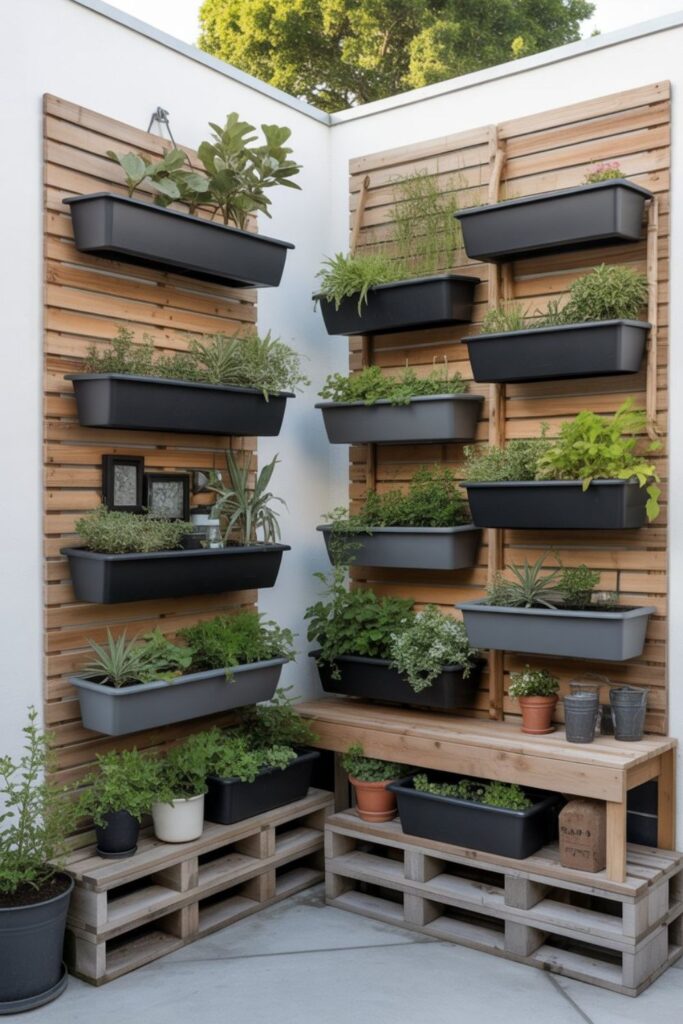
Vertical Succulent Displays
Succulent display walls turn boring fences or blank walls into living art using minimal space. Attach cinder blocks to sturdy fence posts or walls using construction adhesive, positioning hollow cores horizontally. Plant succulents in each opening, creating colorful mosaics of different varieties. These displays thrive with minimal care perfect for busy gardeners or those new to plant keeping.
Choose succulents with contrasting colors and textures burgundy echeveria, chartreuse sedum, blue-gray senecio, and green sempervivum. The variety creates dimension and visual interest. These drought-tolerant plants suit the quick-draining conditions cinder block planting holes provide. Water sparingly every 2-3 weeks typically suffices. These vertical gardens work beautifully on apartment balconies, small urban yards, or anywhere ground space is limited.
Tiered Corner Planters
Maximize awkward corner spaces by building stepped pyramid planters. Start with a base row of 4-6 blocks arranged in an L-shape, then stack progressively smaller rows creating a staircase effect. Each level provides planting opportunities at different heights, bringing plants to eye level while consuming minimal square footage. These tiered structures work perfectly for herbs, flowers, or strawberry plants.
Paint each tier a different coordinating color for rainbow effects, or use ombre techniques graduating from dark at the base to light at the top. The dimensional structure adds architectural interest to flat yards while solving the universal challenge of what to do with difficult corners. Tuck these planters beside sheds, in patio corners, or flanking outdoor seating areas where they create cozy, enclosed feelings.
Read More About: Outstanding Cinder Garden Ideas for a Unique Outdoor Space
Budget-Friendly Pathway Projects
Stepping Stone Paths
Create charming pathways by laying cinder blocks flat as oversized stepping stones. Space them at comfortable stride intervals roughly 24 inches apart works for most adults. Fill gaps with pea gravel, decorative stones, or groundcover plants like creeping thyme that tolerate foot traffic. This approach costs far less than manufactured stepping stones while delivering similar visual impact.
Arrange blocks in straight lines for formal looks or staggered patterns for casual aesthetics. Paint blocks before installation for colorful paths children especially enjoy creating patterns like hopscotch squares or rainbow sequences. The blocks’ substantial size provides stable footing even for elderly users or those with mobility challenges. Easily reposition blocks if paths need adjustment unlike poured concrete, these flexible pathways adapt to changing landscape needs.
Raised Walkways and Boardwalks
Build elevated pathways across wet or uneven terrain using cinder blocks as foundation supports. Lay blocks every 3-4 feet along the path route, then bridge them with pressure-treated 2×6 or 2×8 planks. This creates boardwalk-style paths that stay dry even in muddy conditions. Adjust height by stacking blocks to level paths over sloped areas.
These raised pathways work exceptionally well in vegetable gardens where heavy watering creates muddy conditions. Keep paths clean and accessible while protecting plant roots from compaction. The elevated design also provides excellent drainage beneath, preventing standing water issues. Stain or paint wooden planks to coordinate with surrounding landscape features for cohesive aesthetics.
Frequently Asked Questions
How many cinder blocks do I need for a raised garden bed?
A standard 4×8-foot raised bed one block high requires 18 cinder blocks. Calculate by measuring your perimeter in feet, multiplying by 0.75, then multiplying by the number of rows high. Always purchase extras for adjustments or breakage during construction. Curved designs require approximately 20% more blocks than equivalent straight-sided beds.
Can I paint cinder blocks for outdoor garden projects?
Yes, exterior masonry paint adheres well to concrete blocks and lasts for years. Clean blocks thoroughly before painting, let them dry completely, then apply primer followed by two coats of paint. Choose colors carefully, dark shades absorb more heat which can stress nearby plants. Seal painted surfaces with exterior-grade sealant to extend finish longevity and ease cleaning.
Are cinder blocks safe for growing vegetables and herbs?
Modern cinder blocks are safe for edible gardens; they contain concrete and aggregate without toxic additives. Blocks manufactured after 1980 don’t pose health risks for vegetable or herb gardens. If using vintage blocks or if concerned, line interiors with landscape fabric as a barrier, though this typically isn’t necessary with contemporary concrete blocks.
What can I plant in cinder block holes?
Herbs like thyme, oregano, and basil thrive in block hollow cores. Succulents excel in the well-draining, confined spaces. Compact flowers including alyssum, lobelia, or dwarf petunias add color. Lettuce, radishes, and green onions work for edibles. Choose plants with modest root systems that won’t outgrow spaces quickly to avoid aggressive spreaders or deep-rooted species.
How do I stabilize stacked cinder block structures?
For structures up to three blocks high, weight from soil and plants provides adequate stability. Taller constructions need reinforcement drive rebar through select hollow cores into the ground. Construction adhesive or mortar between layers prevents shifting while still allowing future reconfiguration if desired. Always build on level, stable foundations using compacted gravel bases for permanent installations.
Conclusion
Garden ideas with cinder blocks prove that creativity trumps expensive materials when transforming outdoor spaces. These versatile concrete blocks adapt to countless applications from productive raised bed gardens and vertical planters to functional outdoor seating and decorative garden art. Their durability, affordability, and modular construction make them accessible for any skill level while delivering professional-looking results that enhance property value and create genuine enjoyment.
Start your cinder block transformation today by assessing which projects suit your space and needs. Begin with simple raised bed ideas or basic planting holes to build confidence, then tackle more ambitious fire pit areas or furniture DIY garden projects as skills develop. The beauty of working with cinder blocks lies in their forgiveness mistakes are easily corrected, designs evolve without waste, and your garden grows more functional and beautiful with each creative addition you construct.