30+ Best House Tiles Design Ideas for Every Room
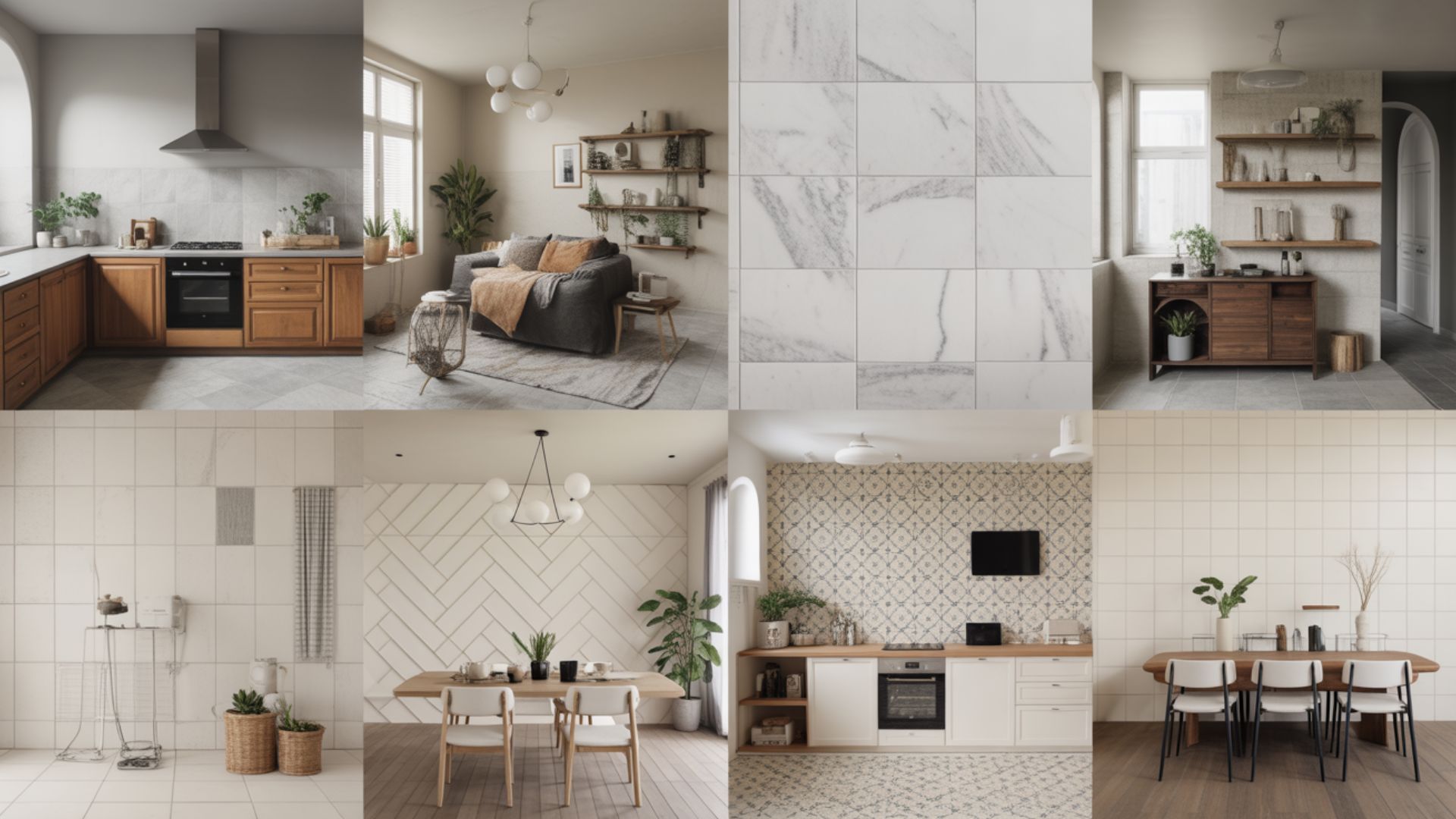
Your home’s tile design looks outdated and uninspired. Every time you walk through your kitchen, bathroom, or entryway, you notice builder-grade tiles from decades ago that make your entire space feel dated regardless of furniture updates or fresh paint. Meanwhile, friends renovate with stunning tile patterns creating designer looks while you’re stuck with boring beige squares that scream 1990s tract home. The frustration intensifies when you realize tiles cover substantial square footage in high-visibility areas; they’re not minor details but major design elements affecting your home’s entire aesthetic and property value.
Here’s the transformation opportunity: strategic house tiles design delivers dramatic impact that elevates ordinary rooms into sophisticated spaces, increases home values by 8-15% in key areas, and creates cohesive visual interest throughout your property. With proven design principles and current tile trends, you can confidently select patterns, sizes, colors, and layouts that transform tired spaces into magazine-worthy rooms reflecting your personal style while ensuring practical durability for years of daily use.
Why House Tiles Design Matters for Your Home
Strategic tile design represents one of the highest-impact interior improvements you can make. According to the National Association of Realtors, updated kitchen and bathroom tiles return 70-85% of costs at resale among the best returns for interior renovations. Beyond financial benefits, quality tile selections solve persistent problems including water damage in wet areas, staining on high-traffic floors, and maintenance challenges with inferior materials requiring constant care or premature replacement.
Tile choices affect space perception dramatically through size, color, and pattern selections. Large-format tiles make small rooms feel expansive, vertical wall tile patterns increase ceiling height visually, and light colors brighten dark spaces all without structural changes. Your house tiles design decisions literally reshape how rooms feel and function, making this one design element worth substantial research and investment getting right the first time.
Understanding Different Tile Materials for House Design
Porcelain tiles dominate modern residential applications through superior durability and design versatility. Their dense composition resists scratching, staining, and moisture absorption making them ideal for kitchens, bathrooms, and high-traffic areas. Porcelain comes in countless styles mimicking natural stone, wood, concrete, and fabric at lower costs and maintenance than authentic materials. Full-body porcelain maintains color throughout thickness hiding chips better than surface-glazed options critical consideration for floor tiles receiving heavy use.
Ceramic tiles offer budget-friendly alternatives for walls and light-traffic floors with adequate performance. They cost 30-50% less than porcelain while providing similar design flexibility through extensive color and pattern ranges. However, ceramic’s softer composition scratches more easily and absorbs more water making it less suitable for heavy-use floors or very wet areas like steam showers. Reserve ceramic for bathroom walls, decorative backsplashes, and protected floor areas where its lower cost makes sense given appropriate usage.
Natural stone tiles marble, granite, travertine, slate deliver authentic luxury through materials aging beautifully over decades. Each stone type offers distinct characteristics: marble provides classic elegance with dramatic veining, granite delivers durability with speckled patterns, travertine creates Old World warmth with distinctive pitting, and slate offers rustic texture with natural cleft surfaces. Stone requires periodic sealing protecting porous surfaces but develops rich patina impossible to replicate with manufactured alternatives, justifying higher costs and maintenance for discerning homeowners prioritizing authentic materials.
Read More About: 50+ Easy Home Landscaping Ideas for a Beautiful Home Exterior
Current Tile Design Trends Transforming Homes
Large-format tiles (12×24″ and bigger) create contemporary seamless looks dominating modern design trends. These oversized pieces minimize grout lines making spaces feel larger and more cohesive while reducing cleaning requirements. House tiles design measuring 24×48″ or even 36×36″ create stunning modern statements, though they require perfectly flat substrates any irregularities cause lippage (uneven edges) creating unprofessional appearances and potential trip hazards requiring meticulous installation.
Wood-look tiles offer authentic wood aesthetics without maintenance challenges. Modern porcelain planks replicate hardwood grain patterns, knots, and color variations so convincingly that only close inspection reveals their ceramic nature. These tiles suit kitchens, bathrooms, and high-moisture areas where real wood fails, extending consistent flooring appearances throughout homes without material transitions. Plank sizes mirror real wood (6×36″, 8×48″) creating seamless transitions between rooms when coordinating with actual hardwood elsewhere.
Bold patterns and geometric shapes inject personality into neutral spaces. Hexagonal tiles, Moroccan-inspired patterns, chevron layouts, and encaustic cement-look tiles create focal points in backsplashes, accent walls, or statement floors. These distinctive elements work best as accents rather than whole-room installations; too much pattern overwhelms while strategic placement delivers designer polish without visual chaos or rapid trend obsolescence.
How to Choose Tile Sizes for Different Spaces
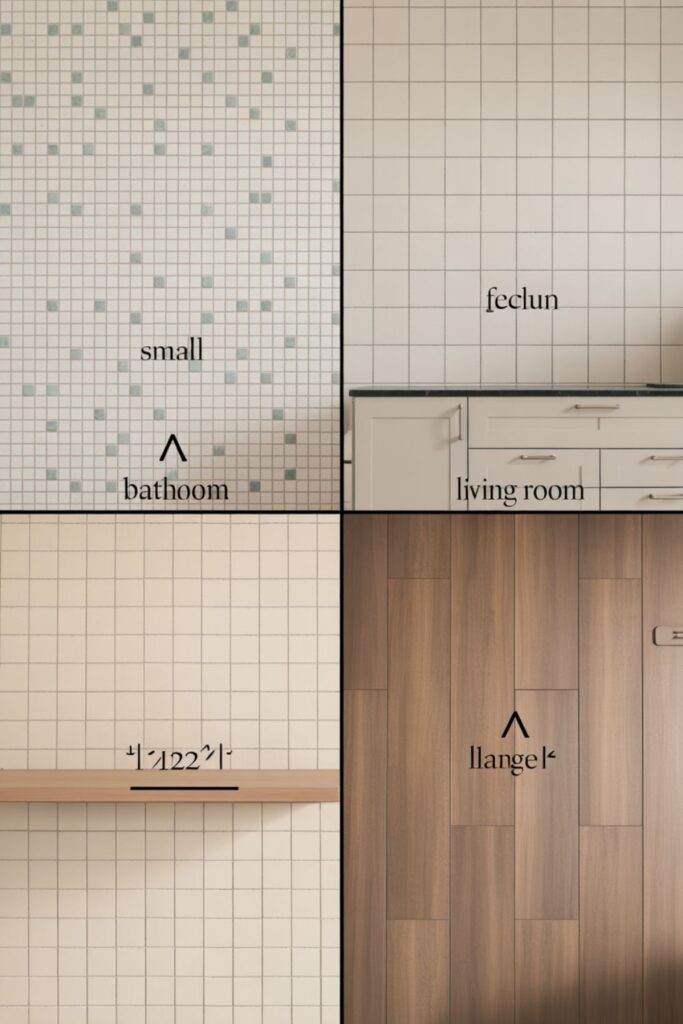
Bathroom tile sizing affects perceived space dramatically. Small bathrooms benefit from medium tiles (8×10″ to 12×24″) that don’t overwhelm compact areas; very large tiles in tiny spaces require excessive cutting creating busy appearances rather than intended seamlessness. Conversely, large bathrooms handle oversized house tiles design beautifully, creating spa-like minimalism. Wall tiles can differ from floor sizes creating intentional variation perhaps 12×24″ floor tiles with 4×12″ vertical subway tiles on walls adding dimension through size contrast.
Kitchen floors suit larger formats (12×24″ minimum, 18×18″ or larger ideal) covering substantial square footage efficiently. Larger tiles mean fewer grout lines reducing dirt accumulation and cleaning time practical benefit in high-traffic cooking spaces. However, kitchen backsplashes often use smaller tiles (3×6″ subway, small mosaics, or 4×4″ field tiles) creating detail and visual interest contrasting with larger floor formats establishing design hierarchy where each surface plays distinct roles.
Living areas and entryways make dramatic statements with large-format tiles (18×36″, 24×24″, or bigger) creating contemporary sophistication. These expansive sizes work beautifully in open-concept spaces where continuous large tiles unify multiple zones without visual interruption. Ensure substrates meet flatness requirements large formats reveal and magnify any substrate irregularities that smaller tiles forgive. This critical detail determines whether large tiles deliver intended elegance or create frustrating lippage problems requiring expensive correction.
Bathroom Tiles Design Ideas for Every Style
Shower tiles deserve special attention given constant water exposure and visual prominence. Floor-to-ceiling tile creates waterproof protection while providing design opportunities through pattern mixing, perhaps large-format wall tiles with contrasting mosaic niche inserts or accent strips. Consider slip resistance for shower floors small mosaics (1×1″ or 2×2″) provide excellent traction through numerous grout lines while creating classic looks that larger tiles can’t match for safety.
Vanity backsplashes offer opportunities for creative expression without overwhelming budgets. A single accent tile behind mirrors creates focal points elevating basic builder vanities affordably. Geometric patterns, decorative mosaics, or bold colors work beautifully in these limited areas where they provide personality without the expense or commitment of whole-room installations. This strategic accent approach delivers designer details on renovation budgets.
Bathroom floor tiles balance aesthetics with critical safety and moisture resistance. Choose textured porcelain or natural stone with adequate grip preventing dangerous slips, smooth polished tiles become hazardous when wet regardless of beauty. Heated floor tiles transform bathrooms into luxury spaces extending morning comfort through radiant warmth. This upgrade costs $8-15/sf installed but delivers daily satisfaction justifying the premium for homeowners prioritizing comfort.
Kitchen Tiles Design That Combines Beauty and Function
Backsplash tiles define kitchen character more than any other surface given their prominent position at eye level. Subway tiles offer timeless versatility suiting traditional and modern kitchens equally classic 3×6″ size in running bond layout. However, creative installations using vertical orientation, herringbone patterns, or varied grout colors update this classic dramatically. Alternative backsplash ideas include slab porcelain mimicking marble or concrete, glass tiles reflecting light beautifully, or bold cement tiles creating Mediterranean warmth.
Kitchen floor tiles endure heavy traffic, spills, and dropped objects demanding maximum durability. Porcelain rated for commercial applications (PEI 4-5) handles residential use effortlessly lasting 25+ years. Choose matte or textured finishes over glossy surfaces polished tiles show every water spot and footprint requiring constant cleaning plus becoming slippery when wet. Darker grout colors hide inevitable cooking spills and dirt better than light grout maintaining cleaner appearances between deep cleanings.
Island tile bases create architectural interest in open-concept kitchens where islands stand as focal points. Apply decorative house tiles design on island sides facing living areas perhaps wood-look tiles, geometric patterns, or contrasting colors different from the main kitchen palette. This detail distinguishes custom kitchens from basic installations while costing minimally since island bases require limited square footage compared to full walls or floors.
Creating Visual Interest Through Tile Patterns
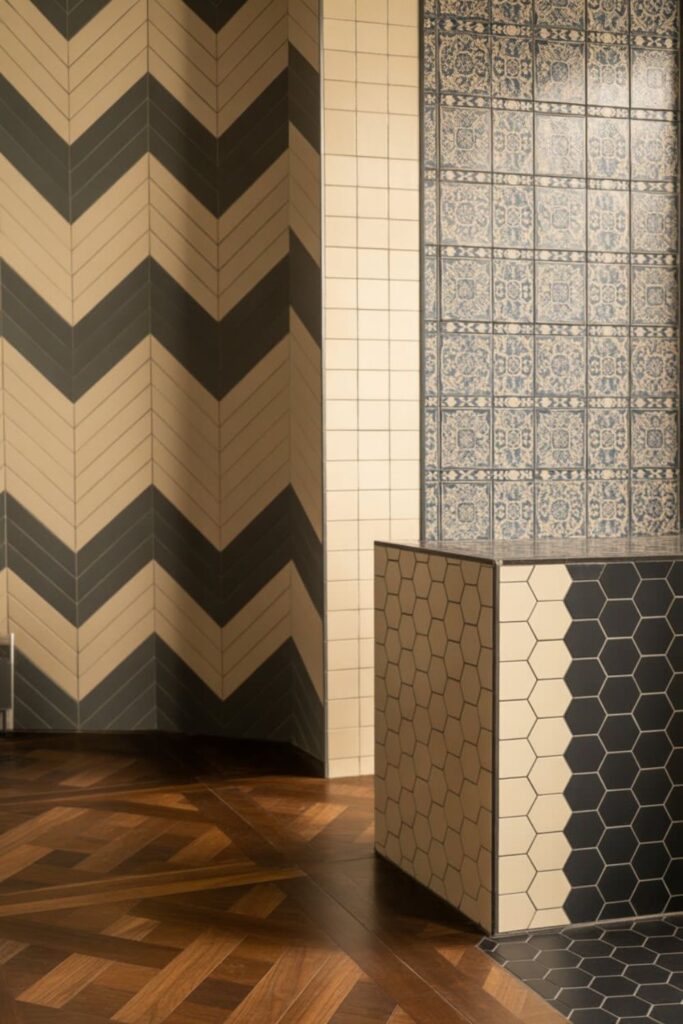
Herringbone patterns add sophisticated movement using rectangular tiles oriented at 45-degree angles. This classic layout creates dynamic energy perfect for backsplashes, accent walls, or statement floors where pattern provides interest basic grid layouts lack. Herringbone suits both traditional and contemporary spaces, working beautifully with wood-look tiles, subway house tiles design , or solid colors. Expect 15-20% material waste through increased cutting requirements this modest premium buys distinctive appearances impossible through simpler installations.
Chevron patterns create similar diagonal energy but use specially cut tiles with angled ends creating continuous zigzag lines without visual breaks. True chevron requires precisely cut tiles matching at points creating crisp Vs throughout installations; this precision demands professional installation and custom-cut materials costing 30-50% more than standard herringbone. However, the refined result justifies premiums for homeowners wanting standout floors or walls impossible to achieve otherwise.
Basketweave patterns suit traditional and cottage aesthetics using rectangular tiles alternating vertical and horizontal orientations. This timeless layout works beautifully with subway tiles, creating classic bathroom and kitchen walls with period-appropriate character. Basketweave also translates to floors using wood-look tiles or traditional ceramics, delivering Old World charm through pattern alone without requiring expensive materials or colors.
Using Grout Color to Enhance Tile Design
Grout color dramatically affects final appearances sometimes more than tile selections themselves. Matching grout to house tiles design create seamless monochromatic looks making tiles flow together into unified surfaces. This approach works beautifully with large-format tiles where minimizing visual breaks maximizes contemporary minimalism. Light gray grout with white tiles or charcoal grout with dark gray tiles exemplifies this sophisticated subtle coordination.
Contrasting grout emphasizes individual tiles and patterns creating graphic grid appearances. White subway tiles with dark gray or black grout create bold graphic statements popular in modern farmhouse and industrial designs. This high-contrast approach showcases tile shapes and layout patterns making them design features rather than neutral backgrounds. However, dark grout shows light-colored dirt (soap scum, mineral deposits) more readily than light grout requiring specific maintenance attention.
Colored grout offers creative opportunities beyond standard whites, grays, and blacks. Blue grout with white tiles creates coastal charm, while terracotta grout with cream tiles delivers Mediterranean warmth. These bold choices work best in small doses, perhaps colored grout in decorative backsplash areas while using neutral grout on main floor and wall tiles preventing overwhelming spaces with too much color commitment. Test samples extensively before committing to ensure colored grout achieves intended effects rather than appearing garish or dated.
Tile Color Schemes for Different Room Moods
Neutral tiles whites, grays, beiges create timeless backdrops accepting any decorating direction as tastes evolve. These versatile foundations ensure your tile investments remain stylish for 20+ years as trends shift around them. Gray house tiles design particularly dominates contemporary design ranging from pale fog to deep charcoal, coordinating with warm and cool accent colors equally. Neutrals also maximize resale appeal buyers envision their styles more easily in neutral spaces than boldly colored rooms requiring immediate renovation.
Cool color palettes blues, greens, cool grays create serene spa-like atmospheres perfect for bathrooms and powder rooms. Soft aqua glass house tiles design, seafoam green ceramics, or blue-gray porcelain evoke water and nature promoting relaxation. These calming colors suit retreat spaces where unwinding matters more than energizing. However, cool colors can feel sterile in kitchens or social spaces and reserve them for private sanctuaries where tranquility serves primary purposes.
Warm tiles, creams, tans, terracottas, warm grays create inviting welcoming spaces ideal for kitchens, living areas, and family bathrooms. These colors feel inherently comfortable and social, encouraging gathering and lingering. Warm palettes also coordinate beautifully with wood cabinetry and natural materials dominating most homes, creating harmonious flow rather than fighting existing elements. Travertine, warm-toned porcelain, or beige ceramics exemplify this category delivering sophisticated warmth without yellow-beige associations plaguing 1990s builder tiles.
Mixing Tile Materials and Finishes
Mixed tile installations combine different materials creating custom designer looks. Pair marble or natural stone with porcelain field house tiles design, perhaps marble accents in shower niches or as backsplash focal strips while using more affordable porcelain for larger areas. This strategic approach captures luxury material beauty without budget-breaking costs of all-premium installations. Ensure materials have compatible thicknesses avoiding awkward transitions or requiring extensive substrate modifications accommodating different depths.
Finish variations add depth even within single materials. Matte floor tiles with glossy accent tiles create dimension through light reflection differences. Polished marble borders framing honed marble fields establish subtle luxury through texture rather than color or material changes. These nuanced approaches demonstrate design sophistication that monolithic single-finish installations can’t achieve regardless of individual tile quality or expense.
Metal and glass accents inject sparkle and luxury into ceramic or porcelain installations. Metallic mosaic borders, glass tile accent strips, or metal trim pieces create jewelry-like details elevating standard house tiles design dramatically. Use these premium accents sparingly single rows, small accent areas, or focal point applications rather than whole surfaces where costs escalate unsustainably. Strategic accent placement delivers maximum impact per dollar invested separating custom installations from builder-grade monotony.
How to Create Focal Points With Feature Tiles
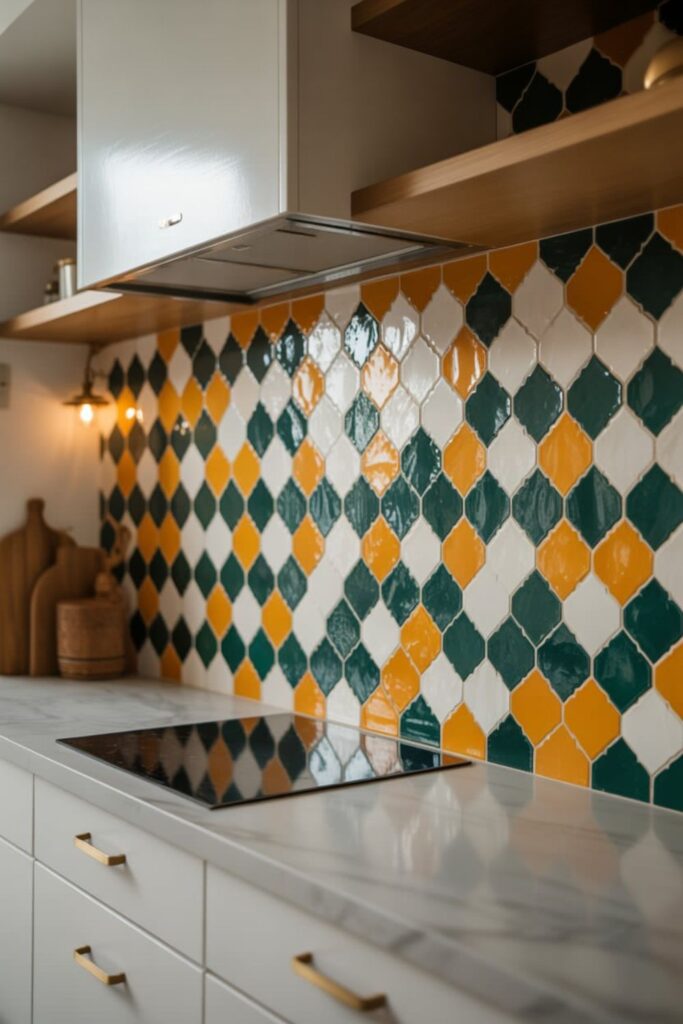
Accent walls transform ordinary spaces through concentrated tile artistry on single surfaces. Bathroom walls behind freestanding tubs, kitchen backsplashes between cabinets, or fireplace surrounds become focal points using bold patterns, premium materials, or distinctive colors different from surrounding neutral tiles. This approach allows expressing personality and trend participation without whole-room commitments risking rapid obsolescence or overwhelming aesthetics.
Niche tiles create functional focal points in showers and bathtubs. Contrasting mosaic tiles, geometric patterns, or premium stone in recessed niches elevate these practical storage spaces into design features. Consider lighting these niches emphasizing beautiful tiles while adding functional illumination for products stored within. This detail distinguishes luxury bathrooms from basic renovations while costing minimally given tiny square footage involved high impact per dollar invested.
Floor medallions create entry statements or define dining areas within open-concept spaces. Geometric patterns, contrasting colors, or decorative house tiles design arranged in squares, circles, or custom shapes mark transitions or establish zones. These intentional focal points organize visual flow through homes preventing monotonous sameness that boring single-tile installations create throughout. However, limiting medallions to one per sight line multiple competing focal points creates confusion rather than organization.
Tile Layout Options Beyond Standard Grid
Diagonal layouts make rectangular rooms feel larger through visual lines extending beyond actual dimensions. Rotating tiles 45 degrees creates dynamic energy while requiring 15-20% additional material for perimeter cuts. This classic technique particularly benefits narrow bathrooms or galley kitchens where diagonal lines expand perceived width. However, diagonal installations demand skilled cutting around complex perimeters factor additional labor costs when budgeting this layout option.
Offset brick patterns (running bond) create subtle movement without diagonal complexity. Stagger each row by half or one-third tile length creating traditional masonry appearances suiting both wall and floor applications. This forgiving layout hides slight cutting imperfections better than grid layouts where alignment matters more critically. Running bond works beautifully with rectangular tiles from subway shapes to plank formats, delivering classic looks that never date.
Random patterns combine multiple tile sizes creating custom European looks. Versailles patterns using 3-4 different sizes, modular patterns mixing squares and rectangles, or ashlar patterns mimicking natural stone installations create high-end appearances impossible with single-size tiles. These complex layouts cost 30-50% more for additional labor and careful planning but deliver unmistakable luxury distinguishing custom homes from production builds using standard installations.
Small Space Tile Design Strategies
Large tiles in small rooms create illusions of expanded space through reduced visual breaks. Counter-intuitively, bigger isn’t wrong for tiny bathrooms or compact kitchens. Continuous large house tiles designs make spaces feel more expansive than many small tiles with numerous grout lines fragmenting surfaces. Choose 12×24″ minimum for small bathroom floors, larger when possible. This strategy works until spaces become so tiny that large tiles require excessive cutting, defeating the seamless purpose.
Light-colored tiles maximize brightness and openness in windowless or naturally dark spaces. White, cream, pale gray, or soft beige tiles reflect available light making rooms feel airier and larger than dark colors absorbing light. This doesn’t mean everything must be white perhaps light floor tiles with slightly darker wall tiles creating subtle depth without closing in spaces. The key involves keeping values relatively light rather than installing pure white tiles everywhere appearing sterile.
Vertical tile patterns increase ceiling height perceptions through upward visual movement. Install rectangular wall tiles vertically rather than horizontally, use vertical striping through alternating colors or finishes, or create vertical accent strips drawing eyes upward. These simple orientation choices cost nothing extra but dramatically affect space perception critical benefit in homes with standard 8-foot ceilings feeling cramped without expensive structural modifications.
Texture Variation in House Tiles Design
Three-dimensional tiles add tactile interest through raised patterns and sculpted surfaces. Wavy tiles, geometric relief patterns, or carved natural stone create shadows and depth that flat tiles can’t match. These textured elements work beautifully as accent walls, backsplash focal points, or statement areas where dimension provides interest. However, deeply textured tiles trap dirt in crevices, complicating cleaning reserves for walls rather than floors and areas receiving less soiling exposure.
Matte versus gloss finishes affect both aesthetics and maintenance significantly. Matte tiles hide water spots, fingerprints, and minor soiling better than glossy counterparts while providing contemporary sophistication. Glossy tiles reflect light beautifully brightening dark spaces but show every imperfection requiring constant cleaning maintaining a pristine appearance. Consider usage patterns that suit high-traffic areas and busy families while gloss works beautifully in formal spaces receiving lighter use and regular attention.
Mixed textures within installations create designer layering impossible with single finishes. Pair matte floor tiles with glossy wall tiles, combine smooth field tiles with textured accents, or mix honed and polished stone creating subtle luxury through varied surface treatments. This nuanced approach demonstrates design sophistication elevating spaces beyond basic tile-and-grout monotony into carefully considered compositions rewarding closer inspection.
Transition Strategies Between Different Tile Areas
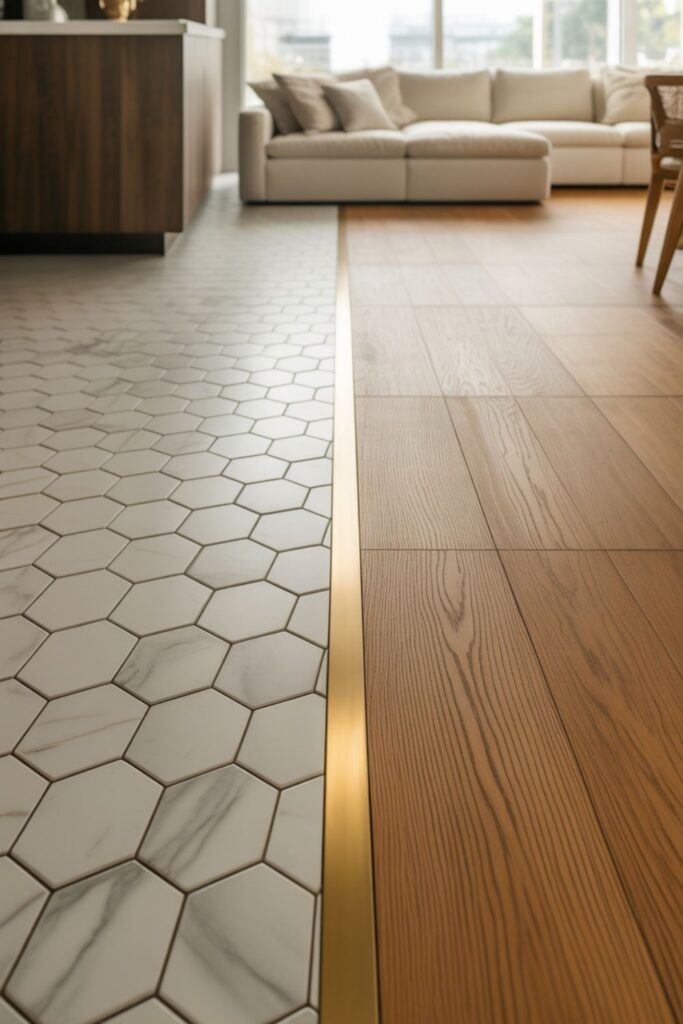
Tile transitions require planning, preventing awkward interfaces between different tiles or materials. Metal transition strips create clean boundaries where house tiles design meet wood, carpet, or different tile types. Schluter strips are particularly popular, offering clean profiles in numerous finishes matching any design aesthetic. These strips cost $8-15 per linear foot installed but provide professional finished appearances that exposed tile edges lack.
Threshold pieces bridge transitions where tiles change between rooms. Natural stone thresholds, wood transitions, or matching tile pieces laid perpendicular to main tile directions mark doorways and entries formally. These deliberate boundaries help define spaces while preventing the continuous sameness making homes feel institutionalized rather than composed of distinct rooms with individual character.
Height transitions challenge installations when different tile thicknesses create uneven surfaces. Plan tile and substrate depths ensuring flush transitions meeting accessibility codes (maximum 1/4″ vertical change without ramps). Sometimes this requires building up lower surfaces or grinding down higher areas before tile installation addresses during planning rather than discovering problems during installation when solutions become expensive and limited.
Maintenance Considerations in Tile Design Selection
Grout maintenance requirements vary dramatically by color and sealer quality. Light grout shows staining readily requiring frequent cleaning or professional restoration maintaining appearance. Dark grout hides most staining naturally but shows light-colored deposits (soap scum, hard water) more obviously. Medium grays often prove optimal compromises showing neither dark nor light soiling prominently. Epoxy grout eliminates most maintenance through stain immunity but costs 3-4x standard cement grout worthwhile investment for shower floors and high-splash backsplash areas.
Tile finish affects cleaning ease significantly. Textured tiles trap dirt in surface irregularities requiring more scrubbing than smooth finishes. Glossy tiles show water spots and streaks dramatically needing frequent wiping. Matte finishes hide most soiling beautifully requiring less frequent attention. Match finish selections to realistic cleaning commitment levels aspirational choices requiring daily wiping fail when life gets busy while forgiving finishes maintain appearances through benign neglect periods inevitable in real households.
Sealing requirements vary by material protecting investments appropriately. Natural stone needs sealing every 1-3 years depending on porosity and exposure. Porcelain and ceramic rarely need sealing though grout benefits from penetrating sealers preventing staining. Test stone absorption annually when water no longer beads on surfaces, resealing is due. Maintain sealers protecting significant tile investments from avoidable damage that proper maintenance prevents inexpensively.
Read More About: 40+ Backyard Garden Design Ideas for a Dream Outdoor Space
Budget-Friendly Tile Design Ideas
Tile only high-impact areas limiting expensive tile to visible spaces while using affordable alternatives elsewhere. Install premium tiles on backsplashes, shower surrounds, and main bathroom floors while using builder-grade tiles in closets, laundry rooms, or basement spaces rarely seen. This strategic allocation delivers designer appearances where they matter most while controlling total costs through selective economizing.
Porcelain alternatives mimic luxury materials affordably. Modern porcelain replicates marble, exotic wood, and natural stone so convincingly that only experts detect differences. These engineered alternatives cost 50-70% less than authentic materials while offering superior durability and maintenance practical benefit beyond mere cost savings. Marble-look porcelain is particularly popular delivering sought-after aesthetics without marble’s notorious staining and etching vulnerabilities.
DIY installation saves 40-60% on labor for straightforward projects and confident homeowners. Small backsplashes, simple floor replacements, or basic wall tile projects suit ambitious DIYers with proper research and tool investments. However, complex patterns, large-format tiles, or waterproofing-critical installations demand professional expertise. Know your limits, failed DIY attempts waste entire material investments plus require professional correction costing more than hiring experts initially would have.
Professional Installation Versus DIY Tile Projects
Professional installation guarantees results for complex projects and premium materials. Experts handle challenges like waterproofing, substrate preparation, and precision cutting that overwhelm homeowners. They complete projects 3-4x faster than DIY efforts, provide warranties covering workmanship, and possess specialized tools ensuring professional results. For bathrooms requiring waterproofing, floors with radiant heating, or installations using materials costing $10+/sf, professional installation protects investments through expertise DIY attempts can’t match.
DIY projects work well for small straightforward installations in low-risk areas. Kitchen backsplashes between cabinets, powder room accent walls, or simple floor replacements in laundry rooms suit confident homeowners willing to invest time learning proper techniques. Success demands thorough research, quality tools, and meticulous work shortcuts guarantee disappointing results requiring professional correction. Start with small hidden projects building skills before attempting high-visibility installations where mistakes prove costly aesthetically and financially.
Hybrid approaches split work strategically combining professional expertise with DIY efforts. Hire professionals for critical elements like waterproofing, substrate preparation, and complex cuts while handling simpler installation tasks yourself. This strategy saves labor costs while ensuring structural elements affecting long-term performance receive professional attention. However, not all contractors accept this arrangement and establish expectations clearly before starting projects avoiding misunderstandings mid-installation.
Frequently Asked Questions
What tile size makes small bathrooms look bigger?
Medium to large tiles (12×24″ or larger) make small bathrooms feel more spacious through reduced visual breaks from grout lines. Counter-intuitively, bigger tiles work better than small tiles in compact spaces; continuous surfaces expand perceived size while numerous small tiles fragment spaces making them feel smaller. Light colors and glossy finishes further enhance spaciousness through light reflection maximizing available illumination.
Should bathroom floor and wall tiles match?
Matching creates seamless flow feeling larger and more cohesive, while contrasting adds visual interest and defines surfaces distinctly. Neither approach is universally correct; modern aesthetics often favor contrast (perhaps wood-look floors with white wall tiles) while traditional designs embrace matching for classic elegance. Consider your overall home style, personal preferences, and room size when deciding small spaces benefit from matching while larger bathrooms handle contrast beautifully.
How do I choose between porcelain and ceramic tiles?
Choose porcelain for floors, wet areas, and high-traffic locations requiring maximum durability and moisture resistance. Porcelain’s dense composition withstands heavy use while resisting water absorption preventing damage. Choose ceramic for walls, low-traffic areas, and budgets requiring economizing without compromising aesthetics ceramic offers similar design flexibility at lower costs when appropriate to usage demands. When uncertain, porcelain proves the safer choice delivering superior performance justifying modest cost premiums.
Conclusion
Strategic house tiles design transforms ordinary rooms into sophisticated spaces reflecting your personal style while delivering practical benefits through durability, easy maintenance, and moisture protection in critical areas. Whether you’re renovating tired bathrooms, updating dated kitchens, or selecting tiles for new construction, thoughtful design choices determine your satisfaction and investment returns for decades. The most successful tile installations balance aesthetic goals with practical considerations including material durability, maintenance requirements, installation complexity, and budget realities ensuring beautiful results serving your lifestyle rather than creating ongoing frustrations.
Start with an honest assessment of your priorities, style preferences, budget constraints, maintenance tolerance, and how you actually use spaces then select tiles matching these realities rather than aspirational ideals. Invest properly in quality materials for high-visibility, high-use areas while economizing strategically in less critical spaces controlling total costs. Your ideal house tiles design enhances your home’s architecture, suits your lifestyle demands, coordinates cohesively throughout your property, and ultimately makes you smile every time you see it. Take action today implementing even one idea from this guide, and you’ll quickly understand why strategic tile selection ranks among the most impactful interior improvements delivering immediate transformation and lasting satisfaction.