Ideas For Garden Fences To Transform Your Yard Splendid

Your garden lacks definition and privacy, leaving you exposed to neighbors’ views while offering no protection for plants or children. You scroll through Pinterest seeing gorgeous fence designs but feel overwhelmed by material choices, installation complexity, and budget concerns. The frustration intensifies when you realize your plain chain-link fence detracts from your landscape rather than enhancing it. Ideas for garden fences provide the solutions you need, transforming functional boundaries into attractive features that define spaces, create privacy, and dramatically improve curb appeal.
Strategic fence selection balances aesthetic preferences with practical requirements like security, maintenance, and longevity while respecting budgets and local regulations. This comprehensive guide reveals proven fence styles ranging from rustic to contemporary, explores material options with honest assessments of pros and cons, and shares creative approaches that turn ordinary boundaries into extraordinary garden features that neighbors admire and compliment.
Understanding Fence Functions Before Choosing Styles
Effective Ideas for garden fences serve multiple purposes simultaneously. Clarifying your priorities helps you select options that deliver necessary functions while matching aesthetic preferences.
Privacy fencing blocks sightlines from neighbors, streets, or adjacent properties. Solid panels without gaps provide maximum privacy while creating enclosed, intimate spaces. Height matters significantly. 4-foot fences obscure sitting areas while 6-8 foot versions shield entire yards from second-story windows. Privacy fences also reduce noise pollution, with solid wood or vinyl blocking 50-75% more sound than open designs according to acoustic studies from the University of Sheffield.
Security features protect property, pets, and children. Tall fences (6+ feet) deter casual trespassers while sturdy construction resists forced entry. Smooth surfaces without horizontal rails prevent easy climbing compared to ladder-like designs. Lockable gates control access points. For pet containment, eliminate gaps wider than your dog’s head and extend fencing 6 inches below ground to prevent digging escapes. The American Kennel Club recommends minimum 4-foot heights for small dogs and 6-foot heights for large or athletic breeds.
Decorative boundaries define spaces without creating fortress-like enclosures. Low fences (2-3 feet) mark property lines or separate garden rooms while maintaining open, friendly feelings. Decorative styles emphasize beauty over security, featuring ornamental details like finials, scrollwork, or interesting materials. These work beautifully around front yards where welcoming aesthetics outweigh privacy needs.
Wind protection extends growing seasons and protects tender plants. Solid fences create turbulent air on leeward sides, potentially causing more damage than no fence. Semi-permeable designs letting 30-50% air through reduce wind speed without turbulence. Slatted fences, living hedges, or lattice panels provide ideal wind filtration for vegetable gardens or delicate plantings.
Zoning regulations and homeowner association rules constrain choices before personal preferences enter calculations. Most municipalities limit fence heights typically 4 feet maximum in front yards, 6-8 feet in rear and side yards. Some neighborhoods restrict materials, colors, or styles to maintain architectural cohesion. Check local building departments and HOA covenants before purchasing materials to avoid expensive mistakes requiring removal or modification.
Classic Wood Fence Ideas That Never Go Out of Style
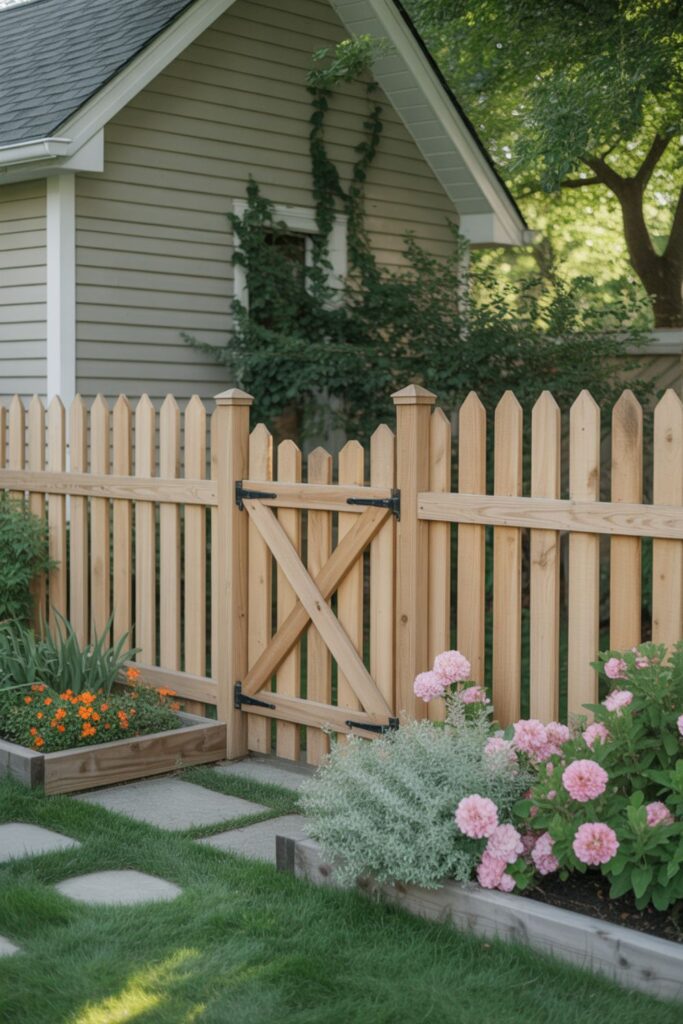
Wood fencing options offer versatility, natural beauty, and moderate costs that make them perennially popular. Different wood species and construction styles suit various budgets and aesthetics.
Cedar fencing represents the gold standard for residential applications. Western red cedar contains natural oils that resist rot, decay, and insects without chemical treatment. The wood weathers to attractive silver-gray patina or maintains original honey tones with annual sealing. Cedar accepts stain beautifully, letting you customize colors matching home exteriors. Expect 15-25 year lifespan with minimal maintenance. Initial costs run $15-30 per linear foot installed depending on style and height. Cedar’s pleasant aroma and straight grain make it popular for privacy fences and decorative applications.
Pressure-treated pine delivers budget-friendly performance at $8-18 per linear foot installed. Chemical treatment protects against rot and insects, though quality varies between products. Look for ground-contact rated lumber (rated for soil contact) even for above-ground use for maximum longevity. Pressure-treated wood requires yearly sealing to prevent warping, splitting, and gray weathering. It accepts paint and stain well once properly dried (wait 6-12 months after installation). Expect a 10-20 year lifespan depending on maintenance quality.
Horizontal slat fencing creates contemporary aesthetics while using standard materials. Boards run horizontally rather than traditional vertical orientation, generating clean-lined modern appearances. This style requires additional structural support since horizontal boards span longer unsupported distances. Mix board widths (alternating 4-inch and 6-inch boards) or space slats with uniform gaps for interesting visual rhythm. Horizontal designs cost 20-30% more than vertical due to extra framing requirements but deliver striking results worth premium pricing.
Picket fences evoke cottage charm and welcoming aesthetics perfect for front yards. Traditional designs feature vertical boards with pointed, rounded, or decorative tops spaced 2-4 inches apart. Heights typically range 3-4 feet, creating boundaries without blocking views completely. Paint white for classic appeal or use natural wood tones for casual cottage looks. Picket fences cost $10-25 per linear foot depending on details and wood quality. They work beautifully surrounding flower gardens, defining pathways, or marking front boundaries.
Board-on-board construction provides privacy while allowing air circulation. Boards alternate on fence sides with 1-2 inch overlaps, blocking direct sightlines while permitting airflow. This design prevents the solid wall appearance some find too imposing while still providing functional privacy. Both fence sides look finished and attractive, important for good neighbor relations. Board-on-board costs slightly more than standard privacy fences due to additional materials but offers superior ventilation reducing wind damage and extending wood life.
Read More About: Garden Arch Decorating Ideas for Stunning Focal Points
What Are the Best Low-Maintenance Fence Materials?
Busy homeowners prioritize maintenance requirements when selecting backyard fencing. Several materials deliver attractive results without demanding annual sealing, painting, or repairs.
Vinyl fencing requires only occasional hosing for cleaning. This plastic lumber alternative never needs painting, resists rot and insects completely, and withstands weather without deteriorating. Modern vinyl replicates wood grain textures convincingly while offering colors beyond white tan, gray, and earth tones that suit various aesthetics. Quality matters tremendously, cheap vinyl yellows, cracks in cold weather, and looks obviously plastic. Premium brands like Bufftech or Veranda maintain color and structural integrity for 20-30 years. Costs range $20-40 per linear foot installed. Vinyl suits privacy fences, picket styles, and decorative applications though it lacks wood’s authentic character.
Composite fencing combines wood fibers with plastic polymers, creating materials that look like wood but perform like vinyl. Composites accept stain, offer natural wood textures, and avoid vinyl’s artificial appearance. They resist fading, splitting, and insect damage while requiring no sealing. Trex and TimberTech manufacture residential fence products matching their popular decking lines. Composite costs $25-45 per linear foot installed premium pricing offset by zero maintenance over 25+ year lifespans. These materials suit modern and traditional designs equally well.
Aluminum fencing provides ornamental metal aesthetics without iron’s rust concerns. Powder-coated finishes last decades without repainting. Aluminum suits decorative applications pool surrounds, front yards, garden accents rather than privacy fencing since designs feature open pickets or ornamental patterns. It tolerates saltwater coastal environments beautifully. Costs run $20-35 per linear foot installed. Aluminum works perfectly when you want metal’s elegance without maintenance headaches. Heights remain limited compared to wood options, typically maxing at 6 feet.
Metal privacy panels constructed from corrugated steel or aluminum create industrial-chic aesthetics with zero maintenance. Powder-coated or galvanized finishes resist corrosion indefinitely. These solid panels provide excellent privacy and wind protection. Modern designs incorporate laser-cut patterns adding decorative interest while maintaining privacy. Costs range $30-60 per linear foot installed depending on finish quality and pattern complexity. Metal panels suit contemporary architecture, urban gardens, or anyone appreciating industrial design elements.
Masonry walls including brick, stone, or concrete block require the largest initial investments ($40-100+ per linear foot) but last generations with virtually no maintenance. These permanent structures provide maximum privacy, security, and noise reduction. Masonry suits formal estates, Mediterranean styles, or properties with existing stone elements. They require professional installation and solid foundations preventing settling. Once built, masonry fences become permanent landscape features outlasting any other option.
Creative Living Fence Alternatives
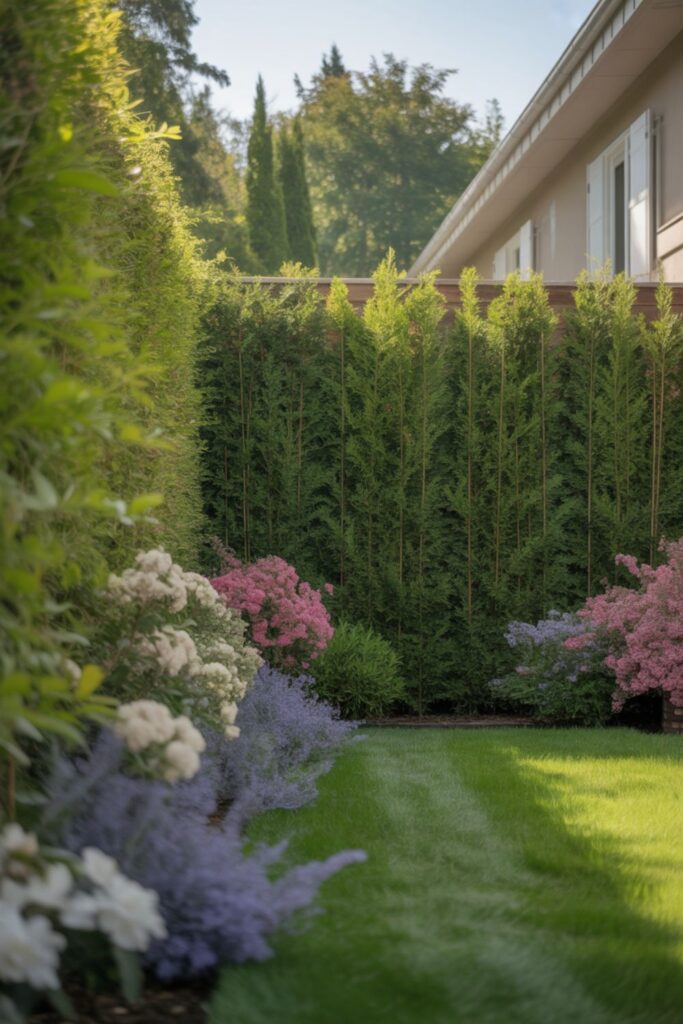
Living fences using plants instead of manufactured materials create eco-friendly boundaries that improve with age. These natural options support wildlife, clean air, and change beautifully through seasons.
Hedge fences using shrubs planted closely create solid green walls. Evergreen options (boxwood, privet, yew, arborvitae) provide year-round screening. Deciduous hedges (hornbeam, beech) offer seasonal interest with spring flowers or fall colors but lose leaves in winter. Space plants at half their mature width for quick coverage 4-foot-wide shrubs plant 2 feet apart. Formal hedges require trimming 2-3 times annually maintaining geometric shapes, while informal styles need only yearly pruning. Hedges take 3-5 years reaching full screening height but ultimately cost less than manufactured fences. They provide wildlife habitat, produce oxygen, and absorb sound better than solid fences.
Bamboo screens grow incredibly fast (some species add 3 feet annually) creating quick privacy. Clumping bamboos (Fargesia, Bambusa) behave politely unlike running types that invade aggressively. Plant bamboo in trenches along property lines for living walls reaching 10-25 feet depending on species. The natural vertical canes and rustling foliage create Asian-inspired tranquility. Bamboo tolerates poor soil and drought once established. Control is critical to install root barriers extending 24 inches deep if using running varieties, or choose only clumping types. Bamboo suits contemporary gardens, tropical themes, or anyone wanting rapid screening.
Espalier fruit trees trained flat against wire frameworks create productive living fences. Apples, pears, figs, and citrus adapt well to two-dimensional growth. These space-saving installations provide privacy, edible harvests, and spring blossoms while occupying minimal ground space perfect for narrow side yards. Espalier requires annual pruning and maintaining desired shapes but rewards efforts with beauty and function. Install sturdy wire frameworks before planting, then train branches horizontally along wires as trees grow. This traditional European technique suits cottage gardens, formal landscapes, or anyone combining ornamental and edible gardening.
Mixed perennial borders create informal boundaries using flowers and ornamental grasses. Plant tall varieties (6+ feet) like Joe Pye weed, giant coneflower, and miscanthus grasses in drifts along property lines. These living boundaries shift with seasons, providing changing interest rather than static appearance. They support pollinators massively while requiring less water and maintenance than lawns. This approach suits naturalistic gardens, meadow styles, or environmentally conscious gardeners prioritizing biodiversity. Perennial borders take 2-3 years reaching full screening potential but improve indefinitely unlike manufactured fences that deteriorate.
Willow or hazel hurdles combine living and manufactured approaches. Woven panels constructed from flexible willow or hazel branches create rustic boundaries that may sprout if kept moist. Traditional British technique produces attractive textured surfaces suitable for cottage gardens or rustic properties. Purchase pre-made panels ($50-150 each) or weave your own using harvested branches. These biodegradable fences last 5-10 years depending on wood type and weather exposure. They suit temporary boundaries, garden room dividers, or anyone appreciating natural materials and traditional craftsmanship.
Modern and Contemporary Fence Designs
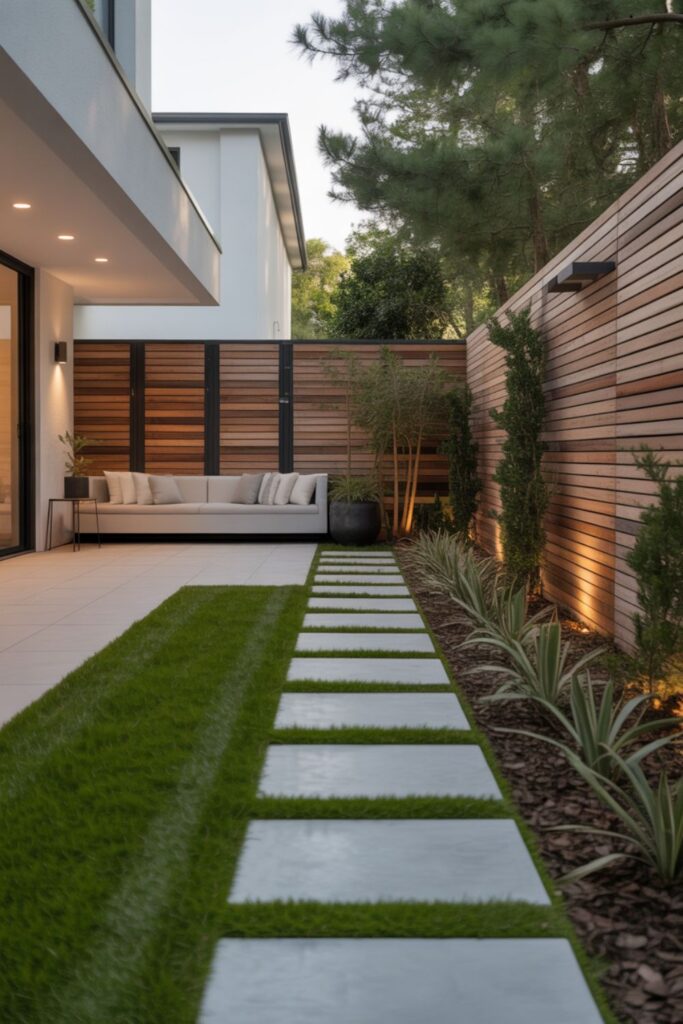
Contemporary aesthetics demand clean lines, quality materials, and sophisticated simplicity. These fence designs suit modern architecture and minimalist sensibilities.
Horizontal wood slat fencing epitomizes modern style with simple geometry and natural materials. Cedar or ipe boards run horizontally with uniform gaps creating rhythmic patterns. Boards typically measure 1×4 or 1×6 inches, spaced 1/2 to 2 inches apart. Dark stains (ebony, espresso) or natural weathering enhance contemporary appeal. Frame using thick posts (6×6 inches) and rails for substantial presence. This style costs $25-45 per linear foot installed but delivers striking results that dramatically improve property aesthetics.
Metal and wood combinations blend materials for sophisticated contrasts. Steel or aluminum frames hold wood panels, or metal posts support wood slats. Black metal against natural wood creates particularly striking combinations popular in modern landscapes. These hybrid designs cost $30-50 per linear foot depending on metal quality and design complexity. They suit contemporary homes, urban gardens, or anyone appreciating industrial-organic fusion.
Laser-cut metal panels transform functional fences into outdoor art. CNC cutting technology creates intricate patterns, geometric designs, organic motifs, or custom artwork in aluminum or steel panels. Powder-coating adds color and weather protection. These panels provide privacy while casting decorative shadows and allowing air circulation. Costs range $60-150+ per panel depending on size, pattern complexity, and finish. This premium option suits design-focused homeowners wanting unique statements that function as sculpture and fencing simultaneously.
Frameless glass panels create invisible boundaries preserving views while providing wind protection. Tempered safety glass panels mount in minimal aluminum channels, creating nearly seamless transparent barriers. This premium option ($100-200+ per linear foot) suits pool enclosures, coastal properties with spectacular views, or ultra-modern architecture. Glass requires regular cleaning maintaining clarity but provides unmatched openness and light transmission.
Vertical garden fences combine boundaries with planting space. Modular panels with built-in pockets hold soil and plants, creating living walls providing privacy, beauty, and environmental benefits. Drip irrigation lines integrated into designs automate watering. These systems cost $40-80 per linear foot installed but deliver multifunctional benefits. They suit small urban gardens maximizing limited space or anyone wanting edible fencing growing herbs, lettuce, or strawberries vertically.
Read More About: Best Flower Planting Ideas Outdoor to Create Blooming Gardens
How Do I Choose the Right Fence Height?
Height selection balances privacy needs, aesthetic preferences, municipal codes, and budget constraints. Understanding security features and visual impacts helps you make confident decisions.
Low fences (2-4 feet) define boundaries without creating enclosures. They suit front yards where tall fences appear unfriendly or violate regulations. Low picket fences mark garden edges, contain small pets, and guide foot traffic without blocking views. They cost less than tall versions due to reduced materials but provide minimal privacy or security. These work beautifully surrounding cottage gardens, marking pathways, or creating decorative accents.
Medium fences (4-6 feet) provide privacy for seated areas while maintaining some openness. Four-foot fences hide patio furniture and dining areas from street views without completely enclosing spaces. Five to six-foot heights block standing sight lines from most ground-level views but remain visible from second-story windows. Medium heights balance privacy with neighborhood friendliness, avoiding fortress appearances. They suit backyards, side yards, and rear property lines in suburban settings.
Tall fences (6-8 feet) maximize privacy and security. Six-foot versions block sight lines from ground level while eight-foot fences shield properties from raised decks and second-story windows. Check local codes and many jurisdictions limit residential fences to 6 feet maximum height without special permits. Tall fences create intimate, enclosed spaces perfect for private pools, hot tubs, or outdoor living rooms. They increase material and labor costs proportionally but deliver maximum functionality for privacy-focused homeowners.
Graduated heights create visual interest while addressing varied needs. Use taller sections (6 feet) where privacy matters most around patios or near property lines transitioning to shorter sections (4 feet) in less critical areas. This approach reduces costs while maintaining strategic privacy. Graduated designs feel less imposing than uniform tall fences surrounding entire properties.
Architectural style considerations guide height decisions. Craftsman, cottage, and traditional homes typically use lower fences (3-5 feet) maintaining approachable aesthetics. Contemporary and modern architecture accepts taller, more substantial fencing (6-8 feet) complementing geometric, linear designs. Match fence scale to home size massive homes accommodate taller fences while modest cottages pair better with lower versions maintaining proportional relationships.
Budget-Friendly DIY Fence Projects
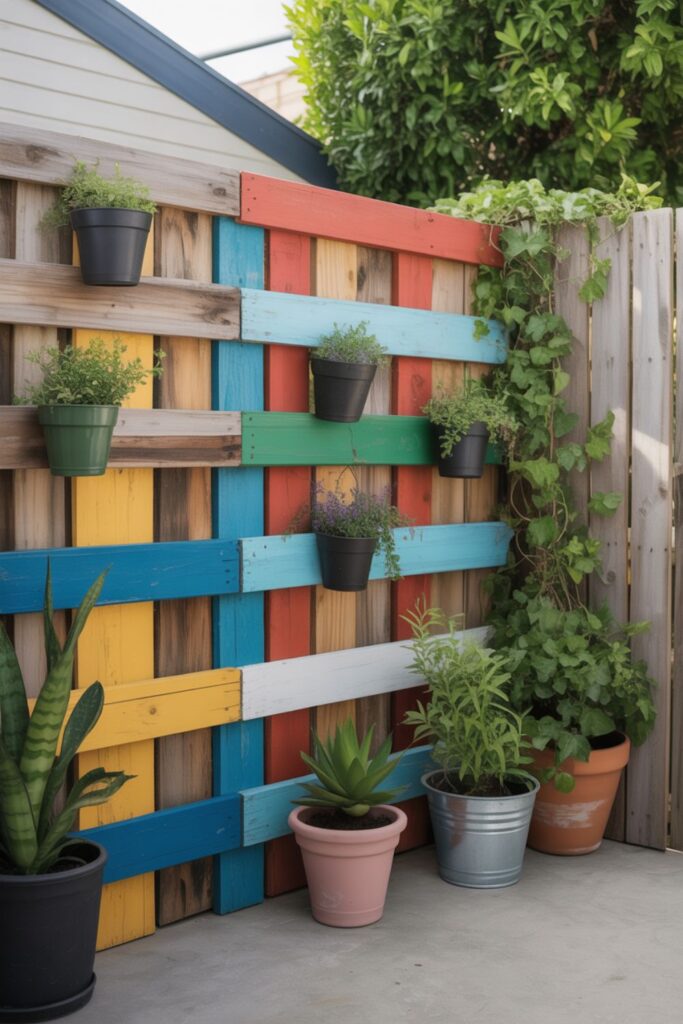
Creative ideas for garden fences on tight budgets prove that stunning results don’t require premium materials or professional installation. These projects suit handy homeowners willing to invest time rather than money.
Pallet fences repurpose free or inexpensive shipping pallets into rustic boundaries. Disassemble pallets carefully, removing nails and sorting usable boards. Reassemble vertically or horizontally on posts spaced 6-8 feet apart. Sand rough edges and apply exterior stain or paint. Pallet fences work beautifully in cottage gardens, urban spaces, or anywhere rustic aesthetics suit. Material costs run under $100 for 50 linear feet when pallets source freely. These fences last 5-10 years depending on wood quality and weather exposure.
Livestock panel fencing uses agricultural metal panels ($25-40 per 16-foot panel) as instant fence frameworks. Drive T-posts every 8 feet ($5-8 each), then wire panels to posts. Plant climbing vines (clematis, honeysuckle, morning glory) transforming plain panels into living walls. This approach costs $3-6 per linear foot dramatically cheaper than traditional fencing while providing immediate structure and long-term beauty as plants mature. Livestock panels suit vegetable gardens, informal properties, or temporary installations.
Branch and twig fencing uses harvested natural materials creating zero-cost boundaries. Collect straight branches 1-3 inches diameter and 6-8 feet long. Drive thicker branches into ground as posts every 4 feet, then weave thinner flexible branches horizontally between uprights. This wattle fencing technique produces rustic charm perfect for cottage gardens, woodland properties, or historically inspired landscapes. These fences last 3-5 years before needing replacement but cost nothing except labor.
Corrugated metal panels create industrial-chic fences at moderate cost. Purchase galvanized or painted panels ($15-30 each) from hardware stores, then install between wooden posts. This material provides excellent privacy, wind protection, and contemporary aesthetics. Seal cut edges preventing rust. Metal panel fences cost $8-15 per linear foot DIY installed and last decades with minimal maintenance. They suit modern gardens, urban spaces, or anyone appreciating industrial design elements.
Bamboo roll fencing offers quick privacy at bargain prices. Natural bamboo rolls (4×8 feet, $25-50 each) wire to existing chain-link fences or simple frameworks, creating instant tropical screening. These rolls last 5-8 years depending on UV exposure before needing replacement. They provide excellent privacy while maintaining natural aesthetics. This approach works beautifully for renters wanting temporary improvements or homeowners needing immediate screening while permanent solutions grow or await installation.
Decorative Fence Toppers and Enhancement Ideas
Decorative fencing elements transform basic structures into custom statements. Strategic embellishments add personality without requiring complete fence replacement.
Lattice toppers add height and decorative interest while maintaining some transparency. Mount lattice panels (wood, vinyl, or metal) atop privacy fences, extending heights 1-2 feet. Train climbing roses, clematis, or jasmine over lattice for living decoration. Lattice softens solid fence appearances while providing additional privacy that’s less imposing than solid extensions. Pre-made panels cost $15-50 depending on size and material. This enhancement suits traditional and cottage aesthetics particularly well.
Post caps and finials finish fence tops with architectural polish. Options range from simple flat caps ($2-5 each) protecting wood from water damage to elaborate finials ($10-40 each) adding Victorian elegance. Solar-powered lighted caps ($15-30 each) provide ambient illumination while serving decorative functions. Match cap styles to fence designs ornate copper finials suit decorative picket fences while simple flat caps complement modern horizontal slat designs. Installing caps on every post creates cohesive finished appearances that distinguish amateur from professional installations.
Painted designs and murals personalize plain fences with artistic expression. Geometric patterns, nature scenes, or abstract designs transform boring expanses into outdoor galleries. Use exterior acrylic paints withstanding weather exposure. Stencils help non-artists create professional-looking patterns. This enhancement costs under $100 for materials but requires time and creativity. Painted fences suit eclectic gardens, urban spaces, or anyone wanting unique personal expression.
Hanging planters and shelves convert vertical fence surfaces into gardening space. Mount container boxes, individual pots, or modular wall planter systems creating living walls. This approach maximizes small-space gardens while beautifying fences. Ensure proper drainage prevents rot in wooden fences. Mix trailing plants (petunias, sweet potato vine) with upright varieties (geraniums, herbs) for dimensional interest. This enhancement costs $50-200 depending on planter quantity and quality while providing ongoing decorative and functional value.
Lighting installations extend fence beauty into evening hours. String lights draped along fence tops create festive ambiance. Solar spotlights positioned at fence bases uplight interesting textures or plant materials. Low-voltage LED strips installed under fence caps create subtle glow delineating property boundaries. Motion-sensor security lights combine function with aesthetics. Lighting costs range $50-500 depending on system complexity but dramatically increases outdoor space usability after dark.
FAQs
What is the most affordable fence option?
Chain-link fencing remains the cheapest option at $5-15 per linear foot installed, though it offers minimal aesthetic appeal and no privacy. For better-looking budget fencing, pressure-treated pine in simple vertical board designs costs $8-18 per linear foot installed. DIY projects using pallet wood or livestock panels reduce costs to $3-6 per linear foot material-only but require significant labor investment. Split-rail fences provide rustic charm at $10-15 per linear foot while offering minimal privacy. Considering total lifetime costs cheaper options often require more maintenance or earlier replacement than quality materials costing more initially.
How long do different fence materials last?
Cedar fencing lasts 15-25 years with minimal maintenance, while pressure-treated pine survives 10-20 years depending on care quality. Vinyl and composite materials endure 20-30 years without maintenance, and quality aluminum fencing lasts 30-40 years. Metal panels (steel, corrugated aluminum) survive 25-40 years depending on finish quality. Living fences like hedges improve indefinitely with proper care, potentially lasting 50+ years. Masonry walls outlast any other option, functioning for centuries. Natural materials like bamboo rolls or branch fencing last only 3-8 years but cost significantly less initially.
Do I need a permit to install a garden fence?
Most municipalities require permits for fences exceeding 4-6 feet height or located within property setbacks from streets or property lines. Requirements vary dramatically by location some areas permit DIY fencing without inspection while others mandate licensed contractor installation. Contact your local building department before purchasing materials to understand specific regulations, height restrictions, setback requirements, and permit costs (typically $50-200). Homeowner associations often impose additional restrictions beyond municipal codes regarding styles, colors, or materials. Installing non-compliant fences risks expensive removal orders and fines.
What fence style adds the most property value?
Quality wood privacy fences in good condition typically add $2,000-$5,000 to property values according to real estate appraisers, though returns vary by market and installation quality. Well-maintained fences providing functional privacy and attractive curb appeal deliver best returns. Contemporary horizontal designs, decorative iron fencing, and living hedges appeal to design-conscious buyers willing to pay premiums. Poorly maintained, outdated, or obviously cheap fencing may actually decrease values by suggesting deferred maintenance. Focus on quality installation using appropriate materials for your home’s architectural style rather than cheapest options when value addition matters.
Can I install a fence directly on my property line?
Property line fence placement requires neighbor cooperation since structures sitting exactly on boundaries become shared property legally in most jurisdictions. Many homeowners install fences 6-12 inches inside their property lines retaining full control and avoiding boundary disputes. Survey your property professionally ($300-600) before installing fences near boundaries preventing expensive mistakes. Some states have specific “fence laws” governing boundary fences, cost-sharing between neighbors, and maintenance responsibilities. Communicating plans with adjacent property owners before installation prevents conflicts and may result in cost-sharing agreements benefiting everyone.
Conclusion
Ideas for garden fences range from traditional wood pickets to contemporary metal panels, living hedges to decorative vinyl, ensuring perfect options for every property, budget, and aesthetic preference. Understanding your primary needs privacy, security, decoration, or property definition guides material and style selection toward solutions delivering required functions while enhancing landscape beauty. Strategic height choices balance privacy desires with neighborhood friendliness and legal compliance, while maintenance considerations determine whether natural wood, synthetic alternatives, or living fences suit your lifestyle best.
Your yard enclosures deserve thoughtful planning considering both immediate needs and long-term implications. Start by clarifying priorities, researching local regulations, and honestly assessing DIY capabilities versus professional installation requirements. Quality fencing represents significant investment rushing decisions or choosing based solely on initial cost often leads to disappointing results requiring expensive corrections. Visit neighbors with appealing fences asking about their experiences, request samples from suppliers examining quality firsthand, and obtain multiple installation quotes comparing not just prices but also material specifications and warranties. Take action this month by measuring areas requiring fencing, photographing your home’s architectural style for reference while shopping, and creating realistic budgets accounting for gates, hardware, and potential permit fees. The perfect fence designs transform property lines from invisible concepts into attractive features that increase privacy, security, property values, and pride of ownership for decades to come.