Modern Indoor Vine Wall Ideas for Stylish Green Spaces
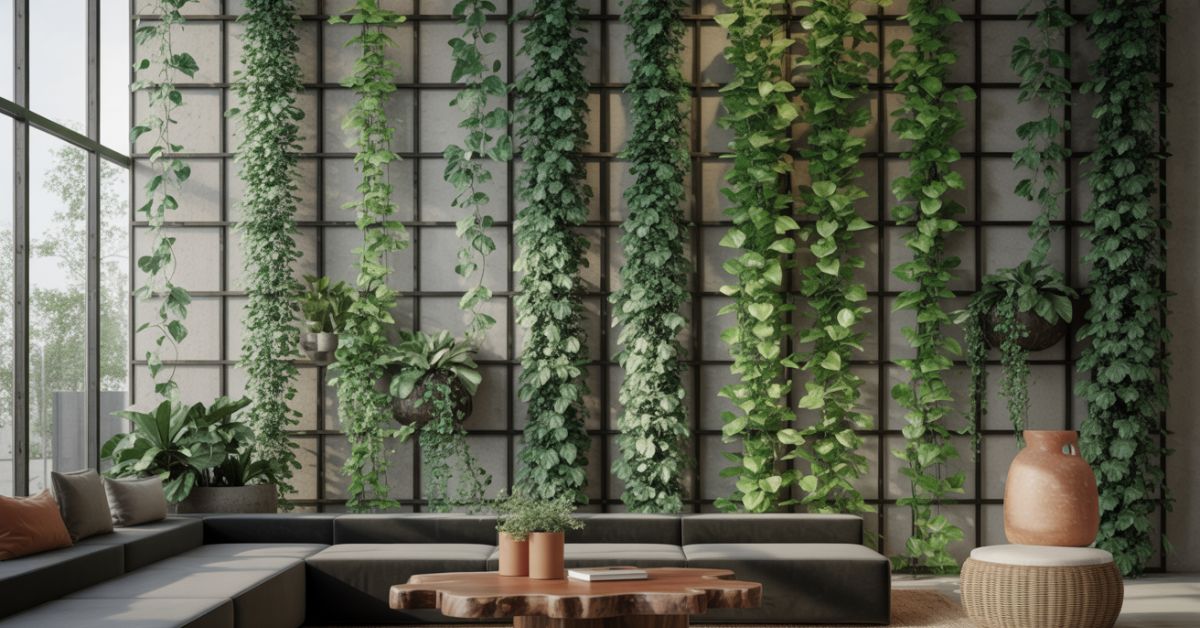
Your walls feel lifeless. Blank surfaces create cold, sterile environments that drain energy and make even spacious rooms feel disconnected from nature. You’ve added artwork and paint, but something fundamental is missing the vitality that only living elements can provide.
This disconnect affects more than aesthetics. Poor air quality lingers without natural filtration, stress levels remain elevated without biophilic connections, and your Instagram-worthy design vision stays frustratingly out of reach. Urban living cuts you off from greenery precisely when research shows you need it most for mental and physical wellbeing.
An indoor vine wall solves these problems by transforming vertical surfaces into thriving ecosystems that purify air, regulate humidity, and create stunning focal points. From minimalist plant walls featuring single species to lush vertical gardens bursting with diverse foliage, modern systems make it possible to bring nature indoors without sacrificing floor space. This guide reveals everything you need to design, install, and maintain a living wall that elevates your interior from ordinary to extraordinary.
Why Indoor Vine Walls Are Revolutionizing Interior Design
Indoor vine walls represent the convergence of architecture, horticulture, and wellness science. These living walls don’t just decorate, they actively improve your environment while making powerful design statements that traditional décor cannot match.
Modern urban spaces face serious challenges including poor air circulation, inadequate natural light, and psychological disconnection from nature. Vertical gardens address all three issues simultaneously by filtering toxins through plant metabolism, optimizing limited square footage, and satisfying our innate need for natural elements. NASA research confirms that certain indoor plants remove up to 87% of volatile organic compounds within 24 hours. Interior designers now specify green walls for high-end residential projects and corporate offices because clients report measurable improvements in mood, productivity, and overall satisfaction with their spaces.
Understanding Modern Indoor Vine Wall Systems
Contemporary plant wall technology has evolved far beyond simple trellises with climbing pothos. Today’s systems integrate sophisticated irrigation, lighting, and structural components that support diverse plant communities on virtually any interior surface.
Modular panel systems snap together like puzzle pieces, creating custom configurations from small accent walls to entire room dividers. Hydroponic living walls eliminate soil completely, using nutrient solutions that circulate through felt pockets or specialized containers. These soilless systems weigh considerably less than traditional planted walls, a critical factor for residential applications where structural loads matter. Freestanding units on casters offer flexibility for renters and commitment-phobes who want biophilic design without permanent installation. The smartest systems incorporate drip irrigation on timers and moisture sensors that prevent both overwatering and drought stress.
Best Vining Plants for Indoor Living Walls
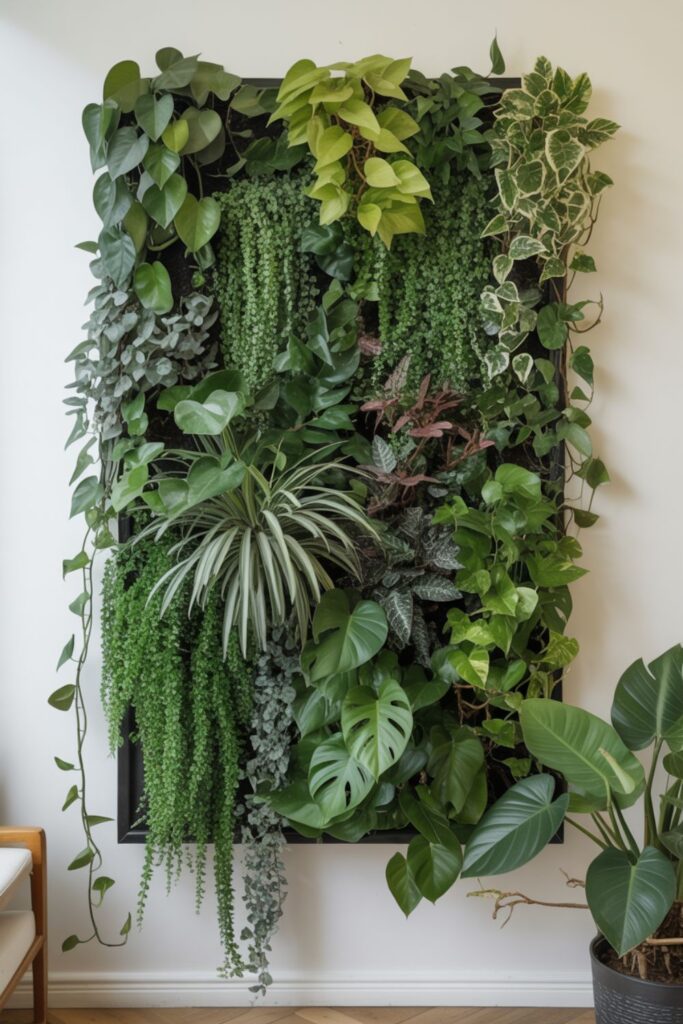
Indoor climbing plants suitable for vertical cultivation share specific traits: tolerance for lower light levels, moderate growth rates, and attractive foliage that looks good year-round. Pothos ranks as the most forgiving option with heart-shaped leaves in varieties from golden yellow to deep emerald.
Philodendron species including heart-leaf and Brazil cultivars cascade beautifully while tolerating neglect that would kill fussier plants. String of hearts creates delicate trailing effects with silver-patterned succulent leaves that need minimal water. Ivy varieties like English ivy and Algerian ivy thrive in cool indoor conditions, though they require consistent moisture. For brighter locations, hoya species produce waxy foliage and fragrant flower clusters that reward patient growers. Ferns add textural contrast Boston ferns and maidenhair varieties soften vertical garden compositions with feathery fronds that love humidity.
How to Choose the Right Wall Location
Successful indoor vine wall placement balances three factors: available light, structural support, and visual impact. South and west-facing walls receive the brightest natural light, supporting broader plant selections and more vigorous growth.
North-facing walls and interior surfaces away from windows limit you to low-light specialists like pothos and philodendron, though quality grow lights expand possibilities dramatically. Check wall construction before installation drywall alone won’t support living walls heavier than 10-15 pounds without additional backing or stud mounting. Proximity to water sources simplifies irrigation management, making kitchen and bathroom walls practical choices. Consider sightlines from main living areas; your plant wall should anchor visual attention without blocking natural foot traffic or creating awkward navigation.
DIY vs. Professional Installation Systems
Budget-friendly DIY vertical gardens start with repurposed materials like wooden pallets, hanging pockets, and mounted pots that cost under $100 for small walls. These approaches work beautifully for single-species installations where uniform appearance isn’t critical.
Intermediate systems using modular panels from companies like Woolly Pocket or Florafelt range from $15-30 per square foot and install in hours with basic tools. Professional living wall systems incorporating automatic irrigation and integrated lighting start around $150-300 per square foot installed, a significant investment justified by superior plant health and minimal maintenance requirements. Professionals handle structural engineering, waterproofing, and drainage that prevent costly water damage. Most homeowners succeed with DIY projects under 20 square feet, while larger installations benefit from expert design and installation.
Irrigation Methods for Healthy Plant Walls
Water management makes or breaks indoor vine wall success. Manual watering with spray bottles works only for tiny installations; anything over 4 square feet needs automated systems to ensure consistent moisture throughout the planting area.
Drip irrigation delivers measured water to individual plant roots through tubing connected to timers. Quality systems cost $50-150 and operate from standard household water connections or reservoir tanks. Wicking systems using capillary matting draw water upward from bottom reservoirs, creating self-watering vertical gardens that need refilling only weekly. Hydroponic living walls circulate nutrient solutions continuously or on intervals, providing both water and fertilization simultaneously. Whatever method you choose, including drainage collection runoff must go somewhere, ideally into removable trays that empty easily.
What Lighting Do Indoor Vine Walls Need?
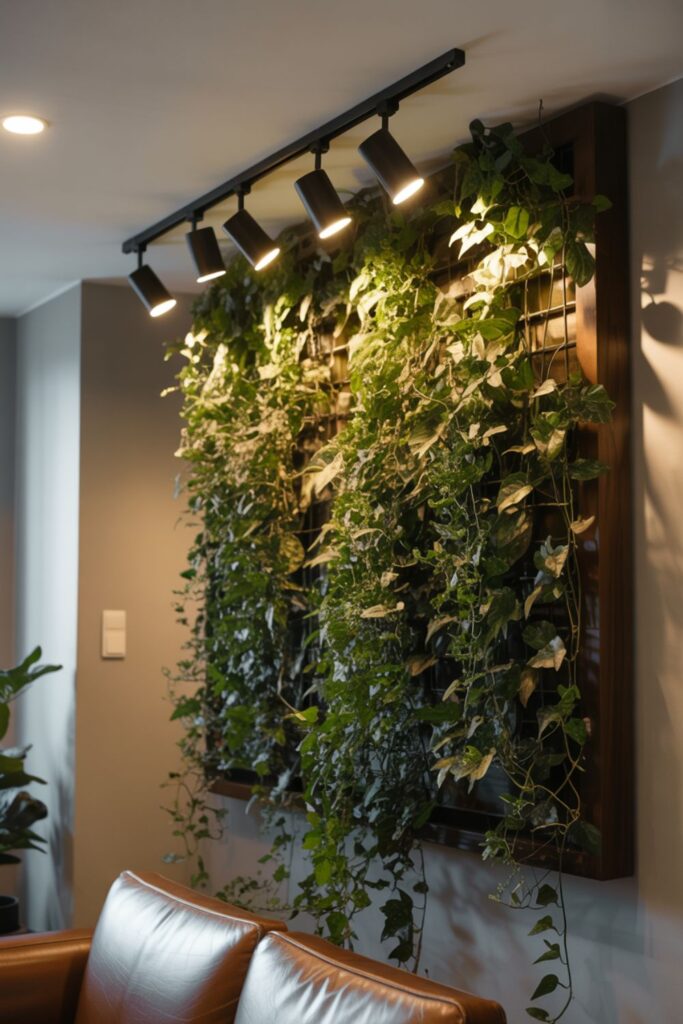
Natural light availability determines whether your plant wall thrives or merely survives. Most indoor climbing plants need minimum 100-200 foot-candles (roughly what you’d read by comfortably) for healthy growth, with variegated varieties requiring brighter conditions to maintain coloring.
Measure existing light with smartphone apps like Photone before selecting plants or investing in supplemental lighting. LED grow lights have revolutionized indoor horticulture with energy-efficient fixtures that produce optimal spectrums without excessive heat. Full-spectrum LED strips mount directly to walls or shelving above vertical gardens, providing 12-14 hours of quality light daily. Calculate 30-40 watts per square foot of growing area for low-light plants and 50-75 watts for higher-light species. Color temperature matters: lights in the 5000-6500K range (cool white) support vegetative growth, while 2700-3500K (warm white) encourages flowering in blooming vines.
Structural Requirements and Weight Considerations
Living wall weight varies dramatically based on construction method and plant media. Lightweight hydroponic systems weigh 5-10 pounds per square foot when saturated, while soil-based installations reach 25-40 pounds per square foot.
Standard drywall supports roughly 1.5 pounds per square foot without reinforcement clearly inadequate for any substantial plant wall. Mount lightweight systems to wall studs using wood screws or toggle bolts rated for at least 3x your wall’s saturated weight. Heavy installations require either professional structural assessment or freestanding frames that transfer weight to floors rather than walls. Account for maintenance access when planning placement; you’ll need 18-24 inches of clearance for watering, pruning, and plant replacement. Corner installations offer natural structural advantages by distributing loads across two perpendicular surfaces.
Read More About: Creative Garden Edging Ideas to Transform Your Landscape
Creating a Low-Maintenance Indoor Vine Wall
Low maintenance vertical gardens start with bulletproof plant selections that tolerate irregular care. Pothos, philodendrons, and snake plants survive missed waterings and imperfect conditions that would devastate fussier species.
Automated irrigation slashes maintenance time from daily watering to weekly reservoir refills and monthly system checks. Choose slow-release fertilizers in granular or spike form that feed plants for 3-6 months versus liquid fertilizers requiring weekly application. Design your indoor vine wall with access in mind plants on the outer edges need more frequent attention than center specimens sheltered by surrounding foliage. Group plants with similar water and light requirements to simplify care routines. Remove dead foliage promptly to prevent pest establishment and maintain appearance between major maintenance sessions.
How Much Does an Indoor Vine Wall Cost?
Budget-friendly starter projects using repurposed materials and propagated plant cuttings cost $50-150 for 4-6 square feet of coverage. Buy small 2-3 inch potted plants rather than established specimens they adapt faster and cost 70% less.
Mid-range DIY systems using quality modular panels, drip irrigation, and purchased plants run $300-800 for 15-20 square foot installations. Professional living wall design and installation averages $150-300 per square foot including automated systems, grow lights, and premium plant selections. Ongoing costs include electricity for lighting ($5-15 monthly), water and fertilizer ($10-20 monthly), and occasional plant replacements ($50-100 annually). Calculate total first-year costs at 150-175% of installation expenses to account for learning curves and adjustments. Established plant walls become cheaper to maintain as systems stabilize and plants mature.
Designing for Different Interior Styles
Minimalist spaces demand indoor vine walls featuring single species in geometric arrangements. Pothos in uniform pots mounted in grid patterns creates clean, contemporary impact without visual chaos.
Industrial lofts pair beautifully with vertical gardens using exposed metal frames, galvanized containers, and architectural plant selections like split-leaf philodendron. Bohemian interiors welcome lush, overflowing plant walls mixing diverse textures combining ferns, trailing succulents, and flowering vines for maximum abundance. Scandinavian design principles call for restrained living walls in natural wood frames featuring light-green foliage that enhances rather than overwhelms neutral palettes. Modern farmhouse styles benefit from rustic wooden ladder trellises supporting jasmine or climbing roses in vintage containers.
Air Purification Benefits of Living Walls
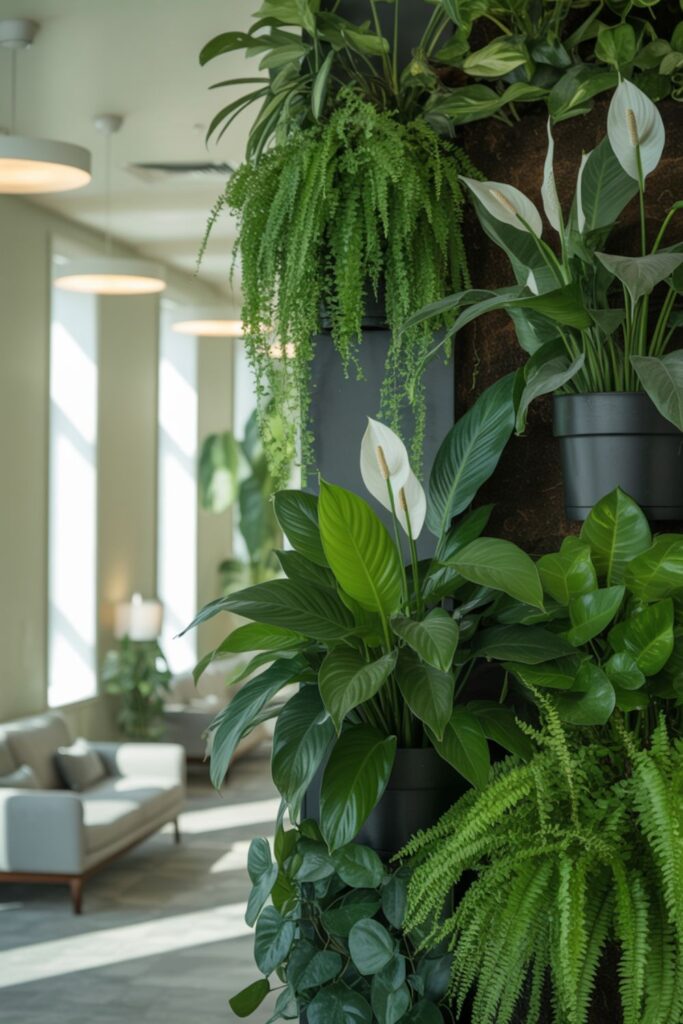
Indoor vine walls function as biological air filters that remove toxins while producing oxygen. Single pothos plants eliminate detectable amounts of formaldehyde, benzene, and xylene common indoor pollutants from furniture, paint, and cleaning products.
Scale matters for meaningful air quality improvement; research suggests 1 plant per 100 square feet of living space for basic filtration. A 20 square foot living wall containing 40-50 plants delivers measurable air quality benefits in typical residential rooms. Plants perform this detoxification continuously, with peak activity during daylight hours when photosynthesis runs at maximum capacity. Beyond chemical filtration, vertical gardens raise relative humidity by releasing water vapor through transpiration, particularly valuable during heating seasons when indoor air becomes desert-dry.
What Are Common Indoor Vine Wall Mistakes?
Overwatering kills more plant walls than all other factors combined. Excessive moisture causes root rot that spreads rapidly through densely-planted vertical gardens, destroying months of growth in weeks.
Inadequate lighting ranks second plants stretch toward available light, becoming leggy and pale when illumination falls below minimum thresholds. Neglecting pest management allows spider mites, mealybugs, and fungus gnats to establish populations that devastate collections. Choosing plants with incompatible requirements creates zones of chronic stress where some plants thrive while neighbors slowly die. Forgetting drainage during installation leads to water damage, mold growth, and expensive remediation. Poor initial plant selection based on appearance rather than environmental compatibility guarantees long-term frustration.
Pest Management for Indoor Plant Walls
Dense foliage in living walls creates microclimates where pests thrive unnoticed until infestations reach critical levels. Weekly inspections catch problems early, check leaf undersides for spider mite webbing and examine stems for scale insects.
Preventive measures work better than reactive treatments. Isolate new plants for 2-3 weeks before adding them to vertical gardens, watching for hitchhiking pests. Yellow sticky traps placed near plant walls capture fungus gnats and whiteflies while alerting you to population increases. Neem oil spray applied monthly prevents most common pests through natural compounds that disrupt insect reproduction. For active infestations, insecticidal soap kills soft-bodied pests on contact without harsh chemicals. Severe problems may require systemic insecticides applied to soil, where plants absorb and distribute the pesticide internally.
Seasonal Care and Maintenance Tips
Indoor vine walls experience seasonal changes despite controlled interior conditions. Winter brings lower light levels, reduced growth, and decreased water requirements as plants enter semi-dormancy.
Cut watering frequency by 30-50% during winter months to prevent root rot in slow-growing plants. Increase humidity using humidifiers or pebble trays as heating systems dry interior air below optimal levels for tropical indoor climbing plants. Spring triggers vigorous growth requiring increased fertilization and pruning to maintain desired shapes and densities. Summer’s peak light and warmth drive maximum growth, the ideal time for propagating cuttings to fill gaps or expand your vertical garden. Check automated systems quarterly, cleaning drip emitters and replacing filters that accumulate mineral deposits.
Incorporating Flowering Vines Indoors
Blooming indoor vine walls add color and fragrance that foliage-only installations cannot provide. Hoya carnosa produces clusters of waxy, fragrant flowers from spring through fall when given adequate light and slight drought stress between waterings.
Jasmine varieties like pink jasmine and Arabian jasmine thrive in bright indoor conditions, perfuming entire rooms when flowering cycles begin. Passion flower vines create exotic blooms in purple, blue, and white they need strong support and pruning to control vigorous growth. Lipstick plant cascades with tubular red flowers that attract hummingbirds through windows. Black-eyed Susan vine offers cheerful orange and yellow flowers throughout summer when grown in high-light locations. All flowering vines need more light than foliage plants minimum 400-600 foot-candles and benefit from bloom-boosting fertilizers higher in phosphorus.
Space-Saving Solutions for Small Apartments
Vertical gardens maximize growing space in cramped quarters where floor space comes at premium prices. Corner installations utilize dead space while creating architectural interest that distracts from small square footage.
Over-door plant walls using hanging pocket systems add greenery without consuming valuable wall real estate. Room dividers incorporating living walls define spaces in studio apartments while maintaining visual flow and adding functional air purification. Murphy-style fold-down vertical gardens mount flat against walls when not in use, swinging outward for maintenance access. Narrow vertical planters just 4-6 inches deep fit between furniture and walls, turning forgotten gaps into productive growing zones.
What Maintenance Tools Do You Need?
Basic plant wall maintenance requires surprisingly few specialized tools. Long-reach pruning shears with 24-36 inch handles access high growth without ladders, and a spray bottle with adjustable nozzle handles spot watering and misting.
Moisture meters with 6-8 inch probes test water levels deep within vertical garden systems where surface dryness deceives. Jeweler’s loupe or handheld magnifier helps identify tiny pests during inspection routines. Small spray bottles containing neem oil, insecticidal soap, and diluted fertilizer keep treatments readily available. Microfiber cloths remove dust from leaves, improving photosynthesis while maintaining a polished appearance. A sturdy step stool provides safe access for upper portions of tall living walls.
Hydroponic vs. Soil-Based Systems
Hydroponic indoor vine walls eliminate soil weight and mess while providing precise nutrient control. These systems circulate water-soluble fertilizers through inert growing media like coconut coir or rockwool, supporting faster growth rates than traditional soil.
Soil-based plant walls cost less initially and feel more familiar to traditional gardeners. Quality potting mixes provide buffering against watering mistakes and contain beneficial microorganisms that protect root health. Hydroponic setups require more monitoring pH and nutrient concentration needs weekly testing and adjustment. Soil systems forgive irregular care but weigh significantly more when saturated. Hybrid approaches using soilless mixes in pots mounted to wall systems split the difference, offering moderate weight with improved drainage and aeration compared to pure soil.
Creating Privacy Screens with Vine Walls
Living walls function as attractive privacy solutions that soften interiors while blocking sightlines. Floor-to-ceiling vertical gardens create natural room dividers in open-concept spaces, defining areas without permanent construction.
Freestanding frames with dense plantings screen home offices from living areas, providing visual separation that improves focus and professional video call backgrounds. Balcony and patio doors benefit from plant walls that filter views while maintaining natural light transmission. Choose fast-growing vines like pothos and philodendron for quick privacy establishment, achieving full coverage within 6-9 months. Layer plants at different depths for maximum screening create foreground, middle, and background plantings that eliminate all gaps.
Smart Technology Integration
Modern vertical gardens benefit from IoT devices that automate monitoring and care. WiFi-enabled moisture sensors alert your phone when watering is needed, preventing both drought and oversaturation.
Smart plugs control grow lights and irrigation pumps on customizable schedules adjusted remotely from anywhere. Environmental monitors track temperature, humidity, and light levels, logging data that reveals patterns affecting plant health. Automated fertilizer injectors dose nutrients precisely based on plant growth stage and season. Time-lapse cameras document growth patterns while providing security monitoring. The most sophisticated systems use AI to analyze plant images, identifying pest issues and nutritional deficiencies before symptoms become obvious to untrained eyes.
Troubleshooting Common Growth Problems
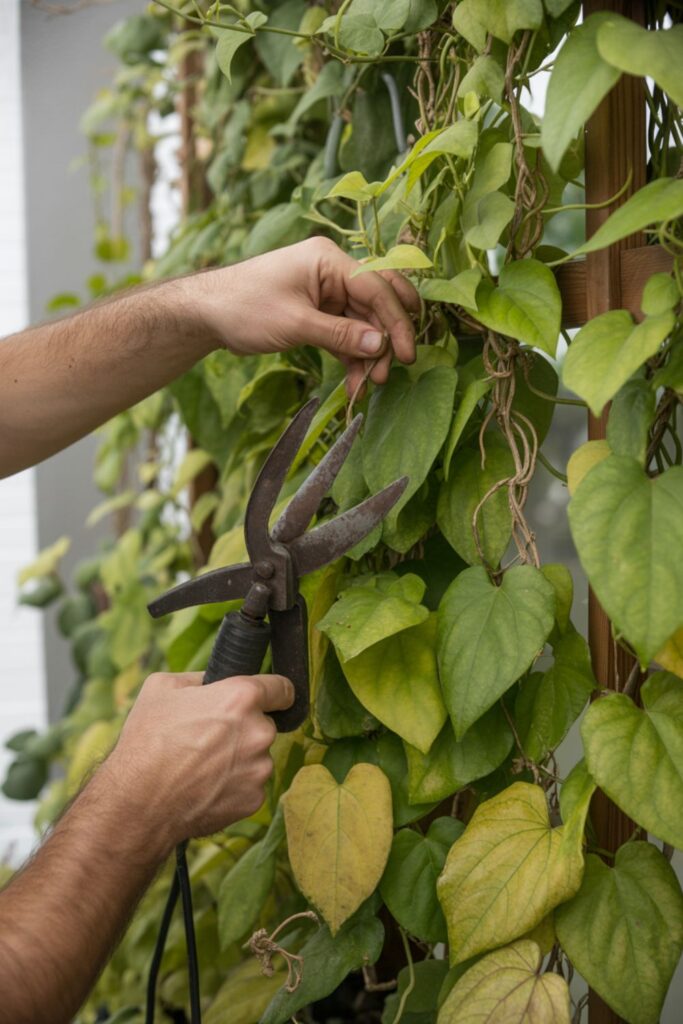
Yellow leaves on indoor vine walls signal multiple potential issues: overwatering, underwatering, or nutrient deficiencies all produce similar symptoms. Check soil moisture first using a moisture meter, then inspect for pests that damage roots and foliage.
Brown leaf tips indicate low humidity or fluoride toxicity from tap water. Mist plants daily or switch to filtered water to resolve these issues. Leggy growth with long spaces between leaves means insufficient light moves plants closer to windows or increases artificial lighting duration and intensity. Dropping leaves suggests dramatic environmental changes or root problems. Plants refusing to grow despite adequate care may be rootbound carefully removed from containers to check if roots circle densely, indicating need for larger pots or division.
Building Multi-Level Cascade Designs
Tiered plant walls create dimensional interest by positioning plants at varying heights and depths. Mounting brackets at staggered intervals produces waterfall effects as vining plants cascade from upper to lower levels.
Mix plant types by elevation place upright growers like snake plants on upper tiers, trailing varieties like string of hearts in middle positions, and ground-covering ferns at base levels. This approach mimics natural forest structure while maximizing vertical growing space. Incorporate shelving at strategic intervals to support decorative objects and break up large vertical garden expanses. Backlighting between layers creates dramatic depth, casting shadows that emphasize texture and movement. Multi-level designs hide infrastructure like irrigation lines and support structures behind foreground plantings.
Maximizing Small Wall Spaces
Even compact 2-3 square foot areas support impressive indoor vine walls when designed thoughtfully. Focus on single statement plants rather than attempting miniature jungle compositions one spectacular philodendron makes a stronger impact than scattered small plants.
Vertical emphasis using tall, narrow planters draws eyes upward, making spaces feel larger than actual square footage suggests. Mirrors mounted behind or adjacent to plant walls double visual impact through reflection while bouncing light back to foliage. Choose plants with architectural forms like split-leaf philodendron or monstera that command attention despite limited numbers. Minimalist living walls featuring 3-5 plants in repetitive patterns create sophisticated modern looks perfect for small surfaces.
Propagation Techniques for Expanding Collections
Growing your own plants from cuttings transforms budget-friendly starter vertical gardens into lush, full installations without ongoing plant purchases. Most common indoor climbing plants propagate easily from stem cuttings placed in water or directly into moist soil.
Take 4-6 inch cuttings just below leaf nodes where roots form most readily. Remove lower leaves and place stems in water, changing it weekly until 2-3 inch roots develop over 2-4 weeks. Transfer rooted cuttings to small pots with a quality potting mix. Alternatively, stick cuttings directly into moist propagation mix many species root faster in soil than water. Division works for mature plants producing multiple stems or offsets. Carefully separate root systems and replant divisions immediately. Single mother plants generate dozens of cuttings over months, exponentially expanding your collection.
Read More About: Gorgeous Greenhouse Ideas for Year-Round Gardening
Combining Vines with Other Plant Types
Mixed plant walls incorporating diverse growth habits create richer visual tapestries than single-species installations. Combine trailing vines with upright ferns, compact succulents, and blooming plants for varied textures and colors throughout the year.
Assess light and water requirements before mixing species group plants with similar needs to simplify maintenance while creating distinct microenvironments within larger vertical gardens. Position drought-tolerant succulents on drier upper portions where water drains quickly, reserving moisture-retentive lower sections for thirsty ferns. Layer vines as background plantings that create green backdrops for architectural specimen plants. Include at least one flowering plant per 3-4 square feet to add seasonal color variation. This mixed approach mimics natural plant communities while maximizing biophilic design impact.
Frequently Asked Questions
How long does it take to establish an indoor vine wall?
Small potted plants take 3-6 months to fill modest 6-10 square foot vertical gardens with reasonable density. Larger installations using 4-6 inch pots need 6-12 months for full coverage depending on species growth rates and environmental conditions. Indoor climbing plants like pothos and philodendron grow fastest, often producing 12-18 inches of new growth monthly under optimal conditions.
Can you grow vegetables on indoor vine walls?
Yes, certain vegetables thrive on living walls with adequate light and nutrition. Cherry tomatoes, pole beans, peas, and compact cucumber varieties all work when provided 600-800 foot-candles of light from south-facing windows or grow lights. Herbs including oregano, thyme, and trailing rosemary create edible vertical gardens that smell amazing while producing fresh ingredients year-round.
Do indoor vine walls damage walls?
Properly installed systems with appropriate waterproofing and weight distribution cause no wall damage. Problems arise from water leaks, inadequate structural support, or direct vine attachment using aerial roots that mar painted surfaces. Use barrier layers between plants and walls, ensure complete drainage collection, and mount systems to studs rather than drywall alone to prevent issues.
Conclusion
Indoor vine walls represent more than decorative trends; they fundamentally transform how we experience interior spaces by reconnecting us with natural elements our biology craves. The vertical approach solves modern living challenges including limited space, poor air quality, and the psychological toll of nature-deficit disorder.
Start with manageable projects that build confidence and knowledge before attempting whole-wall installations. Choose forgiving plants that match your actual lighting and commitment levels rather than aspirational specimens that demand expert care. Whether you invest $100 in a DIY starter wall or $5,000 in professional biophilic design, the rewards of living greenery multiply over time as plants mature and your skills develop. Your walls hold untapped potential, transform them into thriving vertical gardens that purify air, lift spirits, and create the modern jungle sanctuary you’ve been imagining.