Inspiring Backyard Plants Ideas to Transform Your Outdoor Space

Your backyard looks empty and uninspired. Bare patches of lawn stretch endlessly, offering nothing interesting to look at and requiring constant mowing. Foundation plantings around your home consist of tired, overgrown shrubs that were there when you moved in. You envision a lush, layered landscape full of color and texture, but you’re overwhelmed by the countless plant options and conflicting advice about what works where.
Strategic Inspiring backyard plants ideas solve these problems by creating outdoor spaces that feel intentional, beautiful, and manageable. The right plant selections transform boring yards into dynamic landscapes that change with seasons, attract wildlife, and require less work than maintaining grass alone. From flowering plants that deliver months of color to structural shrubs that define spaces and provide year-round interest, thoughtful planting creates outdoor rooms that rival your interior spaces in beauty and function.
This comprehensive guide reveals proven strategies for selecting, placing, and combining garden plants that thrive in your specific conditions while achieving your aesthetic and functional goals. You’ll discover how professionals approach plant selection by considering hardiness zones, soil conditions, sun exposure, and maintenance requirements then learn to apply these principles to create a backyard landscape that flourishes for years with minimal intervention while delivering maximum visual impact throughout every season.
How Do You Choose the Right Plants for Your Backyard?
Successful plant selection starts with understanding your yard’s specific conditions rather than simply buying plants that look attractive at the nursery. When exploring inspiring backyard plants ideas, focus first on the environment your plants will grow in to ensure long-term success.
Hardiness zone identification determines which plants can survive your area’s coldest temperatures. The USDA divides North America into zones 1-13 based on average annual minimum temperatures. Zone 5 experiences winter lows of -20 to -10°F, while zone 9 rarely drops below 20°F. Check your zone using the USDA’s online tool with your zip code, then select plants rated for your zone or slightly colder, as a zone 5 plant that thrives in zones 5-9 may not survive a zone 4 winter. Most plant tags clearly list appropriate zones. Considering hardiness zones is an essential tip for anyone searching for inspiring backyard plants ideas, preventing the frustration of watching expensive plants die each winter because they weren’t cold-hardy enough.
Sun exposure dramatically impacts plant performance and survival. Full sun means 6+ hours of direct sunlight daily, with south and west-facing areas typically qualifying. Part sun or part shade indicates 3-6 hours of direct sun, often in east-facing exposures with morning sun and afternoon shade. Full shade receives less than 3 hours of direct sun, common on north sides of structures or under dense tree canopies. Mapping your yard’s sun patterns during the growing season keeping in mind that winter sun angles differ significantly helps you select the right plants. Morning sun feels gentler than intense afternoon sun, so part-shade plants often tolerate eastern exposures better than western ones. Matching plants to your sun conditions is a critical step in creating inspiring backyard plants ideas that thrive naturally.
Soil conditions, including drainage, pH, and texture, profoundly influence plant health. Most inspiring backyard plants ideas thrive in well-drained soil that’s moist but not waterlogged. Test drainage by digging a 12-inch hole, filling it with water, and timing how long it takes to drain 4-6 hours indicates good drainage, while standing water after 24 hours signals problems requiring amendments or drainage solutions.
Clay soils drain slowly and compact easily, while sandy soils drain too quickly and struggle to retain nutrients. Amend both with organic matter like compost. Soil pH affects nutrient availability; most plants prefer slightly acidic to neutral (6.0-7.0 pH), though some, like blueberries, need very acidic conditions while lilacs prefer alkaline soil. Home test kits can help you determine your soil’s pH, enabling targeted plant selection and supporting your inspiring backyard plants ideas with healthier, more vibrant greenery.
What Are the Best Low-Maintenance Backyard Plants?
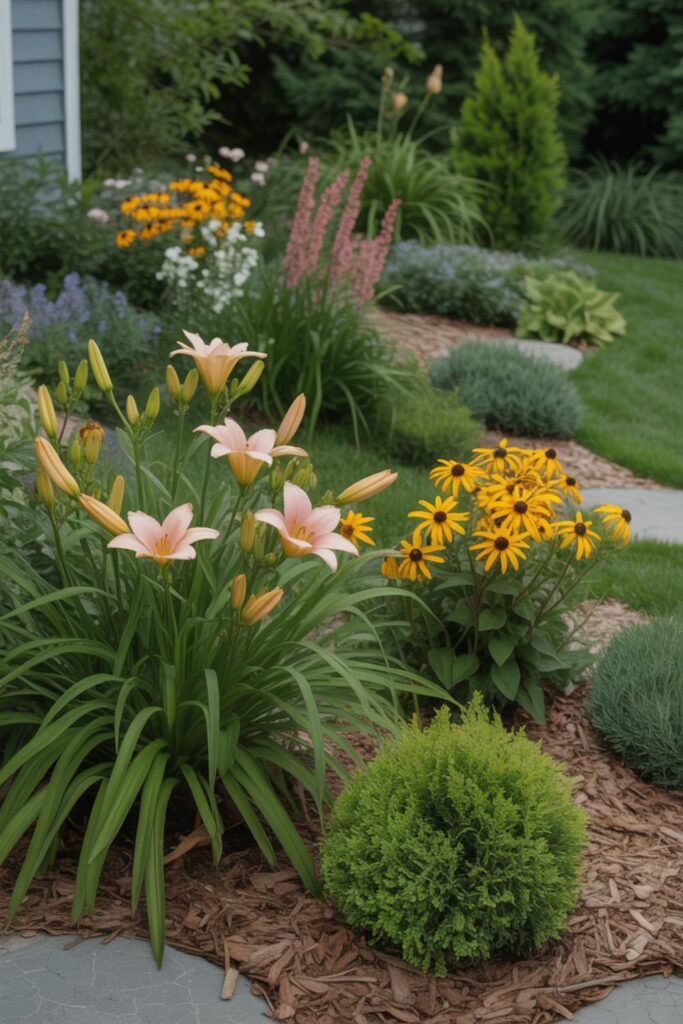
Low maintenance plants deliver beauty without demanding constant attention, making them perfect for busy homeowners or those new to gardening. Incorporating inspiring backyard plants ideas often starts with selecting plants that thrive with minimal care while still adding color, texture, and seasonal interest.
Native plants top the list for effortless care since they evolved in your region’s climate, soil, and rainfall patterns. They resist local pests and diseases better than exotic species while supporting local pollinators and wildlife. Purple coneflower (Echinacea) provides months of summer blooms with zero fuss in zones 3-9, attracting butterflies while tolerating drought once established. Black-eyed Susans offer similar benefits with cheerful yellow daisy-like flowers. Native grasses like little bluestem or switchgrass require no fertilizer, minimal water, and just one annual trim in early spring. Regional native plant societies and university extension offices provide lists of plants native to your specific area these are excellent resources for creating inspiring backyard plants ideas that truly thrive.
Perennials return year after year without replanting, establishing larger clumps that require less care as they mature. Daylilies bloom prolifically with virtually no care in zones 3-9, offering thousands of varieties in every color except blue. Hostas thrive in shade where grass struggles, providing lush foliage from spring through fall in zones 3-9. Sedum and other succulents tolerate drought, poor soil, and neglect while delivering interesting textures and late-season blooms. Russian sage creates airy clouds of lavender-blue flowers throughout summer, needs no deadheading, and thrives in hot, dry conditions. Using these reliable performers is a cornerstone of inspiring backyard plants ideas, giving your garden beauty with minimal effort.
Shrubs provide structure with minimal intervention once established. Spirea blooms profusely in spring with no pruning required and comes in compact varieties suitable for small spaces. Potentilla flowers continuously from late spring through fall with zero deadheading. Ninebark offers colorful foliage (purple, burgundy, or chartreuse varieties) and attractive exfoliating bark for four-season interest.
These selections tolerate a range of conditions, resist pests, and require only occasional shaping every few years rather than constant pruning. Focusing on plants rated for your zone that match your site’s conditions is key for inspiring backyard plants ideas, as placing the right plant in the right spot eliminates most maintenance headaches.
How Can You Create Year-Round Interest with Backyard Plants?
Strategic plant selection ensures your backyard looks attractive through all four seasons rather than being beautiful for just a few weeks. Incorporating inspiring backyard plants ideas means choosing plants that deliver interest year-round, from early spring blooms to winter structure.
Spring bloomers launch the growing season with flowers emerging when most of the landscape still sleeps. Bulbs, including daffodils, tulips, and crocuses, provide the earliest color, pushing through cold soil in late winter or early spring and plant them in fall for spring displays. Flowering trees like magnolias, redbuds, and crabapples create spectacular overhead displays in early spring.
Spring-blooming perennials such as bleeding hearts, primrose, and Virginia bluebells fill garden beds with fresh colors. By combining early, mid, and late spring bloomers, you can extend the show from March through May. Flowering shrubs like forsythia, azaleas, and lilacs deliver bold spring statements, a key feature of inspiring backyard plants ideas that keep your landscape vibrant after winter dormancy.
Summer interest comes from both flowers and foliage. Classic summer flowering plants including coneflowers, black-eyed Susans, daylilies, and salvia provide continuous color when planted in masses. Ornamental grasses add movement and texture, with feathery plumes developing by midsummer. Hydrangeas deliver long-lasting blooms from midsummer through fall, with many varieties changing colors as they age.
Plants with interesting foliage, like hostas, provide bold leaves in shades of green, blue, chartreuse, and variegated patterns. Colorful foliage plants such as coleus, heuchera, and Japanese maples maintain visual interest even when not blooming. Combining different bloom times early summer roses, midsummer coneflowers, and late summer sedums ensures continuous beauty, forming the backbone of inspiring backyard plants ideas that look amazing throughout the season.
Fall and winter interest prevents your backyard from becoming a wasteland after frost. Plants with striking fall color including burning bush, Virginia sweetspire, and oakleaf hydrangea blaze with reds, oranges, and purples. Ornamental grasses look spectacular in fall light, with seedheads persisting through winter.
Asters and mums provide late-season blooms when little else flowers. For winter, select plants with interesting bark (birch, red-twig dogwood, paperbark maple), persistent berries (winterberry holly, beautyberry, viburnum), or evergreen foliage (boxwood, rhododendron, conifers).
These elements create structure and visual interest when deciduous plants drop their leaves. Evergreens become particularly valuable, providing year-round foliage that anchors the landscape. Strategically placing plants with four-season attributes throughout your yard ensures something always catches the eye, a hallmark of inspiring backyard plants ideas that remain captivating in every season.
Read More About: Best Interior Garden Ideas for Stylish Indoor Spaces
What Are the Best Plants for Privacy Screening?
Privacy screening plants create natural barriers that block unwanted views while adding beauty and softening property boundaries more attractively than fences alone. Incorporating inspiring backyard plants ideas for privacy ensures your yard feels secluded, visually appealing, and harmonious with your landscape design.
Evergreen shrubs provide year-round screening without the seasonal bare periods of deciduous plants. Arborvitae varieties grow rapidly (2-3 feet annually) into dense columns perfect for narrow spaces, reaching 10-20 feet tall depending on variety, and thrive in zones 3-7. Boxwood creates formal hedges when sheared or informal masses when allowed natural growth, thriving in zones 5-9 with excellent shade tolerance.
Skip laurel offers glossy leaves year-round, grows 2 feet annually, and tolerates various conditions in zones 5-9. Holly varieties provide dense foliage plus colorful berries on female plants when males are nearby for pollination. Most hollies thrive in zones 5-9 with excellent drought tolerance once established, making them a top choice for inspiring backyard plants ideas that combine privacy with ornamental appeal.
Ornamental grasses create privacy screening without the formal appearance of traditional hedges. Miscanthus varieties reach 6-8 feet tall, forming dense clumps that block views while swaying beautifully in breezes. They thrive in zones 4-9 and require one annual spring trim. Switchgrass offers similar height with airy texture and stunning fall color. Bamboo provides the fastest screening; some varieties grow 3-5 feet annually, but choose clumping types rather than running varieties that spread invasively.
Clumping bamboo stays contained without underground barriers while still reaching 10-20 feet tall. These grass screens offer softer, more modern aesthetics than traditional evergreen hedges while requiring less maintenance, representing practical and stylish inspiring backyard plants ideas for contemporary landscapes.
Fast-growing trees create overhead screening and establish property boundaries. Leyland cypress grows 3-4 feet annually, reaching 40-60 feet at maturity in zones 6-10. Thuja Green Giant (a hybrid arborvitae) grows similarly fast while tolerating colder temperatures (zones 5-9). Both create dense screens within 3-5 years when planted 5-8 feet apart.
For deciduous options, river birch grows quickly into attractive multi-trunk specimens with exfoliating bark, while red maples provide fast growth plus spectacular fall color. Layering tall trees behind medium shrubs and ground cover in front creates depth and more effective screening than single-row plantings. This approach mimics natural forest edges and looks more organic than soldier-straight hedge rows, offering a highly functional and visually striking element in inspiring backyard plants ideas.
How Do You Design Plant Combinations That Look Professional?
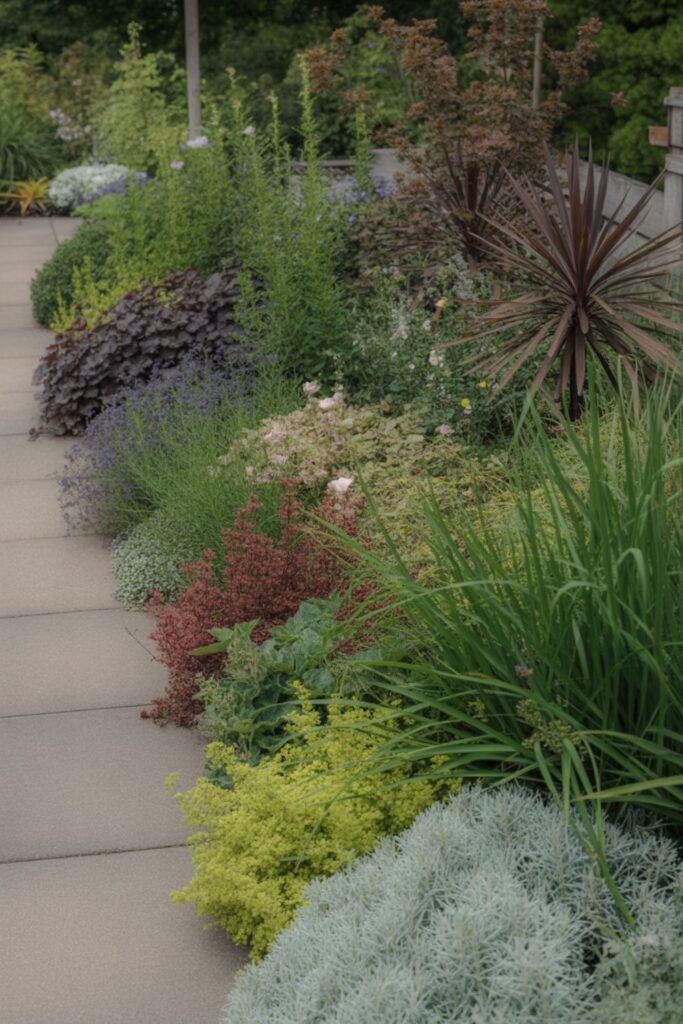
Professional-looking plant combinations follow specific design principles that create cohesion, contrast, and visual interest rather than appearing randomly assembled. Incorporating inspiring backyard plants ideas means thinking beyond individual plants and focusing on combinations that enhance the overall landscape design.
Color theory guides effective plant pairing. Complementary colors (opposites on the color wheel) create vibrant contrasts: purple salvia with yellow coreopsis, or orange daylilies with blue delphiniums. Analogous colors (neighbors on the wheel) deliver harmonious, sophisticated looks: blues, purples, and pinks together, or yellows, oranges, and reds. Monochromatic schemes using various shades of one color create elegant, cohesive designs. Imagine a white garden with white roses, white phlox, silver dusty miller, and white hydrangeas.
Consider foliage colors too, not just flowers. Chartreuse foliage brightens shady areas and creates striking contrasts with deep purples or blues. Silver foliage softens bright colors and connects disparate elements, adding depth to inspiring backyard plants ideas that feel intentional and refined.
Texture variation prevents monotony even within single-color schemes. Mix bold, coarse textures (hostas, elephant ears, large-leaved hydrangeas) with fine textures (ornamental grasses, ferns, threadleaf coreopsis. Combine plants with different growth habits: upright spiky plants like salvia or iris with mounding forms like geraniums or catmint, plus trailing or spreading plants like creeping phlox or sweet woodruff.
This variation creates visual interest and ensures plant groupings feel thoughtfully designed. Even all-green shade gardens look dynamic when combining the bold leaves of hostas with delicate fern fronds and the heart-shaped foliage of wild ginger essential techniques in inspiring backyard plants ideas for cohesive design.
Repetition and rhythm tie designs together. Repeat key plants throughout your landscape rather than using each plant only once. Plant drifts of 3, 5, or 7 of the same plant rather than one here, one there. Repeat these groupings at intervals throughout beds to create rhythm that guides the eye through the space. This professional technique makes collections of diverse plants feel unified.
Similarly, repeat color themes: if you use purple and yellow in one bed, echo those colors elsewhere in your yard. Maintain consistent proportions by using similar ratios of tall to medium to short plants in different beds. These repetitive elements create cohesion across your entire landscape, elevating your overall design and making inspiring backyard plants ideas appear thoughtfully curated rather than random.
What Are the Best Shade Plants for Backyards?
Shady areas present opportunities rather than problems when you select inspiring backyard plants ideas that thrive in lower light conditions where sun-loving species struggle.
Hostas dominate shade gardening for good reason; they offer incredible variety in size (from 6-inch miniatures to 4-foot giants), leaf colors (green, blue, chartreuse, gold, white-variegated), and textures (smooth, puckered, wavy-edged). They thrive in zones 3-9, tolerate deep shade, and require minimal care beyond dividing every few years. Pair them with contrasting textures for maximum impact. Slugs sometimes damage leaves use organic slug bait or beer traps if this becomes problematic. Most hostas produce attractive lavender or white flower spikes in summer, adding vertical interest to mounded foliage.
Ferns bring delicate texture and lush, forest-floor aesthetics to shaded areas. Japanese painted fern offers silvery foliage with burgundy stems, creating bright spots in dim areas. Autumn fern emerges copper-colored in spring before maturing to green. Ostrich fern grows tall (3-4 feet) with graceful arching fronds perfect for moist shade. Lady fern tolerates drier shade than most ferns. All ferns thrive in zones 3-9 depending on variety, preferring humus-rich soil amended with compost. They pair beautifully with hostas, creating textural contrast that makes both look better. Most ferns die back in winter but return reliably each spring, expanding slowly into larger clumps.
Flowering shade perennials prove that shade gardens can be colorful, not just green. Astilbe produces feathery plumes in pink, white, red, or purple throughout summer, thriving in moist shade (zones 4-9). Bleeding heart offers unique heart-shaped flowers dangling from arching stems in spring. Coral bells (heuchera) provide colorful foliage in purple, burgundy, lime, or coral plus delicate flower stalks in early summer.
Brunnera displays spring forget-me-not flowers followed by attractive heart-shaped leaves, with variegated varieties brightening dark corners. Lungwort blooms early with pink flowers that turn blue, plus silver-spotted leaves that remain attractive all season. Combine these flowering plants with foliage specimens like hostas and ferns to create layered shade gardens with continuous interest from spring through fall.
How Can You Attract Pollinators with Backyard Plants?
Pollinator-friendly plantings support essential wildlife while creating dynamic, living landscapes full of butterflies, bees, and hummingbirds.
Native flowering plants provide nectar and pollen that native pollinators evolved to utilize. Purple coneflower, black-eyed Susan, and bee balm (Monarda) attract numerous butterfly and bee species while offering long bloom periods and easy care. Joe Pye weed towers 4-6 feet tall with massive pink flower heads that monarch butterflies adore. Goldenrod despite its undeserved reputation as an allergen (ragweed is the culprit) provides crucial late-season nectar when few other plants bloom. Native plants also provide host plants where butterflies lay eggs and caterpillars feed monarchs need milkweed, black swallowtails use parsley and dill, and various native trees support hundreds of moth and butterfly species.
Plant diversity and bloom succession ensure food availability throughout the growing season. Early spring bulbs and flowering trees feed pollinators emerging from dormancy. Summer stalwarts like coneflowers, rudbeckia, and salvia maintain nectar flow during peak activity. Late bloomers including sedum, asters, and goldenrod provide crucial resources before winter. Include various flower shapes, tube-shaped flowers for hummingbirds and long-tongued bees, flat landing platforms for short-tongued bees, and clustered flowers for butterflies. Plants in masses rather than single groupings of at least 3-5 of the same plant help pollinators locate and efficiently work flowers. Diverse plantings support more pollinator species than monocultures.
Avoid pesticides and provide water sources to truly support pollinator health. Even organic pesticides like pyrethrins kill beneficial insects along with pests. Embrace minor damage as evidence that your yard supports a healthy ecosystem. Create shallow water sources, a birdbath with rocks creating landing spots, or shallow dishes refilled regularly. Leave some bare ground where ground-nesting bees can burrow. Maintain dead wood and plant stems through winter where cavity-nesting bees overwinter. Skip fall cleanup until spring; those “messy” seed heads and stems protect overwintering insects. These practices transform your backyard from merely decorative to ecologically functional, supporting pollinators while enjoying their beauty and pollination services for vegetables and fruit.
What Are the Best Drought-Tolerant Plants for Backyards?
Drought tolerant plants reduce water consumption while thriving in challenging conditions essential for arid climates or low-maintenance landscapes.
Succulents and sedums store water in fleshy leaves, tolerating extended dry periods that kill conventional plants. Sedum ‘Autumn Joy’ produces pink flowers that mature to copper-red, blooming from late summer through fall while requiring zero supplemental water once established. It thrives in zones 3-9. Sempervivum (hens and chicks) creates ground-hugging rosettes in various colors, perfect for rock gardens or hell strips between sidewalks and streets. Yucca offers architectural spikes of evergreen foliage topped by dramatic white flower stalks, thriving in zones 4-11 depending on variety. These plants actually perform poorly with excessive water, making them perfect for neglectful gardeners or water-conscious landscapes.
Mediterranean herbs evolved in dry climates, offering fragrance, culinary uses, and beauty with minimal water. Lavender thrives in hot, dry conditions with excellent drainage, blooming profusely and attracting pollinators while deterring deer. Rosemary grows as a shrub in warm climates (zones 8-11) or annually elsewhere, tolerating drought once established. Sage, thyme, and oregano all prefer dry conditions overwatering causes more problems than drought. These herbs offer silvery foliage that brightens landscapes while requiring no summer water once established. Plant them in well-drained soil without amendments; they prefer lean conditions that encourage aromatic oils. The only maintenance needed is occasional shearing after bloom to maintain compact shape.
Ornamental grasses deliver movement, texture, and drought tolerance in one package. Blue fescue creates tidy blue-gray mounds perfect for edging or mass plantings, needing virtually no water once established (zones 4-8). Feather reed grass grows upright to 5-6 feet with attractive plumes, tolerating poor soil and drought (zones 4-9). Mexican feather grass produces flowing, hair-like foliage that dances in slightest breezes stunning when backlit but potentially self-sowing in mild climates. Karl Foerster grass offers early, long-lasting plumes on sturdy stems that stand through winter. These grasses require one annual trim in early spring but otherwise need zero care, fertilizer, or supplemental water once established. Their deep root systems access moisture unavailable to shallow-rooted plants, allowing them to stay attractive through summer when lawns turn brown.
How Do You Create a Cutting Garden in Your Backyard?
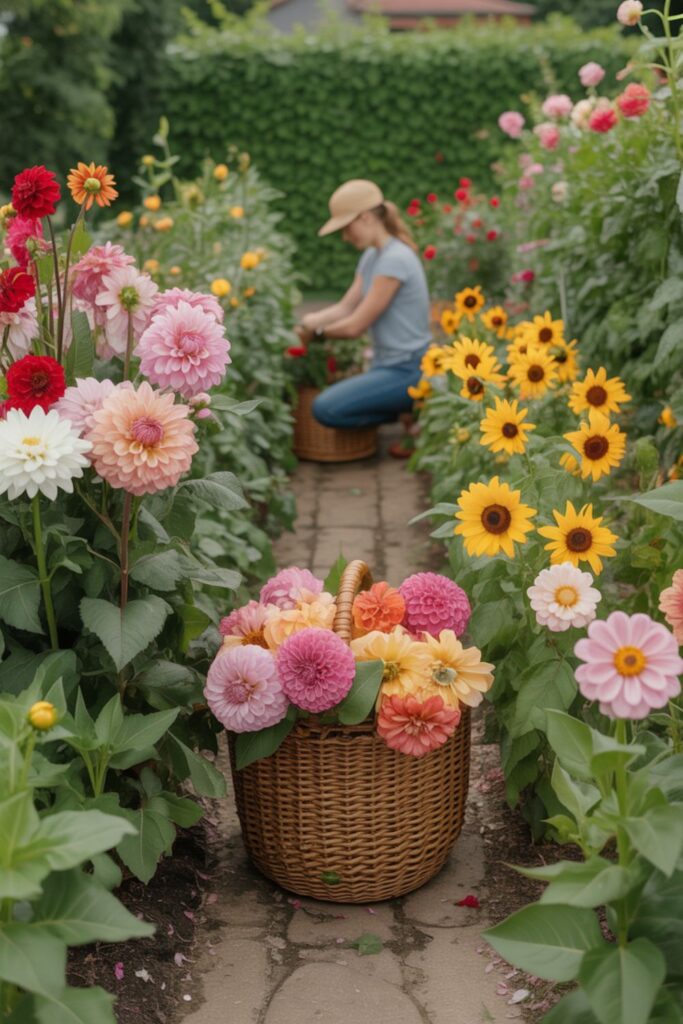
Cutting gardens provide fresh flowers for indoor arrangements while adding beauty to your landscape designed for production rather than just aesthetics.
Site selection and layout differs from ornamental beds since you’ll regularly harvest flowers. Choose full-sun locations; most cut flowers need 6+ hours of direct sun. Arrange plants in rows for easy access rather than artistic groupings. Leave space between rows for walking and working without compacting soil or damaging plants. Many gardeners plant cutting gardens in vegetable garden areas or side yards rather than prime display beds since harvesting removes blooms. Raised beds work beautifully, improving drainage while making maintenance easier on your back. Install drip irrigation or soaker hoses at planting time consistent moisture produces more abundant, larger blooms.
Plant selections for cutting gardens emphasize productivity and vase life rather than landscape display. Zinnias top most lists. They bloom prolifically from early summer until frost, come in every color except blue, and last 7-10 days in vases. Cut them when fully open and change water every few days. Cosmos produces delicate, daisy-like flowers continuously when deadheaded regularly. Sunflowers provide dramatic vertical accents in arrangements plant succession crops every two weeks for continuous blooms. Perennials including coneflowers, black-eyed Susans, and salvia work in arrangements while also performing in ornamental beds. Include foliage plants like dusty miller, basil, or coleus for texture and to fill arrangements. Bulbs including tulips, daffodils, and gladiolus provide spring and summer options.
Proper cutting techniques maximize production and vase life. Cut flowers in early morning when stems are fully hydrated, using sharp, clean scissors or pruners. Cut just above a leaf node or side shoot to encourage branching and more blooms. Immediately plunge stems into water bring a bucket to the garden rather than carrying armfuls into the house. Remove lower leaves that would sit below the water line where they rot and shorten vase life. Recut stems at an angle before arranging. Change water every 2-3 days and recut stems to extend longevity. Most annuals produce more flowers when cut regularly; the act of harvesting encourages new blooms rather than seed production. This makes cutting gardens wonderfully productive, providing fresh arrangements weekly from late spring through fall frost.
Read More About: 75+ best Patio Decorating Ideas to Transform Your Outdoor Space
What Ground Cover Plants Work Best for Different Conditions?
Ground cover plants suppress weeds, prevent erosion, and create attractive carpets that fill spaces where grass struggles or maintenance proves difficult.
Sun-loving ground covers spread vigorously in full sun, creating dense mats that outcompete weeds. Creeping thyme forms fragrant carpets that tolerate light foot traffic, blooming in pink, white, or purple (zones 4-9). It grows just 2-4 inches tall and releases pleasant scent when walked upon. Sedum varieties spread quickly while tolerating drought and poor soil. Creeping phlox cascades over walls and slopes with masses of spring flowers in pink, purple, white, or blue (zones 3-9). The ice plant thrives in hot, dry climates (zones 5-9), producing succulent foliage and daisy-like flowers in brilliant colors. These plants establish faster when planted densely spaced them closer than mature spread indicates to achieve coverage within one season.
Shade ground covers thrive where grass fails under trees or on north-facing slopes. Pachysandra creates classic evergreen carpets under trees, spreading reliably in zones 4-9. It tolerates deep shade and competes successfully with tree roots. Sweet woodruff produces delicate white spring flowers and whorled leaves with vanilla scent when dried, thriving in moist shade (zones 4-8). Vinca minor (periwinkle) offers glossy evergreen leaves and blue spring flowers, though it can be an aggressive monitor spread in areas where you don’t want unlimited coverage. Lamium (dead nettle) provides silver-variegated foliage and pink or white flowers in zones 3-8, tolerating dry shade better than most options.
Lawn alternatives replace high-maintenance grass with lower-care ground covers. Clover fixes nitrogen, needs no fertilizer, stays green through drought, and tolerates foot traffic while feeding pollinators with white flowers. Microclover varieties grow lower than traditional clover, mixing into grass or functioning alone. Creeping thyme creates durable, fragrant lawns for light traffic areas. For shaded lawns, consider moss several species form emerald carpets that require no mowing, fertilizing, or watering once established. Native sedges create grass-like textures with less maintenance than traditional turf. These alternatives reduce or eliminate mowing, watering, and chemical inputs while providing unique textures and ecological benefits that conventional lawns can’t match.
How Can You Use Containers in Backyard Plant Designs?
Container gardens extend planting opportunities beyond garden beds, adding flexibility, vertical interest, and focal points throughout your backyard.
Strategic placement uses containers to solve specific design challenges. Flank doorways or gates with matching containers for formal symmetry that frames entries. Place large containers at seating area corners, defining spaces without permanent structures. Use containers on decks, patios, or balconies where ground planting isn’t possible. Group odd numbers (3, 5, 7) of varying heights for dynamic displays rather than lining up identical pots. Elevate containers on plant stands or upturned pots to create varying heights and improved visibility. Move containers throughout the season, swap out spring bulbs for summer annuals, then fall mums or ornamental kale. This flexibility lets you constantly refresh displays with peak-performing plants.
Plant combinations in containers follow the “thriller, filler, spiller” formula. Thrillers provide height and drama tall grasses, spike plants, or small shrubs. Fillers create mass around the thriller mounding flowers like petunias, geraniums, or coleus. Spillers cascade over container edges trailing plants like sweet potato vine, bacopa, or ivy. This three-layer approach creates professional-looking combinations with balance and movement. Consider bloom times and foliage colors when combining plants contrast purple foliage with chartreuse, or combine hot colors (red, orange, yellow) or cool colors (blue, purple, white) within single containers. Match sun requirements too don’t combine sun and shade lovers in the same pot.
Container selection impacts both aesthetics and plant health. Large containers (18+ inches diameter) retain moisture better and require less frequent watering than small pots. Ensure drainage holes prevent root rot drill holes in containers lacking them. Terra cotta breathes and looks classic but dries quickly and cracks in freezing temperatures. Glazed ceramic retains moisture better while offering colors and patterns. Plastic and resin containers are lightweight and durable but less attractive than using them inside decorative cachepots. Concrete and hypertufa containers work beautifully for modern or rustic aesthetics.
Dark containers absorb heat, avoid them in hot climates or for heat-sensitive plants. Consider winter storage in cold climates, bring tender containers into garages or sheds, or choose frost-proof containers that remain outdoors year-round with cold-hardy plants.
What Are the Best Plants for Edible Landscaping?
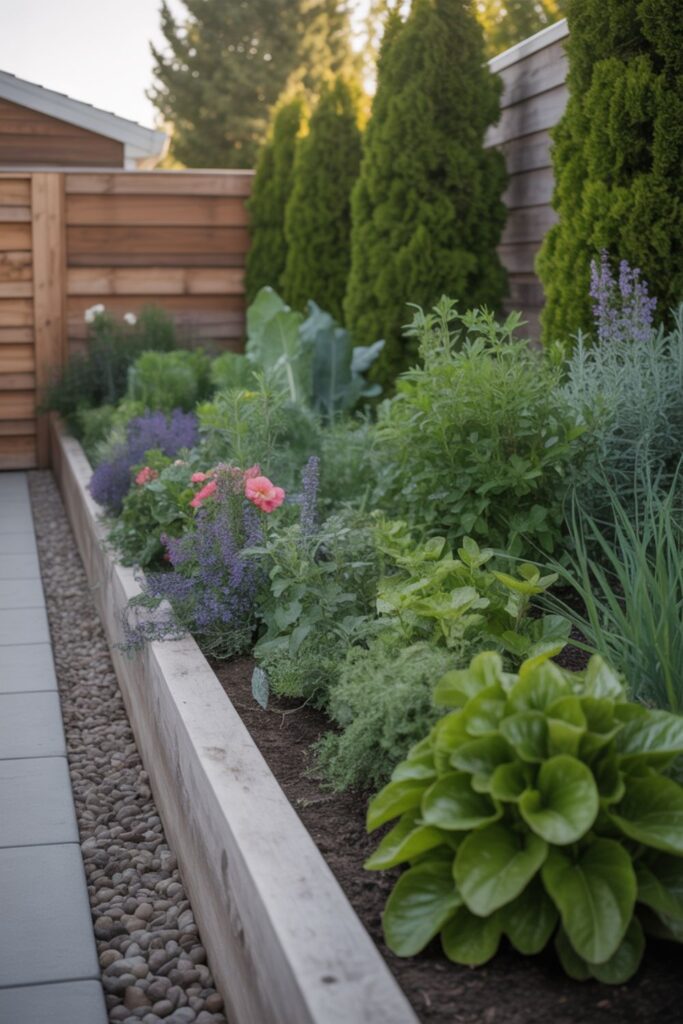
Edible landscaping combines food production with ornamental beauty, creating attractive backyards that also provide fresh produce, herbs, and fruit.
Fruit trees anchor edible landscapes while delivering shade, spring blooms, and fall color alongside their harvests. Dwarf and semi-dwarf varieties suit smaller yards; they produce full-sized fruit on compact trees reaching just 8-15 feet tall. Apple and pear trees bloom beautifully in spring before producing fruit, functioning as flowering trees in landscape design. Peach, plum, and cherry trees offer similar ornamental value. Most fruit trees need full sun and well-drained soil. Consider chill hours (cold required for fruiting) when selecting varieties; southern gardens need low-chill varieties while northern areas need cold-hardy types. Espalier training (growing trees flat against walls or fences) saves space while creating living art from productive trees.
Edible shrubs replace purely ornamental specimens with attractive, productive alternatives. Blueberries offer white spring flowers, blue summer fruit, and brilliant red fall color in zones 4-9. They need acidic soil (pH 4.5-5.5) and look beautiful as hedge rows or specimen plants. Dwarf varieties suit containers perfectly. Raspberry and blackberry bushes produce prolifically with minimal care and choose thornless varieties for backyard safety. Currants and gooseberries thrive in cooler climates (zones 3-7), producing fruit that makes excellent preserves. Elderberry grows large (6-12 feet) with attractive white spring flowers and berries for syrups and wines. These fruiting shrubs require no more care than ornamental alternatives while providing harvests.
Herbs and vegetables integrate seamlessly into ornamental borders. Leafy kale and chard come in gorgeous purple, red, and chartreuse varieties that rival ornamental foliage plants. Flowering plants including nasturtiums, daylilies, and roses all offer edible flowers for salads and garnishes. Mediterranean herbs (rosemary, lavender, sage, thyme) provide silver foliage, fragrance, and pollinator support while tolerating drought. Strawberries create attractive ground cover that bears fruit alpine varieties remain compact and produce continuously. Pepper plants with purple foliage and colorful fruit, tomato plants in decorative containers, and climbing beans on attractive trellises all blur lines between vegetable and flower gardens. This integrated approach maximizes productivity while maintaining aesthetic appeal that purely ornamental or purely productive gardens can’t match alone.
How Do You Plan Plant Layering for Depth and Interest?
Professional-looking landscapes use layering techniques that create depth through strategic height arrangements and forward-to-back plant placement.
Height progression arranges plants from shortest in front to tallest in back when viewing beds from one side, or tallest in center when viewing from all sides. The standard formula uses three layers: ground cover or short perennials (under 12 inches) in front, medium plants (12-36 inches) in middle, and tall perennials or shrubs (36+ inches) in back. This arrangement ensures visibility for all plants while creating flowing, naturalistic compositions. Break this rule occasionally for interest, allow some medium plants to drift forward, or pull tall ornamental grasses toward front as see-through specimens that don’t block views. Vary plant heights within each layer too rather than creating ruler-straight horizontal lines.
Depth creation makes narrow beds appear deeper and more substantial. Use lighter colors and finer textures at the back of beds; they recede visually, making spaces appear larger. Place bold, coarse-textured plants and warm colors (reds, oranges, yellows) in the foreground and they advance visually. Planted in drifts and curves rather than straight lines, natural, flowing shapes feel more spacious than rigid geometric patterns. Layer plants at different distances from bed edges not everything should align at the back. Pull some plants forward, push others back, creating a natural, three-dimensional quality rather than flat, one-dimensional arrangements. This technique makes even modest beds appear lush and layered.
Conclusion
Seasonal layering ensures continuous interest by positioning plants with different peak seasons throughout the bed. Place spring bulbs and early perennials where later-emerging plants will hide their dying foliage and excel at covering yellowing daffodil leaves. Position spring bloomers behind summer performers so attention shifts naturally as seasons progress. Include plants with interesting seed heads or winter structure that remain attractive after frost ornamental grasses, black-eyed Susans, and coneflowers look beautiful covered in snow or frost. Evergreen inspiring backyard plants ideas anchor beds year-round, providing consistent structure around which seasonal perennials and annuals perform. This temporal layering creates gardens that constantly evolve rather than having one peak followed by months of declining interest.
Frequently Asked Questions
What are the easiest backyard plants for beginners?
Start with native plants adapted to your region like coneflowers, black-eyed Susans, and hostas that tolerate various conditions with minimal care. Perennials including daylilies, sedum, and ornamental grasses return yearly without replanting. Choose low maintenance shrubs like spirea or potentilla that need no special care. Match plants to your site’s sun and soil rather than forcing plants into unsuitable conditions.
How many plants do I need for my backyard?
Plan for mature plant sizes rather than initial planting space plants according to their spread at maturity even though beds look sparse initially. A typical 100-square-foot bed needs 15-25 perennials depending on mature sizes. Plant in groups of 3-7 of the same variety for impact rather than singles. Annual fillers temporarily fill gaps while perennials establish over 2-3 years.
When is the best time to plant in my backyard?
Fall planting (September-October) works best for most perennials, shrubs, and trees in zones 3-8, giving roots time to establish before winter. Spring planting (April-May) suits cold climates where fall-planted specimens might heave from freeze-thaw cycles. Summer planting requires diligent watering. Plant garden plants when dormant rather than actively blooming for best establishment.
How do I keep deer from eating my backyard plants?
No plant is truly deer-proof when deer are hungry, but resistant options include plants with strong scents (lavender, sage, catmint), fuzzy leaves (lamb’s ear, yarrow), or toxic properties (daffodils, foxglove, bleeding heart). Deer prefer tender new growth and certain plants like hostas, roses, and fruit trees. Use physical barriers like fencing, apply deer repellents, or choose resistant native plants that deer typically avoid.