24+ Best Low Growing Shrubs for Stunning Landscapes
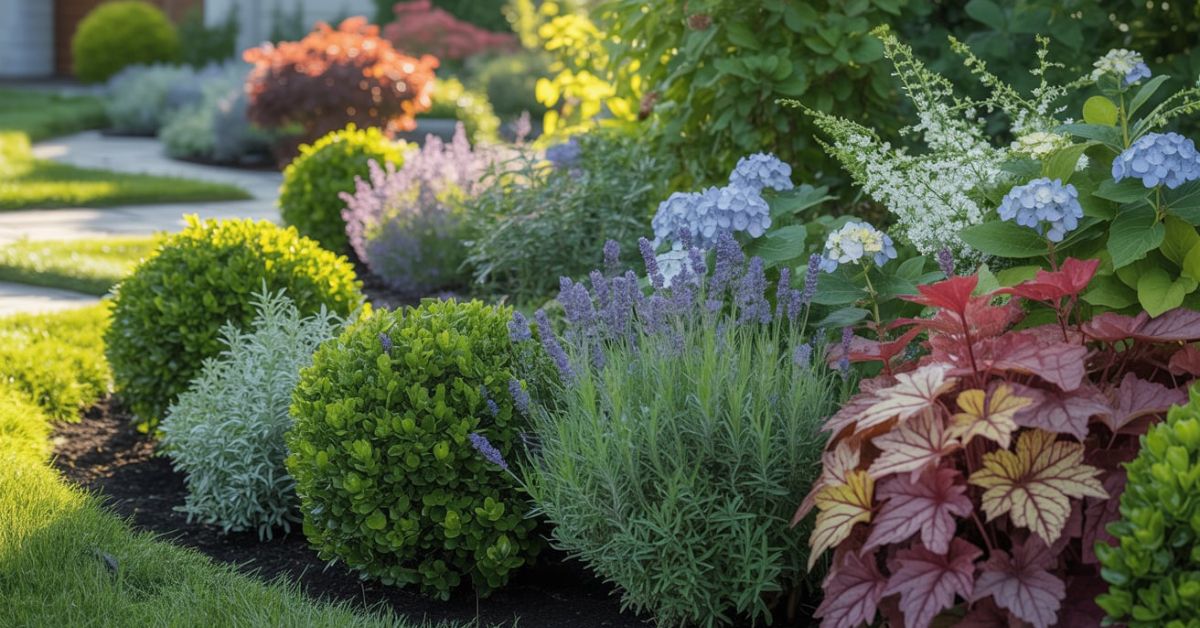
Your landscape beds look empty and unfinished despite spending hours planting perennials that disappear each winter, leaving bare soil exposed. You watch neighbors enjoy lush, structured gardens with plants that provide year-round interest while your beds cycle through awkward bare phases and overgrown messes. The problem intensifies when you plant standard shrubs that quickly outgrow their spaces, blocking windows, covering walkways, or requiring constant pruning that ruins their natural shape. Here’s what changes everything: selecting the best low growing shrubs gives you permanent structure, continuous color, and manageable proportions that enhance rather than overwhelm your landscape.
These compact bushes deliver professional landscaping results without the ongoing battle against aggressive growth, while their mature height stays perfectly scaled to foundation plantings, pathway borders, and small garden spaces. This definitive guide reveals top-performing dwarf shrubs for every condition, from blazing full sun to dense partial shade, ensuring you select varieties that thrive in your specific environment while delivering the aesthetic impact your landscape deserves.
Why Low-Growing Shrubs Are Essential Landscape Elements
Low-growing shrubs provide permanent structure that anchors landscape designs year-round. Unlike perennials that die back or annuals requiring replacement, these landscape shrubs maintain presence through all seasons, creating the “bones” that define garden beds even during winter dormancy. Research from the American Society of Landscape Architects shows that properties with properly scaled shrub layers sell 7-12% faster than homes with poorly proportioned plantings.
Beyond structural value, dwarf shrubs solve practical landscaping challenges that larger specimens create. Their controlled growth eliminates the endless pruning cycle that ruins natural plant forms and consumes weekend hours. Foundation plantings using appropriately sized shrubs enhance rather than obscure architectural features, keeping windows accessible and sight lines clear. These compact bushes also reduce long-term maintenance costs; the University of Minnesota Extension calculates that using right-sized plants saves homeowners $200-500 annually in pruning labor and corrective transplanting compared to oversized alternatives.
Essential Characteristics to Consider Before Selecting Shrubs
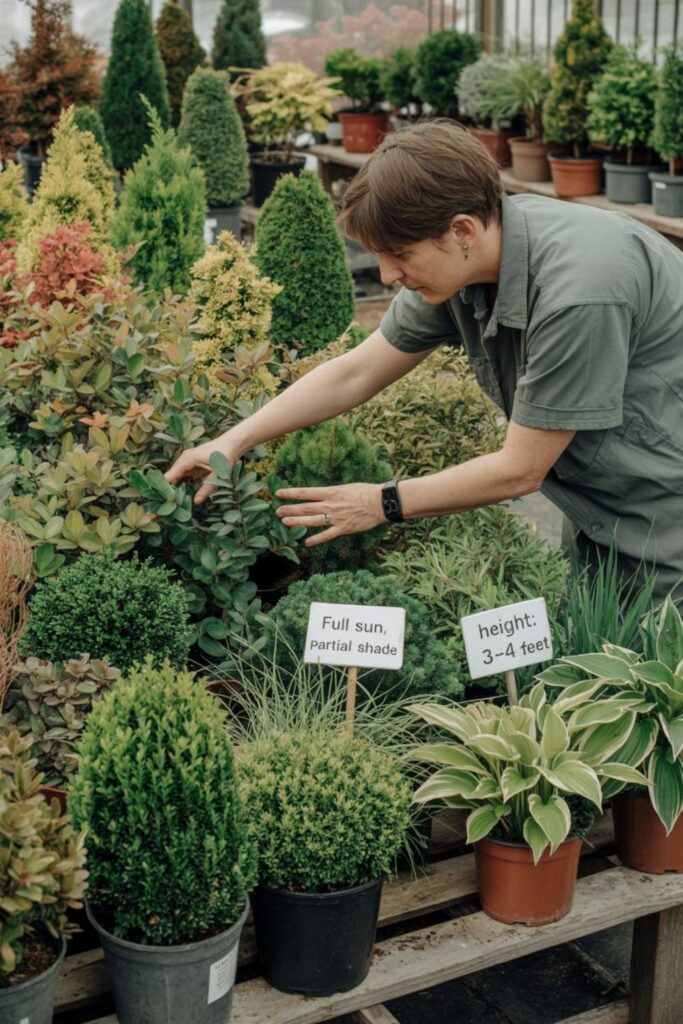
Understanding mature height prevents the most common landscaping mistake planting specimens that outgrow their intended spaces. True low-growing shrubs reach 2-4 feet at maturity, with some ultra-compact varieties topping out at 12-18 inches. Always research the specific cultivar rather than the species, since many popular shrubs have both standard and dwarf forms with vastly different mature sizes.
Zone hardiness determines which shrubs survive in your climate. The USDA Plant Hardiness Zone Map divides North America into 13 zones based on average annual minimum temperatures. Selecting shrubs rated for your zone or colder ensures winter survival, while heat zone considerations matter equally in southern regions. Many landscape shrubs tolerate wide ranges (zones 4-9), offering versatility across diverse climates, but pushing zone limits risks plant loss during extreme weather events.
Light requirements directly impact bloom performance and foliage quality. Full sun shrubs need 6+ hours of direct sunlight daily and often suffer in shade with weak growth and minimal flowering. Partial shade tolerant varieties accept 3-6 hours of sun or dappled light all day, making them perfect for east-facing beds or areas under high tree canopies. Matching light requirements to actual site conditions prevents disappointing results and ensures your investment thrives.
Evaluating Soil and Water Needs
Drought tolerant shrubs survive with minimal supplemental irrigation once established, making them essential for water-conscious landscapes or areas with irrigation limitations. These varieties typically feature silver or gray foliage, deep root systems, or Mediterranean origins indicating adaptation to dry conditions. However, even drought tolerant plants need consistent moisture during their first growing season while establishing roots.
Soil drainage impacts shrub health as dramatically as light exposure. Most low-growing shrubs demand well-drained soil and suffer root rot in consistently wet conditions. Clay soils require amendment with compost, sand, or permanent raised beds to improve drainage. Conversely, some varieties like summersweet or winterberry thrive in moisture-retentive soils that kill Mediterranean species, making site assessment critical before purchasing.
Soil pH affects nutrient availability and plant vigor. Acid-loving shrubs including azaleas, rhododendrons, and blueberries require pH between 4.5-5.5, while alkaline-tolerant species like lilacs and forsythia accept pH 6.5-7.5. Test your soil pH using inexpensive home kits or professional laboratory analysis, then select shrubs naturally suited to your conditions rather than fighting chemistry through constant amendments.
Read More About: 23+ Stunning Fall Front Porch Decor Ideas
What Are the Best Evergreen Low-Growing Shrubs?
Evergreen foliage provides continuous structure and color that deciduous plants cannot match. Boxwood (Buxus) cultivars including ‘Green Gem’ and ‘Green Velvet’ reach 2-4 feet with dense, fine-textured leaves perfect for formal hedges or foundation plantings. These classics tolerate heavy pruning, adapt to full sun or partial shade, and thrive in zones 5-9, making them versatile choices for traditional landscapes.
Dwarf conifers deliver unique texture and form unavailable from broadleaf evergreens. ‘Mugo Pine’ (Pinus mugo var. pumilio) creates dense, rounded mounds 3-4 feet tall with dark green needles that provide winter interest and ground cover capability. ‘Blue Star’ juniper forms silvery-blue cushions reaching just 2 feet tall and 3 feet wide, thriving in full sun and drought tolerant conditions from zones 4-9. These conifers require virtually no pruning, maintaining natural shapes that improve with age.
Dwarf hollies combine evergreen foliage with seasonal berries that attract birds and provide winter color. ‘Soft Touch’ holly (Ilex crenata ‘Soft Touch’) reaches only 2-3 feet with spineless leaves and black berries, serving as an excellent boxwood alternative. ‘Blue Prince’ and ‘Blue Princess’ hollies grow 3-4 feet tall with glossy foliage, blue-tinted new growth, and abundant red berries on female plants when males provide pollination.
Top Performing Dwarf Azaleas and Rhododendrons
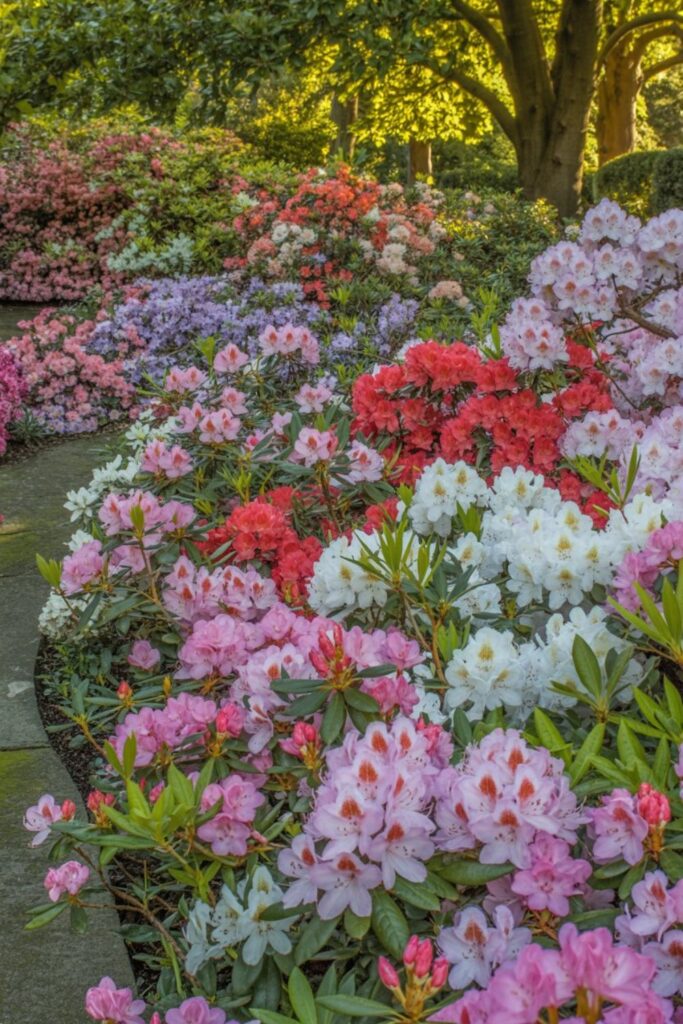
Encore azaleas revolutionized flowering shrubs with their repeat-blooming habit, producing flowers in spring and again in fall. These compact varieties reach 2.5-4 feet depending on cultivar, thriving in partial shade with acid soil and consistent moisture. ‘Autumn Twist’ offers pink and white bicolor blooms, while ‘Autumn Carnation’ delivers vibrant pink flowers that cover plants for weeks.
Traditional evergreen azaleas including Kurume and Gumpo series provide reliable spring color in zones 6-9. ‘Hino Crimson’ blazes with red blooms on 3-foot mounds, while ‘Girard’s Fuchsia’ offers intense purple-pink flowers with superior cold hardiness to zone 5. These low-growing shrubs demand acid soil (pH 4.5-5.5), consistent moisture, and protection from harsh afternoon sun in southern climates.
Dwarf rhododendrons bring large, showy flower trusses to shaded gardens. ‘Ramapo’ reaches just 2 feet tall with violet-blue blooms in early spring, while ‘Purple Gem’ forms 18-inch mounds covered in purple flowers. These compact varieties tolerate zone 4 winters, unlike many larger rhododendrons, expanding planting possibilities for northern gardeners. Ensure excellent drainage and acid soil for success with all rhododendron species.
Which Low-Growing Shrubs Bloom Throughout the Season?
Spirea cultivars deliver easy-care color with exceptional cold hardiness. ‘Little Princess’ spirea grows 2-3 feet tall and wide, producing pink flower clusters in late spring above fine-textured foliage that turns bronze-red in fall. ‘Goldmound’ spirea offers chartreuse foliage that glows in the landscape, topped with pink blooms and reaching 3 feet at maturity. These low maintenance flowering shrubs thrive in full sun, tolerate various soils, and resist pests in zones 3-8.
Potentilla (Potentilla fruticosa) blooms continuously from June through frost, producing rose-like flowers in yellow, white, pink, or orange. ‘Goldfinger’ reaches 3 feet with bright yellow blooms, while ‘Pink Beauty’ offers soft pink flowers on 2-foot mounds. These tough drought tolerant shrubs handle full sun, alkaline soils, and zone 2 winters, making them among the most adaptable landscape shrubs available. Their extended bloom period provides color when many other shrubs finish flowering.
Dwarf crape myrtles bring southern charm to zones 6-9 (and protected zone 5 locations with newer cultivars). ‘Pocomoke’ reaches just 2-3 feet with deep pink blooms from July through September, while ‘Petite Red Imp’ tops out at 4 feet with vibrant red flowers. These heat-loving flowering shrubs demand full sun and tolerate drought once established, rewarding minimal care with months of color plus attractive exfoliating bark and fall foliage.
Shrubs with Multi-Season Interest
Dwarf burning bush (Euonymus alatus ‘Compactus’) reaches 4-6 feet but can be maintained at 3-4 feet with light pruning. Its claim to fame lies in the spectacular crimson fall color that outshines nearly every other landscape plant. Spring’s inconspicuous flowers and summer’s fine-textured green foliage serve as pleasant placeholders until autumn’s explosion of color transforms landscapes. This adaptable shrub thrives in full sun to partial shade and tolerates various soils in zones 4-8.
Ninebark cultivars provide foliage color throughout the growing season. ‘Little Devil’ ninebark grows 3-4 feet with burgundy foliage that intensifies in full sun, complemented by white flower clusters in June and interesting seed heads that persist into winter. ‘Summer Wine’ offers similar proportions with wine-red leaves and pink flowers. These North American natives tolerate clay soils, urban conditions, and zone 3 winters while resisting deer browsing.
Dwarf fothergilla combines spring flowers, summer foliage, and outstanding fall color in 2-3 foot packages. ‘Blue Shadow’ produces white bottlebrush blooms before leaves emerge, followed by blue-green summer foliage that transforms to brilliant yellow, orange, and red in autumn. These low-growing shrubs prefer acid soil and partial shade but adapt to full sun with adequate moisture, thriving in zones 5-8 with minimal maintenance requirements.
What Are the Most Drought Tolerant Low-Growing Shrubs?
Lavender (Lavandula) varieties provide Mediterranean beauty with extreme drought tolerant capabilities once established. ‘Munstead’ English lavender reaches 18 inches with fragrant purple flowers and silver-gray foliage, thriving in full sun and well-drained soil in zones 5-9. Spanish lavender (Lavandula stoechas) offers showier flowers with pineapple-shaped blooms topped by colorful bracts, though it’s hardy only to zone 7. All lavenders demand excellent drainage and actually suffer from overwatering or rich soils.
Dwarf barberry cultivars deliver colorful foliage and iron-clad toughness. ‘Crimson Pygmy’ barberry forms 2-foot mounds of burgundy foliage that intensifies in full sun, producing insignificant yellow flowers followed by red berries. ‘Golden Nugget’ offers bright golden foliage on similar-sized plants, creating brilliant color contrasts in mixed borders. These thorny compact bushes tolerate drought, pollution, poor soils, and zones 4-8, though some regions restrict planting due to invasive potential check local regulations before purchasing.
Russian sage (Perovskia atriplicifolia) technically qualifies as a woody subshrub, reaching 3-4 feet with aromatic silver-gray foliage and clouds of lavender-blue flowers from July through September. This waterwise champion thrives in full sun and lean, well-drained soils, tolerating heat, drought, and alkaline conditions that kill many shrubs. Cut stems to 6-12 inches in early spring for vigorous regrowth, treating it like a perennial in zones 5-9.
Best Choices for Hot, Dry Climates
Dwarf rosemary (Rosmarinus officinalis) cultivars serve dual purposes as ornamental landscape shrubs and culinary herbs. ‘Blue Boy’ reaches just 12-18 inches with intense blue flowers in spring, while ‘Huntington Carpet’ spreads to 4 feet wide but stays under 2 feet tall, creating aromatic ground cover for slopes or borders. These Mediterranean natives demand full sun, exceptional drainage, and tolerate drought and zone 7-10 conditions (protected zone 6 locations succeed with established plants).
Dwarf oleander (Nerium oleander ‘Petite Pink’ or ‘Petite Salmon’) grows 3-4 feet in zones 8-11, producing abundant flowers from spring through fall with minimal water requirements. These heat-loving shrubs tolerate salt spray, making them valuable for coastal landscapes, and continue blooming through summer heat that stops many other plants. Note that all oleander parts are highly toxic, making them inappropriate for landscapes with small children or pets.
Autumn sage (Salvia greggii) reaches 2-3 feet with tubular flowers in red, pink, white, salmon, or purple from spring until frost. This Texas native thrives in full sun with minimal supplemental irrigation once established, attracting hummingbirds throughout its long bloom period. Hardy in zones 6-9, autumn sage combines drought tolerant credentials with continuous color and deer resistance rare among flowering shrubs.
Which Low-Growing Shrubs Thrive in Shade?
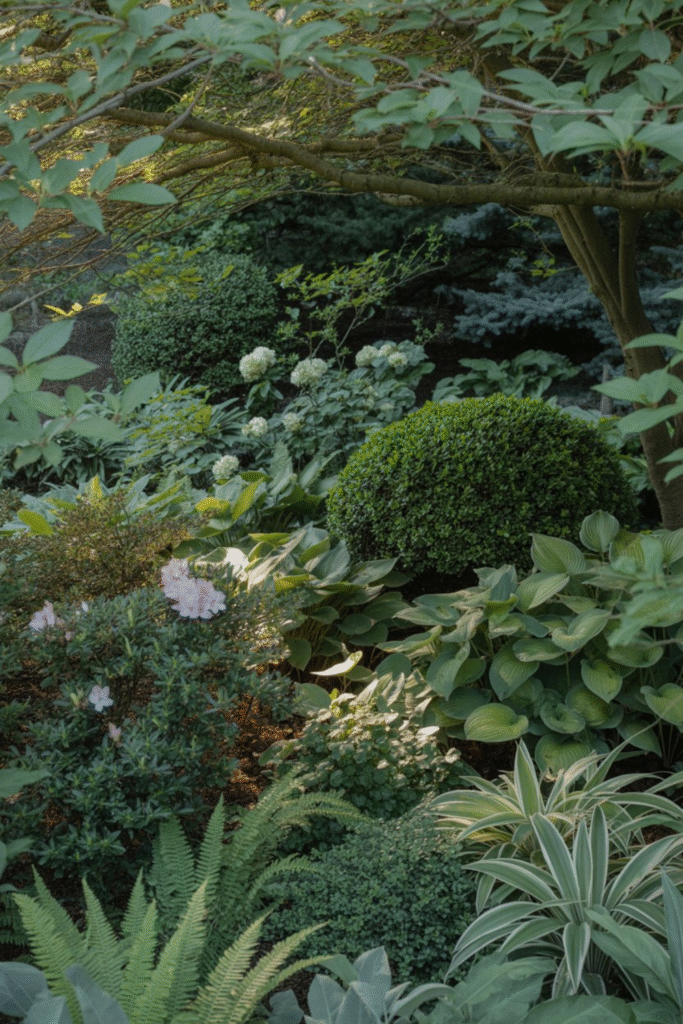
Dwarf aucuba (Aucuba japonica ‘Nana’) handles deep shade better than almost any shrub, reaching 3 feet with glossy evergreen leaves spotted in gold. This tough performer tolerates dry shade under mature trees, urban pollution, and zones 6-10, though it prefers consistent moisture for best appearance. Female plants produce bright red berries when male pollinators are present, adding winter interest to shaded corners.
Sweetbox (Sarcococca) varieties deliver evergreen foliage and intensely fragrant late-winter flowers to shaded gardens. ‘Humilis’ forms spreading 18-inch mounds perfect for ground cover under trees, while ‘Fragrant Valley’ reaches 2 feet with slightly more upright habit. These low maintenance shrubs accept deep shade, dry conditions once established, and zones 6-9, rewarding neglect with reliable performance and February fragrance that perfumes entire gardens.
Dwarf mahonia varieties including ‘Soft Caress’ bring fine-textured foliage and yellow flower clusters to partial shade locations. This 3-foot cultivar features narrow, spineless leaves unlike traditional mahonias, producing fragrant yellow blooms in fall followed by blue berries. Hardy in zones 7-9, this refined selection tolerates drought, deer, and difficult shaded conditions while providing year-round interest through distinctive foliage texture.
Shade-Tolerant Options for Northern Gardens
Dwarf summersweet (Clethra alnifolia ‘Hummingbird’) reaches just 2-3 feet with fragrant white flower spikes in July and August. This North American native thrives in partial shade to full shade, tolerating wet soils that kill most shrubs while accepting drier conditions once established. Excellent yellow fall color and native wildlife value make this shrub ideal for naturalistic gardens in zones 3-9.
Dwarf hydrangeas bring oversized blooms to shaded spaces. ‘Little Lime’ panicle hydrangea grows 3-5 feet with chartreuse flowers that age to pink, tolerating more sun than other hydrangeas while accepting partial shade. ‘Tuff Stuff’ mountain hydrangea reaches 3 feet with lacecap blooms in blue or pink depending on soil pH, handling zones 5-9 with minimal care. These compact versions eliminate the massive size of traditional hydrangeas while delivering identical flower impact.
Inkberry holly (Ilex glabra ‘Compacta’) forms dense 3-4 foot mounds of fine-textured evergreen foliage, serving as an excellent broadleaf evergreen for shaded foundation plantings. This native shrub tolerates wet soils, salt, and zones 4-9, maintaining tidy form without pruning. While flowers and berries are inconspicuous, the year-round structure and shade tolerance make this shrub invaluable for difficult northern exposures.
How Should You Use Low-Growing Shrubs in Landscape Design?
Foundation plantings benefit enormously from properly scaled dwarf shrubs that enhance rather than obscure architectural features. Plant compact evergreens like boxwood, dwarf hollies, or compact yews near building corners to anchor designs, using smaller specimens (18-24 inches mature height) directly under windows. This layered approach maintains visibility while creating finished landscapes that frame homes attractively. Space plants based on mature spread plus 12 inches to allow for growth without crowding.
Border plants using low-growing shrubs create defined edges that separate lawn from beds while adding permanent structure. Line pathways with uniform plantings of single varieties for formal effects, or mix complementary colors and textures for cottage-style informality. Spirea, potentilla, or lavender work beautifully as border shrubs, providing flowers and foliage interest while maintaining neat proportions that keep walkways clear.
Mass plantings transform compact bushes into ground cover alternatives that control erosion, suppress weeds, and create bold color impacts. Plant five to seven identical shrubs in odd-numbered groups, spacing them closer than recommended to achieve faster coverage. This technique works exceptionally well on slopes where mowing is difficult, using drought tolerant varieties like barberry, juniper, or Russian sage to minimize maintenance once established.
Read More About: 29+ Clematis Trellis Ideas for Beautiful Vertical Gardens
Creating Layered Landscape Beds
Professional landscape depth comes from layering plants by height, creating visual interest through varied elevations. Position low-growing shrubs in front of taller specimens, using their 2-4 foot mature heights to transition between ground-level perennials and 6-8 foot backdrop shrubs. This layering prevents the flat, one-dimensional appearance that happens when all plants share similar heights.
Color theory enhances layered designs when you consider bloom timing and foliage colors. Plant complementary colors (opposite on the color wheel) for high contrast purple barberry fronting yellow spirea creates vibrant combinations. Analogous colors (adjacent on the color wheel) deliver harmonious effects; pink spireas with burgundy ninebarks provide related tones that blend seamlessly. Include evergreen foliage in each layer to maintain structure after deciduous plants drop leaves.
Texture variation adds sophistication to mixed shrub borders. Combine fine-textured plants like boxwood or spirea with bold foliage specimens like hydrangeas or fothergilla. Include vertical accents from dwarf conifers and rounded forms from barberries, creating dynamic compositions that engage viewers through contrasting shapes. This textural diversity ensures visual interest even when plants aren’t flowering.
What Are Common Mistakes to Avoid with Low-Growing Shrubs?
Ignoring mature size causes the most expensive and frustrating landscaping problems. Garden centers sell young shrubs in one-gallon containers that look identical regardless of mature size; a compact variety reaching 3 feet sits next to a standard form that grows 8 feet, with only small tags distinguishing them. Always research specific cultivar names rather than common names, and plan spacing based on mature spread, not current nursery size.
Planting too deeply kills more shrubs than any other installation error. Locate the root flare (where roots widen at the trunk base) and plant so this point sits at or slightly above the surrounding soil level. Deeply planted shrubs develop stem rot, struggle with poor oxygen exchange, and decline slowly over several years. In heavy clay soils, create low mounds and plant shrubs with root flares 2-3 inches above grade to ensure adequate drainage.
Over-fertilizing low-growing shrubs creates excessive growth that defeats the purpose of selecting compact varieties. Most landscape shrubs thrive with minimal fertilization; a light application of balanced slow-release fertilizer in early spring provides adequate nutrition. Excessive nitrogen produces weak, leggy growth vulnerable to disease and pests while forcing you into the pruning cycle you intended to avoid.
Avoiding Improper Pruning Techniques
Shearing dwarf shrubs into unnatural shapes destroys their inherent beauty and requires constant maintenance to sustain. While formal hedges benefit from shearing, individual specimen plants look best with selective thinning that maintains natural form. Remove dead, damaged, or crossing branches only, preserving the shape that attracted you to the variety initially.
Pruning at wrong times eliminates flower buds and ruins seasonal displays. Spring-flowering shrubs like azaleas and forsythia bloom on old wood formed the previous year, prune them immediately after flowering to avoid removing next year’s buds. Summer-flowering shrubs including spirea and potential bloom on new growth prune these in late winter or early spring before growth begins. Research your specific variety’s pruning group before cutting.
Renovating overgrown specimens through severe heading back rarely succeeds with compact bushes. If a supposed low-growing shrub grows excessively large, you likely have a mislabeled standard variety rather than the dwarf cultivar you intended. Replace it with the correct compact variety rather than fighting genetics through endless pruning battles.
How Do You Care for Low-Growing Shrubs Throughout the Year?
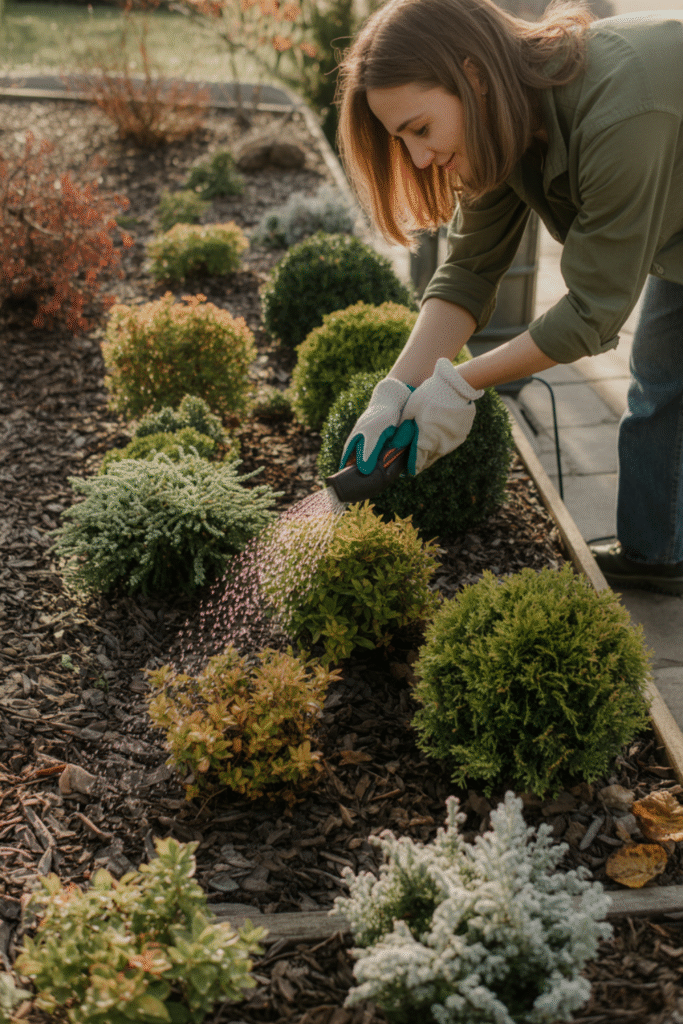
Spring care focuses on cleanup and fertilization. Remove winter-damaged branches, rake accumulated debris from beneath plants, and apply 2-3 inches of organic mulch around (but not touching) stems to suppress weeds and conserve moisture. Apply slow-release fertilizer formulated for shrubs according to package directions, or skip fertilization entirely if shrubs show vigorous growth. Low maintenance varieties rarely need supplemental nutrients.
Summer maintenance emphasizes water management during establishment. New plantings need consistent moisture throughout their first growing season, requiring weekly deep watering that penetrates 8-12 inches. Established drought tolerant shrubs handle dry periods without irrigation, though even these benefit from occasional deep watering during extreme drought. Monitor for pests and diseases, addressing problems early before they spread.
Fall preparation involves final cleanup and winter protection decisions. Continue watering until ground freezes since evergreen shrubs lose moisture through foliage all winter. Apply anti-desiccant sprays to broadleaf evergreens in exposed locations to prevent winter burn. Avoid late-season fertilization that encourages new growth vulnerable to freeze damage. Mound additional mulch around marginally hardy plants in northern gardens for root insulation.
Regional Care Considerations
Northern gardeners (zones 3-5) face unique winter challenges including snow load damage, salt exposure, and extreme temperature swings. Select shrubs with proven cold hardiness at least one zone colder than your location for reliable performance. Protect evergreens from harsh winter winds using burlap screens, and brush heavy snow from branches before weight causes breakage. Avoid using rock salt on adjacent sidewalks, substituting calcium chloride or sand for traction.
Southern gardeners (zones 8-10) deal with heat stress, humidity diseases, and minimal chilling hours. Select heat-tolerant varieties and provide afternoon shade for plants that struggle in intense sun. Ensure excellent air circulation to prevent fungal issues in humid conditions, spacing plants generously. Water deeply but infrequently to encourage deep root systems that handle heat better than shallow roots from frequent light watering.
Western gardens face unique conditions including alkaline soils, intense sun, and limited water availability. Amend planting holes with sulfur for acid-loving shrubs, or select alkaline-tolerant species that thrive in high pH. Use drip irrigation for efficient water delivery, and mulch heavily to moderate soil temperatures and conserve moisture. Select drought tolerant varieties suited to xeriscape principles for sustainable landscapes.
Frequently Asked Questions
What is considered a low-growing shrub?
Low-growing shrubs typically reach 2-4 feet at maturity, though some ultra-compact varieties top out at 12-18 inches. The key factor is mature height rather than current nursery size, always researching the specific cultivar to confirm eventual dimensions. These proportions suit foundation plantings, pathway borders, and small spaces where taller shrubs would overwhelm.
How do I choose between evergreen and deciduous low-growing shrubs?
Evergreen foliage provides year-round interest and structure, making these varieties ideal for foundation plantings and areas visible from main living spaces. Deciduous flowering shrubs offer spectacular blooms and often superior fall color but leave spaces bare in winter. The best landscapes combine both types and use evergreens as backbone plants (60-70% of the design) with deciduous flowering specimens as accent features.
Can low-growing shrubs be used as ground cover?
Many compact bushes function effectively as ground cover when planted en masse at closer spacing than typical. Juniper cultivars, dwarf barberry, and spreading cotoneaster work particularly well for this purpose. These shrub ground covers control erosion on slopes, suppress weeds better than mulch alone, and require less maintenance than traditional groundcover perennials once established.
How far apart should I plant low-growing shrubs?
Space plants based on mature spread plus 6-12 inches for air circulation a shrub reaching 3 feet wide at maturity should be planted 3.5-4 feet in the center from its neighbors. Closer spacing achieves faster coverage but increases long-term maintenance as plants eventually compete. For hedge effects, plant at two-thirds the mature spread for quicker solid coverage.
Do low-growing shrubs need full sun to bloom well?
Bloom requirements vary by species; many flowering shrubs including spirea, potentilla, and roses demand full sun (6+ hours daily) for maximum flowers. However, shade-tolerant bloomers like azaleas, hydrangeas, and fothergilla perform beautifully in partial shade. Match each variety’s specific light requirements to your site conditions for best results rather than assuming all flowering plants need full sun.
Conclusion
Selecting the best low-growing shrubs transforms landscapes from temporary seasonal displays into permanent, structured gardens that deliver continuous beauty with minimal maintenance. The varieties and strategies explored here from understanding mature height and zone hardiness to matching drought tolerant or shade-loving species with specific site conditions provide everything you need to create professional-quality designs that thrive for decades. Remember that successful landscape shrubs balance functional requirements like appropriate scale for foundation plantings with aesthetic considerations including bloom timing, foliage color, and textural variation.
The most rewarding landscapes combine evergreen foliage that provides year-round structure with deciduous flowering shrubs that deliver seasonal color peaks. Start with properly researched selections suited to your climate zone, light exposure, and soil conditions rather than purchasing plants based solely on nursery appearance. Whether you choose classic boxwoods for formal elegance, colorful spireas for cottage charm, or rugged junipers for waterwise landscapes, these compact bushes anchor designs with permanent presence while staying perfectly scaled to modern properties. Your investment in right-sized dwarf shrubs eliminates the frustrating cycle of overgrowth and corrective pruning, creating landscapes that improve with age while requiring progressively less intervention as plants mature into their natural, beautiful forms.