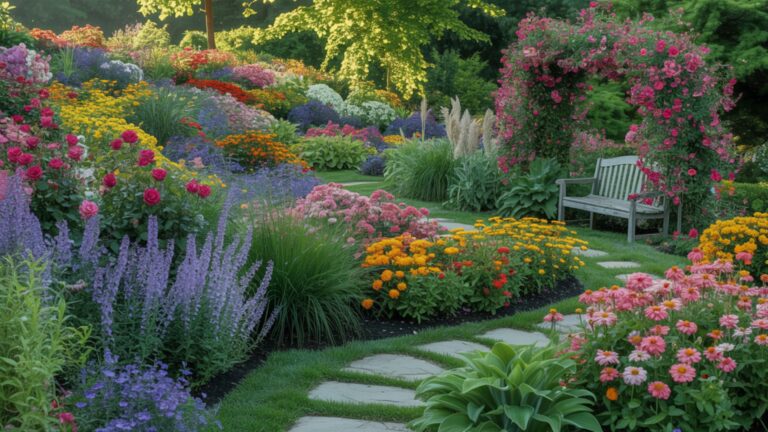
27+ Outdoor Living Space Ideas for a Backyard Retreat

You glance at your backyard and see wasted potential. The space exists, but it sits empty most days with no compelling reason to step outside, no comfortable setup inviting you to linger, and certainly nothing resembling the beautiful outdoor retreats you’ve admired in magazines or at friends’ homes.
This disconnection between indoor comfort and outdoor possibility frustrates homeowners everywhere. Maybe you’ve purchased a few pieces of furniture that never quite came together, or perhaps the weather always seems wrong, too hot, too buggy, too exposed. Your outdoor area remains an afterthought rather than an extension of your living space, representing square footage you’re paying for but not truly enjoying.
Here’s the transformation: outdoor living space become genuine extensions of your home through intentional design that addresses comfort, functionality, and atmosphere simultaneously. By creating defined zones, selecting appropriate furniture and materials, and incorporating elements like shade, lighting, and amenities, you can build an outdoor living area that rivals your indoor rooms for daily use and enjoyment. This comprehensive guide provides actionable strategies for designing outdoor living spaces that enhance your lifestyle, increase property value, and deliver the backyard experience you’ve envisioned.
Understanding Outdoor Living Space Design Principles
Successful outdoor living space design begins with understanding how people actually interact with exterior environments. Unlike indoor rooms with obvious boundaries, outdoor areas require deliberate definition through hardscaping, furniture arrangement, and vertical elements that create room-like enclosure. Consider how you move through your yard naturally; these traffic patterns dictate where living spaces make sense versus where they’ll interrupt flow.
Sun exposure dramatically affects usability; tracking how light moves across potential outdoor living areas throughout the day reveals ideal placement for different activities. Morning sun creates perfect breakfast spots, while afternoon shade becomes essential for summer comfort. Outdoor spaces need protection from elements wind, rain, harsh sun that would never affect indoor rooms. Views matter enormously; position seating to capture attractive sightlines toward gardens, water features, or landscape elements while screening less desirable views of utility areas or neighboring properties. Scale remains critical furniture and features must suit the actual dimensions available rather than wishful thinking about space size. A well-designed outdoor living space sees 60% more use than unplanned outdoor areas, translating design investment directly into lifestyle enhancement.
Read More About: 25+ Patio Design Ideas for Your Dream Outdoor Living Space
Creating Outdoor Living Room Spaces
Outdoor living rooms replicate indoor comfort through furniture arrangement, textile layers, and amenity integration that encourages extended use. Start with substantial seating, weather-resistant sectionals, deep sofas, or groupings of lounge chairs that accommodate your typical gathering size plus two extras. Arrange furniture in conversation-promoting configurations where everyone sees everyone else, avoiding theater-style rows that prevent natural interaction.
Coffee tables positioned within arm’s reach of seating provide functional surfaces for drinks, books, and devices convenience matters as much outdoors as inside. Outdoor rugs define room boundaries while adding underfoot comfort and visual warmth that softens hard paving surfaces. Layer textiles through cushions in varying sizes, throw pillows in complementary patterns, and lightweight blankets for cool evenings. Side tables flanking seating provide landing spots for beverages and personal items.
Entertainment options transform outdoor living rooms from occasional-use spaces into daily destinations weatherproof televisions, outdoor projector screens, or quality sound systems extend indoor entertainment outdoors. Storage solutions like deck boxes or built-in cabinetry keep spaces tidy by housing cushions, games, and outdoor essentials. Lighting layers overhead ambient fixtures, portable table lamps, and accent lights allow atmosphere adjustment for different activities and times of day.
Outdoor Kitchen and Dining Living Spaces
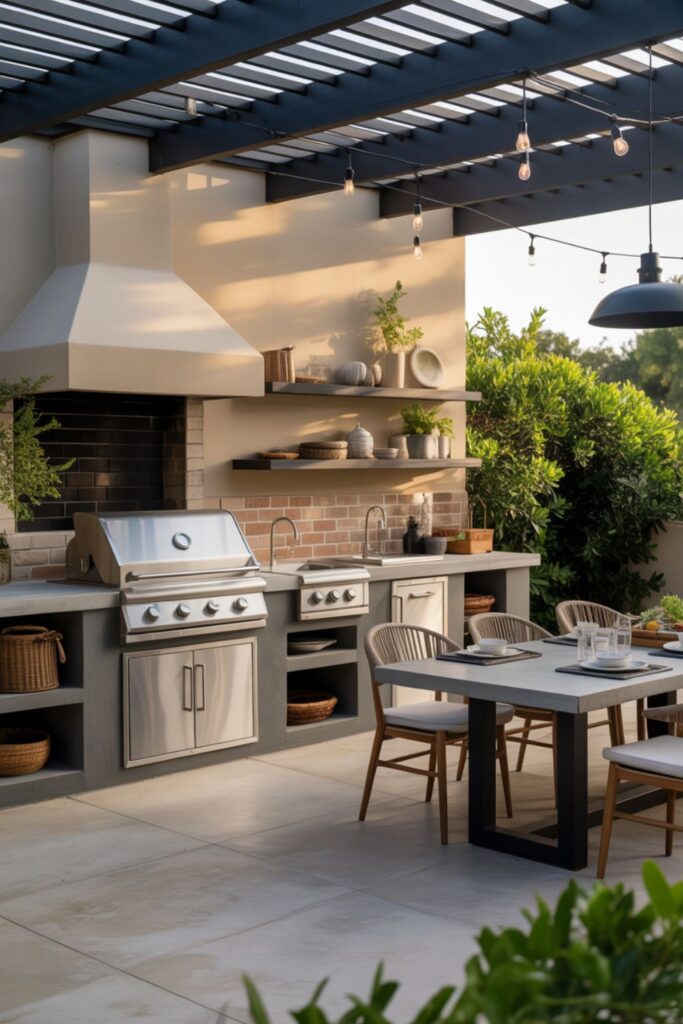
Outdoor kitchens revolutionize entertaining by keeping hosts engaged with guests while preparing meals. Start with essential components: quality grill, prep counter with at least 30 inches of workspace, and storage for utensils and supplies. Built-in options create permanent installations with professional appearance, while modular cart-based setups offer flexibility and lower initial investment.
Refrigeration proves invaluable for outdoor cooking; full-size outdoor refrigerators, beverage centers, or ice chests built into counters eliminate constant trips inside. Sink installation requires plumbing but dramatically improves functionality for food prep and cleanup. Overhead coverage through pergolas, pavilions, or dedicated roof structures protects cooking and dining areas from sun and light rain. Outdoor dining spaces require tables sized for regular usage plus anticipated guests extendable designs accommodate both intimate dinners and larger gatherings. Position dining areas convenient to both kitchen access and outdoor cooking zones, minimizing serving distances.
Lighting over dining tables should be adjustable bright enough for meal visibility, dimmable for ambiance. Side stations or bar carts provide serving surfaces and drink prep areas that reduce table clutter. Outdoor kitchen additions recoup 55-70% of costs at resale while significantly enhancing daily living enjoyment for current homeowners.
Covered Outdoor Living Space Ideas
Covered outdoor living spaces extend usability dramatically by protecting furniture and occupants from weather elements that would otherwise limit outdoor time. Pergolas with retractable canopies offer versatility open for stargazing and breeze, closed during harsh sun or unexpected rain. Solid-roof pavilions or extensions create permanent protection allowing upholstered furniture and electronic entertainment systems.
Screened enclosures add insect protection without sacrificing views or airflow particularly valuable in regions where mosquitoes or flies make unscreened spaces miserable. Install ceiling fans under covered areas to circulate air during humid weather, making summer evenings comfortable without air conditioning. Heating elements like infrared heaters, fire features, or outdoor fireplaces extend covered outdoor spaces into cool seasons that would otherwise drive people inside. Lighting integrated into ceiling structures provides functional illumination and ambiance recessed cans, pendant fixtures, or decorative chandeliers bring indoor lighting sophistication outside.
Consider drainage carefully; even covered patios need gutters directing water away from foundations and living areas. Outdoor curtains on sides provide wind protection, privacy, and visual softness balancing hard structural elements. Side panels that roll down or slide create enclosed rooms for extreme weather while maintaining openness during pleasant conditions.
Small Outdoor Living Space Ideas
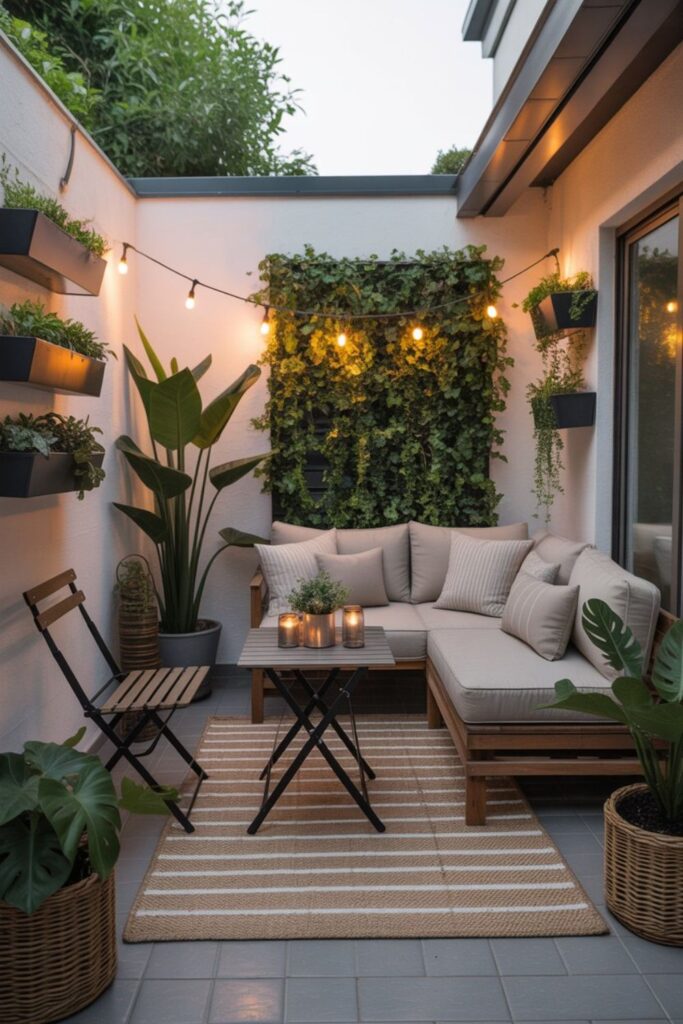
Small outdoor living space succeed through multi-functional elements and strategic design that maximizes limited square footage. Built-in seating along perimeter walls eliminates bulky furniture while providing abundant seating and hidden storage underneath hinged seats. Folding or nesting furniture collapses when unused, preserving open space for movement and alternative activities.
Vertical elements utilize wall space for planters, storage, and decorative features that would otherwise consume precious floor area. Corner arrangements position L-shaped sectionals or benches against walls, leaving central areas open and maintaining visual flow. Choose furniture with exposed legs showing floor beneath pieces; visible ground creates perceived spaciousness versus solid-base furniture. Minimize color palette and material variety cohesive surfaces read as larger expanses than fragmented designs using multiple materials.
Small outdoor living areas benefit from single focal points rather than competing features that create visual clutter. Incorporate mirrors on fences or walls to reflect space and create depth illusion. Light colors in paving, furniture, and structures reflect illumination and generate airy openness. Define zones through outdoor rugs, level changes, or overhead structures rather than physical barriers that fragment already-limited space. Thoughtful design makes small outdoor living spaces feel 30-50% larger through strategic visual manipulation.
Luxury Outdoor Living Space Design
Luxury outdoor living space integrate high-end materials, sophisticated technology, and resort-inspired amenities that create exceptional outdoor experiences. Natural stone in premium varieties travertine, bluestone, or granite establishes upscale foundations with inherent beauty and durability. Custom-built features like outdoor kitchens with professional-grade appliances, built-in seating with storage, and architectural fire features demonstrate design sophistication.
Quality outdoor furniture from recognized manufacturers combines weather resistance with indoor-level comfort deep cushions, supportive frames, and designer fabrics that resist fading and mildew. Integrated lighting systems with smart controls allow atmosphere adjustment through smartphone apps, color-changing capabilities, and automated scheduling. Outdoor sound systems with strategically placed speakers create even coverage for music and entertainment. Water features fountains, reflecting pools, or spas add sensory richness through sight and sound. Climate control extends usability year-round through misting systems for summer cooling, infrared heaters for winter warmth, and screening against insects.
Luxury outdoor spaces incorporate living walls, mature specimen plantings, and professional landscape design creating immediate visual impact rather than waiting years for growth. Outdoor televisions, projector systems, and weatherproof entertainment centers rival indoor media rooms. Luxury outdoor living investments enhance both lifestyle enjoyment and property resale value disproportionately compared to most home improvements.
Modern Outdoor Living Space Concepts
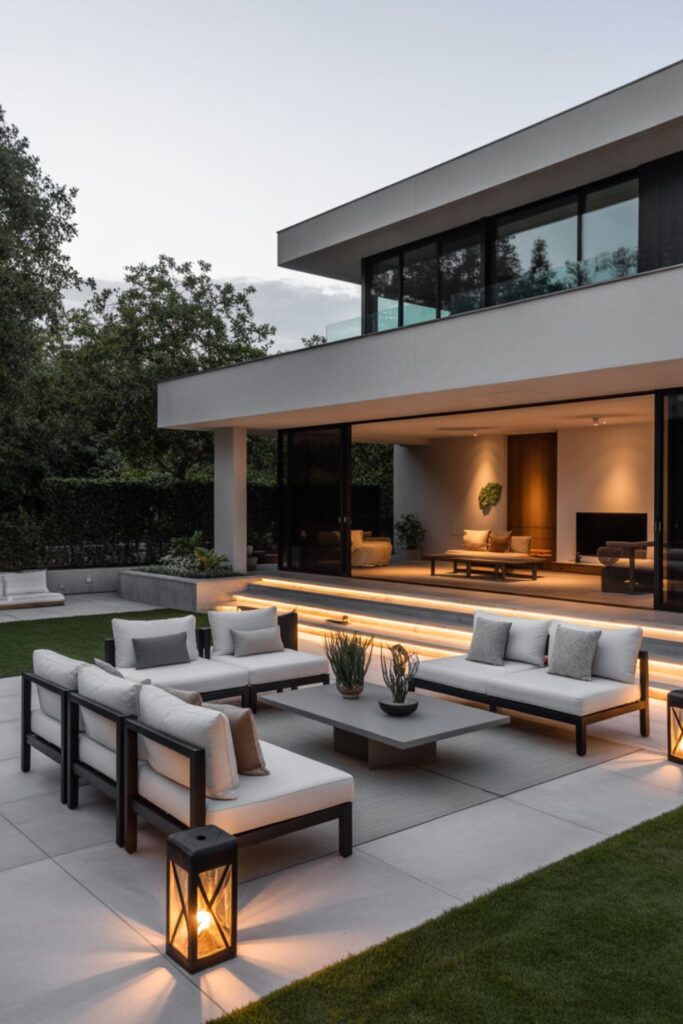
Modern outdoor living spaces embrace clean lines, minimal ornamentation, and intentional material selections that create contemporary sophistication. Large-format concrete pavers, polished concrete, or porcelain tiles in neutral tones establish sleek foundations. Furniture featuring powder-coated aluminum or steel frames with simple geometric forms maintains the modern aesthetic while providing weather resistance.
Built-in elements, concrete benches, linear fire features, integrated planters reduce visual clutter from freestanding pieces. Color palettes stay restrained with grays, blacks, whites, and singular wood tones creating cohesive visual harmony. Modern outdoor spaces incorporate architectural plantings ornamental grasses, sculptural succulents, or specimen trees with interesting forms rather than cottage-garden abundance. Lighting becomes an architectural element through recessed fixtures, linear LED strips, or minimalist pendant designs that illuminate without decorative excess. Glass or cable railings maintain sightlines and openness on elevated outdoor living areas.
Privacy screens in laser-cut metal, horizontal slats, or frosted panels provide enclosure with contemporary style. Technology integration feels seamless hidden speakers, flush-mounted outlets, and concealed wiring maintain clean aesthetics. Negative space remains an important design element; open areas balance occupied zones creating visual breathing room that defines modern design sensibility.
Rustic Outdoor Living Space Ideas
Rustic outdoor living spaces celebrate natural materials and textures creating warm, inviting environments with organic character. Flagstone or irregular natural stone establishes foundations with inherent variation and earthiness. Reclaimed wood beams construct pergolas, privacy screens, or structural elements bringing history and patina new materials.
Outdoor furniture in weathered wood, wrought iron, or natural wicker reinforces rustic aesthetics while providing necessary durability. Stone elements beyond flooring fire pits ringed with stacked stone, retaining walls, or columns wrapped in stone veneer add textural depth. Wood-burning fire features contribute authentic campfire experience complete with crackling sounds and smoky aroma. Rustic outdoor spaces embrace imperfection slightly uneven stone surfaces, visible wood grain, and natural color variations create authenticity rather than problems. Plantings lean toward cottage-garden abundance with flowering perennials, herbs, and ornamental grasses in varied heights creating informal profusion.
Vintage elements like galvanized buckets as planters, antique lanterns, or weathered garden tools as wall art inject personality. Earth-tone color palettes in browns, greens, rusts, and creams complement natural materials without competing. String lights or Edison bulbs provide warm illumination matching rustic charm. Rustic outdoor living appeals broadly across age groups and regions, offering timeless comfort that never feels dated.
Outdoor Living Space Furniture Selection
Outdoor furniture selection shapes functionality and comfort as much as any design decision. Material choice balances aesthetics, maintenance, and longevity aluminum resists rust and feels lightweight but can appear industrial. Teak weathers beautifully developing silvery patina but requires occasional oiling to maintain original honey tones. Wicker and rattan (natural or synthetic) deliver classic resort aesthetics; synthetic versions withstand weather better while natural materials need covered placement.
Wrought iron provides traditional elegance and substantial weight that resists wind, though requires rust protection. Cushion quality determines actual comfort regardless of frame material seeking quick-dry foam cores and solution-dyed acrylic fabrics resisting fade and mildew. Test furniture when possible; uncomfortable pieces remain empty regardless of appearance. Modular sectionals adapt as needs change, rearranging for intimate gatherings or larger entertaining. Outdoor dining furniture in extendable designs accommodates varying guest counts without consuming permanent space.
Consider storage implications stackable chairs, folding tables, or furniture requiring seasonal storage versus all-weather pieces staying outside year-round. Scale furniture appropriately to outdoor living space dimensions; oversized pieces overwhelm while undersized furniture appears lost. Quality construction with stainless steel hardware, reinforced joints, and weather-appropriate finishes ensures longevity justifying higher initial investment.
Lighting Design for Outdoor Living Spaces
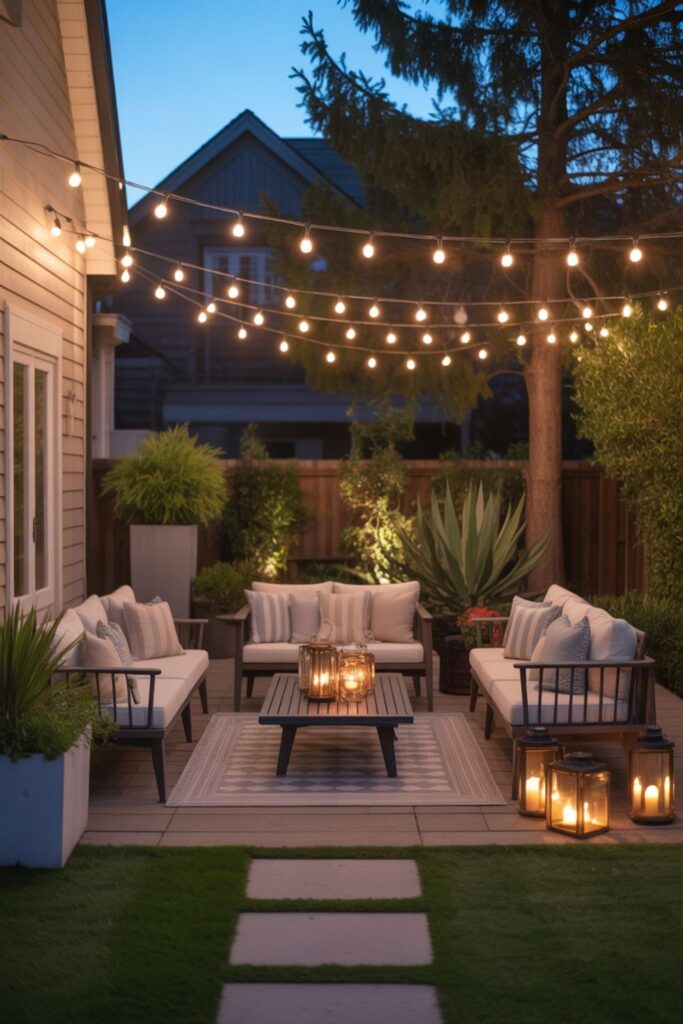
Lighting transforms outdoor living spaces from daylight-only areas into evening destinations providing ambiance impossible during daylight. Layer multiple light sources ambient overhead lighting for general visibility, task lighting near cooking or prep areas, and accent lights highlighting architectural features or landscaping. String lights remain perpetually popular delivering warm romantic glow at minimal cost.
Outdoor lighting systems on dimmers allow intensity adjustment suiting different activities: bright illumination for dining, subdued levels for conversation and relaxation. Path lighting ensures safe navigation while adding decorative elements along walkways. Uplighting positioned at ground level shining through tree canopies or against walls creates drama and visual interest. LED technology offers energy efficiency, longevity, and color-changing capabilities through smart systems controlled via smartphone apps.
Consider glare carefully; poorly positioned lights create discomfort and reduce usability rather than enhancing it. Lanterns and candles add layered warmth though require wind protection and fire safety awareness. Install adequate lighting near outdoor kitchens and dining areas for functional visibility during meal preparation and consumption.
Creating Privacy in Outdoor Living Spaces
Privacy converts exposed outdoor areas into intimate sanctuaries where you comfortably spend extended time. Living privacy screens using fast-growing evergreens like arborvitae, Leyland cypress, or bamboo (non-invasive varieties) create natural barriers that mature within 3-5 years. Lattice panels supporting climbing plants like jasmine, clematis, or roses establish relatively quick screening with vertical interest.
Outdoor curtains hung from pergolas or cable systems provide adjustable privacy open for views and breeze, closed for seclusion and wind protection. Tall ornamental grasses or bamboo in large planters offer portable privacy solutions adaptable to changing needs or seasonal preferences. Privacy screens in laser-cut metal, woven materials, or composite panels mount to existing structures adding height and decorative interest. Strategic furniture placement creates psychological privacy; high-backed seating facing away from sight lines reduces exposure feeling even without physical barriers. Water features provide audio privacy through ambient sound masking neighboring conversations.
Consider sight lines from multiple angles including upper-story windows when planning outdoor living space privacy. Local ordinances often regulate fence heights and setbacks, so verify regulations before building permanent structures. Layering multiple privacy solutions typically proves more effective than single-method approaches.
What Size Should My Outdoor Living Space Be?
Outdoor living space sizing starts with intended use and available area. Conversation zones with seating for 4-6 people require roughly 10×12 feet minimum, while outdoor dining areas need approximately 12×14 feet for six-person tables with chair clearance. Outdoor kitchens demand 10×16 feet minimum depending on appliance configuration and counter space.
Combine functions by adding square footage spaces accommodating dining, lounging, and cooking typically need 400-600 square feet for comfortable functionality without crowding. Consider proportion relative to home size and overall property; outdoor spaces consuming more than 25-30% of yard area may feel overwhelming while tiny areas in large yards appear disconnected. Plan for traffic flow with 36-48 inch clearances between furniture groupings and around dining tables. Allow 24-36 inch pathways connecting different zones and providing access to yard areas. Outdoor living spaces should feel somewhat enclosed rooms rather than random furniture in open yards but not cramped.
Many homeowners underestimate size needs, creating spaces that look adequately empty but feel crowded with furniture and people. Consider future expansion possibilities; building oversized foundations proves easier than expensive additions later. Outdoor living space sizing typically ranges 250-600 square feet with 350-450 square feet representing the most functional sweet spot for average households.
Read More About: 25+ Back Patio Ideas on a Budget That Look Expensive
How Do I Extend My Outdoor Living Season?
Extending outdoor living usability beyond summer requires addressing temperature, weather protection, and lighting. Heating solutions make cool weather comfortable, fire features provide ambiance and warmth, while infrared heaters deliver targeted heat without waiting for warm-up. Outdoor fireplaces create architectural focal points while radiating substantial heat warming nearby seating areas.
Covering outdoor spaces through pergolas with retractable canopies, solid-roof pavilions, or awnings protects from rain and harsh sun enabling use during marginal weather. Screening encloses spaces against insects that plague spring and fall evenings in many regions. Weatherproof furniture and fabrics eliminate storage hassles and leave pieces outside year-round rather than seasonal setup and teardown. Outdoor lighting extends daily usability hours; well-lit spaces function long after sunset increasing total available time. Blankets, throw pillows, and cozy textiles make cooler weather comfortable while creating a hygge-inspired atmosphere.
Consider wind protection through strategic landscaping, solid panels, or outdoor curtains that block uncomfortable gusts. Create three-season outdoor living spaces in northern climates or year-round areas in temperate regions through proper planning and amenities. Season-extending features add months of usability, effectively tripling outdoor space value and enjoyment.
What Are the Most Important Features for Outdoor Living?
Essential outdoor living space features vary by user but certain elements prove nearly universal. Comfortable, weather-resistant seating scaled appropriately to space size forms the foundation without comfortable places to sit, spaces remain unused. Shade provision through umbrellas, pergolas, trees, or solid structures prevents sun overexposure driving people inside during peak daylight hours.
Lighting enables evening use extending daily availability by hours combination of ambient, task, and accent lighting serves multiple purposes. Surfaces for food and drinks coffee tables, side tables, dining tables provide convenience matching indoor expectations. Weather protection through covered areas or nearby shelter allows continued use during light rain or sudden weather changes. Storage solutions keep outdoor living spaces tidy and functional by housing cushions, entertaining supplies, and outdoor essentials. Cooking capabilities ranging from simple grills to elaborate outdoor kitchens keep food preparation social rather than isolating hosts inside. Temperature control through heating or cooling elements extends seasonal usability beyond natural comfort ranges.
Privacy elements create intimate spaces where you comfortably relax without feeling exposed. Quality construction and materials ensure longevity justifying investment while minimizing ongoing maintenance. Outdoor living spaces incorporating at least 5-6 of these essential features see 3-4 times more usage than minimally equipped areas.
Frequently Asked Questions
How much does it cost to create an outdoor living space?
Outdoor living space costs vary dramatically based on scope, materials, and professional versus DIY installation. Basic setups with quality furniture, simple patio, and minimal amenities run $3,000-8,000. Mid-range projects including substantial hardscaping, covered structures, lighting, and moderate furnishings typically cost $15,000-35,000. Luxury installations with outdoor kitchens, fireplaces, premium materials, and comprehensive amenities reach $50,000-100,000+. Phased construction spreads costs over time while allowing experimentation before full commitment.
Do outdoor living spaces add home value?
Well-executed outdoor living spaces add measurable home value while dramatically improving marketability and appeal. According to real estate data, quality outdoor living areas typically recoup 50-80% of installation costs at resale depending on market and execution quality. Beyond direct value, attractive outdoor spaces reduce market time, generate stronger first impressions, and differentiate properties in competitive markets. The lifestyle enhancement value during ownership often exceeds financial return considerations for most homeowners.
What maintenance do outdoor living spaces require?
Outdoor living space maintenance varies by materials and features selected. Regular tasks include furniture cleaning, cushion storage or covering during harsh weather, and seasonal deep cleaning of hardscaping. Outdoor kitchens require appliance maintenance similar to indoor counterparts plus winterization in freezing climates. Wood elements need periodic sealing or staining, while composite and metal materials typically need only washing. Plantings require watering, pruning, and fertilizing based on species selected. Quality materials and construction reduce long-term maintenance significantly compared to budget alternatives requiring frequent repair or replacement.
Conclusion
Creating exceptional outdoor living spaces transforms underutilized backyards into valuable extensions of your home that enhance daily life and property value simultaneously. Whether designing intimate conversation areas, comprehensive outdoor kitchens, or multi-zone entertainment complexes, success comes from thoughtful planning that addresses comfort, functionality, and protection from elements that would otherwise limit usability.
Your outdoor living space journey begins with honest assessment of available area, realistic identification of priorities, and commitment to quality execution rather than rushed implementation. The most successful outdoor spaces evolve over time through experimentation and refinement, allowing you to discover what genuinely enhances your lifestyle versus what looks good on paper. Start today by measuring your available space, defining your top priorities, and implementing one foundational element, perhaps a comfortable seating area or quality patio surface that establishes your outdoor living vision. Transform that underutilized yard into the outdoor retreat you’ve envisioned, creating memories and value lasting for decades to come.