Best Outdoor Plant Decoration Ideas for a Stunning Garden

You walk out to your backyard and see nothing but bare patches, mismatched pots, and uninspired corners that fail to capture the outdoor paradise you envision. Each weekend brings the same disappointment as you watch neighbors create magazine-worthy gardens while yours remains lifeless. You’ve tried random plants here and there, but nothing comes together cohesively.
The frustration mounts because creating a beautiful outdoor garden shouldn’t require a degree in landscape design or a professional budget. The truth is, stunning Outdoor Plant Decoration Ideas don’t demand extensive knowledge or thousands of dollars. With strategic placement, creative containers, and smart plant selection, you can transform any outdoor space into a verdant retreat that reflects your personal style. These proven garden ideas work for tiny balconies, sprawling yards, and everything between.
Container Gardening Basics for Maximum Impact
Container gardens revolutionize outdoor decorating by offering flexibility that in-ground planting cannot match. You can move potted plants to follow sunlight, rearrange them for parties, and protect tender species during harsh weather. Large containers hold more soil and retain moisture better than small pots, leading to healthier root systems and happier plants.
Choose containers proportional to your space. Massive pots work beautifully in large yards but overwhelm small patios. Group containers of varying heights to create visual interest and depth. Place taller pots in back or center, medium ones around them, and trailing plants along edges. This layered approach mimics professional landscape design without requiring advanced skills.
Material selection affects both aesthetics and plant health. Terracotta breathes well but dries quickly, requiring frequent watering. Fiberglass planters look modern and stay lightweight, while ceramic options offer endless design possibilities. Whatever material you choose, drainage holes remain non-negotiable. Without proper drainage, even drought-tolerant plants drown in waterlogged soil. Position containers before filling them with soil, as moving heavy planted pots risks injury and damage.
Creating Stunning Vertical Garden Displays
Vertical gardens maximize outdoor space by utilizing walls, fences, and trellises that otherwise sit empty. Mount wall planters at varying heights to create eye-catching arrangements that draw attention upward. This approach works especially well in narrow areas where floor space is limited but wall space abounds.
Climbing plants like star jasmine, clematis, and climbing roses transform boring fences into living walls bursting with color and fragrance. Install sturdy trellises or wire supports before planting, ensuring they can handle mature plant weight. Star jasmine reaches five feet tall and fills the air with a sweet scent, making it perfect for patio areas where you entertain guests.
Hanging planters add another dimension to vertical garden designs. Suspend them from pergolas, porch ceilings, or tree branches to create cascading displays of flowers and foliage. Choose trailing varieties like petunias, bacopa, and sweet potato vine that spill dramatically over container edges. Stagger hanging baskets at different heights rather than placing them uniformly, which creates more dynamic visual interest throughout your outdoor garden.
Choosing the Right Plants for Your Outdoor Spaces
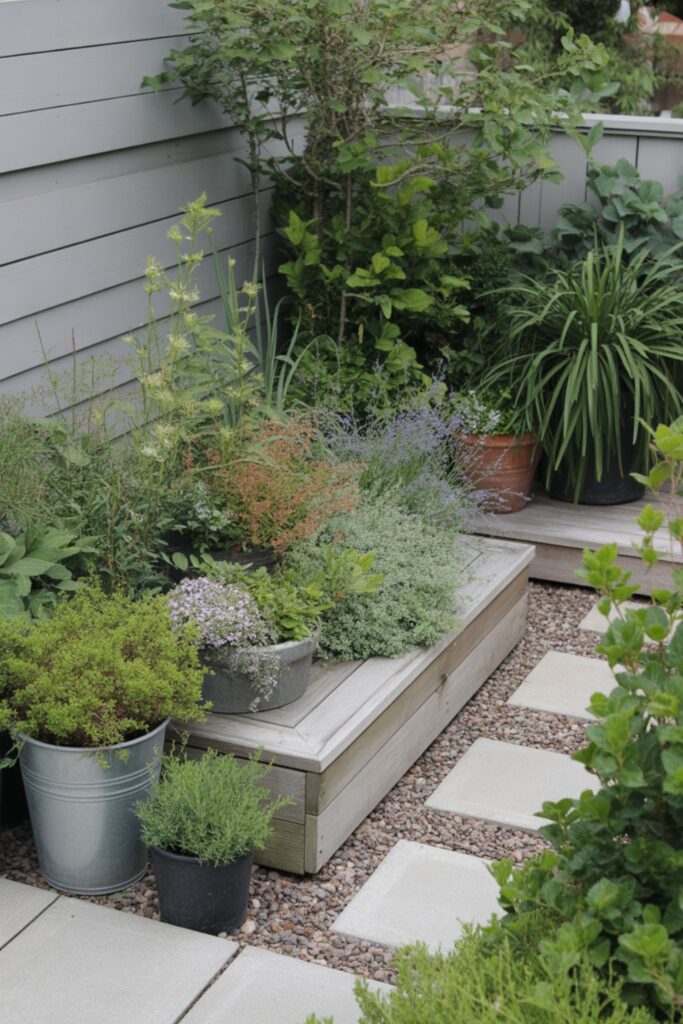
Successful Outdoor Plant Decoration Ideas starts with selecting plants suited to your specific conditions. Sun-loving species like lavender, butterfly bush, and verbena thrive in bright locations but struggle in shade. Conversely, shade-tolerant plants like ferns, hostas, and impatiens languish in full sun despite adequate watering.
Match plant water requirements within each container to simplify maintenance. Grouping thirsty plants together means you water all containers equally without drowning drought-tolerant species. Mediterranean herbs like rosemary, sage, and thyme prefer drier soil and pair well together, while basil and parsley need consistent moisture.
Pollinator-friendly plants attract butterflies, hummingbirds, and bees that enliven your garden with movement and life. Butterfly bush grows four to five feet tall with vibrant purple blooms that pollinators adore. Zinnias, verbena, and lantana offer colorful options for container gardens while supporting local ecosystems. These plants provide entertainment value beyond their visual appeal as you watch nature interact with your carefully curated space.
Read More About: Best Terrace Landscape Ideas for Stunning Multi-Level Spaces
Color Coordination and Design Principles
Intentional color schemes elevate outdoor garden designs from random plantings to cohesive artistic statements. Monochromatic palettes using various shades of one color create sophisticated, elegant looks. All-white gardens featuring white petunias, bacopa, and variegated foliage produce serene atmospheres perfect for meditation spaces.
Hot color combinations incorporating reds, oranges, and yellows energize spaces and create focal points that demand attention. Mix red verbena, orange marigolds, and yellow sunflowers for explosive summer containers that radiate warmth. These bold choices work beautifully near outdoor entertaining areas where you want to stimulate conversation and excitement.
Cool palettes featuring blues, purples, and whites produce calming effects ideal for relaxation zones. Plant blue salvia, purple petunias, and white bacopa together for soothing containers that help you unwind after stressful days. Add silver-leafed plants like licorice plant or dusty miller to enhance the cool color scheme while providing textural contrast against flowering plants.
Repurposing Unusual Containers for Unique Displays
Creative garden ideas extend beyond traditional pots to embrace unexpected vessels that showcase your personality. Vintage watering cans, old wheelbarrows, and retired teapots become conversation-starting planters when filled with colorful annuals or succulents. These repurposed items add character and whimsy that standard containers cannot replicate.
Toy cars, especially vintage models, make delightful planters for small succulents or trailing plants. Choose cars with vibrant colors or interesting designs to enhance the display’s visual impact. These playful containers work wonderfully in family gardens where children appreciate the fun factor of miniature vehicles sprouting greenery.
Old water fountains, crates, and suitcases provide larger planting spaces while contributing vintage charm to outdoor spaces. Drill drainage holes in any repurposed container before planting to prevent root rot. Line porous materials like wooden crates with plastic or landscape fabric to slow moisture loss while still allowing drainage. The key to successful repurposed containers lies in balancing creativity with proper growing conditions for your chosen plants.
Seasonal Plant Rotation Strategies
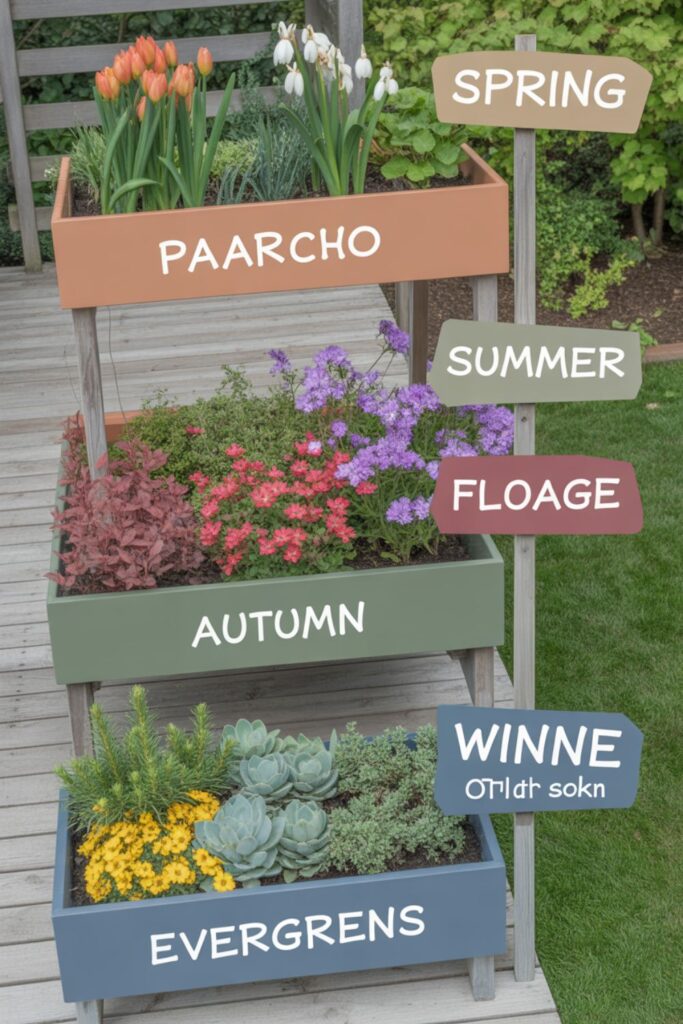
Maintaining year-round interest requires rotating plants seasonally to match changing weather conditions. Spring containers burst with pansies, primulas, and forced tulip bulbs that tolerate cool temperatures and occasional frost. These early bloomers provide color when little else grows, lifting spirits after long winters.
Summer plantings focus on heat-tolerant annuals that thrive in high temperatures. Petunias, zinnias, and marigolds bloom prolifically from June through September, requiring only deadheading and regular watering. Mix in heat-loving foliage plants like coleus and sweet potato vine for containers that remain attractive even when flowers take brief rest periods.
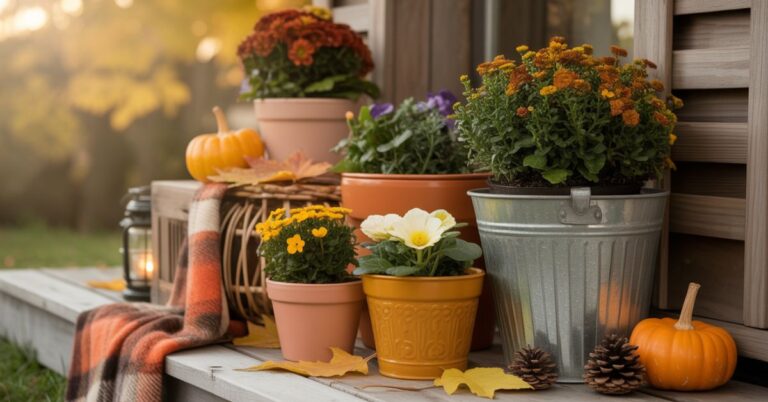
Fall transitions bring opportunities for mums, ornamental cabbage, and asters that prefer cooler temperatures. These plants shine when summer flowers fade, extending your garden’s beauty well into autumn. Winter containers filled with evergreen boughs, holly berries, and decorative branches maintain visual interest during dormant months. This year-round approach ensures your outdoor garden never looks neglected regardless of season.
Adding Height and Structure with Trees and Shrubs
Small trees in containers provide vertical elements that anchor garden designs and create privacy screens. Arborvitae, cypress, and juniper evergreens work beautifully for blocking unwanted views while maintaining green foliage throughout winter. These trees adapt well to container life when given adequate root space and regular watering.
Flowering standards elevate popular shrubs into tree form, adding elegance and height without requiring massive containers. Rose standards, particularly disease-resistant varieties like Knock Out, bloom continuously through summer. Lantana and hibiscus standards bring tropical flair to patios while remaining manageable in size. Position these statement plants strategically to frame doorways, define seating areas, or create focal points within larger garden spaces.
Citrus trees combine ornamental beauty with edible function, producing fragrant blooms and fresh fruit in suitable climates. Dwarf varieties thrive in large containers on sunny patios, requiring minimal space while delivering maximum reward. Move them indoors during winter in cold climates, placing them near bright windows where they continue growing until spring returns. The dual purpose of beauty and harvest makes citrus trees exceptional choices for edible outdoor garden decorations.
Incorporating Garden Lighting for Evening Ambiance
Solar string lights extend your outdoor garden’s usability into evening hours while creating magical atmospheres impossible during daytime. Edison bulb-style solar lights deliver warm, inviting glows perfect for dinner parties and late-night conversations. Modern solar panels charge during daylight hours, automatically illuminating at dusk without requiring electrical outlets or battery replacements.
Drape solar lights across pergolas, through tree branches, or along fence lines to define spaces and add architectural interest after dark. The flexibility of solar power means you can hang lights anywhere sunlight reaches during the day, freeing you from the constraints of outlet locations. Many solar lights feature multiple lighting modes including twinkle, fade, and steady glow, allowing you to adjust ambiance for different occasions.
Ground-level pathway lighting guides guests safely while highlighting garden features you worked hard to create. Solar stake lights line walkways, illuminate flower beds, and accent specimen plants without complicated wiring. Combine overhead string lights with ground lighting for layered illumination that transforms ordinary yards into enchanting outdoor rooms where people naturally gather and linger.
Edible Landscaping and Herb Garden Integration
Edimentals combine edible and ornamental qualities, beautifying spaces while providing fresh ingredients for your kitchen. This trend elevates container gardens beyond pure decoration into functional food production. Leafy Swiss chard varieties like ‘Rainbow’ and ‘Peppermint’ offer vibrant stems in reds, yellows, and pinks that rival any ornamental plant’s visual impact.
Herb containers positioned near kitchen doors provide convenient access while perfuming the air with aromatic foliage. Group culinary herbs like basil, parsley, cilantro, and thyme in attractive planters that complement your patio décor. Harvest regularly to encourage bushier growth and prevent plants from becoming leggy. Fresh herbs snipped moments before cooking deliver flavors that dried versions cannot match.
Vertical herb planters maximize production in minimal space, making them ideal for small patios or balconies. Stack multiple tiers of planters or use wall-mounted systems that transform vertical surfaces into productive gardens. Position these systems in locations receiving at least six hours of sunlight daily for optimal growth. The convenience of reaching out your door for fresh oregano, mint, or rosemary revolutionizes home cooking while beautifying your outdoor space.
Low-Maintenance Plant Selections for Busy Lifestyles
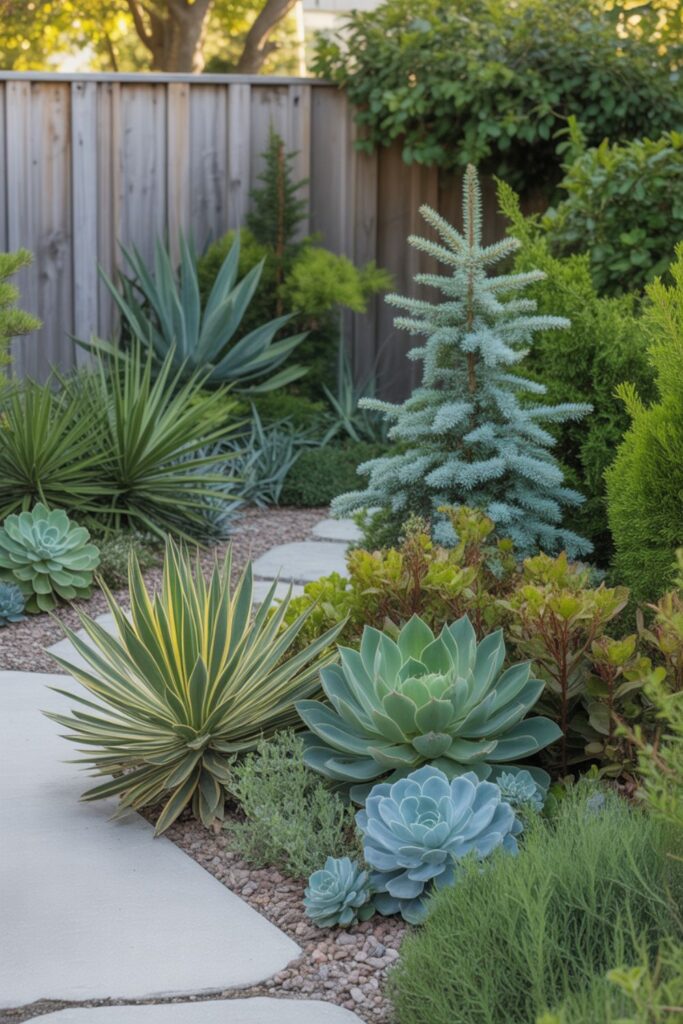
Time-constrained gardeners benefit from choosing plants that thrive on benign neglect rather than constant attention. Succulents require minimal watering, resist pests and diseases, and maintain attractive appearances year-round. These water-wise plants work beautifully in sunny locations where other species struggle with heat stress.
Self-watering planters automate irrigation, maintaining consistent moisture levels that benefit plants while reducing your workload. These containers feature reservoirs that plants draw from as needed, extending time between waterings from daily to weekly. Self-watering systems prove especially valuable for container gardens exposed to intense sun or frequent winds that accelerate soil drying.
Native plants adapted to your region’s climate require less supplemental water, fertilizer, and pest control than exotic species. Research which natives thrive in containers, then incorporate them into your garden design. These tough plants withstand local weather extremes while supporting native pollinators and beneficial insects. The reduced maintenance paired with ecological benefits makes native selections smart choices for sustainable outdoor garden decoration.
Creating Privacy Screens with Strategic Plantings
Dense plantings block unwanted views while defining intimate spaces within your outdoor garden. Tall grasses like miscanthus and pampas grass grow quickly in containers, creating natural screens that sway gracefully in breezes. These grasses require minimal care while providing year-round structure and movement.
Bamboo offers fast-growing privacy solutions when planted in containers that control its aggressive spreading tendencies. Clumping bamboo varieties remain well-behaved while quickly reaching six to twelve feet tall. Position bamboo containers along property lines, around hot tubs, or anywhere you desire screening from neighbors or street views.
Evergreen shrubs maintain privacy throughout winter when deciduous plants lose their leaves. Boxwood, yew, and holly adapt well to container life while providing dense foliage that effectively blocks sightlines. Arrange multiple containers in staggered rows for maximum screening effect. This approach creates flexible privacy walls you can reconfigure as needs change, something impossible with in-ground hedges.
Patio and Deck Container Arrangements
Patio container gardens transform hard surfaces into inviting outdoor rooms where you want to spend time. Frame seating areas with matching planters flanking furniture groupings. This symmetrical approach creates formal elegance while clearly defining conversation zones within larger outdoor spaces.
Railing planters capitalize on often-wasted space along deck perimeters, adding greenery without consuming valuable floor area. These specialized containers attach securely to railings, supporting plants at eye level where their beauty gets maximum appreciation. Fill them with trailing plants that cascade over edges, softening hard architectural lines while creating lush, romantic atmospheres.
Corner groupings of mixed-size containers create focal points that anchor deck layouts. Start with one large container as your centerpiece, then surround it with medium and small pots filled with complementary plants. This clustering approach mimics professional landscape design techniques while proving more visually interesting than scattering individual pots randomly across available space.
Incorporating Garden Art and Decorative Elements
Garden ornaments add personality and style beyond what plants alone provide. Gazing balls reflect light and surrounding foliage, creating shimmering focal points that catch eyes from across yards. Position them on decorative stands among container gardens or nestle them into flower beds where their reflective surfaces multiply color and movement.
Sculptural elements like obelisks, arbors, and trellises provide vertical interest while supporting climbing plants. These structures remain attractive during winter when plants die back, ensuring your garden maintains visual appeal year-round. Paint them bold colors for contemporary looks or choose weathered materials for rustic charm that complements country garden styles.
Wind chimes, bird feeders, and decorative stakes introduce sound and motion that animate static displays. Position wind chimes where prevailing breezes activate them, creating gentle music that enhances relaxation. Bird feeders attract feathered visitors whose activities provide endless entertainment while supporting local wildlife populations. These finishing touches transform ordinary gardens into multisensory experiences that engage sight, sound, and smell.
Maximizing Small Space Gardens
Compact outdoor spaces benefit from vertical growing techniques that utilize walls, railings, and suspended structures. Stackable planters create towers of flowers and foliage in footprints no larger than single pots. These space-saving designs prove perfect for apartment balconies where every square foot counts.
Window boxes extend growing space beyond floor level while adding architectural interest to building exteriors. Mount them securely to railings or walls, ensuring they can support soil and plant weight when fully watered. Fill window boxes with trailing plants whose cascading growth creates living curtains of color and texture.
Folding furniture and collapsible plant stands provide flexibility in tight quarters. Arrange them for entertaining, then fold them away to reclaim floor space for other activities. This adaptability ensures small patios serve multiple functions without feeling cluttered or cramped. Choose furniture and planters in coordinating colors to create cohesive looks that make small spaces feel larger and more intentional.
Maintaining Your Outdoor Garden Through the Seasons
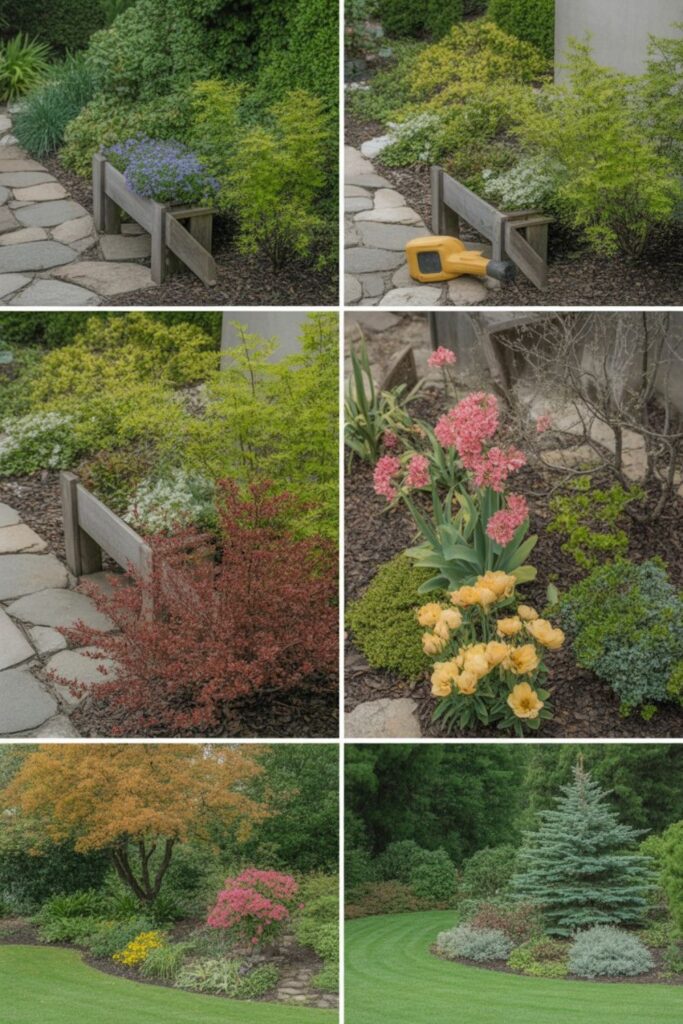
Regular deadheading removes spent blooms, encouraging plants to produce more flowers rather than setting seed. This simple maintenance task takes minutes but dramatically extends blooming periods for annuals like petunias, zinnias, and marigolds. Carry small pruning shears during morning garden walks, snipping faded flowers before they drain plant energy.
Fertilizing container gardens every two to four weeks replenishes nutrients that frequent watering leaches from potting soil. Use balanced liquid fertilizers diluted according to package directions, applying them to moist soil to prevent root burn. Slow-release fertilizer pellets offer convenient alternatives that feed plants gradually over several months, reducing application frequency.
Rotating containers weekly ensures all sides receive equal sunlight exposure, promoting balanced growth and preventing plants from leaning toward light sources. This simple practice takes seconds but prevents lopsided plants that look unkempt. Monitor soil moisture regularly, adjusting watering frequency based on weather conditions, container size, and individual plant needs rather than following rigid schedules that ignore changing circumstances.
How Do I Choose Plants for Full Sun Patios?
Full sun patios require heat-tolerant plants that thrive in intense light and high temperatures. Lantana, verbena, and portulaca excel in these challenging conditions, blooming prolifically despite scorching summer heat. Succulents like sedum and echeveria store water in fleshy leaves, enabling them to survive extended periods between waterings that would kill less adapted species.
Mediterranean herbs including rosemary, lavender, and thyme originated in sunny, dry climates and flourish in full sun container gardens. These aromatic plants require minimal watering once established while providing culinary herbs and attractive silvery foliage. Croton petra brings tropical color with variegated leaves that intensify in bright light, making it perfect for sunny locations where you want bold foliage interest.
Consider container material when planning full sun plantings, as dark pots absorb heat that stresses plant roots. Choose light-colored containers that reflect rather than absorb solar radiation, or double-pot by placing planted containers inside larger decorative ones with air space between them for insulation. This simple technique protects roots from overheating while allowing you to use any decorative pot regardless of color.
What Are the Best Containers for Outdoor Plants?
The best containers balance aesthetics, durability, and plant health requirements. Fiberglass planters offer modern styling with lightweight construction that simplifies rearranging and moving. These containers withstand weather extremes without cracking or fading, making them excellent long-term investments for serious gardeners.
Terracotta pots provide classic beauty with excellent breathability that prevents overwatering issues common in less porous materials. Their natural clay appearance complements cottage garden styles and Mediterranean plantings. However, terracotta dries quickly and breaks easily, requiring more frequent watering and careful handling during winter storage.
Self-watering containers incorporate reservoirs that maintain consistent moisture levels, dramatically reducing maintenance demands. These innovative designs prove especially valuable for vacation periods when regular watering becomes impossible. The initial investment costs more than standard pots but pays dividends through improved plant health and reduced time spent watering. Choose containers based on your specific needs, considering factors like mobility requirements, aesthetic preferences, and available maintenance time.
How Often Should I Water Container Gardens?
Watering frequency depends on multiple factors including container size, plant species, weather conditions, and sun exposure. Small containers dry faster than large ones due to reduced soil volume and increased surface area relative to volume. Check soil moisture daily during hot summer months by inserting your finger one inch deep. If soil feels dry at that depth, water thoroughly until excess drains from bottom holes.
Environmental conditions dramatically affect watering needs. Windy days accelerate evaporation, requiring more frequent watering than calm days with identical temperatures. Humidity levels also influence how quickly containers dry, with low humidity increasing water demands. Rather than following rigid schedules, learn to read your plants’ signals like wilting leaves or color changes that indicate water stress.
Outdoor plants in self-watering containers need checking only weekly during moderate weather, though hot spells may require reservoir refills more frequently. Mulching container surfaces with decorative gravel or bark reduces evaporation while improving appearance. This simple technique extends time between waterings while protecting root zones from temperature extremes that stress plants and inhibit growth.
Can I Mix Vegetables and Flowers in Outdoor Containers?
Mixing vegetables and flowers in containers creates beautiful, functional gardens that produce food while maintaining ornamental appeal. This sentimental approach pairs leafy lettuces with trailing petunias, or compact tomatoes with cascading sweet potato vine. The combination satisfies both aesthetic desires and practical food production goals in limited space.
Choose vegetables and flowers with similar water and light requirements to simplify care and ensure all plants thrive. Herbs like basil and cilantro complement flowering annuals perfectly, offering fragrant foliage alongside colorful blooms. Cherry tomatoes provide both attractive foliage and edible harvests without requiring excessive space or elaborate staking.
Consider mature sizes when planning mixed plantings to prevent aggressive species from overwhelming slower-growing companions. Allow adequate spacing for air circulation that prevents fungal diseases common in crowded containers. The key to successful mixed container gardens lies in selecting compatible plants that share growing requirements while offering complementary colors, textures, and forms that create cohesive, attractive displays.
Read More About: 50+ Small Garden Ideas for splendid Outdoor Spaces
What Plants Attract Butterflies and Hummingbirds to Gardens?
Butterfly bush (Buddleia) earns its name through its unmatched ability to attract butterflies with vibrant purple blooms and sweet nectar. These shrubs grow four to five feet tall in containers, creating substantial focal points while supporting pollinator populations. Deadhead blooms regularly to encourage continuous flowering throughout summer months.
Zinnias offer bold colors in reds, pinks, oranges, and yellows that hummingbirds and butterflies find irresistible. These easy-care annuals thrive in full sun containers, requiring minimal maintenance beyond regular watering and occasional deadheading. Plant multiple zinnia varieties in large containers for extended bloom periods and diverse color combinations that create maximum pollinator appeal.
Verbena produces clusters of small flowers that provide abundant nectar for butterflies, bees, and hummingbirds. This low-growing annual works beautifully as edging in mixed containers or mass-planted in single-species displays. Combine verbena with taller plants like salvia or coneflowers for layered plantings that accommodate different pollinator preferences while creating visually dynamic outdoor garden arrangements that buzz with life.
Conclusion
Transforming your outdoor space with stunning plant decoration outdoor garden ideas requires thoughtful planning but delivers rewards that justify every effort. Whether you embrace simple container gardens, elaborate vertical displays, or combinations incorporating edibles with ornamentals, these strategies help you create personalized gardens reflecting your unique style. Remember that successful outdoor garden decoration evolves through experimentation and learning what works in your specific conditions.
Start small with a few well-chosen containers and quality plants suited to your environment, then expand as confidence grows. Your garden becomes an extension of your living space, providing beauty, relaxation, and connection with nature right outside your door. Implement these plant decoration outdoor garden ideas today, and watch as your once-disappointing yard transforms into the outdoor paradise you’ve always envisioned.
Frequently Asked Questions
How do I create a cohesive look with multiple outdoor planters?
Create cohesive looks by choosing containers in matching materials or colors, even if sizes vary. Repeat key plant species throughout different containers to establish visual rhythm. Group containers in odd numbers like three, five, or seven, as odd-numbered groupings appear more natural and balanced than even numbers to human eyes.
What are low-maintenance outdoor plants for beginners?
Beginner-friendly outdoor plants include petunias, marigolds, zinnias, and geraniums that tolerate varied conditions while blooming reliably. Succulents like sedum and hens-and-chicks require minimal watering and virtually no maintenance. Herbs such as rosemary, thyme, and oregano thrive on neglect while providing culinary value beyond ornamental beauty.
How can I protect outdoor container plants during winter?
Move tender container plants indoors before first frost, placing them near bright windows where they receive adequate light. Wrap containers remaining outdoors with insulation material or bubble wrap to prevent soil freezing that cracks pots and damages roots. Group containers together in sheltered locations and mulch surfaces heavily for added protection during harsh weather.
What size containers work best for outdoor gardens?
Larger containers work better than small pots because they hold more soil that retains moisture and provides adequate root space. Choose containers at least twelve inches in diameter for single plants, larger for multiple plants or species with extensive root systems. Consider weight when selecting large containers, as filled pots become difficult to move without assistance or wheeled bases.
How do I design outdoor gardens for year-round interest?
Design year-round gardens by incorporating evergreen plants that maintain foliage through winter alongside seasonal bloomers. Plan for spring bulbs, summer annuals, fall mums, and winter evergreen arrangements that transition seamlessly through changing seasons. Include decorative elements like garden art and structures that remain attractive when plants enter dormancy or die back completely.