Outstanding Cinder Garden Ideas for a Unique Outdoor Space

Those humble cinder blocks sitting at home improvement stores hold serious gardening potential that most people overlook. You walk right past them searching for expensive planters and elaborate raised bed kits, never realizing these industrial-looking blocks could solve multiple garden challenges simultaneously. The disconnect between what you’re spending and what you could achieve grows with each purchase.
Here’s the reality: an outstanding cinder garden delivers vertical growing space, excellent drainage, modular flexibility, and eye-catching design all at a fraction of traditional garden construction costs. With basic blocks, quality soil mix, and creative arrangements, you can build productive, beautiful gardens that work for any space or skill level.
What Makes a Cinder Garden Outstanding
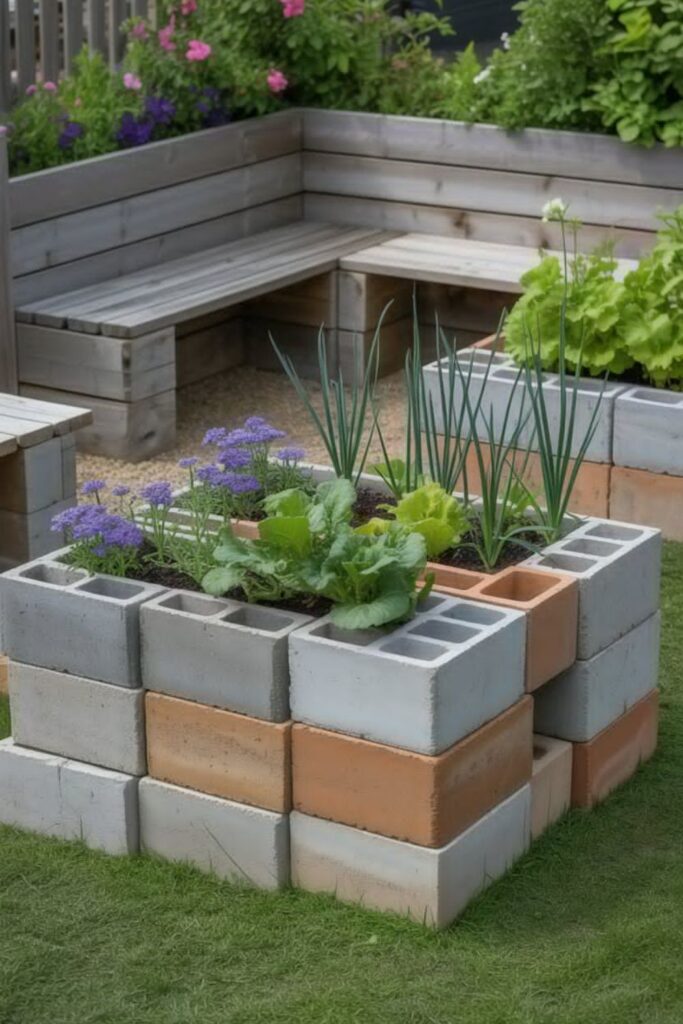
An outstanding cinder garden combines functionality with unexpected aesthetic appeal. Cinder blocks offer built-in planting pockets in their hollow cores while the blocks themselves form structure for outstanding cinder garden or freestanding walls. This dual-purpose design maximizes growing space vertically and horizontally, perfect for small yards, patios, or balconies where ground space is limited.
The best cinder block garden designs balance practicality with visual interest. Straight walls work fine for utilitarian vegetable gardens, but incorporating curves, different heights, or stepped arrangements creates dimension. Painting blocks transform industrial concrete into colorful statements. Strategic plant choices trailing succulents cascading from holes, vibrant herbs popping against gray blocks, or coordinated flower colors elevate simple materials into legitimate landscape features that look intentional rather than makeshift.
Benefits of Building a Cinder Block Garden
Exceptional Drainage and Root Health
Cinder blocks naturally promote healthy root environments through superior drainage. The hollow cores never become waterlogged like solid containers can. Excess moisture escapes through gaps between blocks and the porous concrete itself wicks away surplus water. This prevents root rot issues that plague many container gardens, especially for succulents, herbs, and other plants preferring drier conditions.
The elevated design keeps soil warmer in spring, extending growing seasons by weeks. Roots establish faster in warmer soil, producing earlier harvests from vegetables like tomatoes, peppers, and squash. The blocks also retain heat absorbed during sunny days, releasing it gradually at night. This thermal mass moderates temperature swings that stress plants, creating more stable growing conditions than ground-level beds experience.
Cost-Effective and Sustainable Option
Standard cinder blocks cost $1.50-$3.00 each dramatically less than lumber for raised bed gardens or decorative container gardening options. A basic cinder block planter wall measuring 4 feet long and 2 blocks high requires just 16 blocks costing under $50. Equivalent lumber projects easily triple that investment, while comparable manufactured planters might cost ten times more.
These concrete blocks last indefinitely with minimal maintenance. Unlike wood that rots, metal that rusts, or plastic that degrades in sunlight, properly installed cinder block gardens serve for decades. Their modular nature means easy reconfiguration, disassembly and rebuild in new patterns or locations without waste. This adaptability and longevity make them genuinely sustainable choices despite their industrial origins.
Choosing the Right Location
Assess sun exposure carefully before placing your cinder garden. Most vegetables and herbs need six to eight hours of direct sunlight daily. Observe your intended spot throughout the day, noting shade patterns from buildings, fences, or trees. Morning sun with afternoon shade works well for leafy greens and shade-tolerant plants. Full sun all day suits tomatoes, peppers, and sun-loving succulents.
Consider water access and drainage at ground level. Position your outstanding cinder garden where hoses reach easily or irrigation lines can be extended. Avoid low spots where water pools after rain standing water undermines block stability over time. Ensure the ground beneath is relatively level or prepare a stable base using compacted gravel. Sloped sites need leveling or terracing to prevent shifting that destabilizes stacked cinder block structures.
Determining Size and Configuration
Scale your outstanding cinder garden to match available space and maintenance capacity. A single-block-high row creates a simple border or raised bed. Stacking two or three high increases volume dramatically without consuming more ground space. Limit heights to three blocks for freestanding walls taller structures need additional reinforcement for safety and stability.
Block garden ideas expand beyond straight rows. U-shaped or L-shaped configurations create enclosed spaces perfect for protected microclimates. Circular arrangements work beautifully as centerpiece features in larger yards. Stepped pyramids maximize vertical space while creating dramatic visual impact. Sketch your design on paper first, calculating how many blocks you’ll need. Remember to account for corner blocks that connect perpendicular walls.
Step-by-Step Guide to Building Your Cinder Garden
Preparing the Foundation
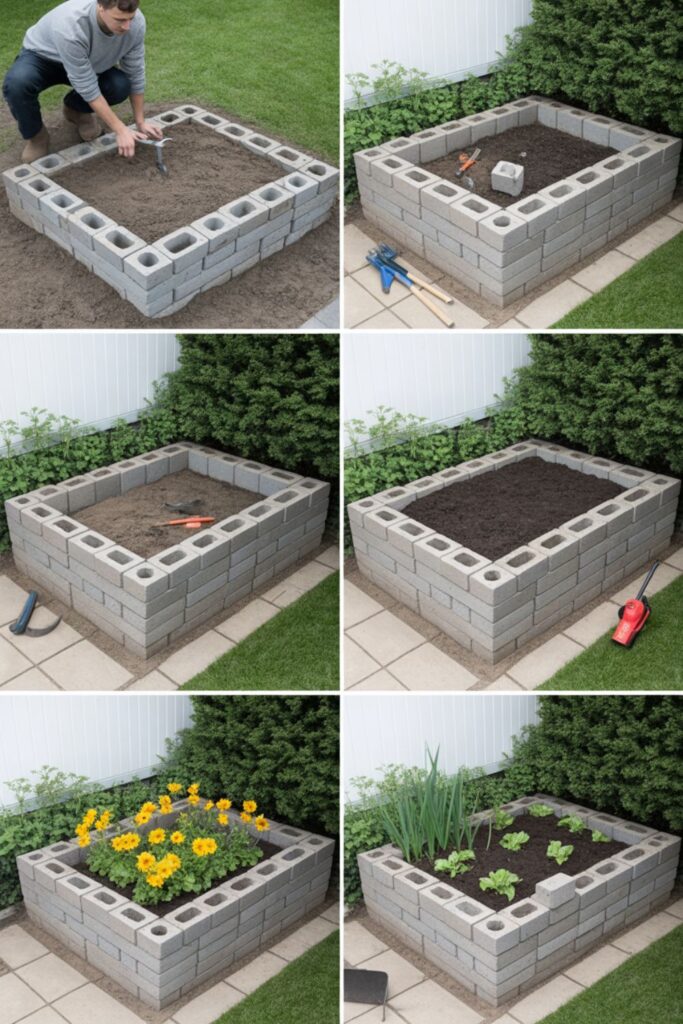
Clear and level your selected area, removing grass, weeds, and debris. A stable foundation prevents shifting that creates gaps or tilting. For ground-level installations, lay landscape fabric to suppress weeds beneath your cinder block garden. Add a two-inch layer of compacted gravel or sand to improve drainage and create a level base. This preparation step is crucial, skipping it causes problems later.
Test-fit your first row of cinder blocks before filling them with soil. Adjust positions until alignment looks perfect and the layout feels right. Use a level to ensure blocks sit flat even slight tilts become pronounced when stacking multiple layers. Take time here because once blocks are filled with soil and planted, repositioning becomes messy and difficult.
Stacking and Arranging Blocks
Position cinder blocks with holes facing up for maximum planting pockets. Stagger blocks in upper rows like bricklaying patterns offset them by half a block length so joints don’t align vertically. This staggered arrangement dramatically increases stability while creating a more professional appearance. For extra security, use construction adhesive between layers, though this limits future reconfiguration.
Fill bottom-row holes with gravel first if building on soil to improve drainage. Then add your soil mix to planting holes and the central bed area. As you stack additional rows, fill each level’s holes before adding the next layer. This prevents settling that creates gaps later. Compact soil gently in holes too tight restricts roots, too loose allows excessive settling.
Best Soil Mix for Cinder Block Gardens
Creating the Ideal Growing Medium
Cinder block gardens drain quickly due to their elevated, porous nature, so your soil mix needs excellent moisture retention balanced with good aeration. Avoid garden soil alone; it compacts in containers and drains poorly. Instead, blend equal parts quality compost, coconut coir or peat moss, and perlite or vermiculite. This combination holds moisture while maintaining the fluffiness roots need.
For vegetables and herbs, add a slow-release organic fertilizer at planting time. These blocks hold less soil volume than ground beds, so nutrients deplete faster. Mix in worm castings or aged manure for natural nutrient density. Succulents and drought-tolerant plants need grittier mixes to increase perlite or add coarse sand for the fast drainage these plants require. Always moisten soil thoroughly before filling blocks to prevent settling and help it pack properly into corners.
What to Plant in Your Outstanding Cinder Garden
Herbs That Thrive in Block Pockets
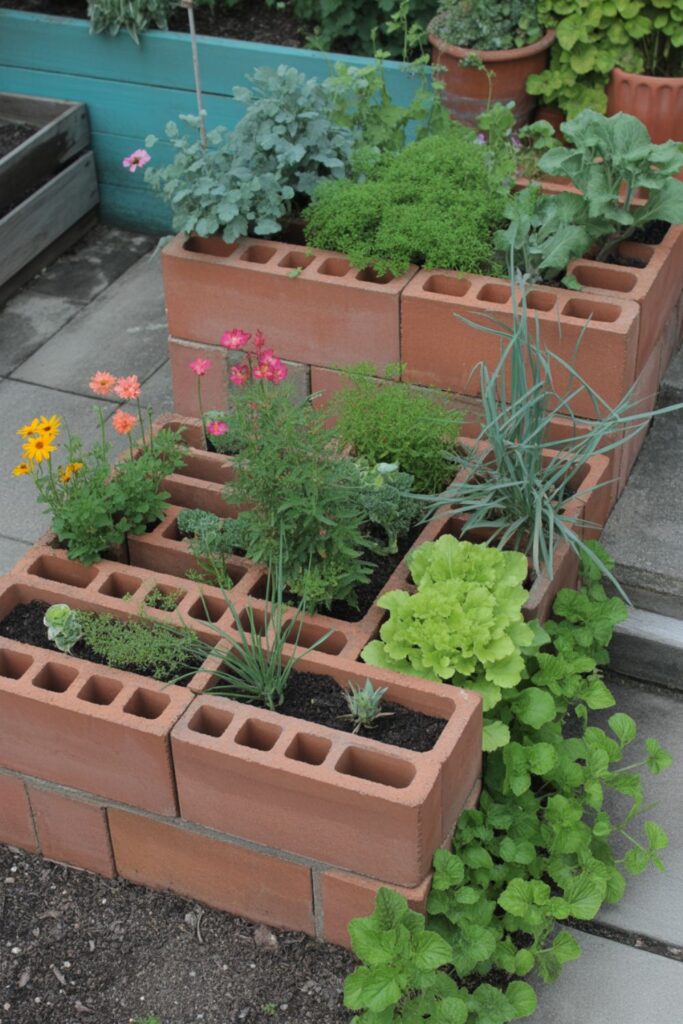
Herbs perform exceptionally well in cinder block planters thanks to excellent drainage and warm soil conditions. Basil, thyme, oregano, and sage all flourish in the confined spaces. Plant sprawling herbs like thyme or creeping rosemary in outer holes where they can cascade over block edges. Upright varieties like basil or cilantro work in any position. These herbs produce abundantly in the warm, well-drained environment blocks provide.
Mediterranean herbs especially appreciate conditions mimicking their native habitats rocky, lean soil with superb drainage. Lavender, rosemary, and sage become woody and fragrant in blocks where wetter conditions might cause root issues. Harvest regularly to encourage bushy growth and prevent plants from outgrowing their spaces. Most herbs tolerate the confined root zones in block holes better than many other plant types.
Vegetables for Compact Spaces
Choose compact vegetable varieties bred for container gardening. Cherry tomatoes, dwarf peppers, and bush beans produce well in the soil volumes blocks provide. Lettuce, spinach, and other greens work perfectly in individual block holes, giving you succession planting options to harvest one hole while others mature. Radishes, green onions, and microgreens mature quickly in small spaces.
Root crops like carrots need deeper soil than single block holes provide, but work in the central raised bed portion. Bush cucumbers and compact squash varieties produce in block gardens with adequate soil depth and regular feeding. Avoid indeterminate tomatoes or sprawling vining crops unless your design includes several blocks of depth. Vertical supports like stakes or trellises expand options for climbing beans, peas, or compact cucumber varieties.
Succulents and Ornamental Plants
Succulents transform cinder block gardens into living art installations. Sempervivums (hens and chicks), sedums, and echeverias create colorful tapestries spilling from block holes. Their shallow root systems perfectly suit confined spaces while their drought tolerance makes them nearly foolproof. Mix colors and textures burgundy, chartreuse, blue-gray, and green varieties for dynamic displays requiring minimal maintenance.
Annual flowers like petunias, calibrachoa, or portulaca trail beautifully from block openings. Perennials such as creeping phlox, candytuft, or dianthus return annually with spreading growth that softens hard block edges. Ornamental grasses in dwarf varieties add textural contrast and movement. Choose plants scaled appropriately for block dimensions aggressive spreaders overwhelm small spaces while compact varieties look proportional and thrive.
Creative Design Ideas for Cinder Gardens
Painted and Decorated Blocks
Transform plain gray concrete blocks with exterior masonry paint in colors matching your style. Bright hues create cheerful focal points in neutral landscapes. Earth tones help blocks blend naturally with surrounding gardens. Geometric patterns, ombre effects, or stenciled designs add personalized touches. Use exterior sealant over paint to protect finishes from weather and extend longevity.
Consider painting only selected blocks for visual interest rather than uniform coverage. Alternating painted and natural blocks creates patterns. Paint just the front-facing surfaces to save time and materials. Mosaic tiles glued to block faces add Mediterranean flair. Cork trivets or decorative metal pieces attached with construction adhesive provide texture. These embellishments cost little but dramatically elevate industrial materials into intentional design statements.
Vertical Cinder Garden Walls
Build freestanding walls using cinder blocks laid horizontally to maximize planting pockets facing outward. This vertical garden approach works brilliantly for small spaces a 4-foot wall provides 16 to 24 planting holes while consuming just 8 inches of ground depth. These living walls create privacy screens, divide outdoor spaces, or disguise unattractive views while growing edibles or ornamentals.
Reinforce vertical structures by filling some interior holes with rebar driven into the ground for stability. Every third or fourth block should have this internal support on walls exceeding two blocks high. Paint one side to face patios while leaving the reverse natural for neutral appearance toward neighbors. These dual-sided plantable walls let you grow sun-lovers on south-facing sides while shade plants occupy cooler northern exposures.
Multi-Level Tiered Gardens
Create stepped pyramids or terraced arrangements using progressively smaller rows stacked atop larger bases. A bottom row of eight blocks supports a second tier of six, topped by four blocks at the peak. This modular design provides multiple growing zones at comfortable working heights no bending required for upper tiers. The dimensional structure adds architectural interest to flat yards while maximizing planting area.
Tiered cinder gardens work exceptionally well for herbs organized by use of culinary herbs at convenient reaching height, medicinal varieties lower, ornamentals on top for visual impact. Or dedicate tiers to plant needs sun-lovers up high, partial shade plants mid-level, and shade-tolerant varieties on lower north-facing sides. This approach lets you create optimal microclimates within a single compact structure.
Maintaining Your Cinder Block Garden
Watering and Fertilizing Requirements
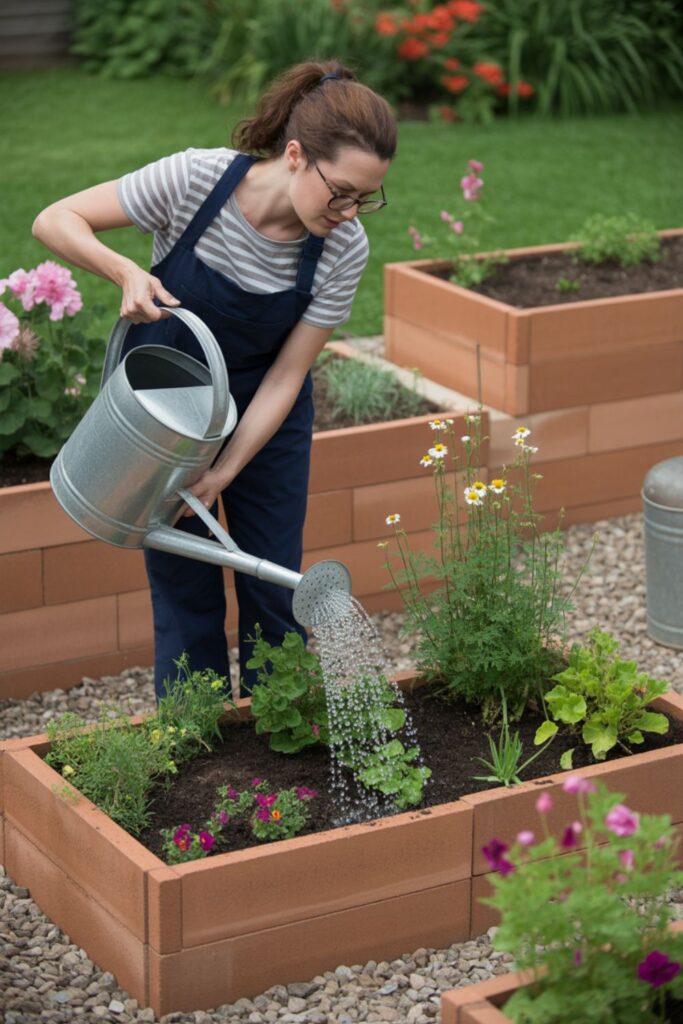
Cinder block gardens dry faster than ground beds due to excellent drainage and exposure from all sides. Check soil moisture daily during hot weather by poking your finger an inch deep in water when it feels dry. Drip irrigation on timers eliminates guesswork while conserving water. Soaker hoses laid through the central bed area deliver moisture efficiently to plant roots.
Read More About: Best Dream Garden Ideas to Create Your Perfect Outdoor Space
Feed regularly since frequent watering leaches nutrients from the confined soil volumes. Apply diluted liquid fertilizer every two weeks during active growth. Organic options like fish emulsion or compost tea provide balanced nutrition without chemical buildup. Top-dress holes and beds with fresh compost mid-season to replenish organic matter. Succulents need minimal feeding once monthly at quarter strength suffices for these lean-living plants.
Seasonal Care and Winterization
Remove annual vegetables and flowers after frost kills them. Clean out spent soil, refresh it with compost, and replant with cool-season crops like lettuce, spinach, or pansies where climates allow. In cold zones, protect perennial plantings with extra mulch over block holes. The concrete itself withstands frost damage, but repeated freeze-thaw cycles can deteriorate low-quality blocks over time.
Empty and store blocks in harsh winter climates if using them for annual displays only. For permanent installations, ensure good drainage beneath structures so water doesn’t freeze and heave foundations. Brush snow off horizontal surfaces to prevent excessive weight accumulation. Come spring, top up settled soil, replace worn-out plantings, and refresh your design with new color combinations or layout modifications.
Read More About: Backyard Landscaping Designs for a Beautiful and Functional Yard
Common Mistakes to Avoid with Cinder Gardens
Overfilling block holes causes soil to spill out and wash away during watering. Leave a half-inch below rims for mulch and to contain water. Underfilling creates settling gaps that expose roots and look sloppy. Pack soil to proper levels initially and top up as needed during the first few weeks after settling occurs naturally.
Using inferior cinder blocks costs more long-term despite initial savings. Lightweight blocks made for non-structural applications may crumble under soil weight and moisture exposure. Standard 8x8x16-inch blocks rated for construction use last indefinitely. Attempting structures too tall without proper reinforcement creates safety hazards toppling walls injure people, pets, and property. Keep freestanding heights conservative or consult structural guidelines for safe tall installations.
Frequently Asked Questions
Are cinder blocks safe for vegetable gardens?
Modern cinder blocks are safe for growing edibles; they contain concrete and aggregate without toxic additives. Vintage blocks made before the 1980s might contain fly ash with trace heavy metals, so use newer blocks for vegetable gardens. If concerned, line block interiors with landscape fabric as a barrier, though this typically isn’t necessary with contemporary concrete blocks.
How many cinder blocks do I need for a raised bed?
A basic 4×4-foot raised bed garden one block high requires 12 standard blocks. Double that height needs 24 blocks total. Calculate perimeter length in feet, multiply by 0.75 to get the number of blocks per row, then multiply by desired height. Always buy a few extra for breakage or layout adjustments during construction.
Can I stack cinder blocks without mortar?
Yes, stacking cinder blocks without adhesive works for structures up to three blocks high when properly filled with soil and plants. The weight provides stability. For taller structures, permanent installations, or high-traffic areas, use construction adhesive or masonry mortar between layers. This prevents shifting while still allowing future deconstruction if needed.
What plants grow best in cinder block holes?
Herbs like thyme, oregano, and basil excel in block pockets. Compact vegetables including lettuce, radishes, and green onions produce well. Succulents perfectly suit the confined, well-draining spaces. Small flowers like alyssum, lobelia, or dwarf marigolds add color. Choose plants with modest root systems that won’t outgrow their spaces quickly.
How do I prevent cinder blocks from cracking in winter?
Ensure excellent drainage beneath and around blocks so water doesn’t freeze and expand against concrete. Use quality structural-grade blocks rather than lightweight versions. Avoid filling with soil that retains excessive moisture, add extra perlite or sand for winter drainage. In extreme climates, cover blocks with insulating materials or empty and store them during harsh winter months.
Conclusion
An outstanding cinder garden proves that innovative design doesn’t require expensive materials or complex construction skills. These versatile concrete blocks create productive, attractive gardens through smart arrangements that maximize vertical space, provide excellent drainage, and offer unmatched flexibility. Whether you’re growing herbs for your kitchen, vegetables for fresh eating, or succulents for low-maintenance beauty, cinder block gardens deliver results that far exceed their humble appearance and modest cost.
Begin your cinder garden project today by sketching designs that suit your space and choosing appropriate block quantities. Select a sunny location with good drainage, prepare a stable foundation, and invest in quality soil mix that feeds your plants properly. Your DIY project can start small with a simple row and expand over time as confidence and vision grow. These modular structures adapt to changing needs and preferences, making them perfect for gardeners who value both practicality and creative expression in their outdoor spaces.