Genius Railroad Tie Landscaping Ideas That Will Transform Your Yard
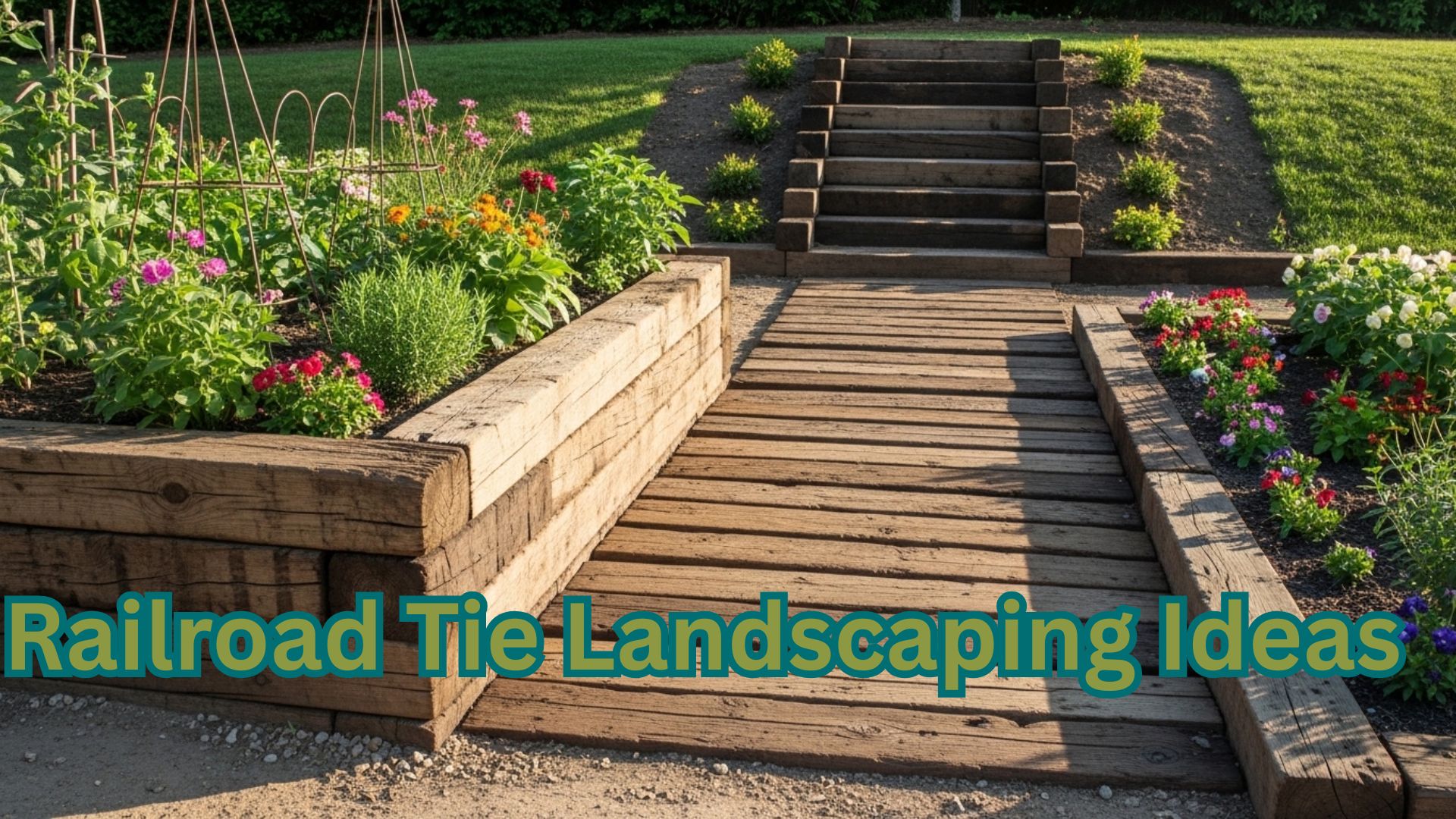
You’ve got a sloped backyard, a blank side yard, or a garden that needs structure and you’re looking for a solution that doesn’t cost a fortune. That’s exactly where railroad tie landscaping ideas come into play. These chunky, weathered timbers have been quietly transforming yards across America for over a century, and for good reason. They’re durable, affordable, and surprisingly versatile.
Here’s the problem, though. Most guides online either gloss over the safety concerns or dump a generic list of projects without explaining how to actually pull them off. That leaves homeowners guessing or worse, spending money on a project that falls apart in two seasons.
This article fixes that. We’re covering the smartest, most creative ways to use Railroad Tie Landscaping Ideas, from bulletproof retaining walls to charming garden steps and everything in between. We’ll also break down the critical creosote safety information you need before touching a single tie. Whether you’re a seasoned DIYer or just getting started, these genius railroad tie landscaping ideas will give your yard the structure and character it’s been missing.
What Makes Railroad Ties So Popular for Landscaping?
Railroad ties have earned their place in the DIY landscaping world because of one simple truth: they do the heavy lifting literally and figuratively. These timbers are engineered to support the weight of freight trains, so handling a bit of soil and a few shrubs is child’s play for them. They’re built from hardwood species like oak and hickory, which gives them natural density and longevity when properly maintained.
Beyond raw strength, railroad ties bring an undeniable aesthetic to any yard. Their worn, textured surface and deep coloring add a rustic charm that’s nearly impossible to replicate with manufactured landscape blocks or poured concrete. HGTV has noted that ties are increasingly being paired with materials like brick, gravel, and large rocks to create designs that blend traditional warmth with contemporary clean lines. That versatility both in function and style is what keeps Railroad Tie Landscaping Ideas at the top of the homeowner’s project list year after year.
The Cost Advantage Nobody Talks About Enough
Cost is a major factor, and railroad ties deliver. A single used tie typically runs between $5 and $20, depending on your region and supplier. Compare that to engineered retaining wall blocks, natural stone, or poured concrete the savings add up fast. For a 20-foot Railroad Tie Landscaping Ideas, you might spend a few hundred dollars in materials. The same project in a manufactured block could easily triple that figure. That price gap makes budget landscaping with railroad ties one of the smartest financial moves a homeowner can make.
The Safety Conversation You Can’t Skip
Before you pick up a single railroad tie, you need to understand what you’re actually working with. Not all ties are created equal and the difference matters a lot for your health and your garden.
Traditional railroad ties are treated with creosote, a tar-like preservative made from coal processing. According to the U.S. Environmental Protection Agency, coal tar creosote is classified as a probable human carcinogen. The EPA has made it clear: creosote-treated wood is not recommended for residential settings, particularly near edible gardens, play areas, or water sources. Creosote can leach into soil over time, and direct skin contact can cause blistering and irritation. Cutting or burning treated ties releases toxic dust and fumes that pose serious respiratory risks.
That said, creosote-treated ties haven’t been banned for all residential use. Repurposed ties are still legally sold in many areas. The key is knowing where and how you use them.
How to Tell the Difference Between Real Railroad Ties and Landscape Timbers
This is where a lot of homeowners get tripped up. True railroad ties are dark brown or black, heavily stained with creosote, and significantly larger than standard landscape timbers. They often have a greasy, tar-like residue on the surface. Landscape timbers, on the other hand, are pressure-treated lumber usually a green or brownish color when new and are sized like standard 6×6 posts. If your ties look clean and relatively uniform, there’s a good chance they’re landscape timbers, not actual reclaimed railroad ties.
Safer Alternatives Worth Considering
If you love the railroad tie aesthetic but want to sidestep the creosote risk entirely, you have solid options. Cedar, redwood, cypress, and black locust are all naturally pest-resistant hardwoods that weather beautifully without chemical treatment. Composite railroad tie alternatives made from recycled plastics reinforced with glass or carbon fibers can last up to 50 years and contain zero creosote. Major retailers like Home Depot carry 6x6x10-foot treated timber posts that closely mimic the railroad tie look with far fewer health concerns.
Tiered Retaining Walls
A railroad tie retaining wall is hands-down the most popular project for a reason it solves one of the most frustrating problems in landscaping: sloped ground. Whether you’re dealing with a hillside backyard, an uneven driveway, or a garden that keeps washing out after every rainstorm, a well-built retaining wall transforms chaos into clean, usable space.
The genius move here is building in tiers rather than one tall wall. For any wall over 3 to 4 feet tall, most local building codes require engineering sign-off. But a series of shorter tiered walls each 2 to 3 feet tall can achieve the same height without triggering those requirements. Stagger the ties on each level like bricks, and you eliminate weak points while creating a visually dynamic stepped effect. Fill the space between tiers with gravel, river rock, or low-growing ground cover plants, and you’ve turned a liability into a focal point.
Read More About: 27+ Beautiful Second Story Patio Ideas for Modern Homes
How to Build It Right
Drainage is the single most important factor in a long-lasting Railroad Tie Landscaping Ideas. Poor water management behind the wall creates hydrostatic pressure that will push your wall out within a few seasons. Dig a trench about 6 inches deep behind the wall, fill it with gravel, and consider adding a perforated drain pipe at the base. Use rebar driven vertically through the ties to lock each course together, and incorporate “dead man” ties laid perpendicular into the hillside every 8 to 10 feet for added anchoring strength. Level your first course with precision. Everything above it depends on that foundation being true and even.
Landscape Steps Into a Slope
If your yard has a hill, railroad tie steps are one of the most satisfying projects you’ll ever tackle. They’re straightforward to build, incredibly durable, and they age like fine wood only getting better looking as the years go on.
The trick to steps that last is in the installation, not just the placement. Each tie needs to be set into the ground, not simply laid on top of it. Dig a trench for each step that buries at least one-third to one-half of the tie’s height. Backfill with compacted gravel behind and beneath each tie. Drive rebar or landscape spikes through each tie into the ground below for anchoring. For a polished finish, fill the tread area the flat part you step on with gravel, decomposed granite, or even brick pavers. Layering in creeping plants like ajuga or moss between the risers softens the look and makes it feel established almost immediately.
Stagger Your Steps
Don’t line every tie up flush with the one below it. Offset each step by 2 to 4 inches so the ties overlap slightly on each course. This interlocking pattern adds serious structural stability and prevents the entire staircase from shifting as the ground settles over time.
Raised Garden Beds
Raised garden beds built from railroad ties are a landscaping staple but most people build them wrong. The common mistake is simply stacking ties in a square and filling it with dirt. That works for about one season before the ties shift, the corners separate, and the whole bed starts to lean.
The smarter approach involves securing the corners with rebar driven vertically through the ties at each junction. For beds taller than one tie height, stagger the joints on alternating courses just like you would with brickwork. This prevents any single seam from becoming a failure point. Line the interior with landscape fabric to slow moisture penetration into the wood, which extends the life of your bed significantly.
A Critical Note on Edible Gardens
If you plan to grow vegetables or herbs, avoid creosote-treated railroad ties entirely. The EPA’s guidance is unambiguous here: creosote can leach into soil and contaminate the food you grow. For vegetable gardens, choose untreated cedar or redwood, or use composite landscape timbers rated for ground contact. If you already have treated ties in place around an edible garden, consider lining the interior with heavy-duty plastic sheeting as a precautionary barrier between the wood and your growing medium.
Walkway Borders and Pathway Edging
Railroad ties are one of the easiest and most affordable ways to define a walkway and they do it with a style that synthetic edging simply can’t match. A single row of ties laid flush with the ground on either side of a gravel or mulch path creates a clean, intentional border that keeps everything in its place.
For a more dramatic effect, cut ties into shorter 2-foot sections and lay them end-to-end like oversized stepping stones. Stagger the joints and fill the gaps with gravel or small river rock for a basket-weave pattern that’s both functional and eye-catching. This technique works beautifully for side yards, garden paths, and even driveway borders where you want to add curb appeal without a massive investment.
Anchoring Walkway Borders
Ties used as flat borders tend to shift over time, especially in areas with foot traffic or freeze-thaw cycles. Secure each tie by drilling a pilot hole and driving a galvanized landscape spike or 18-inch rebar through it into the ground below. For borders along driveways or high-traffic areas, consider setting the ties into a shallow trench filled with compacted gravel for maximum stability.
The Rustic Outdoor Bench and Furniture
Here’s an idea that catches most people off guard: railroad ties make surprisingly good furniture. A simple bench takes two ties laid side by side with a plank or slab top, and it’s done in an afternoon. The natural texture and weathering of the wood gives it an authenticity that store-bought outdoor furniture just doesn’t have.
For a more ambitious project, combine railroad ties with concrete pavers or metal pipe legs to create a coffee table or dining surface for a patio. The contrast between the rough, aged wood and a smooth concrete top is striking and genuinely conversation-worthy. If you go this route, use untreated or naturally rot-resistant wood for any surface where people will be sitting or placing food and drinks.
Driveway and Parking Pad Borders
A gravel driveway or parking pad looks unfinished without proper edging and railroad ties solve that problem beautifully. Laid end-to-end along the perimeter, they contain the gravel, prevent erosion along the edges, and give the whole area a defined, polished appearance.
This is one of the best uses for creosote-treated ties, actually. Since the ties won’t be in contact with skin, food, or water sources, the health risk is minimal. The weight of the ties alone each one can weigh 100 to 200 pounds does most of the anchoring work. Add a spike or two through each tie for insurance, and your border will hold for years without maintenance.
Fire Pit Surrounds and Patio Borders
Want to define a fire pit area or create a border around a patio without pouring concrete or laying a ton of pavers? Railroad ties get the job done in a weekend. Arrange them in a circle, rectangle, or custom shape around your fire pit or seating area. Fill the interior with gravel or decomposed granite for a clean, low-maintenance surface.
The rustic warmth of wood pairs naturally with fire and outdoor entertaining. For safety, keep the ties at least 3 feet from the fire pit itself, and never use them as part of the combustion area. If you’re concerned about heat exposure over time, opt for composite ties or naturally heat-resistant hardwoods like cedar for this particular application.
Maintenance Tips to Make Your Railroad Ties Last
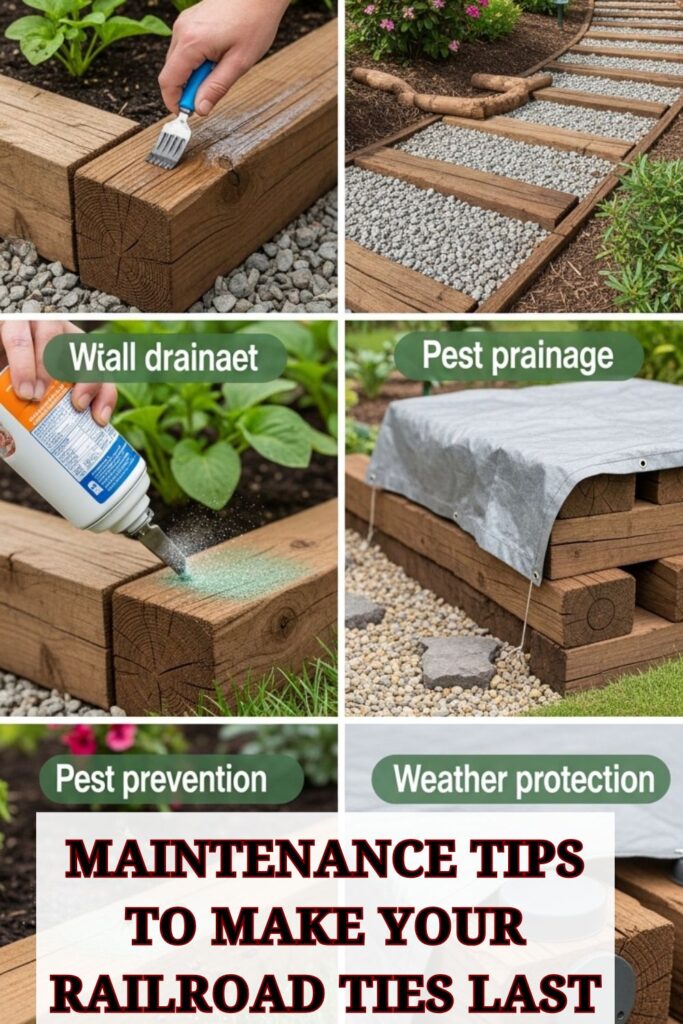
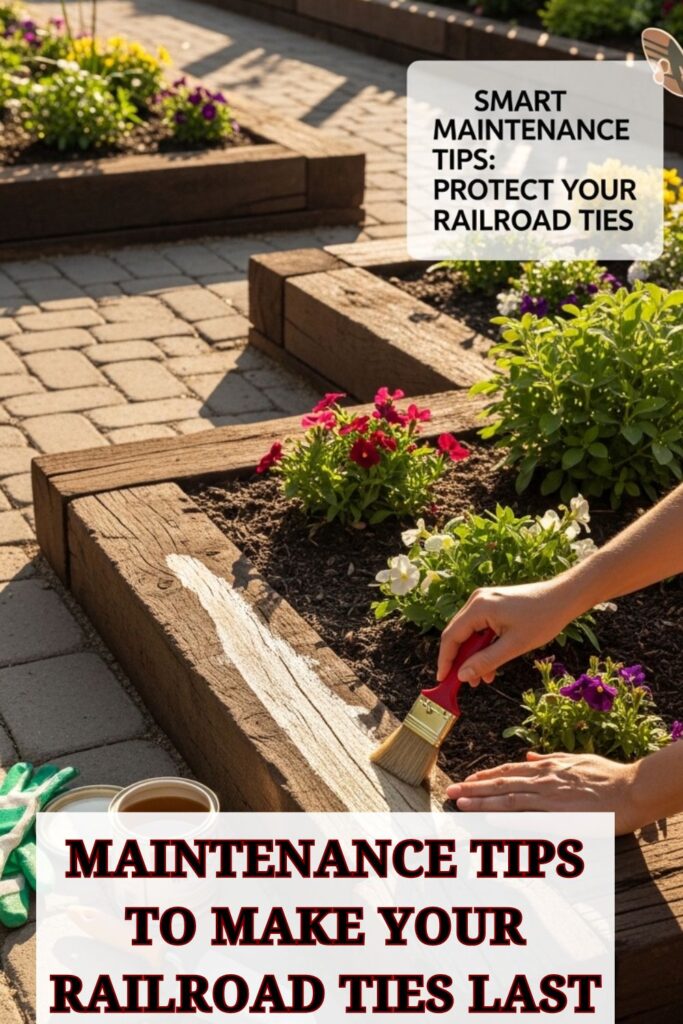
The lifespan of railroad tie landscaping projects varies wildly and it all comes down to moisture management. Ties sitting in standing water or soaked ground will rot through in 5 to 7 years. The same ties on well-drained ground with proper backfill can last 15 to 25 years or more.
Seal cut ends immediately after sawing. Exposed end grain absorbs moisture exponentially faster than the sides. Use a wood preservative rated for ground contact on any new cuts. Keep gravel or mulch around the base of your ties to prevent water pooling. And inspect your installations once a year to look for soft spots, cracking, or signs of fungal growth. Catching rot early saves you from replacing an entire structure.
Frequently Asked Questions
Are railroad ties safe to use in landscaping?
It depends on the type. Creosote-treated ties pose health risks if used near edible gardens, play areas, or water sources. For non-contact applications like retaining walls and driveway borders, older ties with minimal creosote residue are generally considered low-risk. For maximum safety, choose untreated cedar, redwood, or composite landscape timbers that mimic the railroad tie look without the chemical concerns.
How long do railroad tie landscaping projects last?
With proper drainage and maintenance, railroad tie structures can last 15 to 25 years in most climates. Projects in wet or poorly drained areas may only last 5 to 7 years before significant rot sets in. Using gravel backfill, sealing cut ends, and choosing quality hardwood ties are the three biggest factors in longevity.
Can I use railroad ties for a vegetable garden bed?
The EPA advises against using creosote-treated railroad ties for any edible garden application. Creosote can leach into soil and potentially contaminate the food you grow. If you want the railroad tie aesthetic for a veggie patch, use untreated cedar or redwood, or line the interior with heavy-duty plastic sheeting as a barrier layer.
Do I need a permit to build a railroad tie retaining wall?
Most jurisdictions don’t require a permit for retaining walls under 3 to 4 feet tall. However, any wall exceeding that height typically requires an engineering review and a building permit. Check with your local municipality before starting any retaining wall project over 36 inches in height.
How do I secure railroad ties so they don’t shift?
Rebar driven vertically through the ties into the ground below is the most reliable method. For retaining walls, also incorporate deadman ties laid perpendicular into the slope every 8 to 10 feet for lateral anchoring. For flat borders and edging, galvanized landscape spikes through pilot holes provide solid, long-term stability.
Read More About: Outdoor Patio Addition for More Living Space
Conclusion
Railroad tie landscaping ideas have stood the test of time for a reason they combine affordability, durability, and unmistakable rustic character into projects that genuinely transform a yard. From tiered retaining walls that tame a stubborn slope to charming garden steps that make a hillside feel intentional, these timbers punch well above their weight in both function and style. The key is planning smartly: choose the right type of tie for your project, nail the drainage, and secure everything properly from the ground up.
Whether you tackle a single weekend project or rework your entire landscape, railroad tie landscaping gives you a foundation literally that will hold strong for years. Start with one idea from this guide, build your confidence, and keep going. Your yard will thank you, and so will your wallet.