Complete Raised Garden Beds Guide for Gardening Success

You’ve seen them everywhere: those neat, productive garden boxes overflowing with perfect vegetables while your ground-level attempts struggle with weeds, poor drainage, and disappointing yields. Every spring, you plant with optimism, only to battle compacted soil, back-breaking weeding, and plants that never quite thrive the way you imagined.
Here’s the reality: raised garden beds solve most common gardening problems in one elegant solution. They provide superior drainage, warmer soil that extends growing seasons, and ergonomic height that eliminates constant bending. Professional growers and home gardeners alike rely on raised beds because they consistently outperform traditional in-ground gardens.
This comprehensive guide reveals everything you need to know about raised garden beds from choosing the right materials and dimensions to filling techniques and planting strategies that maximize harvests. Whether you’re a complete beginner or experienced gardener looking to upgrade, you’ll discover practical, proven methods for creating productive growing spaces that transform your gardening experience and deliver the abundant harvests you’ve been chasing.
What Are the Benefits of Raised Garden Beds?
Raised garden beds offer compelling advantages that explain their explosive popularity among modern gardeners. These benefits extend far beyond aesthetics, addressing fundamental challenges that frustrate traditional ground-level gardening.
Soil control ranks as the primary benefit. You fill raised beds with ideal growing medium rather than amending poor native soil for years. This matters tremendously according to university extension research, proper soil structure accounts for up to 80% of plant health and productivity. You create perfect drainage, nutrition, and texture from day one, eliminating years of soil-building work.
Extended growing seasons result from elevated soil that warms faster in spring. Raised beds can gain a full two to three weeks of additional growing time compared to ground-level gardens. The soil temperature in a raised bed reaches optimal planting temperatures 10-14 days earlier, allowing you to harvest spring crops before your neighbors even plant. In fall, elevated beds stay warmer longer, extending production of cold-tolerant crops.
Ergonomic benefits reduce physical strain dramatically. Building beds 24-30 inches high eliminates bending, kneeling, and the back pain that drives many people away from gardening. Seniors and people with mobility limitations find raised beds accessible when ground-level gardens become impossible. The American Horticultural Therapy Association reports that properly designed raised beds enable gardening for people with arthritis, back problems, and wheelchair users.
Better pest and weed control emerges naturally. The defined borders of raised beds prevent grass invasion and make barrier installation straightforward. Elevating plants puts them farther from ground-dwelling pests like slugs and some insects. Adding hardware cloth at the bottom deters burrowing animals like voles, gophers, and moles that devastate ground-level gardens.
How Do You Choose the Right Size for Raised Garden Beds?
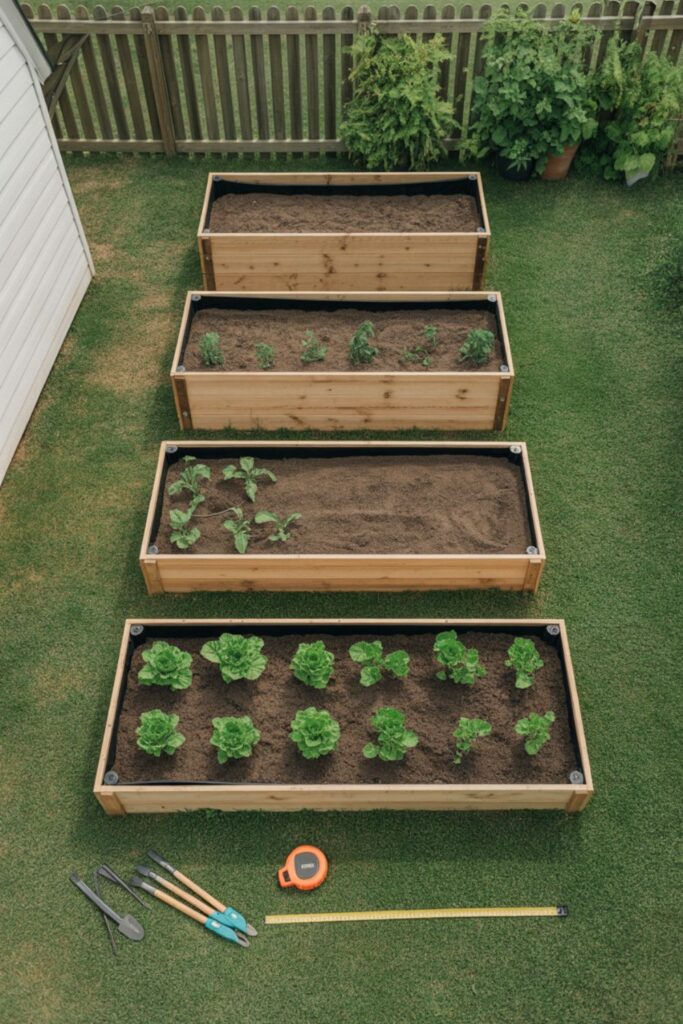
Raised bed dimensions significantly impact functionality, productivity, and maintenance requirements. Strategic sizing ensures you can reach all plants comfortably while maximizing growing space.
Width determines accessibility, the most critical dimension. Keep beds 3-4 feet wide maximum when accessible from both sides, or 2-2.5 feet wide when accessible from one side only. This width allows you to reach the center from either edge without stepping into the bed, which compacts soil and damages plant roots. Wider beds force you to step inside, defeating the purpose of raised construction.
Length offers more flexibility since you walk along the long sides. Most gardeners build beds 6-12 feet long, though this dimension adapts to available space. Longer beds work fine functionally but consider material lengths standard lumber comes in 8-foot, 10-foot, and 12-foot lengths. Building to these dimensions minimizes cutting and waste.
Height matters for different reasons depending on your needs. Standard 10-12 inch beds suit most vegetables and provide adequate soil depth for root development. Deeper beds (16-24 inches) benefit root vegetables like carrots and parsnips while reducing bending further. Tall beds (24-36 inches) create accessible gardening spaces for people with mobility limitations but require significantly more soil to fill.
The most popular dimension for beginner raised beds measures 4 feet wide by 8 feet long by 12 inches deep. This size provides 32 square feet of growing space, accommodates standard lumber lengths, and holds approximately 32 cubic feet of soil manageable to fill while providing excellent productivity.
Read More About: Best Christmas Front Porch Ideas for Stunning Curb Appeal
What Materials Work Best for Building Raised Garden Beds?
Raised bed materials range from natural wood to modern composites, each offering distinct advantages. Your choice affects longevity, cost, aesthetics, and potential soil contamination.
Untreated Cedar and Redwood
Cedar raised beds represent the gold standard for natural wood construction. Cedar contains natural oils that resist rot, decay, and insect damage without chemical treatments. Western red cedar beds last 10-15 years on average, with proper construction extending lifespan to 20+ years. Redwood offers similar rot resistance and beautiful appearance but costs significantly more than cedar.
Purchase cedar boards in 2×6, 2×8, or 2×10 dimensions for bed walls. Thicker lumber (2-inch) provides structural strength for soil pressure. Use 4×4 cedar posts at corners for additional stability. Expect to pay $150-300 for materials to build a 4×8 foot cedar bed depending on height and current lumber prices.
Composite and Plastic Materials
Composite raised beds manufactured from recycled plastic and wood fibers offer extended lifespans of 25+ years. These materials never rot, resist insects completely, and require zero maintenance. Companies like Greenes Fence and Frame It All produce interlocking composite systems that assemble without tools in minutes.
Composite materials cost more initially $200-500 for a 4×8 bed depending on brand and height. However, the longevity and zero maintenance often justify the premium over wood that requires eventual replacement. Composite beds work especially well for permanent installations and for gardeners who prioritize convenience over initial costs.
Galvanized Metal
Metal raised beds deliver industrial aesthetics with exceptional durability. Galvanized steel resists rust for 30+ years and provides a sleek, modern appearance that complements contemporary landscapes. Metal conducts heat efficiently, warming soil quickly in spring but potentially overheating in extreme summer climates.
Corrugated metal stock tanks (originally designed for livestock watering) convert easily into raised beds. Drill drainage holes in the bottom and fill with soil. Companies like Gardener’s Supply Company manufacture raised bed kits specifically from galvanized steel. Metal beds typically cost $150-400 depending on size and gauge.
Materials to Avoid
Never use pressure-treated lumber manufactured before 2004, as it contains arsenic-based preservatives that leach into soil. Modern pressure-treated lumber (post-2004) uses copper-based treatments considered safer, though many organic gardeners prefer avoiding it for edible gardens. Railroad ties contain creosote and other toxic chemicals that contaminate soil. Tires release toxic compounds as they degrade and should never be used for food production.
How Deep Should Raised Garden Beds Be?
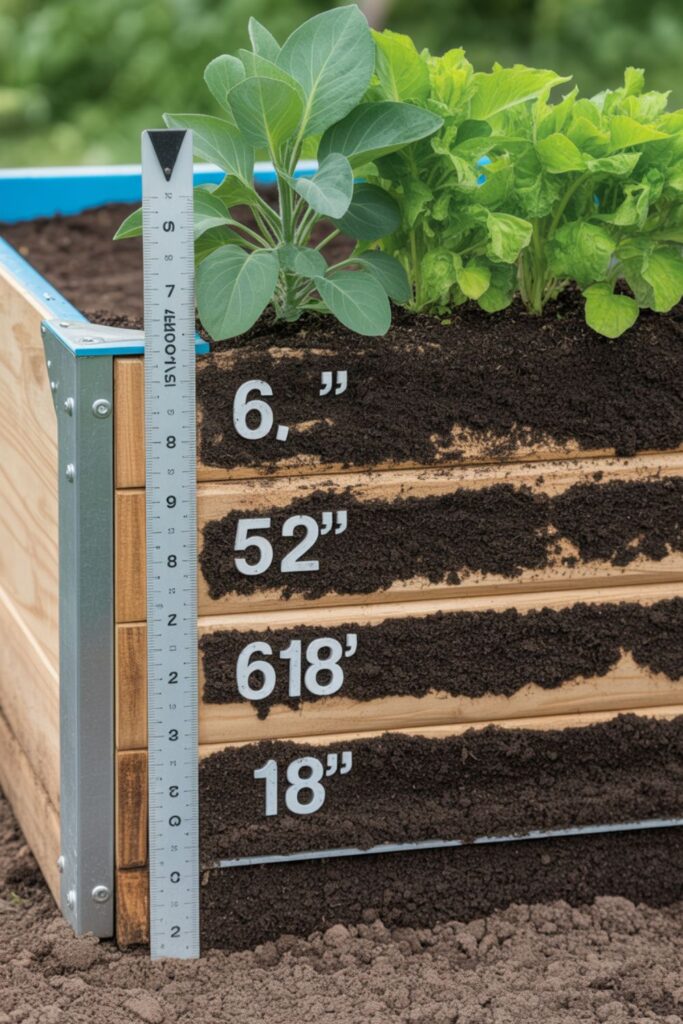
Raised bed depth directly impacts what you can grow successfully and how much soil you’ll need to purchase. Matching depth to your intended crops prevents wasted effort and expense.
Shallow beds (6-8 inches) work for lettuce, herbs, radishes, and other shallow-rooted crops. These beds require less soil to fill but limit your planting options significantly. Shallow beds work best when built on top of decent existing soil, where plant roots can extend downward beyond the raised portion.
Standard depth (10-12 inches) accommodates most vegetables including tomatoes, peppers, beans, squash, and cucumbers. This depth provides sufficient root space for healthy growth while keeping soil volume manageable. A 4×8 foot bed at 12 inches deep requires 32 cubic feet (approximately 1.2 cubic yards) of soil a quantity most gardeners can purchase and transport in a pickup truck or have delivered affordably.
Deep beds (16-24 inches) suit root vegetables like carrots, parsnips, and potatoes that need extended downward space. Deeper beds also provide better insulation against temperature extremes and require less frequent watering since increased soil volume retains moisture longer. However, deep beds demand significantly more soil a 4×8 foot bed at 24 inches deep needs 64 cubic feet (2.4 cubic yards), doubling your soil costs and filling labor.
For most home gardeners, 12-inch depth delivers the optimal balance between functionality, soil requirements, and cost-effectiveness. You can grow nearly any common vegetable successfully at this depth while keeping the project manageable.
What Soil Mix Works Best for Raised Garden Beds?
Raised bed soil quality determines success more than any other single factor. The right mix provides drainage, nutrition, and structure that allows roots to thrive and plants to reach their genetic potential.
The ideal raised bed soil combines three components: compost, peat moss or coco coir, and vermiculite or perlite. Mix these in roughly equal proportions (one-third each) for balanced results. This blend often called “Mel’s Mix” after square foot gardening pioneer Mel Bartholomew drains excellently while retaining moisture and provides rich nutrition.
Compost supplies nutrients and beneficial microorganisms. Use finished compost that has fully decomposed and shows no recognizable original materials. Quality compost smells earthy and pleasant, never ammonia-like or sour. Many municipalities offer free or low-cost compost from yard waste programs. Bagged compost works fine but costs significantly more for the volume needed.
Peat moss or coco coir improves water retention and lightens heavy soils. Coco coir (made from coconut husks) offers a more sustainable alternative to peat moss with similar properties. These materials help soil hold moisture without becoming waterlogged. They also add slight acidity that many vegetables prefer.
Vermiculite or perlite adds drainage and prevents compaction. These materials create air pockets in soil that allow roots to penetrate easily and water to drain freely. Vermiculite retains more moisture than perlite, making it preferable in hot, dry climates. Perlite provides superior drainage for gardeners in wet regions or those growing Mediterranean herbs.
Avoid using straight topsoil in raised beds. Topsoil compacts easily, drains poorly, and often contains weed seeds. If you must include topsoil for budget reasons, never exceed 25% of your total mix and ensure it’s high-quality screened topsoil rather than fill dirt.
How Do You Build a Simple Raised Garden Bed?
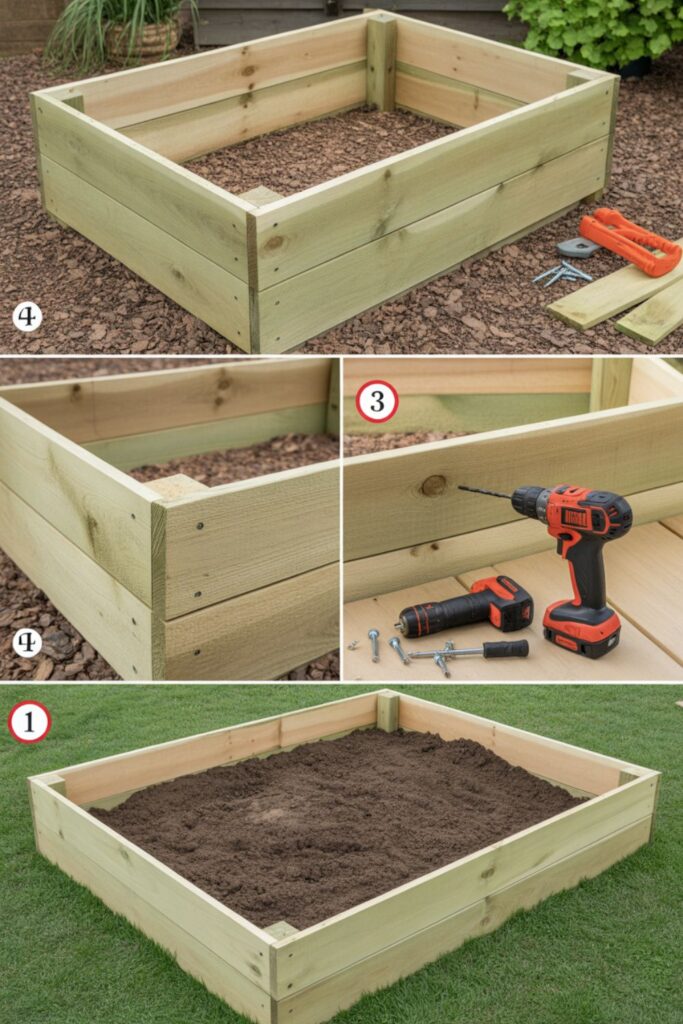
Building DIY raised beds requires basic carpentry skills and common tools. This straightforward construction method creates durable beds using minimal materials and time.
Materials Needed for 4×8 Foot Bed
Purchase four 8-foot long cedar 2×6 boards for sides, four 4-foot long cedar 2×6 boards for ends, and four 4×4 posts cut to 14-inch lengths for corners. You’ll also need 3-inch exterior-grade screws (deck screws), a drill, saw, level, and tape measure. This materials list creates a bed with 11-inch interior height after accounting for board dimensions.
Step-by-Step Construction
Start by cutting your 4×4 corner posts. These should extend from the top of your bed to 2-3 inches below the bottom to anchor into the ground. For an 11-inch tall bed using 2×6 lumber (actual dimensions 1.5 x 5.5 inches), cut posts to 14 inches total length.
Attach the long side boards first. Stand a 4×4 post on end and position an 8-foot 2×6 flush with the top and side edges. Drive three evenly-spaced screws through the board into the post. Repeat for the opposite end of that board, then do the same for the second long side board.
Connect the end boards between the long sides, creating a rectangular frame. Position 4-foot 2×6 boards between the corner posts and attach with three screws at each end. Your basic frame is now complete.
Add a second layer if you want deeper beds. Stack another set of boards on top of the first layer, offsetting seams so joints don’t align vertically (this adds strength). Attach the second layer with screws driven through the new boards into the corner posts.
Position your completed bed in its permanent location before filling soil weight makes moving impossible later. Use a level to ensure the frame sits flat. Slightly excavating the ground or adding soil in low spots helps achieve level placement.
Where Should You Place Raised Garden Beds?
Raised bed placement affects plant health, harvest timing, and maintenance requirements. Strategic positioning maximizes productivity while minimizing problems.
Sunlight requirements dictate the most critical placement factor. Most vegetables need 6-8 hours of direct sunlight daily. Position beds in the sunniest available spots, typically south or west-facing areas away from building shadows and mature trees. Track sun patterns throughout the day before committing to locations morning sun proves less valuable than afternoon exposure for warm-season crops.
Water access matters tremendously for convenience. Position beds within 50-100 feet of outdoor faucets or hose storage. The closer beds sit to water sources, the more likely you’ll water adequately during hot weather. Dragging hoses long distances becomes tedious and discourages consistent care.
Drainage considerations prevent waterlogged soil that kills plant roots. Avoid low spots where water collects after rain. Never position beds directly beneath roof eaves where water pours off during storms. Slight slopes actually benefit raised beds by preventing water from pooling around the base.
Group multiple beds with 2-3 feet between them for comfortable walkways. This spacing allows wheelbarrow and garden cart access while providing adequate room for harvesting and maintenance. Some gardeners place beds in parallel rows like traditional garden rows, while others prefer scattered placement that integrates beds into landscape designs.
Consider long-term permanence before building. Quality raised beds last 10-20+ years and become difficult to relocate once filled. Think carefully about sun patterns, landscape plans, and property uses before committing to locations.
What Are the Best Plants for Raised Garden Beds?
Raised bed plants benefit from controlled soil conditions and excellent drainage. Certain crops thrive particularly well in these optimized growing environments.
Tomatoes
Tomatoes in raised beds consistently outperform ground-grown plants due to warmer soil and superior drainage. Plant determinate varieties 24 inches apart or indeterminate varieties 36 inches apart. Install cages or stakes at planting time to avoid disturbing roots later. Raised beds prevent soil splash that spreads disease to lower leaves.
Leafy Greens
Lettuce, spinach, arugula, and other greens grow quickly in raised beds’ nutrient-rich soil. These shallow-rooted crops make efficient use of space through succession planting sowing new seeds every two weeks maintains continuous harvests. Cool-season greens particularly benefit from raised beds that warm quickly in spring for early planting.
Root Vegetables
Carrots, beets, radishes, and turnips develop perfectly straight roots in the loose, rock-free soil of raised beds. These crops struggle in heavy clay or rocky ground-level gardens. Plant root vegetables directly from seed they transplant poorly. Keep soil consistently moist during germination for best results.
Herbs
Culinary herbs like basil, cilantro, parsley, and dill flourish in raised bed conditions. Position herb beds near kitchen doors for convenient harvesting while cooking. Mediterranean herbs (oregano, thyme, rosemary, sage) prefer slightly drier conditions and plant these along bed edges where drainage exceeds the center.
Crops to Avoid
Sprawling crops like pumpkins, winter squash, and melons waste valuable raised bed space. These vigorous growers work better in ground-level gardens where vines can roam freely. Perennial crops like asparagus and rhubarb that occupy space for decades make poor raised bed choices unless you dedicate beds permanently to them. Tall corn requires significant space for adequate pollination and produces modest yields relative to area consumed.
How Do You Maintain Raised Garden Beds Throughout the Season?
Raised bed maintenance ensures continued productivity and extends the lifespan of your garden investment. Regular care prevents problems before they develop into major issues.
Watering demands attention since raised beds drain faster than ground-level gardens. Check soil moisture daily during hot weather by inserting your finger 2-3 inches deep if dry at that depth, water thoroughly. Deep, infrequent watering encourages deep root growth, while shallow frequent watering creates weak, surface-feeding roots. Drip irrigation or soaker hoses deliver water efficiently while keeping foliage dry to prevent disease.
Mulching reduces watering frequency while suppressing weeds and regulating soil temperature. Apply 2-3 inches of organic mulch like straw, shredded leaves, or wood chips around plants. Avoid piling mulch against plant stems where it encourages rot. As organic mulches decompose, they add nutrients and improve soil structure and replenish as needed throughout the season.
Fertilizing maintains soil fertility as plants consume nutrients. Side-dress heavy feeders like tomatoes, peppers, and squash with compost or balanced organic fertilizer every 3-4 weeks. Leafy greens benefit from nitrogen-rich amendments like blood meal or fish emulsion. Root vegetables need less nitrogen but appreciate phosphorus and potassium for proper development.
Pest monitoring catches problems early when controls work most effectively. Inspect plants weekly for insects, disease symptoms, and abnormal growth. Hand-pick larger pests like tomato hornworms and squash beetles. Use row covers to exclude flying insects like cabbage moths and flea beetles. Encourage beneficial insects by including flowering herbs like dill, fennel, and yarrow nearby.
What Are Creative Raised Garden Bed Design Ideas?
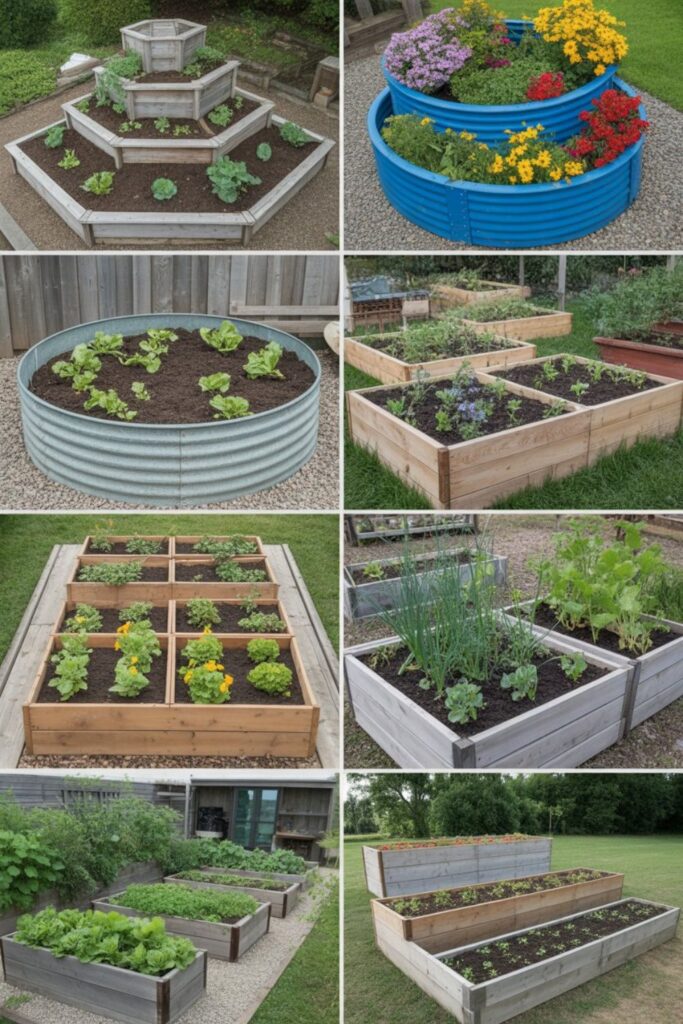
Raised bed designs extend far beyond simple rectangles. Creative approaches maximize productivity, solve space limitations, and create beautiful landscape features.
Tiered Raised Beds
Tiered garden beds create dramatic visual impact on slopes while preventing erosion. Build beds in stair-step fashion, with each level 12-18 inches taller than the one below. This design expands growing space on challenging terrain and creates natural microclimates: upper tiers stay warmer and drier, lower tiers remain cooler and moister.
U-Shaped and Keyhole Beds
U-shaped beds wrap around central compost bins or water features, maximizing edge space for planting while keeping resources centrally accessible. Keyhole garden beds, circular beds with narrow entrance paths leading to central compost zones, originated in Africa for water conservation. These designs increase planting area by approximately 30% compared to straight-sided beds of equal footprint.
Vertical Raised Beds
Wall-mounted or fence-attached raised beds save ground space while creating living walls of edibles and ornamentals. These vertical systems work brilliantly for herbs, strawberries, and lettuce in small yards, balconies, and patios. Stackable modular systems from companies like GreenStalk allow vertical growing without permanent installation.
Raised Beds with Integrated Trellises
Building trellises directly into raised bed frames supports vining crops while adding architectural interest. Install 6-8 foot tall posts at corners or centers, then string wire, netting, or bamboo between posts. This integrated approach provides sturdy support for cucumbers, beans, peas, and small melon varieties while maximizing vertical space.
Read More About: Best Christmas Front Garden Ideas for your remarkable home
How Do You Winterize and Prepare Raised Beds for Next Season?
End-of-season raised bed care prepares beds for winter while setting up success for the following spring. Proper fall preparation reduces spring workload and improves soil quality.
Remove spent plants promptly after final harvest. Pull up entire plants including roots rather than cutting at soil level this prevents disease organisms from overwintering. Compost healthy plant material but discard any showing disease symptoms like blight, wilt, or mildew. Never compost diseased material, which can spread pathogens throughout your garden.
Add organic matter to replenish nutrients removed by growing plants. Spread 2-4 inches of compost, well-rotted manure, or leaf mold across the bed surface. This addition feeds soil microorganisms over winter and improves soil structure. Many gardeners plant cover crops like winter rye, crimson clover, or hairy vetch in fall. These plants prevent erosion, suppress weeds, and fix nitrogen from the atmosphere. Turn cover crops under in spring 2-3 weeks before planting.
Test soil pH and nutrient levels every 2-3 years through your local extension office or home test kit. Fall provides ideal timing for making adjustments that take months to integrate fully. Add lime to raise pH or sulfur to lower it based on test results. Most vegetables prefer slightly acidic soil with pH between 6.0 and 7.0.
Mulch beds heavily with 4-6 inches of leaves, straw, or wood chips after the ground freezes. This protective layer prevents freeze-thaw cycles that heave soil and damage bed structures. Mulch moderates soil temperature fluctuations and reduces winter moisture loss. In spring, rake excess mulch aside before planting, then return it around growing plants.
Frequently Asked Questions
How much does it cost to build a raised garden bed?
Basic 4×8 foot cedar beds cost $100-200 in materials for DIY construction. Composite beds range from $200-500 for similar sizes. Metal stock tanks converted into beds cost $50-150 depending on size. Soil filling adds $50-150 depending on depth and whether you purchase bagged or bulk soil. Total costs typically range from $150-400 for a complete, planted bed.
Can you put raised garden beds on grass?
Yes, you can place raised beds directly on grass without removing it first. Lay cardboard or newspaper 4-6 sheets thick over the grass before filling the bed with soil. This layer smothers grass while decomposing to add organic matter. Grass dies within 4-6 weeks under the barrier, and roots provide pathways for water penetration and earthworm activity.
How often should you replace soil in raised beds?
You never need to completely replace raised bed soil. Instead, add 1-2 inches of compost annually to replenish nutrients and maintain soil volume as organic matter decomposes. After 5-10 years, beds may benefit from partial soil renewal, remove the top 6 inches, mix with fresh compost, and return to the bed.
Do raised garden beds need drainage holes?
Bottomless raised beds sitting on the ground drain naturally through the bottom. Beds built on hard surfaces like concrete patios require drainage holes drilled every 6-12 inches in the bottom. Without drainage, water accumulates and drowns plant roots. Raised beds on soil never need drainage holes since water drains into the ground naturally.
What’s the difference between raised beds and container gardening?
Raised beds sit directly on the ground with open bottoms that allow roots to extend downward and maintain connection with native soil. Containers have closed bottoms that fully isolate plants from ground soil. Raised beds require less frequent watering than containers and support larger plants with deeper root systems. Containers offer portability that raised beds lack.
Conclusion
Raised garden beds represent one of the smartest investments any gardener can make. They solve fundamental problems that frustrate ground-level gardening while creating organized, productive spaces that yield abundant harvests with less work. Whether you build simple cedar rectangles or elaborate tiered systems, raised beds consistently outperform traditional gardens.
Start with one or two beds rather than overwhelming yourself with large-scale installation. Choose durable materials that match your budget and aesthetic preferences. Fill beds with quality soil that provides the foundation for healthy plant growth. Position beds strategically for optimal sun exposure and convenient access. As you experience the benefits firsthand earlier harvests, reduced weeding, better drainage, and ergonomic comfort you’ll understand why raised beds have become the preferred growing method for home gardeners worldwide. Your investment in raised beds pays dividends every season through increased productivity and gardening enjoyment that lasts for decades.