25+ Simple Backyard Fire Pit Ideas for Cozy Outdoor Gatherings
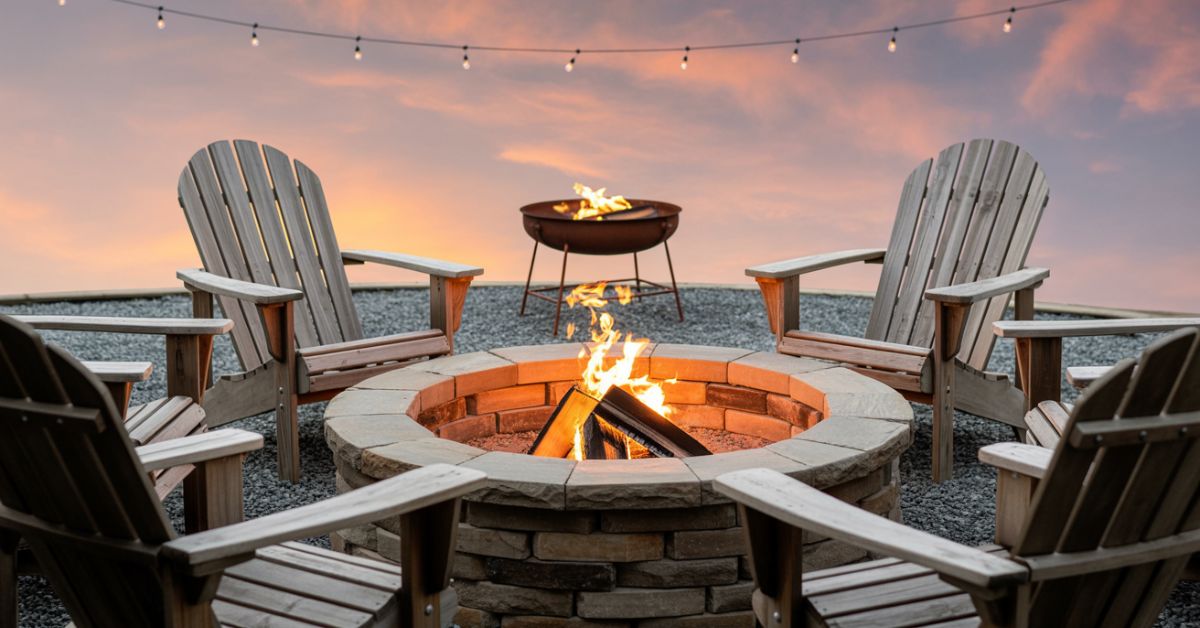
Your backyard sits empty after sunset while neighbors gather around glowing fires sharing stories and roasting marshmallows. You want that same warmth and ambiance but assume fire pit installations require contractors, permits, and budgets stretching into thousands of dollars.
The reality proves far simpler basic simple backyard fire pit ideas using readily available materials create functional gathering spots in single weekends for $100-300, transforming unused yards into evening destinations that extend outdoor season by months while creating memories families treasure for years.
Why Every Backyard Benefits From a Fire Feature
Outdoor fire pit additions deliver returns far exceeding their modest costs by fundamentally changing how families use outdoor spaces. Fire extends usable seasons from May through October into comfortable gatherings on cool spring and fall evenings when unheated patios sit abandoned. The mesmerizing flames create natural focal points that draw people together without electronics or structured activities, encouraging conversation and connection increasingly rare in modern life dominated by screens and scheduled commitments.
Backyard fireplace features increase property values while distinguishing homes from identical neighbors lacking outdoor amenities. Real estate agents consistently report that fire features rank among top requested outdoor elements, with buyers willing to pay premiums for homes offering ready-made gathering spaces. Beyond resale considerations, fire pits transform how current owners experience their properties, what was once dead space becomes the yard’s heart where families naturally congregate for evening relaxation and weekend entertaining.
Basic In-Ground Fire Pit Construction
In-ground fire pits offer the simplest, most budget-friendly installation requiring minimal materials and basic DIY skills. Dig circular holes 12 inches deep and 36-48 inches diameter, creating bowl shapes with gently sloped sides. Line excavations with 4-6 inches of paver base or gravel for drainage, then edge the rim with retaining wall blocks, natural stone, or concrete pavers stacked 1-2 courses high. This straightforward design contains fires safely while maintaining low profiles that feel organic rather than intrusive in landscape settings.
The excavated soil creates natural wind protection since fire sits below ground level, reducing smoke problems while making flames more visible from surrounding seating. Gravel base layers ensure water drains rather than pooling in fire bowls, preventing soggy ash buildup that creates messy cleanup problems. Position in-ground pits in naturally low areas where excavation proves easiest, or use removed soil to build up seating berms around perimeters that provide informal bench-style seating without furniture purchases.
Selecting Proper Fire Pit Locations
Safety clearances determine suitable fire pit placement more than aesthetics or convenience. Maintain 10-foot minimum distances from structures including houses, garages, sheds, and fences to prevent radiant heat damage and flying ember ignition. Position pits 15-25 feet from overhanging tree branches that could catch sparks, and avoid locations directly beneath power lines regardless of height. Check underground utilities before digging, call 811 for free utility location services that mark buried lines, preventing dangerous and expensive accidents.
Consider wind patterns when siting fire features since prevailing breezes carry smoke toward specific yard areas. Position pits so typical wind directions blow smoke away from seating areas and neighbors’ properties, minimizing complaints while improving comfort. Avoid low-lying areas where cold air settles and poor ventilation traps smoke, creating unpleasant conditions that defeat the purpose of outdoor gathering spaces meant for relaxation and enjoyment.
Above-Ground Fire Ring Designs Using Concrete Blocks
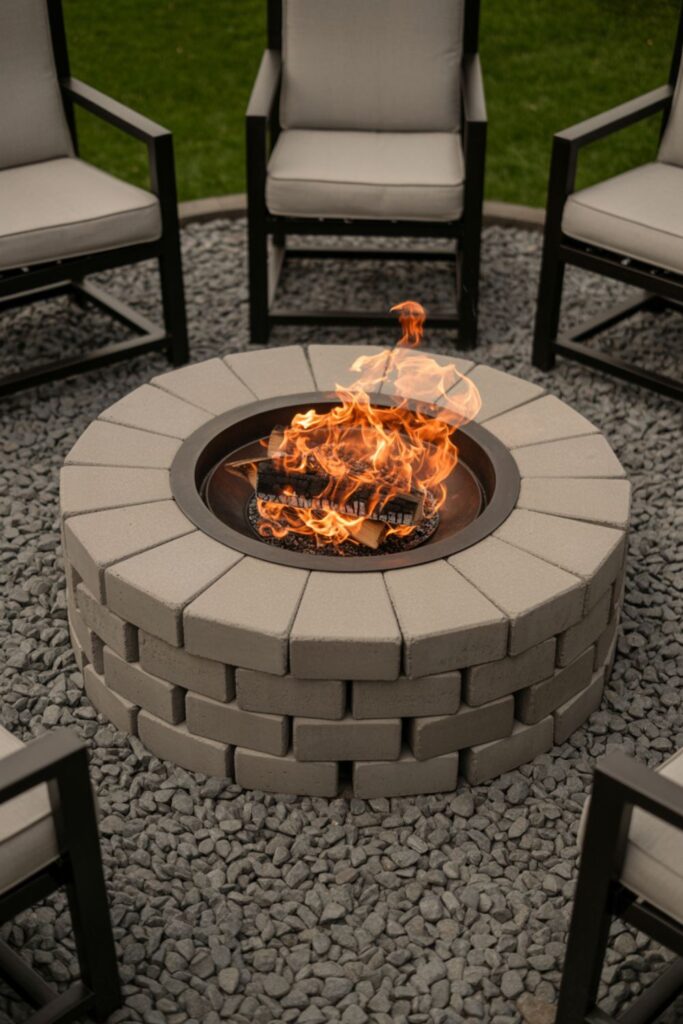
Retaining wall blocks create simple above-ground fire rings in hours without excavation or specialized tools. Stack blocks in 36-48 inch diameter circles, 2-3 courses high, using their interlocking lips or construction adhesive to secure layers. Leave 2-3 inch gaps between every 4-5 blocks in the bottom course for air intake that feeds flames while allowing drainage. Cap the top course with flat capstones that provide finished edges and comfortable armrests for guests warming hands over fires.
This modular approach allows customization impossible with permanent installations: add height by stacking more courses, expand diameter by repositioning blocks, or disassemble completely when moving or redesigning yards. Concrete blocks cost $2-4 each at home centers, making complete fire rings cost $50-100 depending on size. Choose tumbled or split-face blocks over standard CMU blocks for more attractive textures that look intentional rather than utilitarian, or paint blocks using high-heat masonry paint in colors complementing outdoor furniture and home exteriors.
Creating Keyhole Fire Pit Shapes
Keyhole designs incorporate built-in cooking areas by extending one section of the circle into rectangular appendages perfect for grilling grates or Dutch oven placement. Build the main circular fire ring per standard instructions, then add 18-24 inch rectangular extensions jutting from one side using the same stacked block technique. These extensions position cooking surfaces adjacent to main fires where coals rake easily for indirect heat cooking, expanding fire pit functionality beyond ambiance into practical outdoor cooking that replaces or supplements traditional grills.
The keyhole configuration also provides windbreaks that improve fire performance in breezy conditions while giving dedicated areas for fire tending without crowding seating zones. Position keyhole extensions away from primary seating so smoke from disturbed coals doesn’t blow directly at guests, and orient cooking areas where lighting allows safe food handling after dark when most fire pit gatherings occur.
Read More About: 23+ Gorgeous Flower Pot Ideas to Elevate Your Container Garden Style
Budget-Friendly Fire Pit Kits and Inserts
Fire pit kits simplify installation by providing pre-sized components designed to fit together perfectly without cutting or complicated measurements. Metal ring inserts ($30-80) drop into excavated holes or sit inside stacked block walls, protecting masonry from direct flame contact that causes cracking and deterioration. These liners extend fire pit lifespan dramatically while containing ashes for easier cleanup, lift the insert and dump contents rather than scooping ash from unlined pits where it penetrates crevices between stones.
Complete block kits ($100-200) include pre-cut stones or blocks with all necessary adhesive and installation instructions, eliminating guesswork about quantities and compatibility. These kits suit beginners uncertain about selecting individual components or those wanting guaranteed results without researching materials and techniques. While slightly more expensive than purchasing raw materials separately, kits save time and reduce waste from purchasing errors, often balancing their higher per-unit costs through efficiency and confidence.
Portable Fire Pit Options
Freestanding metal fire bowls and portable rings ($50-300) provide instant fire features requiring zero installation and offering complete flexibility for renters or those wanting movable gathering spots. Position portable units on non-combustible surfaces like concrete patios, gravel areas, or specially designated fire-safe zones topped with pavers. These ready-made options suit small spaces or temporary needs while allowing experimentation with fire pit placement before committing to permanent installations.
Higher-end portable models include decorative designs, mesh spark screens, and weather-resistant finishes that last years with minimal maintenance. Budget versions provide basic functionality at fraction of costs, perfect for testing whether your family actually uses fire features before investing in permanent structures. Even inexpensive portable pits create gathering opportunities that reveal usage patterns informing future permanent installation decisions about optimal sizes and locations.
Natural Stone Fire Pits With Rustic Appeal
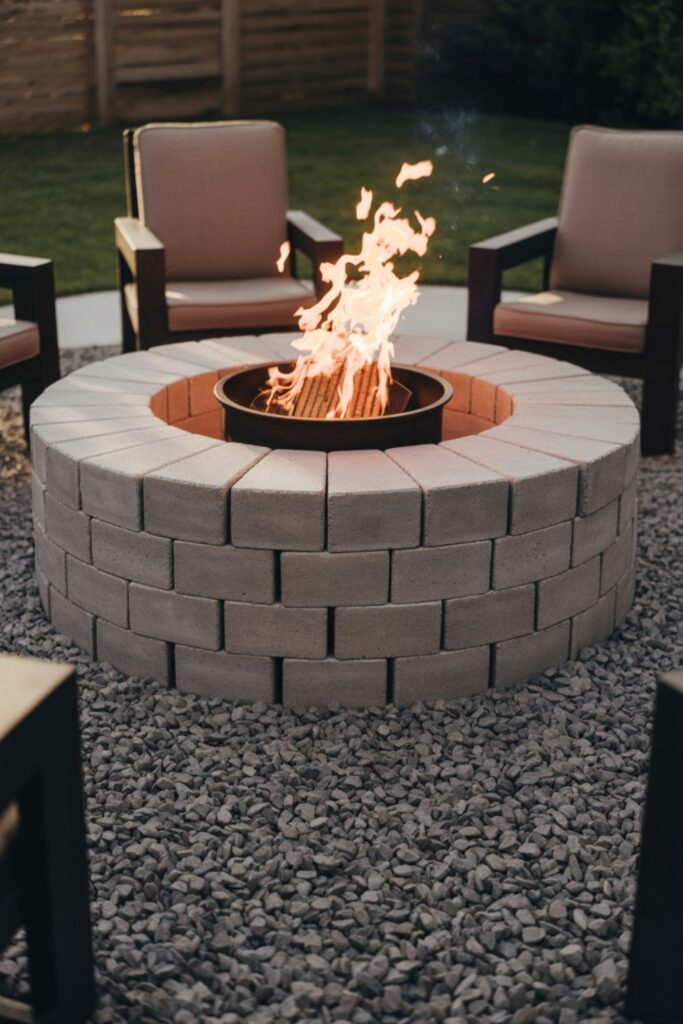
Natural stone creates organically beautiful fire features blending seamlessly into landscape settings through varied colors, shapes, and textures impossible to achieve with manufactured blocks. Collect stones from properties or purchase flagstone and fieldstone from landscape suppliers, selecting flat pieces for stable stacking. Build fire rings using dry-stack techniques where stone weight and careful placement provide stability without mortar, or use high-temperature mortar for permanent installations resisting shifting and settling over time.
Irregular stone shapes create wonderfully imperfect circles and ovals that feel discovered rather than constructed, reinforcing the rustic aesthetic natural materials provide. Vary stone sizes within single courses for visual interest large boulders interspersed with medium fieldstones and small gap-fillers create texture and character uniform blocks can’t match. The irregular forms also create natural windbreaks and sight barriers that make gathering areas feel more intimate and enclosed without formal wall structures.
Sourcing Free or Low-Cost Stone
Reduce costs by sourcing stones from property clearing, demolition sites offering free materials, or classified ads where property owners give away fieldstone removed during construction projects. River rocks and beach stones collected during camping trips add personal meaning while costing nothing beyond effort. Check with local quarries about purchasing seconds stones with minor imperfections sold at steep discounts that don’t affect their fire pit suitability but make them unsuitable for premium landscape applications.
Stack natural stone fire pits on compacted gravel bases that prevent settling while ensuring drainage. Use smaller stones as shims and gap-fillers between larger pieces, creating stable structures without visible gaps where ashes escape. Plan stone placement carefully before final installation, dry-fitting entire rings to ensure adequate materials and workable designs before committing stones to permanent positions with mortar or simple stacking pressure.
Fire Pit Seating Arrangements That Encourage Gathering
Seating arrangements determine fire pit success as much as the pit itself poorly planned seating leaves guests uncomfortable and gatherings abbreviated. Arrange seats in complete or partial circles 4-6 feet from fire rims, allowing heat without excessive smoke or ember exposure. This distance provides comfortable warmth while maintaining safe clearances from open flames. Mix seating types built-in stone benches, Adirondack chairs, tree stump stools, and floor cushions accommodating different preferences and comfort needs within single gathering spaces.
Built-in seating using stacked stone or landscape timbers creates permanent gathering circles that define fire pit areas clearly while eliminating furniture storage needs. Construct curved benches by stacking retaining wall blocks 16-18 inches high and 16-18 inches deep, filling voids with gravel or soil for stability. Top benches with flat capstones providing comfortable, splinter-free surfaces, and add cushions or outdoor pillows during gatherings for enhanced comfort that encourages extended stays around fires.
Lighting Fire Pit Areas for Safety and Ambiance
Pathway lighting leading to fire pits prevents tripping hazards after dark when most gatherings occur. Install solar stake lights along walkways or use low-voltage LED path lights connected to timers for automatic activation at dusk. Keep lighting subtle and warm-toned bright white lights destroy the intimate ambiance fire creates while making flames less visible by comparison. Position lights to illuminate walking surfaces and steps without shining directly into seating areas where they’d interfere with fire-watching and stargazing.
String lights hung above seating areas add magical ambiance without overwhelming firelight. Drape lights between trees, posts, or pergola beams in loose swoops 8-10 feet overhead where they provide gentle illumination without blocking views. Battery-operated or solar string lights eliminate extension cord hazards while maintaining flexibility for seasonal takedown or reconfiguration as entertaining needs evolve over time.
Adding Cooking Grates and Grilling Capabilities
Transform fire pits into outdoor kitchens by incorporating DIY fire pit cooking features that expand functionality beyond ambiance into practical meal preparation. Adjustable grilling grates ($30-80) rest on fire ring rims or suspend from tripod stands, positioning food at variable heights above coals for temperature control unavailable with fixed grates. Swing-arm grills attach to side-mounted posts, allowing grates to swing over fires during cooking then away from heat between uses, extending grate lifespan while providing convenient positioning.
Cast iron cooking grates work better than chrome-plated versions that deteriorate rapidly when exposed to wood fire heat and acidic foods. Season cast iron grates like skillets using vegetable oil to create non-stick surfaces improving with use over time. Store grates indoors between uses or cover them with tarps to prevent rust, and scrub them clean while still warm after cooking when food residue lifts more easily than after cooling completely.
Dutch Oven and Campfire Cooking Techniques
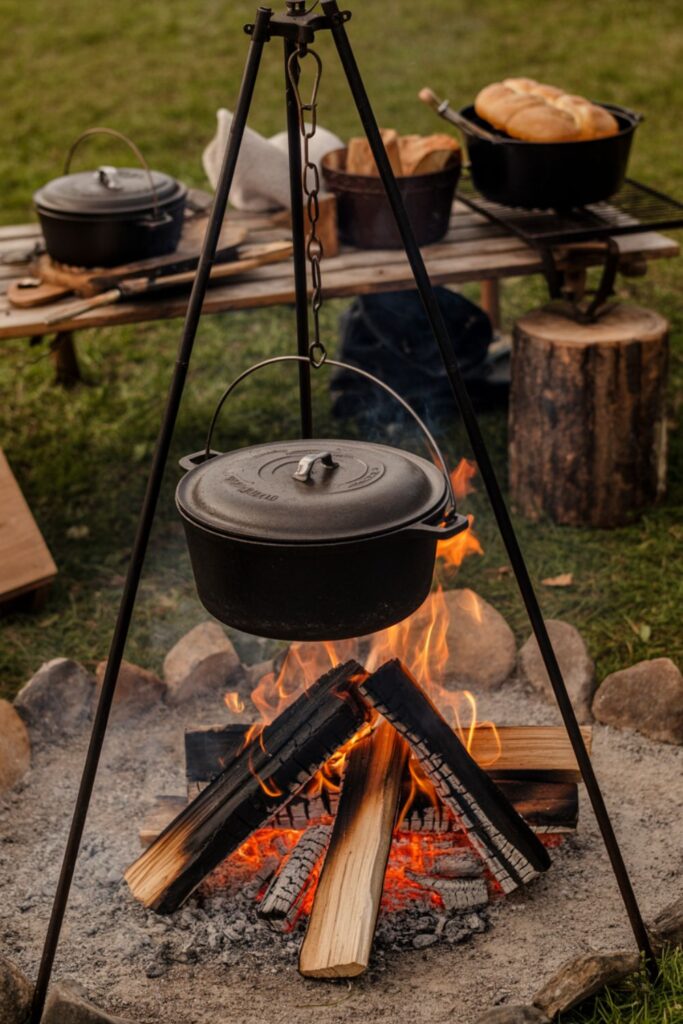
Dutch ovens placed directly in fire pit coals create versatile cooking vessels for stews, cobblers, breads, and complete meals prepared outdoors. These cast iron pots require no grates or supports; simply nestle them into hot coals with additional coals heaped on lids for surrounding heat that bakes foods evenly. This traditional cooking method delivers authentic smoky flavors impossible to achieve with modern grills while teaching fire management skills and patience that modern push-button cooking has eliminated.
Stock fire pit areas with long-handled cooking tools spatulas, tongs, and forks with 18-24 inch handles that allow safe food manipulation without leaning dangerously over flames. Include heavy leather gloves rated for high temperatures when handling cast iron cookware that retains extreme heat long after removing from fires. These specialized tools make outdoor cooking safer and more enjoyable, encouraging regular use that maximizes fire pit value beyond occasional marshmallow roasting.
Fire Pit Safety Features and Best Practices
Spark screens prevent flying embers from escaping fire pits during windy conditions or when fires reach peak intensity. Metal mesh screens sized to cover entire pit openings catch sparks before they land on surrounding grass, furniture, or structures where they could ignite. Remove screens when adding wood or tending fires, then replace them immediately to maintain protection throughout burning periods. These inexpensive accessories ($20-50) dramatically reduce fire hazard risks while providing peace of mind during gatherings.
Keep fire extinguishers, garden hoses, or large buckets of water immediately accessible near fire pits for emergency response if fires escape containment or spread beyond intended areas. Familiarize all regular fire pit users with extinguishing equipment locations and operation before emergencies occur. Establish clear rules about adult supervision requirements, maximum flame height limits, and total fire-out protocols before leaving burning areas unattended even briefly.
Read More About: 30+ Stunning Hippie Garden Ideas to Transform Your Outdoor Space
Understanding Local Fire Codes and Regulations
Researching local codes governing recreational fire installations before construction begins many municipalities restrict fire pit sizes, fuel types, and setback distances from structures and property lines. Some areas require permits even for simple backyard installations, while others ban open fires completely during dry seasons or high wind conditions. Contact local building departments, fire marshals, or homeowner associations for current regulations specific to your area, and maintain all required clearances to avoid fines or forced removal of completed installations.
Burn only seasoned firewood rather than construction lumber, treated wood, or trash that releases toxic fumes and excessive smoke annoying neighbors while potentially violating air quality regulations. Choose hardwoods like oak, maple, or hickory that burn hot and long with minimal smoke compared to softwoods like pine producing more creosote and sparks. Store firewood off ground level using racks that promote air circulation and drying, and cover wood loosely to shed rain while allowing continued seasoning that improves burning characteristics.
Low-Maintenance Fire Pit Materials and Finishes
Heat-resistant materials suitable for fire pit construction include concrete, natural stone, brick, and steel materials withstanding repeated heating cycles without cracking or deteriorating. Avoid limestone and sandstone showing tendency to spall (flake and crack) when exposed to fire heat, and never use river rocks or stones that may contain trapped moisture exploding violently when heated. Fire brick specifically engineered for high-temperature applications provides superior durability compared to standard construction brick, making it worth the modest price premium for fire pit interiors exposed to direct flame contact.
Steel fire rings develop attractive rust patinas over time if left unfinished, adding rustic character many owners prefer over pristine painted surfaces requiring maintenance. High-temperature paint designed for grills and stoves ($15-25 per can) provides color options while protecting metal from accelerated corrosion, though these finishes require reapplication every 2-3 years as fire heat gradually degrades even specialized coatings. Stainless steel offers maintenance-free performance without rust concerns but costs 3-5 times more than mild steel alternatives suitable for most residential applications.
Ash Removal and Fire Pit Cleaning
Allow ashes to cool completely typically 24-48 hours after final use before attempting cleanup to prevent burns and accidental fire rekindling. Scoop cooled ash using metal shovels into metal buckets specifically designated for ash disposal, never mixing ash with combustible trash or storing it in plastic containers that could melt if residual heat remains. Dispose of ash by spreading thinly in garden beds where potassium content benefits plants, or bag ash separately for trash pickup following local disposal regulations.
Clean fire pit surrounds periodically by sweeping away accumulated ash and debris, and scrub stone or block surfaces annually using stiff brushes and mild detergent solutions that remove soot staining. Inspect mortar joints in permanent installations for cracks allowing moisture penetration that could cause winter freeze damage, and repoint deteriorated joints using high-temperature mortar rated for fire pit applications. These minimal maintenance tasks preserve fire pit appearance and safety while extending structure lifespan decades beyond installations left completely unattended.
What Size Fire Pit Works Best for Backyards?
Fire pit diameter directly affects capacity and ambiance 36-inch interior diameters accommodate 4-6 people comfortably, while 48-inch pits serve 8-10 guests during larger gatherings. Smaller pits (30-36 inches) suit intimate couples or small families while consuming less firewood and occupying less yard space. Larger pits (48+ inches) create more impressive flames visible from greater distances but require more frequent wood additions and generate more heat that can become uncomfortable during warmer evenings.
Consider yard size proportionally when selecting fire pit dimensions massive 60-inch pits overwhelm small patios while petite 30-inch features disappear in expansive yards. Standard 36-42 inch diameters work universally across most residential settings, providing adequate fire size without dominating spaces or consuming excessive fuel. Multiple small fire pits scattered across large properties offer more flexibility than single large installations, allowing gatherings to move based on weather, time, and group sizes.
Can You Build a Fire Pit on a Concrete Patio?
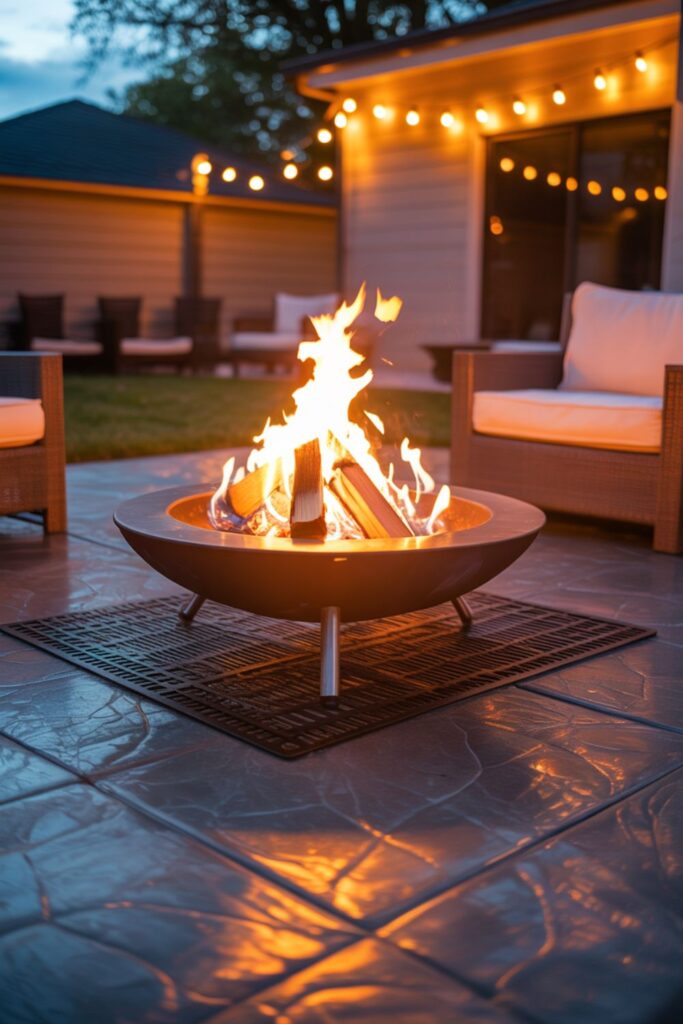
Yes, but protect concrete from direct heat exposure that causes cracking and discoloration. Place portable fire pits atop fire pit kits or specially designed fire pit pads made from heat-resistant materials that insulate concrete from extreme temperatures. These protective barriers prevent heat transfer while catching stray sparks and ashes that would otherwise stain concrete surfaces permanently. Alternatively, elevate fire pits on legs or stands creating air gaps between fire bowls and patio surfaces, allowing heat dissipation before reaching concrete.
Built-in fire pits installed directly into concrete patios require professional design ensuring adequate ventilation beneath fire bowls and appropriate materials withstanding both fire heat and concrete’s thermal expansion. These permanent installations typically involve cutting into existing concrete complex projects beyond simple DIY scope better left to experienced contractors. For most homeowners, portable solutions or fire tables specifically designed for patio use provide simpler, safer options requiring no permanent modifications to existing hardscaping.
What’s the Best Fuel for Backyard Fire Pits?
Seasoned hardwood provides optimal fuel combining long burn times, high heat output, and minimal smoke production that makes gatherings pleasant rather than eye-watering ordeals. Oak, maple, hickory, and ash rank among top choices, burning hot and clean while producing attractive flames and manageable ash quantities. Avoid pine, fir, and other softwoods that spark excessively, produce heavy smoke, and burn rapidly without generating sustained heat justifying their lower costs per cord.
Kiln-dried firewood available at many retailers burns even cleaner than air-dried wood through reduced moisture content that creates hotter fires with less smoke. These premium options cost more but deliver superior performance worth the investment for frequent fire pit users prioritizing comfort over economy. Gas fire pits using natural gas or propane eliminate wood procurement and storage entirely while providing instant ignition and precise flame control, though they sacrifice the authentic campfire experience and wood smoke aroma many fire pit enthusiasts specifically seek.
Do Fire Pits Need Covers When Not in Use?
Fire pit covers protect against weather damage while preventing water accumulation that creates cleanup headaches and accelerates material deterioration. Vinyl covers designed specifically for fire pits ($20-50) shed rain while allowing air circulation that prevents mildew growth on residual ash. Remove covers before lighting fires and store them away from fire areas where sparks could melt synthetic materials, then replace covers only after ashes cool completely following final use.
Alternatively, store portable fire pits in garages or sheds during extended non-use periods, eliminating weather exposure entirely while freeing outdoor space for other seasonal activities. In-ground or permanent fire pits benefit from drain systems ensuring water exits rather than pooling drill weep holes through lowest points in fire ring walls or installing gravel sumps beneath fire pits that collect water and drain into surrounding soil. These drainage solutions make covers optional rather than mandatory while reducing long-term maintenance requirements.
Frequently Asked Questions
How much does it cost to build a simple backyard fire pit?
Basic DIY fire pit projects using concrete blocks or stone cost $100-300 for materials including blocks, gravel base, and metal fire ring insert. Natural stone designs range $150-400 depending on stone availability and whether you source free materials. Pre-made fire pit kits cost $150-300 installed, while portable metal fire bowls run $50-200. Professional installations start at $500-1000 for simple designs and increase based on size, materials, and site preparation requirements.
What should you put in the bottom of a fire pit?
Install 4-6 inch layers of pea gravel or lava rock in fire pit bottoms for drainage while protecting underlying soil from extreme heat. These materials allow air circulation beneath fires improving combustion while preventing water accumulation that creates muddy ash. Avoid sand that compacts when wet and impedes drainage, and never use river rocks that may explode when heated due to trapped moisture. Some fire pits use metal grates elevated above gravel bases, creating ash collection zones that simplify cleanup.
How far should a fire pit be from a house?
Maintain minimum 10-foot clearances between fire pits and structures including houses, garages, sheds, and fences per most fire codes. Increase distances to 15-20 feet for particularly large fire pits or when prevailing winds blow from fire toward structures. Check local regulations since some municipalities require greater setbacks 25 feet isn’t uncommon in fire-prone regions. Never position fire pits beneath roof eaves, covered porches, or overhangs regardless of horizontal distance since rising heat and sparks pose ignition risks.
Can you roast marshmallows in any backyard fire pit?
Yes all wood-burning fire pits accommodate marshmallow roasting once flames die down to glowing coals producing heat without excessive smoke. Use extended roasting sticks (30+ inches) keeping hands and faces safe distances from heat, and supervise children closely during roasting activities. Gas fire pits work for marshmallow roasting too, though some users report different flavors compared to wood smoke. Avoid roasting food over fires containing treated wood, trash, or chemical fire starters that could contaminate food with toxic residues.
Do backyard fire pits need ventilation?
Outdoor fire pits naturally ventilate since they’re open to the atmosphere rather than enclosed like indoor fireplaces requiring chimneys. However, site selection affects ventilation quality to avoid low-lying areas where cold air settles and poor air circulation traps smoke. Position pits in relatively open areas away from dense tree canopies or tall fence enclosures that block air movement. Leave gaps in bottom courses of stacked block fire rings allowing air intake that feeds flames from below, improving combustion while reducing smoke production through better oxygen supply.
Conclusion
Simple backyard fire pit ideas transform unused outdoor spaces into evening gathering destinations families and friends naturally gravitate toward for conversation, connection, and relaxation impossible to replicate indoors. The designs outlined here from basic in-ground excavations to stacked block rings and natural stone installations prove that creating functional outdoor fire pit areas requires modest budgets, basic skills, and weekend timelines rather than the extensive resources many assume these features demand. Smart attention to safety clearances, appropriate heat-resistant materials, and comfortable seating arrangements ensures your fire pit delivers years of enjoyment while maintaining the safety standards responsible homeowners prioritize.
Start your fire pit project by researching local codes and selecting locations meeting all clearance requirements, then choose construction approaches matching your skill level, aesthetic preferences, and budget constraints. Remember that even basic installations create the warmth and ambiance making fire pits valuable elaborate designs add visual appeal but don’t fundamentally improve the gathering experience simple circles provide. Your investment in creating backyard fireplace features pays immediate returns through extended outdoor seasons and enhanced quality time with loved ones, proving some home improvements deliver value impossible to measure purely through financial returns while genuinely enriching daily life in ways families remember for generations.