Small Backyard Garden Ideas for Lush Tiny Spaces

You stare at your cramped backyard and wonder if you’ll ever enjoy a thriving garden. That narrow strip of grass or concrete patio feels more like wasted potential than an oasis. Every gardening magazine showcases sprawling landscapes with room for everything, while you’re stuck with barely enough space for a lawn chair. The frustration builds when you realize your dream of fresh herbs, colorful blooms, and cozy outdoor gatherings seems impossible in your small backyard garden.
But here’s the truth: limited square footage is actually your secret weapon. A genius small backyard garden isn’t about having more space, it’s about using every inch strategically. With vertical gardening, multi-functional zones, and clever container gardening techniques, you can transform even the tiniest plot into a productive, beautiful retreat. This guide reveals proven strategies that maximize space while creating the lush sanctuary you’ve always wanted, regardless of size constraints.
Why Small Backyard Gardens Offer Unique Advantages
Small garden spaces force creativity that sprawling yards never demand. When you can’t expand outward, you innovate upward and inward, discovering solutions professional designers charge thousands to implement. Research from the Royal Horticultural Society shows compact garden design actually increases maintenance efficiency by 40% compared to larger plots.
Your limited area means less mowing, weeding, and watering while delivering equal visual impact. Urban garden design principles prove that strategic plant selection in confined spaces creates layered depth that tricks the eye into perceiving more room. You’ll spend weekends enjoying your garden instead of exhausting yourself with upkeep, and every plant earns its place through beauty or function, no wasted footage on filler.
How to Plan Your Genius Small Backyard Garden Layout
Garden planning begins with measuring your actual usable space and identifying microclimates. Walk your yard at different times noting sun patterns, drainage issues, and existing structures that affect garden layout. Smart designers divide tiny yards into garden zones dining, planting, and circulation areas even when total space measures under 200 square feet.
Start by sketching your backyard to scale on graph paper. Mark permanent features like fences, sheds, and trees that can’t move. Professional landscapers recommend the 60-30-10 rule for small garden ideas: dedicate 60% to planted areas, 30% to hardscaping like paths, and 10% to decorative elements. This ratio prevents overcrowding while maintaining visual interest and functionality throughout your tiny backyard landscaping project.
What Vertical Gardening Techniques Work Best for Limited Space
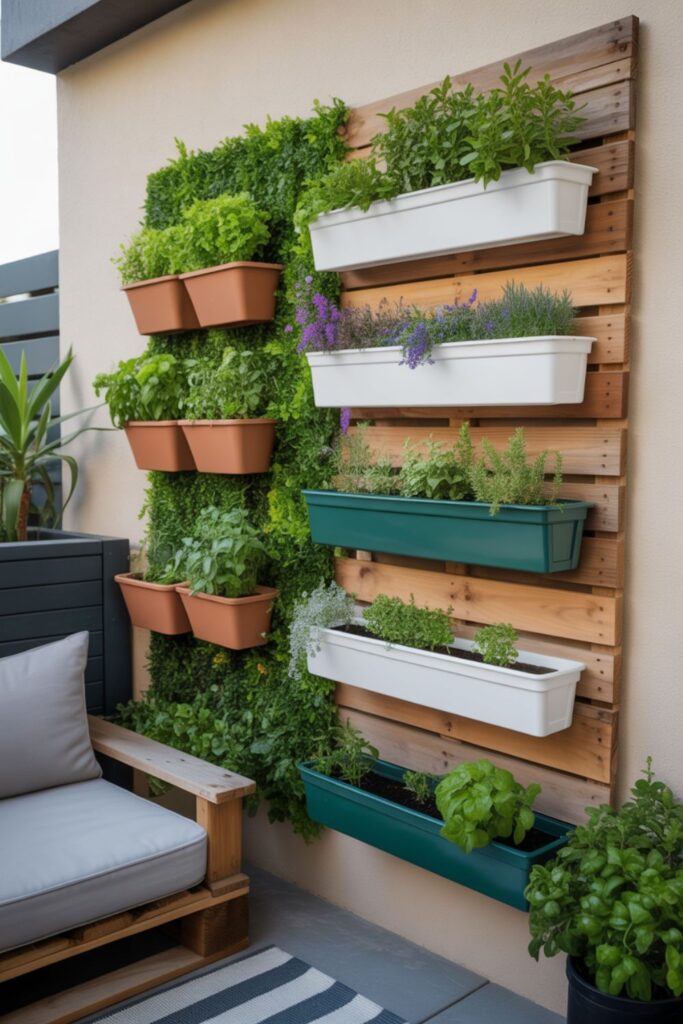
Vertical gardening multiplies your growing area without claiming precious ground space. Wall-mounted planters, trellises, and living walls transform bare fences into productive surfaces that grow vegetables, herbs, and flowers. Studies from Colorado State University show vertical systems can increase yields by 300% in the same footprint as traditional beds.
Install sturdy trellises for climbing plants like tomatoes, cucumbers, and beans that naturally grow upward. Attach pocket planters to sunny walls for herbs and strawberries, creating accessible space-saving garden zones at eye level. Repurpose old pallets as vertical planters by adding landscape fabric and soil this DIY solution costs under $30 and supports dozens of plants. Consider freestanding ladder shelves that lean against walls, offering multiple levels for container gardening without permanent installation.
Which Plants Thrive in Compact Garden Designs
Plant selection determines success in genius small backyard garden projects more than any other factor. Choose compact cultivars specifically bred for containers and tight quarters these varieties deliver full-size harvests without sprawling. Dwarf fruit trees, determinate tomatoes, and bush-type vegetables fit perfectly in raised beds and large pots.
Prioritize multi-season performers that look attractive beyond their bloom period. Ornamental edibles like rainbow chard, purple basil, and trailing nasturtiums provide food and beauty simultaneously. Select plants with vertical growth habits rather than spreading forms columnar evergreens, climbing roses, and pole beans grow up instead of out. Avoid space hogs like mint, bamboo, and aggressive groundcovers unless contained in separate pots. Mix textures and heights within each zone to create visual depth that makes your compact garden design feel larger and more dynamic.
Read More About: Cute Fall Plant Pot Ideas Creative Container Displays for Autumn Charm
How Can You Maximize Growing Space With Container Gardening
Container gardening offers unmatched flexibility for small backyard gardens since you can rearrange pots seasonally and relocate them for optimal sun exposure. Quality containers with proper drainage support virtually any plant when filled with premium potting mix and fed regularly. Urban gardeners successfully grow everything from blueberry bushes to full salad gardens in strategically placed pots.
Group containers in odd-numbered clusters for visual appeal while maintaining access for watering. Use large containers (15+ gallons) for substantial plants like dwarf fruit trees and tomatoes bigger pots retain moisture better and support healthier root systems. Elevate some containers on plant stands or upturned pots to create tiered displays that add dimension. Self-watering containers reduce maintenance dramatically, especially during hot summers when small pots dry quickly. This space-saving garden approach lets renters and frequent movers take their gardens with them while permanent residents gain year-round flexibility.
What Are the Best Raised Bed Configurations for Tiny Yards
Raised beds concentrate premium soil exactly where plants need it while creating organized growing zones in your small garden. Standard 4×8 foot beds waste space in compact yards instead, build narrow beds (2-3 feet wide) that allow access from both sides without stepping on soil. These skinnier configurations fit along fences and property lines while maintaining productivity.
Corner L-shaped raised beds utilize awkward angles that traditional rectangular beds leave empty. Vertical corners support climbing structures while horizontal sections grow low crops like lettuce and radishes. Tiered raised beds with 12-18 inch height differences create amphitheater effects that showcase plants beautifully. Fill beds with equal parts compost, peat moss, and vermiculite for lightweight soil that drains well yet retains moisture. Cedar and composite materials outlast pine by decades and won’t leach chemicals into edibles.
How Do You Create Functional Garden Zones in Small Spaces
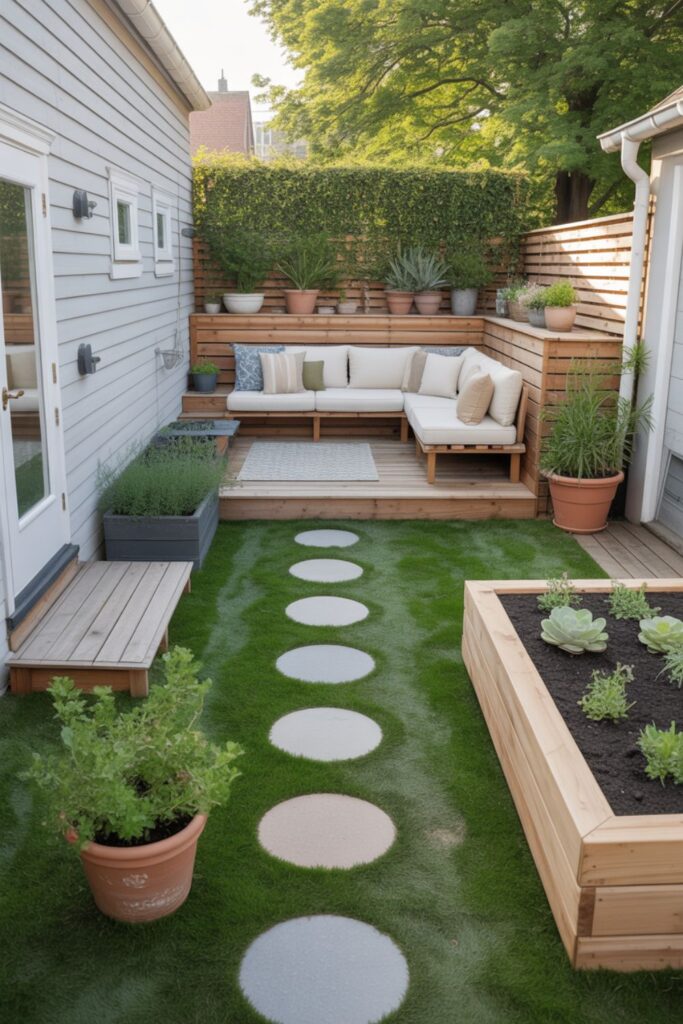
Dividing your genius small backyard garden into distinct garden zones prevents chaos and maximizes every function you need. Professional designers recommend the “room” approach treating outdoor space like interior rooms with specific purposes. Even 300-square-foot yards accommodate dining, growing, and relaxation zones when planned thoughtfully.
Define zones with subtle elevation changes, different paving materials, or low hedges that guide the eye without blocking views. Position your dining area on level ground closest to the house for convenient access. Tuck productive growing zones along sunny perimeters where they won’t compete with furniture. Create a small relaxation spot in a shaded corner with comfortable seating and fragrant plants like lavender and jasmine. Use pathways strategically to connect zones while creating the illusion of a journey through your tiny backyard landscaping curved paths make spaces feel longer than straight lines.
Which Garden Structures Add Height Without Overwhelming Small Yards
Vertical structures provide essential growing space while drawing eyes upward to make yards feel taller and more spacious. Arbors and pergolas create overhead interest that balances horizontal plantings, especially when covered with flowering vines. These features work double-duty by providing shade and defining zone transitions in your compact garden design.
Install narrow obelisks and tuteurs (decorative plant supports) throughout beds to support climbing plants without consuming floor space. Wall-mounted trellis panels in geometric patterns add architectural interest year-round, even when plants die back. Choose structures proportional to your yard; an 8-foot arbor fits better in tiny spaces than a massive 12-foot version. Paint vertical elements in colors that complement your home’s exterior, creating cohesive outdoor living spaces. Freestanding structures offer flexibility since you can relocate them seasonally, while permanent installations should anchor key focal points in your garden layout.
What Lighting Techniques Make Small Gardens Feel Larger at Night
Strategic lighting extends usability into evening hours while creating depth that expands perceived boundaries. Uplighting tall plants and structures creates dramatic shadows that add vertical dimension to your small backyard garden. Studies in landscape architecture show properly lit compact spaces feel 40-60% larger than their actual measurements.
Install string lights overhead to define dining zones and create an intimate atmosphere without harsh spotlights. Place small solar path lights along walkways for safety while subtly highlighting your garden planning choices. Use LED spotlights to illuminate focal points like specimen plants, water features, or garden art that draws attention to specific areas rather than flooding everything uniformly. Avoid overlighting which flattened spaces aim for pools of light separated by shadows that create mystery. Choose warm color temperatures (2700-3000K) that complement plants better than cool whites. Battery-operated puck lights tucked into planters add surprising touches that showcase textured foliage after dark.
How Can Mirrors and Reflective Surfaces Expand Visual Space
Mirrors strategically placed in genius small backyard garden designs create convincing illusions of double the actual area. Garden designers use weather-resistant acrylic mirrors along fences to reflect plantings and sky, confusing the eye about where boundaries actually exist. Position mirrors to reflect the most attractive garden views rather than random elements.
Install mirrors behind or beside water features to amplify sparkle and movement. Frame large mirrors like garden windows to enhance the trompe-l’oeil effect this makes them appear as openings to adjacent spaces. Avoid placing mirrors where they’ll reflect blank walls or unattractive views from neighboring properties. Reflective gazing balls scattered among plantings catch light and multiply visual interest throughout your compact garden design. Polished metal containers and metallic plant tags add subtle reflections that brighten shaded areas. Clean reflective surfaces monthly to maintain their space-expanding magic.
What Are the Most Effective Space-Saving Storage Solutions
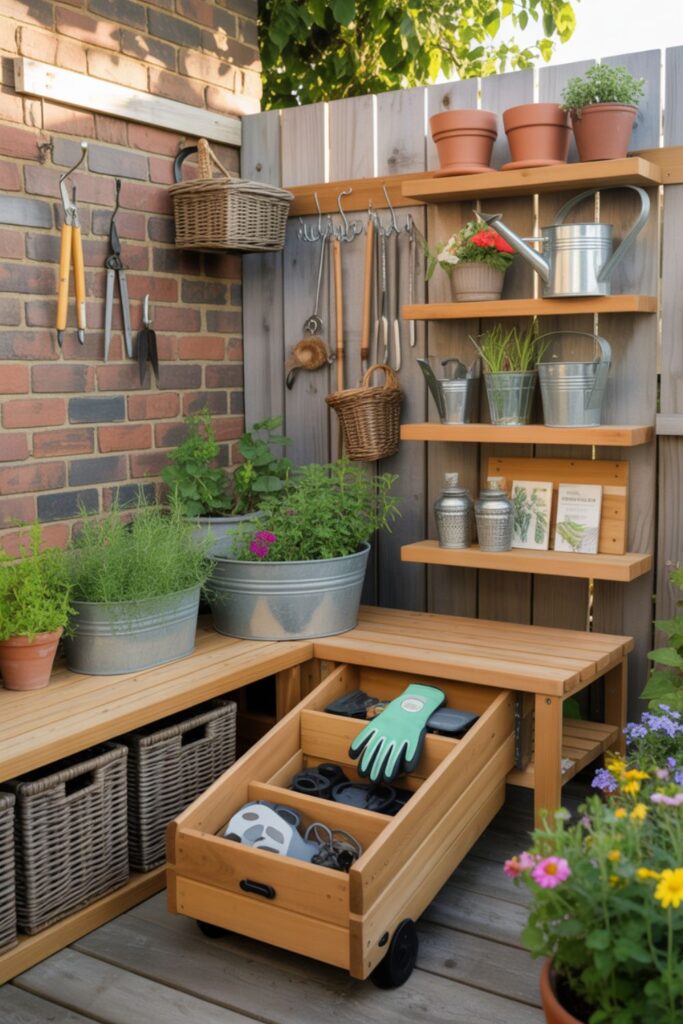
Clever storage prevents tools and supplies from cluttering your precious small garden area. Vertical storage maximizes wall space that would otherwise remain empty, installing pegboards inside shed doors or along fence sections to hang frequently used items. Narrow storage benches with hinged seats provide hidden compartments while doubling as seating for your outdoor living zones.
Mount fold-down potting benches to exterior walls that collapse flat when not in use, reclaiming walking space immediately. Hang tool racks at varying heights to accommodate different implement sizes without wasting vertical inches. Store seasonal items like holiday decorations in weatherproof deck boxes that also serve as side tables or extra seating. Repurpose vintage lockers, armoires, or filing cabinets as unique storage that adds character while organizing chaos. Position storage thoughtfully near task areas keeps potting supplies by your work zone and dining accessories adjacent to your eating area for maximum efficiency in your tiny backyard landscaping.
How Do You Choose Hardscaping Materials for Small Garden Paths
Hardscaping in small backyard gardens requires materials that complement rather than overwhelm living elements. Narrow paths (18-24 inches wide) using pavers, gravel, or stepping stones guide movement without consuming excessive space. Light-colored materials reflect light and make areas feel more open compared to dark alternatives that visually shrink spaces.
Permeable pavers allow rainwater infiltration while creating stable walkways through your garden zones. Gravel paths cost less than solid paving and establish quickly, though they require occasional top-dressing to maintain appearance. Stepping stones set in low groundcover like thyme or sedum blend hard with softscape beautifully. Avoid busy patterns that distract from planting simple designs in neutral tones that provide clean backdrops for colorful flowers and foliage. Curved paths create the illusion of longer distances than straight runs, making your compact garden design feel more extensive. Edge paths with low borders like bricks or steel to prevent material migration while adding definition.
Which Multi-Functional Furniture Fits Best in Compact Gardens
Furniture in genius small backyard garden spaces must earn its place through multiple functions. Folding tables and stackable chairs store flat when not entertaining, freeing space for daily activities. Built-in bench seating along fences incorporates hidden storage underneath while maximizing seating without freestanding furniture that blocks movement.
Choose pieces with dual purposes like storage ottomans that provide seating and hide cushions when weather threatens. Narrow console tables behind seating areas hold drinks and decorations without jutting into walkways. Vertical plant stands incorporate shelving for garden accessories while displaying potted plants at varying heights. Select furniture scaled appropriately bistro sets designed for balconies fit tiny backyard landscaping better than full-size dining sets. Weather-resistant materials like teak, powder-coated aluminum, and all-weather wicker survive outdoor conditions without constant maintenance. Position furniture to create conversation areas that feel intimate rather than cramped, leaving clear circulation paths throughout your outdoor living space.
What Water Features Work in Small Garden Designs
Water features add soothing sounds and movement that elevate small backyard gardens from ordinary to extraordinary. Compact fountains measuring 12-24 inches fit on tabletops or tucked into planting beds without dominating limited space. Wall-mounted water features save floor space entirely while creating vertical focal points along fences or exterior walls.
Self-contained bubbler fountains circulate water without complex plumbing, making installation simple for DIY gardeners. Position water features where you’ll hear them from indoor spaces, extending enjoyment beyond time spent physically in your garden layout. Small wildlife ponds (even 3×4 feet) attract beneficial insects, frogs, and birds while supporting aquatic plants that diversify your plant selection. Avoid oversized koi ponds that consume space better used for multiple purposes; tiny ponds deliver similar benefits in compact footprints. Solar-powered pumps eliminate electrical requirements for truly flexible placement. Clean features monthly during the growing season to prevent algae buildup and maintain clear, attractive water.
How Can You Incorporate Edibles Into Ornamental Small Gardens
Combining edibles with ornamentals creates beautiful space-saving gardens that feed your family while pleasing your eyes. Vegetables like rainbow chard, purple kale, and burgundy lettuce rival traditional flowers in visual appeal. Fruit trees trained as espaliers against fences produce substantial harvests while occupying mere inches of depth.
Intersperse herbs throughout flower beds their varied textures and fragrances enhance ornamental plantings while providing kitchen essentials. Blueberries, with their spring flowers, summer fruit, and fall color, earn spots in even the most decorative compact garden designs. Use strawberries as edible groundcovers along path edges or in containers mixed with trailing flowers. Pepper plants with colorful fruits (purple, yellow, orange) create stunning focal points that surpass many purely ornamental options. This integrated approach, called “foodscaping,” transforms your genius small backyard garden into a productive paradise that never sacrifices aesthetics for function.
What Are Common Mistakes to Avoid in Small Garden Planning
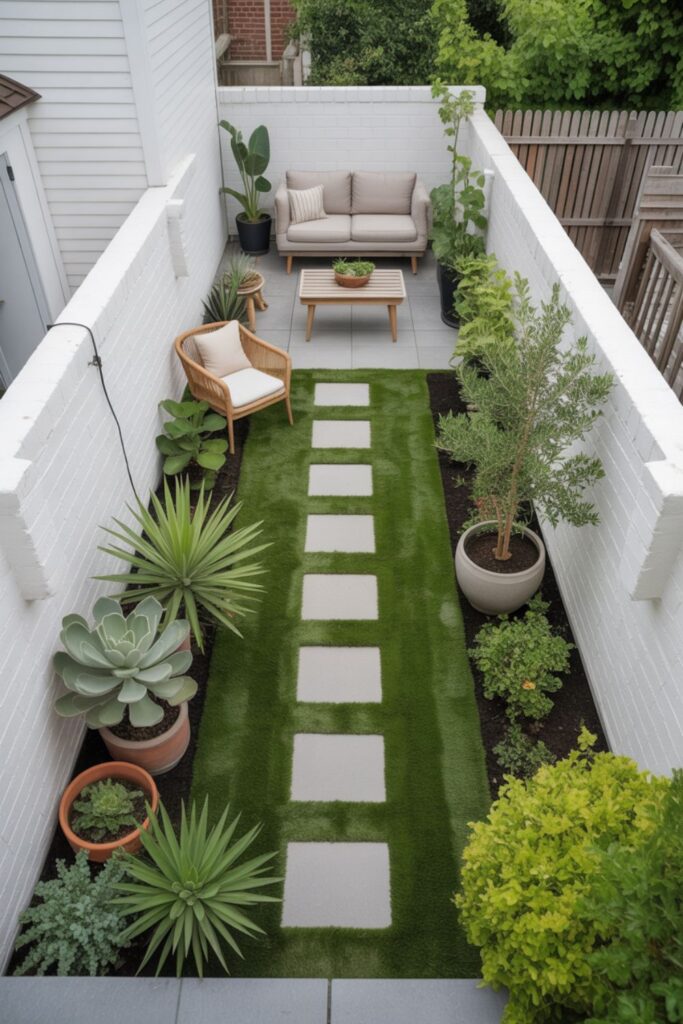
Overcrowding represents the most frequent error in small backyard garden design leaving inadequate space between plants creates maintenance nightmares and disease problems. Resist the temptation to cram every interesting plant into limited space. Strategic editing creates far more impact than overwhelming chaos, even when you’re excited about maximizing your tiny backyard landscaping.
Ignoring mature plant sizes leads to perpetual pruning and eventual removal when specimens outgrow spaces. Research ultimate dimensions before purchasing that cute shrub might reach 8 feet wide in five years. Neglecting pathways for maintenance access forces you to step through beds, compacting soil and damaging plants. Using only small plants to match small spaces paradoxically makes yards feel more cramped and include some larger specimens for scale contrast. Forgetting vertical opportunities wastes valuable growing areas. Choosing high-maintenance plants when time is limited guarantees disappointment and prioritizes tough, reliable performers in your compact garden design.
How Do You Maintain Year-Round Interest in Compact Spaces
Four-season appeal in small backyard gardens requires intentional plant selection that considers bloom times, foliage interest, and structural elements. Layer spring bulbs, summer perennials, fall asters, and evergreen shrubs to ensure something always catches attention. Each plant should offer at least two seasons of interest to justify its space.
Incorporate ornamental grasses that provide movement and texture from spring through winter, especially when backlit by low sun. Select shrubs with attractive bark, berries, or architecture that shines after leaves drop. Plant spring-blooming bulbs beneath deciduous trees where they’ll flower before shade develops. Use containers for seasonal color rotations swap tulips for petunias, then mums, then evergreen boughs as months progress. This keeps your garden layout fresh without permanent plantings. Add hardscaping features like evergreen topiaries, garden art, and attractive containers that look intentional year-round, not just during peak bloom seasons in your small garden.
Which Color Schemes Make Small Gardens Appear More Spacious
Color psychology dramatically affects perceived space in compact garden designs. Cool colors like blues, purples, and silvers recede visually, making boundaries feel farther away than warm reds, oranges, and yellows that advance toward viewers. Monochromatic schemes using varied shades of single colors create cohesive, calming spaces that feel larger than chaotic rainbow plantings.
Concentrate warm colors near seating areas for intimacy while placing cool-toned plants along perimeters to push boundaries outward visually. White and pastel flowers brighten shaded areas that might otherwise feel claustrophobic in your small backyard garden. Variegated foliage adds interest without overwhelming senses limit to 20-30% of total plants to prevent restlessness. Dark foliage like purple smoke bush creates dramatic backdrops that make lighter flowers pop while adding depth. Avoid planting every color available in your tiny backyard landscaping stick to three main colors plus white for sophisticated cohesion. Repeat signature colors throughout your garden zones to create visual flow that unifies disparate areas.
Read More About: Fabulous Fall Centerpiece Stunning Table Décor Ideas
How Can You Create Privacy in Small Open Yards
Privacy transforms small backyard gardens into personal sanctuaries where you’ll actually spend time relaxing. Living privacy screens using narrow evergreens like Sky Pencil holly or columnar arborvitae block sightlines without consuming much lateral space. These vertical solutions reach 10+ feet tall while measuring under 2 feet wide, perfect for space-saving garden boundaries.
Install lattice panels along fence tops to add height and support flowering vines like clematis or jasmine. Tall ornamental grasses like Miscanthus ‘Gracillimus’ planted in rows create airy screens that move with breezes. For immediate privacy, position large containers with bamboo or tall tropicals where needed, moving them seasonally. Outdoor curtains hung from arbors or posts provide flexible privacy that pulls back when hosting gatherings. Layer privacy plantings at varied heights low shrubs, medium perennials, tall grasses to block views from multiple angles. Remember that privacy creates intimacy, making your genius small backyard garden feel like a retreat regardless of actual square footage.
What Budget-Friendly Strategies Transform Small Gardens
Creating stunning small garden spaces doesn’t require enormous budgets when you prioritize smart investments. Start small with essential infrastructure like quality soil and one beautiful focal point, then expand gradually as budget allows. Propagate plants from cuttings and divisions rather than purchasing everything many perennials multiply readily when you ask gardening friends for starts.
Repurpose household items as planters, colanders, drawers, buckets, and crates gain new life with drainage holes and paint. Source materials from architectural salvage yards, estate sales, and online marketplaces where unique finds cost fractions of retail prices. DIY hardscaping using recycled materials like broken concrete (urbanite) or reclaimed bricks delivers character impossible to buy new. Focus spending on hardscaping and permanent structures that provide lasting frameworks for your compact garden design, using inexpensive annuals for seasonal color. Join plant swaps and gardening groups to exchange materials, plants, and ideas. Many municipalities offer free mulch and compost to residents. Shop end-of-season sales when nurseries discount perennials by 50-75% these establish beautifully when planted in fall for your tiny backyard landscaping.
Frequently Asked Questions
How do I start a small backyard garden with no experience?
Begin by assessing your space’s sunlight and drainage, then start with easy-care plants like herbs, lettuce, and compact flowers. Focus on container gardening initially to learn plant needs without committing to permanent beds, and expand your genius small backyard garden gradually as confidence grows.
What’s the minimum size needed for a functional backyard garden?
Functional gardens thrive in spaces as small as 25-50 square feet using vertical gardening and raised beds. Even balconies and patios support productive small garden ideas when you maximize space with containers, wall planters, and trellises strategically.
How much does it cost to landscape a small backyard garden?
Basic tiny backyard landscaping costs $500-$2,000 for DIY projects, while professional compact garden design services range from $2,000-$8,000 depending on materials and features. Starting with essentials and expanding over time spreads costs manageably.
Which vegetables grow best in small garden spaces?
Compact varieties like determinate tomatoes, bush beans, lettuce, herbs, peppers, and radishes excel in space-saving gardens. Vertical crops including cucumbers, peas, and pole beans maximize small backyard garden productivity without spreading horizontally.
How do I maintain a small garden with limited time?
Choose low-maintenance perennials, install drip irrigation or self-watering containers, and mulch heavily to suppress weeds. Smart garden planning with native plants adapted to your climate reduces maintenance dramatically in compact garden designs.
Can small gardens increase property value?
Well-designed small backyard gardens can boost property values by 5-15% while improving curb appeal and livability. Professional garden layouts with quality hardscaping and mature plantings provide the strongest returns on investment.
Conclusion
Your genius small backyard garden becomes reality when you embrace constraints as creative opportunities rather than limitations. Strategic planning that incorporates vertical gardening, multi-functional zones, and carefully selected plants transforms cramped spaces into productive sanctuaries. The techniques outlined here from raised beds and container gardening to clever storage and lighting work together to maximize space while delivering beauty and function. Every square foot earns its purpose through thoughtful design that prioritizes your needs.
Small spaces actually offer advantages that sprawling properties can’t match, including lower maintenance, tighter budgets, and faster transformation timelines. Start implementing these small garden ideas today by choosing one or two strategies that address your biggest challenges. Whether you need privacy screening, edible production, or simply a beautiful retreat, your compact garden design can accomplish it all. The perfect outdoor living space doesn’t require acreage it requires vision, creativity, and the willingness to think vertically. Your dream garden awaits in that tiny backyard you’ve been underestimating.