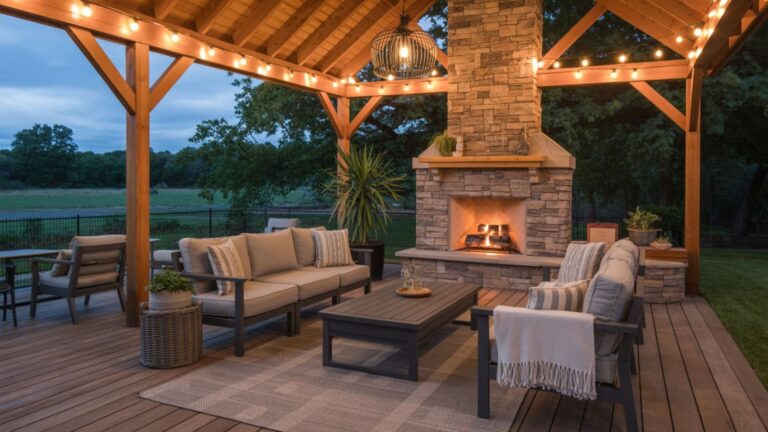
50+ Small Garden Ideas for splendid Outdoor Spaces

You stare at your cramped backyard or narrow balcony and wonder if there’s any point in trying to create a garden. The space feels too small, too awkward, too limiting. Every garden ideas you see online seems designed for sprawling estates with endless square footage. Meanwhile, your outdoor area barely fits a chair, let alone the lush paradise you’ve been dreaming about.
Here’s the truth: small garden ideas don’t require you to compromise on beauty, functionality, or ambition. Compact spaces actually force creativity that larger gardens never demand. With smart vertical gardening techniques, clever container gardening strategies, and thoughtful space-saving plants, you can transform even the tiniest patio, balcony, or courtyard into a thriving green retreat. This guide delivers 50+ actionable small garden ideas that work for real spaces no mansion required.
Why Small Gardens Pack More Impact Than You Think
small garden ideas force intentionality. Every plant, pot, and pathway matters when you’re working with limited square footage. This constraint actually benefits homeowners because it eliminates the overwhelming decisions that plague large-scale garden design.
Research from the Royal Horticultural Society shows that compact garden layouts often achieve higher satisfaction rates among owners compared to sprawling yards. The reason? Maintenance stays manageable, costs remain controlled, and the space feels curated rather than chaotic. Your tiny garden design becomes a focused project instead of an endless battle against weeds and overgrowth.
Urban dwellers especially benefit from small garden ideas that adapt to balconies, rooftops, and narrow side yards. Cities like London, New York, and Tokyo have pioneered urban gardening movements that prove square footage matters less than smart design. A 4×6 foot balcony can support 20+ edible plants through vertical gardening and tiered raised beds. The key lies in thinking upward, not outward.
How to Maximize Space with Vertical Gardening Techniques
Vertical gardening solves the fundamental problem of small garden ideas: limited ground space. Instead of spreading plants horizontally, you stack them using walls, trellises, and hanging structures.
Start with wall-mounted planters that attach directly to fences or exterior walls. These systems create living walls without consuming valuable floor space. Brands like Florafelt and Woolly Pocket offer modular designs that support everything from herbs to flowering vines. Install them at eye level for easy access and instant visual impact in your tiny garden design.
Trellises transform vertical surfaces into productive growing zones. Climbing plants like clematis, jasmine, and passion fruit vines can cover 8–12 feet of vertical space while occupying just 12 inches of ground width. Attach trellises to existing structures or use freestanding A-frame designs that double as garden dividers. This approach works brilliantly for balcony gardens where every inch of floor space counts. Combine multiple space-saving plants on a single trellis to create layered textures and extended bloom seasons throughout the year.
What Container Gardening Brings to Tiny Outdoor Spaces
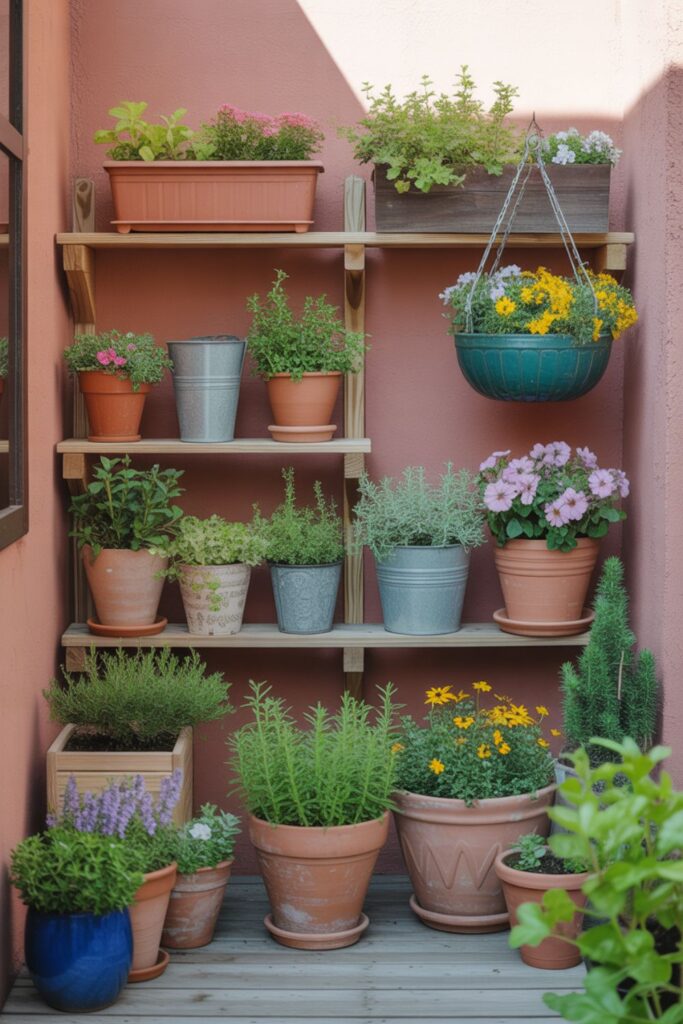
Container gardening gives you complete control over your small garden ideas because pots move, stack, and adapt to changing needs. Unlike in-ground beds, containers let you experiment with plant combinations without permanent commitment.
Choose containers in varying heights to create visual depth. Tall planters (24+ inches) work perfectly for outdoor living areas because they define boundaries without solid walls. Mix ceramic, metal, and fabric pots to add textural variety. Self-watering containers reduce maintenance time crucial for busy homeowners managing compact garden layouts.
Group containers in odd numbers (3, 5, 7) for more natural arrangements. Place taller pots at the back or center, then surround them with medium and low-growing plants. This tiered approach mimics traditional garden bed layering but uses portable containers instead. Urban gardening experts recommend keeping most containers on wheeled platforms so you can chase sunlight across your patio gardens or balcony as seasons change. Include at least one statement container, an oversized pot with architectural presence to anchor your design and give the space a finished, intentional feel.
Which Space-Saving Plants Work Best in Compact Gardens?
Space-saving plants deliver maximum visual impact with minimal footprint. Compact varieties bred specifically for small gardens produce full-sized harvests or blooms without sprawling growth habits.
Dwarf fruit trees like patio peaches, columnar apples, and compact citrus varieties thrive in containers while producing genuine harvests. These trees reach just 4–6 feet tall compared to standard 15–20 foot specimens. Pair them with climbing plants at their base to maximize every container’s potential. Berry bushes also come in compact forms looking for varieties labeled “patio” or “bush” types that skip the aggressive spreading runners.
For flowers, choose repeat bloomers that flower continuously rather than once-and-done varieties. Compact roses, calibrachoa, and dwarf dahlias keep color going from spring through frost. Ornamental grasses in clumping forms (not running types) add movement and height without aggressive spreading. Herbs rank among the best space-saving plants because they’re productive, attractive, and perfectly suited to container gardening. Basil, thyme, oregano, and mint thrive in small pots while providing kitchen ingredients. Stack herb containers on tiered plant stands to create edible walls that serve both culinary and aesthetic purposes in your tiny garden design.
Read More About: 27+ Inspiring Terrace Garden Ideas for Your Rooftop Oasis
How Do You Design Small Gardens That Feel Spacious?
Visual tricks make small gardens feel larger than their actual measurements. Strategic design choices create perceived depth and openness even in cramped quarters.
Use diagonal lines instead of parallel layouts. Position pathways, planting beds, or garden furniture at 45-degree angles to the longest walls. This simple shift makes the eye travel farther, creating an illusion of expanded space. Mirrors mounted on fences or walls literally double your visible garden area just position them to reflect attractive plantings rather than boring walls.
Light colors recede while dark colors advance. Paint fences in pale greens, soft grays, or creamy whites to push boundaries visually backward. Keep outdoor living furniture in light woods or whites rather than heavy dark tones. Limit your color palette to 3–4 coordinating shades across both plants and hardscape. This cohesion prevents the visual chaos that makes compact garden layouts feel cluttered. Create a focal point at the farthest visible point, a striking container, water feature, or sculpture that draws the eye through the entire space rather than stopping at nearby elements.
What Are the Best Small Garden Ideas for Balconies?
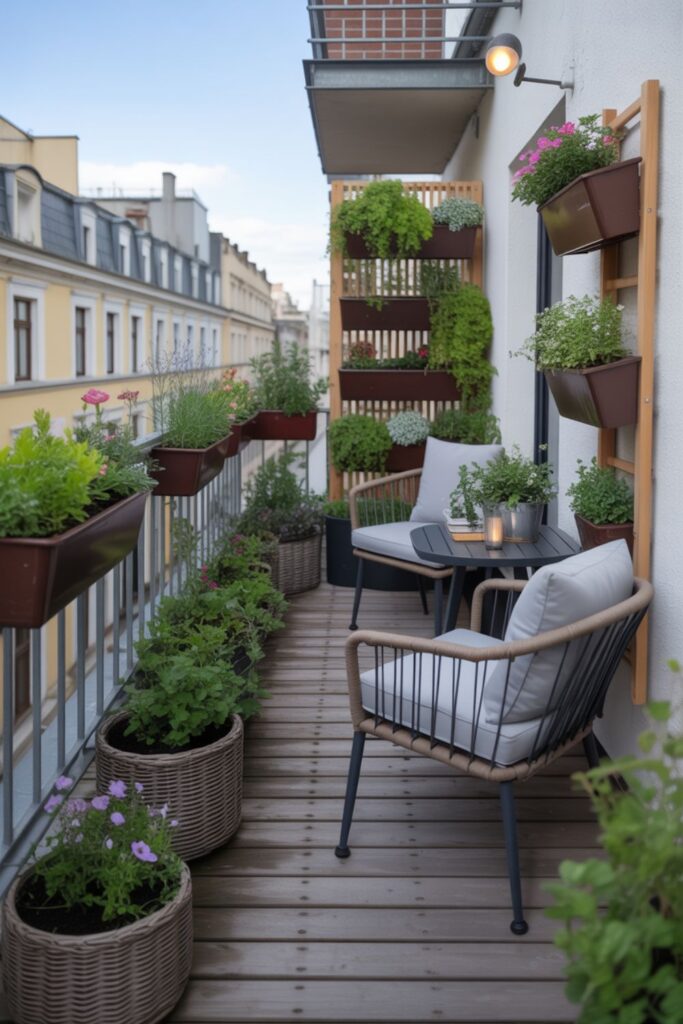
Balcony gardens face unique challenges: weight restrictions, wind exposure, and typically no ground soil access. Smart solutions turn these limitations into design opportunities.
Weight matters critically for balcony installations. Check your building’s load capacity before adding heavy containers filled with wet soil. Lightweight materials like fiberglass planters and soilless growing media (coco coir, perlite blends) reduce load while supporting healthy plants. Rail planters hook directly over balcony edges without consuming precious floor space perfect for herbs, trailing flowers, and compact vegetables.
Wind protection becomes essential above ground level. Install clear acrylic windbreaks or grow dense climbing plants on one side to create natural barriers. Choose sturdy plants over delicate varieties ornamental grasses, succulents, and Mediterranean herbs that tolerate wind better than broad-leafed tropicals. Secure all containers and structures with bungee cords or brackets to prevent tipping during storms. Layer your balcony gardens vertically using hanging baskets at rail height, medium containers on the floor, and wall-mounted planters at standing height to maximize space without overcrowding. This creates usable floor area for a chair or small table while maintaining abundant greenery.
How Can Raised Beds Improve Tiny Garden Productivity?
Raised beds solve poor soil problems while defining clean boundaries in small gardens. These elevated structures bring growing zones up to comfortable working height and improve drainage simultaneously.
Build compact raised beds between 2–3 feet wide so you can reach the center from either side without stepping inside. This width works perfectly for tiny garden design because it maintains productivity while keeping pathways minimal. Use rot-resistant materials like cedar, composite lumber, or galvanized steel rather than treated wood that may leach chemicals. Height between 12–18 inches provides adequate root depth for most vegetables and flowers.
Fill raised beds with quality growing mix (not garden soil) that drains freely and contains abundant organic matter. This controlled environment lets you garden design optimal conditions regardless of existing ground soil. Intensive planting works brilliantly in raised structures space plants closer together than traditional recommendations because the rich soil supports denser growth. Install simple hoops over beds to support netting for climbing plants like peas and beans, or add shade cloth during heat waves. Corner raised beds fit brilliantly in small yards, using otherwise wasted spaces while creating interesting angles that make your compact garden layouts feel more dynamic and less boxy.
What Role Does Garden Furniture Play in Small Spaces?
Garden furniture serves double duty in small gardens providing function while defining space boundaries. Choose pieces carefully because wrong-sized furniture overwhelms tiny areas instantly.
Scale matters tremendously. Bistro sets (small round tables with two chairs) fit where full dining sets cannot. Look for folding or stackable options that tuck away when you need open space. Built-in benches with storage underneath maximize utility; they provide seating while hiding tools, cushions, or potting supplies inside. Multi-functional pieces like ottoman-planters or side tables that double as plant stands keep your patio gardens flexible.
Material choice affects mood and maintenance. Metal furniture reads lighter visually than chunky wood pieces, even when actual weights compare similarly. Glass-topped tables create see-through surfaces that don’t block sightlines. Avoid bulky cushions in small spaces; they shrink usable seating areas and require storage. Instead, choose furniture comfortable enough without cushions, or use thin seat pads that fold flat. Position garden furniture at angles rather than pushed against walls to create multiple zones even in compact areas, giving your outdoor living space a sophisticated layered feel rather than a cramped afterthought.
How Do You Choose Color Schemes for Compact Gardens?
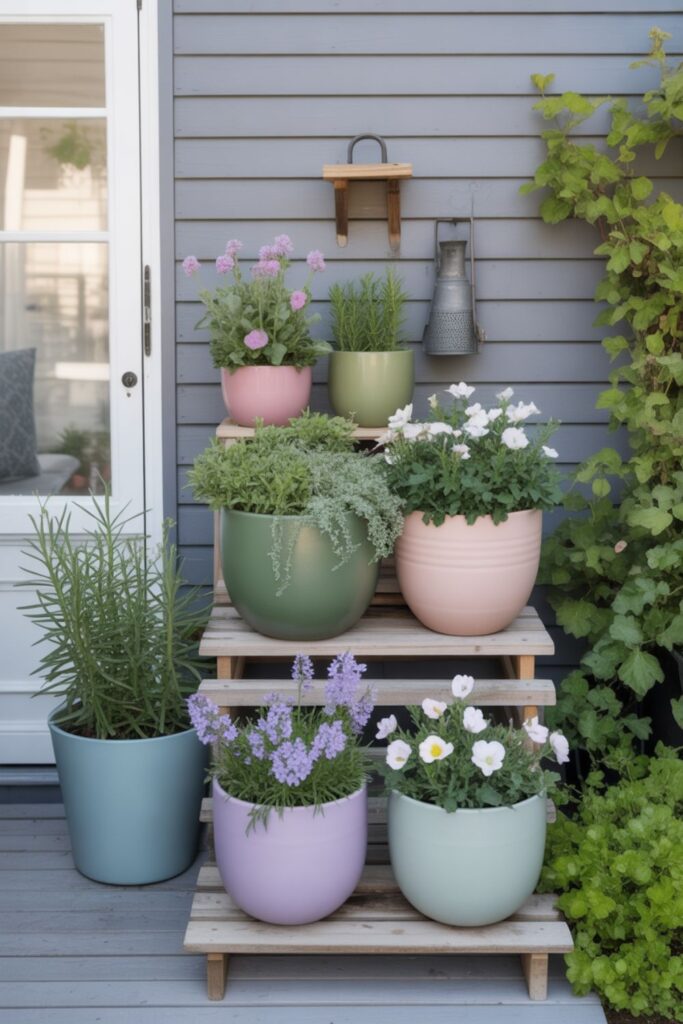
Color strategy dramatically affects how small gardens feel. Coordinated palettes create cohesion while random colors produce chaos in tight quarters.
Monochromatic schemes (variations of one color) stretch space visually. An all-white garden using different textures, variegated hostas, white hydrangeas, and silver artemisia feels serene and spacious. Cool colors (blues, purples, silvers) recede visually, making boundaries feel farther away. Use these tones predominantly in tiny garden design while adding warm accent colors (reds, oranges, yellows) sparingly as focal points.
Limit your palette to three coordinating colors maximum across both plants and containers. This discipline prevents the “plant collection” look where every species fights for attention. Choose one dominant color (60% of plantings), one secondary color (30%), and one accent color (10%). Repeat these colors throughout the space rather than clustering them in single areas. Paint fences, furniture, and containers in neutral tones that support rather than compete with plant colors. Dark backgrounds make bright flowers pop forward dramatically. Consider painting one fence in deep charcoal to create instant depth in your compact garden layouts while making foreground plantings appear more vibrant.
What Are the Best Small Garden Ideas for Edible Gardens?
Edible small garden ideas produce genuine harvests without sprawling vegetable patches. Strategic plant selection and intensive methods yield surprising quantities from minimal space.
Prioritize high-value crops that cost significantly more at stores than they require in garden space. Fresh herbs, salad greens, cherry tomatoes, and specialty peppers deliver maximum return on investment. Skip space-hungry crops like pumpkins, watermelons, and sprawling squash unless you train them vertically. Compact bush varieties of traditionally vining plants (bush beans, determinate tomatoes, patio cucumbers) work perfectly for container gardening.
Succession planting keeps harvests continuous. Sow lettuce, radishes, and greens every two weeks rather than planting everything simultaneously. This staggers maturity and prevents feast-or-famine cycles. Interplant fast-growing crops (radishes, spinach) between slower vegetables (tomatoes, peppers) to maximize space efficiency. The quick crops harvest before larger plants need full room. Raised beds intensively planted with proper spacing can produce 2–3 times the yield of traditional row gardens in the same square footage. Add edible flowers like nasturtiums and calendula between vegetables for pest protection and visual appeal that makes your urban gardening efforts beautiful and productive simultaneously.
How Do You Create Privacy in Small Outdoor Spaces?
Privacy transforms small gardens from overlooked afterthoughts into intimate retreats. Strategic screening blocks sightlines without consuming excessive space.
Climbing plants on trellises create living privacy screens faster than waiting for hedge growth. Fast-growing vines like clematis, climbing hydrangea, or annual morning glories cover 6–8 feet of trellis in a single season. Position freestanding trellis panels perpendicular to seating areas rather than just against boundary fences this creates semi-enclosed garden rooms within your tiny garden design. Bamboo screens (clumping varieties, not running types) provide instant height and movement while occupying minimal ground width.
Tall containers arranged in groups form temporary walls that move when needs change. Plant ornamental grasses, dwarf evergreens, or columnar shrubs in large pots, then position them to block specific sightlines to neighbors or streets. This flexibility beats permanent installations for renters or those experimenting with patio gardens layouts. Install outdoor curtains on wire cables for adjustable privacy; they add softness, color, and wind protection while opening completely when privacy isn’t needed. Choose weather-resistant fabrics designed for outdoor use to avoid constant washing and fading that plagues indoor curtains used outside.
What Lighting Options Work Best for Tiny Gardens?
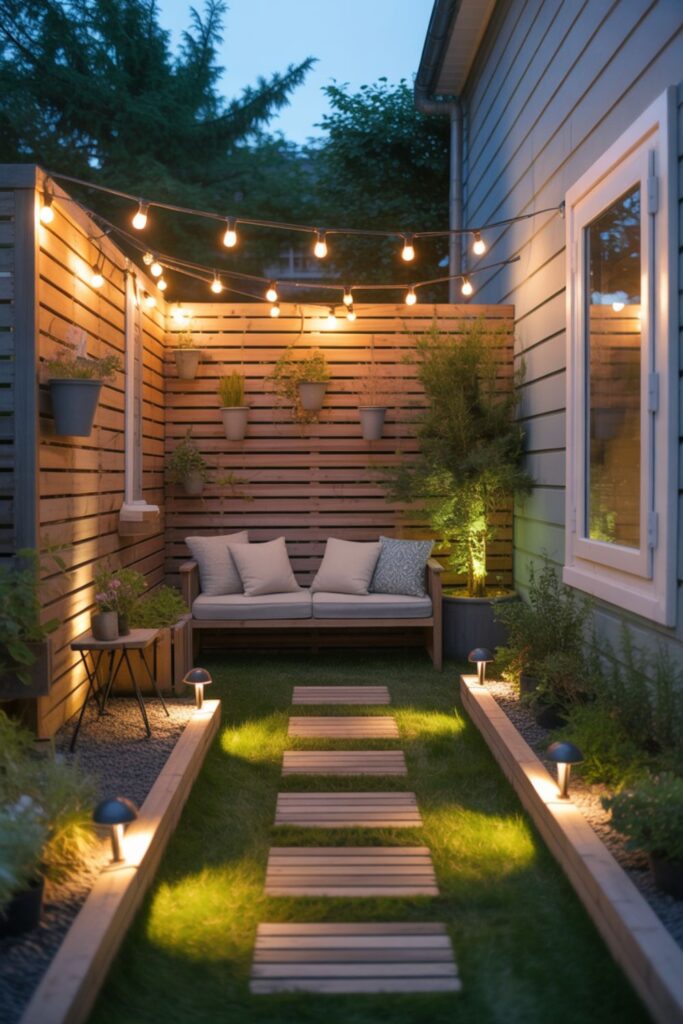
Lighting extends usability of small gardens while adding dramatic nighttime beauty. Thoughtful illumination makes compact spaces feel larger and more sophisticated after dark.
Layer lighting types instead of relying on a single overhead fixture. Path lights along walkways improve safety while defining circulation zones. Uplighting positioned at plant bases casts dramatic shadows upward, creating height and depth. String lights overhead add festive ambiance perfect for outdoor living and entertaining. Solar options eliminate wiring complications ideal for renters or budget-conscious homeowners.
Warm white LEDs (2700–3000K) create inviting glows better than harsh cool whites. Avoid overlighting small gardens need fewer fixtures than you’d guess because light bounces off nearby walls and surfaces. Position lights to highlight specific features (a specimen plant, water feature, or textured wall) rather than flooding everything equally. Motion sensors on security lights provide functionality without wasting energy illuminating empty balcony gardens all night. Consider smart bulbs that adjust color temperature and brightness through phone apps, letting you customize lighting moods for different occasions from bright task lighting for plant care to dim ambient glows for evening relaxation in your transformed compact space.
How Can Water Features Fit into Small Garden Designs?
Water features add sensory richness to small gardens through sound, movement, and reflection. Compact options exist for even the tightest spaces.
Tabletop fountains work brilliantly for balcony gardens and tiny patios. These self-contained units require just an electrical outlet and occupy less than one square foot. The trickling water masks urban noise pollution while creating focal points. Wall-mounted fountains save even more space they attach to fences or exterior walls, using vertical surfaces instead of precious floor area. Choose designs with integrated reservoirs that recirculate water to avoid plumbing complications.
Half-barrel ponds bring aquatic gardening to compact garden layouts. A 25-gallon container supports dwarf water lilies, floating plants, and even small goldfish in warmer months. Position your water feature where you’ll see and hear it from seating areas to maximize enjoyment. Solar-powered pumps eliminate wiring needs for truly flexible placement. Keep water features proportional a massive tiered fountain overwhelms tiny garden design, while appropriately scaled pieces enhance intimacy. Surround your water feature with moisture-loving plants like ferns, hostas, and astilbe to create lush microenvironments that make your small garden feel like a hidden sanctuary rather than a cramped afterthought.
What Are the Best Small Garden Ideas for Year-Round Interest?
Year-round appeal requires planning beyond summer’s peak bloom period. Multi-season small garden ideas maintain beauty through all four seasons.
Evergreens provide structure when perennials die back. Compact varieties like dwarf conifers, boxwood spheres, and variegated euonymus hold visual interest through winter. Choose plants with interesting bark, berries, or seed heads that remain attractive after flowers fade. Ornamental grasses like Karl Foerster feather reed grass or ‘Morning Light’ miscanthus provide winter texture while requiring minimal space.
Layer bloom times strategically. Start with early bulbs (crocuses, miniature daffodils) planted in containers that tuck among perennials. Follow with spring bloomers, then summer flowers, then fall asters and sedums. This succession ensures something always looks good in your tiny garden design. Include plants with colorful foliage (heucheras, coleus, Japanese maples) that contribute visual interest beyond brief flowering periods. Hardscape elements attractive pots, sculptures, or architectural plants like yuccas anchor compact garden layouts regardless of season. Consider winter-interest plants specifically: hellebores blooming in snow, winterberry hollies with bright red fruits, and witch hazels flowering on bare branches prove that small gardens needn’t hibernate half the year with proper plant selection.
Read More About: Best Terrace Landscape Ideas for Stunning Multi-Level Spaces
How Do You Maintain Small Gardens Efficiently?
Efficient maintenance keeps small gardens looking great without consuming weekends. Smart choices at the design phase prevent future headaches.
Choose low-maintenance plants suited to your conditions. Native species and regionally adapted plants require less watering, fertilizing, and pest control than exotic specimens. Perennials return annually without replanting efforts annuals demand. Mulch all exposed soil (2–3 inches deep) to suppress weeds, retain moisture, and regulate soil temperature this single step eliminates hours of maintenance in raised beds and containers.
Install drip irrigation or soaker hoses on timers for hands-free watering. This precision approach delivers water directly to roots rather than wastefully spraying leaves and hardscapes. Container gardening benefits enormously from automated systems because pots dry out faster than ground beds. Group plants by water needs drought-tolerant succulents together, thirsty vegetables together so irrigation zones serve each efficiently. Deadhead flowering plants weekly by pinching off spent blooms during evening walks through your space rather than scheduling dedicated maintenance sessions. This ongoing approach prevents overwhelming work buildup. Keep essential tools (pruners, trowel, gloves) stored in your outdoor living area so quick tasks happen spontaneously rather than requiring trips to distant sheds that make small jobs feel like major projects.
What Storage Solutions Work for Small Garden Tools?
Storage challenges multiply in small gardens where tool sheds rarely fit. Creative solutions keep essentials accessible without visual clutter.
Vertical storage maximizes wall space. Mount pegboards or slat walls on fences to hang tools at eye level. Magnetic strips hold small metal tools like pruners and trowels. Over-the-door organizers designed for shoes work perfectly for storing seed packets, gloves, and hand tools when hung on patio gardens privacy screens.
Multi-functional furniture hides supplies elegantly. Storage benches provide seating while concealing potting soil, fertilizers, and watering cans inside. Deck boxes double as side tables or plant stands while storing cushions and tools below. Choose weather-resistant materials that handle outdoor conditions without deteriorating. For balcony gardens, slim vertical cabinets (12 inches deep) tuck against walls without consuming walkway space. Hanging tool organizers (like those designed for showers) attach to outdoor walls and hold surprising quantities of supplies in very little space. Keep frequently used items most accessible and seasonal supplies tucked deeper in storage to maximize space efficiency in your tiny garden design organization system.
How Can You Create Zones in Compact Gardens?
Distinct zones make small gardens feel larger by creating multiple experiences within limited space. Division suggests complexity and thoughtful garden design rather than single-use afterthoughts.
Define zones through material changes rather than walls. Transition from deck boards to gravel to pavers signals different areas without solid dividers that shrink spaces. Slight level changes a single step up to a seating platform create psychological separation between zones. Use different garden furniture styles for each zone: a bistro set for dining, a lounger for reading, a work table for potting.
Partial dividers work better than complete walls. A trellis with climbing plants suggests separation while maintaining views through open areas. Large containers arranged in L-shapes define corners without blocking light or air circulation. Overhead elements like pergolas or fabric canopies establish zones from above without consuming ground space. In balcony gardens, position taller planters or screens to create a visual barrier between a “dining” end and a “relaxation” end despite the small footprint. Even a 4×8 foot patio garden can contain three micro-zones: a planted corner, a seating area, and a pathway connecting them when you thoughtfully deploy space-saving plants and strategic furniture placement that makes every square foot serve a specific purpose.
What Common Mistakes Should You Avoid in Small Gardens?
Common errors make small gardens feel smaller and more chaotic. Avoiding these pitfalls improves results dramatically.
Overcrowding ranks as the most frequent mistake. Cramming too many plants, too much furniture, or too many decorative elements creates visual noise. Leave negative space areas of plain lawn, gravel, or decking that let featured elements shine. Edit ruthlessly and remove anything not earning its space. Remember that emptiness itself can be a design feature in compact garden layouts.
Wrong-scale plants destroy proportions instantly. A 15-foot spruce looks adorable as a nursery specimen but overwhelms a 10×10 yard within years. Research mature sizes before purchasing anything. Choose dwarf and compact varieties bred specifically for tiny garden design constraints. Avoid aggressive spreaders like running bamboo, mint (in ground), or certain ornamental grasses that colonize entire small spaces. Mixing too many styles trying to combine formal, cottage, tropical, and Zen aesthetics simultaneously produces confusion rather than cohesion. Pick a direction and commit. Finally, neglecting vertical space wastes your greatest asset in small gardens. If you’re not looking up and seeing planted walls, trellises, or hanging baskets, you’re leaving opportunities unused that could double or triple your growing area.
FAQs
What is the easiest small garden idea for beginners?
Container gardening with herbs and compact flowers offers the easiest entry point for beginners. Start with 3-5 pots in varying sizes, fill them with a quality potting mix, and choose forgiving plants like basil, cherry tomatoes, and petunias. This approach requires no ground preparation, allows you to learn plant needs individually, and produces both visual appeal and edible harvests with minimal investment or skill.
How do you make a small garden look expensive?
Cohesive design creates expensive looks in small gardens through limited color palettes (2-3 coordinating shades), matching or complementary containers, and one high-quality focal point like a statement planter or water feature. Add path lighting, maintain crisp edges, and keep everything impeccably maintained; weeds, dead blooms, and clutter destroy expensive appearances instantly regardless of actual investment.
Can small gardens increase property value?
Well-designed small gardens increase property value by 5-12% according to real estate studies, particularly in urban markets where outdoor space carries premium value. Professionally designed patio gardens, functional outdoor living areas, and low-maintenance landscapes appeal strongly to buyers who want immediate usability without overwhelming projects, making compact gardens smart financial investments beyond their recreational benefits.
What grows best in small shady gardens?
Shade-tolerant plants like hostas, ferns, astilbes, and hellebores thrive in shady small gardens while providing lush foliage and seasonal flowers. Coral bells (heucheras) offer colorful leaves that brighten dark corners, while bleeding hearts and Solomon’s seal add vertical interest. Shade actually simplifies maintenance by reducing watering needs and weed pressure compared to sunny sites.
How often should you water container gardens?
Container gardening typically requires daily watering during summer heat because pots dry faster than ground soil. Check moisture by inserting your finger 2 inches deep in water when soil feels dry at that depth. Self-watering containers or drip irrigation systems reduce frequency to every 2-3 days by providing consistent moisture reserves that plants access as needed.
What is the best layout for a small vegetable garden?
Intensive raised beds (3-4 feet wide) with rich soil and tight plant spacing create the most productive small vegetable garden layouts. Use square-foot gardening principles, dividing beds into 12-inch grids and planting specific quantities per square based on plant size. Include vertical gardening structures for vining crops, succession plant quick-maturing vegetables, and prioritize high-value crops like tomatoes, peppers, and herbs that deliver maximum harvests from minimal space.
Conclusion
Small garden ideas prove that limitations spark creativity rather than prevent beauty. Your compact outdoor space holds potential that rivals sprawling estates when you apply strategic vertical gardening, thoughtful container gardening, and clever space-saving plants. The techniques throughout this guide work precisely because they acknowledge real-world constraints that homeowners face limited budgets, tight dimensions, and precious little free time for maintenance.
Transform your tiny garden design by starting with one high-impact change: install a trellis for climbing plants, add three coordinating containers filled with year-round interest plants, or create a simple focal point that draws eyes through your entire space. Each improvement builds momentum toward the cohesive outdoor living area you’ve envisioned. Remember that small gardens develop through seasons and years rather than overnight installations, so embrace gradual refinement that lets you learn what thrives in your specific conditions while keeping projects manageable and budgets reasonable.