27+ Small Home Garden Design Inspiration

You look at your tiny yard or cramped balcony and feel defeated before you even start. Every gardening magazine showcases sprawling landscapes with room for multiple garden beds, pathways, and water features. Meanwhile, you’re working with maybe 100 square feet if you’re lucky. The dream of a lush, productive garden feels impossible when you can barely fit a patio chair outside.
Here’s what makes this situation even more frustrating: small home garden design actually requires more skill and planning than large spaces. You can’t hide mistakes behind sheer square footage. Every plant choice, every container placement, every design decision gets magnified in compact areas. Make the wrong choices, and your small space feels even more cramped and chaotic. Most homeowners give up entirely, leaving their modest outdoor areas barren or filled with random plants that never quite come together.
But here’s the truth that changes everything: small gardens offer unique advantages impossible in sprawling yards. Maintenance stays manageable. Costs remain controlled. You can afford higher-quality plants and materials when you need fewer of them. Expert designers actually prefer working with small spaces because constraints force creativity, resulting in innovative solutions that make every square inch count. With the right techniques, your compact garden can outshine those sprawling landscapes in both beauty and functionality.
What Makes Small Home Garden Design Different?
Small home garden design operates under fundamentally different principles than large-scale landscaping. Success in compact spaces requires maximizing vertical potential, creating illusions of depth, and selecting plants that deliver impact without overwhelming limited square footage.
Scale becomes your primary consideration. Plants, hardscaping, and decorative elements that work beautifully in spacious yards completely overwhelm small gardens. A six-foot ornamental grass that provides graceful movement in a large border consumes an entire small bed, leaving no room for companion plants. Understanding proportional relationships between garden elements and available space separates successful compact gardens from cluttered disasters.
Small home gardens demand ruthless editing. You can’t include everything you love. Choices must be strategic. This limitation actually improves design quality by forcing you to select only plants and features that truly matter. Every element earns its place through beauty, functionality, or both. This disciplined approach creates cohesive designs far superior to the “everything but the kitchen sink” approach that plagues many large gardens.
Multi-functionality proves essential in compact spaces. A fence doesn’t just mark boundaries it supports vertical plantings. A retaining wall doesn’t merely hold soil; its cap provides seating. A water feature doesn’t only add sound it creates a focal point drawing eyes away from spatial limitations. When planning small garden designs, constantly ask how each element can serve multiple purposes simultaneously.
Understanding Your Microclimate
Small spaces often create unique microclimates affecting plant selection and placement. Urban courtyard gardens may be sheltered from wind but suffer from heat reflection off surrounding buildings and pavement. Balcony gardens face intense sun exposure without ground-level moisture retention. Narrow side yards frequently remain shaded most of the day.
Observe your small home garden area through full days and across seasons before selecting plants. Track sun exposure hourly that “sunny” spot might only receive direct light for two hours daily, requiring shade-tolerant plants despite southern exposure. Note wind patterns, water drainage, and temperature variations. Small spaces can be several degrees warmer or cooler than surrounding areas due to reflected heat, wind tunnels, or shade patterns.
Soil quality demands extra attention in small gardens because you’re working with a limited growing medium. Test soil pH and nutrient levels through local extension services. Amend soil comprehensively before planting rather than trying to correct problems later. In truly small spaces or contaminated urban soils, consider raised beds or containers filled with quality growing medium, giving you complete control over plant environments.
How Do You Maximize Vertical Space in Small Gardens?
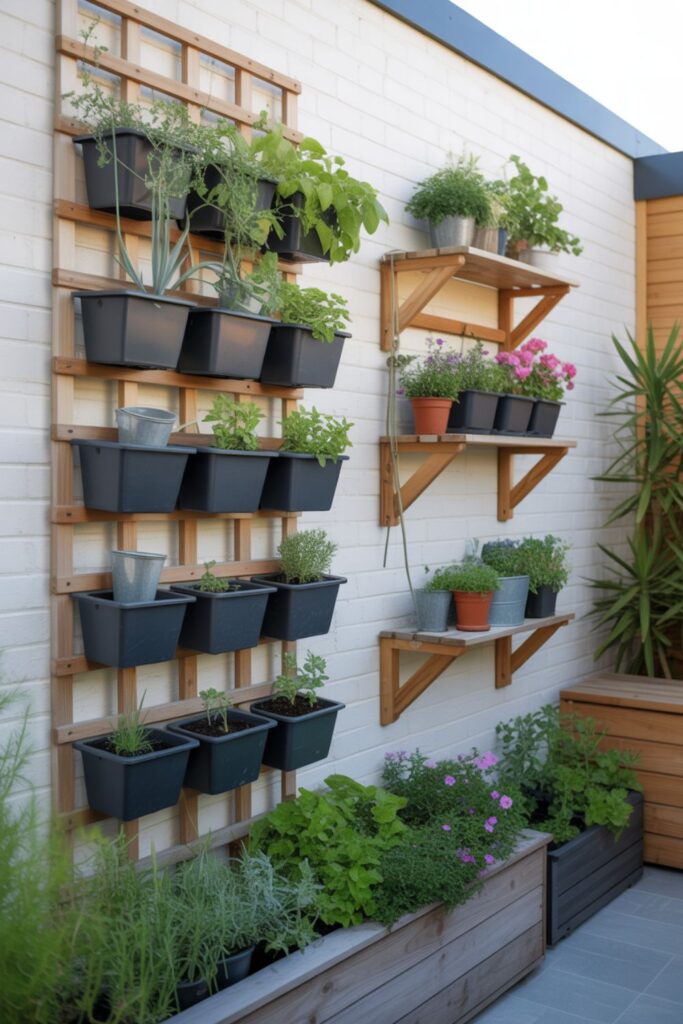
Vertical gardening revolutionizes small home garden design by utilizing three-dimensional space instead of just ground area. When horizontal space disappears, walls, fences, and structures offer untapped planting potential.
Living walls transform blank vertical surfaces into lush plantings. Purpose-built systems with integrated irrigation create stunning displays but cost $150-300 per square foot installed. Budget-friendly alternatives include mounting individual containers on walls using brackets or creating pocket planters from repurposed materials. Plant herbs, succulents, or small flowering annuals in these vertical arrangements. Ensure proper drainage so water doesn’t damage wall surfaces use waterproof backing materials and drainage layers directing moisture away from structures.
Trellises and arbors support climbing plants while adding architectural interest. Install them against walls or fences in small gardens where freestanding structures would consume too much space. Clematis, climbing roses, jasmine, and honeysuckle grow vertically, providing abundant flowers and foliage without spreading horizontally. Annual vines like morning glories, sweet peas, or scarlet runner beans fill vertical spaces quickly, perfect for renters or those wanting fast results.
Espalier techniques train fruit trees and ornamental plants flat against walls or fences, creating productive or decorative plantings in spaces only six inches deep. Apple, pear, and citrus trees all espaliered successfully. This centuries-old technique requires patience, training branches into desired patterns takes 3-5 years but results in incredibly space-efficient plantings producing full-sized fruit in areas otherwise unusable for trees.
Vertical vegetable gardens use towers, cages, or stacking planters growing food upward rather than outward. Tomatoes, cucumbers, pole beans, and peas naturally climb, making them perfect for vertical growing. Strawberry towers stack multiple planting pockets vertically, producing substantial harvests from footprints under two square feet.
Layering Plants for Maximum Impact
Vertical layering creates depth perception in small home gardens while maximizing planting density. Position tall plants at back edges (walls, fences), medium-height plants in middle zones, and low growers at front edges. This arrangement ensures all plants receive visibility and appropriate light while preventing large specimens from shading smaller ones.
Shrub layering provides year-round structure in compact spaces. Select narrow, upright varieties rather than wide-spreading types. Columnar evergreens like ‘Sky Pencil’ holly or ‘Degroot’s Spire’ arborvitae grow 8-10 feet tall but only 2 feet wide, providing height without consuming horizontal space. Plant these as backdrop elements, layering smaller shrubs and perennials in front.
Succession planting extends seasonal interest by planning for changing displays. Spring bulbs emerge first, followed by summer perennials, then fall asters and grasses. As each layer finishes, the next takes prominence, ensuring your small garden never looks empty or past its peak.
Read More About: Best Exterior Design Ideas to Boost Curb Appeal and Value
What Are the Best Plants for Small Home Gardens?
Plant selection makes or breaks small home garden design. Choosing specimens that stay proportional to available space while delivering visual impact, seasonal interest, and manageability proves crucial for long-term success.
Dwarf varieties of popular plants bring beloved species into small spaces. Dwarf lilacs reach 4-5 feet versus 12-15 feet for standard varieties. Miniature roses grow 12-18 inches tall, perfect for container gardens or border fronts. Compact hydrangeas like ‘Little Lime’ or ‘Bobo’ panicled hydrangeas deliver full-sized blooms on 3-4 foot plants. The American Horticultural Society and Missouri Botanical Garden maintain databases of compact plant varieties perfect for small garden design.
Multi-season interest plants work harder for their space, providing extended value. Japanese maples offer spring foliage color, summer shade, brilliant fall color, and attractive winter branch structure. Oakleaf hydrangeas bloom in summer, display fall foliage color, and feature exfoliating bark for winter interest. Selecting plants performing across multiple seasons means fewer specimens deliver year-round beauty.
Evergreens maintain structure and color through winter when deciduous plants are bare. In small gardens, evergreens prevent that empty, dead appearance during cold months. Boxwood, dwarf conifers, holly, and evergreen ferns maintain presence throughout the year. Balance evergreens (typically 60-70% of plantings) with deciduous varieties (30-40%) providing seasonal change.
Pollinator-friendly plants attract beneficial insects while adding color and movement. Compact varieties of coneflowers, black-eyed Susans, salvias, and lavender thrive in small spaces while supporting bees, butterflies, and hummingbirds. Native plant selections adapted to your region require less water and maintenance while providing superior wildlife value.
Container Garden Superstars
Container plants excel in the smallest home gardens where in-ground space doesn’t exist. Virtually anything grows in containers with proper care from vegetables to small trees.
Herbs prove ideal for container growing in small gardens, providing culinary value in minimal space. Basil, rosemary, thyme, oregano, and parsley thrive in 8-12 inch pots. Position herb containers near kitchen doors for convenient harvesting. Most herbs prefer excellent drainage and full sun, making them perfect for sunny patios or balconies.
Dwarf fruit trees in containers produce surprising yields. Figs, citrus, apples, and cherries on dwarf rootstock grow successfully in 15-20 gallon containers. These trees require annual root pruning and repotting every 3-5 years but provide fresh fruit from spaces as small as balconies or tiny patios.
Ornamental grasses add movement and texture to container plantings. Compact varieties like ‘Little Bunny’ fountain grass or blue fescue reach 12-18 inches, perfect for small-scale designs. Grasses tolerate container conditions well, requiring minimal maintenance beyond annual cutback.
Thriller, filler, spiller combinations create professional-looking container plantings. Use one tall focal plant (thriller), surrounding mid-height plants (fillers), and trailing plants cascading over edges (spillers). This formula works universally, whether creating vegetable containers, flower displays, or mixed plantings.
How Do You Create Depth in Small Garden Spaces?
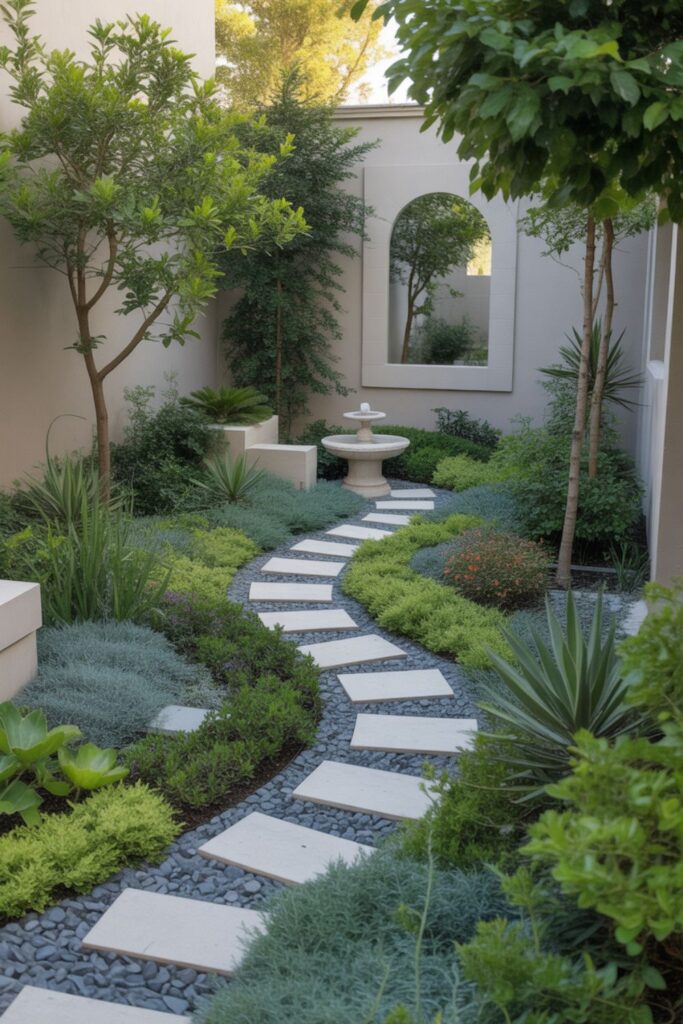
Creating depth perception makes small home gardens feel substantially larger than their actual dimensions. Strategic design techniques manipulate how eyes move through spaces, tricking perception and reducing that cramped, boxed-in feeling.
Curved pathways create interest while making spaces feel larger than straight lines. Even gentle curves force eyes to follow paths around corners, suggesting hidden areas beyond immediate view. In truly tiny gardens, simply curving bed edges away from straight property lines adds depth. Use materials like gravel, stepping stones, or mulch defining these curves without consuming much space.
Diagonal lines extend perceived depth more than parallel lines following property boundaries. Angle beds, patios, or pathways at 45-degree angles to fences or walls. This orientation forces eyes to travel longer distances corner-to-corner versus side-to-side, making rectangular small gardens appear larger.
Focal points draw attention to specific areas, creating destinations that imply journey. A small fountain, distinctive plant specimen, sculpture, or seating area positioned at a garden’s far end pulls eyes through the space. Position focal points strategically slightly off-center placements feel more natural and interesting than centered arrangements.
Layered plantings with varying heights create depth through dimension. Avoid flat, single-height plantings that emphasize limited space. Instead, vary heights dramatically tall shrubs or small trees at back, medium perennials mid-ground, low groundcovers front. This three-dimensional arrangement suggests expansive depth.
Color and Light Manipulation
Cool colors (blues, purples, soft pinks) recede visually, making planted areas appear farther away. Position cool-colored flowers at the garden’s far end to increase perceived depth. Warm colors (reds, oranges, bright yellows) advance visually, appearing closer than actual distance. Place warm-toned plants near viewpoints and cool colors beyond for maximum depth illusion.
Light-colored elements appear more distant than dark ones. Paint fences white or light colors rather than dark browns or grays. Use light-colored gravel or paving. Select plants with silver, chartreuse, or variegated foliage for distant placements. These lighter elements push perceived boundaries outward.
Strategic lighting extends small garden usability after dark while creating dramatic depth. Uplighting trees or tall plantings emphasizes height. Path lights create visual trails drawing eyes through spaces. Backlighting (positioning lights behind plants) creates silhouettes and mystery, suggesting depth beyond visible areas. Low-voltage LED systems install easily, offering flexibility to adjust as plantings mature.
What Hardscaping Works Best in Small Gardens?
Hardscaping provides structure and functionality in small home garden design while solving practical challenges like seating, pathways, and level changes. Selecting appropriately scaled materials and layouts prevents hardscaping from overwhelming limited space.
Paving materials impact spatial perception significantly. Large pavers make small gardens feel larger by reducing visual clutter; fewer grout lines and units create cleaner appearances. Conversely, tiny mosaic patterns can feel busy and shrink spaces. Choose 12-24 inch pavers or flagstone pieces for optimal scale. Rectangular pavers laid lengthwise along sight lines emphasize depth.
Permeable paving solves drainage issues common in small spaces while adding visual interest. Pavers with wide joints filled with moss, thyme, or fine gravel allow water infiltration while creating attractive surfaces. These installations work beautifully in small garden patios or pathways where traditional solid paving creates runoff problems.
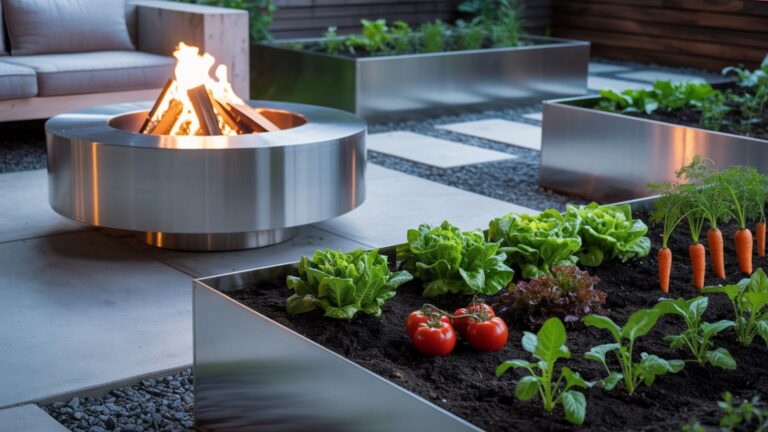
Raised beds maximize growing space while adding dimension. Beds raised 12-24 inches create additional planting area through depth while providing ergonomic working height. Use materials matching home exteriors brick for traditional homes, metal for contemporary designs, natural stone for rustic styles. Built-in seating along raised bed edges adds functionality without consuming additional space.
Water features seem counterintuitive in small gardens but actually enhance spatial perception through sound and movement. Wall-mounted fountains occupy minimal space while providing soothing water sounds masking urban noise. Small bubbling urns or disappearing fountains create focal points in areas under two square feet. Moving water attracts birds, adding life and interest to compact spaces.
Multi-Functional Structures
Pergolas add vertical interest and define spaces without solid barriers that shrink small gardens. Even modest 8×8 foot pergolas create outdoor room feelings while supporting climbing plants. Paint or stain pergolas lighter colors maintaining openness, or allow vines to cover them creating living ceilings.
Storage solutions integrated into designs hide necessary items without cluttering. Built-in benches with storage compartments conceal gardening supplies and cushions. Sheds designed as attractive garden features store tools while contributing to overall design. Vertical storage wall-mounted tool racks, hanging pot systems utilizes overlooked vertical space.
Seating deserves priority even in the tiniest home gardens. A single chair creates destination points encouraging you to actually enjoy spaces you’ve created. Built-in seating along walls or bed edges provides permanent solutions without consuming floor space like freestanding furniture. Fold-down wall-mounted seats offer seating when needed, disappearing when not in use.
How Do You Design Container Gardens for Small Spaces?
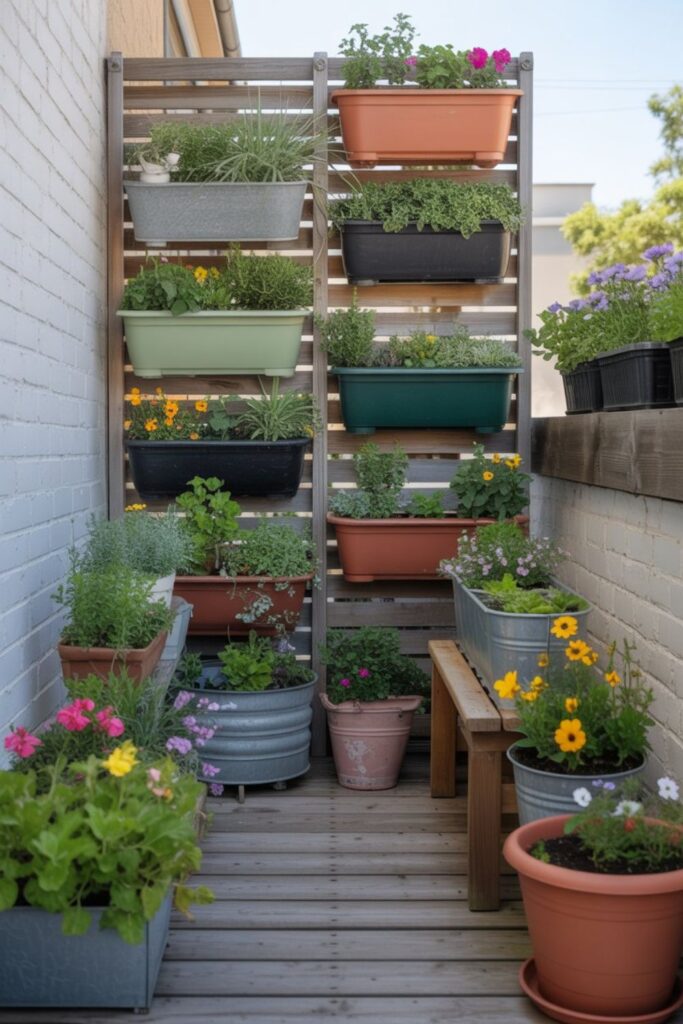
Container gardening offers the ultimate flexibility for small home garden design, providing portable plantings easily rearranged, updated, or seasonally changed. Mastering container design principles ensures beautiful displays rather than random potted plant collections.
Container selection dramatically impacts aesthetics and plant health. Match pot sizes to plant needs herbs thrive in 8-12 inch pots, tomatoes require 18-24 inch containers, dwarf trees need 15-20 gallon sizes. Undersized containers stress plants through limited root space and moisture, while oversized pots waste space and soil. Use lightweight containers on balconies or rooftop gardens where weight restrictions apply; fiberglass and resin containers mimic heavy materials at a fraction of the weight.
Drainage determines success or failure with containers. Every pot needs drainage holes preventing waterlogged roots that cause 90% of container plant deaths. Elevate containers slightly on pot feet or small blocks ensuring water freely drains rather than sitting in saucers. If using decorative cache pots without drainage, place plants in slightly smaller pots with drainage nested inside decorative containers.
Potting mix quality matters enormously in containers where plants live in limited soil volumes. Never use garden soil in containers; its heavy texture compacts, strangling roots and creating drainage problems. Use lightweight potting mixes containing peat moss or coir, perlite, and compost. Premium mixes cost $15-25 per cubic foot versus $3-5 for cheap products, but plants thrive in quality media, making the investment worthwhile.
Grouping containers creates more impact than scattering individual pots. Cluster pots in odd numbers (3, 5, 7) at varying heights for professional-looking arrangements. Use plant stands, upturned pots, or purpose-built tiered systems creating elevation changes. This grouping approach transforms container collections into cohesive small garden vignettes rather than scattered potted plants.
Seasonal Container Rotation
Rotating seasonal displays keeps small container gardens fresh year-round. Spring bulbs in containers provide early color, then swap for summer annuals, followed by fall mums and ornamental kale, finishing with evergreen and berry-filled winter arrangements. This rotation requires four sets of plantings annually but ensures your small garden never looks empty or past-season.
Succession planting in vegetable containers extends harvests. Plant lettuce and cool-season crops in early spring, followed by tomatoes and peppers for summer, then return to cool-season crops for fall. Continuous planting maximizes production from limited container space, providing fresh produce for months.
Overwintering containers in cold climates requires protection or storage. Hardy perennials and dwarf evergreens survive outdoors in containers if properly protected. Insulate pots with bubble wrap or move them against sheltered walls. Alternatively, empty containers after season, cleaning and storing them in garages or sheds. This maintenance extends container life substantially compared to leaving them exposed to freeze-thaw cycles.
What Are Common Small Garden Design Mistakes?
Avoiding typical errors saves money, frustration, and ensures your small home garden achieves its full potential. Learning from others’ mistakes proves far less painful than discovering problems after investing time and money.
Overcrowding represents the most common small garden error. Planting at mature spacing looks sparse initially, tempting homeowners to add extra plants. Resist this urge. Plants grow, and that cute 18-inch specimen reaches 4 feet within two seasons, overwhelming neighbors. Follow spacing recommendations religiously, using annuals filling gaps temporarily while permanent plantings mature.
Wrong plant choices doom small gardens before they begin. Planting standard-sized shrubs that mature at 8-10 feet in spaces suited for 3-4 foot specimens creates constant pruning battles. Research mature sizes before purchasing plants. Seek dwarf, compact, or miniature varieties specifically bred for small-scale gardens.
Neglecting maintenance access creates problems when plantings mature. Dense designs initially become impenetrable tangles after several years of growth without access for pruning, weeding, or harvesting. Include narrow paths or stepping stones throughout beds allowing you to reach all areas without trampling plants.
Ignoring microclimates leads to struggling plants and frustration. That sunny balcony might receive eight hours of intense reflected heat off surrounding buildings far more stressful than eight hours of gentle garden sun. That narrow side yard stays shaded except for two hours daily despite southern exposure. Match plants to actual conditions rather than assumed ones based on compass orientation alone.
Design Proportion Errors
Oversized hardscaping consumes precious space in small gardens. That “modest” patio occupying half your tiny yard leaves minimal planting area. Balance hardscaping and planted areas, typically targeting 40% paved/60% planted in very small spaces. Use permeable surfaces allowing plantings within paving groundcovers between pavers, moss-filled joints softening hard surfaces.
Too many focal points create visual chaos in compact spaces. Large gardens accommodate multiple destinations and features, but small gardens need one primary focal point maximum. That gorgeous fountain competes with your prized Japanese maple, both fighting for attention with your colorful seating area. Choose one dominant feature allowing everything else to support it rather than compete.
Clashing styles occur when adding elements over time without cohesive vision. Modern metal containers sit beside rustic wooden trellises next to Mediterranean-inspired fountains. This eclectic approach can work in large, compartmentalized gardens but feels chaotic in small spaces where everything remains visible simultaneously. Establish a clear style direction, modern, cottage, formal, tropical and stay consistent with all additions.
How Can You Create Year-Round Interest in Small Gardens?
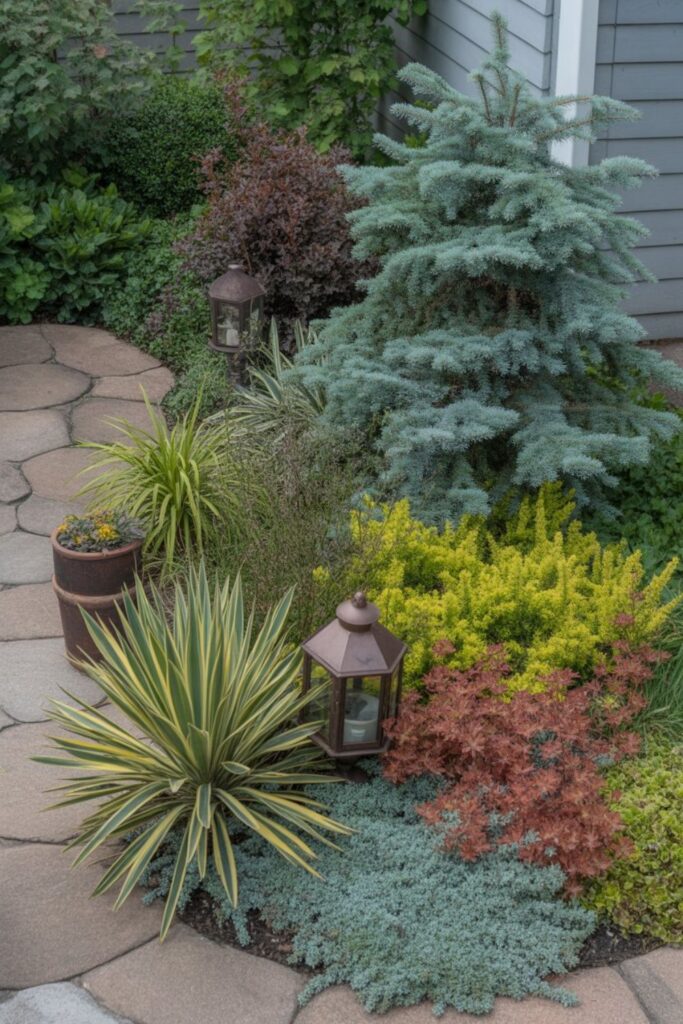
Four-season beauty ensures your small home garden remains attractive year-round rather than peaking briefly then fading into mediocrity. Strategic plant selection and design features maintain interest through all seasons.
Spring brings renewal with bulbs, early perennials, and flowering trees. Plant bulbs in fall for spring displays daffodils, tulips, crocuses, and hyacinths provide vibrant color when landscapes wake from winter dormancy. Layer bulb plantings in containers or beds, placing late-blooming varieties deep with early types above for extended bloom periods. Spring-flowering trees like dwarf cherry or crabapple provide overhead blooms in small gardens with limited ground space.
Summer offers a peak growing season with abundant flowers, foliage, and edibles. Focus on heat-tolerant plants thriving through summer stress coneflowers, black-eyed Susans, salvia, and ornamental grasses. Container gardens peak during summer, providing flexibility to adjust plantings weekly if desired. Include night-blooming or fragrant plants like jasmine or nicotiana near seating areas, extending enjoyment into warm evenings.
Fall brings dramatic foliage color and late-season blooms. Asters, sedums, and mums provide flower color extending into frost. Ornamental grasses reach their glory in fall, displaying feathery plumes and golden foliage. Small trees like Japanese maples or serviceberry deliver brilliant fall colours appropriate for compact spaces. Leave seed heads on perennials providing winter interest and food for birds rather than cutting everything back.
Winter challenges small garden interests but offers unique opportunities. Evergreens provide green structure. Ornamental bark paperbark maple, coral bark maple, or river birch adds color when leaves are gone. Berry-producing plants like holly or winterberry offer bright fruit through winter. Garden art, evergreen containers, and strategic lighting maintain focal points when plants are dormant.
Evergreen Framework
Evergreen structure provides year-round bones ensuring small gardens never look bare. Allocate 60-70% of plantings to evergreens (broadleaf or coniferous) maintaining constant presence. The remaining 30-40% deciduous plants provide seasonal change and interest. This ratio ensures visual continuity while allowing dramatic seasonal transformations.
Dwarf conifers excel in small garden design, offering incredible variety in colors, textures, and forms. Blue spruce cultivars provide silvery-blue foliage. Gold-colored varieties like ‘Golden Mop’ falsecypress add year-round brightness. Weeping forms create dramatic focal points. Japanese Garden Juniper stays under 2 feet tall, perfect for small-scale designs. The American Conifer Society maintains extensive databases of dwarf varieties with mature sizes and characteristics.
Broadleaf evergreens like boxwood, holly, and rhododendron provide fuller, lusher appearances than needled conifers. Dwarf boxwood stays under 3 feet, perfect for hedges or foundation plantings in small spaces. Compact holly varieties offer glossy foliage and winter berries. Dwarf rhododendrons deliver spectacular spring blooms plus year-round foliage on plants under 4 feet tall.
What Budget-Friendly Options Work for Small Gardens?
Creating beautiful small home gardens doesn’t require massive budgets. Strategic spending, DIY projects, and creative sourcing deliver impressive results at modest costs.
Plant divisions and swaps provide free plants while building community connections. Many perennials including hostas, daylilies, and ornamental grasses divide easily, creating multiple plants from single specimens. Join local garden clubs or online gardening groups organizing plant swaps. Neighbors often happily share divisions of established plants, costing nothing beyond effort.
Growing from seed costs pennies per plant versus $3-10 for nursery specimens. Many annuals, herbs, and vegetables grow easily from seed with minimal equipment. Basic seed-starting supplies trays, potting mix, and grow lights cost $50-100 initially but produce hundreds of plants annually thereafter. Heirloom and specialty varieties unavailable at nurseries become accessible when growing from seed.
Repurposed containers eliminate expensive planter costs. Virtually anything holding soil with drainage holes added becomes plant containers. Old buckets, crates, tins, and furniture transform into charming planters. Thrift stores and yard sales offer ceramic containers at a fraction of retail prices. Concrete hypertufa made from peat moss, perlite, and cement creates custom planters for $5-10 in materials.
DIY hardscaping saves thousands compared to professional installations. Gravel pathways cost $2-4 per square foot in materials versus $15-30 professionally installed. Flagstone purchased directly from quarries costs 50-70% less than landscaping centers. Wooden raised beds built from untreated pine or cedar cost $50-150 versus $300-600 for prefabricated kits. Simple projects like these require minimal tools and skills, making them accessible to most homeowners.
Read More About: 25+ Best Patio in Backyard Ideas
Phased Implementation
Developing small gardens gradually spreads costs over time while allowing design evolution. Start with hardscaping and evergreen structure plants providing an immediate framework. Add perennials and seasonal color incrementally as budget allows. This approach prevents overspending while ensuring each addition integrates thoughtfully rather than being crammed in because you bought too much at once.
Investing in quality where it matters delivers better long-term value. Cheap potting soil kills plants, costing more in replacements than premium soil would have. Quality hand tools last decades with care, while cheap versions break within seasons. Spend on items impacting longevity and success, economizing elsewhere with DIY solutions and patience.
Starting small with high-impact projects builds skills and confidence before tackling complex installations. Master container gardening before attempting in-ground beds. Perfect growing vegetables in pots before installing permanent raised beds. This progressive approach minimizes expensive mistakes while developing expertise ensuring long-term success.
FAQs
How small is considered a small garden?
Gardens under 500 square feet typically qualify as small, though the term applies relatively. Urban balconies might be 50-100 square feet, while small suburban yards reach 300-500 square feet. Even within larger properties, individual garden areas, side yards, courtyards, or specific garden rooms may be designed as small gardens requiring compact-space techniques and appropriately scaled plants.
What are the easiest plants for small garden beginners?
Perennials like hostas, daylilies, and sedums tolerate neglect while providing reliable beauty. Herbs including basil, rosemary, and thyme thrive in containers with minimal care. Compact shrubs like ‘Little Lime’ hydrangea or dwarf spirea require little maintenance beyond occasional pruning. These plants forgive beginner mistakes while delivering results encouraging continued gardening efforts.
How do you make a small garden look bigger?
Use vertical space with climbing plants and living walls. Create diagonal lines rather than following property boundaries. Position cool colors and light-toned elements at far edges, warm colors near viewpoints. Incorporate mirrors or reflective surfaces expanding perceived space. Avoid clutter by editing plant selections ruthlessly, and create one focal point rather than multiple competing features.
Can you grow vegetables in small gardens?
Absolutely small gardens often prove ideal for vegetable growing. Vertical trellises support tomatoes, cucumbers, and beans in minimal space. Container gardens produce herbs, peppers, lettuce, and even dwarf fruit trees. Square-foot gardening techniques maximize yields from raised beds as small as 4×4 feet. Succession planting extends harvests, providing fresh produce for months from compact areas.
What’s the biggest mistake in small garden design?
Overcrowding represents the most common and damaging error. Planting more specimens than space accommodates creates tangled, unhealthy landscapes requiring constant pruning battles. Plants need room to reach mature size while maintaining proper air circulation preventing disease. Follow spacing recommendations even when initial plantings look sparse, patience rewards you with healthy, proportional gardens rather than overcrowded messes.
How much does it cost to design a small garden?
DIY small gardens cost $500-2,000 for basic implementations including plants, soil amendments, mulch, and simple hardscaping. Mid-range projects with quality containers, raised beds, and broader plant selections run $2,000-5,000. Professional design and installation for small spaces costs $3,000-10,000 depending on complexity and materials. Phasing projects over multiple seasons spreads costs while allowing budget-conscious development.
Conclusion
Small home garden design offers unique opportunities for creativity, intimacy, and manageable beauty impossible in sprawling landscapes. These compact spaces reward thoughtful planning with outsized impact, proving that garden quality depends far more on design skill than available square footage. Every decision matters in small spaces, forcing intentionality that results in cohesive, purposeful gardens rather than random plant collections.
Begin your transformation by honestly assessing available space, light conditions, and intended uses. Prioritize vertical growing, multi-functional elements, and appropriately scaled plants that thrive in your specific conditions. Build gradually, starting with structural elements and evergreen framework before layering seasonal interest and decorative details. Your small garden will evolve continuously, improving with each season as you gain experience and refine your vision into the intimate outdoor sanctuary you deserve.