25+Small Potted Garden Ideas

Your cramped apartment balcony or tiny patio sits empty and lifeless while you dream of growing fresh herbs, vibrant flowers, or homegrown vegetables. The lack of traditional garden space feels like an insurmountable obstacle keeping you from the gardening hobby you desperately want to pursue. You watch jealously as friends with sprawling yards harvest tomatoes and clip fresh basil while your concrete slab offers nothing but wasted potential and frustrated ambitions.
Small potted garden ideas unlock the full potential of compact spaces, transforming balconies, patios, windowsills, and even indoor corners into productive, beautiful gardens requiring minimal square footage. This comprehensive guide reveals professional container gardening tips that maximize yields in minimal space, clever vertical container gardens that multiply growing capacity, and foolproof plant selection strategies ensuring success even for absolute beginners with zero prior experience.
Understanding the Advantages of Container Gardening
Small potted garden ideas offer remarkable advantages over traditional in-ground gardens that make them ideal for modern lifestyles and urban living situations. Containers provide complete control over soil quality, drainage, and growing conditions; you’re not limited by whatever clay, sand, or contaminated soil exists naturally on your property. This control proves especially valuable for renters who can take their gardens when they move rather than abandoning years of soil improvement and established plantings.
Portable garden solutions adapt to changing conditions throughout seasons and even within individual days. Move containers following the sun as it shifts seasonally, relocate tender plants indoors before frost, and rearrange compositions whenever inspiration strikes without the permanent commitment of in-ground beds. Container gardens extend growing seasons since pots warm faster in spring allowing earlier planting and cool slower in fall providing additional harvest weeks.
Research from the National Gardening Association shows that container gardens can produce yields comparable to traditional gardens when properly managed, with some intensive techniques actually exceeding per-square-foot productivity of conventional beds. The accessibility of containers eliminates bending and kneeling that challenges gardeners with mobility limitations, while elevated planters bring gardening to comfortable working heights. These practical benefits combine with aesthetic flexibility creating gardening opportunities for millions of people who previously considered themselves unable to garden due to space, rental, or physical constraints.
Read More About: Small Garden With Rocks For Stunning Landscapes
Selecting the Right Containers for Different Plants
Container size dramatically influences plant health and productivity making proper selection critical for success. Small herbs like basil, parsley, and cilantro thrive in six to eight-inch pots, while larger tomatoes, peppers, and eggplants need minimum 12-18 inch containers providing adequate root space and soil volume. Shallow-rooted lettuce and radishes grow well in wide, shallow containers just six inches deep, but deep-rooted carrots and potatoes require containers at least 12 inches deep accommodating their growth patterns.
Material selection affects watering frequency, durability, and aesthetics. Terracotta pots breathe beautifully allowing air exchange and preventing waterlogging but dry out quickly requiring frequent watering. Plastic containers retain moisture longer, cost less, and weigh less than ceramic alternatives though they lack the natural beauty of clay or stone. Glazed ceramic planters offer the best of both worlds combining attractive finishes with better moisture retention than unglazed terracotta. Fabric grow bags provide excellent drainage and air pruning preventing root circling, though they require more frequent watering and look less decorative than rigid containers.
Self-watering planters feature built-in reservoirs reducing watering frequency ideal for busy schedules or forgetful gardeners. Whatever material you choose, ensure adequate drainage holes exist; at least three to five holes in container bottoms prevent waterlogging that kills more container plants than any other single factor. Drill additional holes if needed since manufacturers often provide insufficient drainage. Place saucers beneath containers protecting surfaces from water damage while catching excess drainage for later reabsorption.
Choosing the Perfect Potting Mix for Container Success
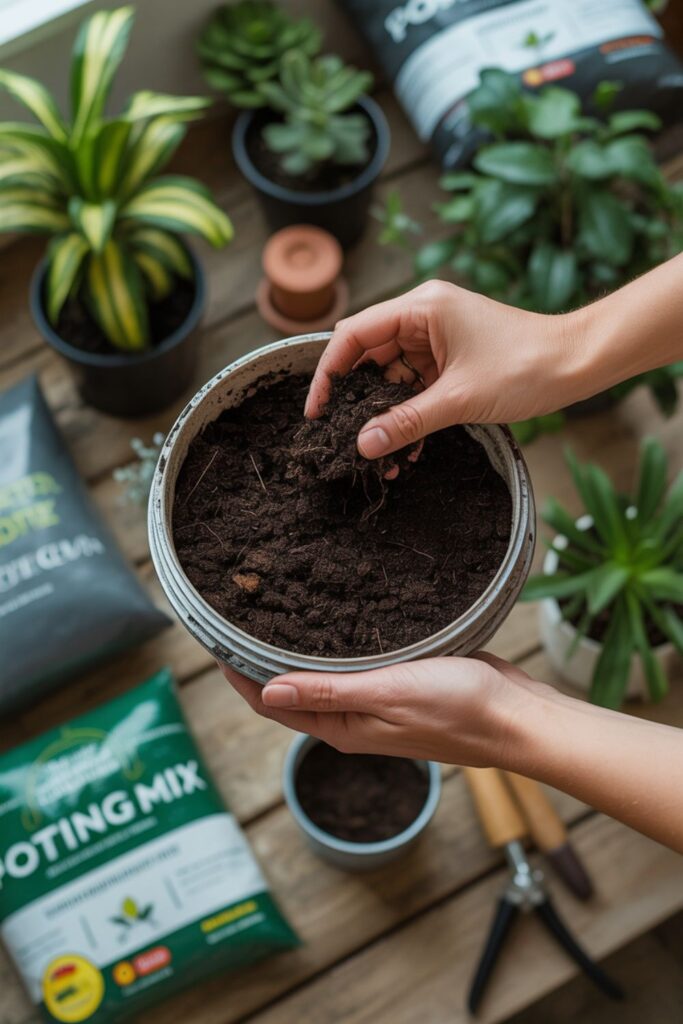
Garden soil compacts heavily in containers creating brick-like masses that suffocate roots and prevent proper drainage. Instead, use a quality potting mix specifically formulated for container gardening with lightweight ingredients including peat moss or coir, perlite or vermiculite, and compost providing ideal texture, drainage, and nutrients. Professional container gardening tips emphasize that potting mix represents one investment you shouldn’t skimp on: cheap mixes often contain excessive wood chips, poor drainage materials, or weed seeds that undermine your success.
Create custom blends mixing two parts quality potting soil with one part compost and one part perlite for exceptional drainage and fertility. Add slow-release organic fertilizer at planting time providing baseline nutrition, though you’ll need supplemental feeding throughout the growing season since frequent watering leaches nutrients from containers faster than in-ground gardens. Some gardeners add water-retaining crystals helping soil maintain consistent moisture levels between waterings particularly useful for thirsty vegetables or if you travel frequently.
Replace potting mix annually for vegetables and annuals since it depletes and compacts over time, while perennials benefit from top-dressing with fresh compost each spring rather than complete soil replacement. Never reuse potting mix from diseased plants since pathogens persist in soil infecting subsequent plantings. Store unused potting mix in sealed containers preventing it from drying out completely and making it difficult to rehydrate when needed. Quality potting mix tailored to your specific plants’ needs creates the foundation for thriving container gardens that produce abundantly despite their compact size.
Best Plants for Small Container Gardens
Plant selection determines whether your small potted garden ideas succeed or disappoint. Compact varieties specifically bred for container culture deliver full-sized harvests in restricted root space look for terms like “patio,” “dwarf,” “bush,” or “compact” in variety descriptions. Cherry tomatoes including ‘Tiny Tim,’ ‘Tumbling Tom,’ and ‘Balcony’ produce heavily in 12-inch containers, while standard beefsteak tomatoes need 18-24 inch pots and still often underperform in containers.
Herb gardens represent the perfect starting point for container gardening beginners. Basil, parsley, cilantro, chives, and thyme thrive in small pots providing fresh flavors just steps from your kitchen. Mediterranean herbs including rosemary, oregano, and sage prefer drier conditions tolerating occasional neglect, while basil and cilantro need consistent moisture and frequent harvesting. Lettuce and salad greens excel in shallow, wide containers allowing you to grow complete salad bowls in single planters. Sow seeds every two weeks for succession planting ensuring continuous harvests rather than overwhelming gluts followed by nothing.
Peppers produce excellent yields in containers with compact varieties like ‘Lunchbox’ and ‘Mohawk’ perfectly sized for balcony garden design situations. Root vegetables including radishes, carrots, and beets grow successfully when provided adequate depth choose shorter carrot varieties like ‘Paris Market’ and ‘Thumbelina’ for shallower containers. Flowers including petunias, geraniums, marigolds, and zinnias deliver season-long color in pots as small as six inches. Strawberries produce sweet fruit cascading from hanging baskets or tower planters, while dwarf blueberry varieties create edible landscapes in large decorative containers.
Creating Stunning Vertical Container Gardens
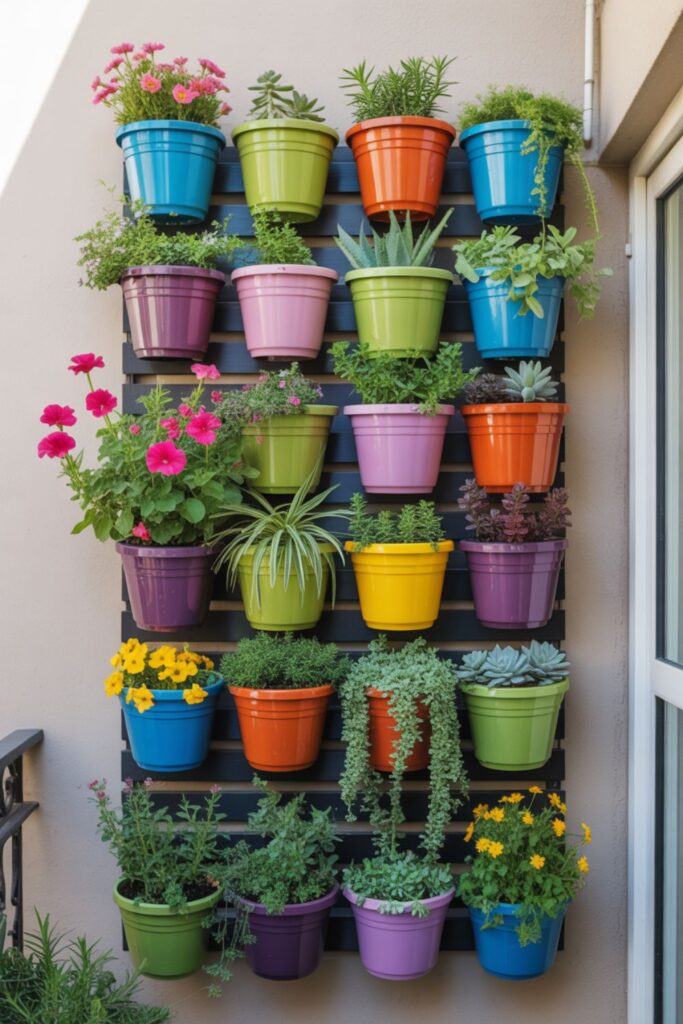
Vertical container gardens multiply growing capacity in limited footprints by stacking planters or using wall-mounted systems. Tiered plant stands allow you to arrange multiple containers at varying heights creating living sculptures that maximize both growing space and visual impact. Hanging baskets suspended from hooks, brackets, or overhead structures utilize airspace often wasted in small gardens cascade trailing plants like cherry tomatoes, strawberries, and trailing petunias for dramatic effects.
Wall-mounted pocket planters transform vertical surfaces into productive gardens perfect for herbs, lettuce, and small flowers. These felt or plastic systems feature multiple pockets holding individual plants while occupying just inches of depth. Ensure walls can support the weight water-saturated soil weighs approximately 100 pounds per cubic foot, so a large wall garden might weigh several hundred pounds when fully planted and watered. Trellis systems combined with containers allow vining crops including cucumbers, pole beans, and peas to grow upward rather than sprawling across limited ground space.
Choose compact cucumber varieties like ‘Spacemaster’ or ‘Bush Pickle’ that produce heavily on small vines perfect for apartment gardening situations. Tower planters featuring stacked rings create vertical strawberry or herb gardens in footprints under two feet square. These innovative patio planter ideas prove that limited horizontal space doesn’t constrain your gardening ambitions when you think three-dimensionally utilizing every available cubic foot rather than just square footage.
Mastering Container Garden Watering Techniques
Watering frequency represents the single most challenging aspect of container gardening since pots dry out significantly faster than in-ground gardens. Small containers need daily watering during summer heat, while large containers might go two to three days between waterings. Check moisture levels by inserting your finger two inches into soil water when it feels dry at this depth rather than following rigid schedules that ignore weather variations.
Water thoroughly until liquid drains from container bottoms ensuring complete soil saturation rather than light sprinkles that wet only surface layers. This deep watering encourages roots to grow throughout entire containers rather than concentrating at surfaces where they’re vulnerable to drying. Morning watering allows foliage to dry before nightfall reducing disease risk, though evening watering proves acceptable if mornings aren’t feasible. Self-watering containers with built-in reservoirs reduce watering frequency significantly, particularly valuable during vacations or for forgetful gardeners. Drip irrigation systems or soaker hoses on timers provide consistent moisture perfect for vegetables requiring even watering, preventing issues like blossom-end rot in tomatoes and cracked fruit.
Group containers with similar water needs simplifying irrigation sun-loving vegetables together, shade-tolerant plants in another area. Mulch container surfaces with compost, straw, or wood chips reducing evaporation and moderating soil temperatures. During extreme heat waves, move containers to shadier locations temporarily preventing heat stress and excessive water demands. These strategic container gardening tips ensure plants receive optimal moisture without daily wrestling with drought stress or waterlogged roots.
What Are the Best Small Potted Garden Ideas for Beginners?
Herb gardens represent the perfect beginner small potted garden ideas offering quick results, minimal care requirements, and immediate culinary usefulness. Start with foolproof herbs including basil, mint, and chives that forgive mistakes while producing abundantly. Plant individual herbs in six to eight-inch pots or combine multiple herbs in larger containers matching their water needs Mediterranean herbs like rosemary, thyme, and oregano together, moisture-loving basil and parsley in another planter.
Balcony garden design beginners should try cherry tomatoes delivering impressive yields from single plants without extensive knowledge requirements. Choose determinate varieties that grow to predictable heights stopping naturally rather than indeterminate types requiring constant pruning and support. Lettuce and salad greens provide almost instant gratification sprouting within days and reaching harvest size in just four to six weeks. Sow seeds directly into shallow containers placing them in bright locations and keeping soil consistently moist. Marigolds, zinnias, and petunias offer foolproof flower options blooming prolifically all summer with minimal deadheading.
Combine flowers and vegetables in single containers practicing companion planting marigolds deter pests from tomatoes, nasturtiums repel aphids from lettuce, and basil planted near tomatoes improves flavor while confusing pests. These beginner-friendly combinations build confidence and skills preparing you for more ambitious projects as your container gardening expertise grows through hands-on experience.
How Do I Fertilize Container Gardens?
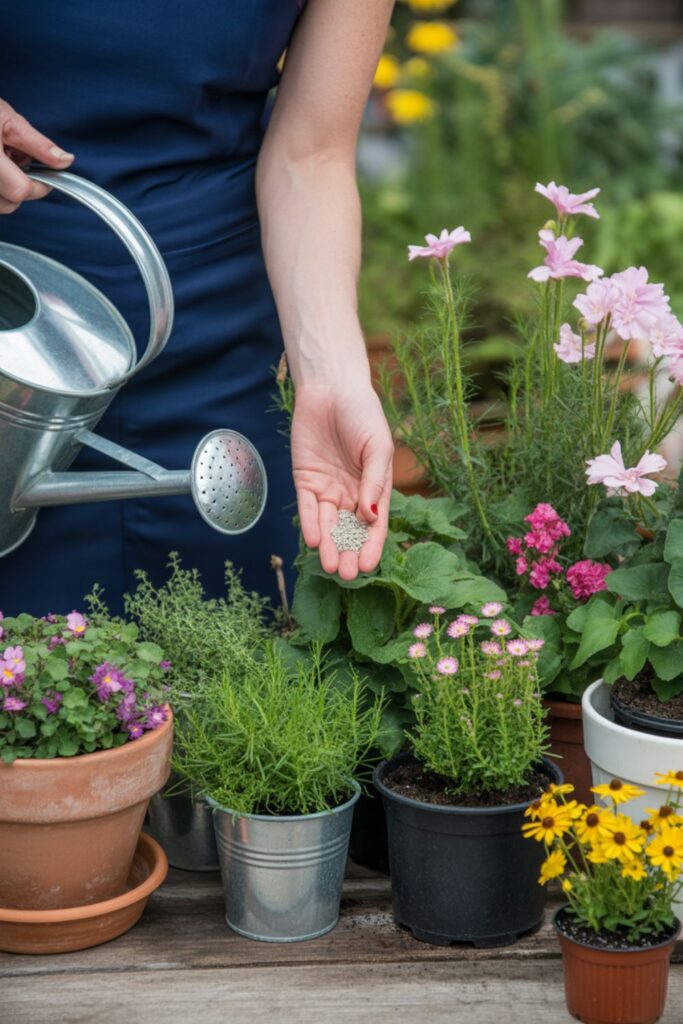
Container plants need regular fertilization since frequent watering leaches nutrients from potting mix faster than from in-ground gardens. Start with slow-release granular fertilizers mixed into soil at planting time providing baseline nutrition for 60-90 days. Supplement with liquid fertilizers every one to two weeks during active growth periods dilute water-soluble fertilizers to half-strength using them twice as often rather than full-strength less frequently.
Organic options including fish emulsion, seaweed extract, and compost tea provide gentle nutrition unlikely to burn sensitive roots. These natural fertilizers release nutrients gradually matching plants’ uptake rates rather than dumping excessive salts into limited soil volumes. Synthetic water-soluble fertilizers work faster delivering immediate results particularly valuable for heavy feeders like tomatoes and peppers. Follow package directions carefully since over-fertilization causes more problems than under-fertilization symptoms include burned leaf edges, excessive foliage with few flowers or fruits, and salt buildup on container rims.
Flush containers monthly by watering thoroughly until water runs clear from drainage holes removing accumulated mineral salts. Adjust fertilizer schedules based on plant types, vegetables and annuals need aggressive feeding every one to two weeks, perennials and shrubs require less frequent applications every three to four weeks. Reduce feeding in fall as plants slow growth preparing for dormancy. These targeted feeding strategies ensure your apartment gardening efforts produce abundantly without nutrient deficiencies limiting yields or excessive fertilization harming plants.
Creating Theme Container Gardens for Maximum Impact
Theme gardens combine plants serving similar purposes or creating specific aesthetics in coordinated container groupings. Salsa gardens include tomatoes, peppers, cilantro, and onions providing all ingredients for homemade salsa in compact clusters of pots. Pizza gardens feature tomatoes, basil, oregano, and peppers delivering fresh toppings steps from your kitchen. Tea gardens plant chamomile, mint, lemon balm, and stevia creating soothing beverage ingredients.
Pollinator gardens in containers attract bees, butterflies, and hummingbirds using native flowers, herbs, and flowering vegetables. Combine zinnias, cosmos, salvia, and bee balm in large planters creating habitat even on small balconies. Sensory gardens appeal to all five senses with fragrant herbs, textured foliage, colorful flowers, edible plants, and rustling ornamental grasses. These themed patio planter ideas work beautifully as gifts or teaching tools showing children how different plants grow and what they produce.
Monochromatic color schemes using plants in single color families create sophisticated displays all-white gardens featuring white petunias, alyssum, and variegated foliage, or vibrant red gardens combining red geraniums, coleus, and red-veined Swiss chard. Seasonal containers rotate with changing weather: cool-season lettuce and pansies in spring and fall, heat-loving tomatoes and zinnias during summer. These creative approaches transform random plant collections into cohesive, intentional gardens telling stories and serving specific purposes beyond simple decoration.
Indoor Container Gardening Solutions
Grow lights expand container gardening indoors year-round regardless of available natural sunlight. LED grow lights consume minimal electricity while providing optimal light spectrums for photosynthesis position them six to twelve inches above plants running 12-16 hours daily. South-facing windows provide the brightest natural light suitable for sun-loving herbs and vegetables, while east and west windows suit moderate-light plants.
Microgreens represent the ultimate portable garden solutions for indoor spaces producing nutritious harvests in just seven to fourteen days. Grow them in shallow trays on windowsills or under lights, cutting when they reach two to three inches tall. Sprouts require even less just jars on countertops with daily rinsing producing crunchy additions to salads and sandwiches in three to five days. Dwarf citrus trees including Meyer lemons, kumquats, and calamondin oranges thrive in large containers near bright windows providing fragrant flowers and edible fruit indoors.
African violets, pothos, and philodendrons offer foolproof houseplant options requiring minimal light and care while purifying indoor air. Indoor herb gardens on kitchen windowsills put fresh flavors within arm’s reach while cooking dedicates a sunny window to a collection of four-inch herb pots rotating varieties seasonally. These indoor small potted garden ideas ensure you garden year-round regardless of climate, outdoor space availability, or seasonal limitations.
What Container Gardening Mistakes Should I Avoid?
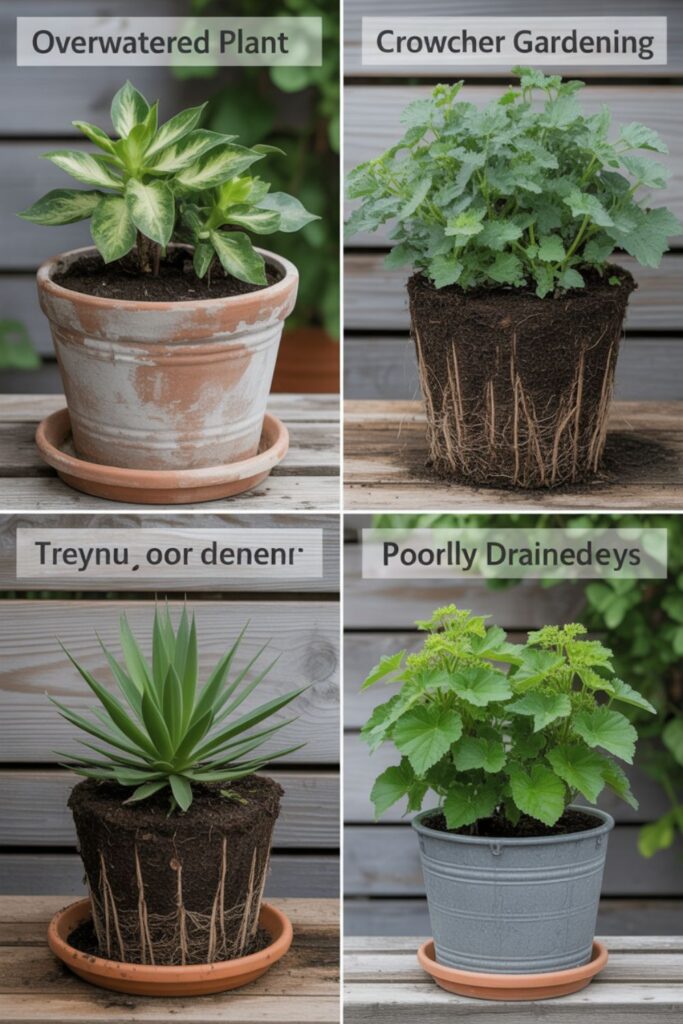
Overcrowding ranks among the most common mistakes undermining container gardening tips success. Follow spacing recommendations on plant tags even though newly planted containers look sparse and plants quickly fill in as they mature. Overcrowded containers compete for light, water, and nutrients producing weak, disease-prone plants with reduced yields. Using containers without adequate drainage holes creates waterlogged conditions causing root rot killing even drought-tolerant plants.
Neglecting regular fertilization leaves plants starving in limited soil volumes container plants can’t send roots searching for nutrients like in-ground plants. Inconsistent watering causes stress manifesting as blossom-end rot in tomatoes, bitter lettuce, and split fruit. Underestimating mature plant sizes leads to choosing containers too small supporting healthy growth research mature dimensions before selecting container size. Ignoring sunlight requirements dooms sun-loving vegetables in shady locations while scorching shade plants in full sun.
Skipping hardening-off when transplanting greenhouse-grown seedlings outdoors shocks plants causing stunted growth or death gradually exposing them to outdoor conditions over seven to ten days. Reusing contaminated potting mix spreads diseases to new plantings and always starts with fresh soil for vegetables and annuals. Forgetting to deadhead flowers reduces bloom production as plants divert energy into seed production rather than continuous flowering. These common pitfalls sabotage many beginner attempts, but awareness and simple preventive measures ensure your balcony garden design thrives from the start.
Read More About: A Japanese Zen Garden To Creating Peaceful Meditation Spaces
Budget-Friendly Container Gardening Ideas
Creating impressive small potted garden ideas doesn’t require expensive purchases when you employ creative resourcefulness. Repurpose household items including plastic storage bins, old buckets, colanders, and even shoes as quirky planters just drill drainage holes before planting. Thrift stores and garage sales offer inexpensive ceramic pots, while end-of-season clearance sales at garden centers slash prices by 50-75% on perfectly usable containers.
Grow plants from seeds rather than purchasing transplants reducing costs by 80-90% a seed packet costing $3 produces dozens of plants versus $4-6 per individual transplant. Save seeds from open-pollinated varieties extending your seed investment across multiple years. Propagate herbs and houseplants from cuttings creating free plants from existing specimens basil, mint, pothos, and coleus root easily in water. Make your own potting mix combining equal parts peat moss or coir, vermiculite or perlite, and compost for half the cost of commercial blends.
Collect free compost from municipal composting facilities or create your own from kitchen scraps and yard waste. Swap plants, seeds, and cuttings with neighbors and friends building your collection without financial investment. Join local gardening groups offering plant exchanges, shared tool libraries, and collective purchasing reducing individual costs. These budget-conscious strategies prove that financial constraints need not limit your gardening ambitions when creativity and community replace expensive retail purchases.
FAQs
How many plants can I grow in one container?
General spacing rules suggest one plant per gallon of soil a five-gallon container holds one large tomato or five small herbs. However, companion planting allows creative combinations like one tomato with basil and marigolds underneath maximizing space. Tight spacing works for lettuce and salad greens harvested young, while vegetables needing full maturity require standard spacing preventing competition.
What vegetables grow best in small pots?
Compact vegetables excel in containers including cherry tomatoes, peppers, lettuce, radishes, herbs, bush beans, and dwarf varieties of squash and cucumbers. Choose varieties specifically bred for container culture labeled “patio,” “bush,” or “compact.” Avoid sprawling crops like pumpkins, full-size watermelons, and corn unless you have very large containers and don’t mind their space demands.
Do container gardens need full sun?
Fruiting vegetables including tomatoes, peppers, and cucumbers need six to eight hours direct sunlight daily for optimal production. Leafy greens, herbs, and root vegetables tolerate partial shade receiving four to six hours of sun. Flowers vary widely; sun-lovers like petunias and marigolds need bright light while impatiens and begonias prefer shade. Match plant selection to your available light rather than forcing sun-lovers into shade or vice versa.
How long do container gardens last?
Annual vegetables and flowers last one growing season requiring replanting yearly. Perennial herbs, flowers, and shrubs return for years in containers though they may need repotting every two to three years as roots outgrow containers. With proper care including fertilization, watering, and winter protection, container perennials thrive for five to ten years or longer before replacement becomes necessary.
Can I grow root vegetables in containers?
Absolutely choose containers at least 12 inches deep for carrots, beets, and turnips, or 18 inches for potatoes. Select shorter carrot varieties including ‘Thumbelina’ and ‘Paris Market’ that mature at three to four inches rather than standard eight-inch varieties. Grow potatoes in large containers or specialized potato bags allowing you to harvest without digging, simply reaching into soil collecting tubers as needed.
Conclusion
Small potted garden ideas open gardening opportunities to millions of people previously limited by space, budget, or experience constraints. The strategies covered here from container size selection and potting mix preparation to vertical container gardens and themed plantings provide complete guidance for creating productive, beautiful gardens regardless of your situation. Your compact space holds unlimited potential when you embrace containers as primary growing systems rather than poor substitutes for traditional gardens.
Begin with a simple project matching your experience level and available time perhaps a windowsill herb garden or single tomato plant on a sunny balcony. Success builds confidence encouraging you to expand gradually adding containers and experimenting with new plants and techniques. Remember that container gardening rewards consistent attention more than extensive knowledge, so commit to regular watering and feeding schedules ensuring your plants thrive. The fresh flavors, beautiful blooms, and mental health benefits of gardening await just outside your door or on your kitchen counter ready to enrich your life starting today.