Traditional Christmas Tree Guide: Timeless Holiday Elegance

You want a Christmas tree that captures the magic you remember from childhood, that warm, nostalgic feeling of classic holiday celebrations. But when you start planning, you’re overwhelmed by modern trends pushing unconventional colors, minimalist styles, and trendy themes that feel nothing like the traditional Christmas tree you envision. You scroll through Pinterest seeing trees decorated in all white, black and gold, or elaborate themed displays, wondering if the classic approach even exists anymore.
The confusion deepens when you visit stores. Retailers push pre-coordinated ornament sets that look sterile and mass-produced, nothing like the collected charm of traditional Christmas trees you remember. You see flocked trees, colored trees, and ultra-modern designs, but the timeless green tree with classic decorations seems difficult to find. Even when you locate traditional-looking ornaments, you’re unsure how to combine them into cohesive displays that feel authentically classic rather than dated or boring.
Here’s what creates authentic traditional elegance: A traditional Christmas tree decoration succeeds through specific color palettes, ornament types, lighting choices, and styling techniques rooted in centuries of Christmas celebration. This guide reveals exactly which elements define traditional trees, how to source quality decorations that deliver classic beauty, and the arrangement methods that create timeless displays worthy of holiday card covers trees that honor tradition while still feeling fresh and beautiful in modern homes.
What Defines a Traditional Christmas Tree?
A traditional Christmas tree features classic evergreen shape, rich green needles, and decorations in time-honored Christmas colors primarily red, green, and gold. The aesthetic draws from Victorian-era Christmas traditions, mid-century American holiday celebrating, and European heritage that established Christmas tree decorating conventions. Traditional trees feel familiar, comforting, and nostalgic rather than trendy or contemporary.
The hallmark of traditional Christmas trees is layered, collected appearance suggesting ornaments accumulated over generations. These displays avoid matchy-matchy coordination in favor of varied ornament styles, sizes, and types that create visual richness. You’ll see glass ball ornaments, wooden nutcrackers, handmade decorations, family heirloom pieces, and sentimental ornaments coexisting harmoniously through a shared color palette rather than identical styling.
Natural elements distinguish authentic traditional Christmas tree decorations from modern alternatives. Pinecones, dried citrus slices, cinnamon sticks, wooden ornaments, popcorn or cranberry garland, and real evergreen accents connect traditional trees to nature and historical decorating practices from eras before plastic dominated. Warm lighting preferably warm white or multicolor incandescent bulbs creates the soft, inviting glow that defines traditional holiday ambiance. The overall effect should feel warm, abundant, joyful, and timeless rather than sparse, trendy, or overly coordinated.
Which Colors Create the Most Traditional Christmas Tree Look?
Red and green form the foundational traditional Christmas tree palette rooted in centuries of Christmas symbolism. Red represents Christ’s blood and sacrifice, holly berries, and Santa’s suit, while green symbolizes eternal life, evergreen resilience, and hope. This combination appears in Victorian Christmas cards, mid-century decorations, and continues as the most universally recognized Christmas color scheme worldwide.
Gold accents elevate traditional Christmas trees with warmth and richness that silver cannot match. Antique gold, burnished brass, and champagne metallic ornaments, ribbon, and garland add traditional elegance without the contemporary coolness of silver. Gold complements red and green beautifully while referencing the gold brought by the wise men and the value of Christmas treasures.
White serves as an essential neutral in traditional Christmas tree decoration, providing visual breathing room between bold colors. White ornaments, white lights (warm-toned only), white ribbon, and snowy accents prevent traditional color combinations from feeling overwhelming or chaotic. Deep burgundy and hunter green work better than bright primary shades for sophisticated traditional displays; these richer, complex tones feel more elegant and timeless. Touches of natural brown through wooden ornaments, pinecones, and cinnamon sticks ground the palette in organic authenticity. Limiting your palette to these colors religiously introducing trendy colors like hot pink, turquoise, or purple immediately destroys traditional authenticity.
What Types of Ornaments Belong on Traditional Christmas Trees?

Glass ball ornaments in various sizes, finishes, and colors form the backbone of traditional Christmas tree decorating. Choose balls in red, green, gold, and white with a mix of matte, glossy, and glittered finishes. Vintage-style Shiny Brite reproductions, mercury glass ornaments with silvered interiors, and hand-painted glass balls deliver authentic traditional character. Size variety matters use large 4-inch statement balls, medium 2.5-3 inch balls, and small 1.5-2 inch balls to create visual interest.
Nostalgic character ornaments including nutcrackers, Santa figures, angels, reindeer, snowmen, and toy soldiers define traditional Christmas trees. These figurative ornaments tell stories and create personality that plain balls cannot. Look for classic representations rather than cartoon-style characters; traditional Santa wears a red suit with white trim, angels feature white robes and golden halos, and nutcrackers display colorful uniforms with military styling.
Natural ornaments connect traditional Christmas tree decorations to heritage practices. Dried orange slices, whole cinnamon sticks tied with twine, pinecone ornaments (plain or gilded), wooden ornaments, gingerbread cookies, and candy canes represent decorating traditions from eras when handmade, natural decorations were a necessity rather than choice. Religious ornaments including nativity figures, crosses, stars, and angel representations reinforce the spiritual foundation of traditional Christmas celebrating for families who embrace faith-based holiday observances.
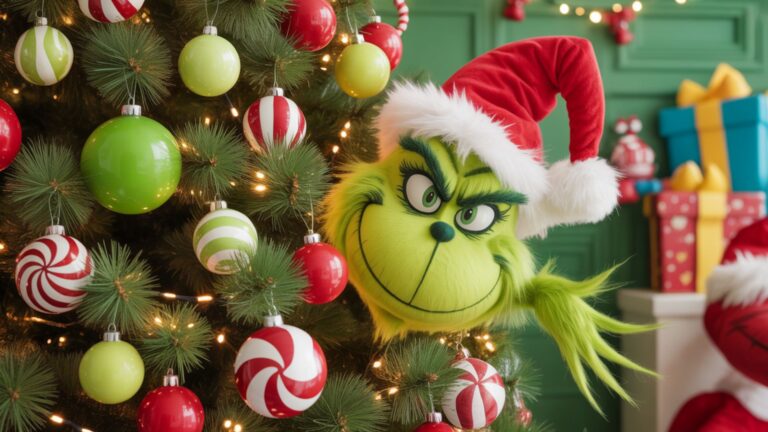
Read More About: Grinch Christmas Tree for Whimsical Holiday Decor
How Do You Light a Traditional Christmas Tree Properly?
Warm white mini lights create the most universally appropriate traditional Christmas tree illumination. These soft, golden-toned LED or incandescent lights enhance traditional colors beautifully while providing gentle, inviting glow reminiscent of candlelight. Use 100-150 lights per vertical foot of tree height; a 7-foot tree needs 700-1,050 mini lights for proper traditional fullness and warmth.
Multicolor lights deliver nostalgic traditional Christmas trees evoking 1950s-1970s holiday aesthetics. Traditional multicolor strands feature red, green, blue, yellow, and sometimes orange bulbs in C7 or C9 sizes for retro charm, or mini lights for more refined appearance. This lighting choice works beautifully for families who want maximum nostalgic, family-friendly holiday energy and cherish memories of childhood trees with colorful lights.
Candlelight-style lights with flickering filaments create the most authentically historical traditional Christmas tree decoration lighting. These specialty bulbs mimic real candles (which actually lit the earliest Christmas trees before electricity) and deliver unmatched romantic, old-world ambiance. Layer your lighting by placing strands deep inside the tree near the trunk, mid-depth on secondary branches, and on outer branch tips. This three-dimensional approach creates glowing depth rather than flat surface lighting. Avoid cool white, bright white, or blue-toned LED lights completely; these modern lighting colors destroy traditional warmth instantly regardless of how traditionally you decorate otherwise.
What Ribbon and Garland Work for Traditional Christmas Trees?
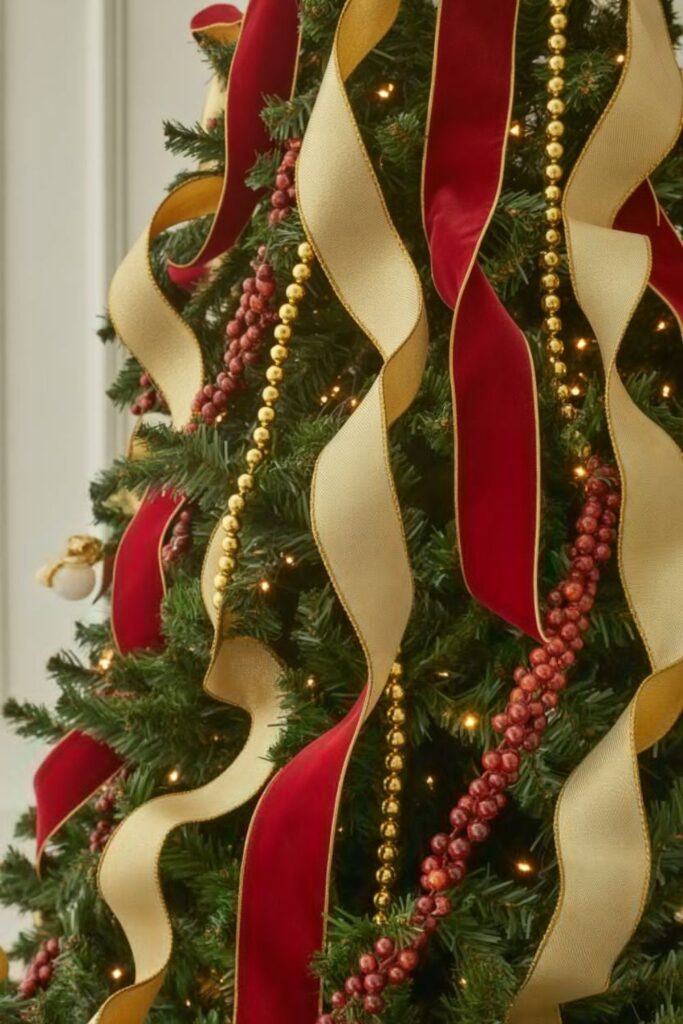
Wired ribbon in classic patterns creates elegant traditional Christmas tree cascades. Use 2.5-4 inch wide ribbon in red velvet, plaid patterns (tartan, buffalo check), gold brocade, or traditional holiday prints featuring holly, poinsettias, or pine branches. Wired edges let you create sculptural bows and structured cascades that maintain shape throughout the season.
Beaded garland in gold, red, or multicolor adds sparkle to traditional Christmas trees with vintage charm. Large wooden beads, shiny plastic beads in classic colors, or glass bead garland reflect light beautifully while adding textural variety. Drape garland in loose spirals around the tree, letting it dip gracefully between attachment points rather than wrapping tightly.
Natural garland including fresh evergreen roping, dried orange slice garland, popcorn and cranberry strings, or cinnamon stick bundles delivers authentic traditional Christmas tree decoration character. Fresh garland adds wonderful fragrance and organic beauty but requires creating or purchasing new garland annually. Dried materials and artificial reproductions provide traditional appearance without annual replacement. Tinsel icicles create controversial traditional elements; older generations often cherish silver tinsel for nostalgic reasons while younger decorators find it dated. If using tinsel, apply sparingly and individually for sparkle rather than covering the tree completely.
Which Tree Types Best Suit Traditional Christmas Decorating?
Fresh-cut Fraser fir, Douglas fir, and Balsam fir trees provide ideal traditional Christmas tree authenticity. These varieties feature classic evergreen fragrance, strong branches supporting heavy ornaments, excellent needle retention, and beautiful natural shape. Fresh trees connect you to historical traditions when artificial trees didn’t exist and create sensory experiences artificial trees cannot replicate.
Full-profile artificial trees with realistic PE (polyethylene) branch tips deliver convenient traditional Christmas trees lasting 10-15+ years. Quality artificial trees in classic green eliminate the mess, maintenance, and annual cost of fresh trees while providing consistently beautiful shape. Look for trees with 1,000-1,500+ branch tips for proper fullness and realistic appearance that suits traditional decorating.
Noble fir and Nordmann fir represent premium fresh traditional Christmas tree varieties for buyers prioritizing quality. These trees feature excellent needle retention, strong branches, attractive bluish-green color, and upward-angled branches showcasing ornaments beautifully. They cost more than standard varieties but deliver superior performance throughout the season. Pre-lit artificial trees offer convenience but ensure they include warm white lights rather than cool white lighting color dramatically affects traditional authenticity. Traditional trees should be full rather than slim profile, creating the abundant, lush appearance that defines classic Christmas displays.
How Do You Create Traditional Christmas Tree Topper Elegance?
Traditional star toppers in gold or silver represent the Star of Bethlehem and provide the most universally recognized traditional Christmas tree finishing touch. Look for dimensional metal stars, lighted stars with warm white bulbs, or vintage-style stars with clear or amber glass points. The star should be proportionally sized roughly 10-14 inches for 7-8 foot trees to create proper visual weight.
Angel tree toppers deliver classic traditional Christmas trees with religious significance and ethereal beauty. Choose angels in white robes with gold accents, flowing hair, and traditional wings. Porcelain angels provide delicate beauty, while fabric and wire angels offer dimensional presence. The angel should face forward and be secured firmly to prevent tilting that ruins the effect.
Large bow toppers in traditional ribbon create elegant traditional Christmas tree decoration without religious imagery. Construct oversized bows using 10-15 yards of wide ribbon in red velvet, gold brocade, or plaid patterns. The bow should measure 12-18 inches in diameter with long trailing tails cascading down the tree. This option works beautifully for families who want traditional elegance without specific religious symbolism. Finial-style toppers in gold or brass offer architectural elegance suitable for formal traditional trees. Whatever topper you choose, ensure it’s secured properly using a topper support structure or heavy wire; a crooked or tilting topper immediately cheapens any tree regardless of decoration quality.
What Tree Skirts and Bases Complete Traditional Christmas Trees?
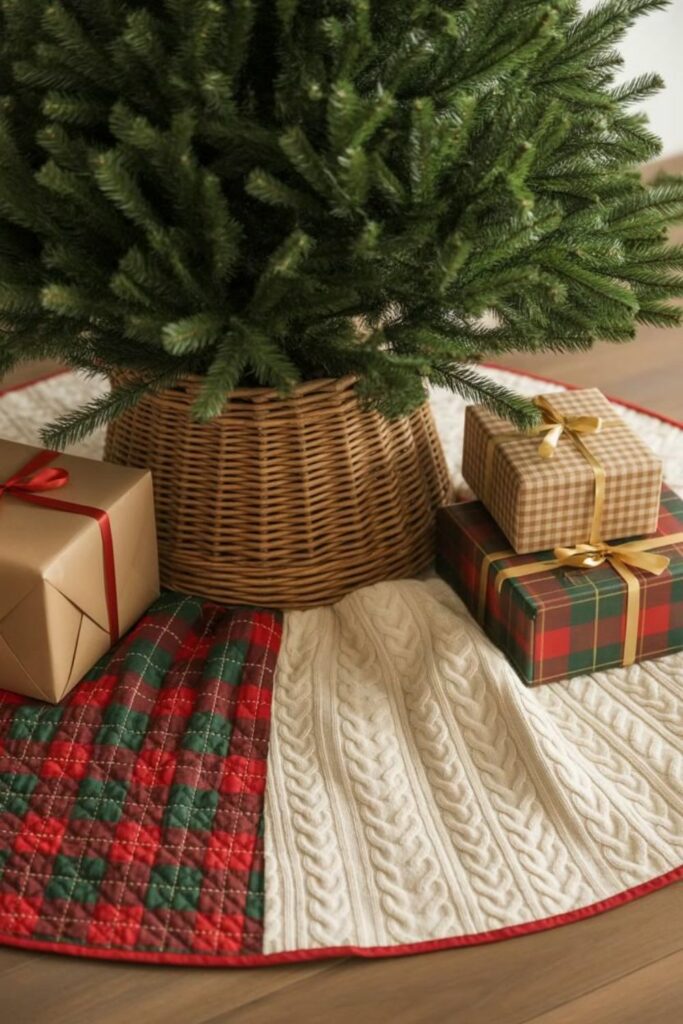
Classic red, green, or plaid tree skirts in quality fabrics ground traditional Christmas tree displays beautifully. Look for tree skirts in velvet, quilted cotton, or tapestry-style fabrics with traditional patterns including poinsettias, holly, pine boughs, or holiday scenes. The skirt should extend beyond the tree’s base diameter by at least 6-12 inches to create proper proportions.
Woven wicker baskets or galvanized metal containers offer rustic traditional Christmas trees bases perfect for farmhouse or country-style traditional decorating. These alternatives to standard tree skirts create organic, casual elegance while hiding the tree stand effectively. Fill containers with preserved moss, burlap, or natural materials to disguise the stand and tree trunk base.
Vintage-inspired Christmas train sets circling the tree base add nostalgic charm to traditional Christmas tree decorations. Electric trains running on tracks around your tree recreate beloved mid-century Christmas tradition and delight children and adults alike. This animated element brings your tree to life while honoring classic holiday celebrations. Wrapped gift boxes in traditional papers (red, green, gold, classic patterns) arranged under the tree complete the traditional presentation even before actual gifts arrive. Use empty boxes in coordinating wrapping as decorative elements that reinforce your color palette and create abundant, joyful appearance.
How Do You Arrange Ornaments on Traditional Christmas Trees?
Start with largest ornaments first, placing statement pieces strategically throughout traditional Christmas tree displays before adding medium and small ornaments. Large ornaments create visual anchors and distribute them evenly around the tree at varying heights and depths to establish balanced composition. Avoid clustering all large pieces in one section or placing them only on outer branches.
Layer ornaments at varying depths within your traditional Christmas trees to create three-dimensional richness. Hang some ornaments deep inside near the trunk, others on mid-depth branches, and still others on outer branch tips. This layering technique makes trees appear fuller and more professionally decorated while creating visual interest from every viewing angle.
Follow the triangle rule for traditional Christmas tree decoration placement. Create visual triangles using three similar ornaments (same color, finish, or style) positioned at different tree heights and locations. Your eye naturally follows triangular patterns, creating pleasing composition. Vary ornament finishes throughout the tree don’t cluster all matte ornaments together or group all shiny balls in one section. Mix finishes throughout to create textural interest and light play. Use smaller ornaments to fill gaps between larger pieces, ensuring adequate coverage without creating cluttered appearance. Step back frequently during decorating to assess balance and identify bare spots or overly crowded sections that need adjustment.
What Additional Elements Enhance Traditional Christmas Tree Displays?
Fresh greenery accents including real pine, cedar, or fir branches tucked into traditional Christmas trees add authentic fragrance and organic texture. Insert small fresh branches throughout your artificial tree to create hybrid displays combining convenience with natural beauty. Real greenery also works beautifully tucked around the tree base, wrapped around the trunk, or woven through larger branches.
Decorative picks and stems fill gaps and add finishing touches to traditional Christmas trees. Use berry picks with red or burgundy clusters, pine cone stems, holly picks with glossy leaves and berries, or poinsettia stems in red or cream. Insert these elements throughout the tree, angling them in various directions to create a natural, organic appearance rather than uniform, obviously placed decoration.
Ornament hangers in appropriate styles matter more than people realize for traditional Christmas tree decorations. Use ribbon loops for delicate or heirloom ornaments, traditional metal hooks for most standard ornaments, and ensure all hangers are hidden from view. Visible hanging mechanisms immediately cheapen appearance regardless of ornament quality. Consider adding special lighting elements like illuminated ornaments, light-up figurines, or clip-on candle lights that enhance the tree’s glow. Nostalgic bubble lights (vintage-style liquid-filled lights where colored liquid bubbles when heated) add wonderfully retro traditional charm.
How Do Traditional Christmas Trees Fit in Modern Homes?
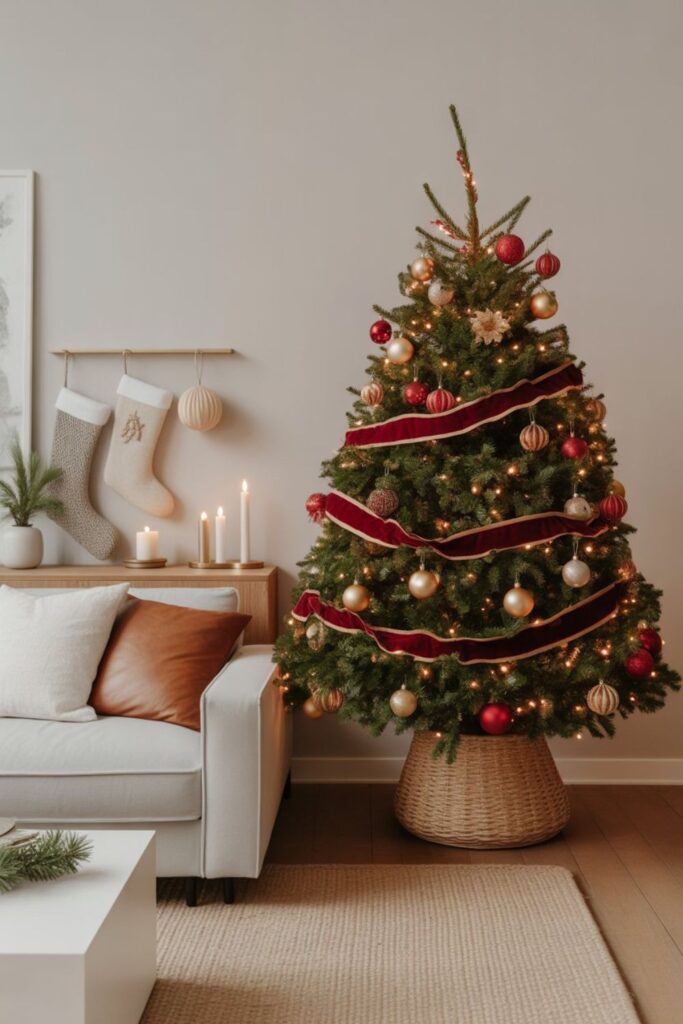
Traditional Christmas trees blend beautifully with transitional décor combining classic and contemporary elements. The timeless color palette and familiar imagery provide comfort and tradition while contemporary furnishings create visual balance. Let your tree honor tradition while your everyday décor reflects modern sensibilities. This combination feels curated and intentional rather than dated.
Create traditional tree displays in homes with contemporary architecture by emphasizing quality and refinement over quantity. Use traditional Christmas tree colors and ornament types but edit ruthlessly for a cleaner, less cluttered appearance that suits modern spaces. Choose deeper burgundy and hunter green over bright primaries, limit ornament quantity for breathing room, and use one predominant metallic (gold) rather than mixing multiple metallics.
Designate specific rooms for traditional celebrating while keeping other spaces more contemporary if full-home traditional Christmas tree decoration feels overwhelming in your modern home. Place your traditional tree in a family room, keeping the living room more minimally decorated, or embrace tradition in public spaces while maintaining contemporary style in private areas. This room-by-room approach lets you enjoy traditional Christmas warmth without feeling your home’s overall aesthetic conflicts with your holiday decorating choices.
What Mistakes Destroy Traditional Christmas Tree Authenticity?
Using trendy or non-traditional colors ruins traditional Christmas tree authenticity instantly. Navy blue, blush pink, turquoise, or metallics beyond gold and silver feel contemporary rather than traditional. Stick religiously to red, green, gold, and white to maintain authentic traditional appearance regardless of current decorating trends you might find appealing.
Cool white or bright white LED lights destroy traditional Christmas tree warmth immediately. These blue-toned, harsh lights create a sterile, modern appearance completely antithetical to traditional coziness. Always choose warm white lights with golden tones, or embrace multicolor lights for nostalgic traditional charm, but never use cool white lighting on trees intended to feel traditional.
Over-coordination through matching ornament sets prevents the collected, layered richness that defines traditional Christmas tree decorations. Trees covered in identical ball ornaments from coordinated sets look sterile and newly purchased rather than accumulated over time. Mix ornament styles, types, ages, and even quality levels to create authentic traditional character. Too few ornaments also destroys traditional fullness. Traditional trees should appear abundant and generously decorated rather than sparse or minimalist. Budget for 50-75 ornaments for a 6-foot tree, 75-100 ornaments for a 7-8 foot tree to achieve proper traditional density.
Read More About: Best Red Christmas Tree Ideas for Bold Holidays
Can You Create Traditional Christmas Trees on a Budget?
Thrift stores and estate sales offer authentic vintage ornaments perfect for traditional Christmas trees at fraction-of-retail prices. Shiny Brite ornaments from the 1940s-1970s, vintage glass balls, ceramic figurines, and nostalgic decorations cost significantly less than new traditional ornaments while offering genuine character. Shop these sources throughout the year for best selection and prices.
DIY traditional Christmas tree decorations including salt dough ornaments, dried orange slices, popcorn garland, paper snowflakes, and hand-sewn fabric ornaments honor historical traditions when handmade decorations were standard. Involve family members in creating decorations together, building new memories while honoring traditional crafting practices. These homemade elements add personal meaning that purchased ornaments cannot replicate.
Build your traditional Christmas tree decoration collection gradually over multiple years rather than purchasing everything at once. Invest your budget in key foundational pieces quality lights, classic ribbon, essential ball ornaments in traditional colors then add special pieces annually as your budget allows. After-Christmas sales offer 50-75% discounts on traditional decorations, allowing you to stock up for next year. Focus resources on items you’ll use indefinitely rather than trendy pieces that may feel dated in 2-3 years.
FAQs
What colors are essential for traditional Christmas trees?
Red, green, and gold form the essential traditional palette, with white serving as an important neutral. Deep burgundy and hunter green look more sophisticated than bright primary shades while maintaining traditional authenticity and timeless appeal.
Should traditional Christmas trees use white or colored lights?
Warm white lights suit formal traditional trees beautifully while multicolor lights create nostalgic, family-friendly traditional displays. Both work authentically choose based on your desired formality level and personal childhood memories. Never use cool white lights on traditional trees.
How many ornaments do I need for a traditional Christmas tree?
Plan for 10-15 ornaments per foot of tree height for proper traditional fullness. A 7-foot tree needs 70-105 ornaments in varied sizes, styles, and types to achieve the abundant, layered appearance that defines traditional decorating.
Can I mix new and vintage ornaments on traditional trees?
Absolutely mixing eras creates the collected, multi-generational appearance that defines traditional Christmas trees. Combine heirloom ornaments, vintage finds, and new pieces that match traditional styling for authentic layered richness and personal meaning.
What’s the difference between traditional and classic Christmas tree styles?
These terms are largely interchangeable, both referring to timeless decorating using red-green-gold palettes, familiar ornament types, and conventional Christmas imagery. Traditional/classic opposes trendy, contemporary, or themed decorating that feels fashion-forward rather than timeless.
Conclusion
Creating a beautiful traditional Christmas tree connects your family to centuries of holiday celebrating through time-honored colors, beloved ornament types, and familiar styling that never goes out of fashion. Success lies in committing to the classic red-green-gold palette, choosing warm lighting that creates inviting ambiance, and layering varied ornaments that suggest collections built over generations. Resist trends that contradict traditional authenticity, even when social media pushes minimalist or unconventional approaches that feel nothing like the trees you remember from childhood.
The traditional Christmas tree you create becomes more meaningful each year as you add new ornaments commemorating family milestones while preserving beloved pieces from years past. This approach to holiday decorating honors heritage while building new traditions, creating displays that comfort rather than challenge, and welcoming rather than impressing. Your commitment to traditional elegance ensures your Christmas tree remains timelessly beautiful regardless of changing decorating fashions, a true classic that brings warmth, nostalgia, and joy to everyone who experiences its familiar magic throughout the holiday season.