21+ Creative Vegetable Garden Ideas for Small Spaces
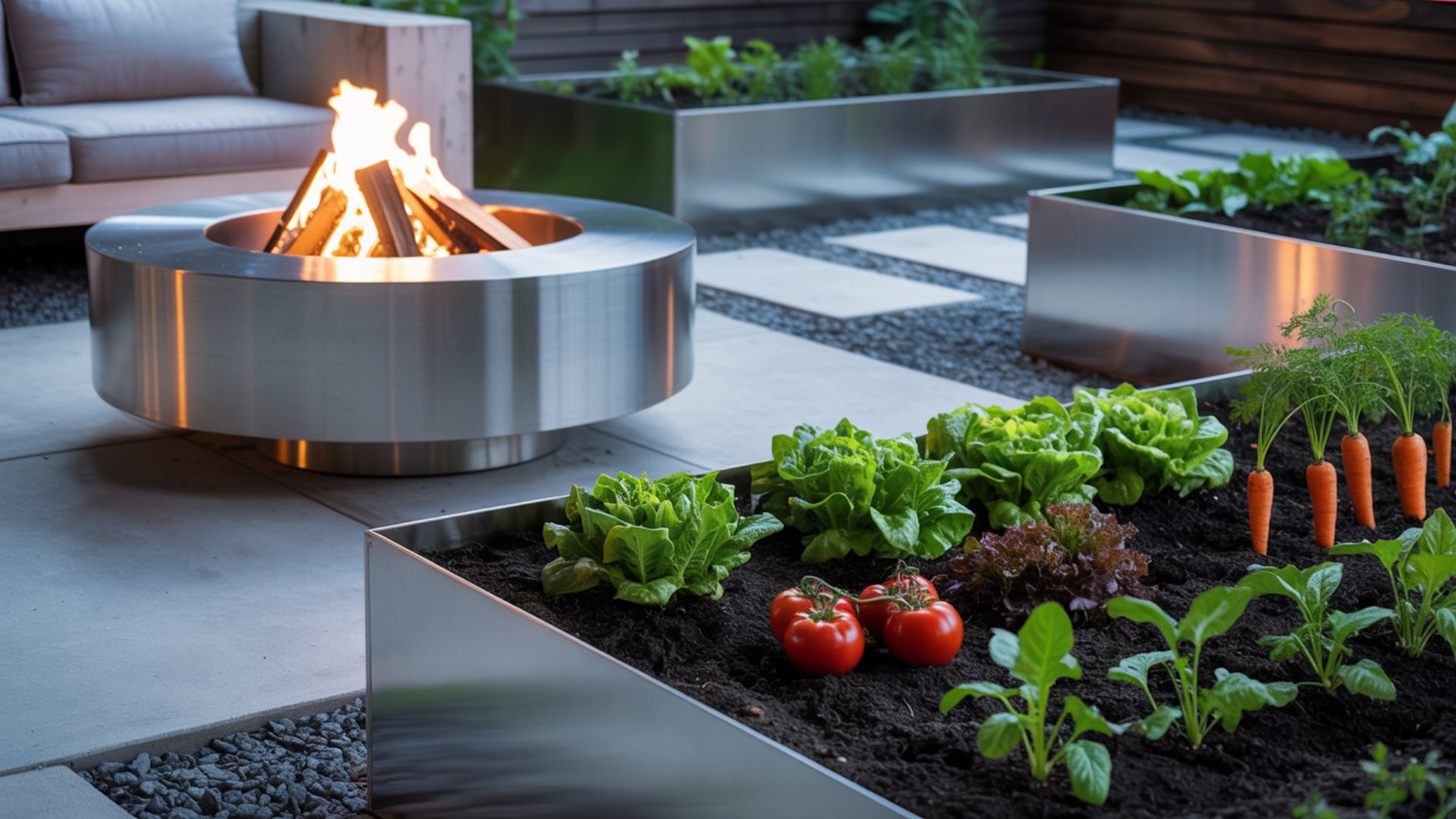
Growing your own vegetable garden ideas delivers unmatched satisfaction through fresh, flavorful produce picked at peak ripeness while reducing grocery bills and connecting you with nature’s rhythms. Whether you dream of harvesting sun-warmed tomatoes, crisp lettuce, or vibrant peppers from your own backyard, the benefits of homegrown vegetables extend far beyond mere food production. Yet here’s the challenge: many aspiring gardeners feel overwhelmed by decisions about garden size, layout options, plant selection, and maintenance requirements that seem complex and time-consuming.
The frustration builds when initial enthusiasm meets reality through struggling seedlings, pest invasions, disappointing yields, or vegetables that don’t taste nearly as good as you’d imagined. Maybe you’ve tried vegetable gardening before only to watch expensive transplants wilt, weeds overtake beds, or precious produce ripen while you’re away on vacation. You see neighbors harvesting baskets of beautiful vegetables while your plants languish, leaving you questioning whether you possess the mysterious “green thumb” successful gardening apparently requires.
Here’s the empowering truth: successful vegetable gardening relies more on understanding fundamental principles and selecting appropriate strategies than innate talent or extensive experience. With smart garden design ideas, proper planning, and proven growing techniques tailored to your specific space and climate, anyone can cultivate productive vegetable gardens yielding abundant harvests. This comprehensive guide explores creative vegetable garden ideas for all skill levels, spaces, and budgets, delivering practical wisdom that transforms gardening from frustrating gamble to reliable, rewarding source of homegrown nutrition and outdoor enjoyment.
What Are the Different Types of Vegetable Garden Layouts?
Traditional row gardens arrange vegetables in straight, parallel lines with walking paths between each row, creating organized, efficient layouts that simplify planting, weeding, and harvesting. This classic approach works brilliantly in large yards with ample space, allowing mechanical cultivation between rows using tillers or wheel hoes that reduce labor dramatically. Space rows 24-36 inches apart depending on plant sizes and cultivation equipment width, positioning taller crops on northern edges preventing shade from blocking sunlight reaching shorter specimens throughout the day.
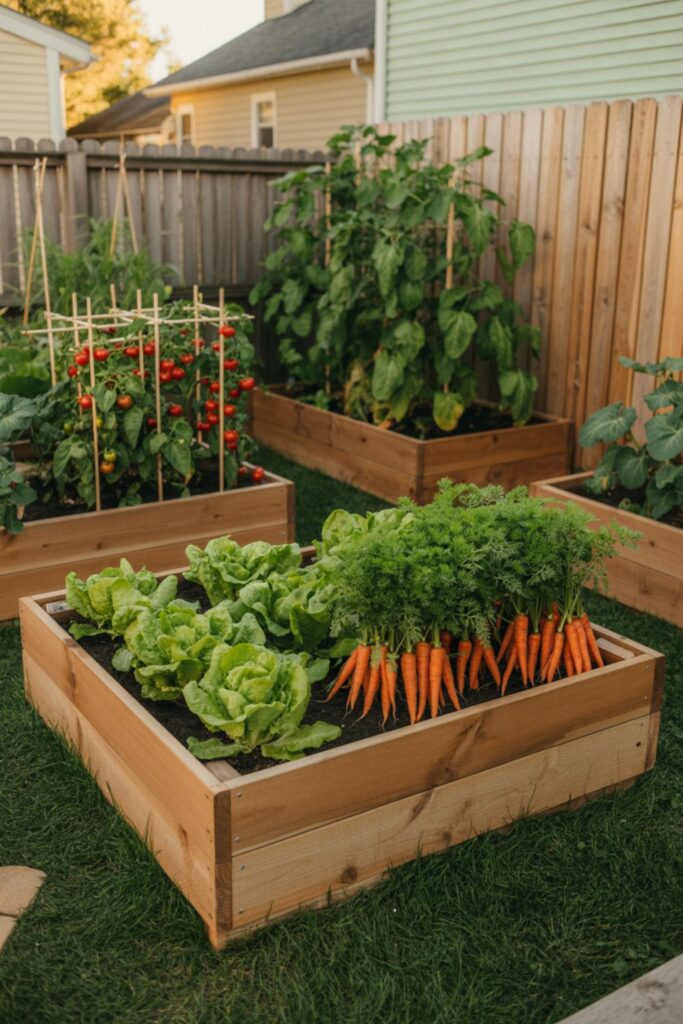
Raised bed gardens revolutionize vegetable growing by creating contained, elevated planting areas filled with quality soil that drains perfectly while warming earlier in spring than ground-level gardens. These structured beds typically measure 4 feet wide allowing comfortable reach to centers from both sides without stepping on soil, with lengths varying based on available space and materials. Build raised beds 10-12 inches deep minimum for most vegetables or 16-18 inches for deep-rooted crops like tomatoes, carrots, and potatoes, using untreated wood, composite materials, or stone that won’t leach chemicals into food crops.
Read More About: 23+ Backyard Garden Ideas to Transform Your Outdoor Space splendid
Intensive Gardening Methods
Square foot gardening developed by Mel Bartholomew maximizes production in minimal space by dividing raised beds into one-foot grid squares, planting each square according to plant spacing requirements. Large plants like tomatoes or peppers occupy entire squares, medium specimens like lettuce or chard grow four per square, and small crops like radishes or carrots fit sixteen per square. This systematic approach eliminates wasted space, reduces water consumption, and creates visually organized gardens that appeal to people who appreciate structure and efficiency.
Intensive wide-row planting combines the benefits of row and bed gardening by creating wider planted strips (16-24 inches) with narrow paths between them rather than traditional single-file rows. Broadcast seeds across wide rows or transplant vegetables in offset patterns maximizing space utilization while allowing adequate growing room. This technique works exceptionally well for leafy greens, root vegetables, and bush beans that don’t require individual plant access throughout the season. The dense planting naturally shades soil reducing weed pressure while creating microclimates that conserve moisture and moderate temperature extremes.
How Do You Plan a Productive Vegetable Garden?
Garden site selection determines 70% of your success before planting a single seed, making location evaluation the most critical planning step. Choose sites receiving 6-8 hours of direct sunlight daily, as most vegetables require full sun producing optimal yields and disease resistance. Avoid low-lying areas where cold air settles creating frost pockets that damage tender plants, and steer clear of spots under large trees where root competition and shade severely limit vegetable performance despite adequate open sky overhead.
Soil testing reveals your garden’s pH levels, nutrient content, and amendment needs, providing scientific data guiding preparation rather than guesswork that wastes money and effort. Most vegetables prefer slightly acidic to neutral soil (pH 6.0-7.0), with testing kits costing under $20 delivering results identifying whether lime or sulfur applications are necessary. Test results also indicate nitrogen, phosphorus, and potassium levels, helping you select appropriate fertilizers addressing specific deficiencies rather than applying generic products that may oversupply certain nutrients while leaving others inadequate.
Crop selection should prioritize vegetables your family actually eats rather than planting extensive varieties that sound interesting but won’t get consumed. List favorite vegetables, then research which ones grow successfully in your climate zone and season length, eliminating frustration from attempting crops fundamentally unsuited to your growing conditions. Begin with easy, reliable vegetables like tomatoes, peppers, lettuce, beans, and zucchini that forgive beginner mistakes and produce generous harvests boosting confidence before attempting finicky crops like cauliflower or artichokes requiring precise timing and conditions.
What Are the Best Small Space Vegetable Garden Ideas?
Container vegetable gardens transform balconies, patios, decks, and tiny yards into productive growing spaces using pots, planters, and grow bags accommodating virtually any vegetable. Choose containers at least 12 inches deep for most vegetables or 18+ inches for tomatoes and deep-rooted crops, ensuring adequate drainage holes preventing waterlogged soil that rots roots. Fill containers with quality potting mix rather than garden soil, as purpose-formulated mixes drain properly while retaining moisture and nutrients that container vegetables require for healthy growth in confined root zones.
Vertical gardening techniques multiply growing space by training vining vegetables upward on trellises, stakes, cages, or wall-mounted systems instead of allowing them to sprawl horizontally. Grow cucumbers, pole beans, peas, indeterminate tomatoes, and even small melons or squash vertically using sturdy supports that withstand mature plant weights plus produce loads. This approach dramatically increases yields per square foot, improves air circulation reducing disease pressure, keeps vegetables cleaner by elevating them off ground, and simplifies harvesting by positioning produce at comfortable picking heights.
Window Box and Railing Gardens
Window box vegetable gardens bring edibles to apartments and homes lacking ground-level growing space, utilizing sunny windows for compact crops like herbs, lettuce, radishes, and dwarf tomatoes. Mount sturdy boxes at least 8 inches deep with drainage holes, positioning them on south or west-facing windows receiving maximum sunlight throughout the day. Plant fast-maturing, shallow-rooted vegetables that thrive in confined spaces, harvesting regularly to encourage continuous production from these miniature but surprisingly productive gardens.
Railing planters capitalize on sunny balcony edges, deck railings, or porch perimeters by attaching specialized containers designed for rail mounting. These space-efficient gardens keep floors clear for furniture and traffic while positioning plants at perfect heights for tending and harvesting without bending. Grow cherry tomatoes, peppers, herbs, lettuce, and compact vegetables that don’t require extensive root depth, creating edible privacy screens that beautify outdoor spaces while producing fresh food literally at your fingertips.
How Do You Design Raised Bed Vegetable Gardens?
Raised bed dimensions should prioritize accessibility over maximum size, as beds wider than 4 feet force uncomfortable reaching or stepping into beds that compacts soil and damages plants. Keep lengths flexible based on available space and materials, though 8-10 foot beds provide substantial planting area without seeming overwhelming. Build beds 10-18 inches tall depending on underlying soil quality and physical limitations, with taller beds offering easier access for gardeners with mobility challenges while requiring more soil volume and construction materials.
Bed orientation affects sunlight exposure and growing conditions significantly, with north-south orientations generally outperforming east-west alignments by allowing sun exposure on both sides throughout the day. This configuration prevents tall plants on one side from casting excessive shade on shorter plants opposite them. However, east-west beds work acceptably on relatively level ground, and sloped sites may dictate orientations following contours preventing erosion and water runoff issues regardless of cardinal directions.
Pathway materials between raised beds balance functionality, aesthetics, and budget while preventing muddy conditions and weed growth in trafficked areas. Spread 3-4 inch layers of wood chips, bark mulch, or straw creating soft walking surfaces that suppress weeds while remaining permeable allowing water infiltration. For more permanent solutions, install landscape fabric under gravel, decomposed granite, or paving stones creating maintenance-free paths that never need replenishment. Width paths at least 24 inches for comfortable single-file walking or 36+ inches allowing wheelbarrow passage and two-person traffic accommodating harvest baskets and garden carts.
What Vegetables Grow Best Together?
Companion planting strategically combines vegetables that benefit each other through pest deterrence, pollination support, or growth enhancement when grown in close proximity. The classic “Three Sisters” combination interplants corn providing climbing structures for pole beans that fix nitrogen fertilizing heavy-feeding corn, while sprawling squash shades soil suppressing weeds and retaining moisture benefiting all three crops. Tomatoes and basil pair famously, with aromatic basil potentially deterring certain pests while supposedly improving tomato flavor, though scientific evidence remains limited for flavor claims.
Beneficial plant pairings extend beyond folklore into scientifically documented relationships that improve garden performance. Plant carrots with onions or leeks, as onion family members’ strong scents mask carrot aromas that attract carrot rust flies. Interplant lettuce with taller, slower-growing vegetables like broccoli or tomatoes, allowing fast-maturing lettuce to occupy space while companion crops develop, then harvesting lettuce before larger plants need full spacing. Marigolds planted throughout vegetable gardens may deter certain pests while attracting beneficial insects, plus their cheerful flowers brighten utilitarian food production spaces.
Plants to Keep Separated
Incompatible vegetables should be separated as their proximity causes growth problems, increased pest pressure, or yield reductions that undermine garden productivity. Avoid planting onions or garlic near beans or peas, as allium family members inhibit legume growth and nitrogen fixation that defines their value in gardens. Keep potatoes away from tomatoes since both suffer from similar diseases that spread rapidly between closely related nightshade family members. Separate fennel from most vegetables, as this herb releases compounds inhibiting growth of nearby plants making it best grown in isolated areas or dedicated herb gardens away from food crops.
Crop rotation principles prevent planting vegetables from the same family in identical locations consecutive years, breaking pest and disease cycles while managing soil nutrients more effectively. Divide vegetables into families—nightshades (tomatoes, peppers, eggplants), brassicas (broccoli, cabbage, kale), legumes (beans, peas), and cucurbits (cucumbers, squash, melons)—rotating family groups to different beds annually. This systematic approach reduces soil-borne disease accumulation, disrupts pest life cycles that rely on host plants returning to familiar locations, and balances nutrient demands across garden areas preventing depletion that occurs when heavy feeders occupy same spaces repeatedly.
What Are Creative Vertical Vegetable Garden Ideas?
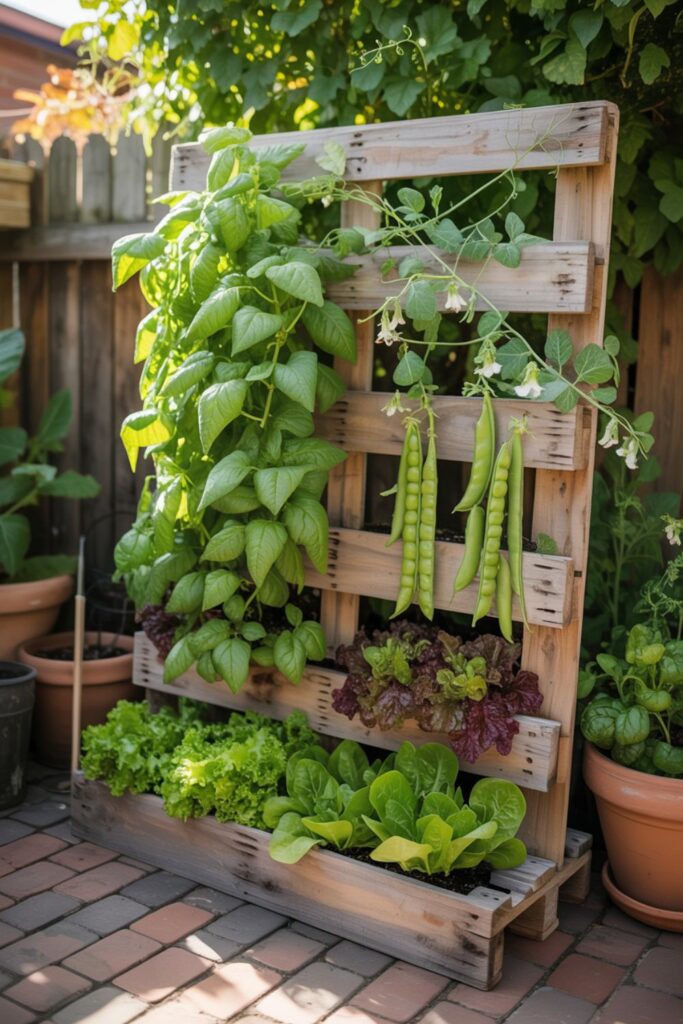
Trellis systems transform ground-creeping vegetables into vertical features maximizing production in limited spaces while improving plant health through better air circulation and sunlight exposure. Install sturdy cattle panels, wooden lattice, or wire mesh creating 6-8 foot tall supports for heavy crops like indeterminate tomatoes, pole beans, or cucumbers that produce abundantly when trained vertically. Lean trellises against walls or fences saving space, or construct A-frame structures creating vertical growing on both sides while providing shaded understory spaces perfect for heat-sensitive lettuce or spinach during hot summer months.
Tower gardens stack plants vertically using specialized containers, modified buckets with holes, or purpose-built systems creating living columns of edibles in remarkably small footprints. Grow strawberries, herbs, lettuce, and other compact vegetables in tower configurations reaching 4-6 feet tall while occupying less than 2 square feet of ground space. These innovative gardens work brilliantly on patios, decks, or balconies where horizontal space limitations prevent traditional gardening, plus their elevated designs minimize bending and kneeling making maintenance comfortable for gardeners with physical limitations.
Hanging basket vegetable gardens utilize overhead space growing crops that cascade attractively while producing edible harvests from unexpected locations. Plant cherry tomatoes, strawberries, herbs, trailing lettuce varieties, or compact peppers in hanging baskets mounted from pergola beams, porch ceilings, or shepherd’s hooks creating suspended gardens above ground-level plantings. This vertical approach keeps fruits clean and away from ground-dwelling pests like slugs while creating visually interesting layered gardens that maximize three-dimensional space utilization often overlooked in traditional horizontal garden designs.
How Do You Create a Kitchen Garden Near Your House?
Potager gardens combine vegetable production with ornamental beauty through formal geometric designs, decorative edging, and artistic plant arrangements that look as attractive as flower borders. This French-inspired approach creates four-square or diamond-patterned beds separated by paths with focal points like urns, sundials, or small fountains anchoring designs. Intermix colorful vegetables like rainbow chard, purple cabbage, and variegated kale with herbs, edible flowers, and compact fruiting plants creating tapestries that satisfy aesthetic desires while producing abundant harvests just steps from your kitchen door.
Herb spiral gardens pack incredible plant diversity into compact three-dimensional structures that create varied microclimates supporting herbs with different moisture and drainage preferences. Build spirals using stone, brick, or urbanite creating mounded beds reaching 3-4 feet tall at centers, spiraling downward to ground level. Plant moisture-loving herbs like parsley and cilantro at bases where water collects, positioning drought-tolerant Mediterranean herbs like rosemary, thyme, and oregano at sunny, well-drained summits. These space-efficient, sculptural gardens serve as striking focal points while delivering fresh seasonings within easy reach during cooking.
Edible landscape integration blurs lines between ornamental and edible plantings by incorporating vegetables throughout existing landscape beds rather than segregating them into separate gardens. Replace ornamental shrubs with blueberry bushes delivering spring flowers, summer harvests, and brilliant fall color. Edge flower beds with colorful lettuce, kale, or Swiss chard varieties that rival annual flowers for visual impact. Train fruiting vines on arbors, pergolas, or fences where non-edible climbers might traditionally grow, creating beautiful landscapes that feed families while looking professionally designed rather than purely utilitarian.
What Are the Best Season Extension Techniques?
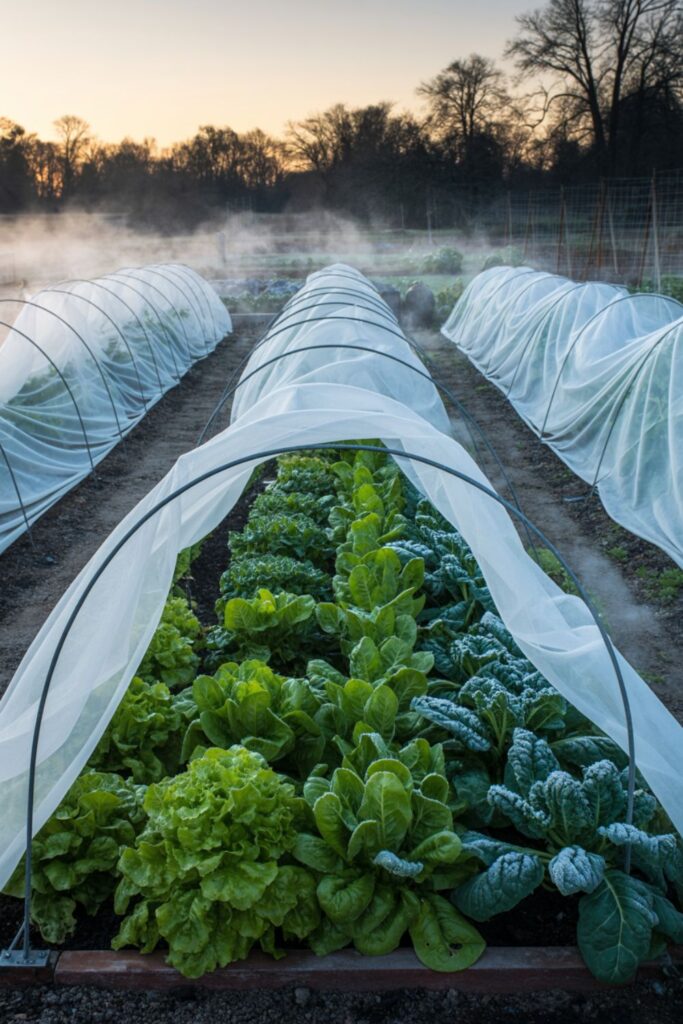
Cold frames capture solar heat creating protective microclimates that extend growing seasons 4-6 weeks in both spring and fall without electricity or complex infrastructure. Build simple boxes 12-18 inches tall topped with old windows, clear polycarbonate panels, or purpose-made cold frame lids that allow sunlight penetration while trapping heat. Position cold frames against south-facing walls for additional warmth retention, using them to harden off spring transplants, extend fall harvests of greens and root vegetables, or overwinter hardy crops like kale, spinach, and carrots through mild winters.
Row covers made from lightweight spun fabric protect vegetables from frost, insects, and harsh weather while allowing 85-90% light transmission and air circulation supporting healthy growth. Drape floating row covers directly over plants or support them on wire hoops creating mini-tunnels, securing edges with soil, stones, or landscape staples preventing wind displacement. These affordable, reusable covers protect tender transplants from late spring frosts, exclude pest insects like flea beetles and cabbage moths without pesticides, and extend fall harvests by protecting crops from early freezes that typically end growing seasons.
Hoop houses and high tunnels create permanent or semi-permanent structures dramatically extending production seasons through winter in many climates while protecting plants from excessive rain, hail, and wind damage. Construct tunnels using metal or PVC pipe hoops covered with greenhouse plastic, creating unheated structures relying on passive solar gain for warmth. These simple greenhouses allow year-round salad green production in surprisingly cold climates, protect tomatoes from late blight in humid regions, and shield delicate crops from damaging weather events that destroy open-garden plantings. While requiring more investment than cold frames or row covers, hoop houses deliver professional-level season extension accessible to dedicated home gardeners.
Read More About: Backyard Fire Pit Ideas: Design, Safety and Inspiration
How Do You Start a Beginner Vegetable Garden?
Start small with manageable garden sizes preventing overwhelming workloads that lead to abandonment when initial enthusiasm wanes. Begin with a single 4×8 foot raised bed or 100-square-foot plot rather than immediately tackling expansive gardens requiring hours of weekly maintenance. This modest approach allows learning fundamental skills through direct experience while producing meaningful harvests that build confidence and knowledge before expanding to larger, more complex vegetable growing operations in subsequent seasons.
Choose easy vegetables virtually guaranteed to succeed even with minimal experience, creating positive reinforcement that encourages continued gardening rather than frustration from failed experiments with difficult crops. Plant tomatoes, peppers, lettuce, radishes, beans, zucchini, and herbs like basil or cilantro that tolerate beginner mistakes while producing generous harvests with basic care. Avoid finicky crops like cauliflower, celery, or melons that require precise timing, conditions, and techniques that challenge even experienced gardeners, saving these advanced vegetables for after you’ve built foundational skills through easier specimens.
Invest in quality soil rather than skimping on this critical foundation that determines 80% of your garden’s success. Purchase or create nutrient-rich planting mixes combining compost, peat moss or coconut coir, and perlite or vermiculite creating loose, well-draining media that roots penetrate easily. For in-ground gardens, amend existing soil generously with 3-4 inches of compost worked into the top 12 inches, transforming even poor native soil into productive growing medium. This initial investment pays enormous dividends through healthier plants, reduced pest and disease pressure, and abundant harvests that justify the material costs many times over throughout growing seasons.
What Watering Systems Work Best for Vegetable Gardens?
Drip irrigation delivers water directly to plant root zones through emitter lines or soaker hoses, providing efficient moisture that reduces consumption by 30-50% compared to overhead sprinklers. Install drip tubing along planting rows in raised beds or traditional gardens, connecting to timers that automate watering schedules ensuring consistent moisture without daily manual chores. This low-pressure system keeps foliage dry reducing disease problems common with overhead watering, applies water slowly allowing thorough soil absorption without runoff, and can be easily expanded or reconfigured as garden layouts change between seasons.
Soaker hoses offer budget-friendly alternatives to drip irrigation systems, weeping water along their entire length creating even moisture distribution that suits densely planted beds beautifully. Snake soaker hoses through gardens, covering them with mulch that hides unsightly hoses while preventing UV degradation that shortens hose lifespan. Connect soakers to timers or run them manually for 45-60 minutes delivering deep watering that encourages strong root development rather than frequent shallow sprinkling that keeps roots near surfaces where they’re vulnerable to drought stress and temperature extremes.
Hand watering remains practical for small gardens and container plantings, offering opportunities to inspect plants closely during each watering session catching pest or disease problems early. Use watering wands with gentle shower heads preventing soil erosion and plant damage from strong streams, or choose watering cans for ultimate control over application rates and targeting. While labor-intensive for large gardens, manual watering connects you intimately with plants while building observational skills recognizing when vegetables truly need water versus arbitrary schedule-based irrigation that often over or under-waters based on weather variations.
How Do You Control Pests Organically in Vegetable Gardens?
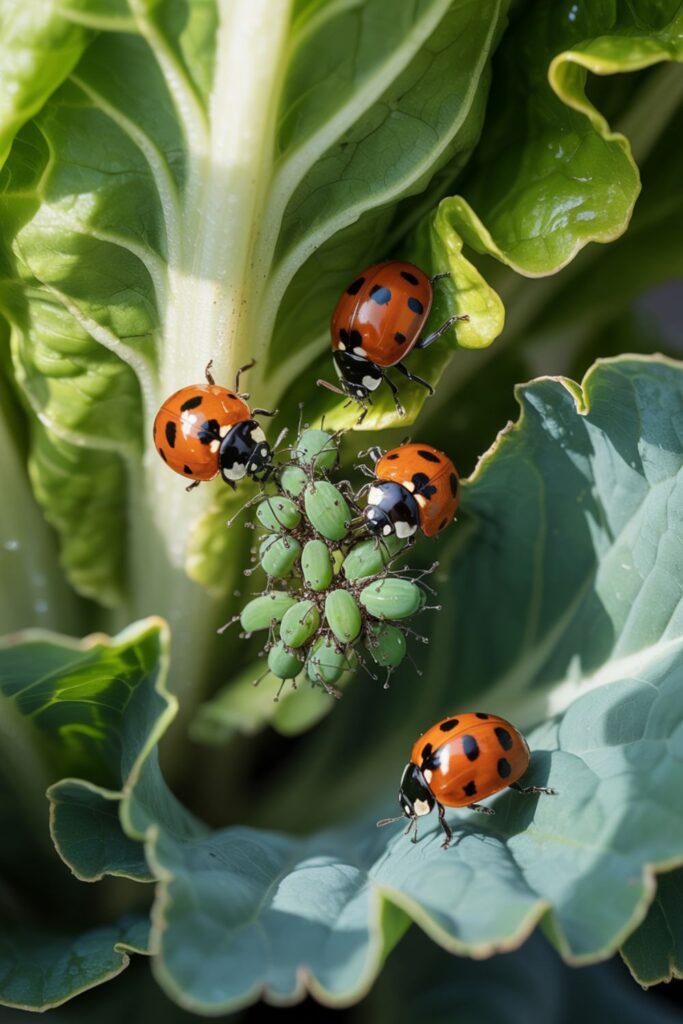
Physical barriers prevent pest access to vegetables entirely, eliminating problems before they start without any chemical interventions required. Cover crops with floating row covers excluding flying insects like cabbage moths, cucumber beetles, and aphids that can’t reach plants to feed or lay eggs. Install copper tape around raised bed perimeters deterring slugs and snails that receive electric shocks from chemical reactions between copper and their slime. Create collars from cardboard tubes or plastic cups protecting transplant stems from cutworms that sever young plants at soil level during nighttime feeding.
Beneficial insects provide natural pest control by preying on or parasitizing plant-damaging species, creating balanced ecosystems that regulate problems without human intervention. Attract ladybugs, lacewings, and parasitic wasps by planting herbs, flowers, and native plants providing pollen, nectar, and habitat these beneficial species require. Purchase beneficial insects like ladybugs or praying mantis egg cases for immediate population boosts, releasing them during evening hours when they’re less likely to immediately fly away. Avoid broad-spectrum insecticides that kill beneficial insects along with pests, disrupting natural balance that normally keeps pest populations below damaging thresholds.
Companion planting strategies repel pests through aromatic plants that mask vegetable scents or confuse insects seeking specific host plants. Interplant onions, garlic, or chives throughout gardens, as their strong odors discourage many chewing insects while potentially suppressing certain fungal diseases. Grow nasturtiums as trap crops attracting aphids away from valuable vegetables, then removing and destroying infected nasturtiums before aphids spread to surrounding plants. Plant aromatic herbs like rosemary, sage, and lavender along garden edges creating fragrant barriers that flying insects avoid while adding beauty and harvestable seasonings.
What Are Budget-Friendly Vegetable Garden Ideas?
Seed starting dramatically reduces costs compared to purchasing transplants, with single seed packets costing $2-4 growing dozens of plants that would cost $3-5 each as nursery transplants. Start seeds indoors 6-8 weeks before last frost dates using recycled containers like yogurt cups, egg cartons, or newspaper pots eliminating seed-starting tray expenses. Many vegetables including beans, squash, cucumbers, and root crops grow beautifully from direct seeding, bypassing transplanting entirely while producing healthy plants adapted to your garden conditions from germination.
Compost creation converts kitchen scraps and yard waste into rich soil amendments that cost nothing while eliminating waste through beneficial recycling. Build simple compost bins from pallets, wire fencing, or repurposed materials, filling them with alternating layers of green materials (kitchen scraps, grass clippings) and brown materials (dried leaves, cardboard) that decompose into finished compost within 2-6 months. This free fertilizer rivals expensive bagged products while improving soil structure, moisture retention, and beneficial microorganism populations that commercial amendments can’t match.
Free materials sourcing dramatically reduces garden establishment costs through creative resourcefulness and community connections. Join local gardening groups where members share seeds, divisions, and surplus plants. Search online marketplaces for free materials like bricks, stones, lumber, or fencing perfect for raised bed construction. Request woodchips from tree service companies that need disposal sites, receiving truckloads of valuable mulch at no cost. Connect with restaurants or coffee shops providing spent grounds and vegetable scraps for composting, building fertility through materials others pay to discard.
Frequently Asked Questions
What vegetables are easiest to grow for beginners?
The most foolproof beginner vegetables include lettuce, radishes, green beans, zucchini, tomatoes, and peppers that tolerate novice mistakes while producing generous harvests. These reliable crops germinate readily, resist common pests and diseases relatively well, and reward minimal care with abundant production building confidence for tackling more challenging vegetables. Herbs like basil, cilantro, and parsley also grow easily, providing valuable seasonings from small spaces perfect for first-time gardeners testing their green thumbs.
How much space do you need for a vegetable garden?
Vegetable garden size requirements vary tremendously based on household size, eating preferences, and growing goals. A family of four can produce significant fresh vegetables from just 100-200 square feet (10×10 to 10×20 feet) using intensive planting methods and succession planting. Container gardens on patios or balconies yield surprising amounts from minimal footprints, while ambitious gardeners may cultivate quarter-acre plots supporting substantial food production. Start small regardless of available space, expanding only after experiencing full-season maintenance realities.
When should you start a vegetable garden?
Optimal garden starting times depend on your climate zone and target crops, with cool-season vegetables like lettuce, peas, and broccoli planted 4-6 weeks before last spring frost dates. Warm-season crops including tomatoes, peppers, and squash wait until soil temperatures reach 60°F and frost danger passes completely. Fall gardens begin 10-12 weeks before first fall frost dates, giving crops time to mature before cold weather arrives. Consult planting calendars specific to your region for precise timing ensuring crops mature within your growing season length.
How often should you water vegetable gardens?
Watering frequency varies based on soil type, weather conditions, plant maturity, and growth stages, but most vegetable gardens need 1-1.5 inches of water weekly from rainfall or irrigation. Water deeply but infrequently encourages strong root development rather than shallow daily sprinkling that keeps roots near soil surfaces. Check soil moisture by inserting fingers 2-3 inches deep, watering only when soil feels dry at that depth. Mulching dramatically reduces watering needs by conserving soil moisture while moderating temperature extremes.
Can you grow vegetables in partial shade?
While most vegetables prefer full sun, several crops tolerate and even appreciate partial shade especially in hot climates where afternoon shade prevents heat stress. Leafy greens like lettuce, spinach, kale, and Asian greens perform well with 3-4 hours of direct sun or bright filtered light throughout the day. Root vegetables including beets, carrots, and radishes produce acceptably in partial shade though growing slightly slower than full-sun specimens. Herbs like parsley, cilantro, and mint actually benefit from afternoon shade in hot regions, remaining productive longer before bolting.
Conclusion
Creating a thriving vegetable garden ideas transforms your relationship with food while providing fresh, nutritious produce, outdoor exercise, and deep satisfaction from nurturing life through all growth stages. By implementing smart garden design ideas suited to your available space, selecting vegetables appropriate for your climate and skill level, and applying proven growing techniques that work with nature rather than against it, you’ll develop productive gardens that feed your family while enriching your life. Whether you’re cultivating expansive in-ground plots, compact raised beds, creative vertical gardens, or simple container collections on balconies, the fundamental principles remain constant: good soil, adequate sunlight, consistent moisture, and attentive care.
The most successful vegetable gardeners embrace experimentation and learning, viewing challenges as opportunities to develop skills rather than reasons for discouragement. Start small with manageable projects that fit realistically into your lifestyle, expanding gradually as experience and confidence grow through hands-on practice. Keep detailed notes documenting what works, what fails, and seasonal observations that guide continuous improvement year after year. Your vegetable garden becomes an evolving outdoor laboratory where you discover which varieties taste best, which techniques suit your situation, and how food production connects you more deeply to seasons, weather, and the miraculous processes transforming tiny seeds into nourishing harvests that sustain life itself.