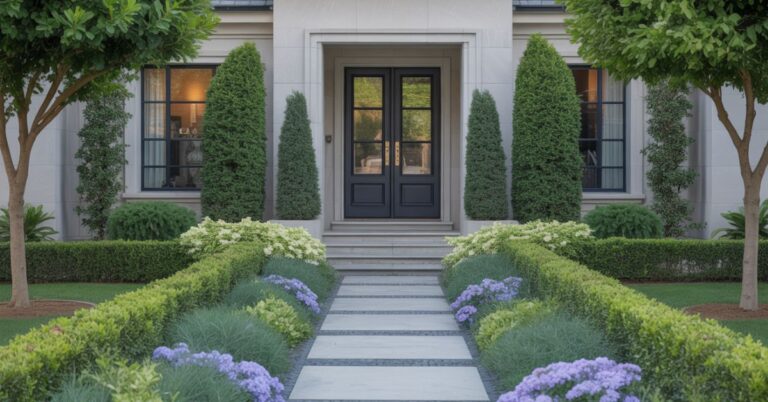
Vibrant Flower Garden Design To Create Stunning Outdoor Spaces

You stand at your window looking at a bland patch of dirt where vibrant blooms should dance in the breeze. That uninspiring outdoor space gnaws at you every morning, reminding you of missed opportunities for beauty and curb appeal. Your neighbors showcase picture-perfect gardens while yours remains an eyesore, and you’re not sure where to start or which flowers will actually thrive together. Vibrant flower garden design transforms boring yards into breathtaking sanctuaries that boost property value, attract pollinators, and provide year-round visual interest.
This comprehensive guide reveals professional techniques for selecting complementary flowering plant combinations, mastering garden color schemes, and creating sustainable landscapes that flourish season after season without overwhelming maintenance demands.
Read More About: 20+ Flower Garden Layout Design Ideas
Understanding the Fundamentals of Vibrant Flower Garden Design
Vibrant flower garden design goes beyond randomly planting pretty flowers in your yard. It requires strategic planning that considers bloom time, color wheel principles, and the natural growth patterns of different species. Professional landscape designers use these foundational concepts to create gardens that maintain visual interest throughout the growing season.
The most successful colorful garden layout strategies balance warm colors like reds, oranges, and yellows with cool tones including blues, purples, and whites. This approach creates depth and prevents your garden from appearing chaotic or overwhelming. Consider your home’s exterior colors when selecting your palette. A brick house benefits from cool-toned flowers, while neutral siding provides flexibility for bolder garden color schemes. Research from the American Horticultural Society shows that well-designed flower gardens can increase property values by 7-15%, making this investment both aesthetically and financially rewarding.
Choosing the Right Location and Assessing Your Garden Site
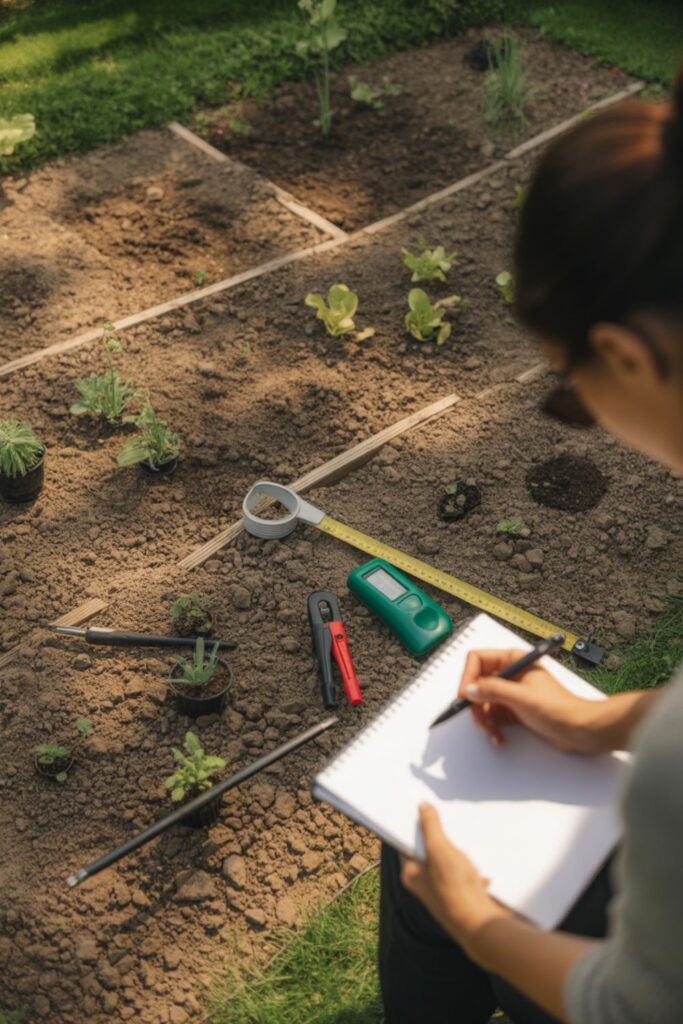
Your flower bed design success depends heavily on selecting an appropriate location with adequate sunlight exposure. Most flowering perennials require six to eight hours of direct sunlight daily, though shade-loving varieties like hostas and astilbes thrive with less. Walk your property at different times throughout the day to identify sun patterns and note where shadows fall.
Soil preparation ranks among the most critical yet overlooked aspects of creating a thriving garden. Test your soil’s pH level using an inexpensive kit from any garden center; most flowers prefer slightly acidic to neutral soil between 6.0 and 7.0. Clay soils need amendments like compost and sand to improve drainage, while sandy soils benefit from organic matter that retains moisture. Your local extension office provides free or low-cost soil testing services that reveal nutrient deficiencies requiring correction before planting. Proper Vibrant flower garden preparation creates the foundation for healthy root development and robust blooms that last throughout the season.
Selecting Flowers for Continuous Seasonal Interest
Smart perennial garden planning ensures your landscape displays color from early spring through late fall. Layer your plantings with early bloomers like crocuses and daffodils, mid-season showstoppers such as peonies and daylilies, and late-season performers including asters and sedums. This succession planting technique keeps your garden vibrant when many neighbors’ yards fade into green monotony.
Companion planting extends beyond vegetable gardens into ornamental landscapes. Pair tall flowers like delphiniums and hollyhocks at the back of Vibrant flower garden, medium-height varieties such as coneflowers and black-eyed Susans in the middle, and low-growing plants like alyssum and creeping phlox along edges. This tiered approach maximizes visibility for each plant while creating a professional-looking dimension. The National Gardening Association recommends choosing at least 60% perennials and 40% annuals for established gardens; perennials return year after year while annuals fill gaps and provide extended color. Consider your hardiness zones when selecting plants to ensure they survive winter temperatures in your region.
Creating Effective Color Schemes and Visual Impact
The color wheel serves as your most valuable tool for designing harmonious flower combinations. Analogous color schemes use colors adjacent on the wheel like purple, blue, and pink for soothing, cohesive looks. Complementary schemes pair opposites such as yellow and purple or orange and blue for dramatic, eye-catching contrast. Monochromatic gardens featuring varied shades of a single color create sophisticated elegance that never goes out of style.
Warm colors including red, orange, and yellow appear to advance toward viewers, making them perfect for focal points or distant garden areas you want to emphasize. Cool colors like blue, purple, and white recede visually, adding depth to small spaces and creating calming atmospheres. White flowers serve as neutral buffers between clashing colors and illuminate evening gardens when other blooms fade into darkness. Professional designers often incorporate silver-foliaged plants like artemisia and lamb’s ear to bridge color transitions and add textural interest beyond blooms alone.
Designing Garden Structure and Layout Patterns
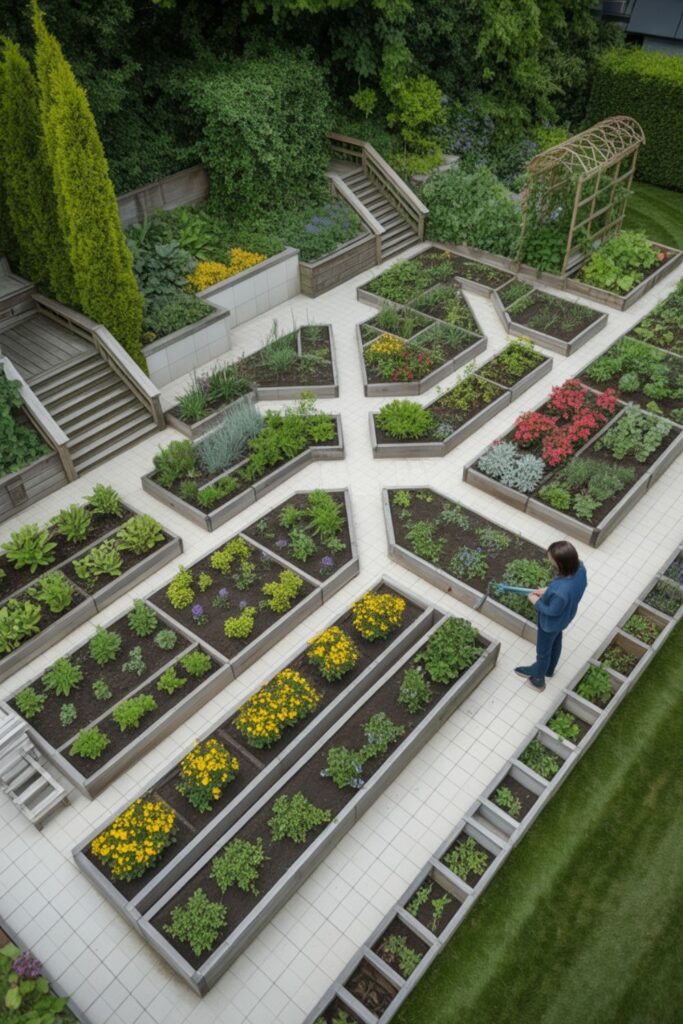
Garden structure provides the backbone that makes random plantings look intentional and professionally designed. Incorporate hardscaping elements like stone pathways, decorative edging, and focal point features such as arbors or birdbaths that guide the eye through your landscape. Curved beds feel more natural and inviting than rigid geometric shapes, though formal gardens benefit from symmetrical patterns and defined borders.
The rule of three proves invaluable when arranging flowering plant combinations planted in odd-numbered groupings of three, five, or seven for natural-looking clusters that avoid the artificial appearance of paired plantings. Mass plantings of the same variety create bold statements that register from a distance, while mixed plantings offer close-up interest for intimate viewing. Leaving adequate space between plants for air circulation and future growth crowded gardens invite disease and require constant thinning. A well-designed colorful garden layout balances repetition for unity with variety for interest, repeating key plants throughout the space while introducing complementary species that prevent monotony.
What Are the Best Flower Combinations for Year-Round Color?
Achieving continuous color requires strategic selection of plants with staggered bloom time schedules. Start your spring display with early bulbs like snowdrops, crocuses, and tulips, then transition to late spring favorites including bleeding hearts, columbines, and irises. Summer brings the peak flowering season with coneflowers, daylilies, bee balm, salvia, and zinnias providing months of vibrant blooms. Extend the show into fall with asters, chrysanthemums, Russian sage, and ornamental grasses that maintain interest even after frost.
Layer in evergreen shrubs and plants with attractive foliage for winter structure when flowers disappear. Hellebores bloom in late winter through early spring, bridging the gap between seasons when most gardens look dormant. The best perennial garden planning includes plants selected for multiple seasons of interest like coneflowers that offer summer blooms followed by seed heads that feed birds and add winter texture. This approach creates a dynamic landscape that rewards attention throughout the entire year rather than peaking briefly then fading.
How Do I Plan a Flower Garden Layout for Small Spaces?
Small yards and limited garden beds demand creative Vibrant flower garden that maximizes vertical space and visual impact. Install trellises, obelisks, or wall-mounted planters for climbing roses, clematis, and morning glories that add height without consuming precious ground area. Container gardens supplement in-ground plantings and allow you to adjust arrangements throughout the season based on what’s currently blooming.
Choose dwarf or compact varieties of popular flowers specifically bred for small spaces miniature roses, compact coneflowers, and dwarf daylilies deliver full-sized beauty in space-saving forms. Light colors and fine-textured plants make tight areas feel more spacious, while large leaves and dark colors can overwhelm small gardens. Create depth by placing taller plants toward the back or center with progressively shorter varieties toward edges, even in narrow beds. Mirrors strategically placed behind plantings create the illusion of expanded space, while limiting your color palette to two or three hues prevents small gardens from appearing cluttered despite dense planting. Successful small-space vibrant flower garden design proves that square footage matters less than thoughtful planning and smart plant selection.
Read More About: Beautiful Flower Yard To Create a Stunning Outdoor Paradise
Maintaining Your Vibrant Flower Garden Throughout the Seasons
Consistent maintenance keeps your colorful garden layout looking professionally designed rather than overgrown and chaotic. Deadhead blooms regularly to encourage continued flowering and prevent plants from putting energy into seed production. Most perennials benefit from division every three to five years, which rejuvenates aging plants while providing free material for expanding your garden or sharing with friends.
Soil preparation doesn’t end after initial planting top-dress beds with compost annually to replenish nutrients and improve soil structure. Apply two to three inches of organic mulch around plants to suppress weeds, retain moisture, and regulate soil temperature. Water deeply but infrequently to encourage deep root growth rather than shallow, drought-susceptible root systems. Morning watering reduces disease risk by allowing foliage to dry before nightfall. Monitor regularly for pests and diseases, addressing problems promptly before they spread throughout your garden. Fall cleanup removes diseased plant material while leaving seed heads and stems that provide winter habitat for beneficial insects. These consistent practices ensure your flowering plant combinations remain healthy and vibrant year after year with manageable effort.
Incorporating Native Plants for Low-Maintenance Beauty
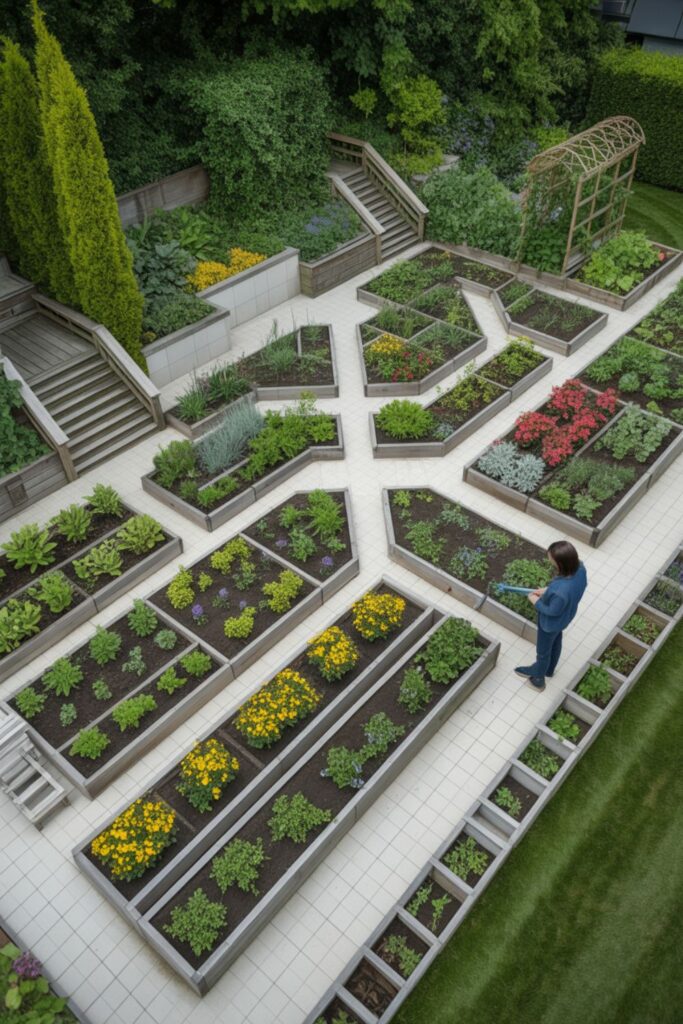
Native plants adapted to your region’s climate, soil, and pests require significantly less maintenance than exotic species while supporting local ecosystems. These tough performers evolved alongside regional hardiness zones conditions and typically resist drought, disease, and pest damage without chemical interventions. Native wildflowers like black-eyed Susans, purple coneflowers, and butterfly weed attract pollinators including bees, butterflies, and hummingbirds that benefit your entire landscape.
Research which native species historically grew in your area before development altered natural landscapes. The Lady Bird Johnson Wildflower Center and your local extension office provide region-specific native plant recommendations perfectly suited to your growing conditions. Native perennial garden planning reduces water consumption by up to 50% compared to traditional landscapes dominated by non-native species and resource-intensive lawns. These plants establish quickly, spread naturally to fill gaps, and create an authentic sense of place that connects your garden to the broader landscape. Combining native species with well-adapted non-invasive ornamentals creates sustainable vibrant flower garden design that benefits both homeowners and the environment while requiring minimal intervention.
What Mistakes Should I Avoid When Designing a Flower Garden?
New gardeners commonly plant too closely, failing to account for mature plant sizes listed on tags. This overcrowding creates maintenance headaches requiring constant thinning while promoting disease through poor air circulation. Calculate plant spacing based on mature spread rather than current nursery pot size, even though young gardens look sparse initially.
Ignoring sunlight requirements ranks among the costliest mistakes sun-loving plants languish in shade while shade plants scorch in full sun regardless of how much you water. Match plants to existing conditions rather than attempting to change your site’s fundamental characteristics. Many beginners also neglect bloom time coordination, creating gardens that explode with color briefly then fade to all-green for months. Avoid the “one of everything” approach that produces chaotic collections lacking cohesion instead, repeat key plants throughout your design for professional unity. Skipping soil preparation and planting directly into poor native soil sets plants up for failure before they even begin. Finally, don’t overlook maintenance requirements when selecting plants. Choose varieties matching your available time and interest level rather than creating a high-maintenance showcase requiring daily attention you won’t provide. Thoughtful flower bed design considers these common pitfalls and plans accordingly for long-term success.
Advanced Techniques for Professional-Looking Results
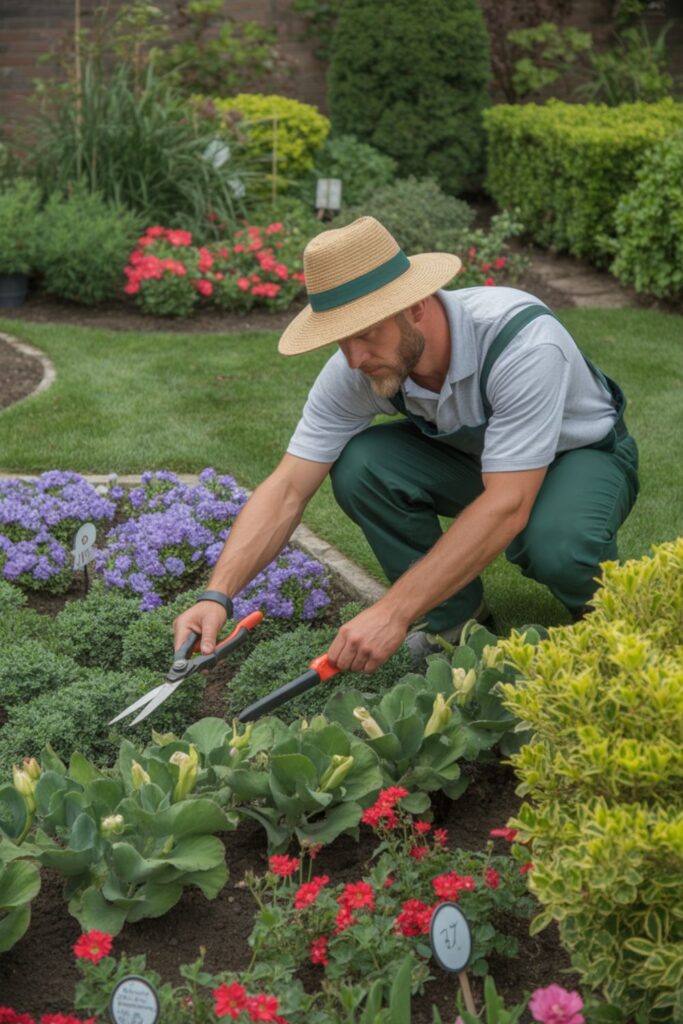
Layering different plant heights, textures, and forms creates sophisticated garden structure beyond simple color coordination. Combine bold, architectural plants like irises and daylilies with fine-textured fillers such as baby’s breath and Russian sage. Add spiky vertical elements including salvia, liatris, and foxglove to contrast with rounded forms like sedum and coral bells. This textural diversity maintains interest even when flowers aren’t blooming.
Strategic repetition ties disparate garden beds together into cohesive designs. Repeat key plants at regular intervals throughout your landscape to create rhythm and visual flow that guides viewers through your garden. Odd-numbered plantings feel more natural than even-numbered groupings, but breaking this rule occasionally creates intentional emphasis on special features. Consider foliage color and texture as important as flowers plants like heuchera, Japanese forest grass, and coleus provide season-long interest that extends beyond brief bloom periods. Professional landscape design ideas incorporate hardscaping like pathways, seating areas, and decorative borders that define spaces and provide year-round structure regardless of planting changes. These advanced techniques elevate competent gardens into exceptional landscapes that showcase your creativity and horticultural knowledge.
FAQs
How long does it take to establish a vibrant flower garden?
Most perennial garden planning projects show initial results within one growing season, though gardens typically reach mature fullness in two to three years as perennials establish root systems and spread. Annuals provide immediate color while perennials develop. The gardening adage “first year they sleep, second year they creep, third year they leap” accurately describes perennial establishment, so patience rewards you with increasingly spectacular displays as plants mature and fill in gaps.
What is the best time of year to start a flower garden?
Spring and fall represent ideal planting windows for most regions. Spring planting from March through May allows roots to establish before summer heat stress, while fall planting from September through November lets plants settle in during cool weather before winter dormancy. Container-grown perennials can technically be planted anytime the ground isn’t frozen, but avoid mid-summer planting during extreme heat that stresses transplants. Your specific hardiness zones and local climate determine optimal timing for your area.
How much does professional flower garden design cost?
Professional landscape design ideas range from $50-150 per hour for consultation-only services, while full design and installation packages typically cost $3,000-15,000 depending on garden size and complexity. DIY vibrant flower garden design significantly reduces costs, with most homeowners spending $300-1,500 on plants, soil amendments, mulch, and materials for a medium-sized garden bed. Native plants and perennials represent higher upfront investment than annuals but prove more economical long-term since they return yearly without replanting costs.
Can I create a vibrant garden in shady areas?
Absolutely shade gardens showcase different plants than sunny borders but offer equal beauty. Shade-loving perennials including hostas, astilbes, bleeding hearts, lungwort, and hellebores provide colorful blooms and attractive foliage. Impatiens, begonias, and coleus deliver season-long color in shaded annual beds. Successful shade flower bed design embraces foliage textures and colors as primary design elements since blooms appear more sporadically than in sunny locations. Many shade plants feature variegated leaves, silver tones, and chartreuse hues that illuminate dark areas without requiring full sun exposure.
How do I choose flowers that attract butterflies and hummingbirds?
Pollinators prefer tubular flowers in red, orange, purple, and yellow hues rich in nectar. Plant native species like bee balm, cardinal flower, butterfly weed, coneflowers, and salvia that evolved alongside local pollinator populations. Avoid double-flowered varieties that sacrifice nectar-producing structures for extra petals. Group similar plants together rather than scattering individuals mass plantings register more effectively from a distance and provide sufficient food resources. Include host plants like milkweed for monarch caterpillars alongside nectar sources. Skip pesticides that harm beneficial insects, and provide water sources like shallow birdbaths with stones for landing spots.
Conclusion
Vibrant flower garden design transforms ordinary outdoor spaces into personalized sanctuaries that reflect your style while increasing property value and supporting local ecosystems. The techniques covered here from soil preparation and sun exposure assessment to strategic flowering plant combinations and seasonal interest planning provide everything you need to create professional-quality results. Your garden will evolve and improve each year as plants mature and you refine your design based on firsthand observations.
Start small with a manageable bed rather than overwhelming yourself with extensive projects requiring more time and resources than you can sustain. Choose plants suited to your specific growing conditions and maintenance preferences instead of fighting against your site’s natural characteristics. Remember that even experienced gardeners learn through experimentation, so embrace both successes and failures as valuable lessons informing future decisions. Your colorful garden layout awaits, ready to provide beauty, satisfaction, and connection to nature right outside your door for years to come.