23+ Zen Garden Landscaping Ideas

Modern life bombards us with constant noise, notifications, and demands. Your outdoor space could offer refuge, yet most yards feel chaotic rather than calming. Traditional landscaping focuses on colorful abundance and high maintenance, leaving you exhausted rather than restored.
This disconnection from tranquility affects your mental health and overall wellbeing. You crave a peaceful retreat where stress melts away, but creating such a space feels complicated and expensive. Authentic Zen garden landscaping seems reserved for Buddhist temples or wealthy estate owners with professional designers.
The truth? You can transform even small spaces into serene meditation gardens using simple Zen landscaping principles. These Japanese-inspired designs emphasize minimalism, natural elements, and intentional simplicity. This guide reveals practical Zen garden ideas that work for any budget or space size, helping you create a contemplative sanctuary that promotes mindfulness and reduces daily stress without requiring expert knowledge or extensive resources.
What Defines Authentic Zen Garden Design?
Zen garden landscaping originates from Japanese Buddhist philosophy, creating spaces meant for meditation and spiritual reflection. These principles set true Zen garden landscaping apart from generic Asian-themed yards by grounding every design choice in purpose and mindfulness.
Simplicity lies at the heart of Zen garden landscaping. Each element is intentionally placed every rock, plant, or water feature serves a clear purpose. This minimalist approach removes distractions and creates visual calm. Authentic Zen garden landscaping also embraces asymmetry: three rocks instead of two, pathways that gently curve instead of running in straight lines. These choices reflect nature’s irregular, organic patterns. Natural materials such as stone, gravel, bamboo, and wood dominate the layout, ensuring the space feels grounded and timeless.
Another essential element in Zen garden landscaping is the concept of ma (negative space). Open areas allow the mind to settle and the eyes to rest. Borrowed scenery (shakkei) integrates distant mountains, trees, or surrounding landscapes so the garden feels connected to the larger environment. Symbolism plays a powerful role as well raked gravel represents flowing water, stone groupings mimic islands or mountains, and carefully pruned plants symbolize harmony between humans and nature. By understanding these core principles of Zen garden landscaping, you create a space that promotes true tranquility rather than simply replicating a popular visual trend.
Essential Elements Every Zen Garden Needs
Certain components appear consistently in traditional Zen garden landscaping, each contributing to the peaceful, meditative atmosphere these spaces are known for. All elements work together to create balance and harmony, which is essential in authentic Zen garden landscaping.
Gravel or sand forms the primary canvas in Zen garden landscaping. Light or white gravel is raked into flowing patterns that mimic water ripples, creating the iconic karesansui (dry landscape) style. This gravel not only defines the aesthetic but also requires minimal maintenance; its raking becomes a meditative practice on its own. Rocks and boulders serve as the main focal points in Zen garden landscaping, symbolizing mountains or islands. Choose naturally weathered stones and arrange them in groups of three, five, or seven. Vertical stones represent strength, while horizontal stones create a feeling of grounded stability.
Simple water features also enrich Zen garden landscaping by adding gentle motion and soothing sound. Elements like a traditional tsukubai (stone water basin) or a subtle shishi-odoshi (bamboo fountain) bring authenticity and calm. Plantings in Zen garden landscaping remain intentionally minimal, focusing on evergreens such as Japanese maple, azalea, and black pine. Moss blankets add soft texture and visual serenity. Pathways made of stepping stones guide slow, mindful movement through the space, encouraging visitors to be present. Finally, bamboo fencing or natural screens complete Zen garden landscaping by offering enclosure without isolation, maintaining a strong connection with the surrounding environment.
How to Design a Small Zen Garden in Limited Space
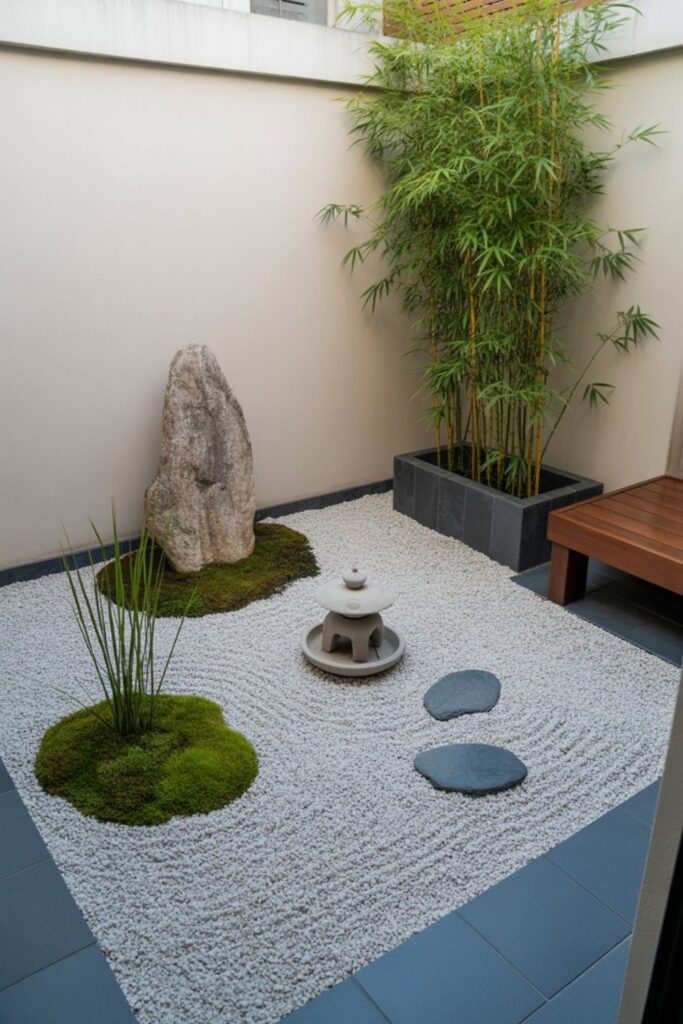
Small Zen garden landscaping proves that serenity has no size limits. In fact, compact spaces often align more closely with Zen principles of simplicity, restraint, and mindful design. Even the smallest areas can become peaceful retreats when approached with intentional Zen garden landscaping techniques.
Courtyard Zen garden landscaping works beautifully in narrow side yards, enclosed patios, or small courtyard spaces. Light-colored gravel helps brighten tight areas and creates the illusion of openness. A single sculptural rock can serve as a powerful focal point, surrounded by carefully raked patterns. Add a small stone lantern and minimal plantings such as bamboo or Japanese forest grass to one corner. The essence of Zen garden landscaping in small courtyards is resisting the urge to fill every inch and instead allowing negative space to create visual breathing room.
Container-style Zen garden landscaping also thrives on balconies or compact patios. A large, shallow ceramic bowl filled with fine gravel, miniature rocks, and a bonsai or small succulent can recreate the meditative aesthetic on a smaller scale. Including a tiny rake allows you to refresh patterns as part of your mindfulness practice. Tabletop Zen garden landscaping brings tranquility indoors, making it perfect for desks, side tables, or meditation corners. These miniature versions deliver the same calming benefits as larger installations.
Vertical Zen garden landscaping maximizes space in urban environments by utilizing wall-mounted bamboo screens, hanging air plants, and small mounted water features. Even a 4×6 foot area can become a functional meditation garden when designed with intentional simplicity and the thoughtful placement of essential Zen elements.
Read More About: 25+Small Potted Garden Ideas
Best Plants for Zen Garden Landscaping
Zen garden plants emphasize structure, evergreen foliage, and subtle beauty over flashy blooms. These selections maintain year-round interest with minimal maintenance.
Japanese maple (Acer palmatum) provides graceful branching and delicate foliage that shifts from spring green to autumn crimson. Dwarf varieties like ‘Crimson Queen’ fit smaller spaces while maintaining elegant form. Bamboo creates natural screening and introduces gentle rustling sounds. Clumping varieties like Fargesia stay contained without invasive spreading. Their vertical lines contrast beautifully with horizontal gravel patterns. Black pine (Pinus thunbergii) and mugo pine offer sculptural shapes that improve with age and occasional pruning.
Moss species like sheet moss or cushion moss carpet shaded areas with soft green texture, thriving in moist, acidic conditions. Japanese forest grass (Hakonechloa) cascades in graceful mounds with golden or variegated foliage that brightens shaded spots. Azaleas provide controlled spring color without overwhelming the design, especially cloud-pruned varieties that maintain rounded shapes. Mondo grass and liriope create low edging with neat, grass-like foliage. Ferns like autumn fern add feathery texture in shaded areas. These low-maintenance Zen plants require minimal pruning, fertilizing, or irrigation once established, allowing the garden to maintain its serene appearance with minimal intervention.
Creating Rock Arrangements That Tell a Story
Rock placement in Zen gardens follows specific principles that create visual harmony and symbolic meaning. These arrangements form the garden’s spiritual foundation.
Choose weathered stones with interesting textures and natural patinas rather than freshly quarried rock. Visit landscape supply yards to select pieces personally, examining each stone’s character. The Japanese concept of ishigumi (rock setting) involves grouping stones in odd numbers, typically three or five, to create triangular compositions. Position the largest “parent” stone first, then arrange smaller “child” stones to support the composition while maintaining visual balance.
Vertical stones represent mountains or masculinity, while horizontal stones suggest water or femininity. Mixing orientations creates dynamic tension and natural appearance. Partially bury rocks to suggest they’ve been there eternally, emerging from the earth naturally rather than sitting on the surface. Consider viewing angles and arrange stones to look balanced from the primary viewing point (often a meditation bench or tea house). Leave space between groupings to emphasize each arrangement’s importance. Moss growing on rocks enhances aged appearance. Some Zen masters spend years selecting the perfect stone for a specific location, demonstrating how seriously rock placement influences the garden’s spiritual energy and meditative power.
What Are the Different Types of Zen Gardens?
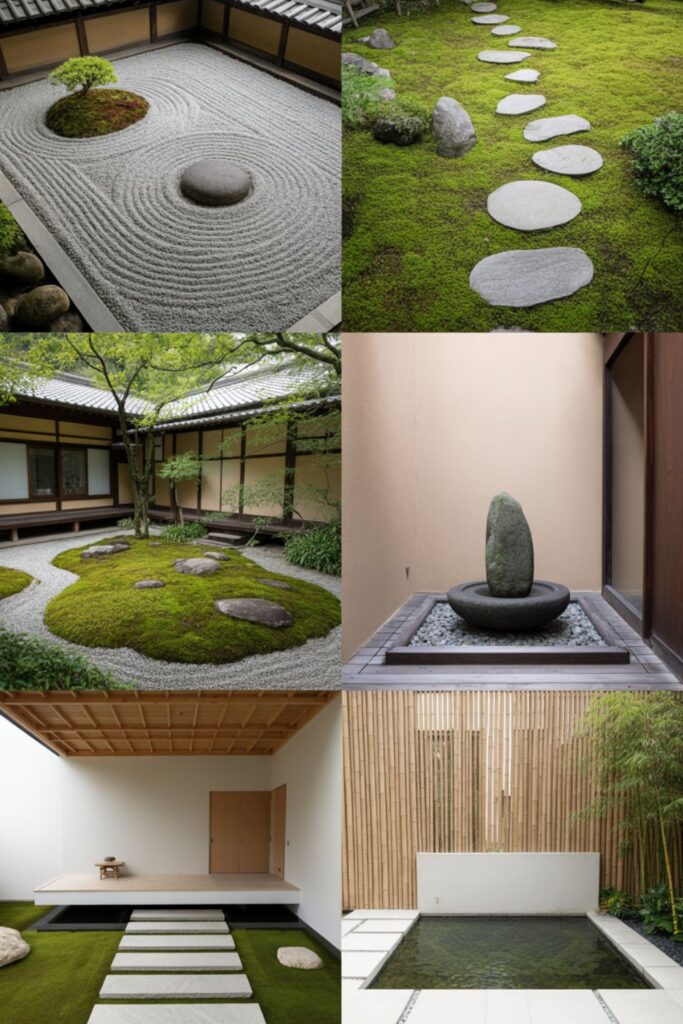
Several distinct styles exist within Zen garden design, each serving different purposes and aesthetic preferences. Understanding these variations helps you choose the right approach.
Karesansui (dry landscape gardens) represent the most minimalist style. These use no water, instead employing raked gravel to symbolize oceans or rivers. Rock arrangements suggest islands or mountains. Famous examples include Ryoan-ji Temple in Kyoto. This style requires the least maintenance and works beautifully in arid climates. Tea gardens (roji) create pathways to tea houses, emphasizing the journey toward enlightenment. They feature stepping stone paths, stone lanterns, water basins, and carefully placed plantings that guide visitors through transitional spaces.
Pond gardens incorporate still water reflecting sky, stones, and surrounding vegetation. Koi fish often inhabit these ponds, their graceful movements adding life and meditation focus. Stroll gardens invite walking meditation, with carefully planned routes revealing new perspectives and scenery at each turn. Courtyard gardens (tsuboniwa) transform small enclosed spaces into intimate retreats. Moss gardens like Saiho-ji in Kyoto create soft, verdant carpets under tree canopies. Each Zen garden style offers different experiences, from the stark minimalism of dry gardens to the lush greenery of moss gardens, allowing you to select the approach that best matches your space, climate, and spiritual practice.
How to Incorporate Water Features in Zen Design
Water elements introduce movement, sound, and reflection to Zen gardens. These features range from simple to elaborate, all promoting tranquility.
Tsukubai (stone water basins) originally served tea ceremony purification rituals. These low basins require visitors to bow, promoting humility. Water drips slowly from a bamboo pipe, filling the basin before overflowing onto surrounding river stones. Modern versions operate with small recirculating pumps hidden in underground reservoirs. Shishi-odoshi (deer scarers) use bamboo tubes that fill with water, tip to empty, then strike a rock with a hollow “tok” sound. This rhythmic percussion originally frightened animals from crops but now provides meditative focal points.
Still ponds reflect surrounding elements like mirrors, doubling visual impact while creating contemplative surfaces. Keep ponds simple avoid elaborate waterfalls or colored lights that contradict Zen principles. Stream features meander through gardens, their gentle trickling providing white noise that masks urban sounds. Use natural stones to line channels rather than concrete or plastic. Rain chains (kusari doi) replace downspouts, guiding rainwater along decorative chains into basins or gravel beds. The visual and auditory experience of rainfall becomes an intentional design element. All Zen water features should blend seamlessly with their surroundings, appearing as natural extensions of the landscape rather than artificial additions.
Zen Garden Pathway Design and Materials
Pathways in Zen gardens serve practical and symbolic purposes, guiding physical movement while encouraging mindful awareness. Design choices influence the entire garden experience.
Stepping stone paths (tobi-ishi) force deliberate, measured steps, slowing visitors and heightening awareness of surroundings. Space stones one comfortable stride apart, approximately 14-16 inches center to center. Vary stone sizes slightly and stagger placement to prevent monotonous rhythm. Set stones firmly in sand or gravel, ensuring they don’t wobble. Their irregular shapes and asymmetrical placement reflect natural patterns rather than manufactured uniformity.
Gravel paths define circulation while maintaining simplicity. Use decomposed granite or fine crushed stone that compacts firmly underfoot. Edge with larger river rocks or timber to contain materials. Boardwalks suit damp areas or gardens with water features, elevating pathways above moss or ground covers. Use weathered wood or composite materials in natural tones. Moss paths create soft green corridors through shaded gardens, though they tolerate only light foot traffic. Interplant with stepping stones where regular passage occurs. All Zen pathway materials should weather naturally, developing patinas that integrate them into the landscape. Avoid concrete, bright pavers, or geometrically precise layouts that feel artificial and interrupt the meditative flow your Japanese garden paths aim to create.
Creating Privacy and Enclosure in Zen Spaces
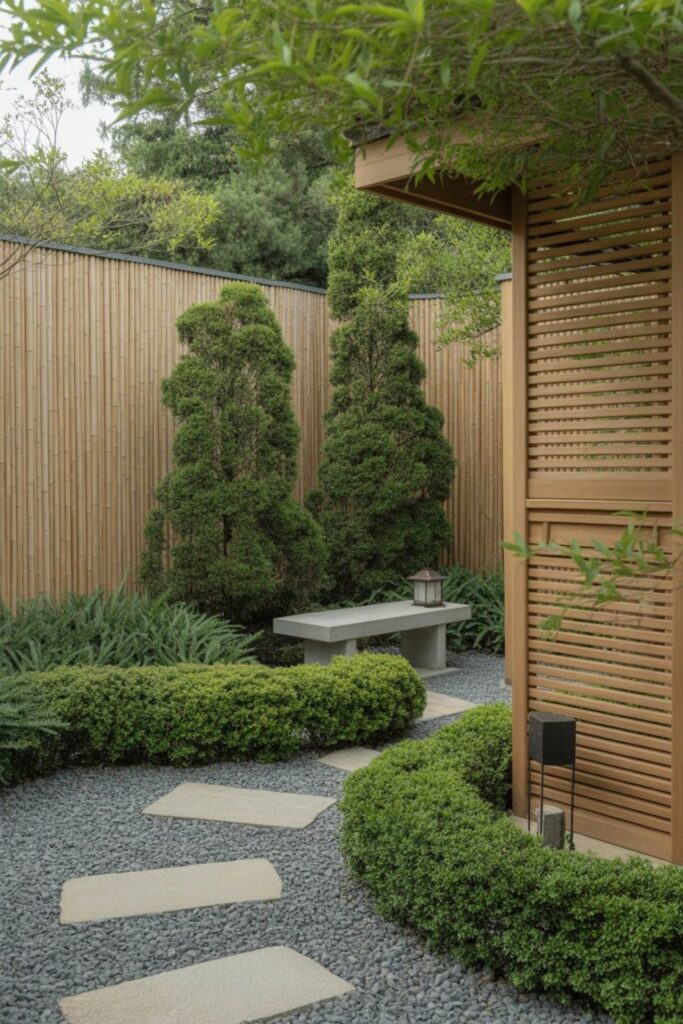
Privacy elements define garden boundaries while maintaining connection with nature. Zen design balances enclosure with openness through thoughtful screening choices.
Bamboo fencing provides classic Zen aesthetics with various styles. Kenniniji-gaki features horizontal bamboo poles lashed to vertical supports with black hemp rope, creating semi-transparent screens. Misu-gaki uses split bamboo attached vertically for solid privacy. Natural bamboo weathers to soft gray tones over time, though sealed versions maintain golden color longer. These fences filter light while allowing air circulation and partial views.
Living screens using bamboo plants create year-round privacy with natural movement and rustling sounds. Clumping varieties like Fargesia robusta stay contained without invasive spreading concerns. Japanese privet, boxwood, or evergreen azaleas clipped into hedges provide formal structure. Living walls combine moss, ferns, and trailing plants on vertical frames, maximizing space in compact gardens. Stone walls using stacked fieldstone without mortar create a permanent enclosure with rustic character. Gaps between stones allow drainage and provide habitat for beneficial insects. Wood fencing in horizontal slat designs filters views while maintaining contemporary aesthetics that complement Zen principles. All Zen garden privacy solutions should feel organic rather than fortress-like, creating sanctuary without complete disconnection from the surrounding environment.
Lighting Techniques for Evening Zen Garden Ambiance
Zen garden lighting extends usability into evening hours while creating magical nighttime atmospheres. Subtle illumination respects the garden’s peaceful character.
Stone lanterns (ishidoro) represent traditional Japanese lighting, originally holding candles or oil lamps. Modern versions accommodate low-voltage LED bulbs while maintaining authentic appearance. Yukimi-gata (snow-viewing lanterns) feature wide caps and short pedestals placed near water features. Tachi-gata (pedestal lanterns) stand taller along pathways. Position lanterns to cast gentle pools of light rather than flooding entire areas. Their soft glow highlights rock arrangements and creates interesting shadows.
Uplighting placed at tree bases illuminates branching structures and foliage from below, creating dramatic silhouettes against evening sky. Use warm white LEDs rather than cool white for more natural appearance. Path lighting using low-profile fixtures guides movement safely without disrupting nighttime ambiance. Space lights 6-8 feet apart along walkways, keeping fixtures below knee height. Underwater lighting in ponds creates mysterious glowing effects and illuminates koi fish movements. Moonlighting installed high in trees mimics natural moonlight filtering through branches, casting dappled shadows on gravel and pathways. Avoid colored lights or bright spotlights that contradict Zen aesthetics. All Zen garden lighting should enhance rather than dominate, allowing darkness to remain part of the experience while providing safe navigation and subtle beauty.
Maintenance Requirements for Zen Gardens
Zen garden maintenance focuses on preserving simplicity and order. These tasks support meditation rather than becoming burdensome chores.
Raking gravel represents the most iconic Zen garden task. Use a wooden rake to create parallel lines representing water ripples, or concentric circles around rock groupings. This process becomes moving meditation, clearing your mind while tending the garden. Rake weekly or as needed after storms disturb patterns. Weed removal prevents unwanted growth from interrupting clean lines. Pull weeds promptly when small, before they establish deep roots. Landscape fabric beneath gravel helps but doesn’t eliminate weeds entirely.
Pruning plants maintains intentional shapes and scale. Cloud-prune azaleas and pines to create rounded forms that echo stones. Remove dead branches from Japanese maples in late winter. Trim bamboo culms at ground level to control density. Moss care involves misting during dry periods and removing fallen leaves promptly to prevent smothering. Stone cleaning with water and soft brushes removes accumulated dirt without damaging patinas. Water feature maintenance includes checking pump function, cleaning filters, and adding water as needed. These low-maintenance Zen tasks require perhaps 30-60 minutes weekly, with deeper seasonal work adding a few hours quarterly. The maintenance itself becomes part of the Zen practice mindful tending that connects you with your space.
Budget-Friendly Zen Garden Ideas
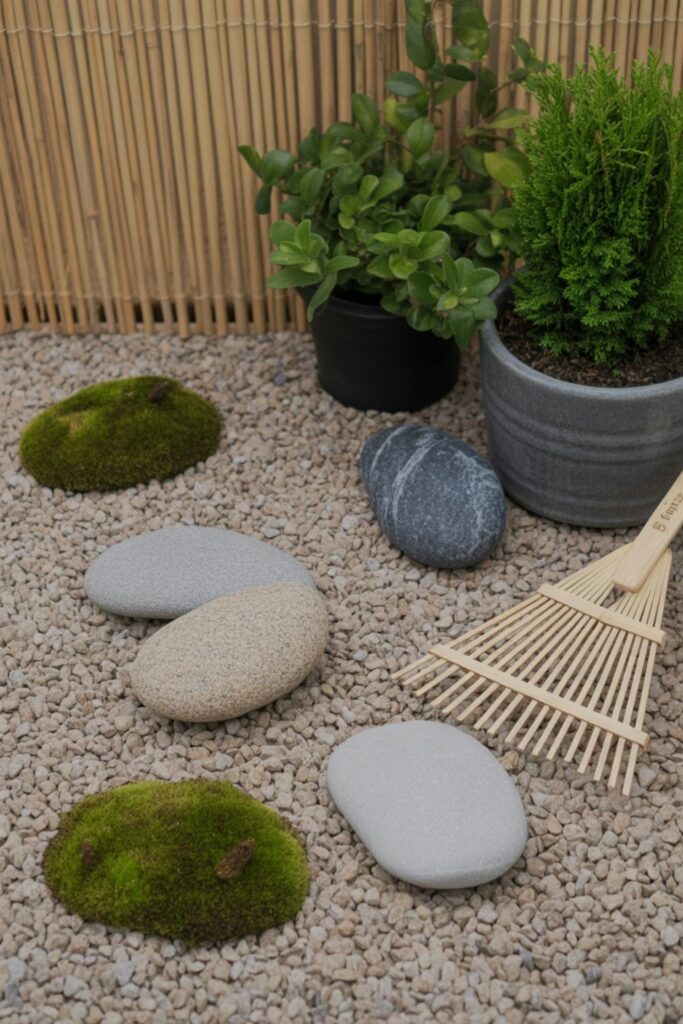
Creating affordable Zen gardens doesn’t require thousands of dollars. Strategic choices deliver authentic aesthetics on modest budgets.
Salvage materials from construction sites or landscape companies provide free or cheap rocks. Many companies discard interesting stones during excavations. Gravel alternatives like decomposed granite or crushed limestone cost less than specialty Japanese gravel while achieving similar effects. Buy in bulk from landscape suppliers rather than bagged material at retail stores. DIY water features using recirculating pumps and simple containers cost under $100 compared to thousands for professional installations.
Young plants establish quickly and cost a fraction of mature specimens. A three-gallon Japanese maple costs $40-60 versus $300-500 for a ten-gallon size. Moss cultivation from fragments spreads naturally over time, eliminating the need to purchase expensive sod. Bamboo fencing built using natural poles and black rope costs less than manufactured panels. Purchase poles from bamboo farms or online suppliers. Repurposed materials like old granite countertops become stepping stones or water basin platforms. Minimalist design inherently saves money; fewer elements mean lower costs. A simple arrangement of three rocks, raked gravel, and a single pine tree creates authentic Zen aesthetics for under $500. These budget Zen landscaping strategies prove that financial limitations don’t prevent creating meaningful meditation spaces.
Common Mistakes to Avoid in Zen Garden Design
Even experienced gardeners make errors that undermine Zen garden tranquility. Avoiding these pitfalls ensures your design achieves its contemplative purpose.
Over-planting contradicts Zen minimalism. Resist the urge to fill empty space with additional shrubs, flowers, or decorative objects. Negative space holds equal importance to physical elements, allowing visual rest and mental calm. Mismatched styles mixing Japanese, Chinese, Thai, and generic Asian elements creates confused aesthetics rather than authentic design. Research specifically Japanese Zen garden traditions rather than combining arbitrary Asian references.
Artificial colors like bright red bridges, blue-painted fences, or colored gravel destroy natural harmony. Stick to earth tones, weathered wood, and natural stone. Symmetrical layouts feel forced and unnatural. Nature produces asymmetry three rocks rather than four, pathways that curve rather than run straight. Overcomplicated water features with multiple levels, bright lights, or elaborate sculpture contradict simple elegance. Inappropriate plants like tropical palms or bright annuals clash with temperate Japanese aesthetics. Poor rock placement using newly quarried stone sitting on surfaces rather than partially buried makes arrangements look artificial. Neglecting maintenance allows weeds and disorder to undermine carefully created serenity. These Zen garden mistakes distract from meditation and relaxation rather than supporting these core purposes.
Read More About: 27+ Best Simple Garden Plants for Busy People
Adapting Zen Design to Different Climates
Zen gardens originated in temperate Japanese climate, but principles adapt to various regions. Smart modifications preserve authenticity while respecting local conditions.
Desert climates actually align well with karesansui (dry landscape) gardens. Replace gravel with native decomposed granite, use desert-adapted pines like Afghan pine, and incorporate regional rocks with interesting colors and textures. Agave and yucca substitute for traditional plantings while maintaining sculptural qualities. Water-wise adaptations reduce irrigation needs without sacrificing design integrity.
Tropical regions require shade-tolerant plant selections and moisture management. Use ferns, bamboo, and tropical evergreens with clean foliage lines. Increase drainage in gravel areas to handle heavy rainfall. Northern climates emphasize hardy evergreens like mugo pine, juniper, and boxwood that survive harsh winters. Snow accumulation on carefully shaped plants creates its own aesthetic, traditionally called yukitsuri. Humid climates promote moss growth naturally, allowing extensive moss gardens without additional irrigation. Choose native mosses adapted to local conditions. Regional stone types limestone, sandstone, granite, basalt provide authentic character while reducing transportation costs and environmental impact. These climate-adapted Zen gardens respect both Japanese traditions and ecological realities of their locations.
FAQs
How much does it cost to create a basic Zen garden?
A basic DIY Zen garden costs $500-$2,000 for a 100-150 square foot space. This includes gravel ($150-300), rocks ($100-400), minimal plants ($100-300), basic bamboo fencing ($150-400), and pathway materials ($100-300). Professional installation adds $2,000-5,000 in labor costs depending on complexity and regional rates.
Can I create a Zen garden in full shade?
Yes. Shade-adapted Zen gardens use moss, ferns, Japanese forest grass, and shade-tolerant azaleas. Many authentic temple gardens exist under tree canopies. Reduce gravel coverage in favor of moss carpets, and select rock arrangements that work in lower light conditions.
What’s the best gravel type for raking patterns?
Decomposed granite or pea gravel sized 3/8 inch works best. Material should be angular enough to hold rake patterns without rolling, but fine enough to create smooth lines. White or light gray colors provide the classic appearance and brighten shaded areas.
How do I keep cats from using my Zen garden as a litter box?
Install motion-activated sprinklers near gravel areas, place citrus peels (cats dislike the scent), or lay chicken wire just beneath the gravel surface until cats break the habit. Some gardeners use river rocks mixed with gravel to make digging less appealing.
Do Zen gardens require a lot of maintenance?
No. Well-designed Zen gardens need 30-60 minutes weekly for raking, weeding, and basic tidying. Seasonal tasks like pruning and moss care add a few hours quarterly. Maintenance itself becomes meditative practice rather than tedious chore, aligning with Zen philosophy.
Conclusion
Zen garden landscaping offers more than beautiful outdoor spaces; it creates sanctuaries for mental clarity and spiritual renewal. By embracing minimalism, natural materials, and intentional simplicity, you transform chaotic yards into peaceful retreats that support daily meditation and stress reduction. These gardens succeed not through elaborate features or expensive materials, but through thoughtful arrangements of rocks, gravel, water, and carefully selected plants that work harmoniously together.
Start small rather than attempting comprehensive transformations overnight. Begin with a simple gravel area, three well-placed rocks, and a single Japanese maple or bamboo plant. As you live with this initial installation, you’ll understand how elements interact and where to add or refine. The most authentic Zen gardens evolve gradually, allowing your connection with the space to deepen naturally. Remember that perfection contradicts Zen philosophy embrace weathering, seasonal changes, and natural imperfections as part of the garden’s character. Your meditation space becomes more valuable through personal engagement with its creation and maintenance than through expensive professional design.