Best Backyard Gazebo Designs for a Beautiful and Relaxing Outdoor Space

Your backyard has potential you might not even realize yet. But without a defined focal point, it stays just that potential. Most homeowners spend years staring at a flat, underused yard, knowing something is missing but unsure what to do about it. That empty space could be a thriving outdoor retreat where memories are made, meals are shared, and evenings stretch well past sunset. Backyard gazebo designs are one of the most powerful ways to unlock that potential and the options available today are far more exciting than you might expect.
Whether you want a cozy corner for morning coffee, a shaded dining area for summer dinners, or an elegant garden centerpiece that turns heads, the right gazebo design can do it all. This guide covers every style, material, and planning consideration you need to build the backyard of your dreams.
What Are the Most Popular Backyard Gazebo Designs?
Backyard gazebo designs range from rustic wooden structures to sleek, modern metal frames and the best one depends entirely on how you plan to use the space. Understanding your options up front saves you time, money, and the very specific frustration of building something you don’t actually love.
Here’s a breakdown of the most popular styles homeowners choose today:
| Gazebo Style | Best For | Common Materials |
| Classic Octagonal Gazebo | Traditional gardens, focal points | Cedar, redwood, vinyl |
| Modern Rectangular Gazebo | Outdoor dining, entertaining | Steel, aluminum, composite |
| Rustic Wooden Gazebo | Cottage gardens, natural settings | Pressure-treated pine, cedar |
| Pergola-Style Gazebo | Open-air shade, climbing plants | Wood, aluminum |
| Pop-Up/Soft-Top Gazebo | Temporary use, events | Steel frame, polyester canopy |
| Japanese-Inspired Gazebo | Zen gardens, meditation spaces | Bamboo, dark-stained wood |
| Victorian Gazebo | Formal gardens, curb appeal | Ornate wood, painted white |
Each style brings a distinct personality to your yard. A classic octagonal gazebo anchors a garden beautifully and offers 360-degree views. A modern rectangular gazebo, on the other hand, works like an outdoor room clean, functional, and easy to furnish. Think carefully about your yard’s existing aesthetic before committing to a style. A Victorian gazebo looks stunning in a formal English garden but slightly out of place next to a contemporary minimalist home.
How Do You Choose the Right Gazebo Design for Your Backyard?
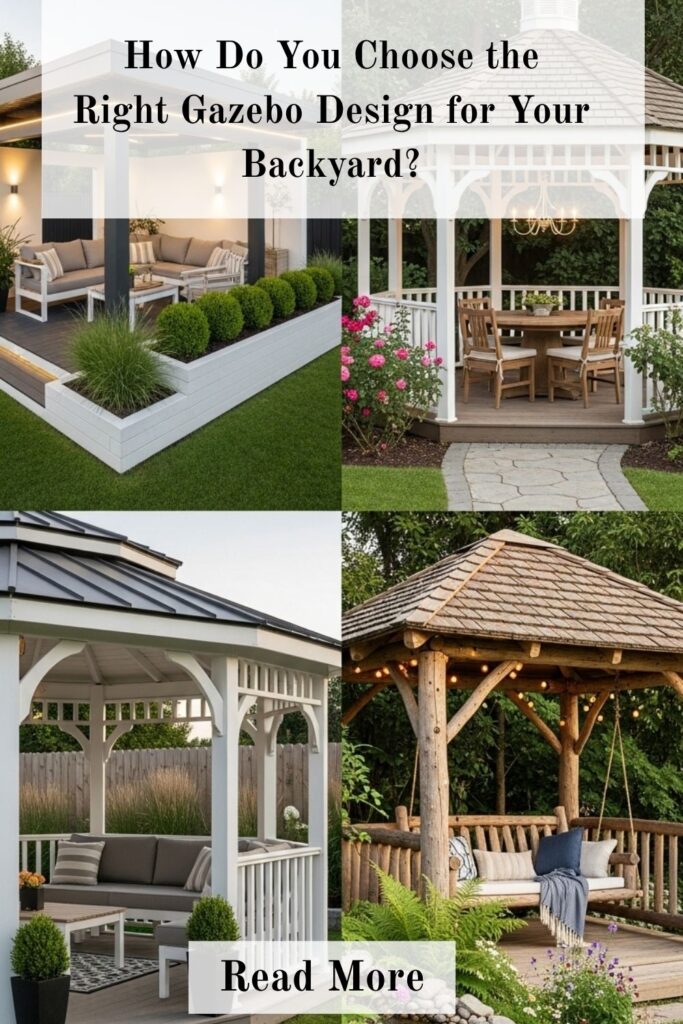
Choosing the right backyard gazebo design comes down to three core factors: size, placement, and purpose. Get those three right and everything else falls into place naturally.
Consider Your Yard Size First
A gazebo that overwhelms a small yard feels claustrophobic rather than charming. As a general rule, a 10×10 or 10×12 Backyard gazebo designs works well for yards under 1,500 square feet. Larger yards can accommodate 12×14 or even 14×16 structures without losing that open, airy feel. Always leave at least six to eight feet of clearance between your backyard shade structure and any fencing, trees, or the house itself.
Match the Gazebo to Your Lifestyle
Your lifestyle should drive your design choice more than anything else. Do you host large outdoor gatherings? A modern rectangular gazebo with a solid roof and built-in lighting is your best bet. Are you more of a solo reader who wants a quiet garden corner? A smaller garden gazebo with lattice sides and climbing roses might be exactly what the doctor ordered. Families with young kids often gravitate toward gazebo kits with durable, weather-resistant materials that can handle the chaos of everyday life without demanding constant upkeep.
Read More About: Outdoor Firewood Storage Ideas for Smart, Stylish, and Practical Solutions
What Materials Work Best for Outdoor Gazebo Designs?
The material you choose determines how your Backyard gazebo designs looks, how long it lasts, and how much maintenance you’ll sign up for. There’s no universally “best” material, only the best material for your specific climate, budget, and aesthetic preferences.
Wood: The Timeless Classic
Cedar and redwood remain the gold standard for outdoor gazebo construction. Both species resist rot and insects naturally, which means fewer treatments and a longer lifespan. Cedar, in particular, has a warm, honey-toned appearance that weathers gracefully into a silver-gray if left untreated, a look many homeowners actually prefer. According to the Forest Products Laboratory, properly maintained cedar structures can last 30 to 40 years in most climates. The tradeoff? Wood requires periodic staining or sealing, especially in regions with heavy rainfall or freezing winters.
Pressure-treated pine is a more affordable entry point. It handles moisture and insects well, but it lacks the natural beauty of cedar and often requires more cosmetic attention over time. If budget is a priority and you plan to paint or stain your Backyard gazebo designs anyway, pressure-treated pine delivers solid performance at a fraction of the cost.
Metal: Durability Meets Modern Style
Aluminum and steel gazebo frames have surged in popularity over the past decade, largely because they deliver exceptional durability with minimal upkeep. Aluminum is rust-resistant, lightweight, and ideal for coastal or humid climates where moisture is a constant concern. Steel offers superior strength, a critical factor if you live in a region prone to high winds or heavy snow loads. Most metal gazebo designs pair a powder-coated frame with a polycarbonate or tempered glass roof, creating a sleek, contemporary look that suits modern outdoor entertaining spaces perfectly.
Vinyl: The Low-Maintenance Champion
Vinyl gazebos have earned a loyal following among homeowners who want the look of painted wood without the ongoing maintenance. Vinyl doesn’t rot, warp, or require painting a light wash with a garden hose keeps it looking fresh year after year. It’s particularly popular in custom gazebo projects where a clean, crisp white finish is the goal. The downside is that vinyl lacks the warmth and texture of natural wood and can become brittle in extremely cold climates.
Backyard Gazebo Design Ideas to Inspire Your Project
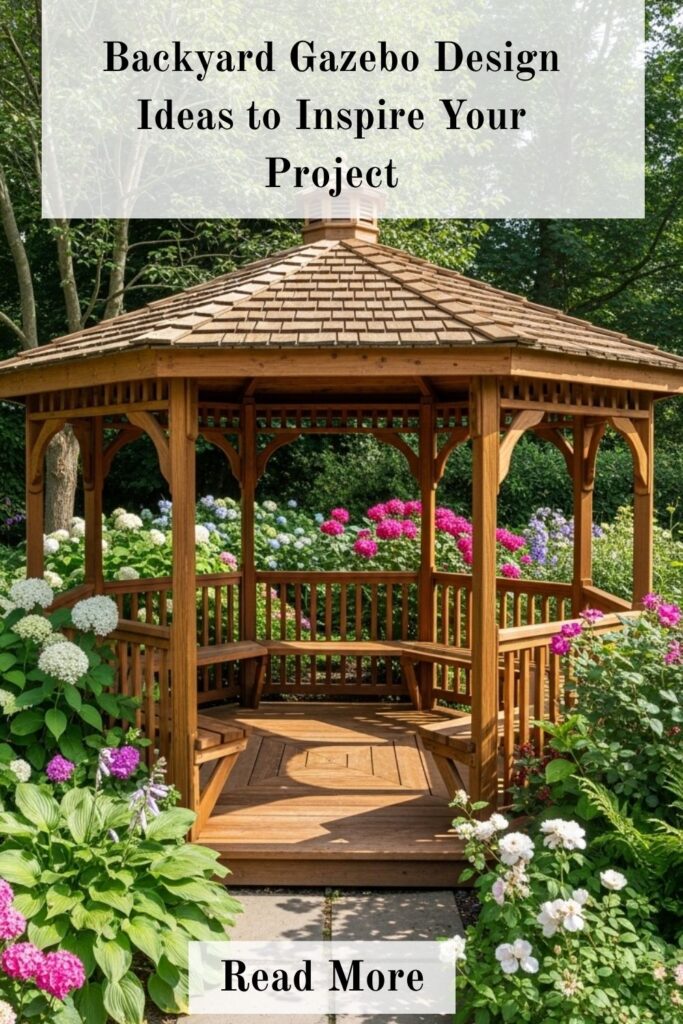
Great backyard gazebo designs don’t exist in isolation; they work in harmony with the surrounding landscape, furniture, and lighting to create a complete outdoor living experience. Here are some of the most inspiring approaches homeowners are embracing right now.
Gazebo with Outdoor Kitchen
Combining Backyard gazebo designs with a built-in outdoor kitchen is one of the smartest investments a homeowner can make. A solid-roof patio gazebo protects your grill, countertops, and guests from unexpected rain, extending your outdoor entertaining space across three seasons rather than just the peak summer weeks. Add pendant lighting overhead, a ceiling fan, and bar stools along a built-in counter and you’ve essentially created a second living room with considerably better ventilation.
Garden Gazebo with Pergola Elements
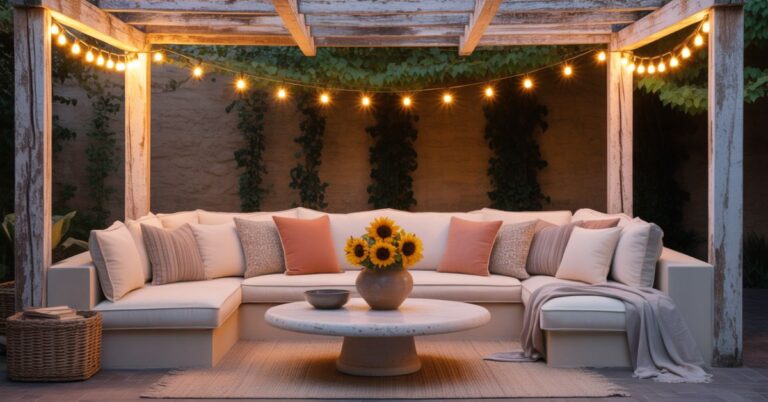
Blending gazebo and pergola aesthetics creates a structure that’s open enough to feel airy but defined enough to feel intentional. Lattice sidewalls support climbing plants like wisteria, jasmine, or climbing roses, turning your Backyard gazebo designs into a living, breathing feature that changes beautifully with the seasons. A simple stone path leading to the entrance adds a sense of arrival that makes the whole space feel more considered and deliberate.
Fire Pit Gazebo for Year-Round Use
A gazebo built around or adjacent to a fire pit dramatically extends your outdoor season. With proper ventilation built into the roof design and a fire-resistant base, this setup keeps evenings comfortable well into October and November in most U.S. climates. Surround the fire pit with weather-resistant sofas and deep-cushioned chairs and you have an outdoor retreat that rivals any indoor living room in terms of atmosphere.
Read More About: Creative Fence Art Ideas for a Beautiful Outdoor Transformation
Screened Gazebo for Bug-Free Entertaining
Few things ruin a summer evening faster than mosquitoes. A screened gazebo solves that problem elegantly. Fiberglass or aluminum mesh screening can be integrated into almost any Backyard gazebo designs without sacrificing style. Some homeowners opt for removable screen panels, which give the flexibility to open the space up on breezy, bug-free nights. According to the American Mosquito Control Association, screened enclosures are among the most effective non-chemical solutions for managing mosquito exposure in residential outdoor spaces.
How Much Does a Backyard Gazebo Cost?
Backyard gazebo costs vary widely depending on size, materials, and whether you go the DIY or professional installation route. Understanding the pricing landscape helps you set realistic expectations and avoid budget surprises mid-project.
| Gazebo Type | Average Cost Range |
| Pop-up/Soft-top (DIY) | $150–$600 |
| Gazebo kit (mid-range) | $1,500–$5,000 |
| Wood custom-built | $5,000–$15,000 |
| Metal/aluminum permanent | $4,000–$12,000 |
| High-end custom gazebo | $15,000–$30,000+ |
Gazebo kits represent a compelling middle ground for most homeowners. They deliver the look of a custom structure without the custom price tag, and many are designed for straightforward DIY assembly over a weekend. Brands like Yardistry, Sojag, and Palram offer well-reviewed kits in a range of styles and sizes. If you’re hiring a contractor, expect installation labor to add $500–$2,500 depending on your region and the complexity of the foundation work.
One often-overlooked cost factor is the foundation. A concrete pad, gravel base, or decking platform adds $800–$3,000 to the total project cost but is almost always worth it for long-term stability and aesthetics.
What Is the Best Placement for a Backyard Gazebo?
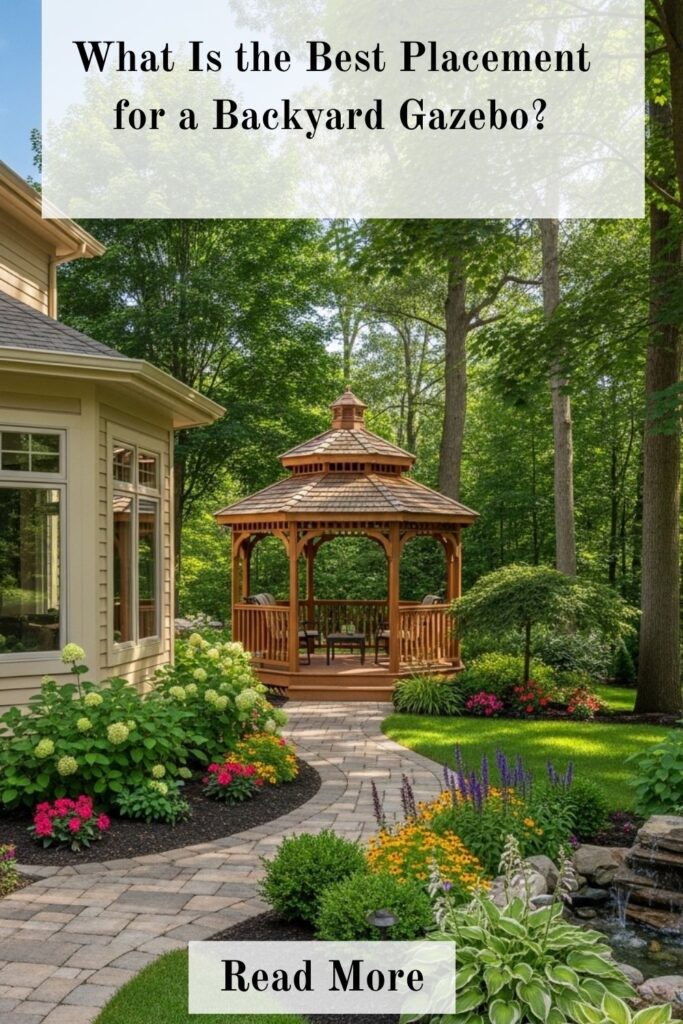
Smart gazebo placement is what separates a backyard that looks designed from one that looks assembled. The location you choose affects everything from sun exposure and drainage to sightlines and foot traffic flow.
Prioritize Flat, Well-Drained Ground
Gazebos should always be placed on level, stable ground with good drainage. A low-lying area that collects water after rain is a recipe for structural problems, rot, and a generally unpleasant user experience. If the flattest part of your yard has drainage challenges, address those first with a French drain or gravel sub-base before breaking ground on your outdoor Backyard gazebo designs.
Think About Sun and Shade
In most of the U.S., positioning your Backyard gazebo designs to face south or southeast captures the best morning light while keeping afternoon heat manageable. If your yard has existing mature trees to the west, using them strategically in the afternoon shade from established trees is a genuinely valuable asset for gazebo landscaping. Just make sure tree roots won’t interfere with your foundation over time. A certified arborist can give you a reliable read on root spread before you commit to a location.
Gazebo Landscaping: How to Make Your Gazebo Feel Like It Belongs
A gazebo that looks like it was dropped into your yard from a helicopter doesn’t do your curb appeal any favors. Thoughtful gazebo landscaping is what transforms a standalone structure into an integrated feature that feels like it grew there naturally.
Anchor your garden Backyard gazebo designs with layered plantings, tall ornamental grasses or shrubs at the perimeter, mid-height flowering plants in the middle, and low ground covers along the base. A stone, brick, or gravel pathway leading to the entrance creates a sense of destination. String lights overhead, solar lanterns along the path, and potted plants inside the structure complete the picture. According to a 2023 report by the National Association of Realtors, well-designed outdoor living spaces including gazebos can increase perceived home value by 8 to 12 percent, making the landscaping investment well worth it.
Pergola vs. Gazebo: Which One Is Right for You?
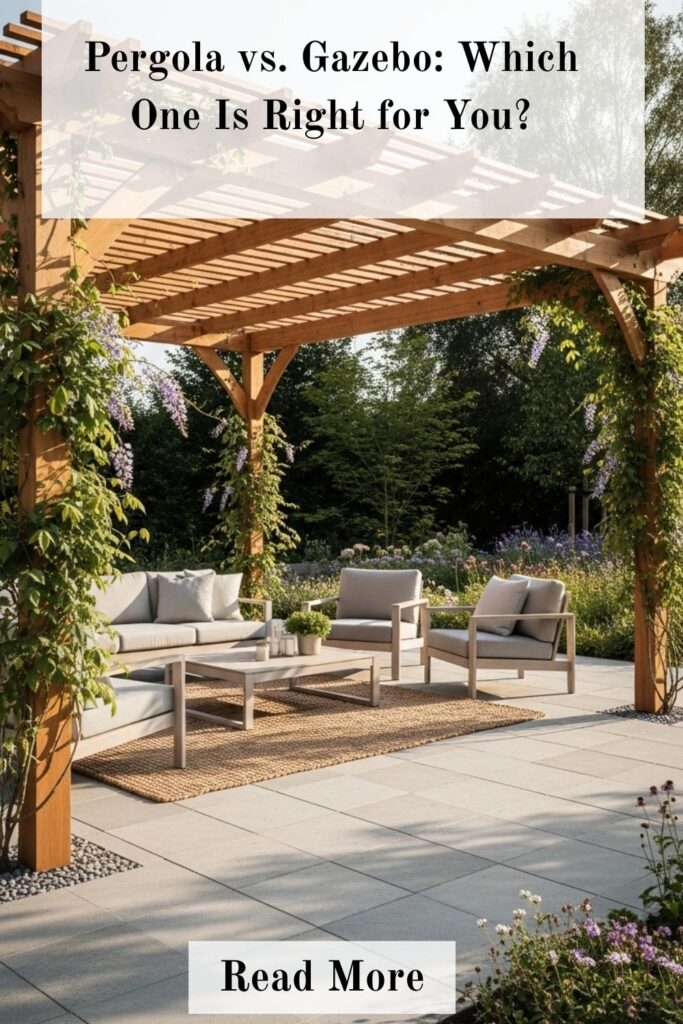
The backyard pergola vs gazebo debate comes up constantly among homeowners planning an outdoor retreat, and it’s worth settling clearly. A pergola is an open-lattice structure beautiful for defining space and supporting climbing plants, but it offers minimal weather protection. A gazebo has a solid or semi-solid roof, giving you genuine shelter from rain and direct sun. If weather protection and year-round usability are priorities, the gazebo wins. If you want a lighter, more open structure that integrates seamlessly with garden plantings, a pergola might serve you better. Many homeowners choose one and eventually add the other; they’re complementary, not competing, features in a well-designed backyard.
Frequently Asked Questions
What size gazebo is best for a backyard?
The right gazebo size depends on your yard dimensions and intended use. A 10×10 or 10×12 structure suits most average-sized backyards and comfortably seats six to eight people. Larger yards can accommodate 12×14 or 14×16 designs, especially if you plan to use the space for dining or entertaining regularly. Always measure your available space and maintain adequate clearance from fences and structures before selecting a size.
Do I need a permit to build a gazebo in my backyard?
Permit requirements for backyard gazebo construction vary by municipality and structure size. Many jurisdictions require a building permit for permanent structures over a certain square footage typically 100 to 200 square feet. Check with your local building department before starting any project. Skipping this step can result in fines or forced removal, which is an expensive lesson nobody wants to learn firsthand.
How long does a backyard gazebo last?
A well-built gazebo constructed from quality materials and properly maintained can last 15 to 40 years. Cedar and redwood gazebos treated with a quality sealant every two to three years typically perform at the higher end of that range. Aluminum and vinyl gazebo structures require less maintenance and often deliver comparable longevity in climates with high humidity or frequent rain. Regular inspections for rot, rust, or structural wear extend the life of any outdoor gazebo significantly.
Can a gazebo add value to my home?
Yes, a quality backyard gazebo can meaningfully boost your home’s appeal and market value. Real estate professionals consistently identify well-designed outdoor living spaces as strong selling points, particularly in regions where outdoor entertaining is a lifestyle priority. The return on investment is highest when the gazebo design complements the home’s existing architectural style and is paired with thoughtful gazebo landscaping.
Conclusion
Backyard gazebo designs give homeowners one of the most satisfying and practical ways to expand their living space without adding a single square foot to their home’s footprint. From classic octagonal cedar structures to sleek modern aluminum frames, there is a design that fits every yard size, budget, and lifestyle. The key is matching your choice to how you genuinely plan to use the space and then committing fully to the landscaping and furnishing that makes it feel complete.
Start by defining your purpose, measuring your space, and setting a realistic budget. Then choose materials that suit your climate and maintenance tolerance. A thoughtfully planned backyard gazebo does more than improve your yard; it creates a destination within your own property, a place where everyday moments become something worth looking forward to. Take that first step, and your outdoor space will reward you for years to come.