Backyard Landscaping Designs for a Beautiful and Functional Yard

Your backyard holds untapped potential that most homeowners never realize. You walk past that empty space daily, imagining something better but unsure where to start. Meanwhile, unused square footage just sits there not adding value, not creating memories, not serving any purpose beyond occasionally needing to be mowed. The frustration builds as you scroll through stunning outdoor living spaces online, wondering if your property could ever look that good.
Here’s what landscape professionals know: exceptional backyard landscaping designs follow proven principles that work for any size, style, or budget. With strategic planning and smart design choices, your underutilized backyard can become the home’s most valuable and enjoyable space.
What Makes Backyard Landscaping Designs Successful
Effective backyard landscaping designs solve problems while creating beauty. The best layouts address drainage issues, maximize usable space, and provide year-round visual interest. They reflect how you actually live rather than following trends that don’t match your lifestyle. A family with young children needs different features than empty nesters or frequent entertainers.
Three core elements separate mediocre designs from exceptional ones. Functionality ensures every square foot serves a purpose whether that’s growing food, providing seating, or creating visual appeal. Balance distributes visual weight evenly throughout the space using a mix of hardscaping and softscaping. Flow creates intuitive movement between zones with well-placed pathways that feel natural rather than forced. These principles apply whether you’re working with a compact urban backyard or sprawling suburban property spanning half an acre.
Essential Design Principles for Backyard Landscaping
Creating Zones for Multiple Functions
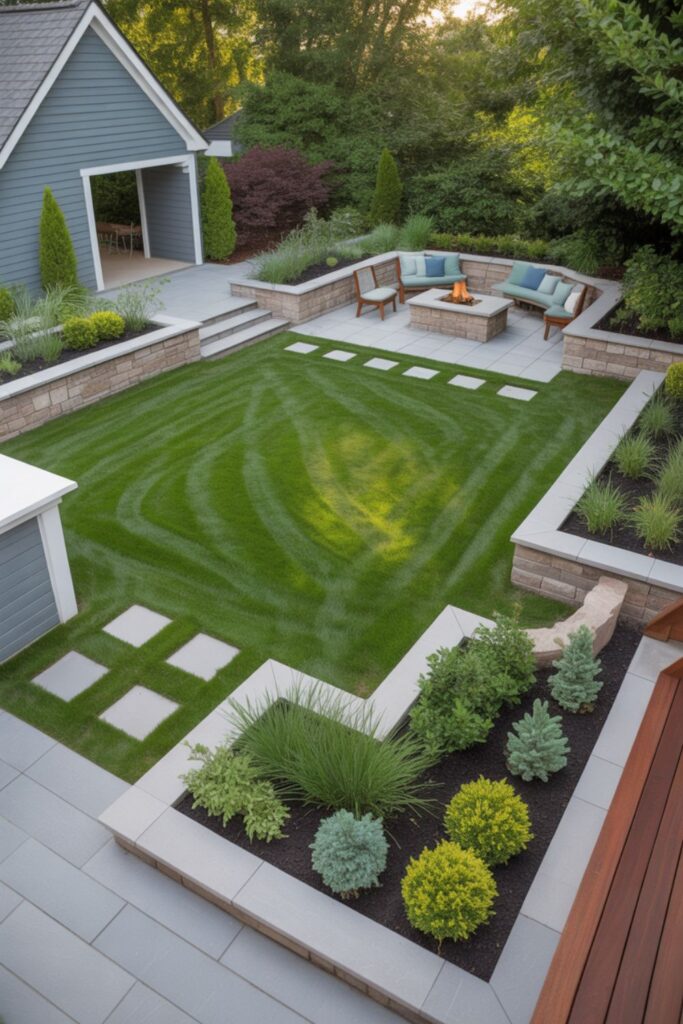
Backyard design ideas should divide space into distinct activity zones. Dining areas need level surfaces and proximity to the house for convenient food transport. Conversation zones benefit from comfortable seating arranged to encourage interaction. Garden beds require adequate sun exposure for the plants you want to grow. Play spaces for children need visibility from indoor sight lines for supervision.
Define these zones using changes in elevation, material transitions, or planted borders. A deck or patio naturally separates hardscaped living areas from lawn. Raised planters create boundaries without blocking views. Low hedges or ornamental grasses delineate spaces while maintaining openness. This zoning approach makes even small backyard spaces feel larger and more organized by giving each area a clear purpose and identity.
Establishing Focal Points and Visual Interest
Every strong design needs focal points that draw the eye and anchor the composition. Water features like fountains or small ponds create sensory appeal beyond just visual impact. Fire pit areas become natural gathering spots while providing warmth on cool evenings. Specimen trees or dramatic sculptures serve as artistic statements. These elements should be placed strategically where sight lines naturally lead at the end of pathways, in the center of seating arrangements, or framed by architectural features.
Layer your backyard landscaping designs with plants of varying heights, textures, and colors. Tall trees form the canopy layer, providing shade and vertical structure. Medium shrubs create the understory, adding mass and screening. Low perennials, groundcovers, and ornamental grasses fill the foreground. This layering mimics natural environments while ensuring something catches attention at every eye level. Mix evergreens with deciduous plants for year-round structure even when leaves drop.
Popular Backyard Landscaping Design Styles
Modern Minimalist Designs
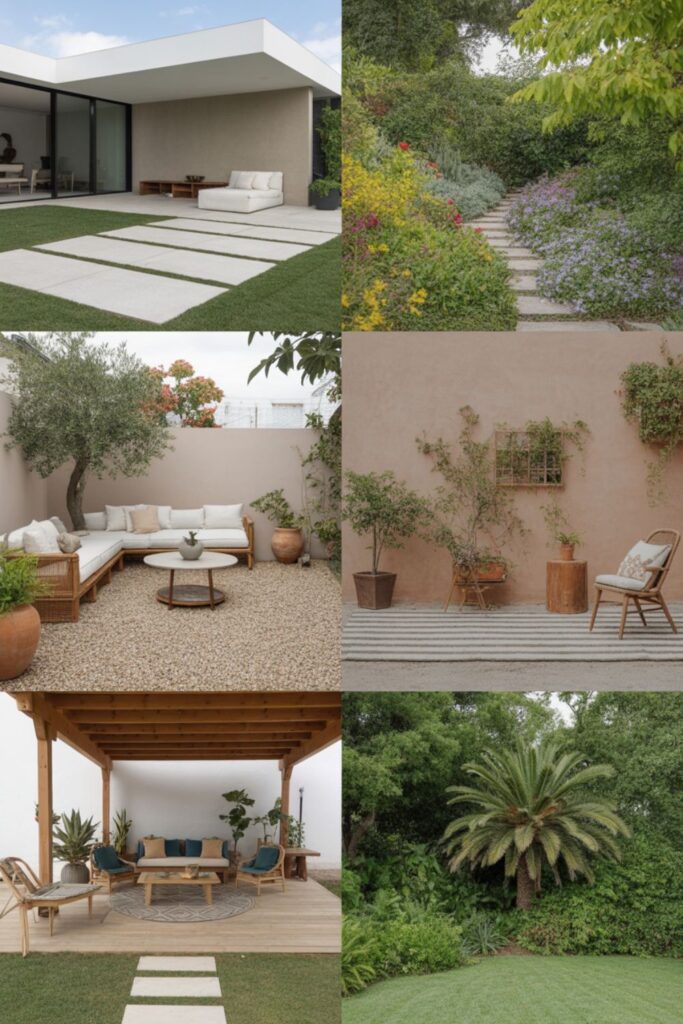
Modern landscaping embraces clean lines, limited plant palettes, and architectural hardscaping. Concrete pavers in geometric patterns create sleek surfaces. Steel or composite materials edge beds with sharp definition. Plant selections favor grasses, succulents, and specimens with bold architectural forms rather than fussy flowers. This style minimizes maintenance while making strong visual statements through simplicity and repetition.
Color schemes in modern backyard designs tend toward monochromatic or limited palettes. Whites, grays, and blacks dominate harsh choices. Plantings might feature all-green foliage with occasional pops from a single accent color. Lighting plays a crucial role, with fixtures integrated into steps, walls, and plant beds to create drama after dark. The overall aesthetic feels sophisticated and tailored, appealing to homeowners who appreciate contemporary architecture.
Traditional and Classic Landscape Designs
Traditional landscape styles feature symmetrical layouts, formal plant arrangements, and classic materials like brick and natural stone. Boxwood hedges define spaces with crisp edges. Rose gardens provide fragrance and cutting flowers. Pathways of brick or flagstone lead to focal points placed along central axes. This approach creates timeless elegance that complements colonial, Victorian, or craftsman architecture.
These backyard landscaping designs often incorporate formal elements like topiaries, urns, or statuary. Plant beds follow curved or geometric shapes with clear definition. Lawns feature prominently as unifying open spaces. While more maintenance-intensive than naturalistic designs, traditional landscapes reward that effort with polished, estate-like aesthetics that never go out of style.
Naturalistic and Cottage-Style Backyards
Cottage-style backyard design ideas embrace abundance and informality. Plants spill over edges, self-sow into cracks, and mingle freely. Perennial borders burst with color throughout growing seasons. Climbing roses scramble up arbors and fences. This approach works beautifully for avid gardeners who enjoy hands-on involvement with their plantings.
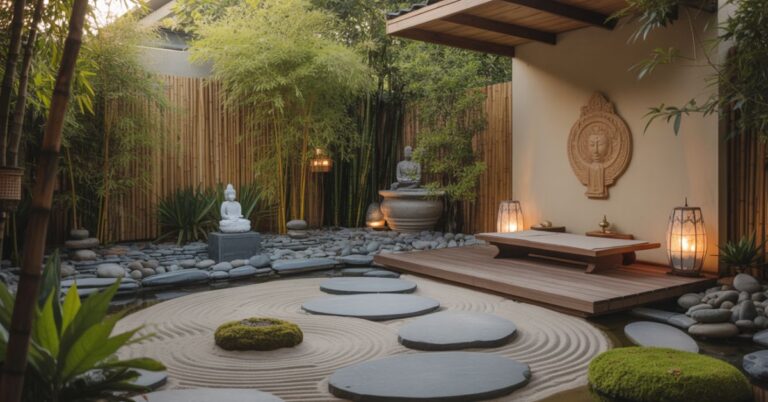
Naturalistic designs work with site conditions rather than imposing rigid geometry. They incorporate native plants that support local ecosystems while reducing maintenance. Dry creek beds handle drainage while adding visual interest. Boulders and driftwood provide natural-looking accents. Meandering pathways of flagstone or mulch feel organic. These landscapes blend seamlessly with surrounding environments, creating habitats for birds, butterflies, and beneficial insects.
Key Features to Include in Backyard Landscaping Designs
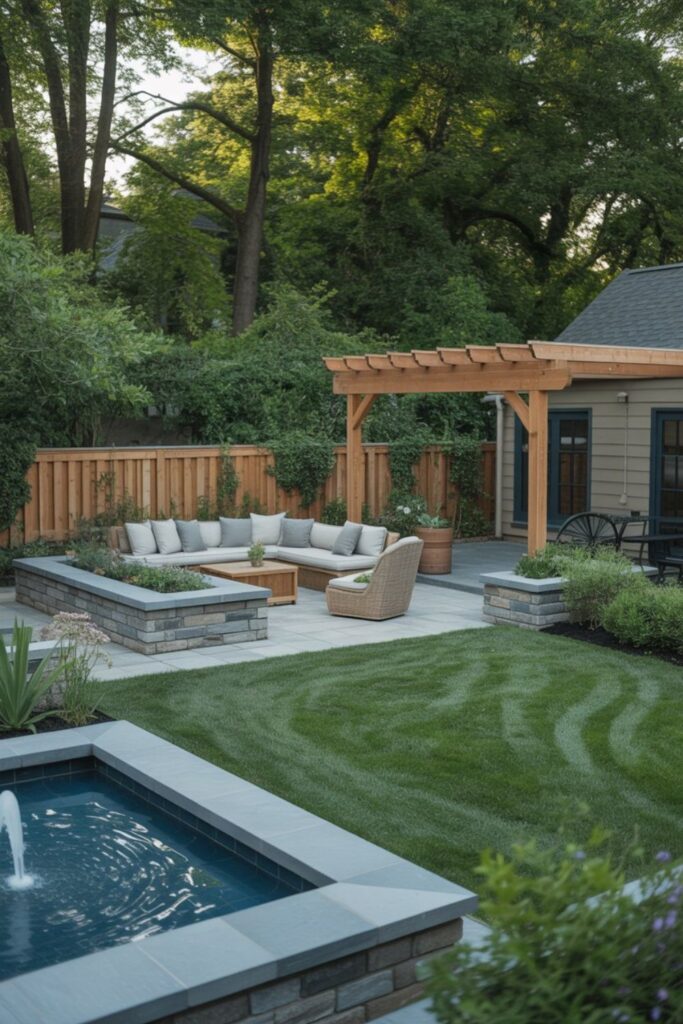
Patios and Decks for Outdoor Living
Patio designs extend your living space outdoors, providing stable surfaces for furniture and entertaining. Material choices dramatically affect both aesthetics and budget. Natural stone like bluestone or travertine offers timeless beauty but costs more than concrete pavers. Stamped concrete mimics expensive materials at lower price points. Decks built from composite materials resist weather damage while eliminating staining and sealing maintenance.
Read More About: Amazing Yard Landscaping Designs for a Beautiful Outdoor Space
Size your patio or deck appropriately for intended use. Dining areas need space for tables, chairs, and circulation figures twelve square feet per person minimum. Conversation groupings require less but still need room for comfortable furniture arrangements and foot traffic. Consider adding built-in seating with storage underneath, or incorporate retaining walls at seat height to maximize usability while solving grade-change challenges.
Outdoor Kitchens and Dining Areas
Outdoor kitchens transform backyards into true entertainment destinations. Basic setups include a grill station with countertop workspace and storage. Elaborate versions feature refrigerators, sinks, pizza ovens, and full cooking suites. Place them downwind from primary seating areas so smoke doesn’t bother guests. Protect cooking surfaces with pergolas or roof structures that provide shade while allowing ventilation.
Dining spaces should accommodate your typical guest count plus a few extra. Eight-person tables suit most families, while serious entertainers might want expandable options. Incorporate lighting for evening meals string lights create ambiance while task lighting illuminates cooking and dining surfaces. Consider adding heat sources like patio heaters or fire pits nearby to extend the season into cooler months.
Fire Features and Water Elements
Fire pit areas create magnetic gathering spots that draw people together. Options range from simple in-ground rings to elaborate custom stone installations with built-in seating. Wood-burning models provide authentic crackling ambiance. Gas versions offer convenience and precise temperature control. Position them away from overhanging branches and at least ten feet from structures. Surround with non-combustible materials like stone or pavers.
Water features bring movement and sound that transform backyard atmospheres. Pondless waterfalls work well for families with young children since they eliminate standing water safety concerns. Koi ponds attract wildlife while providing meditation-worthy focal points. Fountain installations range from formal tiered designs to contemporary bubbling boulders. All require electrical connections and occasional maintenance, but their impact on overall ambiance justifies the effort.
How to Design Small Backyard Landscaping
Maximizing Limited Space
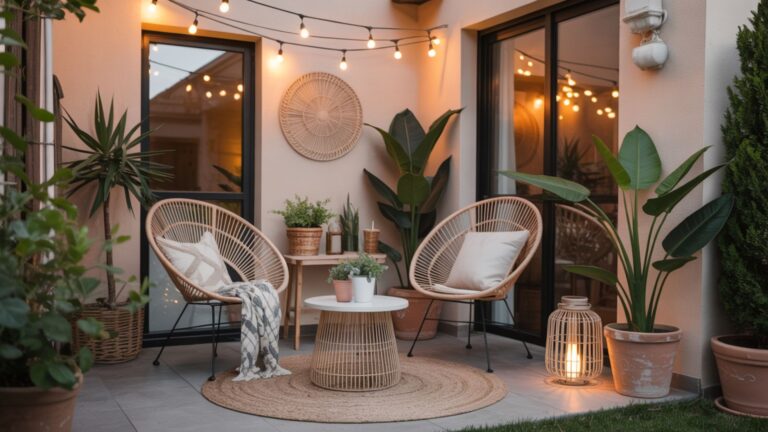
Small backyard designs demand creative space utilization. Vertical gardening on walls, fences, or trellises adds planting area without consuming precious ground space. Raised beds define areas while providing better growing conditions. Multi-functional features serve double duty seating walls with built-in storage, benches that hide irrigation equipment, or planters that define space boundaries.
Choose appropriately scaled furnishings and plants. Oversized pieces overwhelm tight quarters, making spaces feel cramped rather than cozy. Select compact plant varieties bred for small gardens dwarf trees, narrow columnar shrubs, and compact perennials provide full impact without sprawling growth. Light-colored materials make areas feel more open. Mirrors strategically placed on fences reflect light and create depth illusions.
Creating Privacy in Compact Yards
Backyard privacy matters especially in dense neighborhoods where homes sit close together. Fast-growing trees like Leyland cypress or arborvitae screen views within a few seasons. Lattice panels with climbing vines provide coverage while maintaining airflow. Living walls covered in ivy or other climbers create green barriers that soften harsh fencing.
Layer your privacy plantings for density and year-round coverage. Mix evergreen and deciduous species at varying heights. Add taller specimens in back, medium shrubs in middle layers, and lower plantings at eye level when seated. This graduated approach blocks sight lines from multiple heights while creating depth. Considering neighbors’ views too tall, privacy barriers might shade their yards or make them feel boxed in, potentially creating conflicts.
Budget-Friendly Backyard Landscaping Design Ideas
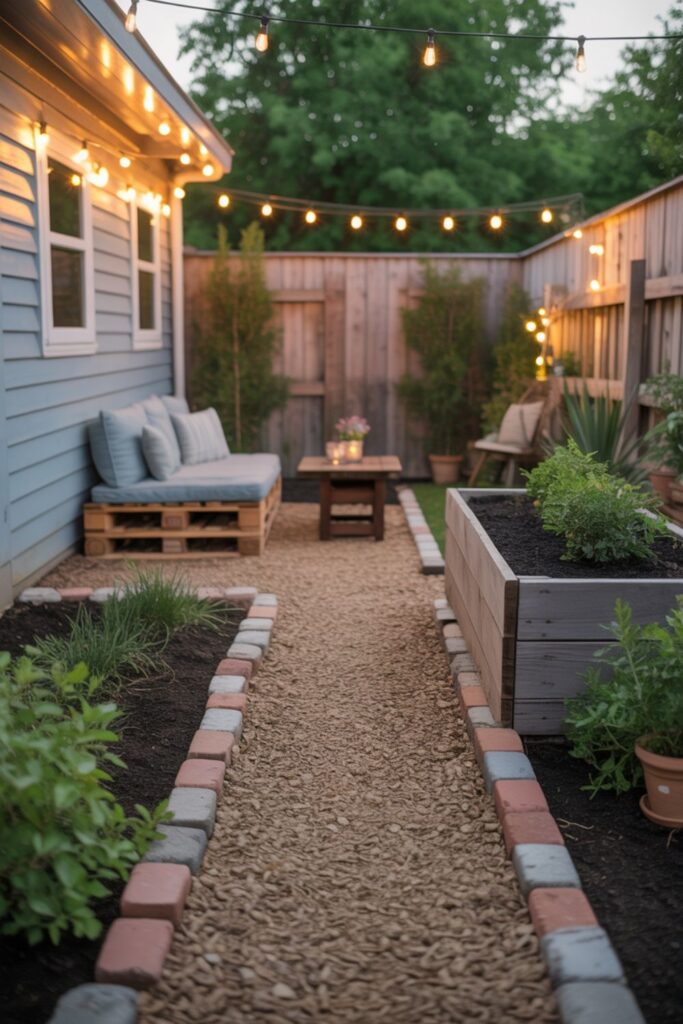
Phasing Your Landscape Project
Smart homeowners tackle backyard makeovers in manageable phases spread across multiple seasons or years. Start with essential infrastructure drainage solutions, basic pathways, and primary patio or deck installations. Add plantings next, focusing on trees and shrubs that take time to mature. Finish with amenities like water features, lighting, or outdoor kitchens as the budget allows.
This phased approach spreads costs while giving you time to refine plans between stages. You’ll discover how you actually use spaces rather than guessing during initial planning. Early mistakes cost less to correct when you haven’t invested in everything at once. Young plants cost significantly less than mature specimens and reach comparable sizes within a few years with proper care.
DIY Versus Professional Installation
Certain backyard landscaping designs suit DIY execution while others demand professional expertise. Homeowners can tackle most planting projects, simple paver installations, and basic lighting setups. Rent equipment for major excavation or grading rather than buying tools used once. YouTube tutorials and extension service guides provide solid instructions for common tasks.
Hire professionals for technical challenges. Complex drainage solutions need engineering knowledge to work correctly. Large tree installation requires equipment beyond typical homeowner resources. Extensive retaining walls over three feet high may require permits and structural engineering. Electrical work for substantial outdoor lighting or outdoor kitchen installations should meet code requirements. Gas line work for fire features absolutely needs licensed contractors. Strategic professional help prevents costly mistakes that DIY corrections can’t fix.
Read More About: Best Dream Garden Ideas to Create Your Perfect Outdoor Space
Plant Selection for Backyard Landscaping Designs
Trees for Structure and Shade
Trees anchor landscape compositions while providing practical benefits like shade, privacy screening, and property value increases. Select species appropriate for your climate zone and available space. Fast-growing options like red maples or river birches establish quickly but may develop structural issues. Slower-growing species like oaks or hickories live longer and develop stronger branching.
Consider mature dimensions before planting. That cute sapling might reach sixty feet tall and forty feet wide. Adequate clearance from structures, utility lines, and underground drainage systems prevents future problems. Plant at least fifteen feet from foundations to avoid root interference. Smaller ornamental trees like Japanese maples, crabapples, or dogwoods suit compact backyards while still providing seasonal interest through flowers, fall color, or attractive bark.
Shrubs and Perennials for Year-Round Interest
Shrubs create structure between tree canopies and ground-level plantings. Evergreen varieties like boxwood, holly, or rhododendron maintain presence through winter. Deciduous options like hydrangeas, spirea, or viburnum offer seasonal flowers and fall color. Mix both types for year-round coverage and changing aesthetics across seasons.
Perennials return annually, establishing the backbone of flower borders. Choose varieties with staggered bloom times ensuring continuous color. Spring bulbs give way to early summer bloomers like peonies and iris. Midsummer stars include daylilies, coneflowers, and rudbeckia. Fall asters and sedums carry color into late season. Select native plants as your foundation and they support local pollinators while requiring less supplemental water and fertilizer once established.
Frequently Asked Questions
How much does backyard landscaping design cost?
Backyard landscaping designs range from $5,000 for basic soft scaping updates to $50,000+ for comprehensive yard transformations with extensive hardscaping. Professional design fees typically run $500-$5,000 depending on project complexity. DIY installations dramatically reduce costs but demand significant time and physical effort. Most homeowners invest $10,000-$30,000 for mid-range projects including patios, plantings, and lighting.
What is the first step in designing a backyard landscape?
Start by assessing existing conditions sun exposure, drainage patterns, soil quality, and views you want to enhance or screen. Define how you’ll use the space, then create rough zones for different activities. Measure accurately and sketch to scale, noting utilities, easements, and property lines. This foundation prevents costly mistakes and ensures your backyard design ideas work with your site’s realities.
How can I make my small backyard look bigger?
Use light-colored materials, create diagonal sight lines instead of straight-on views, and incorporate mirrors on fences to reflect space. Choose compact plant varieties, employ vertical gardening techniques, and limit your color palette to avoid visual clutter. Curved pathways create journey illusions making spaces feel larger. Remove physical barriers between zones to maintain openness while using changes in materials or elevation to define areas.
Should I hire a landscape designer or landscape architect?
Landscape architects handle complex projects requiring engineering extensive grading, retaining walls, drainage systems, or projects needing permits and structural calculations. Landscape designers excel at plant selection, aesthetic compositions, and residential-scale projects. Many homeowners succeed with designers for most backyard landscaping designs, only consulting architects when technical challenges arise. Both professionals prevent expensive mistakes that DIY corrections can’t fix.
What are low-maintenance backyard landscaping options?
Focus on native plants adapted to your region requiring minimal watering and fertilizing once established. Install mulch to suppress weeds and retain moisture. Choose perennials over annuals to reduce replanting work. Incorporate hardscaping like patios, gravel paths, and rock gardens that need no mowing or pruning. Drip irrigation on timers automates watering. Select compact plant varieties that don’t require frequent pruning to maintain size.
Conclusion
Exceptional backyard landscaping designs transform underutilized outdoor space into functional, beautiful extensions of your home. Success comes from thoughtful planning that considers your lifestyle needs, site conditions, and maintenance preferences alongside aesthetic goals. Whether you prefer modern landscaping with clean lines, traditional landscape formality, or naturalistic cottage styles, the underlying principles remain consistent: create distinct zones, establish focal points, layer plantings for depth, and balance hardscaping with soft scaping for year-round interest.
Start your backyard transformation today by evaluating how you actually use outdoor space and what’s missing from your current setup. Sketch rough layouts, research plants suited to your conditions, and develop realistic budgets that allow for phased implementation. Your outdoor living space doesn’t need to happen overnight each improvement builds toward the functional, beautiful backyard you’ve envisioned, increasing your home’s value while creating the perfect setting for making memories with family and friends for years to come.