Stunning Backyard Patio designs to Transform Your Space
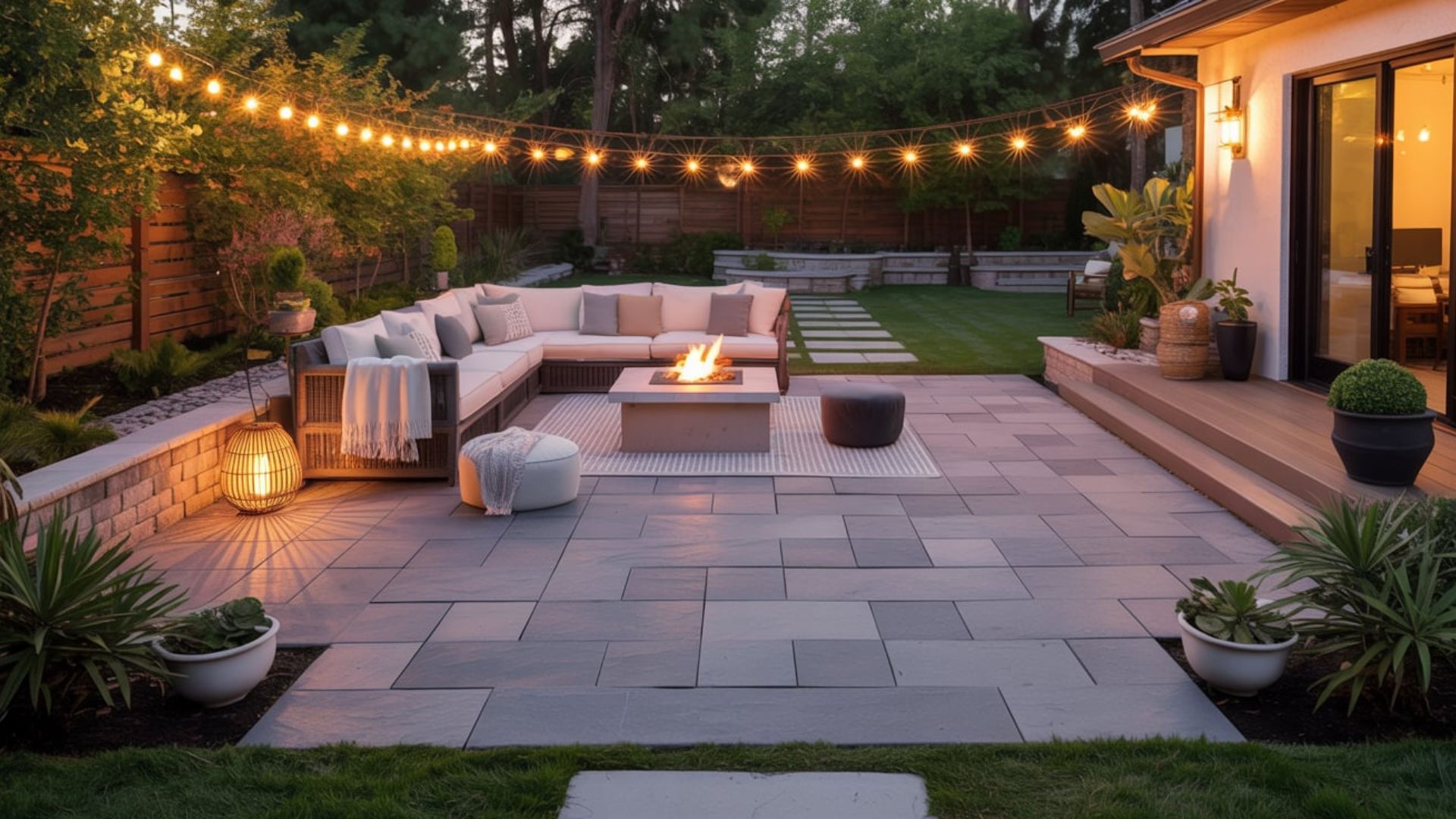
Your backyard patio sits neglected a slab of cracked concrete or bare dirt that could be so much more. Every summer, you watch neighbors host barbecues and sunset gatherings while your outdoor space remains an afterthought. That unused area represents wasted potential, missed memories, and thousands of dollars in home value left on the table.
The frustration builds when you scroll through magazines showing gorgeous patio designs but have no idea where to start. Should you use pavers or pour concrete? What size makes sense? How do you create privacy without blocking sunlight?
Here’s the solution: transforming your backyard doesn’t require a landscape architect’s budget or contractor-level skills. This guide walks you through proven Stunning Backyard Patio designs to Transform Your Space that match any style, budget, and skill level. You’ll discover layout strategies, material comparisons, and design principles that turn ordinary yards into extraordinary outdoor living spaces. Let’s build something beautiful.
Understanding Patio Design Fundamentals
Every successful patio design starts with three core elements: purpose, proportion, and placement. Your outdoor living space should serve specific needs whether that’s dining, entertaining, or quiet relaxation. Square footage matters less than how you use it.
Most homeowners underestimate size requirements. A dining patio needs at least 12×12 feet for a table and chairs with comfortable movement space. Conversation areas work well at 10×10 feet minimum. Fire pit zones require 15-foot diameters for safety and comfort. Calculate your needs before breaking ground, and always add 20% more space than initial estimates suggest. Your future self will appreciate the breathing room.
How to Choose the Right Patio Location
Patio layout success hinges on strategic placement within your yard. Sun exposure dictates comfort levels throughout the day. South-facing patios receive maximum sunlight, perfect for cooler climates but potentially scorching in southern regions. North-facing areas stay shaded and cool, ideal for hot summers but limiting for year-round use.
Drainage considerations prevent costly water damage and foundation issues. Position your patio on level ground or create proper slope a 2% grade away from your home prevents water pooling. Check existing drainage patterns during rainstorms. Low-lying areas collect water and create muddy disasters. Slightly elevated spots shed moisture naturally and extend your patio’s lifespan by decades.
Read More About: 20+ Concrete Patio Designs to Elevate Your Backyard
Popular Backyard Patio Design Styles
Contemporary patio designs embrace clean lines, minimalist furniture, and monochromatic color schemes. Sleek concrete pavers in large formats create seamless surfaces. Built-in seating areas with hidden storage maximize functionality. Modern outdoor living spaces often incorporate metal accents, glass panels, and geometric planters. LED strip lighting adds ambiance without cluttering the aesthetic.
Mediterranean-inspired patios transport you to coastal villas through warm terracotta tiles, wrought iron details, and abundant greenery. Natural stone in honey and sand tones pairs beautifully with arched features. Incorporate potted citrus trees, climbing vines, and fragrant herbs. Terra cotta pots in varying sizes create visual interest. These backyard patio designs thrive in warmer climates where outdoor dining becomes lifestyle.
Rustic and Cottage Garden Patios
Rustic patio designs celebrate imperfection through weathered wood, irregular flagstone, and overgrown borders. Paving materials appear naturally aged rather than pristine. Adirondack chairs and vintage furniture pieces add character. Allow moss to grow between stones for that lived-in charm. Fire pits built from stacked stone become natural gathering spots.
Cottage patio layouts blur boundaries between hardscape and garden. Stepping stones wind through perennial beds. Climbing roses frame seating areas. English garden aesthetics favor abundance over restraint pack borders with lavender, salvia, and ornamental grasses. Painted wooden benches in soft pastels complete the look. These outdoor patio ideas work beautifully for smaller yards where intimacy trumps grandeur.
Choosing the Best Patio Materials
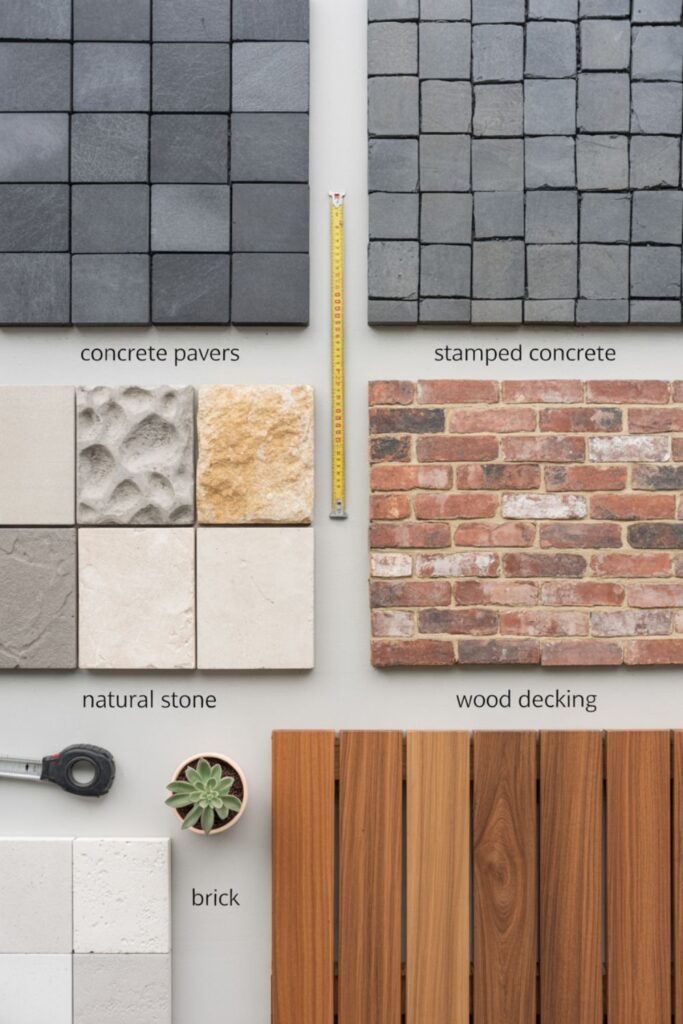
Concrete pavers dominate the patio market for good reason they balance affordability, durability, and design flexibility. Interlocking pavers create stable surfaces that resist cracking better than poured concrete. Color options range from natural grays to rich earth tones. Permeable pavers address drainage concerns while meeting environmental regulations. Expect 30-50 year lifespans with minimal maintenance.
Installation costs run $8-$20 per square foot depending on pattern complexity. Herringbone and basket-weave patterns add visual interest but require more labor. Soldier courses (border rows) frame the space professionally. Concrete pavers handle freeze-thaw cycles better than most alternatives, making them ideal for northern climates. Sand-set installations allow individual paver replacement if damage occurs.
Natural Stone vs Brick Patios
Natural stone elevates any backyard patio design with unique character no manufactured product can replicate. Flagstone, bluestone, and limestone each offer distinct aesthetics. Irregular shapes create organic, flowing layouts while cut stone enables formal patterns. Color variations within single batches add depth. Stone costs $15-$30 per square foot installed but lasts generations.
Brick patios deliver timeless appeal through warm red tones and traditional craftsmanship. Clay bricks develop beautiful patinas as they age. Running bond and herringbone patterns suit both formal and casual settings. Reclaimed bricks add instant character to new outdoor living spaces. Expect $10-$18 per square foot. Brick requires periodic resealing to prevent moisture absorption and winter damage.
Budget-Friendly Patio Alternatives
Gravel patios offer the most budget-friendly solution at $3-$8 per square foot. Decomposed granite creates firm, permeable surfaces perfect for casual seating areas. Pea gravel provides better drainage but shifts underfoot. Edge restraints keep materials contained. Layer landscaping fabric beneath gravel to suppress weeds. These outdoor patio ideas work wonderfully for cottage gardens and informal spaces.
Stamped concrete mimics pavers or stone at $8-$12 per square foot half the cost of authentic materials. Modern techniques create convincing textures and patterns. Integral color eliminates painting needs. Proper sealing prevents staining and weather damage. Stamped concrete requires professional installation but delivers impressive results for budget-conscious homeowners wanting upscale appearances.
What Size Should Your Patio Be?
Patio dimensions directly impact functionality and enjoyment. Small patios (100-150 square feet) accommodate bistro sets and limited seating. Medium spaces (150-300 square feet) handle dining tables plus conversation areas. Large outdoor living spaces (300+ square feet) support multiple zones cooking, dining, lounging, and fire pit areas simultaneously.
Calculate furniture needs first, then add circulation space. Dining chairs require 3 feet behind them for comfortable movement. Traffic paths need 4-foot minimum widths. Fire pit clearances demand 3 feet from seating to flames. Never crowd your patio layout undersized spaces feel claustrophobic and discourage use. When uncertain, build bigger. You’ll never regret extra square footage.
Creating Privacy in Your Patio Design
Strategic screening transforms exposed patios into intimate retreats without creating prison-like enclosures. Living walls using climbing vines on trellises provide privacy while maintaining airflow. Plant fast-growing clematis, jasmine, or climbing hydrangea for quick coverage. Lattice panels painted to match your home blend seamlessly. Position screens where they block sightlines from neighbors while preserving desirable views.
Pergolas frame outdoor living spaces beautifully while supporting shade cloth or retractable canopies. Vertical slats create partial screening that doesn’t feel claustrophobic. Incorporate planters with tall ornamental grasses or bamboo for movable privacy solutions. Tiered landscaping with shrubs and small trees establishes natural barriers. Layer plantings at varying heights to block views without creating solid walls that trap heat.
Read More About: Stunning Backyard Patio Ideas for a Beautiful Transformation
Using Structures and Furniture for Privacy
Outdoor curtains on pergolas or posts create flexible privacy you can adjust for different occasions. Weather-resistant fabrics in neutral tones maintain sophistication. Retractable screens mount to posts or walls, disappearing when not needed. Half-walls topped with planters define space boundaries without complete enclosure. These structures work particularly well for patio designs on elevated decks or raised areas.
Strategic furniture placement creates psychological barriers even in open spaces. Position sectionals with backs facing neighboring properties. Tall planters with architectural specimens like Italian cypress draw eyes upward. Screens made from reclaimed doors or shutters add character while blocking views. Water features with vertical elements provide both visual and acoustic privacy. The sound of trickling water masks conversation from traveling to nearby yards.
Incorporating Fire Features and Outdoor Kitchens
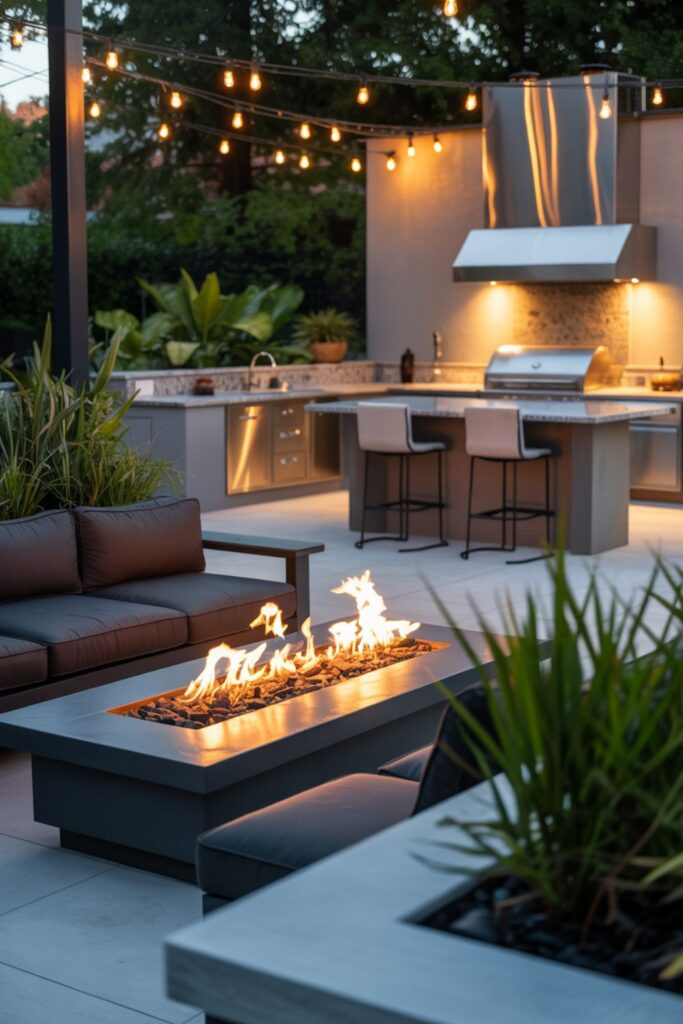
Fire pits extend patio season into cool evenings and create natural gathering spots. Wood-burning pits deliver authentic campfire experiences but require more maintenance and create smoke. Gas fire pits ignite instantly with adjustable flames and zero ash cleanup. Built-in designs use stone or brick to match existing hardscape. Portable fire bowls offer flexibility for smaller patios or renters.
Position fire features away from overhanging branches and structures maintain 10-foot clearances minimum. Surround pits with non-combustible paving materials like stone or pavers. Seating areas should curve around fires for conversation flow. Include side tables within arm’s reach for drinks. Consider prevailing wind patterns to avoid smoke blowing toward main seating. Fire pit dimensions of 36-44 inches provide optimal heat without overwhelming small patios.
Designing Functional Outdoor Kitchens
Outdoor kitchens transform patios into true living spaces where you cook, dine, and entertain without shuttling inside. Start with the essentials: built-in grill, prep counter, and storage. L-shaped layouts position grills perpendicular to dining areas, keeping smoke away from guests. Include 3 feet of counter space beside grills for plating. Under-counter refrigerators keep beverages cold and ingredients fresh.
Outdoor-rated cabinetry withstands moisture and temperature swings. Stainless steel weathers beautifully but shows fingerprints. Polymer options resist fading and clean easily. Granite or concrete countertops handle heat and weather. Position sinks near house water lines to minimize plumbing costs. Add task lighting above prep areas and ambient lighting for evening entertaining. Outdoor kitchen additions increase home values significantly while maximizing your backyard patio design functionality.
What Are the Best Plants for Patio Landscaping?
Container gardens bring life to hardscape without permanent commitments. Evergreen shrubs in large planters anchor corners and entries year-round. Boxwood, yew, and dwarf conifers maintain structure through winter. Mix heights and textures pair spiky cordyline with trailing ivy and flowering annuals. Group containers in odd numbers for visual appeal.
Perennial borders soften patio edges beautifully. Plant drifts of lavender, salvia, or coneflowers for seasonal color that returns yearly. Ornamental grasses add movement and sound as breezes rustle through blades. Native plants require less water and maintenance while supporting local ecosystems. Create depth by layering ground covers, mid-height perennials, and taller specimens.
Creating Shade with Strategic Planting
Trees positioned southwest of patios provide afternoon shade without morning shadow. Deciduous varieties like maples or oaks leaf out in spring, shade in summer, then drop leaves for winter sun. Plant 15-20 feet from patio edges to avoid root interference with pavers. Smaller ornamental trees like Japanese maples or crepe myrtles work for compact yards.
Climbing vines on pergolas or arbors create living canopies that evolve seasonally. Wisteria delivers spectacular spring blooms but requires aggressive pruning. Grape vines produce edible fruit while providing dense summer shade. Train vines using wires or cables for even distribution. Plant root balls 12 inches from structure bases to protect foundations while giving roots room to establish.
How to Add Lighting to Your Patio Design
Patio lighting extends usability after sunset while creating ambiance that transforms ordinary spaces into magical retreats. Layer three lighting types: ambient (overall illumination), task (functional light for cooking or reading), and accent (highlighting features). Low-voltage LED systems provide energy efficiency and safety. Solar options work well for accent lighting but lack brightness for task needs.
String lights suspended overhead create festive atmospheres perfect for entertaining. Edison bulbs deliver vintage charm while LED strands last 50,000+ hours. Drape lights in swooping curves rather than rigid lines for softer effects. Path lights guide movement safely while defining patio boundaries. Space fixtures 6-8 feet apart along walkways. Aim beams downward to minimize glare.
Strategic Up lighting and Accent Features
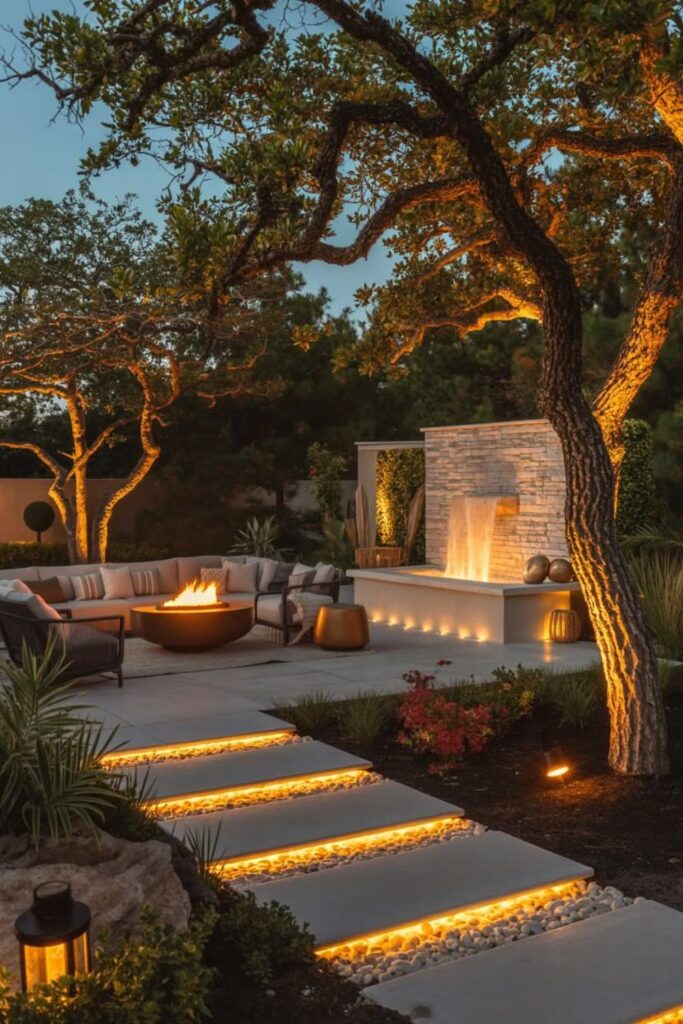
Up lighting trees and architectural elements adds drama after dark. Position fixtures at tree bases, aiming up through branches to create shadow patterns. Highlight stone walls, pergola posts, or water features with narrow-beam spotlights. Color-changing LEDs allow mood adjustments for different occasions. Keep fixtures subtle visible during day, unobtrusive but effective at night.
Step lights installed in risers prevent trips while adding sophisticated touches. Under-counter lighting in outdoor kitchens illuminates prep work. Sconces mounted on walls or posts flank entryways beautifully. Dimmer switches or smart controls adjust brightness for intimate dinners versus lively parties. Consider motion sensors for security lighting that activates when approaching from yards. Well-designed lighting makes your backyard patio design as functional at midnight as noon.
Budget-Friendly Backyard Patio Design Ideas
DIY gravel patios cost under $500 for modest spaces using basic tools. Excavate 4 inches deep, lay landscaping fabric, add crushed stone base, then top with pea gravel or decomposed granite. Edge with pressure-treated lumber or steel edging. Arrange potted plants and thrift store furniture for instant charm. This approach works beautifully for casual outdoor patio ideas focused on function over formality.
Repurpose materials creatively to slash costs while adding character. Reclaimed brick from demolished buildings costs half new prices. Salvaged flagstone from Craigslist or Facebook Marketplace delivers authentic materials budget-consciously. Pallets transform into furniture, planters, or vertical gardens with basic carpentry skills. Concrete stepping stones poured in reusable molds create custom paving for minimal investment.
Phased Building Approaches
Build your dream patio gradually instead of postponing indefinitely due to budget constraints. Start with basic pavers or poured concrete slab. Add pergola or shade structure year two. Install outdoor kitchen or fire pit year three. This phased approach spreads costs while letting you enjoy partial completion immediately.
Focus initial budgets on quality foundational elements. Proper base preparation ensures longevity. Skimping on drainage or compacted bases leads to expensive repairs later. Invest in durable paving materials first, then upgrade furniture and accessories over time. Shop end-of-season sales for deep discounts on outdoor furniture and décor. Memorial Day and Labor Day offer 40-60% off outdoor items at major retailers.
How Do You Maintain Different Patio Materials?
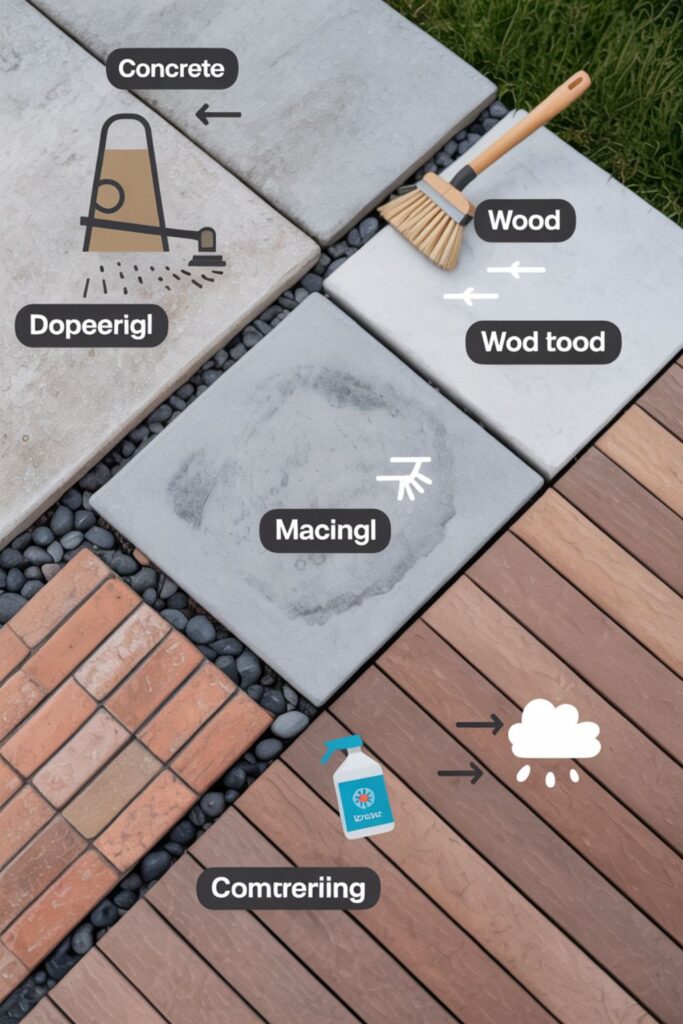
Concrete paver maintenance involves sweeping debris weekly and power washing annually. Polymeric sand between joints prevents weed growth and stabilizes pavers. Reseal every 3-5 years to protect against stains and weather damage. Individual damaged pavers lift out easily for replacement without disturbing surrounding areas. This repairability makes pavers ideal for budget-conscious long-term planning.
Natural stone requires gentler care than manufactured products. Seal porous stones like sandstone and limestone immediately after installation and every 2-3 years thereafter. Clean with pH-neutral cleaners avoids acidic solutions that etch surfaces. Pressure washers on low settings remove dirt without damaging stone. Some patina development on stone adds character rather than detracting from appearance.
Seasonal Patio Care Tips
Spring preparation includes power washing, inspecting drainage, and refreshing joint sand. Check for winter heaving that shifted pavers or stones. Reseat displaced pieces using sand and tamping. Clean outdoor furniture and inspect cushions for mildew. Trim overhanging branches that shade excessively or drop debris.
Fall maintenance prepares patios for winter dormancy. Clear fallen leaves promptly decomposing organic matter stains paving materials. Store cushions and fabric items indoors. Drain water features and cover fire pits. Apply sealers before first frost when temperatures stay above 50°F. Covering furniture extends lifespan significantly in harsh winter climates. These seasonal tasks preserve your backyard patio design investment for decades.
FAQ
What is the cheapest material for a patio?
Gravel and decomposed granite represent the most budget-friendly patio options at $3-$8 per square foot installed. These permeable surfaces drain well and install quickly with basic tools. Poured concrete comes next at $6-$10 per square foot, offering durability but requiring professional finishing for quality results.
How much does a 12×12 patio cost?
A 12×12 foot patio (144 square feet) costs $850-$4,300 depending on materials. Gravel patios run $850-$1,150, poured concrete $1,150-$1,900, concrete pavers $1,900-$2,900, and natural stone $2,900-$4,300. These estimates include materials and professional installation with proper base preparation and drainage considerations.
Should a patio be in sun or shade?
Ideal patio placement balances morning sun with afternoon shade, especially in hot climates. South and west exposures receive intense afternoon heat requiring shade structures like pergolas or trees. North-facing patios stay cooler but may feel chilly in spring and fall. East-facing locations get gentle morning sun perfect for breakfast seating areas without brutal afternoon heat.
What is the best low-maintenance patio material?
Concrete pavers offer the best maintenance-to-durability ratio for most homeowners. They resist cracking, allow individual replacement, require minimal sealing, and last 30-50 years. Stamped concrete runs a close second but may crack over time. Natural stone requires more frequent sealing but develops a beautiful patina with age.
How thick should a patio base be?
Proper patio bases require 4-6 inches of compacted crushed stone or gravel beneath pavers or stone. Poured concrete needs 4 inches minimum thickness. Compact base layers in 2-inch lifts using plate tampers. Inadequate base preparation causes settling, cracking, and costly repairs. Clay soils demand thicker bases while sandy soils need less depth.
Conclusion
Creating your ideal baYour backyard patio sits neglected a slab of cracked concrete or bare dirt that could be so much more. Every summer, you watch neighbors host barbecues and sunset gatherings while your outdoor space remains an afterthought. That unused area represents wasted potential, missed memories, and thousands of dollars in home value left on the table.
The frustration builds when you scroll through magazines showing gorgeous patio designs but have no idea where to start. Should you use pavers or pour concrete? What size makes sense? How do you create privacy without blocking sunlight?
Here’s the solution: transforming your backyard doesn’t require a landscape architect’s budget or contractor-level skills. This guide walks you through provenBackyard Patio Ideas that match any style, budget, and skill level. You’ll discover layout strategies, material comparisons, and design principles that turn ordinary yards into extraordinary outdoor living spaces. Let’s build something beautiful.
Understanding Patio Design Fundamentals
Every successful patio design starts with three core elements: purpose, proportion, and placement. Your outdoor living space should serve specific needs whether that’s dining, entertaining, or quiet relaxation. Square footage matters less than how you use it.
Most homeowners underestimate size requirements. A dining patio needs at least 12×12 feet for a table and chairs with comfortable movement space. Conversation areas work well at 10×10 feet minimum. Fire pit zones require 15-foot diameters for safety and comfort. Calculate your needs before breaking ground, and always add 20% more space than initial estimates suggest. Your future self will appreciate the breathing room.
How to Choose the Right Patio Location
Patio layout success hinges on strategic placement within your yard. Sun exposure dictates comfort levels throughout the day. South-facing patios receive maximum sunlight, perfect for cooler climates but potentially scorching in southern regions. North-facing areas stay shaded and cool, ideal for hot summers but limiting for year-round use.
Drainage considerations prevent costly water damage and foundation issues. Position your patio on level ground or create proper slope a 2% grade away from your home prevents water pooling. Check existing drainage patterns during rainstorms. Low-lying areas collect water and create muddy disasters. Slightly elevated spots shed moisture naturally and extend your patio’s lifespan by decades.
Popular Backyard Patio Design Styles
Contemporary patio designs embrace clean lines, minimalist furniture, and monochromatic color schemes. Sleek concrete pavers in large formats create seamless surfaces. Built-in seating areas with hidden storage maximize functionality. Modern outdoor living spaces often incorporate metal accents, glass panels, and geometric planters. LED strip lighting adds ambiance without cluttering the aesthetic.
Mediterranean-inspired patios transport you to coastal villas through warm terracotta tiles, wrought iron details, and abundant greenery. Natural stone in honey and sand tones pairs beautifully with arched features. Incorporate potted citrus trees, climbing vines, and fragrant herbs. Terra cotta pots in varying sizes create visual interest. These backyard patio designs thrive in warmer climates where outdoor dining becomes lifestyle.
Rustic and Cottage Garden Patios
Rustic patio designs celebrate imperfection through weathered wood, irregular flagstone, and overgrown borders. Paving materials appear naturally aged rather than pristine. Adirondack chairs and vintage furniture pieces add character. Allow moss to grow between stones for that lived-in charm. Fire pits built from stacked stone become natural gathering spots.
Cottage patio layouts blur boundaries between hardscape and garden. Stepping stones wind through perennial beds. Climbing roses frame seating areas. English garden aesthetics favor abundance over restraint pack borders with lavender, salvia, and ornamental grasses. Painted wooden benches in soft pastels complete the look. These outdoor patio ideas work beautifully for smaller yards where intimacy trumps grandeur.
Choosing the Best Patio Materials
Concrete pavers dominate the patio market for good reason they balance affordability, durability, and design flexibility. Interlocking pavers create stable surfaces that resist cracking better than poured concrete. Color options range from natural grays to rich earth tones. Permeable pavers address drainage concerns while meeting environmental regulations. Expect 30-50 year lifespans with minimal maintenance.
Installation costs run $8-$20 per square foot depending on pattern complexity. Herringbone and basket-weave patterns add visual interest but require more labor. Soldier courses (border rows) frame the space professionally. Concrete pavers handle freeze-thaw cycles better than most alternatives, making them ideal for northern climates. Sand-set installations allow individual paver replacement if damage occurs.
Natural Stone vs Brick Patios
Natural stone elevates any backyard patio design with unique character no manufactured product can replicate. Flagstone, bluestone, and limestone each offer distinct aesthetics. Irregular shapes create organic, flowing layouts while cut stone enables formal patterns. Color variations within single batches add depth. Stone costs $15-$30 per square foot installed but lasts generations.
Brick patios deliver timeless appeal through warm red tones and traditional craftsmanship. Clay bricks develop beautiful patinas as they age. Running bond and herringbone patterns suit both formal and casual settings. Reclaimed bricks add instant character to new outdoor living spaces. Expect $10-$18 per square foot. Brick requires periodic resealing to prevent moisture absorption and winter damage.
Budget-Friendly Patio Alternatives
Gravel patios offer the most budget-friendly solution at $3-$8 per square foot. Decomposed granite creates firm, permeable surfaces perfect for casual seating areas. Pea gravel provides better drainage but shifts underfoot. Edge restraints keep materials contained. Layer landscaping fabric beneath gravel to suppress weeds. These outdoor patio ideas work wonderfully for cottage gardens and informal spaces.
Stamped concrete mimics pavers or stone at $8-$12 per square foot half the cost of authentic materials. Modern techniques create convincing textures and patterns. Integral color eliminates painting needs. Proper sealing prevents staining and weather damage. Stamped concrete requires professional installation but delivers impressive results for budget-conscious homeowners wanting upscale appearances.
What Size Should Your Patio Be?
Patio dimensions directly impact functionality and enjoyment. Small patios (100-150 square feet) accommodate bistro sets and limited seating. Medium spaces (150-300 square feet) handle dining tables plus conversation areas. Large outdoor living spaces (300+ square feet) support multiple zones cooking, dining, lounging, and fire pit areas simultaneously.
Calculate furniture needs first, then add circulation space. Dining chairs require 3 feet behind them for comfortable movement. Traffic paths need 4-foot minimum widths. Fire pit clearances demand 3 feet from seating to flames. Never crowd your patio layout undersized spaces feel claustrophobic and discourage use. When uncertain, build bigger. You’ll never regret extra square footage.
Creating Privacy in Your Patio Design
Strategic screening transforms exposed patios into intimate retreats without creating prison-like enclosures. Living walls using climbing vines on trellises provide privacy while maintaining airflow. Plant fast-growing clematis, jasmine, or climbing hydrangea for quick coverage. Lattice panels painted to match your home blend seamlessly. Position screens where they block sightlines from neighbors while preserving desirable views.
Pergolas frame outdoor living spaces beautifully while supporting shade cloth or retractable canopies. Vertical slats create partial screening that doesn’t feel claustrophobic. Incorporate planters with tall ornamental grasses or bamboo for movable privacy solutions. Tiered landscaping with shrubs and small trees establishes natural barriers. Layer plantings at varying heights to block views without creating solid walls that trap heat.
Using Structures and Furniture for Privacy
Outdoor curtains on pergolas or posts create flexible privacy you can adjust for different occasions. Weather-resistant fabrics in neutral tones maintain sophistication. Retractable screens mount to posts or walls, disappearing when not needed. Half-walls topped with planters define space boundaries without complete enclosure. These structures work particularly well for patio designs on elevated decks or raised areas.
Strategic furniture placement creates psychological barriers even in open spaces. Position sectionals with backs facing neighboring properties. Tall planters with architectural specimens like Italian cypress draw eyes upward. Screens made from reclaimed doors or shutters add character while blocking views. Water features with vertical elements provide both visual and acoustic privacy. The sound of trickling water masks conversation from traveling to nearby yards.
Incorporating Fire Features and Outdoor Kitchens
Fire pits extend patio season into cool evenings and create natural gathering spots. Wood-burning pits deliver authentic campfire experiences but require more maintenance and create smoke. Gas fire pits ignite instantly with adjustable flames and zero ash cleanup. Built-in designs use stone or brick to match existing hardscape. Portable fire bowls offer flexibility for smaller patios or renters.
Position fire features away from overhanging branches and structures maintain 10-foot clearances minimum. Surround pits with non-combustible paving materials like stone or pavers. Seating areas should curve around fires for conversation flow. Include side tables within arm’s reach for drinks. Consider prevailing wind patterns to avoid smoke blowing toward main seating. Fire pit dimensions of 36-44 inches provide optimal heat without overwhelming small patios.
Designing Functional Outdoor Kitchens
Outdoor kitchens transform patios into true living spaces where you cook, dine, and entertain without shuttling inside. Start with the essentials: built-in grill, prep counter, and storage. L-shaped layouts position grills perpendicular to dining areas, keeping smoke away from guests. Include 3 feet of counter space beside grills for plating. Under-counter refrigerators keep beverages cold and ingredients fresh.
Outdoor-rated cabinetry withstands moisture and temperature swings. Stainless steel weathers beautifully but shows fingerprints. Polymer options resist fading and clean easily. Granite or concrete countertops handle heat and weather. Position sinks near house water lines to minimize plumbing costs. Add task lighting above prep areas and ambient lighting for evening entertaining. Outdoor kitchen additions increase home values significantly while maximizing your backyard patio design functionality.
What Are the Best Plants for Patio Landscaping?
Container gardens bring life to hardscape without permanent commitments. Evergreen shrubs in large planters anchor corners and entries year-round. Boxwood, yew, and dwarf conifers maintain structure through winter. Mix heights and textures pair spiky cordyline with trailing ivy and flowering annuals. Group containers in odd numbers for visual appeal.
Perennial borders soften patio edges beautifully. Plant drifts of lavender, salvia, or coneflowers for seasonal color that returns yearly. Ornamental grasses add movement and sound as breezes rustle through blades. Native plants require less water and maintenance while supporting local ecosystems. Create depth by layering ground covers, mid-height perennials, and taller specimens.
Creating Shade with Strategic Planting
Trees positioned southwest of patios provide afternoon shade without morning shadow. Deciduous varieties like maples or oaks leaf out in spring, shade in summer, then drop leaves for winter sun. Plant 15-20 feet from patio edges to avoid root interference with pavers. Smaller ornamental trees like Japanese maples or crepe myrtles work for compact yards.
Climbing vines on pergolas or arbors create living canopies that evolve seasonally. Wisteria delivers spectacular spring blooms but requires aggressive pruning. Grape vines produce edible fruit while providing dense summer shade. Train vines using wires or cables for even distribution. Plant root balls 12 inches from structure bases to protect foundations while giving roots room to establish.
How to Add Lighting to Your Patio Design
Patio lighting extends usability after sunset while creating ambiance that transforms ordinary spaces into magical retreats. Layer three lighting types: ambient (overall illumination), task (functional light for cooking or reading), and accent (highlighting features). Low-voltage LED systems provide energy efficiency and safety. Solar options work well for accent lighting but lack brightness for task needs.
String lights suspended overhead create festive atmospheres perfect for entertaining. Edison bulbs deliver vintage charm while LED strands last 50,000+ hours. Drape lights in swooping curves rather than rigid lines for softer effects. Path lights guide movement safely while defining patio boundaries. Space fixtures 6-8 feet apart along walkways. Aim beams downward to minimize glare.
Strategic Uplighting and Accent Features
Uplighting trees and architectural elements adds drama after dark. Position fixtures at tree bases, aiming up through branches to create shadow patterns. Highlight stone walls, pergola posts, or water features with narrow-beam spotlights. Color-changing LEDs allow mood adjustments for different occasions. Keep fixtures subtle visible during day, unobtrusive but effective at night.
Step lights installed in risers prevent trips while adding sophisticated touches. Under-counter lighting in outdoor kitchens illuminates prep work. Sconces mounted on walls or posts flank entryways beautifully. Dimmer switches or smart controls adjust brightness for intimate dinners versus lively parties. Consider motion sensors for security lighting that activates when approaching from yards. Well-designed lighting makes your backyard patio design as functional at midnight as noon.
Budget-Friendly Backyard Patio Design Ideas
DIY gravel patios cost under $500 for modest spaces using basic tools. Excavate 4 inches deep, lay landscaping fabric, add crushed stone base, then top with pea gravel or decomposed granite. Edge with pressure-treated lumber or steel edging. Arrange potted plants and thrift store furniture for instant charm. This approach works beautifully for casual outdoor patio ideas focused on function over formality.
Repurpose materials creatively to slash costs while adding character. Reclaimed brick from demolished buildings costs half new prices. Salvaged flagstone from Craigslist or Facebook Marketplace delivers authentic materials budget-consciously. Pallets transform into furniture, planters, or vertical gardens with basic carpentry skills. Concrete stepping stones poured in reusable molds create custom paving for minimal investment.
Phased Building Approaches
Build your dream patio gradually instead of postponing indefinitely due to budget constraints. Start with basic pavers or poured concrete slab. Add pergola or shade structure year two. Install outdoor kitchen or fire pit year three. This phased approach spreads costs while letting you enjoy partial completion immediately.
Focus initial budgets on quality foundational elements. Proper base preparation ensures longevity. Skimping on drainage or compacted bases leads to expensive repairs later. Invest in durable paving materials first, then upgrade furniture and accessories over time. Shop end-of-season sales for deep discounts on outdoor furniture and décor. Memorial Day and Labor Day offer 40-60% off outdoor items at major retailers.
How Do You Maintain Different Patio Materials?
Concrete paver maintenance involves sweeping debris weekly and power washing annually. Polymeric sand between joints prevents weed growth and stabilizes pavers. Reseal every 3-5 years to protect against stains and weather damage. Individual damaged pavers lift out easily for replacement without disturbing surrounding areas. This repairability makes pavers ideal for budget-conscious long-term planning.
Natural stone requires gentler care than manufactured products. Seal porous stones like sandstone and limestone immediately after installation and every 2-3 years thereafter. Clean with pH-neutral cleaners avoids acidic solutions that etch surfaces. Pressure washers on low settings remove dirt without damaging stone. Some patina development on stone adds character rather than detracting from appearance.
Seasonal Patio Care Tips
Spring preparation includes power washing, inspecting drainage, and refreshing joint sand. Check for winter heaving that shifted pavers or stones. Reseat displaced pieces using sand and tamping. Clean outdoor furniture and inspect cushions for mildew. Trim overhanging branches that shade excessively or drop debris.
Fall maintenance prepares patios for winter dormancy. Clear fallen leaves promptly decomposing organic matter stains paving materials. Store cushions and fabric items indoors. Drain water features and cover fire pits. Apply sealers before first frost when temperatures stay above 50°F. Covering furniture extends lifespan significantly in harsh winter climates. These seasonal tasks preserve your backyard patio design investment for decades.
FAQ
What is the cheapest material for a patio?
Gravel and decomposed granite represent the most budget-friendly patio options at $3-$8 per square foot installed. These permeable surfaces drain well and install quickly with basic tools. Poured concrete comes next at $6-$10 per square foot, offering durability but requiring professional finishing for quality results.
How much does a 12×12 patio cost?
A 12×12 foot patio (144 square feet) costs $850-$4,300 depending on materials. Gravel patios run $850-$1,150, poured concrete $1,150-$1,900, concrete pavers $1,900-$2,900, and natural stone $2,900-$4,300. These estimates include materials and professional installation with proper base preparation and drainage considerations.
Should a patio be in sun or shade?
Ideal patio placement balances morning sun with afternoon shade, especially in hot climates. South and west exposures receive intense afternoon heat requiring shade structures like pergolas or trees. North-facing patios stay cooler but may feel chilly in spring and fall. East-facing locations get gentle morning sun perfect for breakfast seating areas without brutal afternoon heat.
What is the best low-maintenance patio material?
Concrete pavers offer the best maintenance-to-durability ratio for most homeowners. They resist cracking, allow individual replacement, require minimal sealing, and last 30-50 years. Stamped concrete runs a close second but may crack over time. Natural stone requires more frequent sealing but develops a beautiful patina with age.
How thick should a patio base be?
Proper patio bases require 4-6 inches of compacted crushed stone or gravel beneath pavers or stone. Poured concrete needs 4 inches minimum thickness. Compact base layers in 2-inch lifts using plate tampers. Inadequate base preparation causes settling, cracking, and costly repairs. Clay soils demand thicker bases while sandy soils need less depth.
Conclusion
Creating your ideal backyard patio design requires balancing aesthetics, functionality, and budget realities. The right paving materials and thoughtful layout transform neglected yards into beloved outdoor living spaces where memories happen naturally. Whether you choose concrete pavers for versatility, natural stone for elegance, or budget-friendly gravel for simplicity, proper planning ensures results you’ll enjoy for decades.
Start with clear purpose and proportions, then build outward incorporating privacy features, fire pits, and landscaping that reflects your style. Remember that successful patio designs evolve over time begin with solid foundations and add layers of comfort, beauty, and functionality as budgets allow. Your backyard holds incredible potential waiting for you to unlock it. Take that first step today, and soon you’ll wonder why you waited so long to claim your outdoor paradise.
The frustration builds when you scroll through magazines showing gorgeous patio designs but have no idea where to start. Should you use pavers or pour concrete? What size makes sense? How do you create privacy without blocking sunlight?
Here’s the solution: transforming your backyard doesn’t require a landscape architect’s budget or contractor-level skills. This guide walks you through proven Backyard Patio Ideas that match any style, budget, and skill level. You’ll discover layout strategies, material comparisons, and design principles that turn ordinary yards into extraordinary outdoor living spaces. Let’s build something beautiful.