Beautiful Flower Yard To Create a Stunning Outdoor Paradise

You walk past your neighbor’s house and stop dead in your tracks. Their yard bursts with color from every angle. Vibrant petunias cascade from window boxes, fragrant roses climb the fence, and cheerful daisies dance in perfectly arranged beds. Meanwhile, your own yard sits there looking tired and neglected with patchy grass and a few scraggly shrubs.
The frustration builds. You’ve tried planting flowers before, but they either died within weeks or never looked quite right. Maybe you bought whatever was on sale at the garden center without considering sun exposure. Perhaps you planted everything at once without thinking about bloom times. Now you’re stuck with bare spots for half the year and a yard that makes you embarrassed every time guests arrive. The worst part? You know it could be gorgeous, but you just don’t know where to start or how to maintain that picture-perfect look.
Creating a beautiful flower yard isn’t about having a green thumb or spending hours on maintenance every week. It’s about smart plant selection, strategic placement, and understanding a few key design principles that professional landscapers use. With the right approach, you can transform your outdoor space into a colorful sanctuary that impresses visitors and provides daily joy. This guide reveals practical strategies for designing, planting, and maintaining a flower yard that stays vibrant from early spring through late fall.
What Makes a Flower Yard Beautiful?
A beautiful flower yard balances color, texture, form, and timing. It’s not just about cramming as many flowers as possible into every available space. Professional-looking yards follow specific design elements that create visual harmony.
Color coordination sets the mood and style of your entire outdoor space. Monochromatic schemes using various shades of one color create sophisticated elegance. Hot color combinations featuring reds, oranges, and yellows generate energy and excitement. Cool palettes with blues, purples, and whites provide calm, relaxing atmospheres. The secret lies in choosing a color story and sticking with it rather than mixing every hue randomly.
Texture variety keeps things interesting. Combine bold, dramatic foliage like host as with delicate, feathery plants like Russian sage. Pair spiky vertical flowers such as gladiolus or delphiniums with soft, rounded blooms like hydrangeas. This contrast creates depth and makes each plant stand out rather than blending into a visual mush. The interplay between different leaf shapes and flower forms adds dimension that single-texture plantings lack.
Height layering ensures every plant gets noticed. Place tall specimens in the back of borders or center of island beds. Mid-height flowers occupy middle positions while low-growing varieties edge the front. This tiered approach prevents plants from hiding behind each other and creates that professional, finished look you see in magazine photos.
How Do You Choose the Right Flowers for Your Yard?
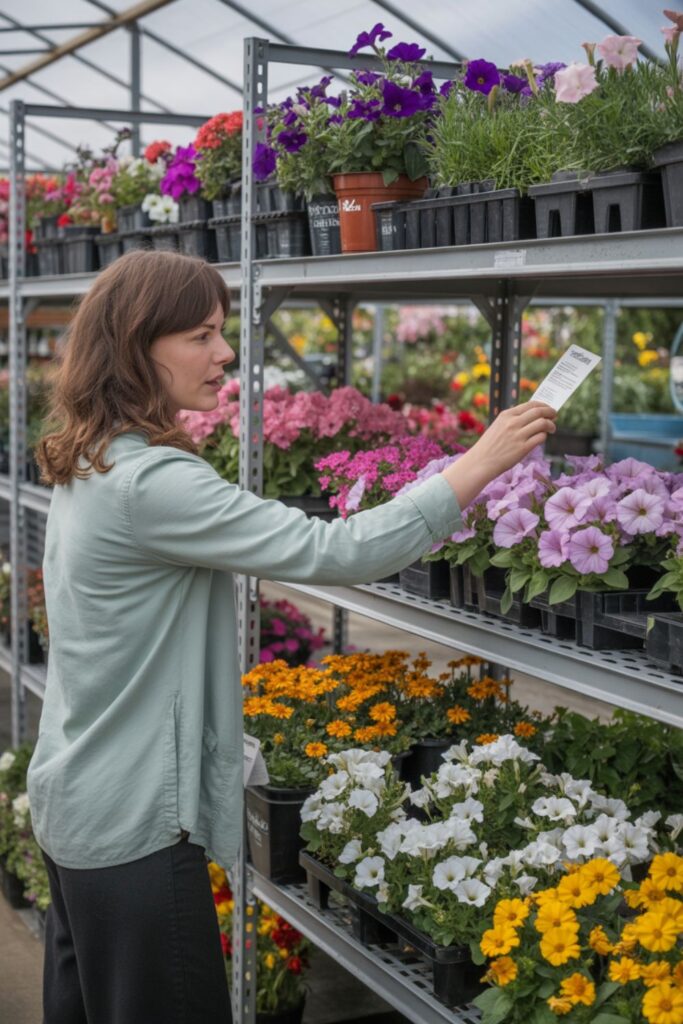
Plant selection determines whether your yard thrives or struggles. Understanding your growing conditions prevents costly mistakes and guarantees success.
Assess Your Sun Exposure
Walk around your property at different times throughout the day. Note which areas receive full sun, meaning six or more hours of direct sunlight daily. Identify partial shade spots that get three to six hours of sun. Mark full shade zones that receive less than three hours. Most flowering plants prefer full sun, but shade-tolerant options exist for darker areas.
Full sun lovers include roses, coneflowers, zinnias, marigolds, petunias, and black-eyed Susans. These powerhouses deliver non-stop color when planted in proper light. Partial shade plants like hydrangeas, astilbe, begonias, and columbine tolerate some shade while still blooming generously. Deep shade plants such as host as, ferns, impatiens, and caladiums thrive where other flowers fail.
Consider Your Climate Zone
Your hardiness zone dictates which plants survive winter in your area. The USDA divides North America into 13 zones based on average annual minimum temperatures. Check your zone online and select plants rated for it. Perennials not hardy to your zone die during winter, wasting your money and effort.
Climate also affects bloom times and plant performance. Some varieties bred for northern climates struggle in southern heat. Conversely, tropical plants that thrive in Florida freeze solid in Minnesota. Regional garden centers typically stock appropriate varieties, but always verify hardiness ratings before purchasing.
Decide Between Annuals and Perennials
Annual plants complete their entire life cycle in one season. They germinate, grow, bloom, set seed, and die within a single year. Annuals typically provide non-stop color from planting until frost. Popular choices include petunias, marigolds, zinnias, impatiens, and geraniums. The downside is that you must replant them every year.
Perennial flowers return year after year from the same rooAnnual plants complete their entire life cycle in one season, making them a quick way to add vibrant color to a beautiful flower yard. They germinate, grow, bloom, set seed, and die within a single year. Annuals typically provide non-stop color from planting until frost. Popular choices include petunias, marigolds, zinnias, impatiens, and geraniums. The downside is that you must replant them every year.
Perennial flowers return year after year from the same root system, creating long-term structure in a beautiful flower yard. They emerge each spring, bloom during their designated season, then die back in fall. Perennials cost more initially but save money long-term since they don’t require yearly replacement. Because most perennials bloom for only a few weeks, it’s best to plant multiple varieties with staggered bloom times for season-long color.
Smart yards combine both. Perennials provide reliability and a strong framework, while annuals fill gaps and maintain vibrant color throughout the season. This mixed approach ensures your beautiful flower yard stays full of interest, texture, and blooms without overspending on annual replacements.
What Are the Best Flowers for Front Yard Curb Appeal?
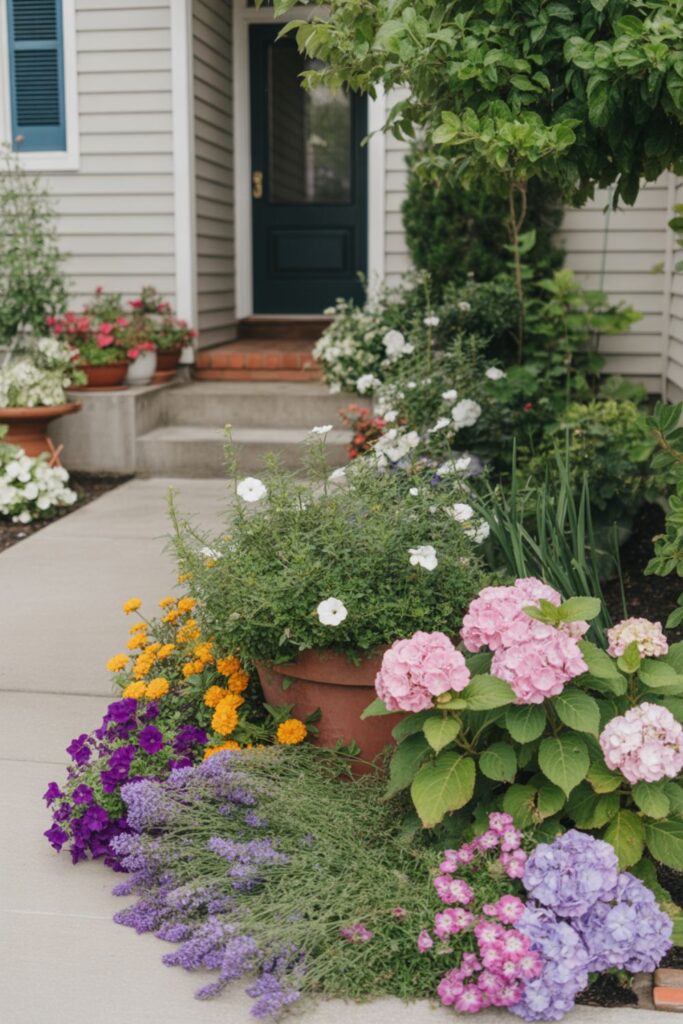
Your front yard flowers create first impressions and boost property value. They should look good from the street and complement your home’s architecture.
Foundation Plantings
Foundation beds along your house wall frame the structure and soften hard edges. Choose plants that mature to heights below windowsills unless you enjoy trimming constantly. Compact shrubs like boxwood provide evergreen structure while perennial flowers add seasonal color.
Hydrangeas work brilliantly in foundation plantings. They tolerate partial shade near house walls and deliver massive blooms from summer into fall. Varieties like Endless Summer rebloom throughout the season. Their large flower heads make bold statements visible from the street.
Daylilies offer foolproof color for sunny foundations. These tough perennials tolerate neglect, multiply over time, and come in countless colors. Each flower lasts one day but plants produce dozens of buds that open successively for weeks. Modern reblooming varieties flower multiple times per season.
Host as dominate shady foundations with attractive foliage all season long. While primarily grown for leaves, many varieties produce lovely lavender or white flowers in summer. Their mounded forms soften architectural lines beautifully.
Read More About: Garden Layout Flower Design for Stunning Landscapes
Mailbox Gardens
Transform your mailbox area into a focal point that enhances curb appeal. Small gardens around mailboxes add charm and help guests locate your address. Keep plants low enough that they don’t obstruct driver visibility or postal delivery access.
Compact varieties work best in these small spaces. Dwarf azaleas provide spring color in filtered shade. Coreopsis and dwarf daylilies bloom all summer in full sun. Edge with creeping groundcovers like creeping Jenny or sweet alyssum that spill onto surrounding surfaces.
Container plantings offer flexible mailbox beautification. Large pots flanking the mailbox post can be changed seasonally. Spring pansies transition to summer petunias then fall mums. This rotating display maintains fresh color without permanent commitments.
Flower Beds Along Walkways
Line pathways with low-growing flowers that guide visitors to your entrance. These plantings should stay compact and not flop onto walking surfaces. Regular deadheading keeps them tidy and encourages continuous flowering.
Catmint forms neat mounds covered in lavender-blue flowers from late spring through summer. It tolerates heat, drought, and poor soil while attracting butterflies. Shearing spent blooms encourages second flushes of color.
Salvia varieties deliver vertical flower spikes in shades of blue, purple, red, and white. They bloom for months with minimal care and butterflies visit them constantly. Cutting back finished flower stalks promotes additional blooming cycles.
Marigolds provide bright, cheerful color along sunny walkways. These foolproof annuals bloom non-stop from planting until hard frost. French marigolds stay compact while African varieties grow taller with larger blooms.
How Do You Design a Beautiful Backyard Garden?
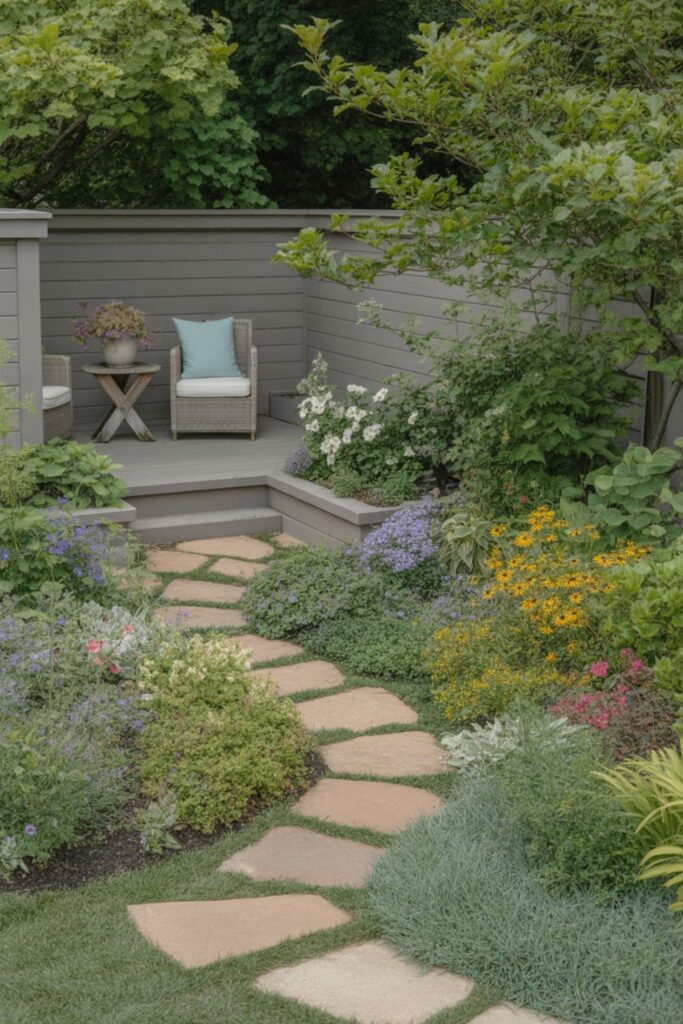
Backyard gardens offer more privacy and creative freedom than front yards. You can experiment with bold colors, larger plantings, and personal style without worrying about neighborhood conformity.
Create Outdoor Rooms
Divide large backyards into distinct areas using plants as walls and borders. A seating area surrounded by fragrant flowers becomes an outdoor living room. A cutting garden tucked in the corner serves as your personal flower shop. Paths connecting different zones invite exploration and make yards feel larger.
Tall plants define boundaries between spaces. Ornamental grasses, tall perennials like Joe Pye weed, or flowering shrubs like butterfly bush create natural dividers. These living walls provide privacy while maintaining an open, airy feel that solid fences lack.
Design for Multiple Viewing Angles
Unlike front yards viewed mainly from the street, backyards get observed from decks, patios, and windows. Position flower beds where you can enjoy them from indoor spaces and outdoor seating areas. Create island beds in lawn areas that look attractive from all sides.
Consider sightlines from your most-used indoor spaces. If you spend mornings at the kitchen table, position a colorful bed visible from that window. Arrange deck plantings to frame views rather than blocking them completely.
Include Functional Flowers
Backyards offer space for flowers that serve purposes beyond beauty. Pollinator gardens featuring native plants attract butterflies, bees, and hummingbirds. Cutting gardens supply bouquets for indoor arrangements without leaving gaps in landscape displays.
Herb gardens combine practicality with beauty. Lavender, thyme, and rosemary produce attractive flowers while providing culinary ingredients. Plant them near outdoor cooking areas for convenient harvest. Many herbs also repel mosquitoes and other pests naturally.
What Flower Combinations Create Stunning Displays?
Plant pairings elevate individual flowers from nice to spectacular. Professional designers use proven combinations that deliver maximum impact.
Classic Cottage Garden Mixes
Cottage style embraces abundant, overflowing plantings that appear casually arranged but actually follow careful planning. Mix tall delphiniums, foxgloves, and hollyhocks with mid-height roses, peonies, and daisies. Edge with low-growing alyssum, lobelia, and creeping phlox.
This style celebrates controlled chaos where plants intermingle freely. Self-seeding annuals like cosmos, nigella, and bachelor’s buttons fill gaps naturally. The result feels romantic, relaxed, and lived-in rather than rigidly formal.
Modern Minimalist Schemes
Contemporary designs favor restraint and repetition. Choose three to five plant varieties maximum and repeat them in sweeps or blocks. This approach creates bold visual impact through simplicity rather than diversity.
Ornamental grasses pair beautifully with repeating blocks of single-color perennials. Purple Russian sage planted in large drifts alongside blonde switchgrass creates striking contrast. Add a single accent plant like red coneflower for a pop of color against the neutral backdrop.
Succession Planting for Continuous Color
Layer plants with different bloom times in the same bed for seasonal interest from spring through fall. Spring bulbs emerge first, followed by early perennials, then summer bloomers, and finally fall stars.
Combine early daffodils with mid-season peonies and late daylilies in one bed. As each finishes blooming, the next takes over center stage. Their foliage overlaps to hide fading leaves and maintain a full appearance.
How Do You Maintain a Beautiful Flower Yard?
Proper garden maintenance keeps your yard looking fresh and encourages plants to perform their best. Most tasks take minimal time when done regularly.
Watering Best Practices
Newly planted flowers need consistent moisture until roots establish. Water deeply two to three times weekly rather than shallow daily sprinkling. Deep watering encourages roots to grow downward rather than staying near the surface where they dry out quickly.
Established plants vary in water needs. Most flowering perennials prefer an inch of water weekly from rain or irrigation. Sandy soils drain quickly and need more frequent watering. Clay soils hold moisture longer and risk overwatering. Check soil moisture by sticking your finger two inches deep. Water when it feels dry at that depth.
Watering schedules should adjust seasonally. Spring and fall typically provide adequate rainfall in most regions. Summer heat increases water demands significantly. Early morning watering reduces disease risks and prevents moisture loss to evaporation.
Deadheading and Pruning
Deadheading means removing spent flowers before they set seed. This simple task tricks plants into producing more blooms rather than diverting energy to seed production. Many annuals and perennials rebloom continuously when deadheaded regularly.
Pinch or cut off faded flowers just above the next set of leaves or buds. Do this weekly during peak bloom times. Plants like petunias, geraniums, and marigolds respond dramatically to consistent deadheading with non-stop flower production.
Some perennials benefit from cutting back after initial bloom. Shearing catmint, salvia, and coreopsis by one-third after first flowering encourages fresh growth and second bloom cycles. This technique extends their season significantly.
Fertilizing and Mulching
Feed flowering plants with balanced fertilizer or bloom-booster formulas. Slow-release granular products applied in spring feed plants all season. Water-soluble fertilizers provide quick boosts but require more frequent application. Follow package directions since over-fertilizing damages plants and wastes money.
Mulching serves multiple purposes in flower beds. A two-to-three-inch layer suppresses weeds, conserves moisture, and regulates soil temperature. Organic mulches like shredded bark or compost gradually decompose and improve soil quality. Keep mulch pulled back from plant stems to prevent rot.
Refresh mulch annually as it decomposes and thins. Spring application before summer heat arrives delivers maximum benefits. Fall mulching protects roots during winter cold snaps.
What Design Elements Enhance Flower Yards?
Hardscape elements provide structure and year-round interest when flowers aren’t blooming. They transform simple plantings into polished landscapes.
Pathways and Edging
Defined edges separate flower beds from lawns and create clean lines that look professionally maintained. Materials like brick, stone, or metal edging prevent grass from invading beds and make mowing easier.
Garden paths invite exploration and provide maintenance access to plants. Stepping stones through beds let you reach plants for deadheading and care without stepping on soil. Wider paths accommodate wheelbarrows and garden carts for larger tasks.
Choose pathway materials that complement your home’s style. Formal homes suit brick or cut stone. Cottage styles work well with irregular flagstone or gravel. Modern designs favor concrete pavers or decomposed granite.
Focal Points and Garden Art
Every successful garden needs a star attraction that draws the eye and anchors the design. This might be a spectacular plant combination, a beautiful tree, or an ornamental feature like a birdbath, sundial, or sculpture.
Position focal points where sightlines naturally travel. Place them at path intersections, centered on views from seating areas, or at the end of long beds. Surround them with supporting plants that frame rather than compete.
Garden art adds personality and interest during seasons when flowers rest. Choose pieces that reflect your style and withstand weather. Rustic items suit informal gardens while sleek metal suits modern spaces.
Containers and Vertical Elements
Pots and planters add flexibility to flower yards. Move them around to fill gaps, change color schemes, or refresh tired areas. Containers let you grow plants unsuited to your soil or climate by controlling their growing medium.
Group containers in odd numbers for visual appeal. Vary heights and sizes but maintain a cohesive style through matching colors or materials. Large pots make bolder statements than collections of tiny containers.
Vertical gardening maximizes limited space and adds height variation. Trellises, arbors, and obelisks support climbing flowers like clematis, morning glories, and climbing roses. These structures provide architectural interest even when plants aren’t blooming.
How Do You Create Year-Round Color in Your Flower Yard?
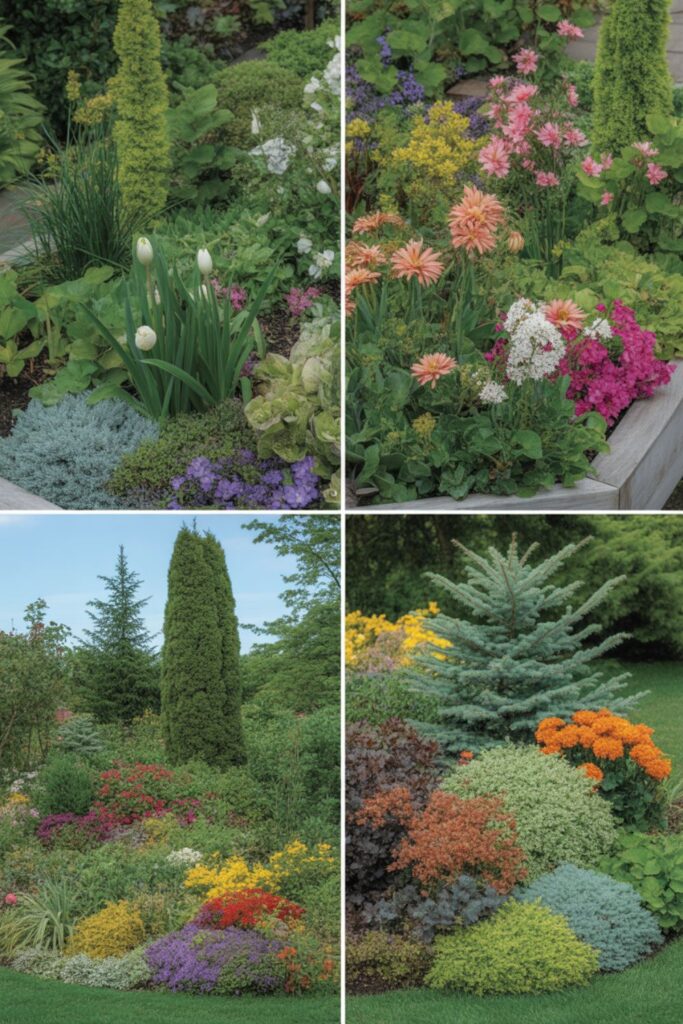
Truly beautiful flower yards maintain interest through all seasons, not just peak summer months. Strategic planning extends beauty from early spring through winter.
Spring Awakening
Spring bulbs provide the earliest color when winter finally releases its grip. Plant daffodils, tulips, crocuses, and hyacinths in fall for spring rewards. Layer different varieties that bloom sequentially for extended displays.
Early perennials follow bulbs closely. Hellebores bloom even through late snow. Bleeding heart emerges early with elegant foliage and dangling heart-shaped flowers. Primroses add bright color to shady spots.
Summer Abundance
Summer brings peak bloom time when most gardens look their best. Maximize this season with long-flowering annuals and reliable perennial workhorses. Zinnias, petunias, and marigolds bloom non-stop in sunny beds. Begonias and impatiens fill shady spaces with color.
Heat-loving perennials like coneflowers, black-eyed Susans, and rudbeckia tolerate summer stress while blooming for months. Daylilies produce successive blooms throughout summer. These tough plants need minimal fussing once established.
Fall Glory
Extend beauty into autumn with late-season performers. Asters and sedum peak as summer flowers fade. Russian sage produces misty blue flowers into October. Ornamental grasses develop attractive seed heads and foliage colors that persist through frost.
Fall-blooming bulbs like autumn crocuses surprise with late-season flowers. They emerge from bare ground in September and October, adding unexpected color when most gardens wind down.
Winter Structure
Winter gardens rely on evergreen plants and architectural elements for beauty. Conifers and broadleaf evergreens provide green color year-round. Ornamental grasses left standing catch snow and frost beautifully. Berry-producing shrubs like holly feed birds while adding color.
Hardscape elements become more important when flowers rest. Garden art, interesting pathways, and structural plants maintain visual interest until spring bulbs emerge again.
Read More About: 20+ Flower Garden Layout Design Ideas
What Common Mistakes Should You Avoid?
Learning from typical errors saves time, money, and disappointment. These frequent mistakes undermine otherwise well-planned yards.
Planting without knowing mature sizes creates problems as plants grow. That cute little shrub balloons into a monster blocking windows. Research mature dimensions and space accordingly. It’s better to have gaps initially that fill in over time than overcrowding that requires constant pruning or removal.
Ignoring soil quality dooms plants to struggle regardless of care. Most flowers need well-draining soil rich in organic matter. Heavy clay suffocates roots while pure sand can’t hold nutrients or moisture. Amend soil before planting rather than expecting flowers to overcome poor conditions.
Selecting plants based solely on bloom appearance without considering requirements leads to failure. That gorgeous shade plant dies in your sunny yard. The drought-tolerant variety rots in your wet soil. Match plants to conditions rather than trying to change conditions to suit plants.
Neglecting watering during establishment kills otherwise healthy plants. Even drought-tolerant varieties need consistent moisture their first season. Once roots establish, they handle stress better. Don’t assume plants can fend for themselves immediately after planting.
Frequently Asked Questions
How often should I water flowers in my yard?
Newly planted flowers need watering two to three times weekly until established, typically six to eight weeks after planting. Established plants require about one inch of water per week from rainfall or irrigation during the growing season. Water deeply but infrequently rather than shallow daily sprinkling, which encourages weak root systems. Adjust frequency based on soil type, with sandy soils needing more frequent watering than clay.
What are the easiest flowers to grow for a beautiful yard?
Zinnias, marigolds, and sunflowers top the list for foolproof annuals that bloom prolifically with minimal care. For perennials, black-eyed Susans, coneflowers, daylilies, and hostas tolerate neglect while delivering reliable color and spreading over time to fill spaces. These workhorses adapt to various conditions, resist pests and diseases, and forgive occasional watering lapses, making them perfect for beginners.
How do I keep my flower yard looking good all summer?
Deadhead blooms weekly to encourage continuous flowering in annuals and reblooming perennials. Water deeply during dry spells, preferably early morning. Apply a two-to-three-inch layer of mulch to suppress weeds and conserve moisture. Feed plants monthly with balanced fertilizer or bloom booster. Pull weeds regularly before they set seed and spread throughout beds.
Can I have a beautiful flower yard in shade?
Absolutely! Shade-loving flowers like impatiens, begonias, and coleus provide vibrant color without full sun. Hostas offer dramatic foliage in countless varieties. Astilbe produces feathery plumes in pink, white, and red. Hydrangeas bloom generously in partial shade. Combine flowering plants with interesting foliage varieties for texture and year-round appeal in shady areas.
How much does it cost to create a beautiful flower yard?
Costs vary dramatically based on yard size and plant choices. A modest front yard makeover using perennials and annuals typically runs 300 to 800 dollars for plants and materials. Professional landscape design and installation increase costs significantly. Starting with annuals keeps initial investment low while you learn. Perennials cost more upfront but provide better long-term value since they return yearly.
Conclusion
Creating a beautiful flower yard transforms your property into a colorful sanctuary that provides daily joy and impresses everyone who visits. The key lies in understanding your growing conditions, selecting appropriate plants that thrive in your specific environment, and implementing basic maintenance routines that keep everything looking fresh. Your yard doesn’t need to feature every flower variety or complicated designs to achieve stunning results. Focus on proven plant combinations, proper spacing, and succession planting that maintains color throughout the growing season.
Start with manageable projects rather than attempting to landscape your entire property at once. A well-executed front flower bed makes more impact than scattered plantings throughout the yard. Master the basics with easy-care varieties before advancing to finicky specimens. Remember that professional-looking yards develop over time as plants mature and fill in spaces. Your garden will improve each season as you learn what works in your specific conditions and refine your approach. The most beautiful yards reflect personal style and thoughtful planning rather than following rigid rules. Embrace the process, enjoy watching your plants grow, and celebrate small victories as your outdoor space evolves into the colorful paradise you’ve envisioned.