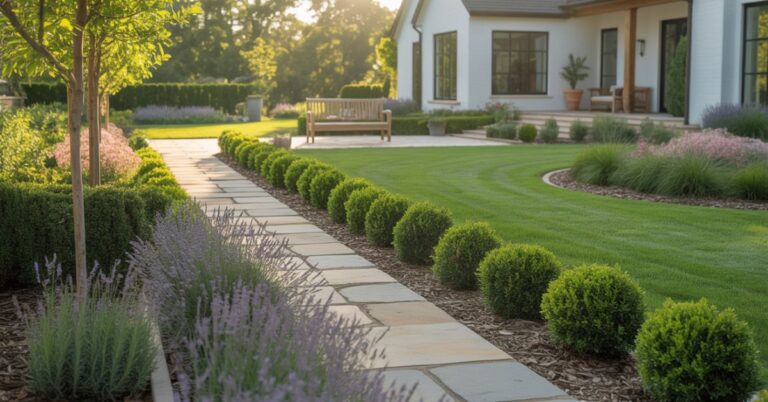
Best Garden Design Ideas to Create Your Dream Outdoor Space
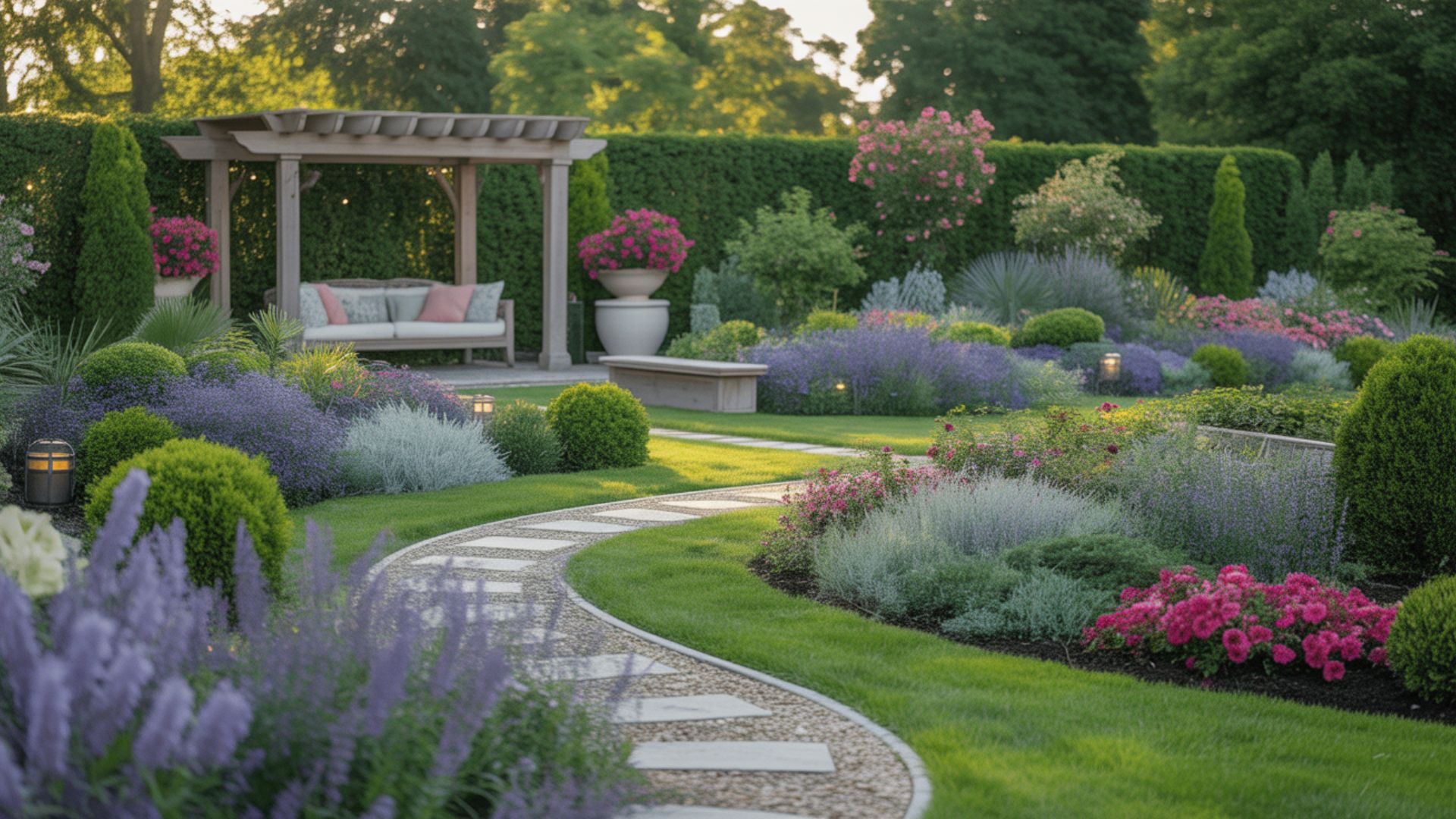
our outdoor space has potential you can’t quite unlock. You walk around your yard imagining possibilities: a comfortable seating area here, flowering beds there, maybe a water feature but the pieces never come together into a cohesive vision. The garden design ideas you find online either don’t fit your space, exceed your budget, or require expertise you haven’t developed.
This disconnect between vision and execution keeps you stuck with a mediocre yard that serves no real purpose. You know your outdoor area should function as an extension of your living space, providing beauty, functionality, and enjoyment. Yet translating inspiration into actionable garden design ideas that work with your property’s dimensions, soil conditions, and existing features feels overwhelming and paralyzing.
The truth is that successful garden design stems from understanding foundational principles that work regardless of style, budget, or space size. You don’t need formal training, you need practical best garden design ideas grounded in how people actually use outdoor spaces, combined with techniques that create visual cohesion and long-term satisfaction. This comprehensive guide presents proven garden design ideas across multiple approaches and scales, with specific implementation strategies that help you create an outdoor environment perfectly suited to your lifestyle, property conditions, and aesthetic preferences.
Foundation Principles Every Garden Design Should Follow
Strong garden design ideas rest on universal principles that create satisfying spaces regardless of style or size. Understanding these foundations prevents common mistakes and guides decision-making throughout your project.
Unity creates cohesion by repeating elements throughout your garden design. Select three to five key plants and use them repeatedly rather than planting one of everything available at the nursery. Choose consistent materials for hardscape elements, the same stone type for pathways and patios, similar wood tones for fences and structures, unified color schemes for containers and furniture. This repetition creates a visual rhythm that feels intentional rather than chaotic. Your eye should travel smoothly through the space without jarring transitions or conflicting elements competing for attention.
Scale and proportion ensure elements relate appropriately to each other and the overall space. Massive boulders overwhelm tiny yards, while delicate furniture disappears in expansive landscapes. Plants that should match the space they occupy small yards need compact varieties that won’t outgrow their allotted area within a few seasons. Pathways require adequate width (4-5 feet for primary routes, 2-3 feet for secondary paths) to feel comfortable rather than cramped. Seating areas need sufficient size for their intended use a dining space for six requires considerably more room than a quiet reading nook. Before committing to any element, verify measurements against your actual space to ensure proper scaling.
How Do You Create Functional Zones in Garden Design?
Dividing your yard into distinct functional zones maximizes usability while creating organized flow throughout your outdoor space.
Identify activities your household actually engages in outdoors. Do you entertain frequently and need dining space? Do children require play areas? Do you want vegetable gardening, quiet reading spots, or active recreation space? List these activities honestly based on current lifestyle rather than aspirational behavior. Each significant activity deserves dedicated space if your property allows. Small yards might combine functions: a patio serving both dining and lounging while larger properties can separate zones distinctly. Position high-traffic areas near house exits for convenient access, place noisy play zones away from quiet relaxation spots, and situate vegetable gardens where they receive adequate sun and water access.
Create transitions between zones that provide definition without complete separation. Low hedges, changes in paving materials, pergolas or arbors, level changes, or distinct planting styles signal movement between areas while maintaining visual connection. A gravel path might transition to flagstone as you move from informal garden areas to formal seating spaces. Tall ornamental grasses create see-through boundaries that define space without blocking views entirely. These transitions guide visitors naturally through your garden design while preventing the choppy feeling that solid walls or abrupt changes create.
Small Garden Design Ideas That Maximize Limited Space
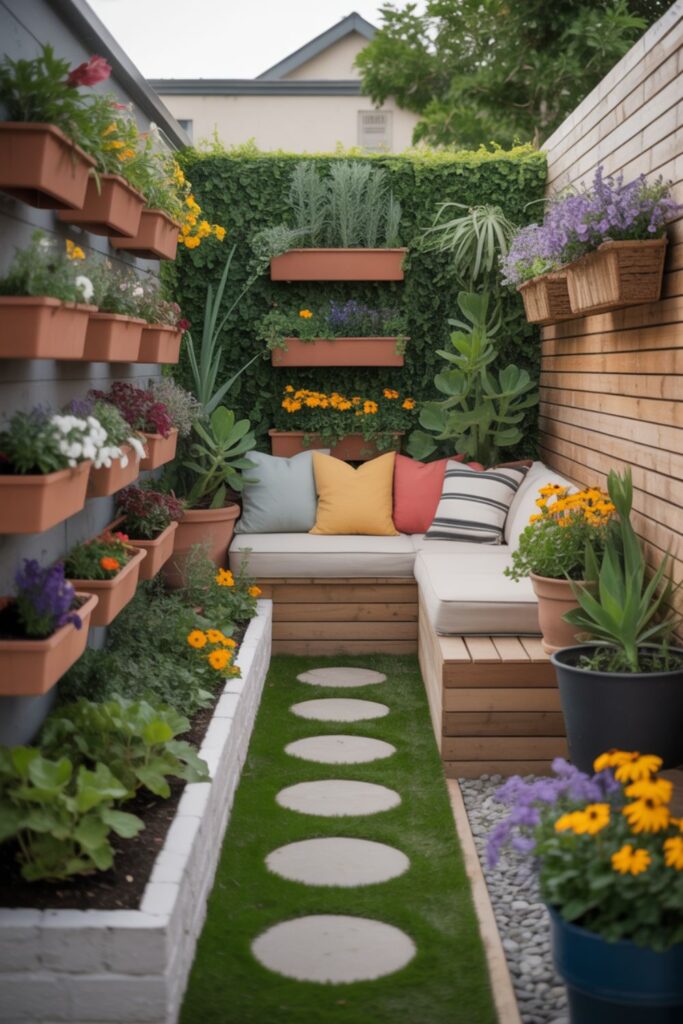
Compact yards demand strategic Best Garden Design Ideas to Create Your Dream Outdoor Space that create impact without requiring extensive square footage or making spaces feel cramped.
Vertical gardening multiplies growing space by utilizing walls, fences, and vertical structures. Install wall-mounted planters, hanging baskets, or trellis systems that support climbing plants like clematis, roses, or vegetables like pole beans and cucumbers. Living walls using modular pocket planters transform blank fences into lush green backdrops. Espaliered fruit trees trained flat against walls provide harvests without consuming valuable ground space. This upward expansion particularly benefits narrow side yards or small urban properties where horizontal space is severely limited but vertical opportunity remains untapped.
Multi-functional elements serve multiple purposes simultaneously, essential when every square foot matters. Benches with built-in storage provide seating while hiding garden tools and supplies. Dining tables with removable tops convert to fire pits or planters when not serving meals. Fences double as vertical gardens with attached planters. Raised beds with wide caps function as casual seating edges. Choose furniture that folds, stacks, or nests when not in use. This layered functionality prevents any element from existing for just one purpose, maximizing return on your limited space investment. Keep color schemes limited; too many competing colors fragment small spaces, while cohesive palettes create expansive visual flow.
Large Garden Design Ideas for Expansive Properties
Extensive yards present different challenges preventing emptiness, creating destinations throughout the property, and establishing cohesive design across considerable distances.
Create distinct outdoor rooms that divide the space into manageable, purposeful areas. A formal seating area near the house, a kitchen garden in the sunny corner, a naturalistic woodland walk along the property edge, and a children’s play zone in view of main living areas each serve specific functions while contributing to the overall design. Separate these rooms partially using hedges, pergolas, level changes, or planting beds that define boundaries without complete enclosure. This room-based approach makes large properties feel organized and intentional rather than overwhelming or underdeveloped.
Establish strong sightlines and focal points that draw the eye through the landscape and create destinations worth walking to discover. Position a sculpture, specimen tree, or architectural structure at key points where pathways converge or views extend. These anchors give purpose to distant areas and pull visitors through the space rather than leaving them clustered near the house. Create anticipation by curving pathways around planted areas so destinations reveal gradually rather than displaying everything at once. Plant large groupings (sweeps of dozens or hundreds of the same plant) rather than scattered individuals this mass planting creates impact appropriate to the space scale and prevents the spotty appearance that results from too-small groupings in large areas.
Read More About: Best Home Garden Design Ideas for a Stunning Outdoor Space
What Are the Best Pathways and Hardscape Design Ideas?
Hardscape elements pathways, patios, walls, and structures form your garden design’s permanent framework that remains visible year-round, especially important during winter when plants die back.
Materials selection dramatically affects your garden design’s character and budget. Natural stone (flagstone, bluestone, slate) delivers timeless elegance but costs significantly more than alternatives. Brick offers traditional charm and moderate cost, suiting colonial and cottage styles. Gravel provides the most affordable option with excellent drainage, perfect for informal cottage or Mediterranean aesthetics. Concrete pavers in various sizes, shapes, and colors offer versatility and mid-range pricing. Wood decking creates warm, comfortable surfaces for seating areas but requires regular maintenance. Consider material combinations: primary pathways in durable stone with secondary routes in gravel or mulch balances budget with functionality.
Pathway design affects how people experience and navigate your space. Straight paths feel formal and expedite movement, suitable for vegetable gardens or utility areas where efficiency matters. Curved pathways slow visitors, create anticipation, and suit naturalistic or cottage Best Garden Design Ideas to Create Your Dream Outdoor Space. Vary path width to signal importance wider for main routes, narrower for exploratory side paths. Ensure adequate width for intended use (wheelbarrows, lawn equipment, multiple people walking together). Edge pathways clearly using brick, stone, or metal edging that prevents spreading and maintains crisp lines. Consider lighting integration during installation running conduit before paving saves future excavation.
Color Schemes and Planting Design Strategies
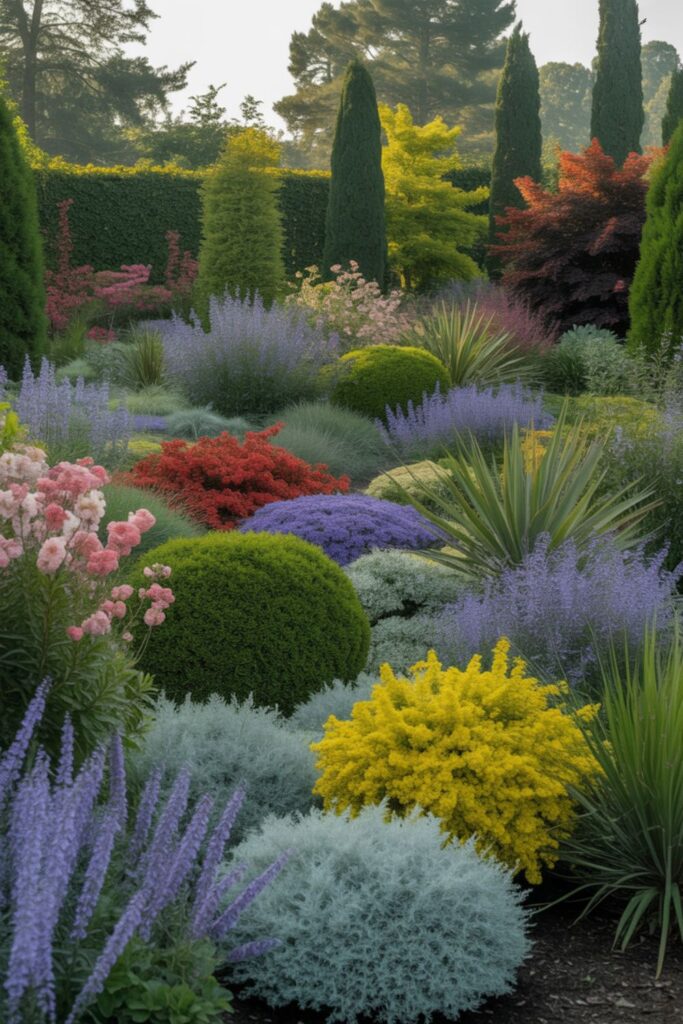
Thoughtful color scheme selection and planting design transforms random plant collections into cohesive compositions that provide year-round interest.
Choose a color approach that guides plant selection throughout your Best Garden Design Ideas. Monochromatic schemes using variations of one color (all white, shades of purple, yellow tones) create sophisticated sophistication and visual calm. Complementary colors opposite each other on the color wheel (purple with yellow, blue with orange) generate vibrant energy and dramatic contrast. Analogous colors adjacent on the wheel (blues, purples, and pinks together) offer harmony with subtle variation. Hot color schemes featuring reds, oranges, and yellows energize spaces and appear closer, while cool blues, purples, and whites recede and calm. Apply your chosen color scheme consistently throughout major planting areas, with perhaps one accent space in a contrasting color for visual punctuation.
Layer plants by height, bloom time, and texture to create depth and sustained interest. Place tall specimens (shrubs, ornamental grasses, architectural perennials) toward the back of beds or center of island plantings, medium-height plants in the middle layer, and low groundcovers or edging plants along fronts. This graduated arrangement ensures visibility for all plants while creating fullness. Include evergreens (boxwood, holly, conifers) that provide structure when deciduous plants lose leaves. Plan bloom succession so different plants flower throughout the growing season rather than peaking simultaneously then fading. Vary texture by combining fine-textured plants (ornamental grasses, ferns) with bold-leaved specimens (hosta, canna) and medium textures filling between this texture contrast creates visual interest even when flowers aren’t present.
Privacy and Screening Design Solutions
Most Best Garden Design Ideas require some degree of privacy from neighbors, screening of unattractive views, or definition of boundaries without creating fortress-like enclosures.
Living screens using evergreen shrubs provide natural, softening privacy that improves aesthetically as plants mature. Fast-growing options like arborvitae, Leyland cypress, or privet establish privacy within a few years, while slower choices like yew or holly offer tighter density and longer lifespan. Plant in staggered double rows rather than single lines for fuller coverage and more naturalistic appearance. Space according to mature size most privacy shrubs need 3-5 feet between plants to avoid overcrowding that leads to interior die-back. For immediate privacy while waiting for plants to mature, combine young shrubs with temporary fencing or lattice panels that will eventually be concealed as the hedge fills in.
Mixed approaches combining solid elements with plants deliver instant privacy while maintaining softness. Install fences or walls for immediate screening, then plant layered shrubs, perennials, and climbing vines in front to soften the hard surface. Lattice or slatted fences provide partial privacy and better air circulation than solid barriers while supporting climbing plants like clematis or roses. Positioning privacy elements strategically to screen specific sight lines rather than enclosing entire perimeters selective screening maintains openness and connection to surroundings while blocking problem views. Consider heights carefully. 6-foot fences feel imposing where 4-5 foot hedges with taller accent plants provide adequate privacy with less visual weight.
What Are Some Creative Focal Point Design Ideas?
Focal points anchor your garden design, provide destinations, and express personality through distinctive elements that command attention and create memorable moments.
Water features serve as compelling focal points that engage multiple senses through sound, movement, and visual interest. Simple container fountains work in small spaces and tight budgets, requiring just a glazed pot, submersible pump, and nearby electrical outlet. Larger ponds support aquatic plants and fish, creating ecosystems, though they demand more maintenance and careful siting for proper depth and drainage. Pondless waterfalls offer moving water without standing water that collects debris or poses safety concerns. Formal water features like tiered fountains suit symmetrical, traditional garden design ideas, while naturalistic streams and ponds integrate into informal, woodland-style landscapes. Position water features where you’ll enjoy them most visible from indoor living areas or near outdoor seating spaces where the soothing water sounds enhance relaxation.
Architectural structures and artistic elements create strong focal points with year-round presence. Pergolas define seating areas while providing vertical interest and supporting climbing plants. Obelisks, arbors, and decorative trellises add height and structure even before vines cover them. Sculptures, large ceramic vessels, or artistic containers inject personality and style. Specimen plants with distinctive form dramatically pruned evergreens, specimen trees with interesting bark or branching, architectural succulents function as living focal points. Position these elements at path intersections, terminating sight lines, or where they create surprise as visitors round corners. One substantial focal point per garden zone provides sufficient visual anchor without creating competing elements that fragment attention.
Lighting Design Ideas for Evening Enjoyment
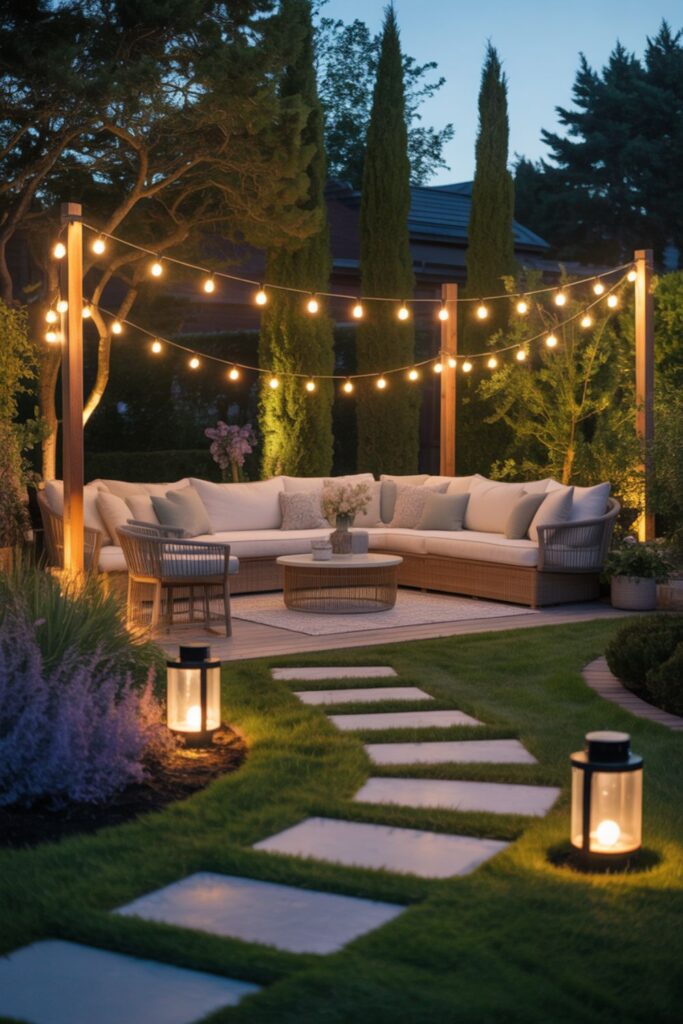
Strategic lighting extends garden usability past dusk while transforming spaces into magical nighttime environments with completely different character than daytime.
Layer different lighting types to balance functionality with ambiance. Path lights ensure safe navigation along walkways choose low-profile fixtures that illuminate without glare, spacing them 6-10 feet apart along both sides of main routes. Uplights positioned at tree bases wash trunks and canopy with dramatic shadows and dimension. Downlights mounted in trees or structures create gentle moonlight effects. Spotlights highlight focal points like sculptures, water features, or architectural plants use these sparingly since overlighting destroys the mystery and magic that shadows provide. Well lights recessed into the ground cast light upward without visible fixtures, maintaining clean aesthetics.
Ambient lighting creates mood and defines gathering spaces. String lights (café lights or bistro bulbs) draped over seating areas establish an enchanting atmosphere; warm white bulbs offer classic elegance while maintaining sufficient light for conversation and dining. Lanterns on tables or hung from pergolas provide intimate pools of light. Step lights integrated into walls or stairs offer safety illumination with minimal visual impact. Use timers or smart controls to automate lighting, ensuring your garden glows welcomingly without manual switching. Consider solar options for areas lacking electrical access, though plug-in LED systems typically offer better reliability and brightness control. Remember that less is more thoughtfully placed lighting that illuminates key features while leaving areas in shadow creates more dramatic and appealing effects than uniform brightness.
Budget-Conscious Garden Design Ideas That Deliver Impact
Creating impressive garden design doesn’t require unlimited funds when you prioritize investments strategically and embrace creative implementation approaches.
Phase your garden design implementation over multiple seasons rather than attempting complete installation at once. Begin with infrastructure that’s expensive to relocate later grading and drainage, major pathways, patios, and retaining walls. These foundational elements establish your space’s structure and prevent costly mistakes like placing garden beds where you eventually want hardscaping. Add structural plants like trees and large shrubs next; these take years to reach maturity, so planting them early maximizes your long-term result. Fill in with perennials, groundcovers, and seasonal color gradually as budget allows. This phased approach spreads costs over time while allowing adjustments based on how the space actually functions once you start using it.
Choose cost-effective materials and DIY-friendly projects that deliver professional appearance at a fraction of installed costs. Gravel and mulch cost significantly less than pavers but create attractive pathways and spaces. Decomposed granite provides firm, wheelchair-accessible surfaces at modest expense. Build raised beds and simple pergolas yourself using rot-resistant lumber, composite materials, or cedar basic carpentry skills and YouTube tutorials make these projects accessible. Propagate plants through division, cuttings, or seeds rather than purchasing large specimens. Join plant swaps or local gardening groups where members share divisions freely. One mature perennial divided produces multiple plants within a few years. Start with younger, smaller plants that cost less and often establish faster than larger ones since they experience less transplant shock.
Read More About: Top Garden Inspiration Ideas for a Beautiful Outdoor Sanctuary
Low-Maintenance Garden Design Approaches
The most beautiful garden design fails if it requires more maintenance than you can realistically provide. Design for sustainability and manageability from the beginning.
Select plants appropriately matched to your site conditions this single decision prevents most maintenance problems. Plants stressed by wrong light, poor soil, or inappropriate climate zones require constant intervention and often die regardless. Native plants adapted to your region typically need less water, fertilizer, and pest management than exotic species. Group plants with similar water and care requirements in the same zones so you can maintain areas efficiently rather than treating each plant individually. Install drip irrigation on timers to reduce watering chores while delivering moisture directly to roots. This automated approach ensures consistent watering even during busy periods or vacations.
Reduce or eliminate lawn areas to dramatically cut maintenance time and expense. Turf requires weekly mowing, regular watering, fertilizing, and often chemical treatments. Replace underused lawn with mulched planting beds, groundcovers, native meadow plantings, or hardscaped areas needing minimal attention. Where you maintain lawn, use sharp blades and proper height (3-4 inches for most grasses) to promote deep roots and drought tolerance. Planting beds clearly with metal, plastic, or stone barriers that prevent grass invasion, this simple step eliminates the tedious task of redefining bed edges constantly. Apply 2-3 inch mulch layers around plants to suppress weeds, retain moisture, and regulate soil temperature organic mulches like shredded bark improve soil as they decompose, creating self-sustaining systems requiring less intervention over time.
Contemporary and Modern Garden Design Concepts
Modern garden design ideas emphasize clean lines, restrained plant palettes, and architectural materials that create sophisticated, uncluttered outdoor spaces.
Minimize plant variety while maximizing visual impact through bold groupings and repetition. Choose five to seven plant species maximum, then use them in large masses rather than scattered individuals. Ornamental grasses like Calamagrostis or Miscanthus repeated throughout the space create rhythm and unity. Structural evergreens like boxwood spheres or yew hedges provide year-round form. Architectural plants such as Agave, Yucca, or bamboo deliver dramatic sculptural presence. Groundcovers like creeping thyme or Sedum replace fussy perennial borders. This restrained palette shifts focus from individual plants to overall composition, shadows, and how plants interact with hardships.
Materials selection and detailing define modern aesthetics. Poured concrete, large-format pavers, corten steel planters, and smooth stone create contemporary sophistication. Emphasize horizontal lines through low walls, raised beds, and linear pathways. Built-in seating, integrated lighting, and concealed irrigation maintain the clean, uncluttered look. Choose furniture with simple geometric forms in neutral colors. Avoid ornamental fussiness, no decorative statuary, cutesy signs, or random garden decor. Every element should serve a clear compositional purpose. This disciplined approach requires more thoughtful planning than busy, cluttered designs but results in timeless elegance that photographs beautifully and ages gracefully. Maintenance becomes critical since any weeds, overgrown plants, or misplaced items immediately disrupt the careful composition.
Cottage and English Garden Design Ideas
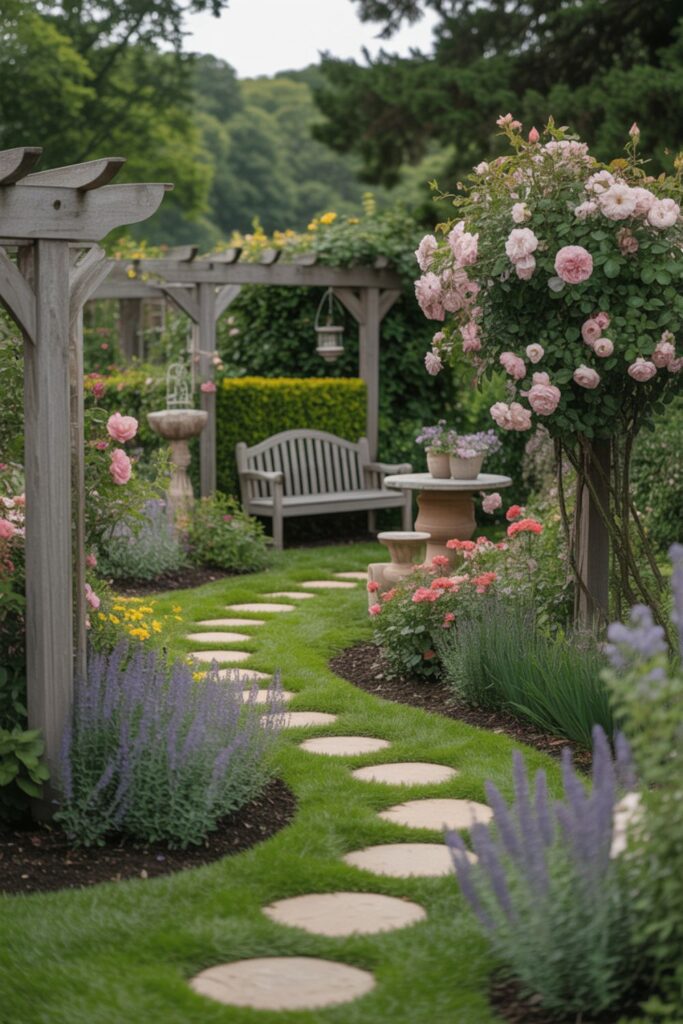
Cottage garden design celebrates romantic abundance where plants overflow beds, blend together informally, and create tapestries of color, texture, and fragrance.
Layer plants densely with mixed heights, forms, and bloom times creating continuous interest. Traditional cottage garden plants include roses, delphiniums, foxgloves, hollyhocks, lavender, peonies, and catmint combined with edible herbs that add utility alongside beauty. Allow plants to self-seed naturally volunteer forget-me-nots, larkspur, and calendula popping up spontaneously enhance the authentic cottage feel rather than requiring removal. Plant in tight spacing that leaves little bare soil visible, creating the overflowing abundance characteristic of this style. Include climbing roses and clematis on arbors, trellises, and fences for vertical romance. The goal is controlled chaos deliberately informal but underlying structure prevents true disorder.
Incorporate vintage elements and materials that reinforce nostalgic charm. Picket fences painted white or left to weather naturally, brick or gravel pathways, weathered wood furniture, and antique garden tools as decorative elements create an authentic cottage atmosphere. Use reclaimed materials whenever possible old doors as garden gates, vintage windows as cold frames, weathered shutters as vertical planting structures. Positioning comfortable seating among plants rather than in separated zones benches tucked into planted areas invite you to sit surrounded by flowers and fragrance. Despite abundant appearance, cottage gardens can be relatively low-maintenance since dense planting suppresses weeds and many traditional cottage plants are tough, drought-tolerant performers once established. The informal style also forgives less-than-perfect maintenance; slightly overgrown beds enhance rather than detract from the aesthetic.
Frequently Asked Questions
What should I consider first when starting a garden design?
Begin by analyzing your site conditions sun exposure, soil quality, drainage patterns, and existing features like trees or structures. Document how sunlight moves across your space throughout the day and which areas stay wet after rain.
How do I create unity in my garden design?
Repetition creates cohesion throughout your garden design. Select three to five key plants and use them repeatedly in different areas rather than introducing new species constantly. Choose consistent materials for hardscape, the same stone for all pathways, similar wood tones for structures, unified color schemes for containers.
What are common garden design mistakes to avoid?
The most frequent mistakes include planting without understanding mature plant size, resulting in overcrowding within a few years, making pathways too narrow for comfortable passage, creating beds too small to make visual impact, and failing to match plants to site conditions.
How much should I budget for professional garden design?
Professional landscape design fees typically range from $2,000 to $5,000 for comprehensive plans with planting specifications. Full-service design and installation projects average $15,000 to $75,000 depending on property size, project scope, and material choices. Many homeowners choose a hybrid approach hiring designers for master planning ($1,000-$3,000) then implementing it themselves over multiple seasons.
Can I design a beautiful garden on a small budget?
Absolutely prioritize spending on permanent infrastructure like pathways and drainage that’s expensive to relocate, using economical materials like gravel or mulch. Start plants from seeds, divisions, or small sizes rather than large specimens. Phase implementation over several seasons, adding elements as budget allows.
How do I incorporate sustainable practices into garden design?
Design for water conservation by grouping plants with similar needs into zones and choosing drought-tolerant species adapted to your climate. Install drip irrigation that delivers water efficiently to roots rather than wasteful overhead sprinklers. Reduce or eliminate lawn areas that require intensive water, fertilizer, and maintenance.
Conclusion
Successful garden design ideas transform outdoor spaces from wasted potential into functional, beautiful extensions of your home that enhance daily life across all seasons. The key lies in understanding foundational principles of unity, appropriate scale, functional zoning, and site-matched plant selection then applying them through your preferred aesthetic whether modern minimalism, romantic cottage abundance, or any approach that resonates with your personality. Strong design begins with honest assessment of your site conditions and how you actually use outdoor space, preventing the common mistake of implementing styles that look attractive but function poorly for your circumstances.
Remember that gardens evolve continuously, improving as plants mature and you refine elements based on experience. Start with solid infrastructure drainage, pathways, and structural hardscape that’s expensive to change later. Build upon that foundation with long-lived trees and shrubs that establish your garden’s framework, then fill in with perennials and seasonal color. Implement your garden design ideas in manageable phases that fit your budget and timeline rather than attempting everything simultaneously. Whether you’re working with compact urban yards or expansive suburban properties, thoughtful garden design tailored to your specific needs creates outdoor sanctuaries that provide beauty, functionality, and genuine satisfaction for years to come.