Best Interior Garden Ideas for Stylish Indoor Spaces

You stare at your bare walls and empty corners, craving the life and color that only plants can bring. Maybe you live in an apartment without outdoor space, or perhaps winter has robbed you of your gardening fix. Whatever your situation, bringing nature indoors feels impossible when you don’t know where to start. The frustration builds as you watch others create lush indoor sanctuaries while your space remains lifeless and dull.
Here’s the truth: creating a stunning interior garden doesn’t require a green thumb or unlimited space. The best interior garden ideas work with your lifestyle, budget, and available square footage. Whether you’re working with a tiny studio or a spacious home, these proven strategies will help you transform any room into a plant-filled paradise that improves your mood, purifies your air, and becomes the envy of every visitor.
Why Indoor Gardens Are More Than Just Decoration
Interior gardens serve multiple purposes beyond aesthetics. Research from 2015 demonstrates that interaction with indoor plants reduces both psychological and physiological stress. These green companions filter toxins like benzene and formaldehyde from your air, creating a healthier living environment. Plants also increase humidity levels, which benefits your skin and respiratory system during dry winter months.
The mental health benefits extend beyond stress reduction. Tending to an indoor garden provides a sense of purpose and accomplishment. Watching seeds sprout and plants flourish gives you something positive to focus on, especially valuable during months when outdoor gardening isn’t possible. Your interior garden becomes a living, breathing project that evolves with your care and attention.
Read More About: Best Arch In Garden Ideas to Transform Your Outdoor Space
Vertical Garden Systems That Maximize Small Spaces
Vertical gardens revolutionize how we think about indoor gardening in compact areas. These systems mount directly on walls or hang from ceilings, transforming unused vertical space into productive growing areas. You can purchase ready-made vertical garden kits with built-in drip irrigation and grow lights, or create your own using wooden pallets, hanging planters, or tiered shelving units.
The beauty of vertical gardens lies in their flexibility. Mount individual wall planters at varying heights to create visual interest, or install a full living wall system for dramatic impact. Fabric pocket planters work exceptionally well for herbs and small vegetables, while modular grid systems allow you to customize your layout. Many vertical garden designs accommodate 12 to 64 pockets, giving you ample space for diverse plant collections without sacrificing floor space.
Consider vertical gardens for high-traffic areas where traditional pots would create obstacles. Install them in hallways, behind furniture, or on boring accent walls that need character. The key is ensuring your chosen location receives adequate light or supplementing with artificial lighting. Vertical gardens thrive when you group plants with similar water and light requirements together, making maintenance significantly easier.
Hydroponic Systems for Year-Round Fresh Herbs and Vegetables
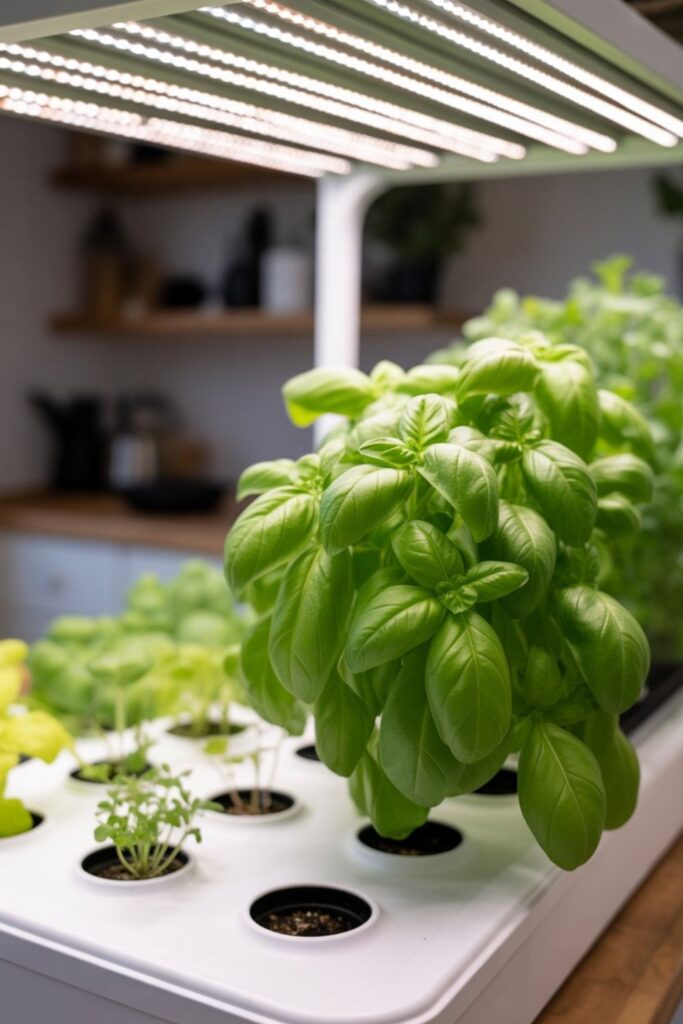
Hydroponic systems eliminate soil entirely, growing plants in nutrient-rich water solutions instead. These indoor gardening systems produce faster growth rates and higher yields than traditional methods because nutrients flow directly to plant roots. Modern hydroponic systems include automated features like timers, grow lights, and circulation pumps that make cultivation nearly effortless.
Popular options include countertop units like AeroGarden and Click & Grow, which fit perfectly in kitchens for fresh herb production. Larger systems like Lettuce Grow Farmstand or the Farm 24XL accommodate everything from leafy greens to tomatoes and strawberries. The initial investment ranges from affordable starter kits around $50 to premium systems exceeding $500, but the continuous harvest of fresh produce justifies the cost.
Hydroponic systems shine during winter when outdoor gardening becomes impossible. You’ll harvest basil, mint, cilantro, and parsley year-round, elevating your cooking with ingredients picked minutes before mealtime. Many systems include seed pods or transplant options, giving you flexibility in what you grow. The self-contained nature of hydroponic gardens means no soil mess and minimal pest issues compared to traditional indoor gardening.
Creating Stunning Living Walls and Plant Displays
Living walls make bold architectural statements while maximizing your plant collection. These installations range from simple shelf arrangements to complex modular systems covering entire walls. The most impressive living walls combine plants of varying textures, colors, and growth habits to create dynamic visual compositions that change with the seasons.
Start with easier approaches if you’re new to living walls. Line floating shelves with potted plants at different heights, mixing trailing varieties like pothos and string of hearts with upright specimens like snake plants and ferns. This layered approach creates depth and movement without requiring specialized installation. Ensure your shelves can support the weight of water-filled pots, and place drip trays underneath to protect surfaces.
For more dramatic living walls, invest in purpose-built systems with integrated irrigation. These frameworks hold individual plant pockets or containers that lock into a grid structure. The advantage is uniform watering and easier plant replacement when needed. Living walls work beautifully in entryways, dining rooms, and home offices where they serve as natural room dividers while improving air quality throughout your space.
Window Gardens and Sunny Spot Solutions
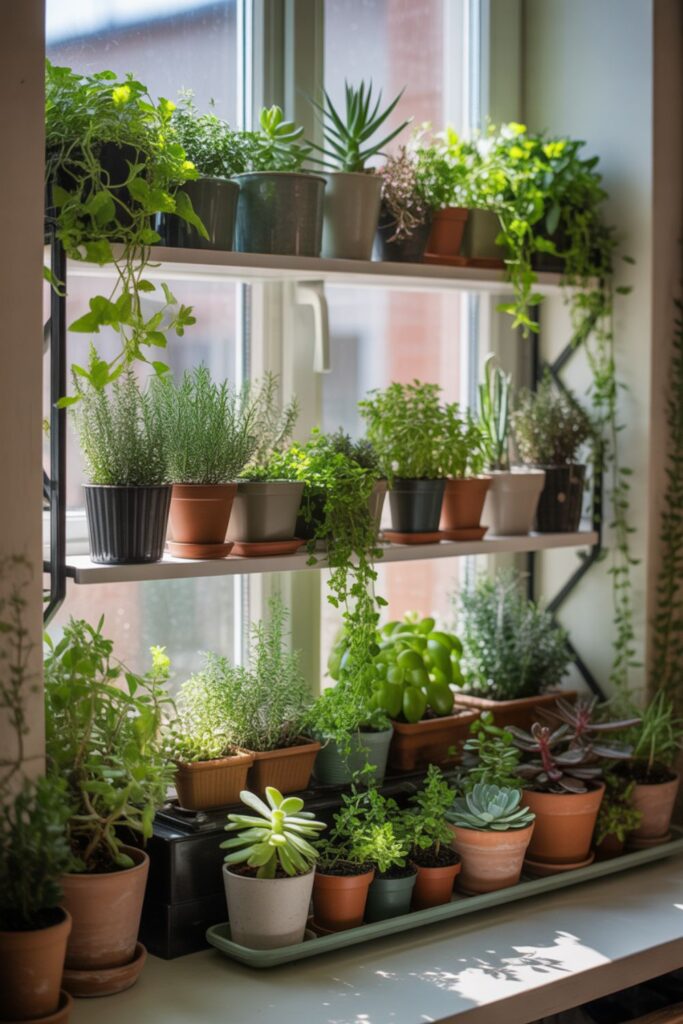
Window gardens capitalize on natural light, the most valuable resource for indoor plants. Bay windows, large picture windows, and south-facing sills provide perfect locations for sun-loving species. Create tiered displays using plant stands or stackable containers that allow multiple plants to share the same light source without shading each other out.
The best interior garden ideas for windows include hanging planters that frame the view while maximizing vertical space. Install tension rods or decorative hooks to suspend plants at varying heights, creating a cascading curtain of greenery. This approach works especially well for trailing plants and herbs that thrive in bright conditions. You can easily adjust watering from sink proximity, making maintenance more convenient.
Window boxes aren’t just for outdoor use. Mount them inside on deep windowsills to create mini herb gardens or succulent collections. This setup keeps plants close to natural light while providing easy access for cooking or admiring your collection. Rotate pots weekly to ensure even growth since plants naturally bend toward light sources. Window gardens transform ordinary glass panes into living artwork that changes with the seasons.
Terrarium Gardens for Low-Maintenance Beauty
Terrariums create self-sustaining ecosystems in glass containers, perfect for busy people who want greenery without constant attention. These enclosed or partially open gardens maintain their own humidity levels, reducing watering frequency to once every few weeks or months. Terrariums work wonderfully on desks, coffee tables, and bookshelves where they add life without requiring floor space.
Building a terrarium requires minimal materials: a glass container, activated charcoal for drainage, potting mix, and appropriate plants. Closed terrariums suit moisture-loving species like ferns and moss, while open versions accommodate succulents and cacti. Layer materials carefully to create visual interest, starting with rocks for drainage, followed by charcoal, soil, and finally your plants and decorative elements.
The appeal of terrariums extends beyond their low maintenance. These miniature gardens become conversation pieces and artistic expressions of your style. Create themed landscapes with miniature figurines, colored sand, or unique stones. Larger aquarium-style terrariums can even house small water features or live creatures like frogs. Terrariums prove that stunning interior gardens don’t require massive commitments of time or space.
Herb Gardens That Elevate Your Cooking
Kitchen herb gardens combine functionality with beauty, placing fresh ingredients within arm’s reach while cooking. Basil, mint, cilantro, parsley, and rosemary thrive indoors with proper light and care. Group Mediterranean herbs like rosemary, oregano, sage, and thyme together since they prefer drier soil, while keeping moisture-loving varieties like basil and cilantro in separate containers.
Window sill herb gardens work perfectly for most kitchens, though supplemental grow lights help during darker months. Use matching pots for cohesive aesthetics, or embrace eclectic charm with mismatched containers. Label each herb clearly if you’re new to gardening so you don’t confuse similar-looking plants. Harvest regularly to encourage bushier growth and prevent plants from becoming leggy.
Smart hydroponic herb gardens automate the entire process, making them ideal for forgetful gardeners. These countertop systems include everything needed: grow lights, automatic watering, and nutrients. You’ll enjoy constant harvests without soil mess or pest concerns. The convenience factor makes fresh herbs accessible even for those who’ve killed every plant they’ve touched. Nothing beats the flavor of herbs snipped fresh from your kitchen garden moments before use.
Incorporating Trees and Large Statement Plants
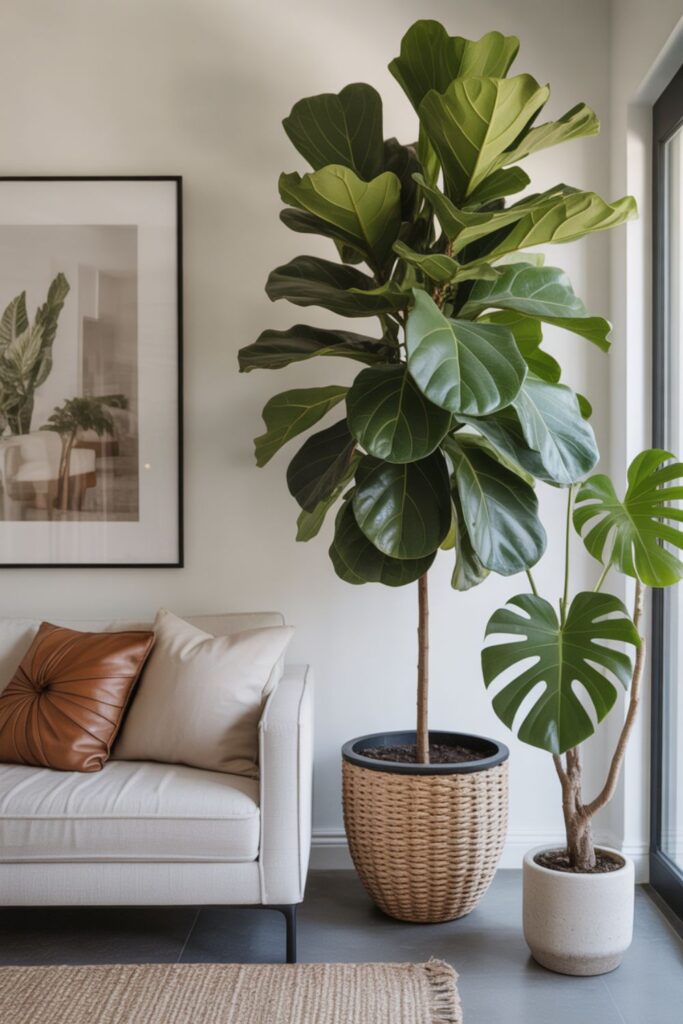
Large indoor plants and trees create instant impact in spacious rooms. Fiddle leaf figs, rubber trees, and bird of paradise plants fill vertical space while anchoring room designs. These substantial specimens work best in areas with high ceilings and bright indirect light, though many adapt to lower light conditions with proper acclimation.
Position statement plants strategically to fill awkward corners, frame furniture arrangements, or soften harsh architectural lines. A single well-placed tree can transform an entire room’s atmosphere. Choose containers proportional to the plant’s size, ensuring adequate drainage and weight distribution. Large indoor trees require less frequent watering than smaller plants but benefit from regular misting to maintain humidity levels.
Eucalyptus trees bring wonderful fragrance to interior gardens while remaining relatively compact. Dracaenas offer height with minimal width, perfect for narrow spaces between furniture. Whatever species you choose, remember that large plants make bold statements but also require commitment. They’re harder to move, need bigger pots, and demand more water than smaller varieties. Consider your lifestyle and available care time before investing in impressive specimens.
Air Plants and Moss Displays for Unique Aesthetics
Air plants revolutionize indoor gardening by eliminating soil requirements entirely. These fascinating specimens absorb nutrients through their leaves, allowing you to display them on driftwood, in hanging frames, or even on refrigerator magnets. Their versatility makes them perfect for creative interior garden ideas that challenge traditional planting methods.
Display air plants in glass globes, attach them to decorative stands, or create living art installations. These plants need bright indirect light and weekly soaking in water for 20-30 minutes. Afterward, shake off excess water and return them to their display locations. Air plants are pet-friendly and non-toxic, making them safe choices for homes with curious animals.
Kokedama, or moss ball gardening, offers another soil-free option with Japanese-inspired aesthetics. Wrap plant roots in moss and soil mixture, then secure everything with twine to create suspended orbs. These living sculptures hang from ceilings or sit on decorative plates, bringing organic beauty to any room. The moss exterior holds moisture against roots, reducing watering frequency while creating striking visual interest.
Smart Garden Technology for Beginners
Modern indoor gardening systems incorporate technology that removes guesswork from plant care. Smart gardens monitor moisture levels, adjust grow lights automatically, and send smartphone notifications when plants need attention. These systems democratize indoor gardening, making success achievable even for self-proclaimed plant killers.
The best interior garden ideas for tech enthusiasts include app-connected systems that track plant growth, suggest optimal harvest times, and provide variety-specific care instructions. Some models even adjust nutrient delivery based on growth stage, ensuring plants receive exactly what they need when they need it. This precision results in healthier plants and higher yields than traditional methods.
While smart gardens cost more upfront than basic pots, they reduce long-term failures and wasted plant purchases. The learning curve disappears when systems automate complex tasks like pH balancing and nutrient mixing. For busy professionals or frequent travelers, smart indoor gardens maintain plant health without daily intervention. You’ll return from trips to thriving plants rather than wilted disappointments.
Bathroom and Low-Light Garden Solutions
Bathrooms provide perfect environments for humidity-loving plants that struggle in drier rooms. Ferns, pothos, and snake plants thrive in bathroom conditions, transforming utilitarian spaces into spa-like retreats. The natural humidity from showers reduces watering needs while promoting lush, healthy growth.
Create bathroom gardens using hanging planters, corner shelves, or windowsill arrangements. Boston ferns drape beautifully from high shelves, their fronds softening hard tile surfaces. Snake plants tolerate low light and irregular watering, making them ideal for powder rooms without windows. Position plants away from direct water spray but close enough to benefit from ambient moisture.
For truly dark spaces without windows, LED grow lights enable plant survival where natural light doesn’t reach. Modern grow bulbs fit standard fixtures and provide full-spectrum light that supports photosynthesis. Combine low-light tolerant species with supplemental lighting to green up even the darkest corners. Your bathroom garden becomes a daily retreat where you start and end each day surrounded by nature’s calming presence.
Seasonal Indoor Gardens and Bulb Forcing
Extend your gardening season infinitely by forcing bulbs indoors during winter months. Paperwhites, amaryllis, and tulips bloom indoors with minimal effort, bringing spring color to dreary winter days. Plant bulbs in decorative containers with pebbles or soil, water appropriately, and watch flowers emerge within weeks.
The satisfaction of cultivating blooms during frozen months cannot be overstated. Your indoor garden becomes a celebration of life persisting despite harsh outdoor conditions. Arrange multiple bulb varieties for sequential blooming, ensuring continuous color from November through March. Group containers on windowsills, dining tables, or entryway consoles where their cheerful blooms greet you daily.
Forcing bulbs requires planning ahead since most need cold treatment before indoor planting. Purchase pre-chilled bulbs for immediate planting, or refrigerate bulbs yourself for 6-8 weeks before potting. This process tricks plants into thinking winter has passed, triggering their bloom cycle. The best interior garden ideas embrace seasonal rhythms, bringing outdoor beauty inside when we need it most.
Choosing the Right Containers and Planters
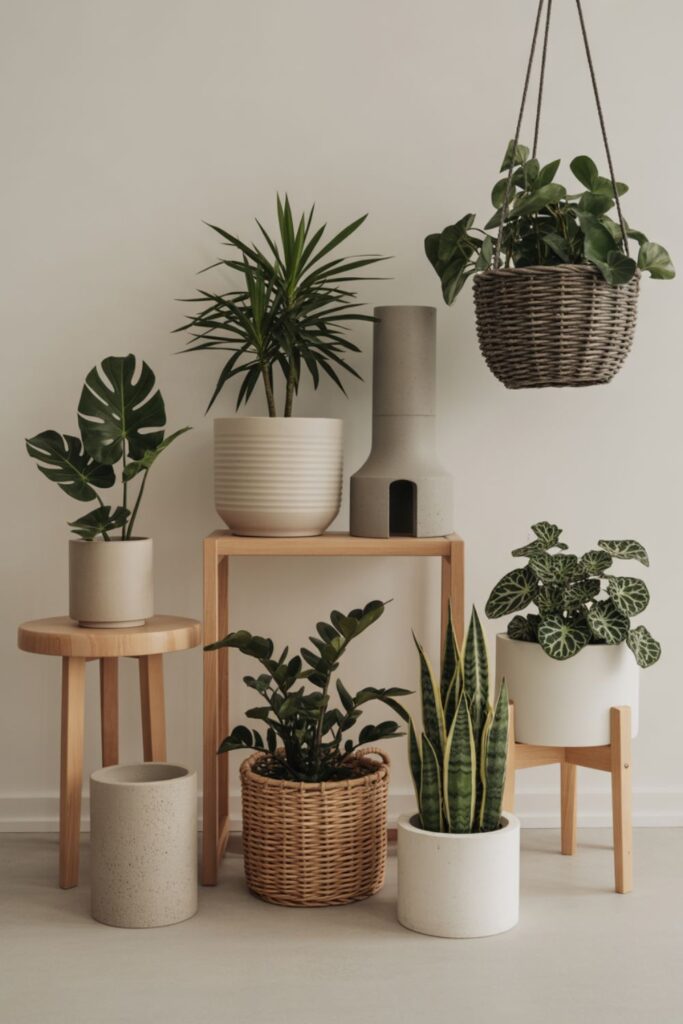
Container selection significantly impacts both plant health and room aesthetics. Terracotta pots offer classic appeal with excellent breathability, preventing overwatering issues common with plastic containers. However, terracotta dries out faster, requiring more frequent watering. Ceramic glazed pots retain moisture longer while providing endless design options to match your decor.
Consider drainage when selecting containers for your interior garden. Pots without drainage holes work only for specific applications like terrariums or water-rooted cuttings. Standard houseplants need drainage to prevent root rot, so choose containers with holes and matching saucers. Self-watering planters offer middle-ground solutions, maintaining consistent moisture without constant attention.
Container size matters more than most beginners realize. Pots too large for their plants hold excess moisture that rots roots, while undersized containers restrict growth and require frequent watering. Match pot size to plant root systems, leaving 1-2 inches of space around root balls. As plants mature, repot into larger containers to support continued growth and prevent plants from becoming root-bound.
Indoor Garden Maintenance and Care Fundamentals
Successful indoor gardens require understanding basic plant needs: light, water, nutrients, and appropriate temperature. Most houseplants prefer bright indirect light, though specific requirements vary by species. Observe how your plants respond to their locations, moving them as needed if leaves yellow or growth slows.
Watering kills more indoor plants than any other factor, usually through overwatering rather than neglect. Check soil moisture before watering by inserting your finger one inch deep. If soil feels dry, water thoroughly until excess drains from pot bottoms. Empty drainage saucers after 30 minutes to prevent roots from sitting in standing water. Adjust watering frequency seasonally since plants use less water during winter’s shorter days.
Fertilize indoor gardens during active growing seasons (spring and summer) using balanced liquid fertilizers diluted to half-strength. Most houseplants need monthly feeding, though hydroponic systems and some smart gardens handle this automatically. Clean leaves regularly to remove dust that blocks light absorption. Wipe smooth leaves with damp cloths, while fuzzy-leafed plants benefit from gentle brushing. Proper maintenance keeps your interior garden healthy, attractive, and thriving year-round.
How Do I Start an Indoor Garden with Limited Space?
Starting an indoor garden in limited space requires strategic choices about plant types and growing methods. Focus on vertical gardens, hanging planters, and wall-mounted solutions that capitalize on unused vertical space. Choose compact varieties like succulents, herbs, and small-leafed houseplants that pack visual impact without requiring substantial floor area.
Hydroponic systems maximize production in minimal footprints, with countertop models growing 6-12 plants in less than two square feet. Stackable vertical planters work similarly, creating towers of greenery that fit into tight corners. Window gardens utilize sills and hanging spaces that otherwise sit empty, transforming windows into productive growing zones.
Start small with three to five plants while you learn their care requirements. As you gain confidence, expand gradually rather than overwhelming yourself with dozens of plants requiring different care schedules. The best interior garden ideas grow organically with your skills and available time, creating sustainable beauty that enhances rather than burdens your life.
Read More About: 25+ Small Backyard Gardens Ideas for glorious Outdoor Retreats
What Are the Best Plants for Indoor Gardens?
The best plants for indoor gardens tolerate indoor conditions while requiring minimal fussing. Pothos ranks among the easiest, thriving in various light levels while forgiving occasional watering lapses. Snake plants survive neglect better than most species, tolerating low light and infrequent watering while purifying air effectively.
Spider plants produce abundant offshoots that make propagation simple and rewarding. ZZ plants handle low light and irregular watering while maintaining glossy, attractive foliage. Peace lilies bloom reliably indoors and communicate their watering needs by drooping dramatically when thirsty, then perking up within hours of watering.
For edibles, herbs like basil, mint, and parsley adapt well to indoor growing conditions. Cherry tomatoes and lettuce varieties thrive in hydroponic systems or containers with adequate light. Choose plants matching your available light levels and maintenance commitment. Successfully growing a few easy specimens builds confidence for tackling more challenging varieties later.
How Much Light Do Indoor Gardens Need?
Light requirements vary dramatically among plant species. Low-light tolerant plants like snake plants and pothos survive in areas receiving minimal natural light, though they won’t grow rapidly. Medium-light plants prefer bright indirect light from east or west-facing windows, while high-light species need south-facing exposure or supplemental grow lights.
Insufficient light causes leggy growth, pale leaves, and poor flowering. Plants stretch toward light sources, becoming thin and weak. If natural light proves inadequate, invest in quality LED grow lights that provide full-spectrum illumination. These modern bulbs use minimal electricity while delivering light wavelengths plants need for photosynthesis.
Positions grow lights 6-12 inches above plant canopies, adjusting distance based on light intensity and plant needs. Run lights 12-16 hours daily for most species, mimicking summer growing conditions year-round. Timer-controlled lights maintain consistent schedules without requiring daily attention. Proper lighting transforms challenging spaces into productive indoor gardens where plants flourish regardless of natural light limitations.
Conclusion
Creating the best interior garden ideas transforms living spaces into vibrant sanctuaries that nurture both plants and people. Whether you embrace vertical gardens, sophisticated hydroponic systems, or simple windowsill collections, each approach brings nature’s benefits indoors. Your interior garden improves air quality, reduces stress, and provides ongoing satisfaction as you watch life flourish under your care.
Start where you are with what you have, whether that means a single potted plant or an elaborate living wall installation. Success builds on itself as you learn what works in your unique space. The best interior garden ideas adapt to your lifestyle rather than demanding impossible commitments. Begin your indoor gardening journey today, and discover how transformative a little green can be.
Frequently Asked Questions
Can I grow vegetables in an indoor garden year-round?
Yes, many vegetables thrive in indoor gardens with proper lighting and care. Leafy greens, herbs, cherry tomatoes, and peppers grow successfully in hydroponic systems or containers near sunny windows. Grow lights extend growing seasons indefinitely, providing necessary light spectrums when natural sunlight proves insufficient for vegetable production.
What is the easiest indoor garden for beginners?
Herb gardens in sunny kitchen windows offer the easiest entry point for beginners. Start with basil, mint, and parsley in small pots with good drainage. Alternatively, countertop hydroponic systems automate most care requirements, virtually guaranteeing success even for self-proclaimed plant killers who’ve failed with traditional methods.
How often should I water my indoor garden?
Watering frequency depends on plant species, pot size, light levels, and humidity. Most houseplants need watering when the top inch of soil feels dry to touch. Hydroponic systems maintain constant moisture automatically, while succulents prefer soil drying completely between waterings. Check plants individually rather than following rigid schedules.
Do indoor gardens really purify air?
Yes, indoor plants remove toxins like benzene, formaldehyde, and trichloroethylene from air through natural processes. NASA research confirms certain species excel at air purification, with snake plants, pothos, and peace lilies ranking among the most effective. Multiple plants throughout your home create measurable improvements in indoor air quality.
What are the best low-light plants for indoor gardens?
Snake plants, pothos, ZZ plants, cast iron plants, and peace lilies tolerate low-light conditions exceptionally well. These species evolved in forest understories where little light penetrates, making them perfect for offices, bathrooms, and north-facing rooms. While they survive in low light, they’ll grow more vigorously with brighter conditions.