25+ Christmas Wreath Ideas DIY Make This Holiday Season memorable
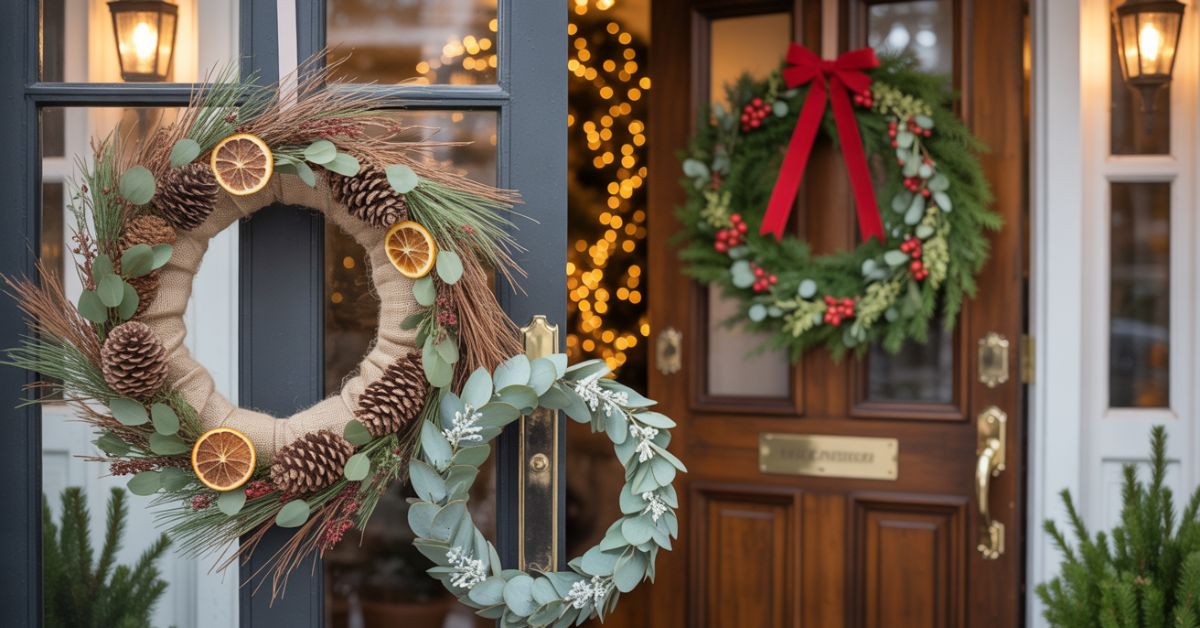
Your front door looks bare. Neighbors are already hanging their festive decorations, and you’re stuck between ordering another generic wreath online or paying premium prices at craft stores. The truth is, Christmas wreath ideas DIY projects offer something store-bought versions never can, personal style, budget-friendly creativity, and that satisfying feeling of making something beautiful with your own hands.
This year, skip the crowded shops and create a wreath that actually reflects your holiday vision. Whether you’re drawn to rustic charm, modern minimalism, or bold statement pieces, crafting your own DIY Christmas wreath transforms a simple decoration into a conversation starter that welcomes guests with genuine warmth.
What Makes DIY Christmas Wreaths Special in 2025?
The wreath market shows sustainability trends gaining momentum, with eco-friendly designs using biodegradable materials becoming increasingly popular. This shift means your homemade creation isn’t just budget-conscious, it’s environmentally responsible.
Traditional circular wreaths are being reimagined with asymmetric compositions and off-balance ornament placements that feel fresh and editorial. Color palettes have expanded beyond red and green to include frosted lavenders, deep plums, champagne golds, coral pinks, and icy blues. These Christmas wreath DIY trends mean you can match your wreath to your interior design instead of forcing traditional colors into your space.
The beauty of DIY holiday wreaths lies in customization. Store-bought wreaths force you to accept someone else’s design choices, but handmade versions let you control every detail from the exact shade of ribbon to the spacing between ornaments.
Essential Materials for Making Christmas Wreaths
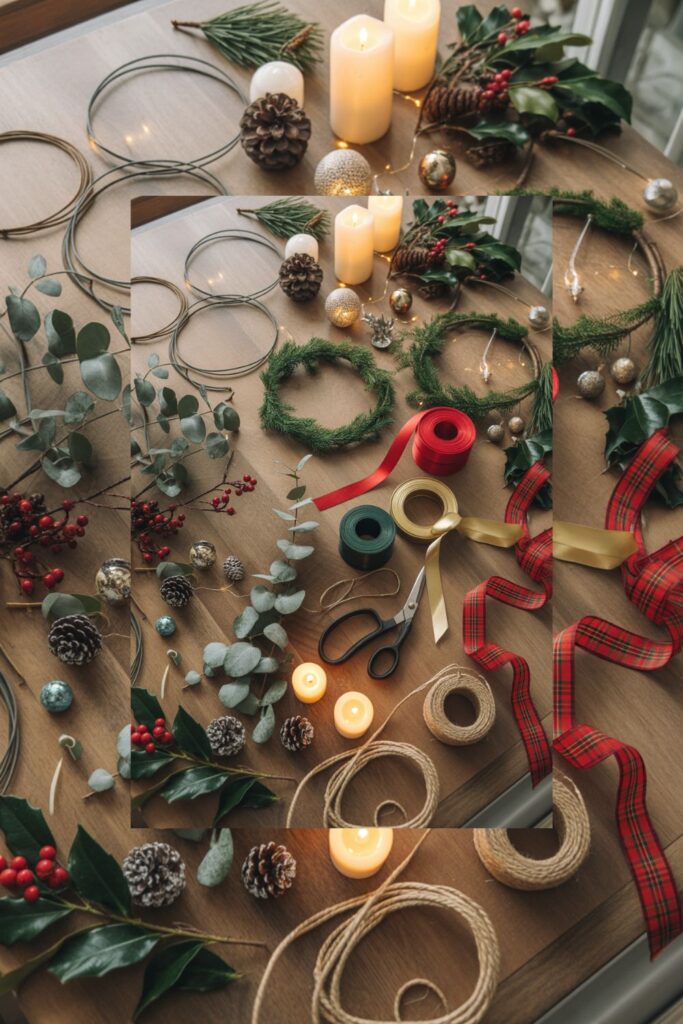
Building your DIY Christmas wreath requires surprisingly few materials, most of which craft stores discount heavily during November. Smart crafters stock up on supplies during post-season sales, storing items for next year at a fraction of retail prices.
Base Options for Your Wreath Frame
Wire frames remain popular because they’re inexpensive and reusable year after year. These metal rings provide sturdy foundations that support heavy decorations without sagging. Willow or soft hazel branches create natural bases by curling them into circles and twisting the ends together. Grapevine wreaths offer a rustic texture that works beautifully with farmhouse aesthetics.
Foam wreath forms work best for lightweight decorations like fabric or paper crafts. Most crafters prefer 16 or 18-inch frames for front doors, though 12-inch sizes suit interior spaces. Choose your base according to final placement; outdoor wreaths need weatherproof foundations while indoor versions allow delicate materials.
Greenery and Natural Elements
Mixed evergreens including bay, euonymus, hebe, and pine create textural bases that stay fresh for three to four weeks when not exposed to direct wind and rain. Pyracantha berries, rosehips, and skimmia flowers add color pops to evergreen foundations.
Dried flowers and seedheads like teasels and poppies offer thrifty ways to add texture while being saveable for future years. Winter provides abundant plant material perfect for wreaths, from red hawthorn berries to tawny seedheads from last summer. This natural abundance means easy Christmas wreaths often cost nothing beyond the base frame.
Eucalyptus branches provide silvery-green tones that complement modern palettes. Magnolia leaves offer glossy surfaces that catch light beautifully. Cedar boughs release aromatic oils that make your entryway smell like Christmas.
Wire, Tools, and Fasteners
Plastic-coated wire works well, though fine florist wire offers more precision despite being fiddly. Number 22 or 24 gauge florist wire provides ideal thickness for securing greenery without overwhelming delicate stems. Wire cutters or pruning shears with wire notches let you trim both stems and wire efficiently.
Small elastic bands or rubber bands help bundle foliage before securing it to frames. Hot glue guns attach ornaments, ribbons, and decorative accents that wire can’t hold. Floral pins secure fabric to foam bases without damaging material.
Decorative Embellishments
Oversized velvet bows and double-layered sheer ribbons with long trailing tails create statement pieces that sometimes replace ornaments entirely. Floral picks, pinecones, candy canes, dried oranges, red berries, and cinnamon sticks offer classic finishing touches.
Small mirrors that reflect surrounding lights bring dazzling glamour to holiday displays. Disco balls create eye-catching effects by scattering light throughout your entryway. These unconventional materials transform simple Christmas wreaths into design statements that guests remember.
How to Make a Traditional Evergreen Christmas Wreath
Traditional Christmas wreaths DIY projects follow time-tested methods that guarantee beautiful results even for beginners. This classic approach creates lush, full wreaths that last throughout the holiday season.
Preparing Your Wreath Base
Thread a loop of florist wire through the top of your wreath base so you can hang it on your door. Attach one end of reel wire to your frame with several twists, then secure bundles of moss by wrapping wire around them. Moss gives depth to wreaths while providing moisture for foliage added later.
Continue adding moss bunches until the entire frame shows even coverage. Keep wire attached to the frame rather than cutting it this continuous strand makes assembly faster and more secure. The moss layer transforms bare metal or wood into a foundation that holds greenery naturally.
Cutting and Bundling Greenery
Clip down large fir branches into wreath-size pieces by snipping the arms off and discarding main branches. For structured, symmetrical wreaths, cut branches into four to six-inch segments; for wilder, natural looks, vary pieces from four to eight inches.
Assemble small bundles of mixed foliage and pine, keeping larger bits at the back of bundles. Each wreath takes between 12 and 15 bunches secured with elastic bands. Organizing cut pieces by type before assembly keeps your workspace manageable and speeds construction.
Mix textures within bundles combine spiky pine with soft cypress, add berried stems to evergreen bases. This layering creates visual interest that flat, single-variety wreaths lack.
Attaching Greenery to Your Frame
Lay a bundle of foliage on the wreath and secure firmly using reel wire, then add more bundles in the same direction, overlapping with previous ones. Wrap your paddle wire around your wreath form several times to secure it before adding greens.
Starting with large pieces in the back, layer on smaller pieces and twist wire around cut ends to secure them to the ring. Every once in a while, step back and hold up your wreath to check if it looks full and balanced. This distance perspective reveals gaps that close-up work misses.
Work in one direction around the frame, maintaining consistent coverage density. When reaching the last bunch, lift the first bunch back and tuck the ends of your last bunch underneath. This overlap creates seamless circles without obvious start and end points.
Adding Final Decorative Touches
Thread either foliage or flowers into gaps on the inside of the wreath where you can see the base. Push small greenery pieces directly into the wreath base they should stay secure, but tuck them under wire if needed.
To tie off your wreath, wrap wire an additional two to three times, then clip the wire using wire cutters. Add berries, pinecones, or ornaments using floral wire or hot glue. Statement bows can transform even the simplest wreath into luxe holiday art.
Position decorative elements in triangular clusters of three for professional-looking arrangement. Balance colors and textures around the circle rather than concentrating them in one area.
Modern and Contemporary Christmas Wreath Ideas
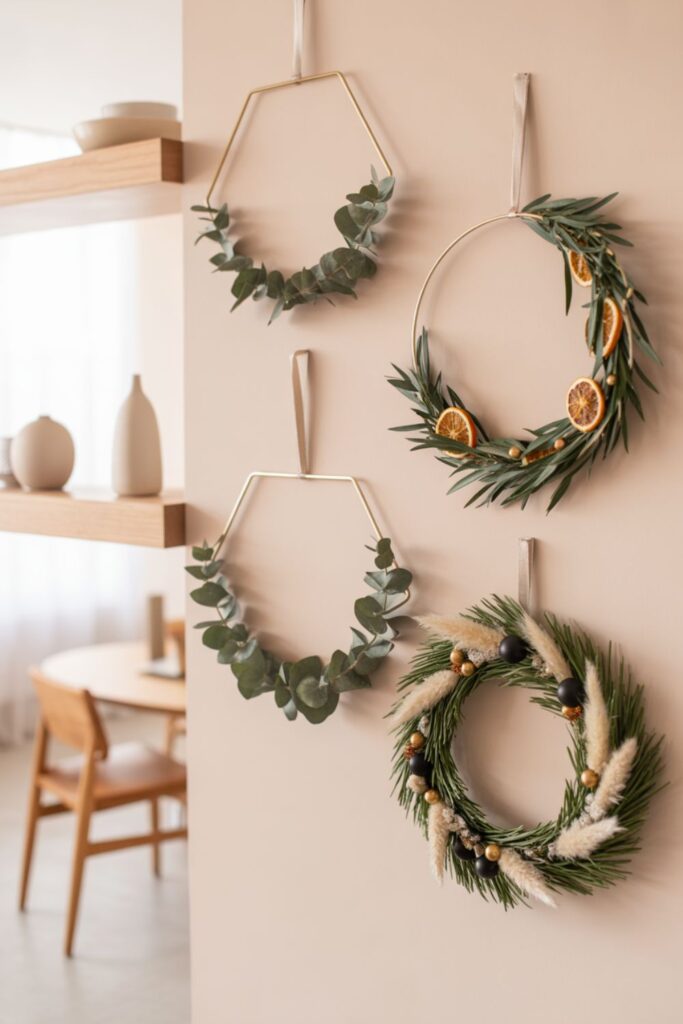
Moving beyond traditional evergreens, contemporary DIY wreath ideas embrace unconventional materials and unexpected color palettes that feel fresh and current.
Minimalist Wreaths with Asymmetric Designs
Asymmetrical wreaths with metallic accents like gold hoops suit modern interiors perfectly. Designers embrace negative space and off-balance ornament placement that makes wreaths feel like modern art installations. These modern Christmas wreaths work beautifully in spaces where traditional red and green clash with existing decor.
Create asymmetric designs by clustering decorations on one side of the frame while leaving the opposite side sparse. Use single statement pieces like oversized bows or metallic branches instead of evenly distributing small elements.
Geometric shapes replace traditional circles in cutting-edge designs. Honeycomb patterns add trendy, minimalist touches that appeal to those appreciating modern aesthetics. Square or hexagonal frames offer unexpected alternatives that command attention.
Monochromatic and Non-Traditional Color Schemes
Wreaths made entirely of dried flowers in blush and mauve, or built around tinted magnolia leaves with metallic sheens, prove Christmas doesn’t require red and green to feel festive. Deep, luxurious tones like forest green, wine, aubergine, charcoal, and coffee brown paired with warm metals create sophisticated holiday looks.
All-white wreaths using painted pinecones, white berries, and silver ribbons create winter wonderland effects. Frosty designs featuring icy blue tones and silver accents with snowflakes evoke snowy landscape beauty. These cool palettes suit homes with modern or Scandinavian design sensibilities.
Match your wreath to your interior color story for cohesive design. Pairing wreaths with tree ribbons or table linens creates intentional, elevated feels.
Unique Materials and Textures
Succulents blend traditional wreath elements with modern greenery, perfect for year-round plant enthusiasts. Legwarmers and socks cut apart along seams then wrapped around foam forms create unexpected, playful designs. These unconventional approaches produce unique Christmas wreaths that neighbors won’t duplicate.
Vegetables including Brussels sprouts, shallots, and bell peppers create edible wreaths that make fun winter projects for families. Book pages rolled or folded into literary-inspired wreaths add vintage charm for book lovers. Fabric scraps, vintage jewelry, or children’s toys transform into personalized decorations that tell family stories.
Cork, wine corks specifically, hot-glued to foam bases create rustic textures. Burlap ribbons and twine bows enhance farmhouse aesthetics. Felt sheets cut into shapes layer into soft, touchable wreaths perfect for children’s rooms.
Rustic and Natural Christmas Wreath Designs
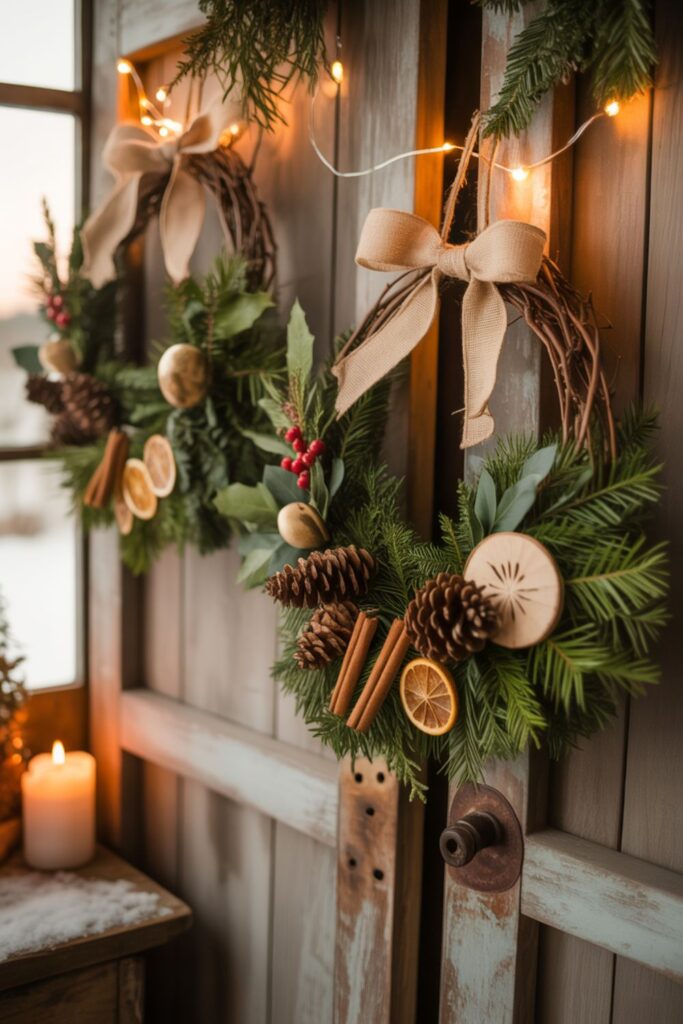
Rustic Christmas wreath ideas celebrate organic textures and natural materials that bring outdoor beauty inside. These designs work particularly well for homes with farmhouse, cottage, or cabin aesthetics.
Using Foraged and Natural Materials
Collecting materials from your location creates wreaths completely unique to your area and season while being budget-friendly and creating deeper connections to the natural world. You also get a nice walk in the woods as part of the crafting process.
Dried orange slices, cinnamon sticks, and twigs wrapped on wooden or wire rings with burlap create down-to-earth looks. Adding dried citrus slices to wreaths provides beauty and fragrance by cutting oranges into even, thin slices and dehydrating for at least eight hours.
Pinecones collected on nature walks cost nothing and add wonderful texture. Frosted pinecones created with white paint or glitter spray attached to grapevine forms look especially beautiful when catching light. Acorns, seedpods, and bark pieces add forest floor authenticity.
Berry and Branch Combinations
Eucalyptus combined with berries offers both texture and color in naturally elegant wreaths. Birch twigs, Scots pine sprigs, and fluffy old man’s beard seedheads create contemporary designs that work with or without silver baubles.
Red winterberry branches provide bright pops against neutral bases. Holly with its glossy leaves and red berries remains timelessly festive. Bittersweet vines offer orange berries that suit autumn-into-winter transitions.
Pussy willow branches add soft, tactile elements that beg to be touched. Curly willow provides dramatic lines that extend beyond traditional wreath shapes. These natural Christmas wreaths change subtly as materials dry, creating evolving decorations throughout the season.
Farmhouse Style Wreaths
Grapevine wreaths decorated with golden-toned pinecones and metallic ornaments work perfectly for elegant looks that don’t scream traditional Christmas but feel festive. Burlap bows, twine, and natural linen ribbons reinforce casual, welcoming vibes.
Galvanized metal accents like miniature watering cans or bucket ornaments enhance farmhouse themes. Dried wheat bundles, lavender stems, or cotton bolls bring agricultural touches. Plaid ribbons in muted tones connect to rustic textiles.
Whitewashed elements create shabby chic versions of rustic wreaths. Distressed wood signs, vintage keys, or antique ornaments add character. These farmhouse Christmas wreaths blend seamlessly with year-round country decor.
Creative and Whimsical Wreath Projects
Playful DIY Christmas wreath ideas inject fun and personality into holiday decorating. These projects work wonderfully for families with children or anyone wanting to push creative boundaries.
Crafts for Kids and Families
Candy-colored ornaments, retro tinsel, pom-poms, peppermint swirls, vintage baubles, and plush characters create playful wreaths popular for kids’ rooms, playrooms, kitchens, and front doors. Tiny felt wreaths made from 90 three-quarter-inch green felt squares threaded onto eight-inch wire pieces finish with mini pom-poms and petite felt bows for adorable handmade ornaments.
Pom-pom forests created by wrapping yarn around cardboard templates then attaching the fluffy balls densely to foam forms make touchable, colorful wreaths. Stacked snowman faces with button eyes and carrot noses delight young visitors. Paper chains linking together in rainbow patterns bring nostalgic charm.
Edible biscuit wreaths made from decorated sugar cookies threaded onto wire frames with ribbon between each cookie serve as fun displays that can eventually be eaten. These interactive decorations let children watch the wreath slowly disappear as they snack throughout December.
Handmade and Fiber Art Wreaths
Crochet star wreaths made from multiple stars in varying sizes using white or metallic yarn become cozy, personal decorations that can become family heirlooms. Macramé wreaths using red, green, and white cords create festive patterns while maintaining distinctive knotwork.
Knitted wreaths worked in circular patterns with holiday colorways provide soft alternatives to scratchy evergreens. Quilted fabric wreaths showcase sewing skills while utilizing scrap fabric collections. Cross-stitch or embroidered designs stretched over foam bases display needlework talents.
Yarn-wrapped wreaths created by tightly winding wool around foam forms in ombre color gradients produce modern textile art. Felted wool balls in varying sizes clustered on wire frames offer tactile, sculptural interest. These handmade Christmas wreaths showcase craft skills while creating unique decorations.
Vintage and Nostalgic Designs
Wreaths tapping into childhood Christmases use chenille stems, felt materials, and keepsakes from old trees. Vintage ornaments rescued from attics or thrift stores tell family stories. Old Christmas cards cut into shapes and decoupaged onto forms preserve memories.
Bottle brush trees miniaturized and glued to wreaths recreate mid-century mantels. Shiny brite ornaments in classic shapes and colors bring 1950s glamour. Flocked wreaths dusted with artificial snow evoke nostalgic white Christmases.
Retro color palettes using turquoise, pink, and silver feel distinctly vintage. Aluminum materials reference tinsel trees of decades past. These vintage Christmas wreaths appeal to those who love nostalgic holiday aesthetics.
Read More About: Chic & Modern Fall Porch Decorating Ideas for Your Entry
Themed Christmas Wreath Ideas
Themed Christmas wreath DIY projects let you express specific interests or match particular decorating schemes throughout your home.
Winter Wonderland and Frosted Designs
Icy blue tones, silver accents, snowflakes, and wintry elements create magical frozen aesthetics perfect for fans of snowy themes. White-painted pinecones, crystal icicle ornaments, and iridescent glitter create sparkle that mimics ice crystals.
Artificial snow dusted over evergreen bases creates freshly-fallen-snow effects. Clear glass ornaments filled with fake snow or Epsom salts look like snow globes. Silver and white ribbons in satin or organza finish the frozen theme.
Snowflake cutouts in various sizes clustered together form delicate patterns. White feathers suggest falling snow. Frosted berry branches and mercury glass ornaments enhance the icy aesthetic.
Glamorous and Luxurious Styles
Luxurious golden-toned wreaths decorated with gold-painted pinecones and metallic ornaments catch eyes beautifully in natural light. Sophisticated colors paired with warm metals like gold or brass and soft creams create elegant looks.
Sequined ribbons, crystal beads, and rhinestone embellishments add serious sparkle. Champagne-colored ornaments mixed with rose gold accents feel current and luxe. Velvet ribbons in jewel tones provide rich texture.
Peacock feathers, gold-leafed magnolia leaves, and metallic sprayed branches create opulent statements. Small mirrors reflecting lights enhance festive atmospheres with glamorous intrigue. These elegant Christmas wreaths suit formal entryways and upscale interiors.
Coastal and Tropical Christmas Wreaths
Beach-dwelling holiday celebrants need wreaths reflecting coastal lifestyles. Starfish, sand dollars, and seashells hot-glued to grapevine bases bring ocean themes to Christmas. Rope instead of ribbon reinforces nautical vibes.
Driftwood pieces arranged in circular patterns create organic coastal foundations. White and blue color schemes suggest surf and sky. Fishing net backgrounds add texture while maintaining seaside connections.
Tropical locations can embrace palm fronds, hibiscus flowers, and pineapples instead of pine. Bright colors reflecting island sunsets replace winter whites. These tropical Christmas wreaths prove holiday decorating adapts to any climate.
Budget-Friendly DIY Christmas Wreath Tips
Creating stunning wreaths without overspending requires strategic planning and resourcefulness. Smart crafters produce impressive results while spending minimal money.
Using Dollar Store and Thrift Store Finds
Repurposing items from previous wreaths or household items like ribbons, ornaments, and decorative elements reduces costs significantly. Dollar stores stock wreath bases, wire, and basic ornaments at a fraction of craft store prices.
Thrift stores offer vintage ornaments, unique ribbons, and unexpected materials like costume jewelry that add character. Estate sales and garage sales yield bulk craft supplies that sellers want gone. End-of-season clearance sales at major retailers discount wreath materials up to 90 percent.
Investing in basic tools and wreath-making kits creates multiple wreaths over time, reducing per-wreath costs. Wire cutters, hot glue guns, and basic frames last for years of holiday crafting.
Free Materials from Nature
Gathering pine branches, holly, berries, and other greenery from your surroundings makes essentially free wreaths. If you have property where you can gather foliage, wreath-making costs nothing beyond basic supplies.
Collecting fallen branches from local parks or hiking trails provides free greenery, though you should avoid taking from other people’s gardens. Many people willingly donate willow or hazel branches if asked politely.
Pinecones litter forest floors waiting to be collected. Seedpods, interesting twigs, and colorful leaves cost nothing but time spent gathering. These foraged materials create cheap Christmas wreaths that look expensive.
Repurposing Household Items
Old sweaters cut into strips and wrapped around forms create cozy textile wreaths. Wine corks saved throughout the year glue together into rustic bases. Scrap fabric pieces tie into bows or twist into rosettes.
Broken jewelry provides beads, chains, and sparkle for embellishment. Outdated books donate pages for paper crafts. Unused buttons in various sizes cluster into colorful accents.
Children’s outgrown toys, particularly small ornaments and figurines, find new purpose on wreaths. Old Christmas cards cut into shapes create nostalgic decorations. These homemade Christmas wreaths transform would-be trash into treasured decorations.
How to Preserve and Store Your DIY Christmas Wreath

Proper care extends your wreath’s life through the season and enables storage for future years if you’ve created something special you want to reuse.
Maintaining Fresh Wreaths
Wreaths hung outdoors remain fresh for three to four weeks, while indoor wreaths average seven to ten days. Indoor wreaths should be promptly removed when they become dry. Keeping fresh wreaths in cool locations helps them stay vibrant throughout the holiday season.
Prolonging indoor wreath life happens by hanging them only during special holiday occasions, then placing them in plastic bags and storing them in cool locations like garages during the remaining time. Misting fresh wreaths lightly with water maintains moisture without soaking decorations.
Keeping wreaths away from direct heat sources, fireplaces, and heating vents prevents rapid drying. Positioning them on north-facing doors where they receive less direct sun extends freshness. Fresh wreaths inevitably decline, but proper care maximizes their display time.
Storing Artificial Wreaths for Next Year
Artificial Christmas wreaths DIY projects can last decades with proper storage. Large plastic storage containers protect wreaths from dust, moisture, and crushing. Wreath storage bags with handles make transportation easier.
Hanging wreaths from ceiling hooks in storage areas prevents flattening. Stuffing centers with tissue paper maintains circular shapes. Storing wreaths away from extreme temperatures prevents glue deterioration and material damage.
Photographing wreaths before storage helps you remember their appearance and inspires future projects. Labeling storage containers by room or color scheme streamlines next season’s decorating. Taking time to store properly means your handmade creation greets you perfectly intact next December.
Where to Display Your DIY Christmas Wreaths
Strategic placement maximizes your wreath’s impact and helps it contribute to overall holiday ambiance.
Traditional Front Door Placement
Front doors remain classic wreath locations because they greet visitors immediately. Using jaw-style hair clips attaches garlands and wreaths to mirrors and picture frames easily. Over-the-door hangers designed for wreaths prevent nail holes while providing sturdy support.
Weather-resistant wreaths using artificial materials or hardy natural elements withstand outdoor exposure. Covered porches protect delicate decorations from rain and snow. Lighting wreaths with battery-operated LED strings creates welcoming evening displays.
Double doors look balanced with matching wreaths or complementary designs that coordinate without duplicating. Size wreaths proportionally to door dimensions oversized wreaths on small doors look comical while tiny wreaths on large doors disappear.
Interior Wreath Display Ideas
Hanging small boxwood wreaths in windows using ribbon attached to window latches brings festive touches to rooms. Small suction hooks attach wreaths to windows and mirrors. These interior placements extend holiday cheer throughout your home.
Mantels accommodate wreaths laid horizontally or hung above. Kitchen windows frame wreaths beautifully while keeping them visible during daily activities. Bedroom and bathroom mirrors gain holiday spirit with wreath additions.
Chair backs at dining tables display smaller wreaths during holiday meals. Cabinet doors in kitchens can showcase themed wreaths. Staircase railings accommodate wreath garlands or single wreaths at newel posts.
Read More About: 30+ Christmas Wreath Ideas 2025 Eco-Friendly Styles
Common Mistakes to Avoid When Making Christmas Wreaths
Learning from common errors saves frustration and materials while improving final results.
Size and Proportion Issues
Choosing bases too small for desired fullness creates sparse, disappointing wreaths. Conversely, massive bases require enormous amounts of materials to fill properly. Matching base size to available materials and display location prevents proportion problems.
Overcrowding decorations creates cluttered appearances that obscure individual elements. Spacing embellishments too far apart looks unfinished and sparse. Arranging in groups of three ornaments of each type and triangular clusters creates balanced looks.
Using materials with drastically different scales tiny berries with huge pinecones looks awkward. Maintaining some size consistency among decorative elements produces cohesive results. Mixing textures and colors works better than mixing wildly different scales.
Material and Construction Errors
Getting hyper-focused on tiny details makes it easy to miss big-picture problems. Stepping back frequently reveals overall balance issues that close work obscures. Hanging wreaths temporarily during construction shows how they’ll actually appear.
Insufficient wire wrapping lets materials slip and create gaps. Too-tight wrapping crushes delicate stems and flowers. Finding the right tension requires practice but dramatically improves structural integrity.
Skipping the moss base layer means greenery has nothing to grip. Attaching decorations before completing greenery coverage requires awkward working around embellishments. Following proper sequence prevents rework and frustration.
FAQs
How long does it take to make a Christmas wreath?
Making a natural wreath with fresh greenery takes around 30 minutes for experienced crafters. Beginners should expect 45 minutes to an hour for their first attempts. Complex designs with multiple materials and intricate arrangements can require two to three hours. The more wreaths you create, the faster subsequent projects become.
Can you make Christmas wreaths ahead of time?
Fresh wreaths made weeks before Christmas won’t survive unless stored properly. Artificial wreaths can be created months in advance and stored in protective containers. Storing wreaths in plastic bags in cool locations like garages preserves them between display occasions. Making wreaths in November allows time for adjustments without December rush.
What’s the best base for outdoor wreaths?
Weather-resistant materials like metal wire frames, grapevine, or synthetic bases withstand rain, snow, and temperature fluctuations better than foam or straw. Wreaths not exposed to direct wind and rain last three to four weeks outdoors. Covered porch placement extends lifespan significantly compared to fully exposed locations.
How do you hang a wreath without damaging your door?
Over-the-door hangers designed specifically for wreaths distribute weight while protecting finishes. Command hooks rated for outdoor use provide damage-free alternatives to nails. Ribbon hung from existing door hardware like knockers or peepholes works for lightweight wreaths. Suction cups stick to glass storm doors without leaving marks.
Can you reuse wreath materials from year to year?
Artificial materials including faux greenery, ornaments, and ribbons store well for multiple seasons. Wire frames and bases last indefinitely with proper storage. Natural materials like pinecones and dried flowers can be reused if stored in dry, pest-free locations. Fresh greenery must be replaced each year but provides compost material after disposal.
Conclusion
Christmas wreath ideas DIY projects offer more than budget savings; they create personalized decorations that reflect your style while building holiday memories. From traditional evergreen classics to whimsical contemporary designs, handmade wreaths transform simple materials into welcoming statements that greet every guest.
The beauty of crafting your own wreath lies in complete creative control. Store-bought versions force you into someone else’s design choices, but DIY approaches let you match colors to your home, incorporate meaningful materials, and create decorations that feel authentically yours. Sustainability trends favoring biodegradable materials mean your homemade creation benefits the environment while beautifying your home.
Start with basic techniques and simple materials if you’re new to wreath-making. Success comes from practice, and even imperfect first attempts look charming once hung. As skills develop, experiment with unconventional materials, bold color palettes, and complex designs that push creative boundaries.
This holiday season, skip the crowded craft stores and expensive pre-made wreaths. Gather materials, invite family to help, and create something beautiful together. Your handmade wreath won’t just decorate your door, it’ll welcome guests with genuine warmth that mass-produced decorations never achieve. The satisfaction of creating something beautiful with your own hands makes every minute spent crafting worthwhile.