15+ Cinder Block Garden Planters Ideas for a Stunning Yard
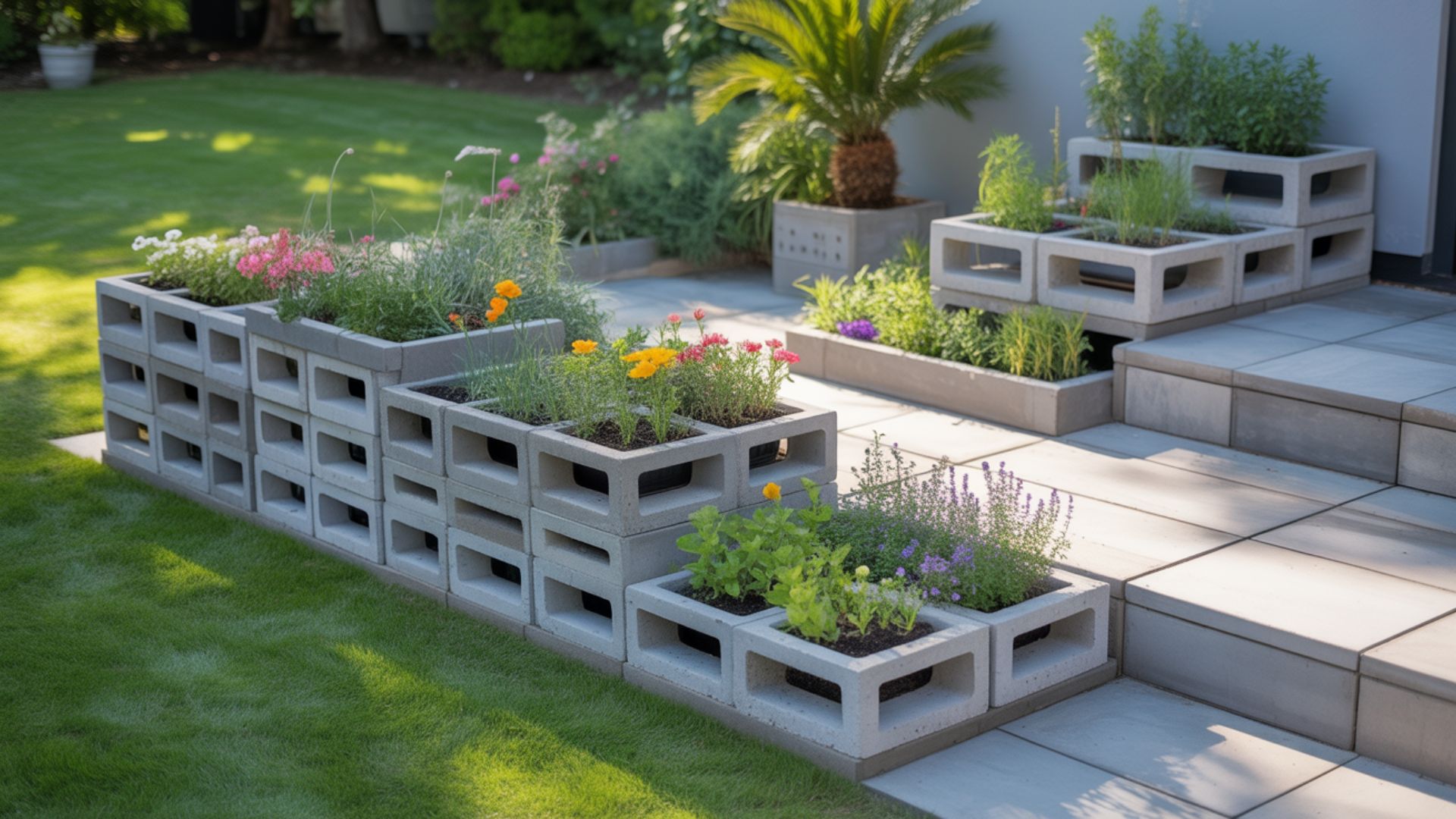
Traditional planters drain your budget without delivering lasting value. You’ve probably purchased decorative containers that cracked after one winter, terra cotta pots that broke when moved, or plastic planters that faded and became brittle within seasons. The cycle repeats annually, spending money on replacements that inevitably fail. Meanwhile, your planting options remain limited by whatever sizes manufacturers decide to produce and retailers choose to stock.
Here’s what savvy gardeners discovered: cinder block garden planters eliminate this frustration through permanent construction, infinite size possibilities, superior drainage, and costs that make commercial planters seem absurdly overpriced. These industrial blocks become whatever container your plants need while lasting indefinitely without maintenance or replacement.
Why Cinder Block Planters Outperform Alternatives
Cinder block garden planters deliver advantages traditional containers can’t match. The hollow cores provide built-in planting holes perfect for multiple plants in a single structure. A basic three-block-high planter offers the central bed area plus twelve individual pockets in the blocks themselves tripling your growing capacity without consuming additional ground space. This vertical dimension makes them ideal for small yards, patios, or balconies where every square foot matters.
Durability separates cinder block garden planters from everything else on the market. Unlike wood that rots, metal that rusts, or plastic that degrades under UV exposure, cinder blocks withstand weather, moisture, and temperature extremes indefinitely. Properly constructed modular planter systems serve for decades without cracking, warping, or falling apart. The drainage system naturally built into block construction prevents the waterlogged soil that kills roots in sealed containers. Gaps between blocks and the porous concrete itself allow excess moisture to escape freely, making overwatering nearly impossible even for beginners.
Understanding Block Construction Basics
Standard Block Dimensions and Weights
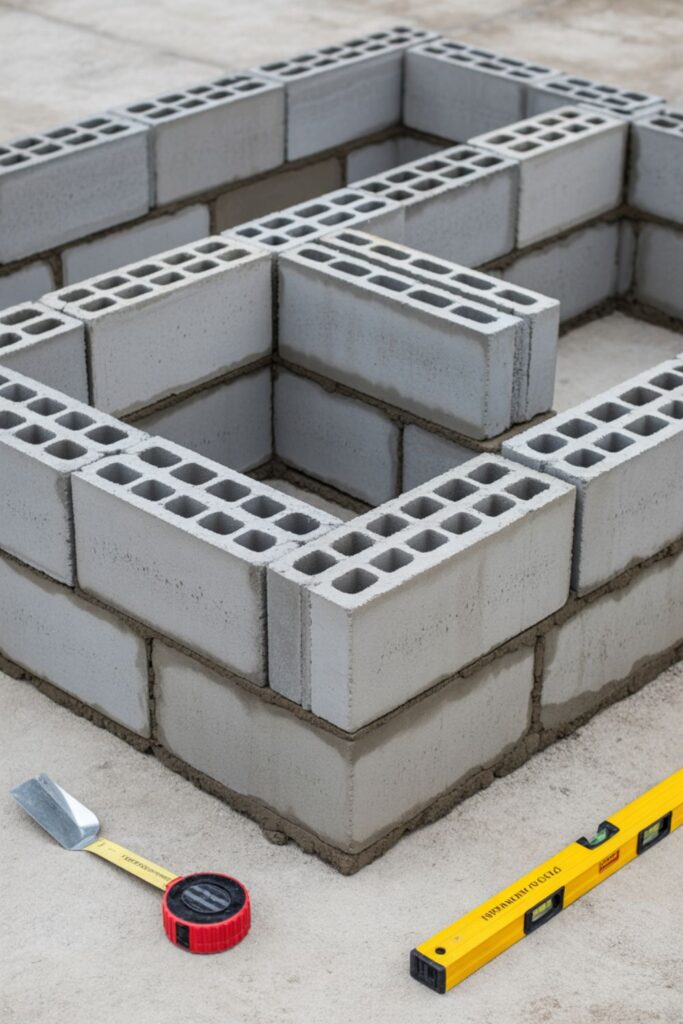
Standard cinder blocks measure 8x8x16 inches and weigh 28-35 pounds depending on aggregate density. This uniform sizing creates predictable planning: you know exactly how much space structures will consume and can calculate soil capacity requirements accurately. The substantial weight distribution provides stability without additional anchoring for structures up to three blocks high when properly filled with soil and plants.
Half blocks measuring 8x8x8 inches work perfectly for corners, finishing edges, or creating varied patterns within larger structures. Cap blocks with solid tops rather than hollow cores provide flat surfaces for finishing top rows or creating seating edges. Decorative face blocks with textured or split-face finishes cost slightly more but add architectural interest. Standard smooth-faced blocks remain most popular for DIY planters since they’re cheapest and accept paint beautifully for customization.
Calculating Soil and Plant Requirements
Each block hollow core holds approximately 0.3 cubic feet of soil enough for compact herbs, small flowers, or trailing succulents. A planter built from twelve blocks (arranged 4×3 in a rectangle, one block high) provides the central bed area of roughly 2 cubic feet plus 3.6 cubic feet in the twelve block holes, nearly 6 cubic feet total growing volume. This calculation helps you purchase adequate potting mix and determine how many plants your structure accommodates.
Weight distribution matters when building on structures like decks or balconies. Soil weighs approximately 75 pounds per cubic foot when moist. A 6-cubic-foot planter holds roughly 450 pounds of soil, plus block weight (350-400 pounds for twelve blocks), plus plant and water weight roughly 900 pounds total. Most residential decks handle this easily, but verify weight capacity before building large structures on elevated surfaces. Ground-level installations have no weight restrictions beyond ensuring stable, level foundations.
Read More About: 25+ Garden With Cinder Blocks Ideas for Stylish Outdoor Spaces
Step-by-Step Planter Construction
Site Selection and Foundation Preparation
Choose locations with appropriate sun exposure for intended plants. Most vegetables and herbs need 6-8 hours of direct sunlight. Flowers vary, sun-lovers like petunias need full exposure while impatiens prefer shade. Succulents generally want bright light though some tolerate partial shade. Observe your site throughout the day, noting how shadows move from buildings, fences, or trees.
Clear construction areas of grass, weeds, and debris. Level the ground using a long board and bubble level. Minor slopes are acceptable, but significant grade changes need correction. For ground installations, excavate 2-3 inches deep and fill with compacted gravel or coarse sand. This base layer provides drainage system support while creating stable, level foundations. Lay landscape fabric over gravel to prevent weeds growing up into planters while allowing water drainage. For patio or deck installations, skip excavation and build directly on existing surfaces.
Basic Planter Assembly Techniques
Position your first cinder block garden planters with hollow cores facing upward to maximize planting holes. Start at one corner, using a level to verify the block sits perfectly flat in all directions. Continue laying blocks around your perimeter, butting them tightly together. Check level every third block even slight tilts compound when stacking stability matters for multiple rows.
For single-row planters, you’re done with assembly once the perimeter is complete. For taller structures, stack additional rows using staggered patterns like bricklaying. Offset upper blocks by half a block length so vertical seams don’t align. This overlapping dramatically increases structural strength. Construction adhesive between layers adds security for permanent installations, though weight from soil usually suffices for structures up to three blocks high. The adhesive prevents shifting while still allowing future reconfiguration if needed.
Filling and Soil Preparation
Use quality potting mix rather than garden soil for raised planter boxes. Garden soil compacts in containers, restricting root growth and impeding drainage. Blend equal parts compost, peat moss or coconut coir, and perlite or vermiculite. This combination provides nutrients, moisture retention, and the fluffiness roots need. For succulents or Mediterranean plants, increase perlite ratios for faster drainage.
Fill bottom-row hollow cores with gravel first if building on ground this improves drainage at the base. Then add potting mix to block holes and the central planter area. Pour slowly, pausing to compact gently with your hands to eliminate air pockets. Pack firmly enough to remove voids but not so tight that roots can’t penetrate. Moisten soil as you fill wet material settles more uniformly than dry. Fill to within half an inch of block tops to contain water during irrigation and prevent soil spillage.
Design Variations and Styles
Single-Tier Rectangular Planters
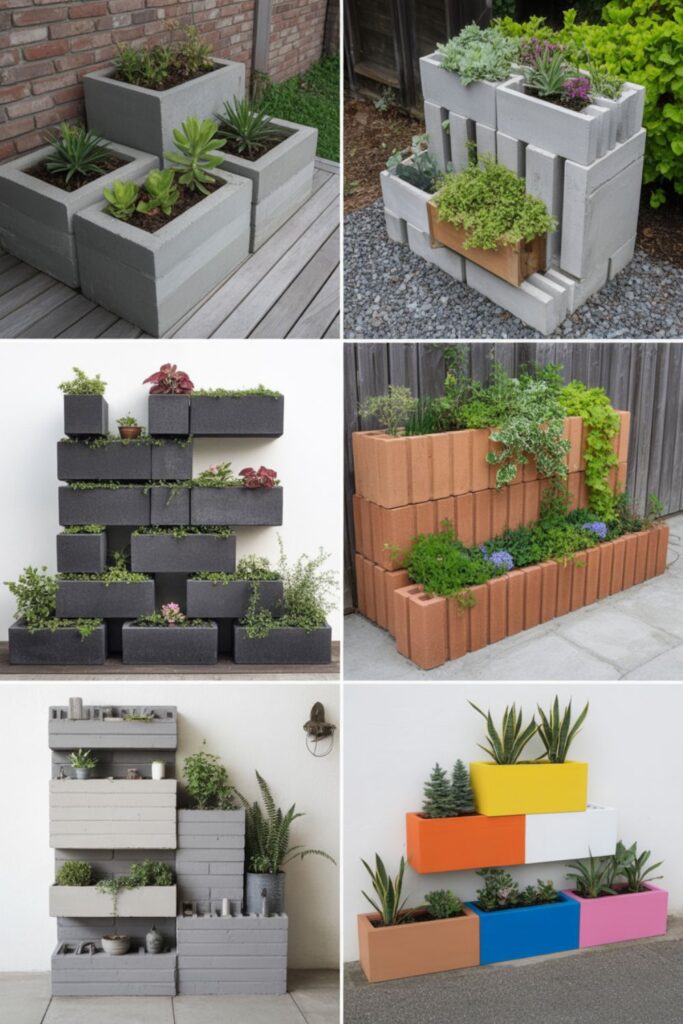
The classic rectangle remains popular because it works efficiently. Build planters 2-3 feet wide for comfortable reaching from either side without stepping in and compacting soil. Length depends on available space 3, 4, or 6 feet all function well. Single-block height provides 8 inches of soil depth, adequate for most herbs, annuals, lettuce, and shallow-rooted vegetables.
Position blocks with hollow cores up, creating twelve planting holes in a 4×3-foot planter. Fill these pockets with trailing herbs like thyme or oregano that cascade over edges, compact flowers like alyssum or lobelia, or strawberries that produce for years. This dual-level approach maximizes production; the central area grows larger plants while block holes accommodate smaller specimens. Paint blocks in coordinating colors or leave natural gray for industrial-modern aesthetics that complement contemporary landscapes.
Multi-Level Tiered Designs
Create dimensional interest by building stepped pyramids using progressively smaller tiers. Start with a base of 8-10 blocks arranged in a square or rectangle. Stack a second tier using 6 blocks centered on the first, then finish with 3-4 blocks at the peak. This vertical planter design provides growing areas at multiple heights and upper levels reach comfortable standing height, eliminating bending for planting and maintenance.
Tiered structures work beautifully for displaying plants with different requirements. Position sun-loving vegetables or flowers on top where light is strongest. Middle tiers suit herbs that appreciate good drainage and moderate sun. Lower levels accommodate shade-tolerant varieties or trailing plants that cascade down, connecting tiers visually. Paint each level a different coordinating color for rainbow effects, or use ombre techniques graduating from dark at the base to light at the top for sophisticated visual flow.
Vertical Column Planters
Build tall, narrow columns perfect for small spaces or dramatic accents. Stack 4-6 blocks vertically with hollow cores facing outward, creating 8-12 individual planting holes in just 16 inches of footprint. These stackable planters work brilliantly on patios, balconies, or tucked into corner spaces where horizontal planters won’t fit. The vertical orientation brings plants to eye level for easy viewing and harvesting.
Secure columns by driving rebar through select hollow cores into the ground for stability. Every second or third block should have this internal reinforcement for structures exceeding three blocks high. Fill holes with trailing succulents that create living columns of texture and color. Sempervivums, sedums, and string of pearls all work beautifully, requiring water only every 2-3 weeks. Alternatively, plant herbs or small flowers for edible or ornamental vertical gardens that function as living sculptures.
Plant Selection for Block Planters
Best Herbs for Cinder Block Cores
Herbs represent ideal candidates for block planting holes thanks to modest root systems and preference for well-drained conditions. Mediterranean herbs rosemary, thyme, oregano, and sage actually prefer the lean, quick-draining environment block holes provide. These woody perennials tolerate confined roots better than many plants, returning year after year with minimal care beyond occasional harvesting and annual light pruning.
Annual herbs like basil, cilantro, parsley, and dill produce abundantly when harvested regularly. Plant different varieties in each hole for diverse flavors always within reach. Trailing herbs like creeping thyme or prostrate rosemary work beautifully in outer holes where they cascade over edges, softening hard concrete lines. Upright varieties such as basil or chives fit anywhere. The elevated positioning brings herbs to comfortable harvesting height, no bending required to snip fresh ingredients for meals.
Succulents and Drought-Tolerant Plants
Succulents excel in cinder block garden planters thanks to the excellent drainage system and tolerance for confined root zones. Sempervivums (hens and chicks) create colorful rosettes that multiply rapidly, filling spaces within a single season. Sedums offer an incredible variety of low creeping types, upright varieties, or trailing forms that cascade dramatically. Echeverias produce stunning architectural forms in shades from powdery blue to burgundy to pink.
Mix colors and textures throughout your planter for tapestry effects. Combine burgundy sempervivums with chartreuse sedum, blue-gray echeveria, and green crassula. The variety creates dimension and visual interest that changes subtly throughout seasons. These drought-tolerant plants need water only every 2-3 weeks once established, perfect for busy gardeners, vacation-prone households, or water-conscious landscapes. Position planters in full sun locations where succulents develop their most vibrant colors and compact, attractive growth habits.
Flowers for Continuous Color
Annuals provide nonstop color from spring through frost when deadheaded regularly. Petunias trail beautifully from block holes, creating cascading curtains of blooms. Calibrachoa (million bells) offers similar trailing habits in more compact forms with smaller flowers. Lobelia produces masses of delicate blooms perfect for filling gaps. Sweet alyssum creates fragrant carpets that attract beneficial insects while softening edges.
Mix perennials into designs for reliable returns year after year. Creeping phlox cascades attractively while providing spring color. Dianthus (pinks) offers clove-scented blooms and evergreen foliage. Candytuft creates mounding habits covered in white flowers. These reliable performers reduce annual replanting work while establishing permanent structure in your container garden solutions. Combine annuals and perennials strategically, perennials provide backbone while annuals fill gaps with continuous seasonal color.
Vegetables for Container Production
Compact vegetables bred specifically for cinder block garden planters produce surprisingly well in block planters. Cherry and patio tomatoes yield abundantly in the 16-inch depth two-block-high planters provide. Bush peppers both sweet and hot varieties, suit confined spaces beautifully. Leafy greens including lettuce, spinach, arugula, and Asian greens grow quickly in individual block holes, allowing succession planting as you harvest and replant.
Radishes, green onions, and baby carrots mature rapidly in small volumes. Bush beans fix nitrogen while producing generous harvests. Compact squash and cucumber varieties labeled for containers work in deeper planters. Strawberries planted in block holes produce for 3-5 years, sending runners into adjacent spaces. Avoid deep-rooted crops like standard carrots or sprawling vines unless you’ve built planters with adequate depth and space. Focus on compact, high-yielding varieties that maximize production per square foot.
Customization and Finishing Techniques
Painting and Decorating Options
Exterior masonry paint transforms plain gray concrete blocks into colorful garden statements. Clean blocks thoroughly before painting pressure washing removes dust and efflorescence that prevent proper adhesion. Apply masonry primer first, then two coats of exterior latex paint in your chosen colors. Bright hues create cheerful focal points. Earth tones help planters blend naturally with surrounding landscapes. Coordinate with nearby plants or home exterior colors for cohesive aesthetics.
Creating patterns using painter’s tape horizontal stripes, vertical bands, geometric designs, or color blocking add personality without artistic skills. Ombre effects graduating from dark to light make tall planters feel less heavy and imposing. Stencil plant names, decorative motifs, or inspiring quotes directly on block faces. Apply exterior sealer over finished paint jobs to protect from weather, extend longevity, and ease future cleaning. Sealed surfaces resist staining from soil and water while maintaining vibrant colors despite constant sun exposure.
Adding Decorative Elements
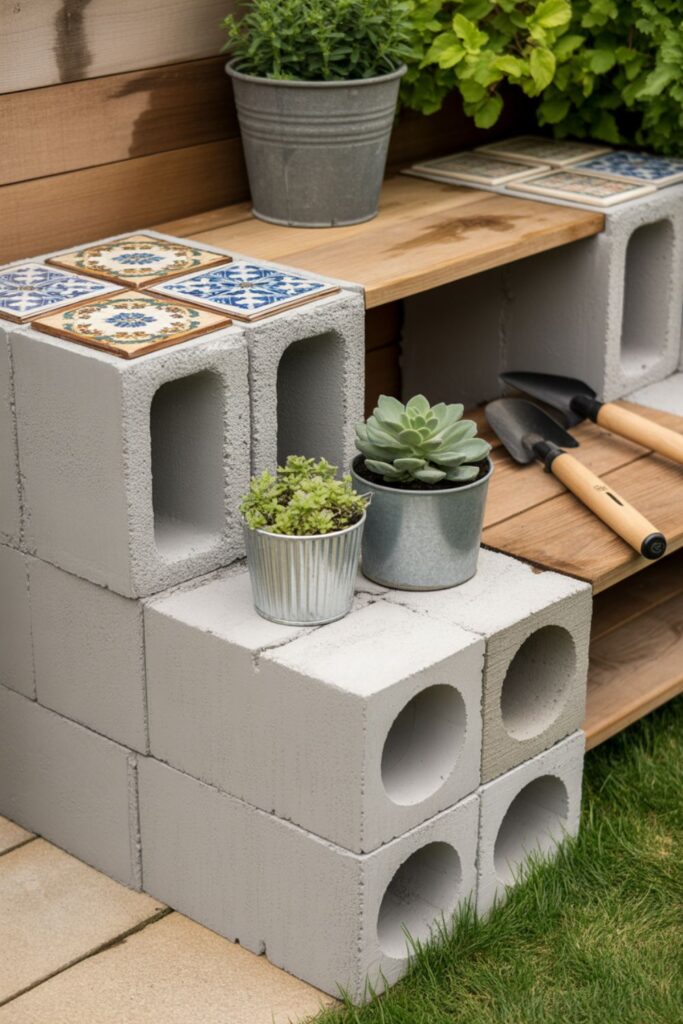
Attach mosaic tiles to block faces using construction adhesive for Mediterranean flair. Create random patterns, geometric designs, or mural-like images across entire structures. Broken ceramic plates, glass gems, or tumbled stones all work beautifully. Grout between tiles for professional finishes that look custom-crafted. This technique transforms utilitarian blocks into genuine garden art worthy of prominent placement.
Experiment with alternative finishes: wrap blocks with jute rope secured with construction adhesive for coastal aesthetics, attach cork trivets in patterns, or glue on metal wall art pieces. Apply decorative concrete stamps to poured caps for custom textures. Stone veneer or brick facing mimics expensive materials at a fraction of costs. These embellishment techniques create truly unique outdoor planters that reflect your personality and complement architectural styles.
Read More About: 23+ Cinder Block Garden Ideas for a Beautiful Yard
Maintenance and Long-Term Care
Watering and Drainage Management
Cinder block garden planters dry faster than ground gardens due to excellent drainage and exposure from multiple sides. This characteristic prevents overwatering but requires attentive irrigation during hot weather. Check soil moisture daily by inserting your finger 2 inches deep in water when it feels dry at that depth. Deep, thorough watering encourages roots to grow throughout the soil volume rather than concentrating near the surface.
Install drip irrigation on timers for consistent moisture without daily attention. Run lines through central planter areas with emitters positioned near each plant. For block holes, insert individual drippers into each pocket. Set timers based on weather and season more frequently during summer heat, less during cool spring or fall. Soaker hoses offer budget planter ideas alternatives that deliver water directly to root zones efficiently. Mulch soil surfaces with shredded bark or compost to retain moisture, regulate temperature, and suppress weeds.
Fertilizing Container Plants
The confined soil volumes in raised planter boxes deplete nutrients faster than ground gardens since roots can’t expand into surrounding earth seeking fertility. Feed regularly using liquid fertilizers every 2-3 weeks during active growth. Organic options like fish emulsion, seaweed extract, or compost tea provide balanced nutrition without chemical buildup. Alternatively, incorporate slow-release organic granular fertilizers into soil at planting time, supplementing with liquid feeds mid-season.
Vegetables and annuals need consistent feeding for maximum production and continuous blooming. Herbs require moderate fertility too much produces lush foliage with diminished essential oils that provide flavor. Succulents need minimal feeding once monthly at quarter strength suffices. Perennials benefit from annual top-dressing with fresh compost worked into the top 2 inches of soil. This practice replenishes organic matter while adding nutrients naturally as the compost decomposes throughout the season.
Seasonal Care and Winterization
Remove spent annuals after frost kills them. Pull dead plants completely, shake excess soil back into planters, and add clean plant material to compost. Refresh soil in block holes by mixing in compost before replanting with cool-season crops or spring bulbs. In cold zones, protect perennials and overwintering herbs by mulching heavily over planting areas. This insulation moderates temperature swings that stress roots.
The concrete blocks themselves resist frost protection damage properly constructed planters endure decades of freeze-thaw cycles. In extremely harsh climates with severe winters and low-quality blocks, consider covering structures with insulating materials or emptying them completely. Most modern blocks withstand weather indefinitely without protection. Come spring, remove winter mulch, top up settled soil, prune perennials, and replant with new annuals or vegetables. Your permanent planter framework makes seasonal refresh simple and quick.
Creative Applications and Special Uses
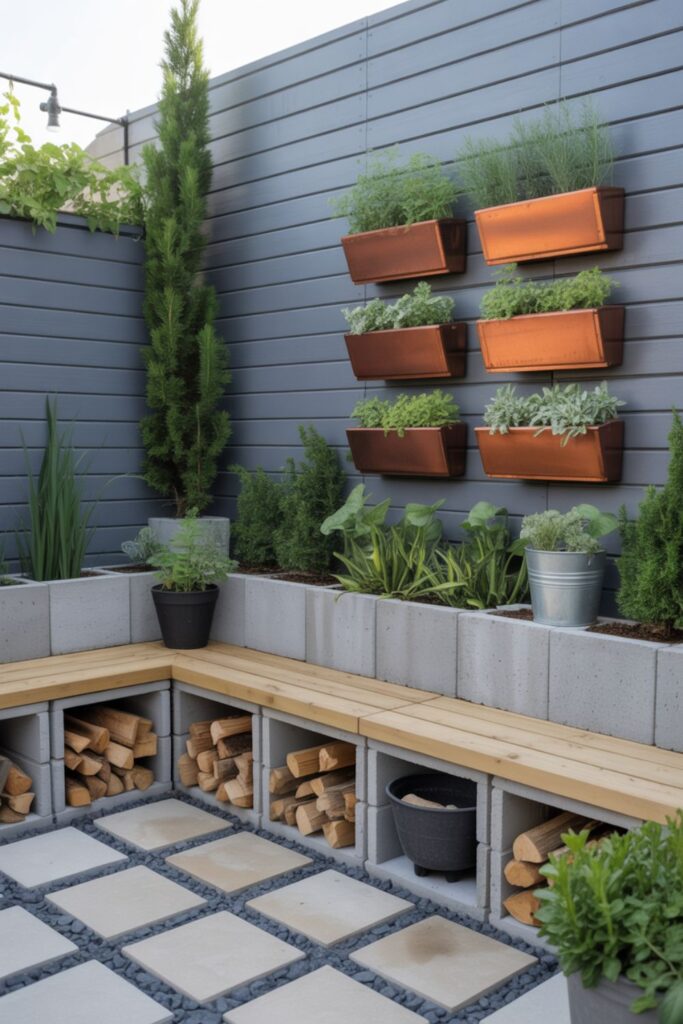
Herb Garden Stations Near Kitchens
Build dedicated herb planters positioned conveniently near kitchen doors for easy cooking access. Construct structures 2-3 blocks high bringing herbs to comfortable standing height. Label blocks with painted names or decorative markers for quick identification while cooking. Organize by culinary use Italian herbs (basil, oregano, parsley) together, Mexican varieties (cilantro, epazote) in another section, Asian types (Thai basil, lemongrass) in a third.
Include built-in tool storage by leaving select hollow cores empty for scissors, trowels, or harvesting baskets. Add small shelves using boards laid across block rows for storing watering cans or fertilizers. Paint these functional structures in cheerful colors that make you happy to use them daily. The convenience of fresh herbs steps from your kitchen encourages regular cooking with these flavorful ingredients while adding beauty to utilitarian spaces near backdoors.
Mobile Planter Systems
Create portable modular planter systems by building structures on platforms with heavy-duty casters. Construct your planter as usual, but place it on a sturdy board or pallet fitted with locking caster wheels. This mobility options approach lets you reposition planters seasonally to follow sun patterns, rearrange for parties or events, or move indoors during extreme weather.
Keep mobile planters relatively compact single-block height and maximum 3×3-foot footprints ensure manageable weight. Fill with lightweight potting mix rather than heavier garden soil blends. Use quality casters rated for outdoor use and substantial weight loads. Lock wheels when planters are in position to prevent unwanted rolling. These movable gardens work brilliantly for renters, seasonal gardeners, or anyone wanting flexibility to change landscape designs without permanent commitment.
Frequently Asked Questions
How much soil do cinder block planters need?
Each block hollow core holds approximately 0.3 cubic feet of soil. Calculate central bed soil capacity by multiplying length × width × depth in feet. A 4×3-foot planter one block high (8 inches = 0.67 feet) holds roughly 8 cubic feet in the center plus 3.6 cubic feet in twelve block holes, approximately 12 cubic feet total. Always purchase 10-15% extra to account for settling.
Can cinder block planters be used on decks or balconies?
Yes, but verify your deck’s weight capacity first. A typical 4×4-foot planter two blocks high weighs approximately 1,200-1,500 pounds when filled with moist soil and plants. Most residential decks handle this easily, but older structures or cantilevered balconies may have limitations. Build smaller or use lightweight potting mix to reduce weight. Place planters over support beams rather than between joists.
What’s the best way to drill drainage holes in cinder blocks?
Cinder blocks don’t need additional drainage holes because of their porous nature and gaps between blocks provide adequate drainage naturally. If building sealed bottoms, drill through bottom blocks using masonry bits in corded drills. Mark holes, start with small pilot bits, then enlarge to 1/2-inch diameter. Wear safety glasses and masks to protect from concrete dust.
How long do cinder block planters last outdoors?
Properly constructed concrete block planters last indefinitely decades at minimum with zero maintenance beyond occasional cleaning. Unlike wood that rots, metal that rusts, or plastic that degrades, concrete withstands weather, moisture, and temperature extremes without deterioration. This longevity makes them genuinely sustainable despite industrial origins. Your initial investment serves multiple generations without replacement costs.
Can you grow vegetables safely in cinder block planters?
Yes, modern cinder blocks manufactured after 1980 are completely safe for growing edibles. They contain standard concrete and aggregate without toxic additives. Concerns about fly ash in vintage blocks don’t apply to contemporary products. Soil pH may rise slightly from lime leaching initially, but annual compost additions naturally counteract this effect. Most garden plants tolerate the slight alkalinity without issues.
Conclusion
Cinder block garden planters represent smart investments for any gardener combining affordability, durability, and versatility in equal measure. These permanent structures eliminate the frustration of temporary containers while costing a fraction of manufactured alternatives. The modular planter system approach adapts to any space, style, or plant type through simple construction that requires no special skills beyond basic stacking and filling.
Start your planter project today by assessing your space, defining your needs, and sketching initial designs. Calculate materials required, prepare your site properly, and dedicate one weekend to building the container garden solutions you’ve envisioned. Whether creating simple rectangular raised planter boxes, dramatic tiered pyramids, or elegant vertical columns, you’ll discover that permanent, productive planters built with your own hands deliver satisfaction far beyond the money saved. Your DIY planters will provide fresh produce, beautiful flowers, and lasting pride in functional garden features that serve for decades to come.