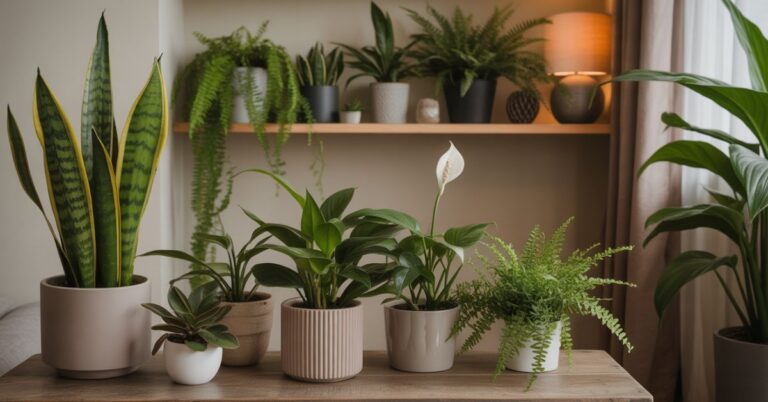
37+ Colorful Backyard Ideas to Brighten Your Outdoor Space

You walk into your backyard and see beige. Beige furniture, brown mulch, green grass, and maybe a few timid flowers hiding in the corner. The space feels safe, neutral, and completely forgettable, more institutional than inspirational. You know your yard has potential, but the thought of introducing bold Colorful Backyard Ideas feels risky, like one wrong move could turn your retreat into a circus. Here’s what most homeowners miss: colorful backyard ideas don’t require artistic genius or unlimited budgets; they need strategic thinking about where color lives and how it interacts.
Whether you crave jewel-toned flowering plants cascading from containers, painted fences that pop against greenery, or outdoor furniture in unexpected hues, color transforms forgettable yards into spaces that reflect personality instead of playing it safe. This guide reveals proven strategies for introducing vibrant design elements that elevate rather than overwhelm, creating outdoor rooms where color feels intentional, sophisticated, and completely you.
Why Do Colorful Backyards Feel More Inviting?
Colorful backyard ideas trigger emotional responses that neutral spaces can’t match. Color psychology reveals that warm tones like reds, oranges, and yellows stimulate conversation and energy, making them ideal for entertaining zones. Cool blues, purples, and greens create calm, reflective atmospheres perfect for reading nooks or meditation areas. When you introduce strategic color, you’re not just decorating you’re programming how people feel when they enter different zones of your yard.
Vibrant garden design also creates memorable spaces that guests actually remember weeks later. Neutral yards blend together in memory, but a cobalt blue pergola or magenta bougainvillea becomes a conversation starter and visual landmark. Color adds layers of interest that change with viewing distance; what reads as a color wash from your deck reveals itself as individual blooms, painted surfaces, and decorative elements up close. This dimensional quality keeps bright outdoor spaces engaging rather than monotonous, rewarding both quick glances and extended lounging.
What Are the Best Color Schemes for Backyards?
Complementary color schemes pair opposites on the color wheel purple and yellow, blue and orange, red and green creating high-contrast combinations that vibrate with energy. These pairings work brilliantly in colorful patio ideas where you want drama and visual excitement. Plant purple salvia against a golden rudbeckia backdrop, or position orange cushions on furniture surrounded by blue agapanthus. The contrast makes each color appear more saturated and vibrant than it would alone.
Analogous schemes use neighbors on the color wheel blues flowing into purples into pinks, or yellows transitioning through oranges to reds. These harmonious combinations create sophisticated vivid yard design that feels curated rather than chaotic. Rainbow garden enthusiasts often employ analogous transitions, creating borders where cool colors gradually warm or vice versa. Monochromatic approaches explore variations of a single hue, like a white garden featuring cream, ivory, and pure white blooms with silver and chartreuse foliage. This restraint paradoxically creates powerful visual impact through repetition and subtle variation rather than competing colors.
How Can You Use Paint to Add Backyard Color?
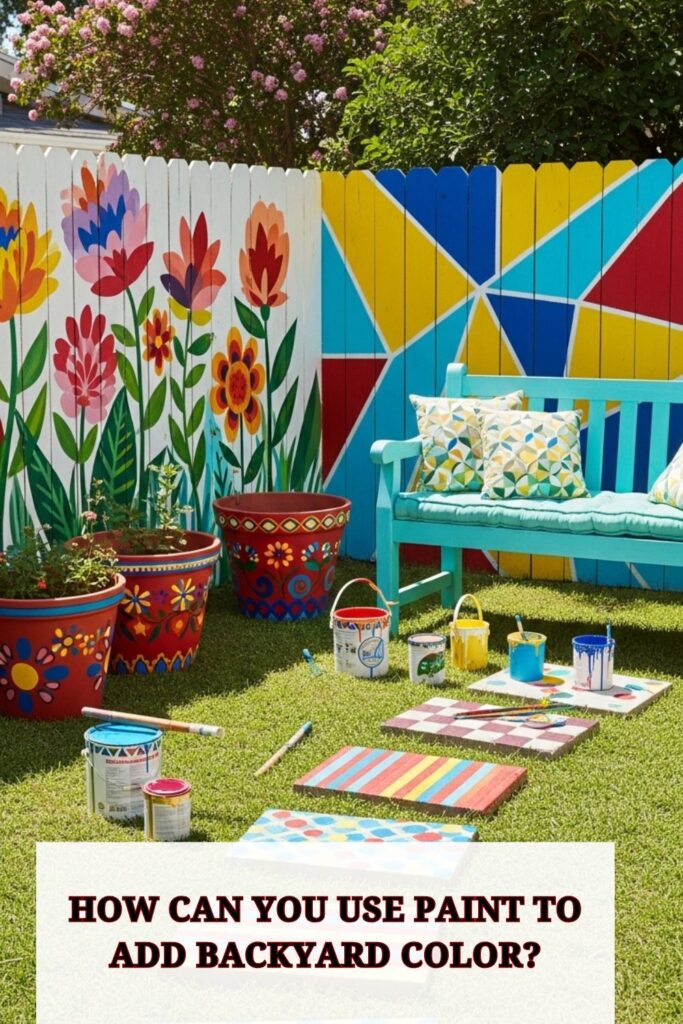
Paint choices deliver the fastest, most affordable transformation in colorful backyard ideas. Fences become canvases for bold statements, deep navy creates dramatic backdrops that make foliage pop, while coral or turquoise introduces personality without permanent commitment. Exterior-grade paints withstand weather for 5-7 years, making this a reversible decision if tastes change. Test colors on poster board propped against your fence for several days, viewing it in different light conditions before committing to gallons.
Outdoor furniture painting lets you refresh tired pieces while introducing coordinated color. Powder-coat metal chairs in jewel tones, or apply marine-grade paint to wooden benches in colors that complement your flowering plants. Planters become decorative accents when painted in colors that contrast with both plants and surroundings chartreuse pots against purple walls, or cobalt containers on natural wood decks. Consider painting unexpected elements like downspouts, outdoor storage boxes, or even sections of paving in bright outdoor spaces where playfulness suits the setting.
Which Flowering Plants Deliver the Most Color?
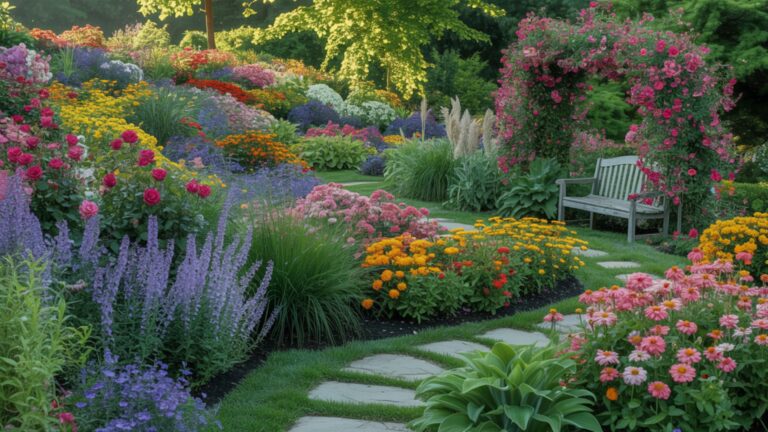
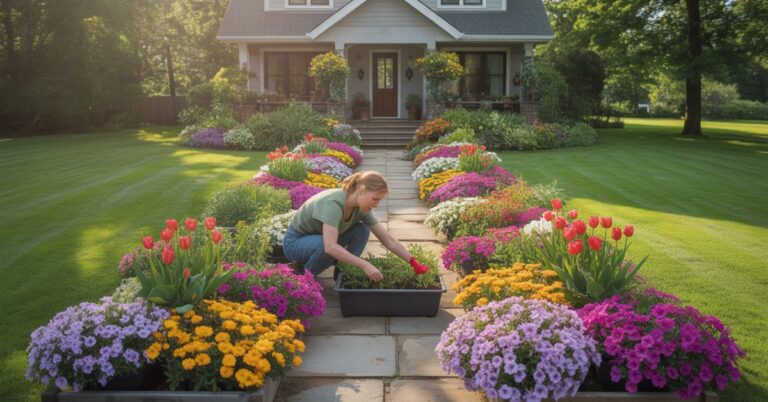
Flowering plants form the backbone of vibrant garden design, providing ever-changing color through seasons. Perennials like coneflowers, black-eyed Susans, and daylilies return annually with minimal maintenance, building color intensity as they mature and spread. Coneflowers bloom in purples, pinks, whites, oranges, and reds, offering options for any color scheme. Plant in odd-numbered groups of five or seven for natural-looking drifts that create stronger visual impact than single specimens scattered throughout beds.
Annuals deliver non-stop seasonal color from spring through frost, filling gaps in perennial displays. Petunias, marigolds, zinnias, and begonias bloom prolifically in virtually every color except true blue. For bold backyard colors, plant masses of single varieties rather than mixed seed packets, a sweep of orange zinnias commands more attention than a confetti mix of random hues. Tropical plants like cannas, elephant ears, and hibiscus introduce architectural foliage in burgundies, chartreuses, and variegated patterns alongside vibrant blooms, working especially well in Colorful Backyard Ideas where oversized leaves create drama in containers.
Read More About: Mosquito Repelling Plants: The Complete Guide to a Bite-Free Yard
How Do You Create a Rainbow Garden?
Rainbow garden designs sequence colors deliberately, creating flowing transitions rather than random placement. Start with cool colors like purples and blues at one end, transitioning through pinks and reds to oranges and yellows at the opposite end. This gradient approach mimics natural color progressions, feeling intentional rather than haphazard. Plant in diagonal or curved drifts that weave colors together, with each section bleeding slightly into its neighbors to prevent harsh boundaries.
Alternatively, create distinct color zones throughout your colorful landscaping: a hot corner featuring reds, oranges, and yellows near a seating area for energy, balanced by a cool section of blues, purples, and whites near a quiet reading bench. Focal points in contrasting colors anchor each zone, like a yellow climbing rose against a purple-painted fence or orange dahlias emerging from blue salvia. White and silver plants act as neutralizers between intense colors, preventing visual chaos while adding sophistication to vivid yard design.
What Role Does Outdoor Furniture Play in Colorful Design?
Outdoor furniture delivers permanent color that persists when flowering plants fade. Bold seating in unexpected hues chartreuse Adirondack chairs, fuchsia dining sets, or teal loungers creates instant personality that neutral furniture can’t match. These statement pieces anchor colorful backyard ideas by establishing your color commitment beyond seasonal plantings. Choose weather-resistant materials like powder-coated aluminum, resin wicker, or marine-grade fabrics that maintain color intensity through sun exposure and rain.
Cushions and textiles offer changeable color that lets you refresh bright outdoor spaces seasonally or according to mood. Layer patterns thoughtfully stripes, geometrics, and florals can coexist if they share a unifying color. In colorful patio ideas, mix solid-colored cushions with one patterned option for visual interest without overwhelming the eye. Outdoor rugs ground seating areas while introducing additional color underfoot, defining zones within larger yards and protecting deck surfaces from furniture wear.
How Can You Add Color Through Garden Structures?
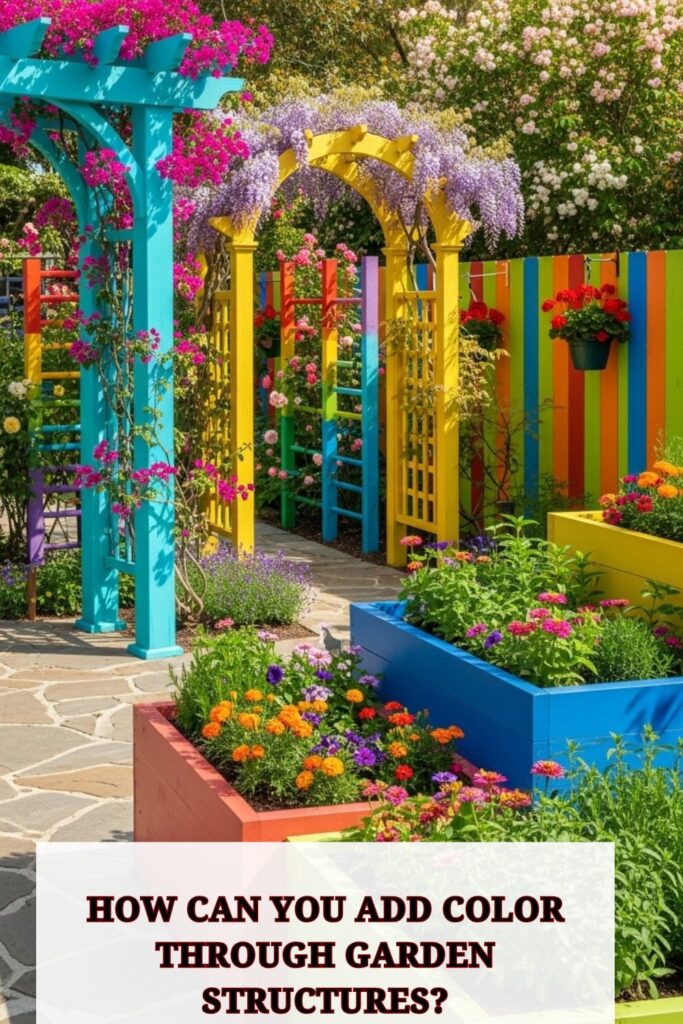
Arbors, pergolas, and trellises become color opportunities when finished in hues beyond standard wood tones. A crimson arbor framing a garden entrance makes a bold statement, while a sage green pergola creates calm overhead. These structures gain prominence through color, transforming from functional supports into focal points that organize your vibrant garden design. Paint climbing structures in colors that complement or contrast with the vines they’ll support a white trellis shows off purple clematis beautifully, while a black structure creates dramatic silhouettes beneath white wisteria.
Garden sheds and storage buildings shouldn’t hide in shame at property edges. Paint them in colors that make them destinations rather than eyesores; a cheerful yellow shed becomes a charming decorative accent, while a deep green structure melts into surrounding foliage when you want it to recede. Add coordinating trim in contrasting colors for cottage-garden appeal, or keep it monochromatic for modern simplicity. Window boxes on sheds filled with seasonal color extend the building’s visual contribution beyond its footprint.
What Are Creative Ways to Use Planters for Color?
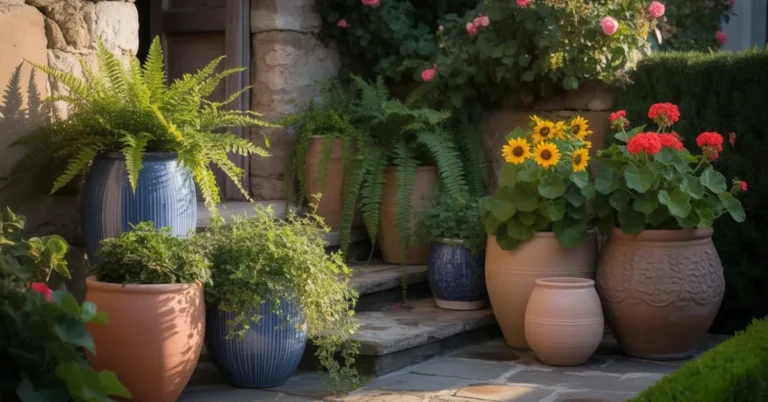
Planters in unexpected colors transform containers from mere vessels into design elements. Glazed ceramic pots in cobalt, tangerine, or emerald add permanent color regardless of what you plant inside. Group containers in color families are all warm-toned pots with varied plants, or plants in similar colors displayed in contrasting containers. This repetition creates cohesion in colorful landscaping that prevents scattered containers from appearing random.
Vertical planters introduce color at eye level and above, maximizing limited space in bright outdoor spaces. Wall-mounted pocket planters in bright hues create living art when filled with succulents, herbs, or trailing flowers. Tiered plant stands arrange containers at varying heights, allowing color to cascade and creating depth in flat yards. Paint terracotta pots yourself using exterior acrylics or spray paint this budget-friendly approach lets you customize outdoor decor to exact specifications while refreshing old containers that no longer spark joy.
How Does Lighting Enhance Colorful Backyards?
Strategic lighting design intensifies colors after sunset, extending your colorful backyard ideas into evening hours. Uplights positioned at tree bases or large plants create dramatic shadows while illuminating foliage from unexpected angles. Colored LED bulbs introduce additional hues; purple lights on white flowers create ethereal effects, while amber tones warm red and orange blooms. String lights with colored glass shades add festive ambiance to colorful patio ideas without permanent installation.
Solar-powered stake lights in colored glass or plastic scatter visual impact throughout garden beds without electrical work. These affordable accents glow at dusk, marking pathways while adding decorative interest during daylight hours. For bold backyard colors, consider LED strip lighting beneath deck railings, along fence tops, or outlining built-in seating. These subtle applications add color through light rather than paint or plants, creating modern effects especially effective in contemporary landscapes.
What Are Low-Maintenance Colorful Backyard Options?
Perennials deliver seasonal color with minimal intervention once established. Coneflowers, daylilies, sedums, and ornamental grasses return annually, expanding slowly to fill garden beds without replanting. Choose varieties suited to your climate zone to minimize watering, fertilizing, and pest management. Native plants adapted to your region’s conditions naturally thrive with less maintenance than imported species, often attracting beneficial pollinators that enhance vibrant garden design through movement and life.
Painted surfaces provide permanent color requiring only occasional touch-ups rather than daily deadheading or weekly watering. A colorful fence, bright shed, or painted planter maintains its hue through neglect perfect for busy homeowners wanting vivid yard design without weekend commitment. Artificial turf in unexpected colors creates playful spaces for children or pets while eliminating mowing. Though unconventional in natural landscapes, teal or purple artificial grass works in modern, artistic bright outdoor spaces where whimsy trumps tradition.
How Do You Balance Bold Colors with Neutrals?
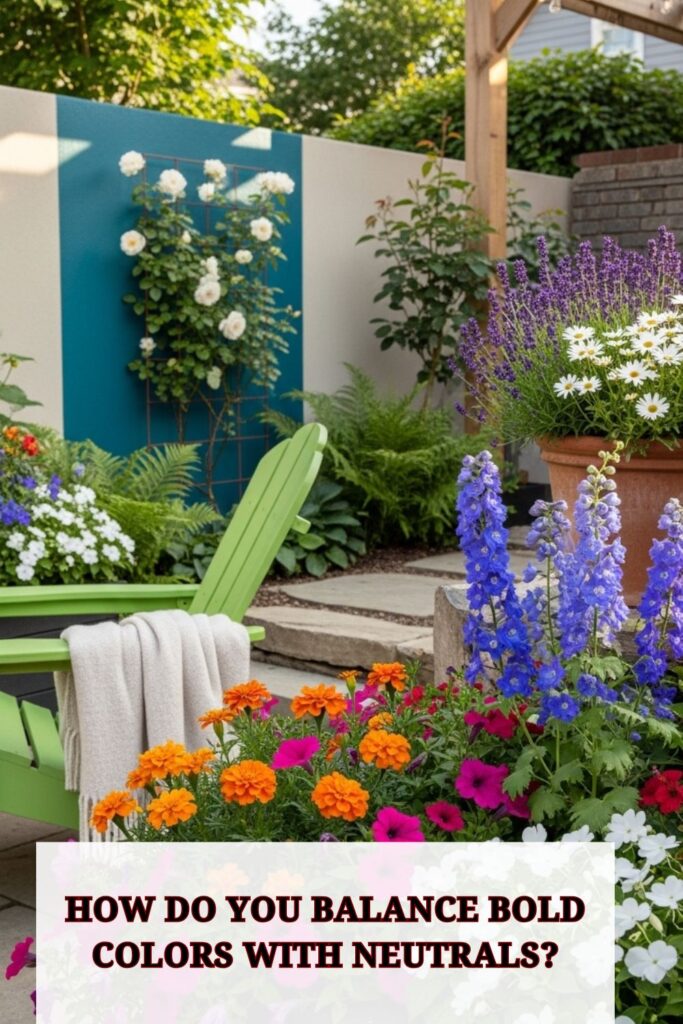
Successful colorful backyard ideas incorporate neutral elements that prevent sensory overload. Natural wood tones, gray stone, black metal, and white trim create visual resting places between intense hues. A rainbow garden edged with simple gray gravel reads as intentional rather than chaotic, while colorful flowering plants against white fencing appear crisper and more vibrant. Aim for a 60-30-10 ratio: 60% neutral hardscaping and greenery, 30% medium-intensity color, and 10% bold accent hues.
Green foliage acts as nature’s neutral, harmonizing competing colors through its universal presence. Even the most bold backyard colors work together when surrounded by sufficient greenery. Use evergreen shrubs, ornamental grasses, and leafy perennials as buffers between clashing hues, letting foliage create transitions that feel organic. In colorful patio ideas, neutral furniture with colorful cushions offers more flexibility than solid-colored pieces; you can change accent colors seasonally while maintaining a coherent base.
What Seasonal Color Strategies Work Year-Round?
Spring bulbs initiate seasonal color with tulips, daffodils, and hyacinths in virtually every hue. Plant bulbs in fall for spring performance, choosing varieties that bloom sequentially early crocuses, mid-season tulips, late alliums to extend color from March through May. Layer summer annuals among spring bulbs, planting them just as bulbs finish blooming so there’s no gap in visual impact. Zinnias, marigolds, and petunias carry color through summer’s heat when many perennials rest.
Fall brings second-wave color through late-blooming perennials and foliage changes. Asters, sedums, and chrysanthemums bloom in purples, pinks, and golds as temperatures cool. Ornamental grasses transition from green to bronze, gold, and burgundy, maintaining structure through winter while adding warm tones to vivid yard design. Winter interest comes from evergreen foliage, colorful stems like red-twig dogwood, and berried shrubs in reds, oranges, and purples. Strategic planting design ensures something provides color every month, preventing the brown dormancy that plagues single-season gardens.
How Can You Use Art and Decor for Instant Color?
Outdoor decor introduces color without planting or painting permanent structures. Colorful wind chimes, garden stakes, and sculptural pieces add personality to bright outdoor spaces while remaining portable if tastes change. Mosaic stepping stones in bright tiles create functional art underfoot, turning pathways into focal points. Metal sculptures powder-coated in vibrant hues resist weather while adding vertical interest among low plantings.
Outdoor textiles deliver changeable color through curtains, banners, and flags. Hang outdoor-rated fabric panels from pergolas or fences to create privacy screens in unexpected hues fuchsia panels transform stark wooden fences into dramatic backdrops. Garden flags celebrating seasons, holidays, or personal interests inject temporary color that refreshes regularly. In colorful patio ideas, weatherproof throw pillows in multiple patterns and colors layer visual interest on neutral furniture, creating curated looks that evolve with your mood or the season.
What Are Budget-Friendly Colorful Backyard Ideas?
Paint choices deliver maximum color impact for minimum investment. A gallon of exterior paint costing $30-50 transforms entire fences, sheds, or furniture pieces. Focus paint efforts on highly visible areas like fences backing seating zones or structures framing main views. Refresh old planters with spray paint instead of buying new containers. Terracotta pots accept paint beautifully, as do plastic and resin pieces.
Propagate flowering plants from cuttings or divisions rather than purchasing new specimens. Many perennials like hostas, daylilies, and black-eyed Susans divide easily, letting you multiply free plants from existing stock. Seed-grown annuals cost pennies compared to nursery transplants: zinnias, cosmos, and sunflowers germinate readily from direct-sown seed, providing armloads of seasonal color for the price of a seed packet. Swap plants with neighbors to diversify your palette without spending money, building community while expanding your vibrant garden design through shared cuttings and divisions.
How Do You Avoid Color Clashes in Backyard Design?
Understanding color psychology and relationships prevents accidental clashes. Colors sharing undertones harmonize naturally cool pinks with blue undertones pair beautifully with purples and blues, while warm pinks with orange undertones complement reds and yellows. Problems arise when mixing undertones cool magenta beside warm orange creates visual discord rather than intentional contrast. Test combinations in small sections before committing to large plantings or painted surfaces.
Use the 60-30-10 rule across your entire yard: choose one dominant color appearing in 60% of colorful elements, a secondary color at 30%, and accent colors at 10%. This formula creates cohesion in colorful landscaping while preventing the “everything, everywhere, all at once” effect that overwhelms. In rainbow garden designs, let one color dominate each section even while incorporating the full spectrum across the entire yard. White, chartreuse, or silver plants separate potentially clashing neighbors, acting as visual buffers that maintain individuality while preventing conflict.
What Role Do Colorful Pathways Play?
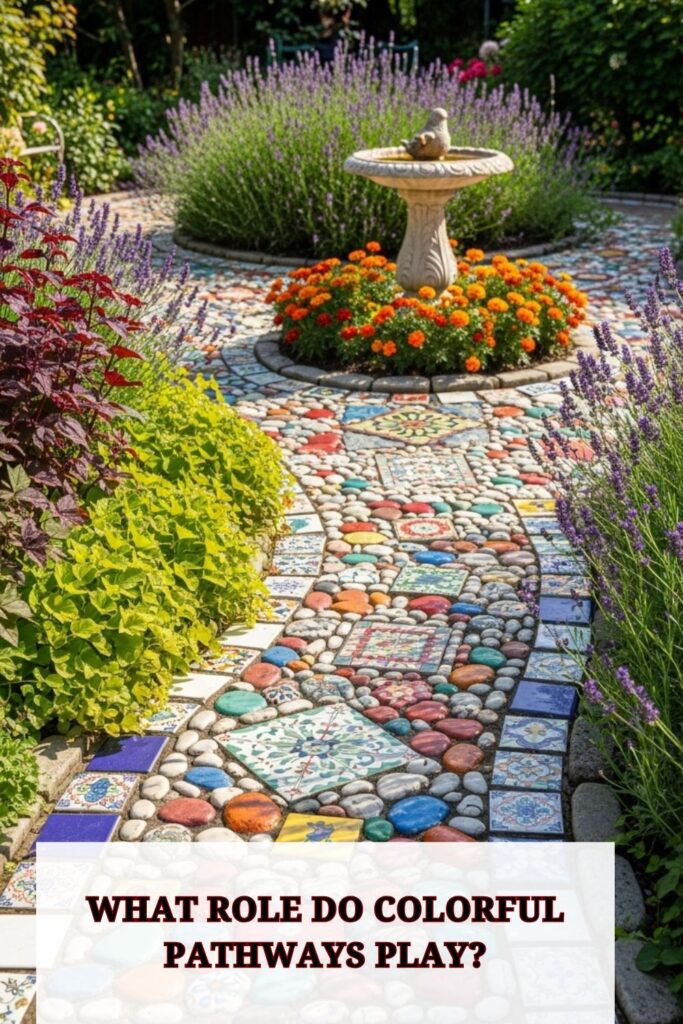
Pathways guide circulation while offering color opportunities often overlooked in colorful backyard ideas. Colored concrete tinted with pigments during mixing creates permanent paths in unexpected hues. This technique works especially well in modern landscapes where red, charcoal, or terra cotta concrete complements contemporary architecture. Stamped and stained concrete mimics natural materials while allowing custom color selection unavailable in genuine stone.
Pebble mosaics transform paths into art, arranging colored stones into patterns, swirls, or representational images. This labor-intensive approach rewards effort with one-of-a-kind results impossible to purchase prefabricated. For faster installation, lay colored pavers or tiles in patterns that create visual impact, alternating colors in checkerboard arrangements, or creating borders in contrasting hues. Decomposed granite in warm tones like gold or red creates soft-edged paths that feel organic, working beautifully in vivid yard design schemes emphasizing natural materials.
How Can You Create Colorful Nighttime Ambiance?
Outdoor lighting in colors beyond standard white transforms the evening atmosphere in bright outdoor spaces. Colored LED bulbs cost the same as white varieties while offering programmable options that change hues via smartphone apps. Rotate through seasonal palettes, cool blues and purples for summer, warm ambers and oranges for fall keeping your colorful patio ideas fresh without physical changes. Solar lanterns with colored glass distribute affordable ambiance throughout garden beds without electrical work.
Fire features add warm color through flames rather than bulbs. Fire pits, tiki torches, and tabletop fire bowls create flickering orange and yellow light that flatters skin tones while adding movement. Colored flame additives change fire to blue, green, or purple these novelties work best for special occasions rather than regular use, as natural flame colors feel more timeless. Candles in colorful hurricanes or lanterns scatter intimate illumination across dining tables and side tables, extending usability of outdoor furniture well past sunset.
Read More About: 45+ Courtyard Garden Design Ideas
What Are Common Mistakes in Colorful Backyard Design?
Using too many colors simultaneously creates visual chaos rather than vibrant garden design. Limit each view to 3-5 colors maximum, allowing repetition and rhythm rather than every hue represented once. A yard featuring red, orange, yellow, green, blue, purple, pink, and white simultaneously overwhelms the eye, chooses a subset and explores variations within that family. Reserve the full spectrum for rainbow garden designs where sequential color progression creates intentional flow rather than random placement.
Ignoring bloom times leads to boom-and-bust color cycles where May explodes with tulips followed by June nothingness. Successful seasonal color overlaps plant bloom periods, ensuring something always flowers. Research bloom times before purchasing, selecting varieties that stagger performance. Combine early-season tulips with mid-season roses and late-season asters, filling gaps with annuals that bloom continuously. This planning prevents the common disappointment of colorful backyard ideas that look spectacular two weeks yearly and boring the remaining fifty.
Frequently Asked Questions
What are the easiest colorful plants for beginners?
Flowering plants like zinnias, marigolds, and petunias thrive with minimal care while delivering continuous seasonal color. These annuals tolerate heat, require only weekly watering once established, and bloom from spring through frost. For perennials, black-eyed Susans and coneflowers survive neglect while providing reliable bold backyard colors that return annually with zero replanting.
How do I choose colors that complement my house?
Extract colors from your home’s exterior for harmonious colorful landscaping. Brick houses pair beautifully with purples, blues, and whites that cool warm orange tones. Gray or white homes accommodate virtually any color; these neutral backdrops let vibrant garden design shine. Avoid planting flowers matching your house color exactly, as this creates monotony; instead, choose complementary hues that create pleasing contrast.
Can I mix warm and cool colors in the same backyard?
Yes, but separate them into distinct zones for best results. Create a hot corner featuring reds, oranges, and yellows near entertaining spaces, balanced by a cool section with blues, purples, and whites near quiet seating areas. If mixing within one bed, use white or silver plants as buffers between temperature extremes to prevent clashes.
What’s the best way to add color to shady backyards?
Shade-tolerant flowering plants like impatiens, begonias, hostas, and astilbes deliver color without full sun. Paint fences, furniture, or containers in bright hues that reflect available light into dark corners. Variegated foliage featuring white, yellow, or chartreuse markings brightens shaded areas more effectively than solid green plants.
How often should I repaint colorful outdoor elements?
Exterior paint on fences and structures typically lasts 5-7 years before requiring touch-ups, though high-wear furniture may need refreshing every 2-3 years. Use high-quality exterior or marine-grade paints formulated to resist fading, and clean surfaces annually to extend longevity. Powder-coated metal furniture maintains color for 7-10 years with minimal maintenance.
Conclusion
Colorful backyard ideas transform ordinary yards into personal statements that reflect individuality rather than following safe, forgettable trends. The strategies you’ve explored from strategic paint choices and flowering plants to outdoor furniture and decorative accents prove that vibrant design doesn’t require artistic training or unlimited budgets. Color success comes from understanding relationships between hues, respecting scale and proportion, and recognizing that restraint often creates stronger visual impact than excess.
Your backyard deserves better than beige. Start with one bold move: a painted fence, a rainbow garden border, or furniture in an unexpected hue then build confidence as you see how color transforms spaces and sparks joy. The bright outdoor spaces you create become backdrops for memories, conversations, and quiet moments that wouldn’t happen in forgettable neutral yards. Take the risk, trust your instincts, and remember that paint washes off and plants get replaced, nothing’s permanent except the regret of never trying.