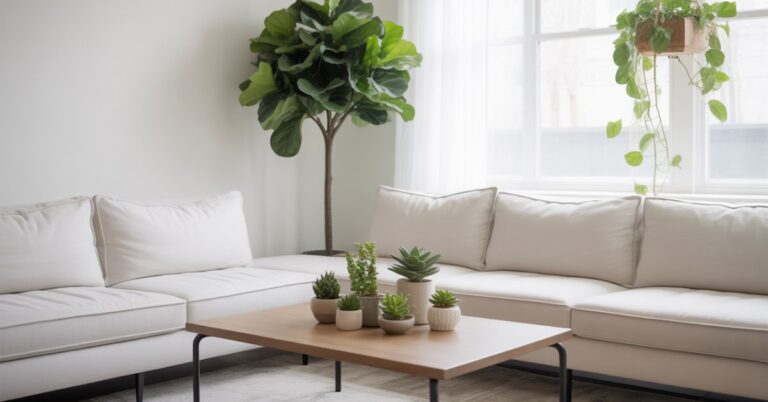
25+ Cozy Outdoor Living Space Ideas for a Relaxing Backyard

Your patio holds expensive outdoor furniture that nobody uses because the space feels stark and unwelcoming despite the investment. You see magazine photos of inviting outdoor room design spaces where families linger for hours, but your backyard lacks that indefinable warmth making people want to stay.
Creating cozy outdoor living space ideas requires more than furniture purchases, it demands thoughtful layering of comfort elements, strategic lighting, and intentional boundaries that transform exposed patios into intimate retreats feeling as comfortable as indoor living rooms while celebrating outdoor connections.
Essential Elements That Define Cozy Outdoor Spaces
Cozy patio decor begins with understanding what makes indoor rooms feel inviting, then adapting those principles for outdoor durability and scale. Softness matters enormously hard furniture on bare concrete never feels cozy regardless of quality. Layer in outdoor rugs, cushions, throw pillows, and blankets that invite touch and provide comfort making extended sitting pleasurable rather than endured. These textile additions transform utilitarian patios into spaces people genuinely want to occupy for conversation, reading, or relaxation.
Enclosure creates coziness impossible to achieve in completely open spaces. Privacy screening using lattice panels, outdoor curtains, tall planters, or strategic plantings defines boundaries making areas feel like outdoor rooms rather than exposed decks. This psychological enclosure increases comfort dramatically. People relax more completely when they’re not on display to neighbors or passersby. Even partial enclosure on one or two sides delivers noticeable improvements in how protected and comfortable spaces feel.
Layering Textiles for Warmth and Comfort
Weather-resistant fabrics designed for outdoor use now rival indoor textiles in softness and variety while withstanding sun, rain, and mildew that destroy conventional materials. Solution-dyed acrylic fabrics maintain color brilliance through years of sun exposure, while outdoor polyester blends offer plush textures previously impossible to achieve in fade-resistant materials. These technical fabrics allow genuine textile layering not just token outdoor pillows but abundant cushions, throws, and upholstered pieces creating visual and physical softness.
Start with oversized seat cushions (4-6 inches thick) providing substantial comfort that makes extended sitting enjoyable. Add back pillows or cushions if furniture lacks built-in support, then layer decorative throw pillows in varied sizes, patterns, and textures. Mix solid colors with patterns stripes, florals, geometrics unified by coordinating color palettes preventing visual chaos. This abundant pillow approach mimics cozy indoor living rooms while signaling that outdoor spaces deserve equal comfort consideration rather than settling for bare, hard seating.
Outdoor Rugs That Define Spaces
Outdoor rugs ground furniture groupings while defining conversation areas within larger patios or decks. These rugs soften hard surfaces underfoot, reduce noise, and add pattern and color that warm spaces visually. Size rugs generously all furniture front legs should rest on rugs, or ideally entire furniture pieces fit completely within rug boundaries. Undersized rugs make spaces feel disconnected and cheap rather than cohesive and intentional.
Choose patterns and colors that complement rather than match furniture exactly; slight variations create depth and interest that monochromatic schemes lack. Geometric patterns suit modern furniture while traditional florals complement classic styles. Flat-weave or low-pile rugs work better outdoors than thick shags that trap moisture and debris, making maintenance manageable. Shake or hose off rugs monthly and roll them for winter storage to extend their lifespan through multiple seasons.
Ambient Lighting That Extends Evening Use
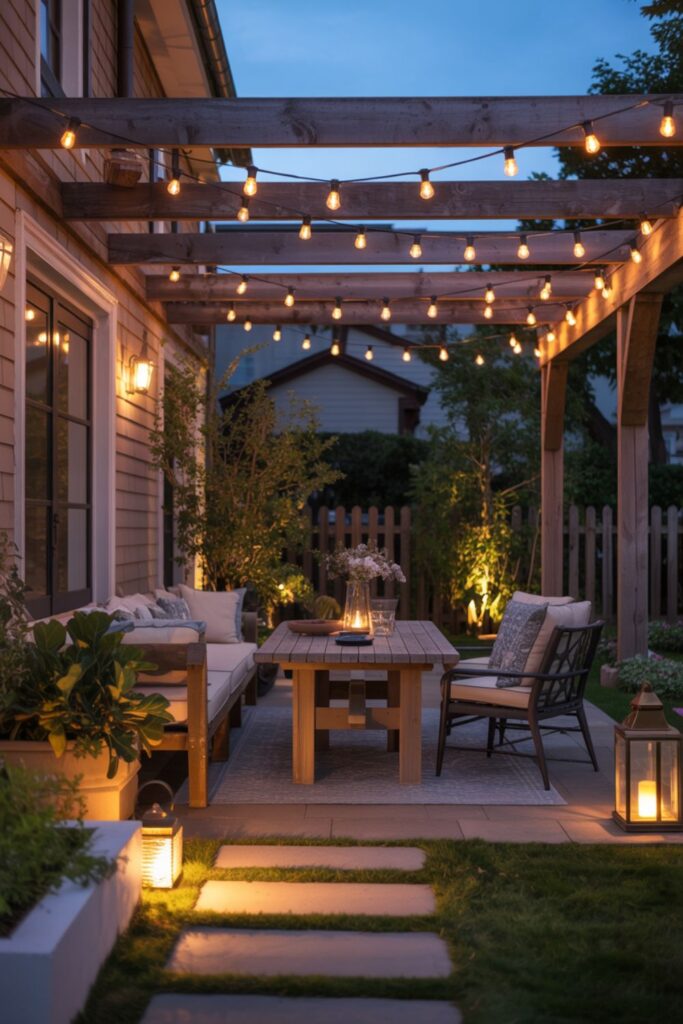
String lights rank among the most effective cozy-making elements available, transforming stark patios into magical evening retreats with minimal effort and expense. Drape lights overhead in loose swoops between pergola beams, fence posts, or shepherd hooks positioned around seating areas. This overhead lighting creates canopy effects making spaces feel enclosed and intimate while providing gentle illumination perfect for conversation without the harsh brightness that destroys ambiance outdoor living celebrates.
Choose warm white LED bulbs (2700K) over cool white or colored options for most versatile results warm tones complement skin tones and most color schemes while creating inviting glows resembling candlelight or firelight. Edison-style bulbs with visible filaments add vintage charm suiting farmhouse and traditional styles, while globe lights provide modern simplicity appropriate for contemporary spaces. Battery-operated or solar options eliminate extension cord hazards while offering installation flexibility unavailable with plug-in varieties.
Layered Lighting for Function and Mood
Combine multiple light sources at different heights and intensities for truly cozy effects impossible with single fixtures. Ambient lighting from string lights or lanterns provides overall illumination, while task lighting from reading lamps or spotlights allows specific activities. Accent lighting highlighting plants, architecture, or water features adds depth and visual interest. This layered approach lets you adjust lighting moods bright for entertaining, dim for romantic dinners, or task-focused for reading and hobbies.
Flameless candles in lanterns scattered across tables, steps, and surrounding ledges add flickering warmth without fire hazards or wind problems plaguing real candles outdoors. These battery-operated options now feature realistic flames and automatic timers activating at dusk, providing effortless ambiance. Group lanterns in odd numbers (3, 5, 7) at varying heights for visual impact, and choose lantern styles complementing overall design themes metal and glass for modern spaces, wicker or wood for coastal and farmhouse aesthetics.
Read More About: 25+ Simple Backyard Fire Pit Ideas for Cozy Outdoor Gatherings
Creating Intimate Conversation Areas
Conversation areas arranged for easy eye contact and comfortable speaking distances form the heart of cozy outdoor spaces. Position seating in U-shapes or circular arrangements rather than straight lines encouraging interaction. Place seats 4-6 feet apart close enough for normal conversation volumes without shouting, but distant enough to avoid crowding that makes people uncomfortable. Coffee tables or fire pits in conversation circle centers provide focal points while offering surfaces for drinks and shared food.
Vary seating types within single areas for visual interest and comfort options accommodating different preferences. Combine sofas with chairs, benches with ottomans, or built-in seating with moveable pieces creating flexible arrangements adapting to different group sizes and activities. This variety also allows hosts to accommodate more guests than permanent seating alone provides extra chairs pulled in when needed then returned to storage to keep spaces from feeling overcrowded during everyday use.
Sectional Furniture for Maximum Coziness
Outdoor sectionals create wraparound seating encouraging people to curl up comfortably rather than perching formally on individual chairs. These substantial pieces anchor spaces while providing ample seating without the visual clutter multiple separate pieces create. L-shaped sectionals fit nicely into corners, making efficient use of space while the wraparound configuration naturally creates intimate groupings where everyone participates in conversations rather than splitting into separate discussions.
Add chaise lounges or ottomans to sectional arrangements for feet-up relaxation transforming outdoor spaces into genuine living areas rather than purely social zones. This lounge-worthy comfort level makes spaces suitable for solo relaxation with books or devices, not just group gatherings. Position chaises where they receive optimal sun for afternoon lounging or shade for escaping heat, considering how sunlight moves across spaces throughout days and seasons.
Pergolas and Overhead Structures for Shelter
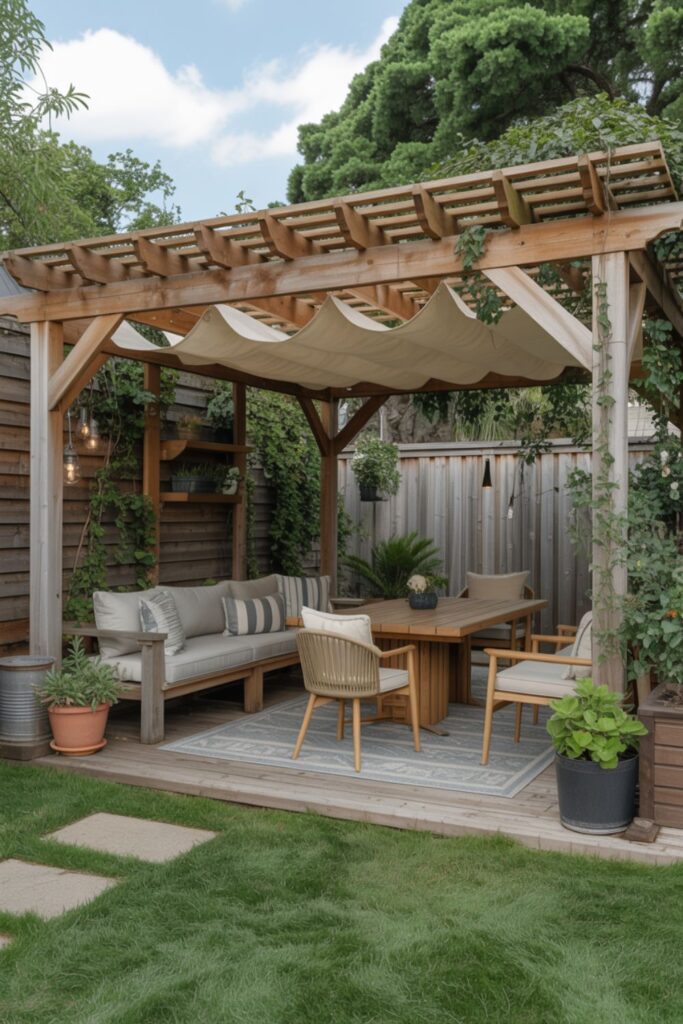
Pergola structures define outdoor rooms through overhead planes creating psychological shelter even without solid roofs. The partial shade these open-beam structures provide reduces harsh sun exposure making spaces comfortable during hot afternoons while the architectural interest transforms basic patios into designed destinations. Pergolas support climbing plants, hanging baskets, string lights, and outdoor curtain elements enhancing coziness while the structure itself establishes scale and enclosure making large yards feel manageable and intimate.
Freestanding pergolas work anywhere in yards, creating destination seating areas away from houses that feel like secret gardens or private retreats. Attached pergolas extending from homes create seamless indoor-outdoor transitions, effectively adding outdoor square footage to living spaces. Size pergolas to provide complete overhead coverage of seating areas plus 2-3 feet beyond furniture perimeters this overhang prevents rain from blowing onto seated guests while making structures feel substantial rather than inadequate.
Retractable Canopies for Weather Protection
Retractable shade canopies or weather curtains mounted to pergolas provide flexible weather protection impossible with open structures alone. Roll out fabric canopies during intense sun or light rain for genuine shelter, then retract them for stargazing or when weather cooperates. These adjustable systems make outdoor spaces usable across more weather conditions, dramatically increasing return on investment compared to fair-weather-only structures sitting unused when conditions aren’t perfect.
Side curtains hung from pergola posts create adjustable privacy and wind protection while adding softness and color that enhance coziness significantly. Choose outdoor fabrics in solid colors coordinating with furniture textiles, or opt for sheer fabrics providing privacy without completely blocking views. Install curtains on tracks or rings allowing easy opening and closing based on sun position, wind direction, or privacy needs that vary throughout days and entertaining occasions.
Fire Features as Focal Points
Fire tables or fire pits anchoring seating areas create natural gathering spots where people instinctively congregate. The mesmerizing flames provide focal points eliminating awkward questions about where to look during conversations while the warmth extends comfortable outdoor seasons into cool spring and fall evenings. Fire features work year-round in most climates providing warmth in cold months and ambient light during summer evenings when heat isn’t needed but visual interest remains valuable.
Gas fire tables offer clean, controllable flames without smoke or ash making them ideal for dining areas and enclosed spaces where wood smoke would be problematic. Adjust flame heights with simple controls, turning fires off instantly when gathering ends without worrying about complete burnout. Wood-burning fire pits provide authentic campfire experiences with crackling sounds and aromatic smoke some users prefer despite the additional maintenance and smoke management wood fires require.
Built-In Seating Around Fire Features
Permanent stone or wood benches built around fire pits create cozy gathering circles that define spaces while eliminating furniture purchasing and storage. These integrated seating elements feel purposeful and permanent, transforming patios from furniture collections into designed outdoor rooms. Build benches 16-18 inches high and deep for comfortable seating, and top them with cushions during gatherings for enhanced comfort that makes extended sitting pleasant rather than endured.
Position fire features slightly off-center within seating circles rather than perfectly centered; this asymmetry feels more natural and organic than rigid symmetry while allowing easier access for fire tending. Leave openings in seating circles for traffic flow rather than creating complete enclosures requiring people to climb over benches to enter or exit. These practical considerations prevent beautifully designed spaces from functioning poorly in real-world use.
Privacy Screening for Intimate Enclosure
Privacy screening transforms exposed patios into secluded retreats where relaxation happens naturally without self-consciousness about neighbor visibility. Tall planters filled with bamboo, ornamental grasses, or evergreen shrubs create living walls blocking sightlines while adding greenery and natural beauty. These moveable screens offer flexibility impossible with permanent walls, allowing seasonal rearrangement or relocation as entertaining needs evolve or plant materials mature.
Lattice panels mounted on posts or attached to planter boxes provide instant privacy while supporting climbing vines adding softness and color. Train clematis, climbing roses, or jasmine up panels for living screens that bloom seasonally while the underlying lattice maintains year-round structure. Paint lattice panels colors complementing homes and furniture rather than leaving them natural wood charcoal gray, sage green, or crisp white integrate lattice into overall designs rather than leaving them looking like afterthought additions.
Outdoor Curtains for Adjustable Privacy
Outdoor curtain panels hung from pergola posts or mounted tracks create adjustable privacy and weather protection while adding dramatic softness impossible to achieve with hard screens. Choose weather-resistant fabrics that withstand sun and occasional rain, and install curtains on tracks allowing easy adjustment based on sun position, wind direction, or privacy needs. Close curtains completely for intimate gatherings or during bright afternoon sun, then open them for breezy evenings and entertaining when openness feels appropriate.
Select curtain colors and patterns that complement overall color schemes while adding visual interest and softness. Solid neutral curtains in white, cream, or gray work universally and won’t overwhelm spaces, while patterned options in stripes or florals add personality and charm. Hang curtains slightly longer than floor-length for puddling effects that look luxurious and intentional, or hem them to graze floors cleanly depending on maintenance preferences and design aesthetics.
Outdoor Kitchen Integration for Alfresco Living
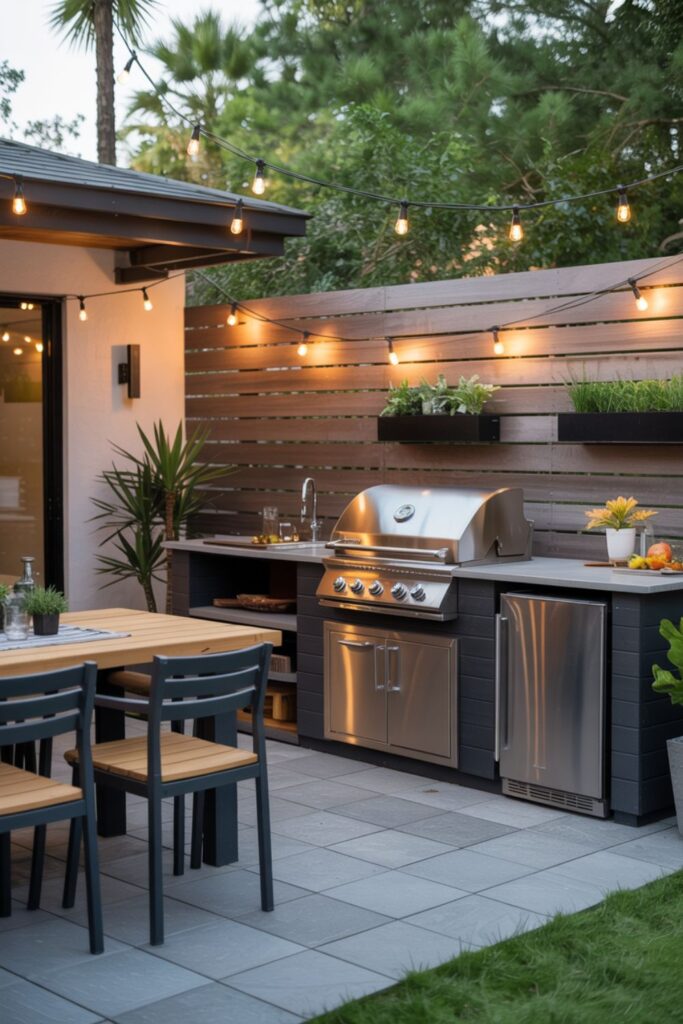
Alfresco living reaches its full potential when cooking happens outdoors alongside dining and relaxation, eliminating the host isolation that occurs when one person cooks indoors while guests enjoy patios. Built-in grills, outdoor refrigerators, and prep counters create functional cooking zones making meal preparation social rather than solitary. Even basic outdoor kitchens with grills and small counters dramatically improve outdoor entertaining by keeping hosts engaged with guests throughout entire events.
Position outdoor kitchens adjacent to but slightly separate from main seating areas close enough for conversation but distant enough that smoke and cooking mess don’t impact lounging guests. Install proper ventilation and lighting making cooking safe and pleasant after dark when most gatherings occur. Stock outdoor kitchens with essential tools and supplies to avoid constant house trips interrupting outdoor flow store plates, utensils, napkins, and basic condiments in weather-resistant cabinets or storage boxes maintaining everything at hand.
Pizza Ovens and Specialty Cooking Features
Wood-fired pizza ovens create impressive focal points while providing genuine cooking capability beyond typical grilling. These specialty features become entertainment themselves as guests watch pizzas bake and participate in topping creation. Portable pizza oven options ($300-800) deliver authentic results without permanent installation commitments, perfect for testing whether your family uses specialty cooking enough to justify built-in versions costing $2,000-5,000 installed.
Smokers, griddles, or hibachi grills expand outdoor cooking repertoires beyond standard grilling, providing variety that keeps outdoor dining interesting across seasons. These specialty tools suit different cuisines and cooking styles, allowing outdoor kitchens to replicate virtually any indoor cooking capability. Display attractive cooking equipment on open shelving or counters where it doubles as décor between uses, celebrating cooking culture while keeping tools accessible.
Plant Containers That Add Life and Color
Lush plantings soften hard patio surfaces while adding color, texture, and seasonal change keeping outdoor spaces feeling fresh and alive. Group containers in clusters rather than spacing them evenly odd-numbered groupings (3, 5, 7) at varying heights create visual interest and natural-looking arrangements. Position largest containers as focal points with smaller pots flanking them, graduating sizes for pleasing proportions that guide eyes through compositions deliberately.
Choose containers complementing overall design styles: sleek fiberglass planters for modern spaces, weathered terracotta for Mediterranean themes, or galvanized metal for farmhouse aesthetics. Coordinate container colors within spaces even as sizes and shapes vary, using all white, all terracotta, or complementary neutrals that unify diverse elements into cohesive collections. This color discipline prevents container displays from looking chaotic and scattered.
Vertical Gardens and Living Walls
Vertical planters maximize greenery in small spaces while adding architectural interest impossible with ground-level plantings alone. Mount pocket planters, wall-mounted containers, or trellis systems on fence backs or exterior walls creating living art that transforms blank surfaces into features. Fill vertical gardens with trailing plants cascading downward, ferns adding texture, or herbs providing function alongside beauty making walls genuinely productive.
Train climbing vines up pergola posts, arbors, or decorative obelisks positioned in large planters, adding vertical elements that draw eyes upward while softening structures. Clematis, climbing roses, and jasmine provide flowers and fragrance while their vertical growth habit adds dimension without consuming precious floor space. These vertical plantings create layered effects: low containers at ground level, medium shrubs in larger pots, and tall vines climbing structures building complexity that makes spaces feel established and complete.
Cozy Nooks for Solo Relaxation
Intimate spaces designed for one or two people provide retreat zones where solo reading, meditation, or quiet conversation happens comfortably. Tuck small bistro tables with two chairs into corners, or suspend hammocks between trees for ultimate relaxation spots. These solo-sized areas complement larger gathering spaces rather than replacing them, offering options suiting different moods and activities while making yards feel layered and multifunctional.
Hanging egg chairs or papasan chairs with plush cushions create destination seating perfect for reading or device use. Position these specialty seats in quieter yard areas away from high-traffic entertaining zones, perhaps beneath shade trees or beside water features where peaceful settings enhance the retreat atmosphere. Add small side tables for drinks and books, and position outdoor floor lamps nearby for task lighting making evening reading comfortable.
Reading Nooks With Daybed Loungers
Outdoor daybeds transform patios into luxurious lounging zones rivaling indoor comfort while celebrating outdoor connections. These substantial pieces suit afternoon naps, evening stargazing, or curling up with books during perfect weather days. Pile daybeds high with weather-resistant pillows and throws that invite burrowing and extended relaxation. Position daybeds in partially shaded locations where afternoon sun provides warmth without excessive heat, or add pergolas overhead creating dappled shade allowing comfortable lounging throughout days.
Canopy beds designed for outdoor use provide romance and drama while offering sun and light rain protection. These statement pieces become patio focal points while genuinely improving comfort through shade provision. Drape sheer outdoor curtains from canopy frames for adjustable privacy and insect protection, creating secluded retreats feeling miles from suburban reality despite backyard locations.
How Do You Make a Small Patio Feel Cozy?
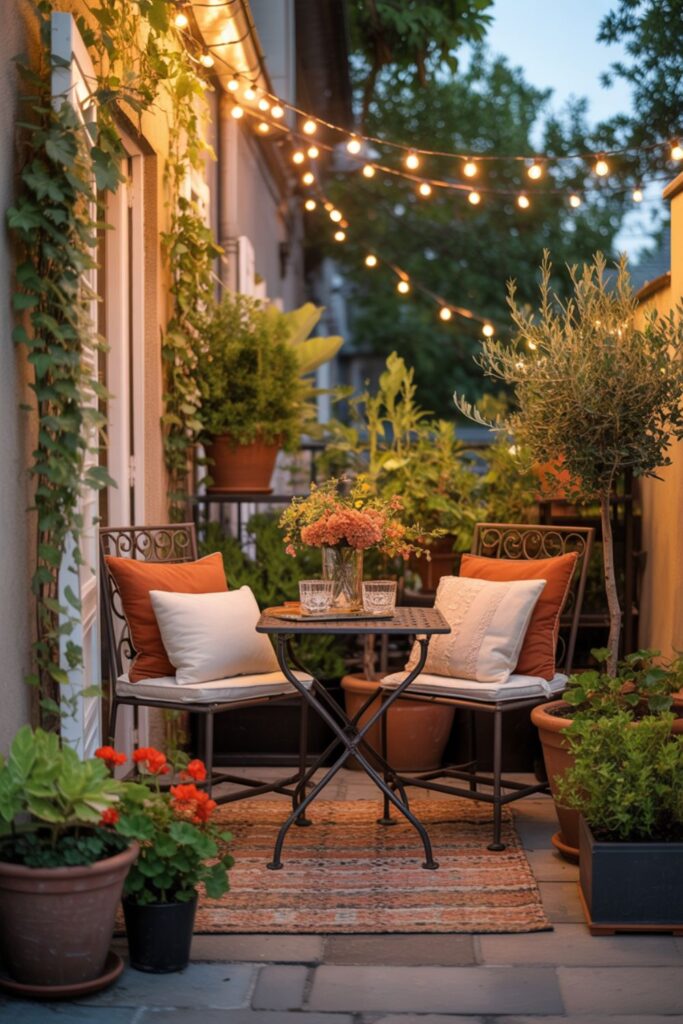
Small patios feel coziest when they embrace their intimate scale rather than fighting it. Use appropriately sized furniture avoiding oversized pieces that overwhelm limited space, choose loveseats over full sofas, and select armless chairs consuming less visual space. Define boundaries clearly using outdoor rugs, low planters, or subtle grade changes making small areas feel like intentional rooms rather than leftover spaces.
Vertical elements maximize small footprints, trellises, living walls, and tall planters add greenery and privacy without consuming precious floor area. Hang string lights overhead to define ceiling planes making spaces feel enclosed and room-like despite lack of physical walls. Mount fold-down tables or wall-mounted shelves providing function when needed but disappearing when not in use, maintaining flexibility in tight quarters.
What Colors Make Outdoor Spaces Feel Warm?
Warm color palettes using reds, oranges, yellows, and warm browns create inviting outdoor spaces feeling cozy rather than cold or stark. These colors psychologically warm spaces while complementing natural materials like wood and stone dominating outdoor environments. Terracotta containers, rust-colored cushions, golden-yellow throw pillows, and warm wood furniture tones layer together creating cohesive warmth.
Avoid excessive cool blues and grays that can feel cold despite contemporary appeal if using cool tones, balance them with warm accents in textiles, wood elements, or metallic finishes in copper or bronze rather than chrome. Rich jewel tones like deep burgundy, forest green, or navy blue provide saturated color feeling substantial and enveloping rather than pale, washed-out pastels that lack the visual weight coziness requires.
Read More About: 29+ Beautiful Summer Landscaping Ideas for a Stunning Yard
How Can You Make Outdoor Furniture More Comfortable?
Deep seat cushions (4-6 inches thick) dramatically improve comfort compared to standard 2-3 inch pads many outdoor sets include. Upgrade cushions separately if furniture comes with inadequate padding, investing in quality foam that maintains shape rather than flattening after single seasons. Add lumbar pillows or back cushions if furniture lacks adequate support, ensuring seating encourages extended sitting rather than enduring it.
Layer blankets and throws accessible in decorative baskets or storage ottomans so guests can add warmth during cool evenings without hosts scrambling for supplies. This provision signals thoughtfulness while preventing early gathering endings when temperatures drop. Choose machine-washable throws simplifying cleaning when textiles inevitably get dirty from outdoor use.
Do You Need a Roof for Cozy Outdoor Spaces?
Solid roofs aren’t necessary for coziness, pergolas, shade sails, or large umbrellas provide overhead definition creating room-like enclosure without full weather protection. These partial covers reduce harsh sun exposure making spaces comfortable while the open sides maintain outdoor connections and ventilation preventing spaces from feeling stuffy. The overhead plane itself matters more than weatherproofness for psychological coziness, though protection obviously increases usability during inclement weather.
Retractable awnings or pergola canopies provide flexible coverage allowing choice between protected and open-sky experiences based on weather and preference. This flexibility prevents commitment to always-covered or never-covered extremes, adapting to varying conditions and uses. Even large market umbrellas positioned over seating areas provide sufficient overhead coverage creating cozy effects without permanent structure investments.
Frequently Asked Questions
How do you keep outdoor living spaces cozy in different seasons?
Layer flexible elements allowing adjustment across seasons add heavy throws and outdoor heaters for fall and winter, then remove them for summer when lighter textiles and shade become priorities. Incorporate evergreen plantings maintaining year-round structure while seasonal containers provide changeable color. Store delicate textiles and decorative items during harsh weather, bringing them out during prime outdoor seasons when they’ll be appreciated and protected from unnecessary weathering.
What’s the best flooring for cozy outdoor living spaces?
Outdoor rugs over existing hard surfaces provide instant warmth and softness without permanent modifications. For permanent improvements, wood decking feels warmer underfoot than concrete or stone while synthetic deck materials offer similar appearance with less maintenance. Stained or stamped concrete in warm earth tones feels less institutional than plain gray, while natural stone in gold or rust tones provides organic beauty suiting cozy aesthetics better than cold gray slate.
How many throw pillows should you use on outdoor furniture?
Use enough pillows making furniture look abundant and inviting without so many that sitting requires removing half of them. Typically 2-3 pillows per seat works well, perhaps two decorative squares (18-20 inches) plus one lumbar pillow (12×20 inches), or one large square (22-24 inches) with one smaller accent. Layer sizes and patterns within coordinated color stories prevent monotony while maintaining visual cohesion across seating arrangements.
Can you make covered patios feel cozier?
Covered patios sometimes feel too enclosed or dark requiring strategic lighting and decoration. Install multiple light sources at varying heights preventing the single overhead fixture approach that creates harsh, unflattering illumination. Add ceiling fans improving air circulation while their movement adds visual interest. Paint ceilings haunt blue or light colors preventing dark overhead planes from feeling oppressive, and hang plants or light fixtures adding interest to often-overlooked ceiling areas.
What weather-resistant materials look most cozy?
Weather-resistant fabrics in textured weaves or soft polyester blends provide visual and physical softness rivaling indoor textiles. Synthetic wicker furniture feels warmer than metal while requiring minimal maintenance. Teak and cedar woods develop attractive patinas aging beautifully rather than looking worn. Avoid excessive glass and chrome that read cold despite contemporary appeal, opting instead for wood, wicker, or powder-coated metals in warm bronze or copper finishes.
Conclusion
Cozy outdoor living space ideas transform basic patios and decks into genuine outdoor rooms where families naturally spend time rather than spaces reserved for occasional entertaining. The strategies outlined here from layered textiles and ambient lighting to privacy screening and fire features create the warmth and comfort making outdoor spaces as inviting as interior rooms while celebrating the unique advantages outdoor settings provide. Success comes from layering multiple cozy elements rather than depending on single solutions, building spaces gradually through textile additions, lighting improvements, and furnishing choices that prioritize comfort over appearance alone.
Start enhancing your outdoor spaces by addressing the most impactful elements first add string lights for instant evening warmth, layer in cushions and outdoor rugs for softness, and create conversation areas with proper furniture arrangement. Remember that coziness develops gradually through accumulated details and personal touches rather than appearing instantly through expensive purchases, making these improvements accessible regardless of budget while delivering increasing returns as spaces evolve into genuinely cherished extensions of indoor living areas. Your commitment to creating comfortable, inviting outdoor environments will transform how your family experiences home, shifting time and attention outdoors where connection with nature and each other happens more naturally than within four walls.