Fake Plants Stylish Ways to Transform Your Home Décor

Fake plants have evolved far beyond the dusty plastic greenery people once hid in office corners. Today’s artificial plants are sophisticated, stylish, and incredibly realistic, making them one of the biggest modern interior design trends. From luxury apartments to cozy studio spaces, faux greenery has become a must-have décor element for homeowners who want beauty without the maintenance.
The growing popularity of fake plants is closely connected to modern lifestyles. Many people love the calming aesthetic of indoor greenery but struggle with watering schedules, poor lighting, or busy routines. High-quality faux plants solve all of these problems while still delivering the warmth, texture, and natural feel associated with real botanical décor.
Interior stylists now use fake olive trees, hanging vines, artificial palms, and sculptural faux plants in almost every design style—from minimal Scandinavian homes to bold contemporary interiors. Social media platforms are filled with trending fake plant ideas that instantly elevate a room and create a polished, designer-inspired atmosphere.
Whether you want to decorate a living room, bedroom, office, or balcony, fake plants offer endless styling opportunities that are affordable, versatile, and visually stunning.
Latest Trends in Fake Plants

Modern fake plants are designed with extraordinary realism. One of the biggest trends this year is oversized statement greenery. Tall faux olive trees, artificial bird-of-paradise plants, and large fiddle leaf figs are being used to create dramatic focal points in living rooms and entryways. These pieces instantly add height and sophistication to otherwise empty corners.
Another popular trend is the use of hanging artificial plants. Designers are incorporating faux ivy, eucalyptus vines, and trailing pothos into shelves, kitchens, and bathroom spaces to soften interiors and add movement. These modern designs work especially well in apartments where natural sunlight may be limited.
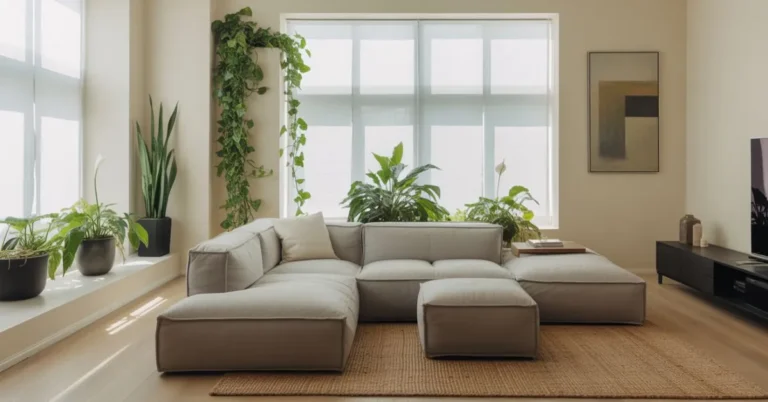
Minimalist interiors are also embracing subtle greenery. Instead of overcrowding spaces with many decorative elements, stylists now prefer one or two carefully selected fake plants placed in ceramic or textured planters. This clean, intentional look aligns perfectly with contemporary home décor trends.
Textured botanical arrangements are also dominating social media. Mixed faux greenery featuring dried-look leaves, pampas grass, and artificial succulents creates a layered, organic appearance that feels luxurious and modern.
Best Styles, Ideas & Designs
Minimalist Fake Plant Styling
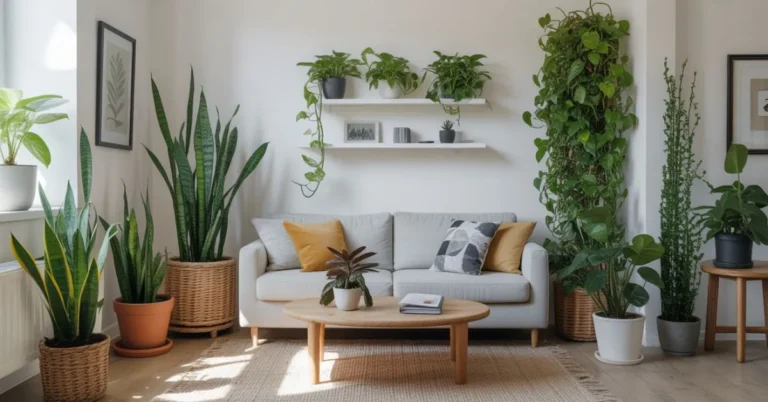
Minimalist décor works beautifully with simple greenery. A single artificial snake plant in a matte white planter can completely transform a room without overwhelming the space. This style suits people who prefer calm, clutter-free interiors with modern elegance.
Tropical-Inspired Faux Plants
Large artificial monstera leaves and palm trees are ideal for creating vacation-inspired interiors. These styles are trending because they bring warmth and energy into neutral spaces. Tropical fake plants pair especially well with rattan furniture, linen fabrics, and warm wood tones.
Rustic Farmhouse Greenery
For farmhouse-inspired interiors, faux eucalyptus wreaths and olive branches are extremely popular. They add softness and character while maintaining a cozy, welcoming atmosphere. These designs work beautifully in kitchens and dining areas.
Luxury Faux Botanical Arrangements
Luxury interiors often feature oversized arrangements in designer vases. Faux orchids, sculptural branches, and elegant artificial bonsai trees create a high-end aesthetic commonly seen in boutique hotels and celebrity homes.
Seasonal Colors & Combinations

Seasonal styling plays a huge role in fake plant décor trends. During spring and summer, lighter greens paired with soft beige, cream, and sandy tones create a fresh, airy atmosphere. Artificial eucalyptus and delicate olive branches are especially popular during warmer months because they feel clean and organic.
Autumn interiors typically feature deeper greenery mixed with warm earth tones such as terracotta, caramel, and rust. Faux plants styled in woven baskets or ceramic pots create a cozy seasonal aesthetic that feels inviting and sophisticated.
Winter décor trends often combine dark green artificial plants with metallic accents like gold and black. Faux pine branches, frosted greenery, and elegant white orchids help create a luxurious seasonal mood perfect for festive interiors.
Color combinations also influence personality and atmosphere. Bright green plants create energetic spaces, while muted sage tones feel calming and modern. Designers often use greenery strategically to balance bold furniture or soften minimalist interiors.
Read More About: Gothic Plants Dark Aesthetic Indoor Styling Guide 2026
Step-by-Step Guide to Styling Fake Plants
The first step in decorating with fake plants is choosing the right size for your space. Oversized plants work best in open corners, while smaller arrangements suit shelves, desks, and coffee tables.
Next, select realistic planters that complement your interior style. Ceramic pots create a modern aesthetic, while woven baskets feel more relaxed and natural. The container is just as important as the plant itself because it influences the overall visual impact.
Placement is another essential styling factor. Professional interior designers often place fake plants near natural light sources, even though they do not need sunlight. This trick enhances realism and makes the greenery appear authentic.
Layering also creates a designer-inspired look. Combine tall floor plants with smaller tabletop greenery to create depth and visual balance throughout the room.
Finally, occasionally reshape the leaves and branches. High-quality fake plants often arrive compressed, and adjusting them properly makes them appear fuller and more lifelike.
Styling Ideas for Different Occasions

Fake plants are incredibly versatile for everyday living and special events. In daily home styling, they create calming environments that make rooms feel polished and inviting. A faux plant beside a reading chair or bed instantly adds warmth and personality.
For dinner parties and celebrations, artificial greenery can become elegant table décor. Faux eucalyptus runners paired with candles create sophisticated centerpieces without worrying about wilting leaves.
Weddings increasingly use luxury faux floral installations because they are cost-effective and reusable. Large botanical arches and hanging greenery installations create dramatic visual impact while remaining practical.
In office settings, fake plants improve visual comfort and make workspaces feel less sterile. Artificial desk plants and corner palms are commonly used in modern professional interiors.
Celebrity & Social Media Trends
Celebrities and influencers have played a huge role in making fake plants fashionable again. Luxury home tours on social media frequently feature oversized olive trees, sculptural cactus arrangements, and dramatic tropical greenery.
Interior influencers on platforms like Pinterest and Instagram often style artificial plants with neutral color palettes, textured fabrics, and contemporary furniture. This combination creates the modern “organic luxury” aesthetic that dominates current home décor trends.
Many celebrity homes also embrace low-maintenance luxury. Faux plants provide the elegant appearance of indoor gardens without requiring constant care, making them ideal for busy lifestyles.
Do’s and Don’ts
One important styling rule is choosing realistic designs. High-quality fake plants with natural color variations look far more sophisticated than overly shiny plastic versions.
Another key tip is maintaining balance. Too many artificial plants can make a room feel cluttered and unnatural. Instead, focus on strategic placement and intentional styling.
Avoid placing identical fake plants throughout every room. Variety creates a more authentic and curated appearance.
It is also important to clean faux greenery regularly. Dust buildup quickly reduces realism and can make even expensive arrangements appear cheap.
Common Mistakes to Avoid

One common mistake is selecting plants that are too small for the room. Tiny greenery in large open spaces often looks disconnected and ineffective. Scale matters greatly in interior design.
Another mistake is ignoring planter quality. Cheap containers can instantly downgrade the overall aesthetic, even if the fake plant itself looks realistic.
Many people also forget to style around the greenery. Faux plants should feel integrated into the décor rather than randomly placed objects. Pair them with books, candles, textiles, or decorative trays for a cohesive look.
Overusing bright artificial flowers can also create an outdated appearance. Modern interiors usually favor greenery-focused arrangements with subtle botanical accents.
Read More About: Bead Plants The Artistic Fusion of Nature & Beaded Decor Trends
Budget-Friendly Fake Plant Ideas
Affordable fake plants can still look stylish when styled correctly. Small artificial succulents, faux eucalyptus stems, and mini snake plants are inexpensive yet highly effective in modern interiors.
Thrift stores and budget home décor retailers often sell simple greenery that can be upgraded with better planters. Replacing cheap plastic pots with textured ceramic containers instantly elevates the overall appearance.
DIY arrangements are another smart option. Mixing individual faux stems into stylish vases creates custom décor that looks expensive without the designer price tag.
Premium & Luxury Ideas

Luxury fake plants focus heavily on realism, scale, and presentation. Oversized olive trees with textured trunks are among the most sought-after premium décor pieces today.
High-end interiors also use custom botanical installations, including faux green walls and dramatic ceiling greenery. These statement features create an unforgettable designer atmosphere.
Professional stylists often combine luxury artificial plants with marble surfaces, sculptural furniture, and layered lighting for a refined contemporary aesthetic.
How to Maintain & Care for Fake Plants
Although fake plants require less maintenance than real greenery, regular care is still essential. Dust the leaves weekly using a microfiber cloth or soft brush to maintain a fresh appearance.
For deeper cleaning, wipe leaves gently with a damp cloth. Avoid harsh cleaning chemicals because they may damage delicate finishes or discolor the material.
Keep artificial plants away from excessive direct sunlight for long periods, as UV exposure can eventually fade colors.
Fluffing branches and rotating arrangements occasionally also helps maintain a natural, realistic appearance.
Comparison Table
| Style | Best Season | Suitable Space | Maintenance Level | Overall Aesthetic |
| Faux Olive Tree | All Seasons | Living Room | Low | Modern Luxury |
| Artificial Palm | Summer | Bedroom/Office | Low | Tropical Modern |
| Faux Eucalyptus | Spring | Bathroom/Kitchen | Very Low | Soft Minimalist |
| Artificial Orchid | Winter | Dining Area | Medium | Elegant Luxury |
| Faux Succulents | All Seasons | Desk/Shelves | Very Low | Contemporary |
Expert Tips & Pro Hacks
Use real soil or moss on top of fake plant pots to improve realism instantly.
Mix artificial greenery with natural materials like wood, linen, and stone for a balanced look.
Place fake plants near mirrors to create the illusion of larger, brighter interiors.
Choose asymmetrical arrangements because they appear more natural and modern.
Layer different plant heights to create designer-level depth and dimension.
Trend Forecast for Upcoming Year
The upcoming year is expected to bring even more realistic faux greenery with textured finishes and sustainable materials. Designers predict that muted botanical tones, sculptural artificial trees, and oversized statement plants will continue dominating luxury interiors.
Biophilic design trends are also growing rapidly, meaning homeowners want spaces that feel connected to nature. Fake plants will remain central to this movement because they provide visual calm without requiring constant upkeep.
Smart décor styling with artificial greenery is also becoming increasingly popular in compact apartments and remote workspaces where low-maintenance beauty is essential.
FAQ’s
Are fake plants still trendy?
Yes, fake plants are one of the biggest modern home décor trends because they provide stylish greenery without maintenance challenges.
How do I make fake plants look more realistic?
Use high-quality planters, reshape leaves naturally, clean them regularly, and place them near natural light.
Which fake plants are best for modern interiors?
Faux olive trees, snake plants, eucalyptus stems, and minimalist tropical plants are extremely popular in contemporary homes.
Can fake plants work in small apartments?
Absolutely. Small faux plants help soften compact spaces while adding texture and warmth without requiring sunlight.
Are luxury fake plants worth it?
Premium faux greenery often looks incredibly realistic and lasts for years, making it a worthwhile investment for stylish interiors.
How often should fake plants be cleaned?
Light dusting once a week and deeper cleaning every few months keeps them looking fresh and realistic
Conclusion
Fake plants have become far more than simple decorative accessories. They are now an essential part of modern interior styling, offering elegance, versatility, and effortless beauty for every type of home. Whether you prefer minimalist greenery, tropical statement pieces, or luxury botanical arrangements, artificial plants provide endless ways to transform your living space.
By combining trending styles, thoughtful placement, and professional styling techniques, you can create interiors that feel fresh, sophisticated, and welcoming all year round. Start experimenting with modern fake plant ideas today and discover how effortless greenery can completely elevate your home décor.