Flower Garden Beds Ideas to Refresh Your Outdoor Space

You stare at your yard and see nothing but potential wasted. That bare patch of dirt or struggling patch of grass could be a vibrant showcase of flower garden beds ideas bursting with color. The frustration grows every spring when neighbors unveil their stunning displays while your landscape remains ordinary. You’ve tried tossing random plants into the ground, but they never seem to thrive or look intentional. The truth is, creating beautiful flower garden beds requires more than enthusiasm; it demands proper planning, smart design, and understanding what makes plants flourish.
This comprehensive guide walks you through every step of transforming your outdoor space with properly designed flower garden beds ideas that attract attention, support healthy growth, and bring joy throughout the seasons.
Read More About: Best Flower Planting Ideas Outdoor to Create Blooming Gardens
What Are Flower Garden Beds and Why Do They Matter?
Flower garden beds are designated areas in your landscape specifically designed for growing ornamental plants, creating focal points, and adding structured beauty to your property. Unlike randomly scattered plantings, these beds provide defined spaces where flowers receive optimal growing conditions while contributing to your overall landscape design.
These dedicated spaces matter because they solve multiple problems simultaneously. Well-designed flower garden beds improve soil preparation and drainage, making it easier for roots to establish and plants to thrive. They create visual boundaries that guide the eye through your landscape, adding depth and dimension that flat lawns simply cannot achieve. According to the National Association of Realtors, quality landscaping can increase property value by up to 12%, with flower garden beds ideas being one of the most cost-effective improvements homeowners can make.
Beyond aesthetics and value, flower garden beds ideas serve practical purposes. They reduce lawn maintenance by replacing grass with manageable planting beds that require less mowing and watering. They provide habitat for pollinators like bees and butterflies, supporting local ecosystems. The elevated structure of raised garden beds offers easier access for people with mobility challenges, while improved drainage prevents the waterlogged conditions that kill many plants.
How Do You Choose the Perfect Location for Your Flower Garden Beds?
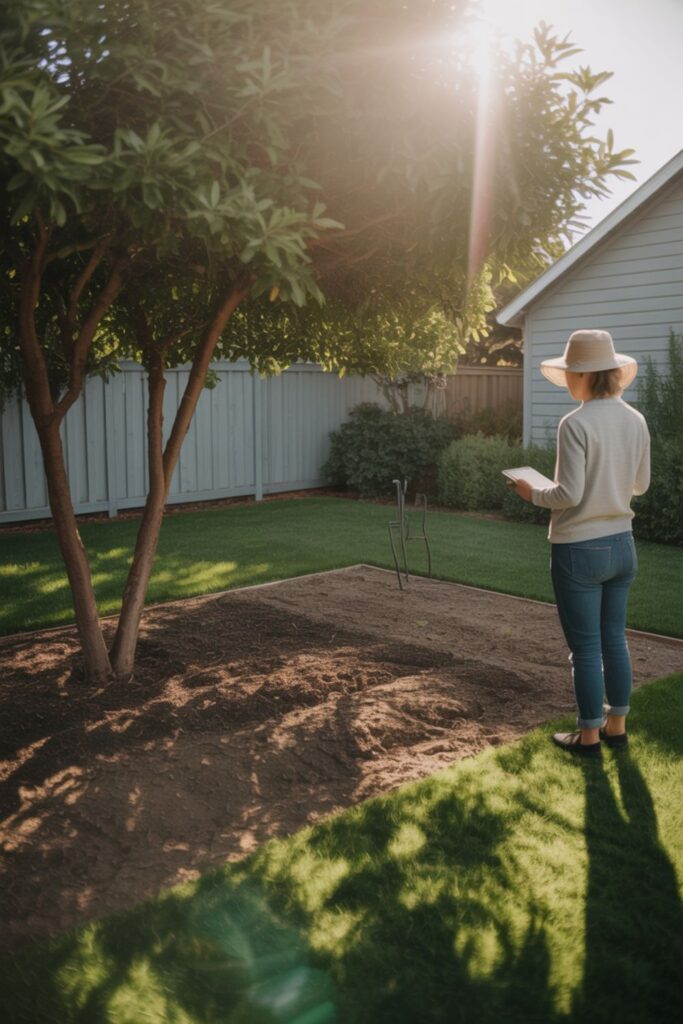
Location determines whether your flower garden beds ideas become thriving showcases or disappointing struggles. Start by observing sunlight requirements across your property throughout the day. Most flowering plants need 6-8 hours of direct sun, though shade-loving varieties thrive with less. Walk your property at different times morning, noon, and late afternoon noting which areas receive full sun, partial shade, or complete shade.
Drainage ranks equally important as sunlight. Stand in potential locations during or immediately after rain, watching where water pools and where it flows away. Avoid low spots where water collects, as soggy soil suffocates roots and promotes disease. If you’re stuck with poor drainage, raised garden beds solve this problem by elevating plants above problem areas. Test drainage by digging a 12-inch hole, filling it with water, and timing how long complete absorption takes. Ideal drainage empties within 4-6 hours.
Consider visibility and accessibility when planning placement. Position flower garden beds ideas where you’ll see them from windows, patios, or main walkways to maximize enjoyment. Place beds within comfortable reach of water sources, as hauling hoses across entire properties becomes tedious quickly. Think about maintenance access to leave enough space between beds and structures for comfortable weeding and mulch application. Your garden bed design should account for these practical considerations from the start, preventing frustration later.
Understanding Your Soil Type and Preparation Needs
Your existing soil type dramatically affects which plants succeed and how much soil preparation you’ll need. Clay soil drains poorly but holds nutrients well, while sandy soil drains quickly but needs frequent fertilizing. Loamy soil the gardener’s gold standard balances drainage and nutrition perfectly. Grab a handful of moist soil and squeeze it. Clay forms a tight ball that holds shape, sand crumbles immediately, and loam holds shape but breaks apart with light pressure.
Most flower garden beds ideas benefit from adding 2-4 inches of compost regardless of soil type. Compost improves clay drainage, helps sand retain moisture, and feeds beneficial microorganisms that support plant health. Mix compost thoroughly into the top 8-12 inches of soil before planting. For severely compacted or poor soil, consider building raised garden beds and filling them with quality garden soil mixed with compost, bypassing problem ground entirely.
What Are the Best Design Principles for Flower Garden Beds?
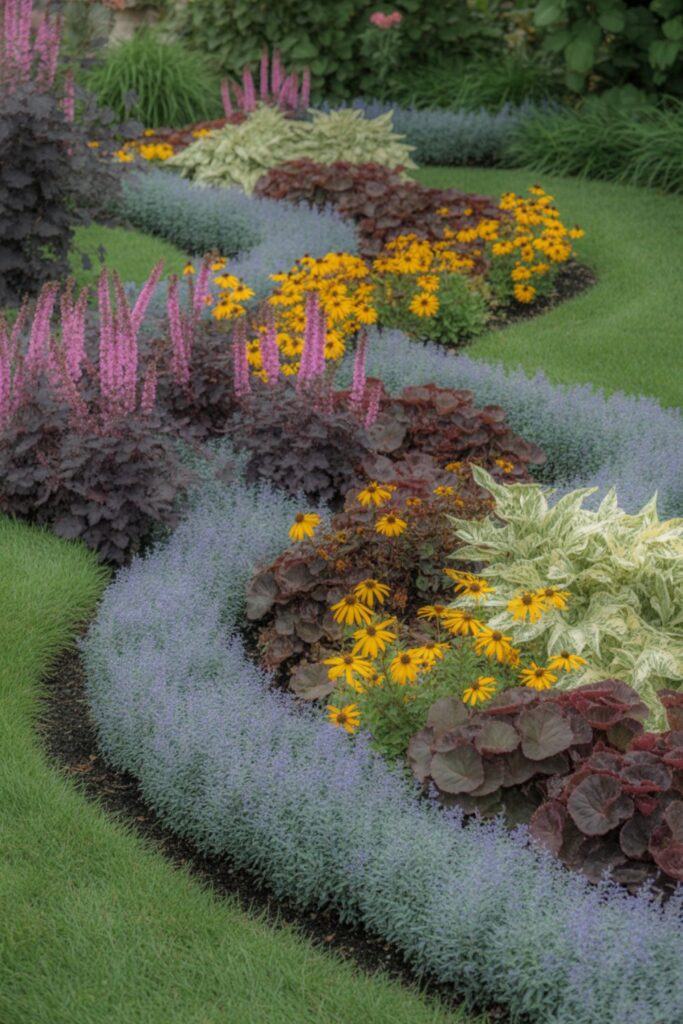
Successful flower garden beds ideas follow time-tested principles that create visual harmony while supporting plant health. The “thriller, filler, spiller” approach provides a simple framework: place tall, dramatic plants (thrillers) in back or center, medium-height plants (fillers) around them, and trailing plants (spillers) along edges. This layering ensures every plant receives adequate sunlight while creating depth and dimension.
Color schemes transform random plantings into cohesive displays. Monochromatic schemes use varying shades of one color for sophisticated elegance. Complementary schemes pair opposite colors on the color wheel purple and yellow, blue and orange for bold contrast. Analogous schemes combine neighboring colors like pink, purple, and blue for harmonious blends. Whatever scheme you choose, repeat it throughout your landscape design for unity.
Scale and proportion prevent awkward imbalances. As a rule, flower garden beds ideas should measure at least 3-4 feet wide for single-sided viewing (against fences or walls) and 5-6 feet wide for beds viewed from multiple sides. Length depends on space, but maintaining a length-to-width ratio of 2:1 or 3:1 creates pleasing proportions. Don’t make beds so wide that you cannot reach the center for maintenance. 4 feet represents maximum comfortable reach from one side.
Selecting the Right Edging Materials
Edging materials define bed boundaries, prevent grass invasion, and contribute significantly to overall appearance. Natural stone offers timeless beauty and exceptional durability, though costs run higher. Brick provides classic appeal and works well in traditional landscapes, creating clean lines that age gracefully. Metal edging materials like steel or aluminum offer sleek, modern aesthetics with minimal visual intrusion, practically disappearing while still containing mulch effectively.
Wood edging brings warmth and works beautifully in cottage-style gardens, though untreated wood requires replacement every 3-5 years. Plastic edging costs least but looks cheapest acceptable when hidden by plants but obvious in sparse beds. Concrete garden borders deliver permanence and can be shaped into curves, though installation requires more skill. Choose materials that complement your home’s architecture and existing landscape features for cohesive design.
How Do You Build Raised Garden Beds for Better Results?

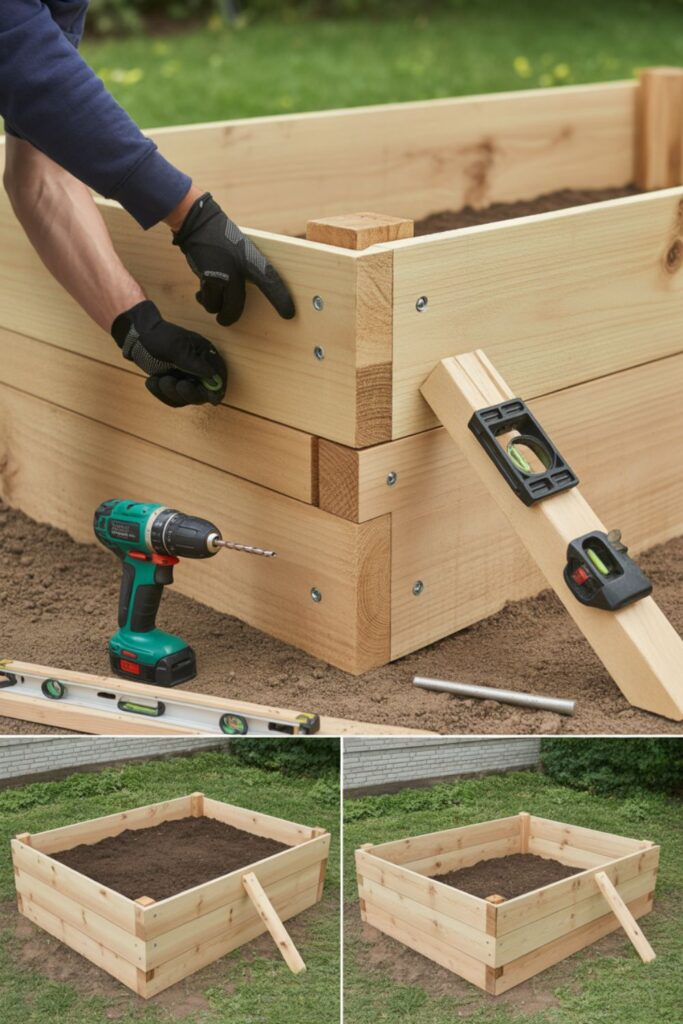
Raised garden beds solve drainage problems, extend growing seasons with warmer soil, and provide easier access for planting and maintenance. Standard heights range from 6-12 inches for decorative flower garden beds, though 18-24 inches works better for people with mobility concerns. Build with rot-resistant wood like cedar or redwood, avoiding treated lumber that can leach chemicals near edibles (though it’s fine for ornamental flowers).
Construct rectangular frames by cutting boards to desired lengths and fastening corners with 3-inch exterior screws. Level the ground first, removing existing grass and weeds. Line the bottom with landscape fabric to prevent weed growth while allowing water drainage. Fill with a mixture of 60% topsoil, 30% compost, and 10% additional amendments like peat moss or coconut coir for improved moisture retention.
Position raised garden beds with the same consideration for sunlight requirements and drainage as in-ground beds. The elevated structure provides excellent drainage, but you’ll water more frequently since raised beds dry faster than ground level. This trade-off is worth accepting, as the improved soil conditions and accessibility make raised garden beds highly productive and easier to maintain throughout the growing season.
In-Ground vs. Raised Flower Garden Beds
Choosing between in-ground and flower garden beds ideas depends on your specific situation. In-ground planting beds work beautifully when you have quality existing soil, good natural drainage, and unlimited space. They blend seamlessly into landscape design and require less initial investment since you’re working with what’s already there. In-ground beds also maintain moisture better during hot summers, reducing watering needs.
Raised garden beds excel when dealing with poor soil, drainage issues, or limited mobility. They warm up faster in spring, extending your growing season by 2-3 weeks. The defined structure keeps paths clean and mulch contained. You control the soil mixture completely, ensuring optimal conditions from day one. For rental properties or temporary installations, raised garden beds offer portability that in-ground flower garden beds cannot match.
Which Flowers Work Best for Different Bed Designs?
Perennial flower beds provide reliable beauty that returns year after year with minimal replanting. Coneflowers, black-eyed Susans, and daylilies tolerate various conditions while delivering extended bloom periods. Hostas and ferns excel in shady flower garden beds ideas where sun-loving plants struggle. Salvia, Russian sage, and catmint attract pollinators while requiring minimal maintenance once established.
Annual flowers offer flexibility to change color schemes each season and fill gaps in new perennial flower beds. Petunias, marigolds, and zinnias bloom continuously from late spring through frost, providing constant color. Impatiens and begonias brighten shady areas where few perennials flower. Mixing perennials for structure with annuals for continuous color creates dynamic flower garden beds ideas that evolve throughout the season.
Consider plant spacing carefully to prevent overcrowding that invites disease and reduces air circulation. Read plant tags for mature size and space accordingly, even though young plants look sparse initially. Most perennials need 12-18 inches between plants, while annuals often thrive at 6-12 inches. Proper spacing allows each plant to reach its full potential while making maintenance tasks like weeding and deadheading more accessible.
Creating Seasonal Interest in Your Flower Garden Beds
The best flower garden beds ideas provide visual interest across all four seasons, not just summer. Spring bulbs like tulips, daffodils, and crocuses deliver early color when little else blooms. Plant bulbs in fall, positioning them in groups of 5-7 for impact rather than scattering individually. Summer brings peak bloom from most perennials and annuals, creating the main show in your landscape design.
Fall extends seasonal blooms with asters, sedum, and ornamental grasses that shine as temperatures cool. Many perennials develop attractive seed heads that provide winter interest while feeding birds. Evergreen shrubs or ornamental grasses offer structure when herbaceous plants die back. Planning for seasonal blooms means selecting plants with staggered bloom times and considering winter appearance during the design phase of your flower garden beds ideas.
What Maintenance Do Flower Garden Beds Require?
Regular maintenance keeps flower garden beds ideas looking their best while preventing small problems from becoming major issues. Apply 2-3 inches of organic mulch annually, pulling it away from plant stems to prevent rot. Mulch suppresses weeds, retains moisture, regulates soil temperature, and breaks down over time to improve soil quality. Shredded hardwood bark and pine needles work excellently, lasting longer than grass clippings or leaves.
Watering needs vary by climate, soil type, and plant selection. Most established flower garden beds ideas need 1 inch of water weekly, either from rain or irrigation. Water deeply but infrequently to encourage deep root growth rather than shallow, frequent watering that creates weak root systems. Morning watering reduces disease risk by allowing foliage to dry before evening. Raised garden beds typically require more frequent watering than in-ground planting beds due to faster drainage.
Deadheading removing spent flowers encourages many plants to produce additional blooms while keeping beds tidy. Cut back perennials in late fall or early spring before new growth emerges. Divide overgrown perennials every 3-5 years to maintain vigor and prevent crowding. Feed flower garden beds ideas with balanced fertilizer in early spring and mid-summer, following package directions to avoid burning plants with excess nutrients.
Managing Weeds and Pests Naturally
Weed control starts with prevention through proper mulch application and dense plant spacing that shades soil, preventing weed seed germination. Hand-pull weeds when they’re small and soil is moist, removing entire root systems to prevent regrowth. Never let weeds go to seed in flower garden beds ideas, as one weed plant can produce thousands of seeds that plague your beds for years.
Most pests can be managed without harsh chemicals that harm beneficial insects. Spray aphids with strong water jets to dislodge them. Hand-pick larger pests like Japanese beetles in early morning when they’re sluggish. Encourage natural predators like ladybugs, lacewings, and birds by avoiding broad-spectrum pesticides. Companion planting with strongly scented herbs like lavender and rosemary can deter some pests while adding fragrance to your flower garden beds.
How Much Do Flower Garden Beds Cost to Install?
The budget varies dramatically based on size, materials, and whether you DIY or hire professionals. Simple in-ground flower garden beds ideas with basic edging materials and purchased plants cost $3-$8 per square foot for materials. Raised garden beds increase costs to $10-$20 per square foot depending on lumber choice and soil purchase. Professional installation adds $50-$100 per hour for labor, with complete garden bed design and installation running $15-$40 per square foot.
Save money by starting plants from seed rather than buying nursery stock, though this requires more patience and care. Divide existing perennials from other areas of your yard or trade with gardening friends for free plant material. Use less expensive edging materials like plastic or landscape timber where appearance matters less, saving stone and brick for highly visible areas. Building your own flower garden beds ideas costs half what pre-made kits charge.
Quality soil amendments and mulch represent ongoing costs but shouldn’t be skimped on. Poor soil leads to struggling plants and disappointing results, wasting money spent on plants that fail to thrive. Budget $100-$300 annually per 100 square feet of flower garden beds ideas for mulch, compost, fertilizer, and replacement plants. These investments maintain beauty and plant health, protecting your initial installation investment over time.
Read More About: Ideas For Garden Fences To Transform Your Yard Splendid
DIY vs. Professional Installation
Installing flower garden beds yourself saves significant money while providing satisfying hands-on creation. Simple rectangular beds require only basic tools and skills most homeowners possess. Online tutorials and local garden centers offer abundant guidance for beginners. DIY installation makes sense for straightforward design, smaller spaces, and when you enjoy physical outdoor work.
Professional installation becomes worthwhile for complex landscape design, large-scale projects, or when dealing with challenging terrain and drainage issues. Professionals bring experience in plant spacing, soil preparation, and design principles that prevent costly mistakes. They complete projects much faster than weekend DIY efforts and typically guarantee their work. Consider professional flower garden beds ideas consultation even if you’ll install yourself spending $100-$300 on expert advice can prevent expensive errors.
Frequently Asked Questions
How deep should flower garden beds be?
Most flower garden beds need 8-12 inches of quality soil for healthy root development. Shallow-rooted annuals succeed in 6-8 inches, while deep-rooted perennials prefer 12-18 inches. Raised garden beds should be at least 6 inches tall, with 10-12 inches providing better growing conditions and easier maintenance access.
What’s the best time to start flower garden beds?
Fall offers ideal conditions for creating new flower garden beds ideas, giving soil amendments time to settle and integrate before spring planting. Spring works well too, though wait until soil is workable and not soggy. Avoid creating beds during extreme summer heat or when ground is frozen in winter.
How do you prevent grass from invading flower beds?
Install proper edging materials that extend 3-4 inches below soil surface to block grass roots. Remove existing grass completely before creating beds, including roots. Apply thick mulch layers and edges regularly with a spade to cut invading grass runners before they establish in your flower garden beds.
Can flower garden beds be installed on slopes?
Yes, but slopes require terracing with raised garden beds or retaining walls to prevent soil erosion and water runoff. Build multiple level beds stepping down the slope rather than one angled bed. This approach improves drainage control while making planting and maintenance much easier on steep terrain.
How many plants do I need for a flower bed?
Calculate based on mature plant spacing requirements, not current plant size. A 4×8 foot bed (32 square feet) needs about 10-12 plants spaced 18 inches apart, or 18-24 plants spaced 12 inches apart. Group odd numbers of the same variety for natural appearance in your flower garden beds.
Conclusion
Creating beautiful flower garden beds transforms ordinary landscapes into personal outdoor sanctuaries that provide year-round enjoyment. Success requires understanding fundamental principles of flower garden beds ideas, from proper site selection considering sunlight requirements and drainage to selecting compatible plants with staggered seasonal blooms. Whether you choose in-ground planting beds or raised garden beds, investing time in proper soil preparation, appropriate edging materials, and thoughtful plant spacing establishes the foundation for thriving displays.
The ongoing rewards far exceed initial efforts as your flower garden beds mature into vibrant focal points that increase property value while attracting beneficial pollinators. Start with manageable projects that match your skill level and available time, expanding as confidence grows. Remember that even experienced gardeners view their work as evolving projects rather than finished products. Apply these proven techniques to create landscape design elements that bring daily joy and seasonal transformation to your outdoor living space.