20+Bloom-Filled Flower Garden Ideas for a Stunning Outdoor Space
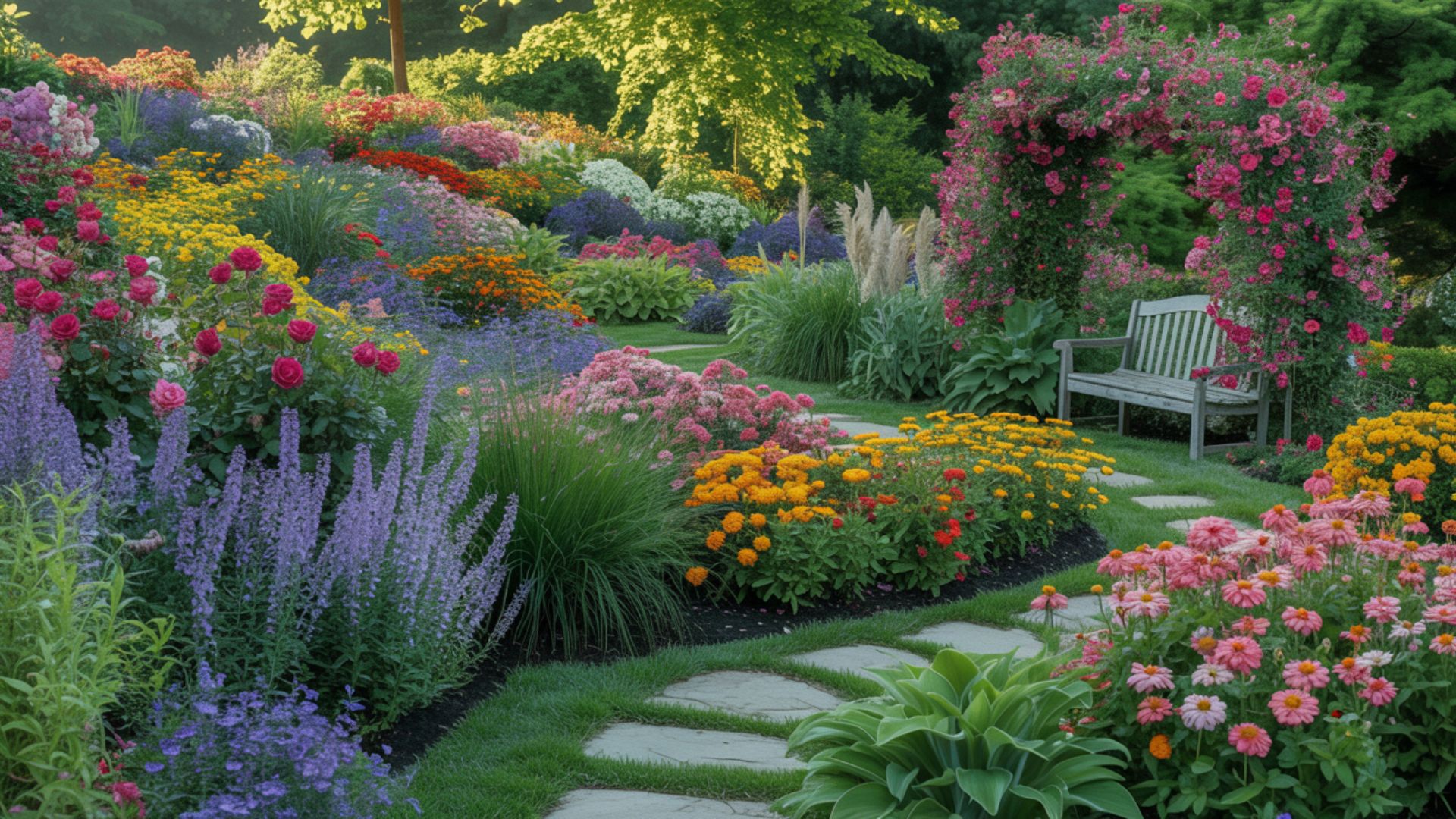
Your yard holds potential that fades with each passing season while neighbors showcase vibrant blooms that capture every passerby’s attention. You’ve planted random flowers with disappointing results sparse patches, clashing colors, and bare spots that expose your lack of planning. The frustration grows as you realize beautiful gardens don’t happen accidentally, yet professional landscape designers charge thousands for consultations alone.
Creating stunning flower garden ideas doesn’t require formal training or unlimited budgets. Strategic planning transforms even small spaces into layered displays that deliver continuous bloom time from spring through fall. Whether you’re working with a sprawling backyard garden, modest front yard landscaping, or compact raised bed garden spaces, understanding design principles, plant selection, and layout strategies empowers you to craft personalized floral showcases. This comprehensive guide reveals how to choose complementary colors, layer plants by height and season, prepare soil properly, and maintain gardens that evolve more beautifully each year while fitting your lifestyle and climate.
What Are the Essential Elements of Flower Garden Design?
Successful garden design balances aesthetics with practical considerations that determine whether your vision thrives or struggles. Understanding foundational elements prevents costly mistakes and replanting.
Sunlight requirements dictate plant success more than any other factor observed your space throughout the day to identify full sun (6+ hours direct light), partial shade (3-6 hours), or full shade zones before selecting plants. Soil preparation involving testing pH levels, adding organic matter, and ensuring proper drainage creates the foundation for healthy root systems. Hardiness zones indicate which plants survive winter temperatures in your region; the USDA Plant Hardiness Zone Map guides selections matching your climate.
How Do You Choose Between Annuals and Perennials?
The annual flowers versus perennial flowers decision shapes your garden’s maintenance needs, budget, and seasonal appearance. Each category offers distinct advantages fitting different gardening styles.
Annual flowers complete their entire lifecycle in one growing season, delivering non-stop blooms from planting until frost kills them. Petunias, marigolds, zinnias, and impatiens exemplify annuals that provide reliable color but require replanting annually. They’re perfect for renters, commitment-phobes, or gardeners who enjoy changing designs yearly. Annuals typically cost less per plant but accumulate expenses over time with repeated purchases. Perennial flowers return year after year from the same root systems, growing larger and producing more blooms with age.
What Are the Best Flower Garden Layouts?
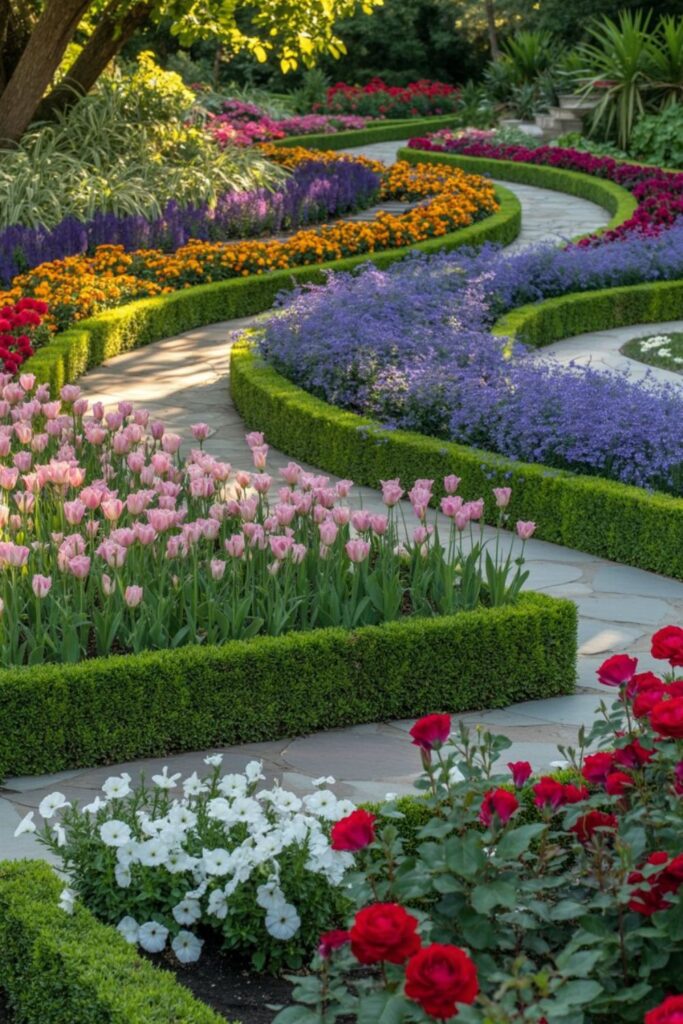
Flower bed layout options range from formal geometric patterns to naturalistic drifts. Your chosen structure should complement your home’s architecture and personal aesthetic preferences.
Traditional border gardens place flowers along property lines, fences, or pathways with taller plants backing shorter ones. Island beds sit within lawn areas, viewable from all sides, requiring height gradation toward the center. Cottage garden designs embrace controlled chaos with plants spilling over pathways, self-seeding freely, and mixing flowers, vegetables, and herbs in charming informality. Formal parterres feature geometric shapes with tightly clipped hedges defining distinct sections perfect for traditional or historic homes.
How Do You Create a Year-Round Blooming Schedule?
Strategic succession planting ensures continuous color from early spring through fall frost. Planning bloom sequences prevents the dreaded midsummer doldrums when nothing flowers.
Begin with spring bulbs like crocuses, daffodils, and tulips that emerge while trees remain bare. Overlap these with early perennial flowers including hellebores, bleeding hearts, and primroses. As spring transitions to summer, introduce peonies, irises, and early roses. Peak summer showcases daylilies, coneflowers, black-eyed Susans, and heat-loving annual flowers like zinnias and marigolds. Late summer through fall relies on sedum, asters, mums, and ornamental grasses that shine as temperatures cool.
Read More About: Cozy Fireplace Aesthetic To Create a Warm Winter Retreat
What Are the Most Beginner-Friendly Flowers?
Starting with foolproof varieties builds confidence and creates early success that motivates continued gardening. These reliable performers tolerate beginner mistakes while delivering impressive results.
Perennial flowers like coneflowers, black-eyed Susans, daylilies, and hostas survive drought, poor soil, and neglect while multiplying generously. They’re nearly impossible to kill and improve each year with minimal intervention. Sedum and salvia offer similar resilience with bonus pollinator appeal. Among annual flowers, zinnias, marigolds, sunflowers, and cosmos grow quickly from seed, tolerate heat and drought, and bloom prolifically without fussy requirements. Impatiens and begonias thrive in shade where other flowers struggle. Geraniums handle varied conditions and bloom continuously with occasional deadheading. Sweet alyssum and petunias self-clean without constant maintenance.
How Do You Design a Color Scheme That Works?
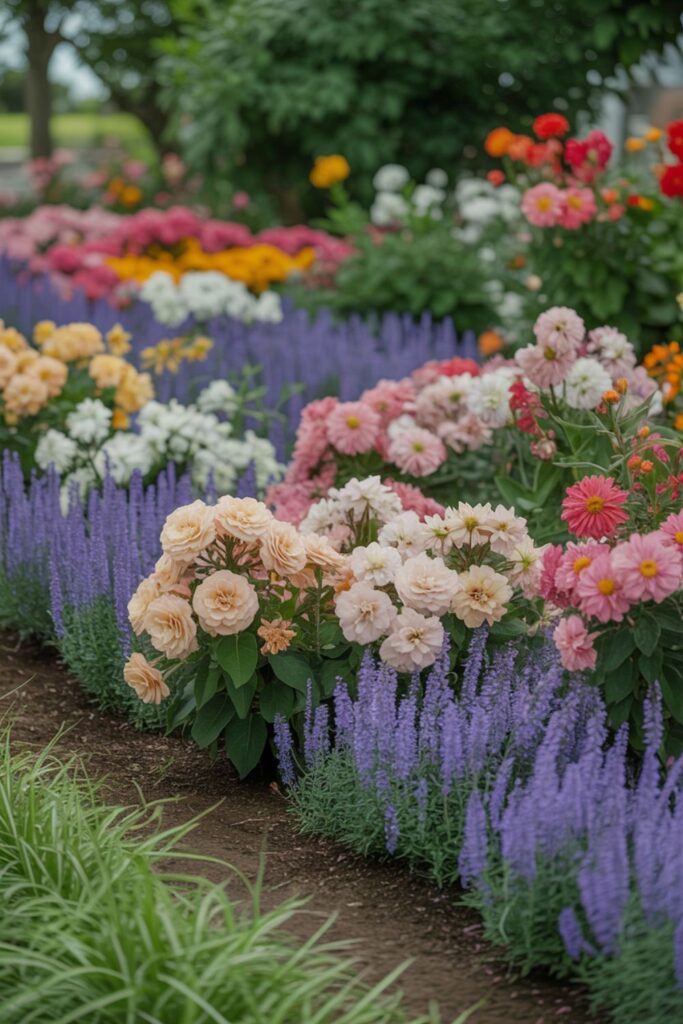
Garden color scheme choices dramatically impact emotional response and visual cohesion. Color theory principles guide selections that feel intentional rather than haphazard.
Monochromatic gardens using varied shades of one color all whites, purples, or yellows create sophisticated elegance and work beautifully in small spaces where multiple colors overwhelm. Complementary schemes pair opposite color wheel colors like purple and yellow or orange and blue for vibrant, energizing contrasts. Analogous palettes combine adjacent colors like pink, purple, and red for harmonious, easy-on-the-eye blends. Warm colors (reds, oranges, yellows) advance toward viewers, creating excitement and intimacy. Consider your home’s exterior colors complement rather than clash with siding, trim, and roof tones. Factor in foliage colors including silvers, chartreuses, and burgundies that provide interest beyond flowers.
Soil Preparation Do Flowers Need?
Proper soil preparation determines whether plants thrive or merely survive. Investing effort before planting pays dividends for years through healthier growth and better blooms.
Start by testing soil pH most flowers prefer slightly acidic to neutral (6.0-7.0 pH) though some like azaleas and hydrangeas want more acidic conditions. Test kits cost under $20 at garden centers and reveal whether amendments are necessary. Improve texture by incorporating 2-4 inches of compost or aged manure into the top 8-12 inches of existing soil. This organic matter improves drainage in clay soils and increases water retention in sandy soils while providing slow-release nutrients.
How Do You Create a Pollinator-Friendly Garden?
Pollinator garden designs support declining bee, butterfly, and hummingbird populations while ensuring robust flowering through effective pollination. These gardens benefit ecosystems and gardeners simultaneously.
Select native plants adapted to your region that evolved alongside local pollinators, coneflowers, milkweed, bee balm, and native asters attract diverse beneficial insects. Plant in large drifts of single species rather than scattered individuals so pollinators efficiently locate food sources. Choosing single-petal flowers over double fancy double blooms often lack accessible nectar and pollen. Include varied flower shapes serving different pollinator types tubular flowers for hummingbirds, flat landing pads for butterflies, small clustered blooms for native bees. Ensure bloom time overlaps throughout the growing season so pollinators find food from spring through fall. Provide water sources like shallow dishes with pebbles for landing spots.
Read More About: DIY Outdoor Fireplace Ideas for the Perfect Backyard Gathering
What Are Creative Small Space Garden Solutions?
Limited square footage doesn’t limit flower gardening possibilities. Strategic approaches maximize blooms in compact front yard landscaping or tiny backyard garden spaces.
Vertical gardening utilizes trellises, arbors, wall-mounted planters, and hanging baskets to grow upward rather than outward. Climbing roses, clematis, morning glories, and sweet peas provide substantial flower power in minimal ground space. Raised bed garden structures concentrate plants in defined areas while improving soil and drainage conditions. Container gardens offer ultimate flexibility to move pots to optimize sunlight requirements seasonally and rearrange for fresh looks. Window boxes transform architectural features into planting opportunities.
How Do You Maintain Gardens Throughout the Season?
Consistent garden maintenance determines whether initial beauty persists or degrades into weedy chaos. Establishing routines keeps work manageable rather than overwhelming.
Water deeply but infrequently to encourage deep root growth most established gardens need 1 inch weekly including rainfall. Early morning watering reduces disease by allowing foliage to dry before nightfall. Apply 2-3 inches of organic mulch around plants to suppress weeds, retain moisture, and regulate soil temperature. Replenish mulch annually as it decomposes. Deadheading spent blooms on varieties that don’t self-clean encourages additional flowering and prevents unwanted self-seeding. Remove dead, damaged, or diseased foliage promptly to maintain appearance and prevent problem spread.
What Are Popular Garden Styles to Consider?
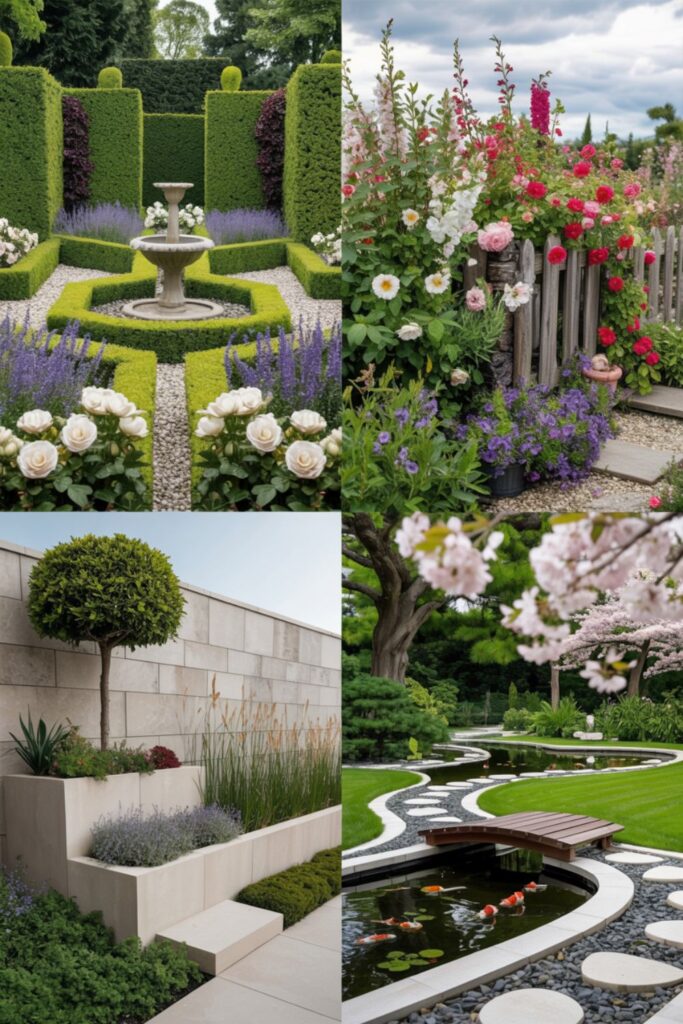
Different garden styles reflect varied aesthetics and maintenance philosophies. Understanding options helps you choose approaches matching your taste and available time.
Cottage garden designs embrace abundant, romantic plantings with roses, delphiniums, foxgloves, and hollyhocks spilling onto pathways in controlled profusion. They require moderate maintenance managing enthusiastic growth. Formal gardens feature geometric precision with symmetrical plantings, clipped hedges, and restrained color palettes high maintenance but elegantly refined. Prairie gardens mimic natural grasslands with native wildflowers and ornamental grasses requiring minimal intervention once established. Mediterranean gardens showcase lavender, rosemary, sage, and drought-tolerant species in sunny, well-drained conditions.
How Do You Incorporate Hardscaping Elements?
Hardscaping features like paths, edging, and structures transform gardens from plant collections into designed spaces. These permanent elements provide year-round interest and functionality.
Garden path materials including flagstone, gravel, brick, or mulch guide movement while protecting plants from trampling. Paths should be at least 3 feet wide for comfortable passage and maintenance access. Edging defines bed boundaries using materials like metal strips, stone, brick, or plastic that prevent lawn encroachment and create clean visual lines. Raised beds built from wood, stone, or composite materials contain soil, improve drainage, and reduce bending. Arbors, trellises, and pergolas add vertical interest while supporting climbing plants that double flower density.
What Are Common Flower Gardening Mistakes?
Learning from typical errors saves time, money, and disappointment. These frequent mistakes undermine even well-intentioned gardens.
Planting without researching sunlight requirements dooms shade-lovers in sun and sun-lovers in shade to miserable existence producing sparse blooms. Ignoring mature plant sizes leads to overcrowding requiring constant division or removal within two seasons. Choosing plants solely for bloom appearance without considering bloom time leaves gardens colorless for months. Neglecting soil preparation forces plants to struggle in compacted, nutrient-poor conditions. Overwatering causes root rot while underwatering stresses plants into poor flowering. Using too many varieties in too little space creates visual chaos rather than cohesive design.
How Do You Start a Cutting Garden?
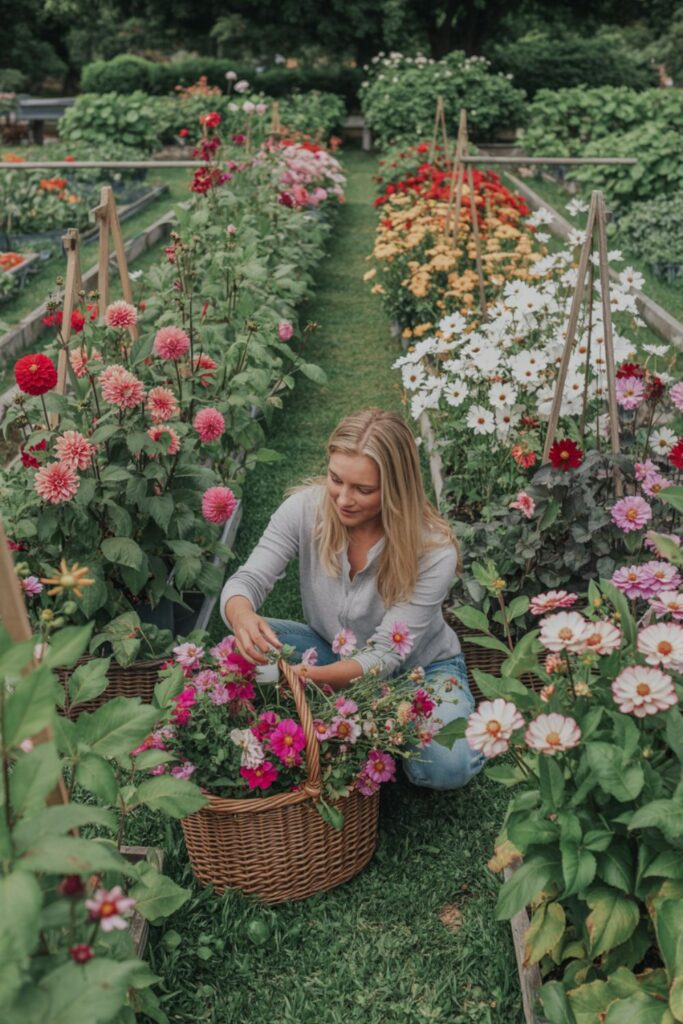
Cutting garden designs prioritize flower production for indoor arrangements over landscape aesthetics. This utilitarian approach delivers abundant stems without guilt about removing garden blooms.
Locate cutting gardens in utilitarian areas like vegetable plots or side yards rather than prime viewing locations. Plant in rows like vegetables for easy access and maintenance rather than artistic groupings. Choose varieties bred for long vase life and strong stems zinnias, sunflowers, cosmos, dahlias, and gladiolus excel as cut flowers. Include foliage plants like bells of Ireland, eucalyptus, and ferns that add texture to arrangements. Practice succession planting by sowing new seeds every 2-3 weeks for continuous production rather than one overwhelming flush. Cut flowers in the early morning when stems hold maximum moisture.
What Budget-Friendly Flower Garden Ideas Work Best?
Limited budgets shouldn’t prevent beautiful gardens. Strategic approaches deliver impressive results without financial strain.
Start small with one well-executed bed rather than attempting ambitious projects requiring expensive plant quantities. Growing annual flowers from seed rather than purchasing transplant packets costing $2-$4 produces dozens of plants versus $4-$6 each for nursery starts. Divide existing perennial flowers from your garden or request divisions from generous neighbors with established plants. Shop end-of-season sales when nurseries clear inventory at 50-75% discounts fall-planted perennials establish well before winter. Join local garden clubs offering plant swaps where members exchange divisions and seeds freely. Collect seeds from non-hybrid flowers for next year’s plantings. Use inexpensive mulch like shredded leaves or grass clippings rather than bagged products.
FAQs
What flowers bloom all summer long?
Annual flowers providing continuous blooms throughout summer include zinnias, marigolds, petunias, begonias, impatiens, and geraniums. Among perennial flowers, coneflowers, black-eyed Susans, coreopsis, and daylilies offer extended bloom time spanning several months. Combine both types with deadheading practices to maximize flowering duration and maintain color from late spring through fall frost.
How do I plan a flower garden layout for beginners?
Start by mapping your space noting sunlight requirements, existing features, and hardiness zones. Choose a simple flower bed layout like a border or island bed. Select 5-7 easy-care plants mixing heights tall in back, medium in middle, short in front. Include both perennial flowers and annual flowers for continuous interest. Draw your plan on graph paper with plant spacing and mature sizes before purchasing plants.
What are the easiest flowers to grow for beginners?
Foolproof choices include marigolds, zinnias, and sunflowers among annual flowers, all growing easily from seed. Perennial flowers like black-eyed Susans, coneflowers, daylilies, and hostas tolerate varied conditions and multiply reliably. These selections forgive irregular watering, poor soil, and beginner mistakes while delivering impressive blooms with minimal garden maintenance requirements.
How can I make my flower garden look fuller?
Plant in groups of odd numbers (3, 5, 7) rather than single specimens for visual impact. Choose plants with spreading habits rather than clumping types. Fill gaps with quick-growing annual flowers while perennial flowers mature. Apply mulch to suppress weeds and create a tidy appearance. Layer plants by height and avoid excessive spacing. Add container plantings that tuck into empty spots for instant fullness.
When is the best time to plant a flower garden?
Spring after final frost dates passes most annual flowers and allows perennial flowers full growing seasons to establish. Fall planting works excellently for perennials in zones 7 and warmer, giving roots time to establish before winter dormancy. Avoid planting during summer heat stress periods. Consult your hardiness zones for specific timing and always check plant tags for particular variety requirements.
Conclusion
Beautiful flower garden ideas transform from inspiration to reality through thoughtful planning, appropriate plant selection, and consistent care matching your available time and budget. Success doesn’t require professional expertise, just willingness to learn fundamental principles about sunlight requirements, soil preparation, color theory, and seasonal planning. Whether you embrace the romantic abundance of cottage garden style, the organized productivity of cutting gardens, or modern minimalist restraint, your personal vision deserves expression through flowers that bring daily joy.
Start with manageable projects building confidence through early wins with foolproof varieties. Combine reliable perennial flowers forming your garden’s backbone with flexible annual flowers filling seasonal gaps and allowing yearly experimentation. Layer plants thoughtfully by height, coordinate bloom time for continuous interest, and prepare soil properly for long-term health. Your garden evolves more beautiful each season as plants mature, your knowledge deepens, and you refine approaches based on direct experience in your specific microclimate and conditions.