20+ Flower Garden Layout Design Ideas
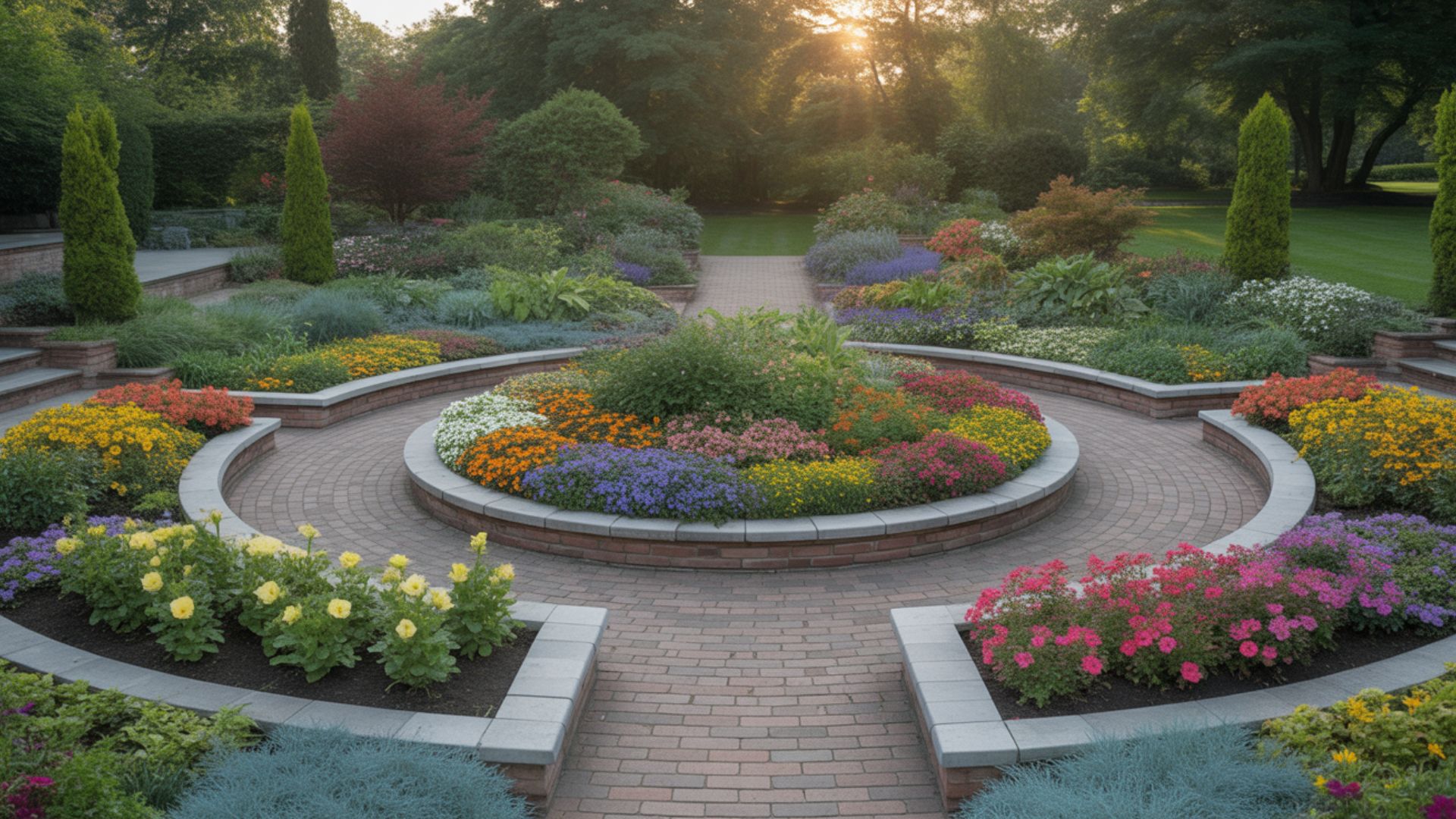
You stare at that empty patch of dirt in your yard. It could be beautiful. It should be stunning. But every time you think about starting a flower garden layout design, the overwhelm sets in. Where do you even begin? What plants go where? How do you make sure it looks good all season long?
Here’s the truth nobody talks about: most flower gardens fail not because of bad plants, but because of poor planning. You grab whatever catches your eye at the nursery, stick it in the ground, and hope for the best. Three months later, you’ve got gaps, color clashes, and plants blocking each other. Sound familiar? The good news is that creating a flower garden layout that turns heads doesn’t require a degree in horticulture. With the right design ideas and a solid plan, you can build a garden that blooms beautifully from spring through fall and becomes the envy of your neighborhood.
Understanding the Fundamentals of Flower Garden Layout Design
Before you grab a shovel, you need to understand what makes a flower garden layout design work. Professional designers follow specific principles that separate stunning gardens from messy plant collections.
Garden design starts with structure. Think of your garden like a stage production. You need a backdrop, main performers, supporting cast, and extras that fill in the gaps. Tall plants create vertical accents and pair well with soft, billowy, mounded varieties. This layering principle gives your garden depth and makes every plant visible.
Site selection determines everything else. Walk around your yard at different times of day and notice where sunlight falls. Most flowering plants need at least six hours of direct sun daily. Shade lovers exist, but your options multiply dramatically with full sun exposure. Check your soil drainage by digging a hole about 12 inches deep and filling it with water. If it drains within a few hours, you’re golden. Standing water means you’ll need to amend the soil or choose moisture-loving plants.
How Do You Plan a Flower Garden Layout Step by Step?
Garden planning transforms vague ideas into blooming reality. Start by measuring your intended space and sketching it on graph paper using a scale of one inch equals four feet. This simple step prevents expensive mistakes and helps visualize the final result.
Mark existing structures first. Note your house walls, fences, walkways, trees, and any permanent fixtures. These elements influence plant selection and placement. A white house wall reflects light and heat differently than a dark wooden fence. Trees create shade and compete for water and nutrients with their root systems.
Decide on your garden shape next. Curved edges feel more natural and forgiving than straight lines. Landscape designers use curved lines to mimic nature and increase visual enjoyment. Use a garden hose to outline potential bed shapes and view them from different angles. Walk around, look out your windows, and imagine mature plants filling the space.
Consider access and maintenance paths. If your bed extends deeper than three feet, you’ll struggle to reach plants in the back without stepping on soil. Stepping stones or narrow mulch paths let you weed, deadhead, and care for plants without compacting soil. These practical elements become design features when executed thoughtfully.
What Are the Best Flower Garden Layout Ideas for Different Spaces?
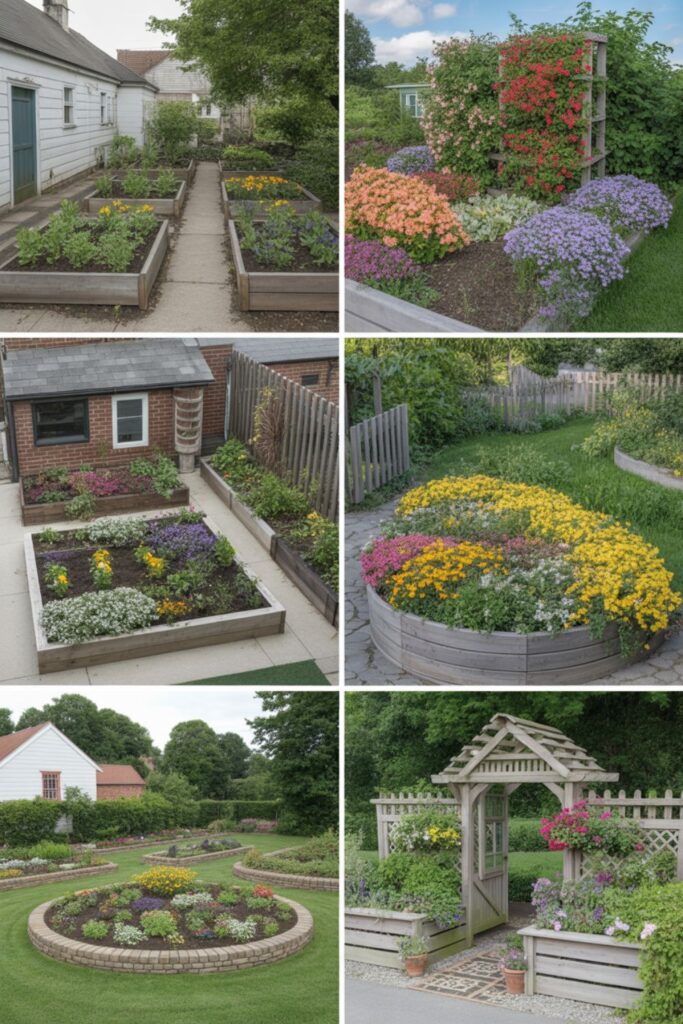
Your available space dictates layout ideas that work best. Small gardens require different strategies than sprawling yards, but both can deliver jaw-dropping results.
Small Space Garden Layouts
Compact areas need efficient use of every square inch. Vertical gardening maximizes limited space by growing upward instead of outward. Install trellises, arbors, or bamboo teepees for climbing flowers like clematis, morning glories, or sweet peas. Plant shorter blooms like marigolds at the base while vines climb overhead.
Raised beds work brilliantly in small spaces. They define the garden area, improve drainage, and make maintenance easier on your back. A single 4×8 foot raised bed provides enough space for a stunning display. Arrange raised beds in neat rows with walking space between them, and add a trellis at one end for climbing flowers.
Container gardens offer ultimate flexibility. Group pots of varying heights and sizes to create visual interest. You can rearrange them as plants bloom or fade, keeping your display fresh all season. Compact dwarf varieties fit perfectly in containers and pack surprising flower power into small packages.
Large Garden Layout Designs
Expansive spaces let you think bigger. Traditional perennial borders need beds at least 6 to 10 feet deep to properly layer plants by height. Place tall specimens like Joe Pye weed, hardy hibiscus, or sunflowers in the back row. Mid-height plants like salvia, coneflowers, and daylilies occupy the middle ground. Low-growing edging plants like catmint, alyssum, or creeping phlox form the front border.
Island beds sit in the middle of lawn areas and can be viewed from all sides. Start with the tallest plants in the center and graduate down to shorter varieties at the edges. This creates a dome effect that looks good from every angle. Make island beds roughly twice as long as they are wide for pleasing proportions.
Cutting garden layouts prioritize flower production over ornamental display. Plant in straight rows or grid patterns for easy access and maintenance. The goal of cutting gardens is maximum production and efficient maintenance with practical layouts. Grow flowers specifically for bouquets without worrying about leaving gaps in your landscape.
How Should You Layer Plants in a Flower Garden Design?
Layering plants by height creates professional results. This technique ensures every plant gets noticed and receives adequate sunlight.
Back row plants reach 4 to 6 feet or taller. These architectural specimens provide structure and serve as the garden’s backbone. Delphiniums, tall phlox, hollyhocks, and ornamental grasses work beautifully here. They need staking in windy locations but reward you with dramatic vertical impact.
Middle layer plants stand 2 to 4 feet tall and deliver most of your color. This tier houses workhorses like coneflowers, black-eyed Susans, yarrow, salvias, and bearded iris. They bloom for weeks and require minimal fuss once established.
Front edge plants stay under 18 inches and soften the transition between garden and lawn. Choose plants with attractive foliage that looks good even when not blooming. Host as, coral bells, lamb’s ear, and sedums excel in this role. Foliage creates consistency and form because flowers come and go, but leaves provide lasting structure.
Don’t forget the ground layer. Groundcovers fill gaps, suppress weeds, and create living mulch. Creeping thyme, creeping Jenny, and ajuga spread horizontally and knit the garden together visually.
What Color Schemes Work Best for Flower Garden Layouts?
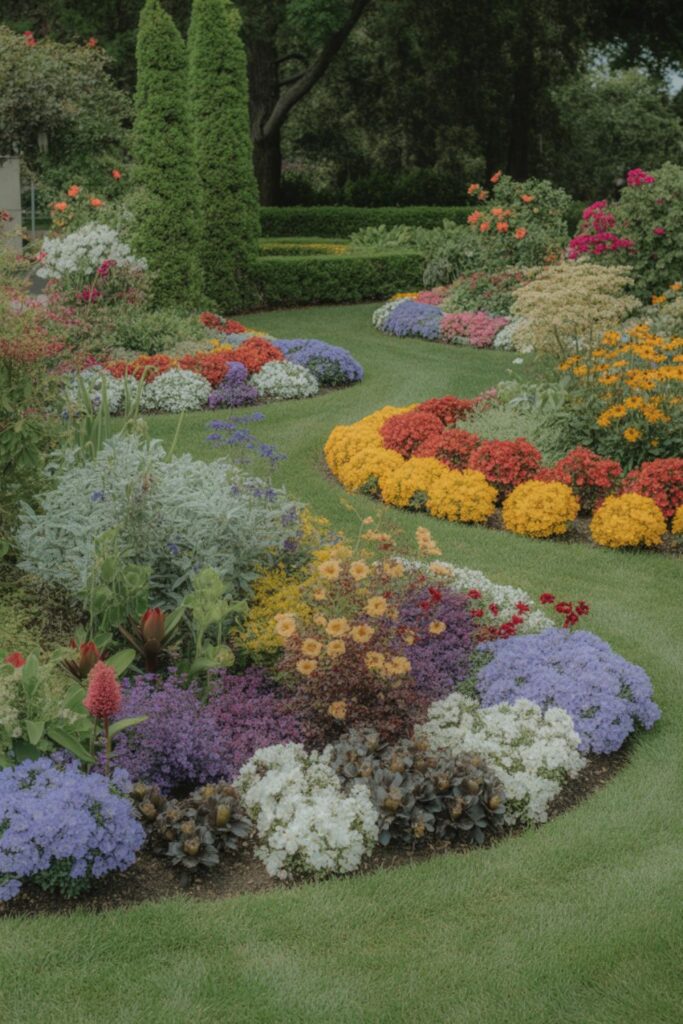
Color scheme selection dramatically impacts your garden’s mood and appeal. Certain combinations create harmony while others generate excitement and energy.
Monochromatic gardens use varying shades of a single color. An all-white garden glows at dusk and creates sophisticated elegance. Blue and purple gardens feel cool and calming. Yellow gardens radiate cheerfulness and sunshine. This approach simplifies plant selection and guarantees cohesion.
Complementary color combinations pair opposites on the color wheel. Purple and yellow create vibrant contrast that catches every eye. Orange and blue deliver similar punch. Red and green combinations (think red roses against green foliage) feel classic and timeless.
Analogous color schemes use neighbors on the color wheel. Pink, purple, and blue create dreamy, romantic spaces. Yellow, orange, and red deliver hot, energetic displays. These combinations feel natural and easy on the eyes.
Consider bloom time when planning colors. Gardens should include plants that bloom at different times to maintain continuous pops of color throughout the year. Spring might feature pastels, summer bursts with hot colors, and fall transitions to rich golds and burgundies.
How Do You Create Succession of Bloom in Garden Design?
Succession of bloom keeps your garden interesting from early spring through hard frost. Strategic planning ensures you never face a period without flowers.
Start with spring bulbs. Crocuses, daffodils, and tulips emerge earliest and provide hope after winter. Plant these in fall for spring rewards. Early perennials like bleeding heart, pulmonaria, and primrose follow close behind.
Late spring and early summer bring peak bloom time. Peonies, iris, baptisia, and columbine steal the show. These classic perennials define traditional garden beauty. Plant them in prominent positions where their brief but glorious display receives maximum attention.
Summer bloomers carry the garden through hot months. Daylilies, coneflowers, black-eyed Susans, and rudbeckia tolerate heat and humidity. Many rebloom if deadheaded regularly. Add annuals like zinnias, marigolds, and cosmos for non-stop summer color that fills gaps between perennials.
Fall stars extend beauty until frost. Asters, sedum, Russian sage, and ornamental grasses peak in autumn. Their colors complement falling leaves and transition your garden gracefully into winter. Understanding exactly when and for how long particular perennials bloom in your area is crucial for continuous color.
Read More About: Garden Plant with Vibrant Flowers for Stunning Landscapes
What Are Essential Design Principles for Flower Gardens?
Professional design principles separate amateur attempts from magazine-worthy gardens. These concepts apply regardless of garden size or style.
Repetition Creates Cohesion
Plant groupings in odd numbers of three, five, or seven instead of singles. Repeating plants in small drifts guides the eye and provides structural rhythm throughout the border. This technique makes your garden feel intentional rather than random. Nepeta, salvia, and sedum repeat especially well throughout a bed.
Focal Points Command Attention
Every garden composition needs a star. This might be a spectacular plant combination, a striking specimen tree, or a garden ornament like a birdbath or sculpture. Place your focal point where sight lines naturally travel. Design outward from this anchor point, using supporting plants to frame and enhance rather than compete.
Texture Adds Interest
Vary leaf shapes and flower forms throughout your design. Pair spiky plants with soft billowy varieties, and combine broad foliage with delicate lacy leaves. Bold dramatic flowers look even more impressive next to light airy blooms. This contrast creates visual excitement that solid masses of similar textures lack.
Background and Foreground Matter
Don’t forget what exists around your garden. Backgrounds and foregrounds should enhance the garden viewing experience, not compete with it for attention. Dark evergreen shrubs make colorful flowers pop. Walls, fences, and hedges provide backdrops that frame your plantings beautifully.
How Do You Prepare Soil for a Flower Garden Layout?
Soil preparation determines whether plants thrive or merely survive. This unglamorous step makes the difference between success and disappointment.
Test your soil first. Home test kits reveal pH levels and major nutrient deficiencies. Most flowers prefer slightly acidic to neutral soil with a pH between 6.0 and 7.0. Armed with test results, you can amend soil specifically for your plants’ needs rather than guessing.
Remove existing grass and weeds completely from your bed area. Use a sod cutter for large areas or slice off sections with a sharp spade. Shake excess soil from grass roots and compost the rest. This creates a clean slate free from competition.
Add organic matter generously. Incorporate compost, peat moss, or well-aged manure 12 inches deep at a rate of 3 cubic yards per 1,000 square feet. This improves drainage in clay soil and increases water retention in sandy soil. Organic matter feeds beneficial soil microorganisms that help plants absorb nutrients.
Work amendments thoroughly into existing soil rather than layering them on top. This prevents distinct layers that impede root growth and water movement. Your shovel should easily penetrate the prepared soil to full blade depth.
What Layout Works Best for Cutting Gardens?
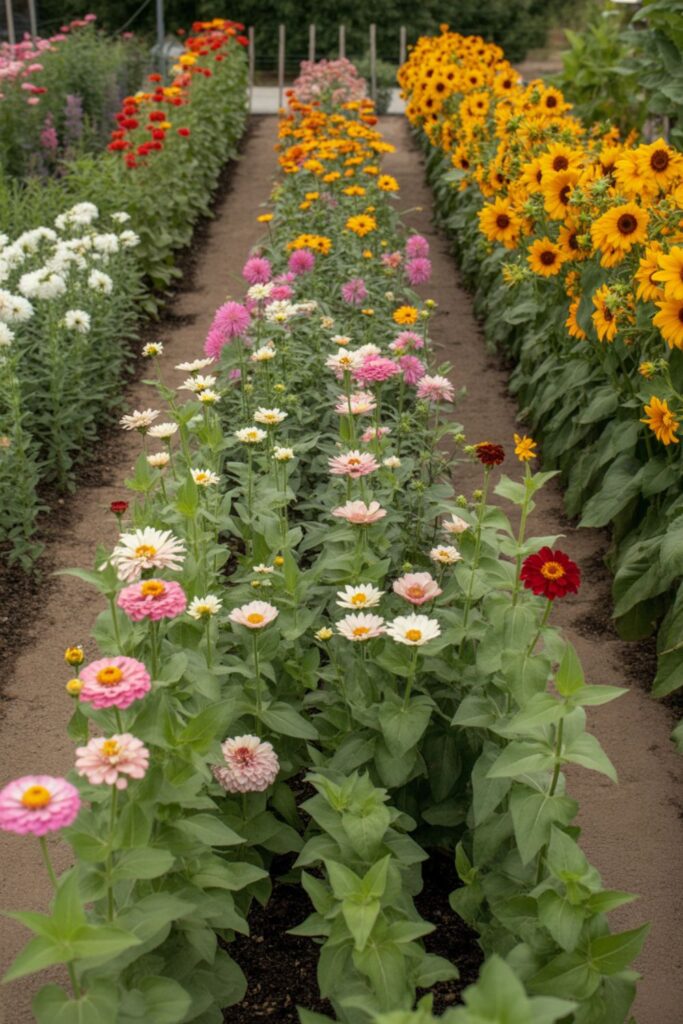
Cutting garden design prioritizes productivity over aesthetics. These gardens exist solely to supply fresh flowers for indoor arrangements without leaving holes in your landscape display.
Choose a practical location close to your water source and easy to access. Cutting gardens benefit from locations near vegetable gardens since flowers attract pollinators that boost harvest. Full sun exposure delivers maximum flower production for most varieties.
Rectangular layouts with straight rows make maintenance efficient. Space rows far enough apart for comfortable access with garden tools and harvesting baskets. Mulch pathways keep feet clean and suppress weeds between rows.
Include support from the beginning. Many cutting flowers like dahlias, lisianthus, and tall zinnias need staking or netting to grow straight stems. Install these supports early so plants grow through them naturally rather than requiring tying later.
Plant successively throughout the season. Instead of planting all zinnia seeds at once, sow small batches every two weeks from late spring through mid-summer. This staggered approach ensures fresh blooms continuously rather than one overwhelming flush followed by nothing.
How Should Beginners Start Their First Flower Garden Layout?
Starting simple prevents overwhelm and builds confidence. Your first flower garden should teach fundamentals without demanding expert knowledge.
Choose a manageable size. A 4×8 foot bed provides plenty of space to experiment without becoming a maintenance burden. Rectangular or square shapes are easier to manage than complex designs for beginners.
Select foolproof plants that forgive mistakes. Zinnias, sunflowers, and marigolds grow readily from seed and bloom reliably. Perennials like daylilies, coneflowers, and black-eyed Susans tolerate neglect and multiply over time. These workhorses let you learn without expensive failures.
Start with a limited color palette. Choose three colors maximum for your first garden. This constraint makes design decisions easier and creates automatic cohesion. Blue salvia, yellow coreopsis, and white Shasta daisies create a classic combination that works almost anywhere.
Plan for three-season interest even in a starter garden. Include at least one plant that blooms in spring, several for summer, and one fall performer. Even basic garden planning for succession of bloom elevates your design above random plantings.
What Common Mistakes Should You Avoid in Flower Garden Design?
Learning from others’ mistakes saves time, money, and disappointment. These frequent errors undermine even well-intentioned gardens.
Planting too densely feels generous at first but creates problems later. Plants need spacing recommendations followed for air circulation and mature size accommodation. Crowded plants compete for resources, develop disease more easily, and require more frequent division. Space plants according to their mature size, not their nursery pot size.
Ignoring bloom times creates feast-or-famine gardens. Everything blooms gloriously in June, then nothing until September. Research bloom periods carefully and distribute them across the growing season. A garden journal helps track what blooms when so you can fill gaps in subsequent seasons.
Buying single specimens of multiple varieties creates visual chaos. Gardens need editing and repetition, not one of everything from the nursery. Focus on fewer varieties planted in groups rather than collecting every plant that catches your eye.
Forgetting about foliage dooms your garden to look interesting only during bloom time. Foliage matters as much as flowers because plants bloom briefly but display leaves all season. Choose plants with attractive leaves that provide structure between bloom periods.
How Do You Incorporate Different Garden Styles Into Your Layout?
Garden styles reflect personal taste and complement your home’s architecture. Understanding style characteristics helps create cohesive designs that feel intentional.
Cottage Garden Style
Cottage gardens embrace organized chaos. They should look unplanned although careful planning ensures plants work cohesively together. Mix perennials, annuals, herbs, and even vegetables freely. Let plants self-sow and intermingle naturally. Weathered wooden fences, arbors, and gates enhance the romantic, carefree vibe.
Formal English Garden Style
English borders feature distinct shapes and careful arrangement. These gardens prominently feature perennials followed by annuals, herbs, roses, vegetables, shrubs, and grass. Manicured shrubs, topiaries, boxwood hedges, and geometric features create order. Symmetry and controlled color palettes dominate this classic style.
Modern Minimalist Garden Design
Contemporary gardens use restraint and clean lines. Choose fewer plant varieties and repeat them in sweeps or blocks. Ornamental grasses and architectural plants like agave or yucca provide structure. Hardscaping plays a prominent role with materials like concrete, steel, and stone creating bold geometry.
Woodland Garden Approach
Shade gardens recreate forest environments. Use shade-loving plants and flowers to create private, relaxed settings that feel like wooded sanctuaries. Hostas, ferns, astilbe, and heuchera thrive in low light. Add rustic pathways, birdbaths, and shade-tolerant groundcovers. This style works perfectly for areas under mature trees.
What Role Do Hardscape Elements Play in Garden Layout?
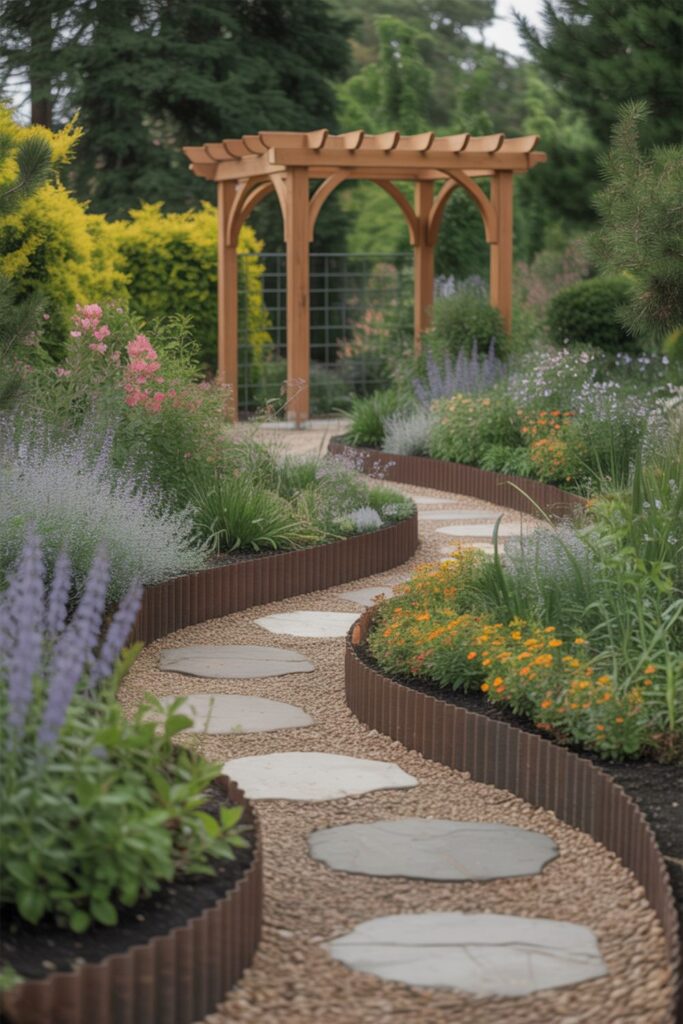
Hardscaping provides permanent structure that enhances plant displays. These elements define spaces, create focal points, and reduce maintenance.
Edging separates garden beds from lawns and pathways. Clean edges create order and distinguish flower beds from the rest of your yard. Materials like bricks, stones, or metal edging reflect your style. Flush installation allows mowers to trim edges without additional weed-whipping.
Pathways invite exploration and provide access. Gravel, mulch, stepping stones, or pavers create routes through larger gardens. Curved paths add mystery and make small spaces feel larger. Straight paths suit formal designs and emphasize destination points.
Seating areas let you enjoy your creation. Position flower beds so you can nestle benches among flowers or build larger seating areas integrated into the planting plan. Even a simple bench creates a destination and encourages you to actually spend time in your garden.
Vertical structures add height and support climbing plants. Arbors, trellises, obelisks, and pergolas provide architectural interest year-round. They support vining flowers and create vertical layers that maximize bloom space.
How Do You Design for Year-Round Interest?
Great gardens deliver beauty in every season, not just peak summer months. Strategic planning extends visual interest throughout the year.
Spring bulbs provide the earliest color. Layer different bulb types for extended bloom. Early crocuses and snowdrops emerge first, followed by daffodils, then tulips and alliums. Plant bulbs in clusters and drifts rather than straight rows for natural appearance.
Summer relies on long-blooming perennials and annuals. Deadheads spent flowers regularly to encourage continuous blooming. This simple maintenance task extends bloom time dramatically for many varieties.
Fall gardens shine with asters, sedum, ornamental grasses, and late-blooming perennials. Their warm tones complement autumn foliage. Many ornamental grasses develop beautiful seed heads that persist into winter.
Winter gardens need evergreen structure. Conifers, evergreen shrubs, and ornamental grasses provide backbone when perennials die back. Seed heads left standing catch snow and frost beautifully. Berries on shrubs feed birds and add color against white snow.
Read More About: Garden Layout Flower Design for Stunning Landscapes
What Tools and Resources Help With Garden Layout Planning?
Modern technology simplifies garden planning dramatically. Take advantage of these resources to design smarter.
Graph paper remains the classic planning tool. Drawing to scale helps visualize plant placement and spacing accurately. Use colored pencils to represent different bloom times and see where color gaps exist.
Garden design software and apps let you drag and drop plants digitally. Many programs calculate quantities needed and generate shopping lists. Some include plant databases with photos showing mature size and bloom time.
Take photos of gardens you admire. Visit botanical gardens, tour private gardens, browse Pinterest and Instagram. Save images that resonate with your vision. These visual references guide plant selection and layout decisions better than descriptions alone.
Join local garden clubs or online communities. Experienced gardeners share regional knowledge about what thrives in your climate. They offer plant divisions, answer questions, and provide encouragement when challenges arise.
Frequently Asked Questions
How much space should I leave between flowers in a garden layout?
Space plants according to their mature width, not their current pot size. Most perennials need 12 to 24 inches between centers depending on variety. Read plant tags carefully since spacing varies dramatically between species. Proper spacing prevents overcrowding, improves air circulation, and reduces disease problems.
Can you mix annuals and perennials in the same flower garden design?
Absolutely! This combination delivers the best of both worlds. Perennials provide reliable structure and return yearly without replanting. Annuals fill gaps, provide continuous summer color, and let you experiment with different colors each season. This mixed approach creates fuller, more dynamic gardens than using either alone.
What is the easiest flower garden layout for beginners?
Rectangular or square raised beds offer the simplest starting point. Use a simple three-layer approach with tall plants in back, medium plants in the middle, and short plants in front. Choose easy-care plants like zinnias, marigolds, and sunflowers that forgive mistakes and reward minimal effort with abundant blooms.
How do I choose the right location for my flower garden layout?
Observe sunlight patterns throughout the day across different seasons. Most flowering plants need at least six hours of direct sun. Check soil drainage by digging a test hole and filling it with water. Good drainage is essential. Consider visibility from your home’s windows and outdoor living areas so you can enjoy your creation daily.
What flowers work best for continuous blooms in garden designs?
For true continuous bloom, combine plants with different peak times. Spring bulbs, early perennials like bleeding heart, summer stalwarts including coneflowers and black-eyed Susans, fall bloomers like asters, plus generous helpings of long-blooming annuals create seamless succession. Research bloom times carefully for your specific hardiness zone.
Conclusion
Creating a stunning flower garden layout design transforms empty space into outdoor art that evolves through seasons and years. The secret lies not in expensive plants or professional training but in thoughtful planning that considers site conditions, color harmony, bloom succession, and practical maintenance. Start with careful site selection and soil preparation because these fundamentals determine everything that follows. Layer plants by height, repeat key varieties in groupings, and design for visual interest beyond brief bloom periods.
Your garden reflects your personal style whether you prefer cottage charm, formal English borders, or contemporary minimalism. The layout ideas explored here provide frameworks you can adapt to your unique space and preferences. Remember that gardening rewards patience more than perfection. Your first attempt teaches lessons that improve subsequent seasons. Keep a garden journal, learn from both successes and failures, and don’t hesitate to move plants that aren’t working. Even professional designers edit and refine their gardens constantly because plants grow, tastes evolve, and conditions change. With solid design principles and willingness to experiment, you’ll create a flower garden that brings daily joy and becomes your favorite outdoor retreat.